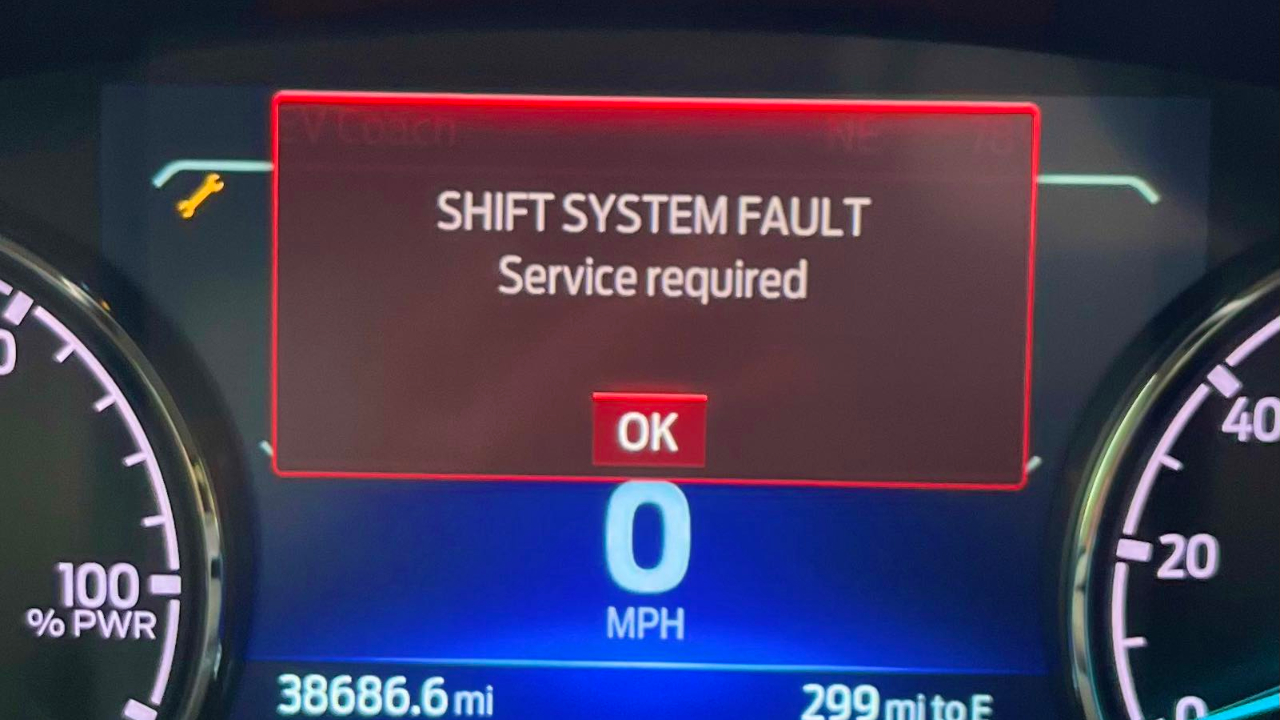
On some of Ford’s newest and most popular pickup trucks, drivers have reported a chilling failure: the digital instrument panel suddenly goes dark, leaving them without a speedometer, fuel gauge, or warning lights while still moving in traffic. That defect has now triggered a major recall covering more than 355,000 F-Series trucks in the United States and Canada, turning a hidden software error into a significant safety issue for one of North America’s best-selling vehicle lines.
Software Fault Behind a Blacked-Out Dashboard
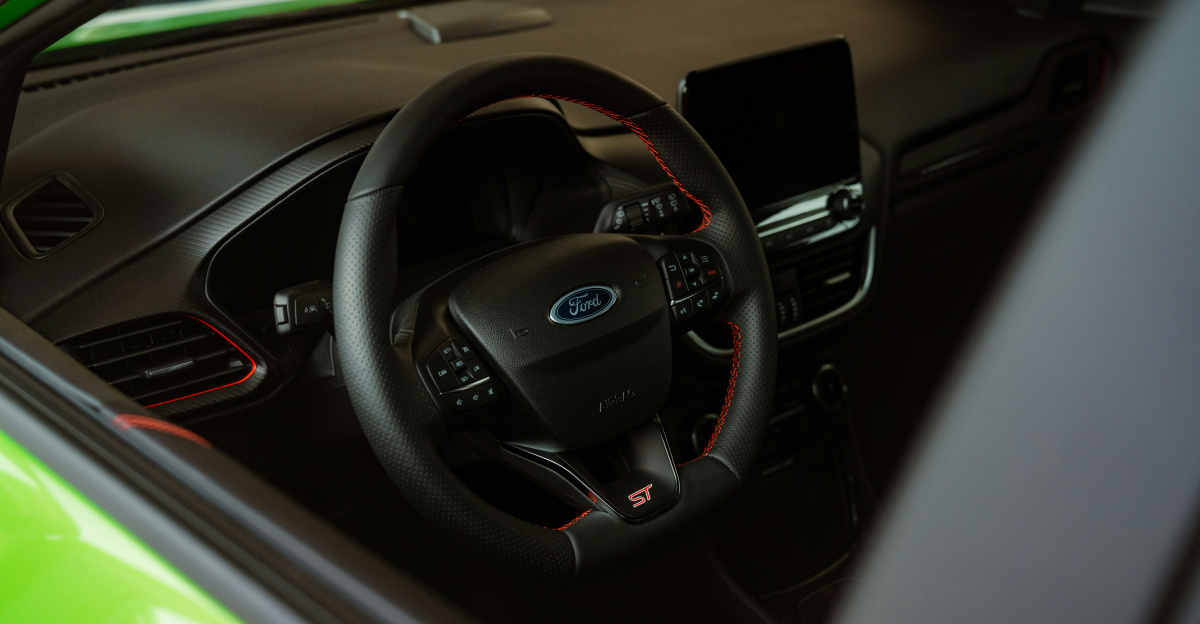
According to Ford and regulatory filings, the problem traces back to a software memory-protection fault in the instrument cluster, triggered during the vehicle’s startup or “wake-up” sequence. Instead of loading normally, the faulty logic can freeze the display, resulting in a blank digital screen that withholds all driver information.
The defect was introduced in production between May 2024 and July 2025 and affects certain 2025 F-150 and 2025–2026 Super Duty models, including the F-250, F-350, F-450, and F-550. Specifically, the recall covers 278,376 F-150 trucks and 77,280 Super Duty trucks. Every truck built with the flawed software during that window is included in the recall, indicating the issue was present throughout that period rather than limited to a specific batch. Engineers determined the failure is rooted in software, not hardware, which narrows the fix to a programming update but raises questions about how the error passed initial software validation and quality checks.
Why Regulators Call It a Safety Risk
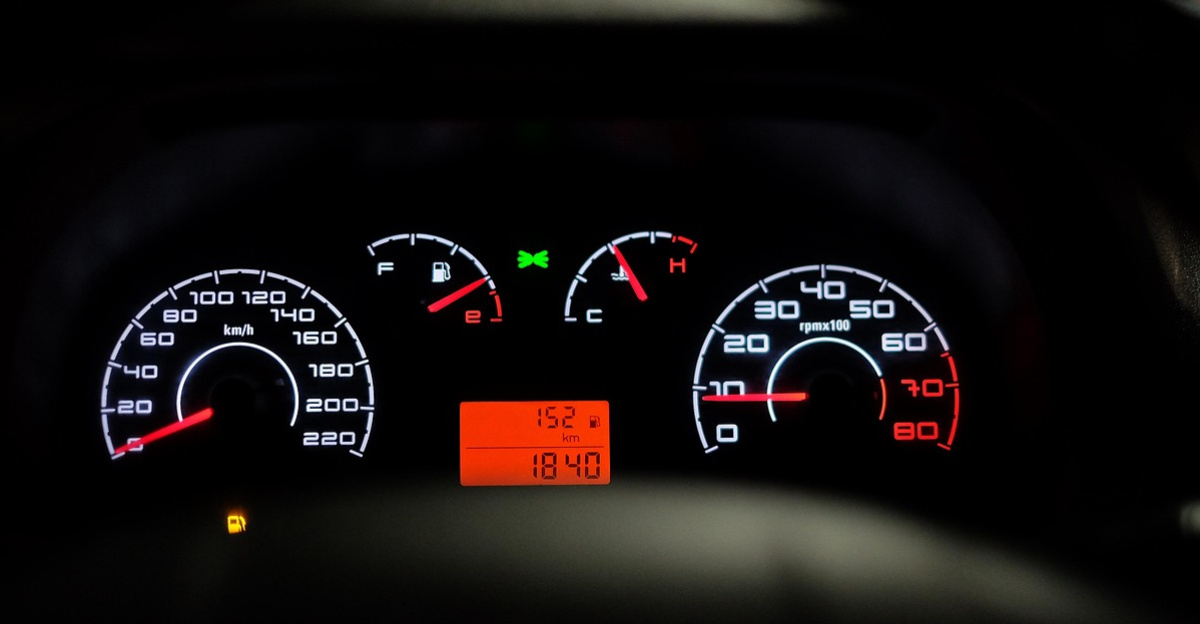
No crashes, injuries, or deaths have been linked to the blackout so far, but U.S. regulators classify this type of defect as a safety hazard because it removes information that drivers are legally and practically expected to monitor. Federal motor vehicle safety standards require functioning instruments for speed, fuel level, warning indicators, and other status lights, and the National Highway Traffic Safety Administration (NHTSA) has classified failures of these systems as defects that increase crash risk.
This classification is applied proactively: like problems with brakes, airbags, or steering components, an instrument-panel failure can be treated as a serious safety issue even before it causes a documented collision. The goal is to alert owners and correct the problem while the risk is still theoretical instead of waiting for severe incidents to occur.
For owners, the effect is immediate and unsettling. Some drivers have reported brief or intermittent blackouts while the vehicle is already in motion, forcing them to estimate their speed and remaining fuel. For trucks used in towing, construction, and other heavy-duty work, the lack of basic operating data can be especially hazardous in tight spaces, congested traffic, or while hauling large loads.
Ford’s Response and the Mechanics of the Recall
Ford initiated the safety recall in August 2025 after internal data showed at least 95 warranty claims or reports tied to cluster blackouts as of June 26. The first claim was received on January 30, 2025. Owners began receiving official notifications beginning September 2. Dealers have been instructed to install an updated software package for the affected instrument clusters at no cost to customers.
On many newer trucks, the update can be delivered over the air, allowing some owners to receive the fix without visiting a dealership. For others, the remedy requires an in-person service appointment. The software update disables the memory protection feature that caused the defect. The software installation typically takes 30 to 45 minutes, but dealers must fit this work into already crowded service schedules that include other recalls and regular repairs.
The recall adds to a year of heavy quality-related activity for Ford. This represents Ford’s 105th recall in 2025 alone, well ahead of the industry average. Each new campaign brings administrative burdens, dealer labor costs paid by the company, and potential legal exposure, even though the work is free for the owner. Analysts expect the cumulative impact of multiple large recalls in 2025 to weigh on margins and complicate long-term product planning, particularly as more vehicle functions depend on complex software.
No Official Cost Estimate Disclosed
Ford has not disclosed a cost estimate for this specific recall. While the company faces substantial cumulative recall costs across its 105+ campaigns in 2025, the financial impact of this 355,000-vehicle dashboard campaign remains unquantified. The repair method—a software update rather than physical component replacement—may limit dealer labor costs compared to other recent Ford recalls.
Cross-Border Impact and Industry Ripple Effects
The issue is not confined to the United States. Transport Canada has issued a corresponding recall for similar F-Series trucks sold north of the border, mirroring the U.S. action and underscoring how a defect in shared software can quickly turn into a continental, and potentially global, concern. Fleet operators and buyers in other markets are monitoring Ford’s response closely as they evaluate future purchasing decisions.
Suppliers involved in the affected instrument clusters, including major electronics firms such as Visteon, are also under scrutiny. While the root cause is software, not hardware, tier-one suppliers must now support reprogramming efforts, participate in quality reviews, and help ensure that revised validation procedures prevent similar issues. At the same time, businesses in the broader service ecosystem—from diagnostic tool providers to roadside-assistance companies—are seeing increased demand as owners seek confirmation of repairs or additional checks after their vehicles are updated.
For many commercial users, the recall has operational consequences. Construction firms, towing companies, and municipal fleets have temporarily sidelined some trucks or rearranged assignments until the software fix is complete, especially for vehicles that regularly tow or carry heavy loads. These adjustments can delay projects or shift work to backup vehicles that may be less efficient.
What Owners Are Advised to Do and What Comes Next

Owners of 2025 F-150 and 2025–2026 Super Duty trucks are being urged to check whether their vehicle identification numbers fall within the recall (NHTSA campaign number 25V-540, Ford number 25S88) using Ford’s and NHTSA’s online tools. If included, they are advised to promptly schedule a free software update or accept the over-the-air fix when notified. Drivers who experience a blackout while driving are instructed to pull over safely, activate hazard lights, and contact Ford or a dealer for guidance and documentation.
The recall has also revived debate inside the industry about the growing reliance on fully digital instrument clusters. While software-based systems can be updated more easily than mechanical gauges, they also introduce the possibility that a single programming error can darken an entire display. Safety advocates and engineers are discussing whether future regulations should require redundant information paths, such as backup analog indicators or secondary displays, to ensure that drivers retain access to critical data even if one system fails.
As automakers add more connected features and software-driven functions to their vehicles, the F-Series dashboard blackout is likely to serve as a case study in how quickly a small coding fault can scale into a large safety campaign. For Ford, the immediate focus is repairing hundreds of thousands of trucks and reassuring owners. For the wider industry and its regulators, the stakes lie in strengthening software testing, refining quality controls, and potentially updating safety rules so that future “smart” trucks remain reliable when digital systems misfire.
Sources NHTSA Part 573 Safety Recall Report 25V540 (August 22, 2025)
Associated Press – “Ford recalls more than 355000 pickup trucks over instrument panel display” (August 27, 2025)
Transport Canada Recall 2025436 – FORD (August 30, 2025)
USA Today – “Ford recalls more than 355000 pickup trucks: See impacted models” (August 27, 2025)
CBT News – “Ford recalls over 355K pickups over instrument panel display defect” (August 26, 2025)