
For 60 years, a Frito-Lay plant on Orlando’s south side turned out familiar bags of Lay’s, Doritos, and Cheetos, offering rare manufacturing jobs in a tourism-heavy region. On November 4, 2025, that run ended in a single day when PepsiCo shut the facility and told 454 workers their jobs were gone.
What the Closure Means for Orlando
The Orlando factory opened in 1965, six years before Walt Disney World, and became a fixture of central Florida’s industrial landscape. For many blue-collar workers without college degrees, it provided steady, unionized employment and a path to middle-income stability in an area dominated by hospitality and service work.
Employees who reported for duty on November 4 expected a routine shift. Instead, they learned the plant was closing immediately under a corporate “network consolidation” plan. Another 46 warehouse workers were told they would remain on the payroll until May 9, 2026, when their jobs would also end. In total, 500 positions are being eliminated.
Local officials processed notices under the federal WARN Act, which requires advance notification or pay in lieu of notice for large layoffs. PepsiCo provided 60 days of pay to the 454 employees whose jobs ended the day of the closure, along with transition support such as financial counseling, résumé help, outplacement services, and access to job fairs. The remaining warehouse staff received several months’ notice.
State agencies in Florida said they would offer additional employment assistance and retraining-style services but did not immediately outline specific programs or timelines. For affected workers, the challenge is moving from long-term factory roles into a regional labor market centered on lower-wage service positions.
Inside PepsiCo’s Restructuring Strategy
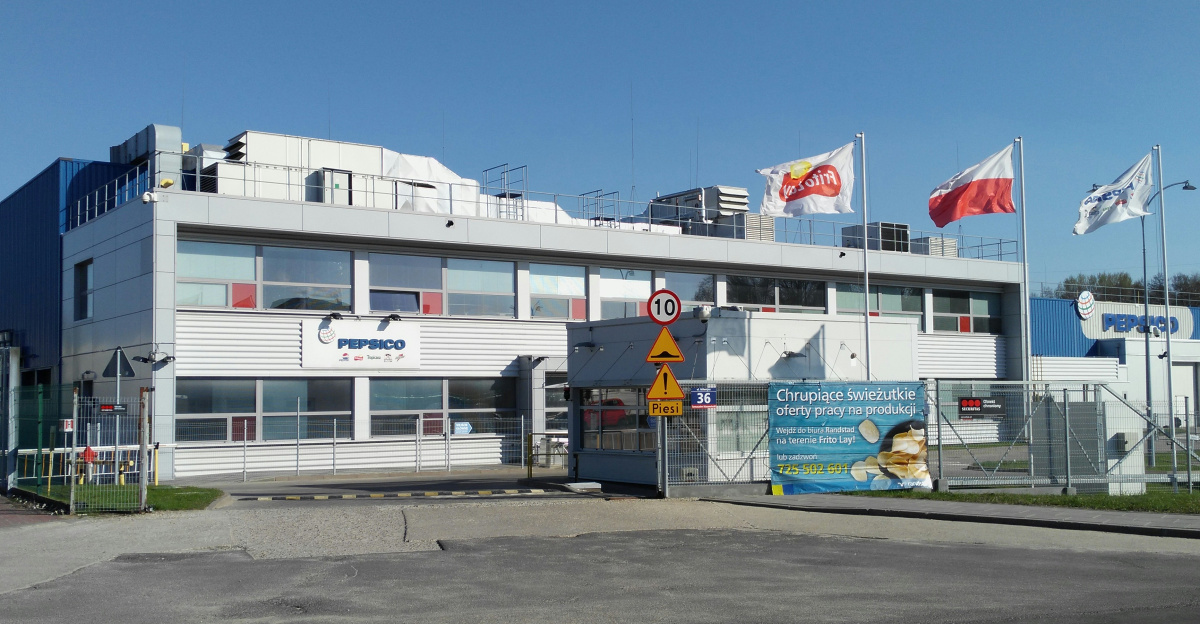
The decision to close Orlando came against a backdrop of weakening demand for traditional salty snacks and broader cost-cutting at PepsiCo. In its third-quarter 2025 earnings report, the company reported a 2% decline in North American snack volumes, a notable pullback after years of steady growth.
CEO Ramon Laguarta has said PepsiCo added manufacturing capacity elsewhere in its system over the past several years, making older plants like Orlando less essential. As part of a global restructuring, the company is eliminating about 7,000 jobs worldwide, roughly 3% of its workforce, in an effort to lower its cost base and protect operating margins.
The Orlando shutdown followed two other major Frito-Lay closures in 2025. In May, a facility in Liberty, New York, shut down with 287 jobs lost. Earlier in the year, the company wound down operations at its Rancho Cucamonga, California plant, affecting between 432 and 480 workers. Together, these moves point to a coordinated effort to consolidate production into fewer, larger, and more automated sites.
PepsiCo has not specified which plants will absorb Orlando’s output. However, in recent years it has invested in expanding and modernizing other facilities, suggesting the company believes existing locations can handle the volume with updated equipment and streamlined logistics.
Changing Snack Habits and Inflation Pressures
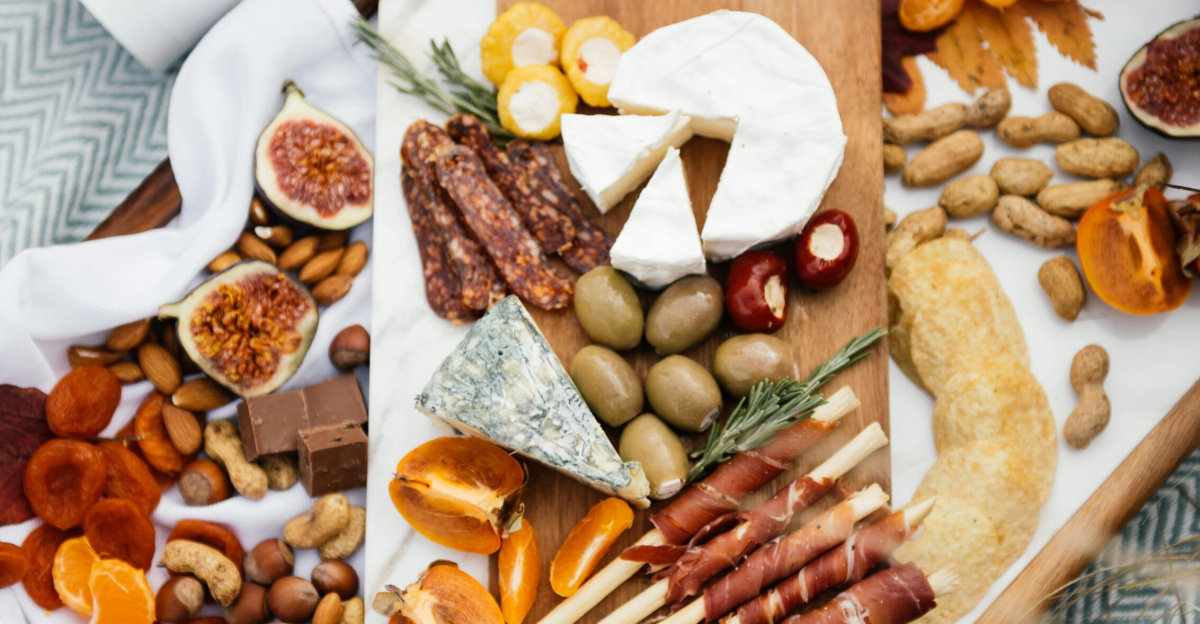
Shifts in consumer behavior played a central role in the company’s calculations. Research from Innova Market Insights shows about one-third of global consumers increased their intake of “better-for-you” snacks over the past year, while only 15% reported eating more traditional sweet or savory snacks. That trend is pushing manufacturers to scale back high-volume production of conventional chips and crackers.
Snack makers are also contending with inflation, which has squeezed household budgets and curbed discretionary purchases, including premium packaged snacks. As prices climbed, many shoppers traded down to store brands or bought fewer snack items altogether. For large manufacturers, this “demand destruction” has meant not just losing share to competitors but operating in a smaller overall market.
In response, PepsiCo has been reshaping its product mix. The company has reformulated parts of its snack portfolio to remove artificial colors and flavors and adopt oils such as olive and avocado oil. It has also leaned into smaller package sizes designed to appeal to budget-conscious buyers and consumers seeking portion control.
Older plants designed around large-scale runs of traditional products, like the Orlando facility, are less suited to this evolving strategy. Newer or upgraded factories can more readily handle shorter runs, premium formulations, and automated packaging tailored to a wider variety of product types and pack sizes.
Wider Industry and Supply Chain Effects
PepsiCo’s moves reflect pressures across the packaged snack sector. Companies including General Mills and J.M. Smucker have reported declines in snack-related sales, underscoring that weaker demand is not confined to a single business. Industry-wide, producers are consolidating operations, trimming capacity, and pursuing efficiency gains to support profitability in a slower-growth environment.
For PepsiCo, the restructuring includes plans to invest in automation at remaining plants. While the company has not detailed specific upgrades by location, consolidation strategies typically pair shutdowns of older facilities with capital spending on more modern sites. The aim is to keep output steady or even increase it while relying on fewer employees.
Closing the Orlando plant also sets off a rebalancing of PepsiCo’s supply chain. Ingredients such as potatoes, corn, and oils that previously flowed into Orlando will be redirected to other facilities, likely closer to where production is now concentrated. Regional suppliers that served the Florida plant will need to find new customers or adjust their own production, creating knock-on effects for farms, processors, and logistics providers tied to the plant.
Investors have largely viewed the company’s cost-cutting efforts as a necessary adjustment to market realities. Financial markets typically reward large consumer-products firms that move quickly to align capacity with demand and protect margins, and analysts have cited potential risks mainly around execution and the possibility of product shortages during the transition.
Looking Ahead for Workers, Consumers, and Manufacturing

For Orlando and the other communities losing plants, the near-term impact is sharply felt in job losses and the erosion of a longstanding industrial anchor. Some displaced workers may find roles at other manufacturers or in logistics, but many will likely move into lower-paying service jobs unless retraining initiatives can connect them with growing sectors.
Consumers may see limited disruptions as production shifts, though PepsiCo’s scale and diversified network reduce the odds of prolonged shortages. Shoppers who experience gaps on store shelves have alternatives, including store brands and regional snack makers, which may benefit if any local supply issues persist.
The closing of a nearly six-decade-old plant in Orlando, alongside facilities in New York and California, illustrates how even well-known brands are reshaping their operations under pressure from changing tastes, inflation, and the push for automation. The outcome will help define what manufacturing employment looks like in the snack sector: fewer locations, more technology, and a workforce that is smaller but more specialized. How quickly demand stabilizes, and whether PepsiCo’s pivot toward premium and “better-for-you” options succeeds, will influence whether further consolidations follow in the coming years.
Sources PepsiCo Q3 2025 Earnings Report and SEC Filing; CNBC/Reuters earnings coverage (October 9, 2025)
Food Dive and Food Ingredients First; Industry reporting on Frito-Lay facility closures (2025)
Innova Market Insights Global Snacking Report; Consumer preference data on better-for-you vs. traditional snacks
Orlando Weekly and Florida Department of Commerce WARN Act filings; Local coverage and workforce notification records (November 4-6, 2025)