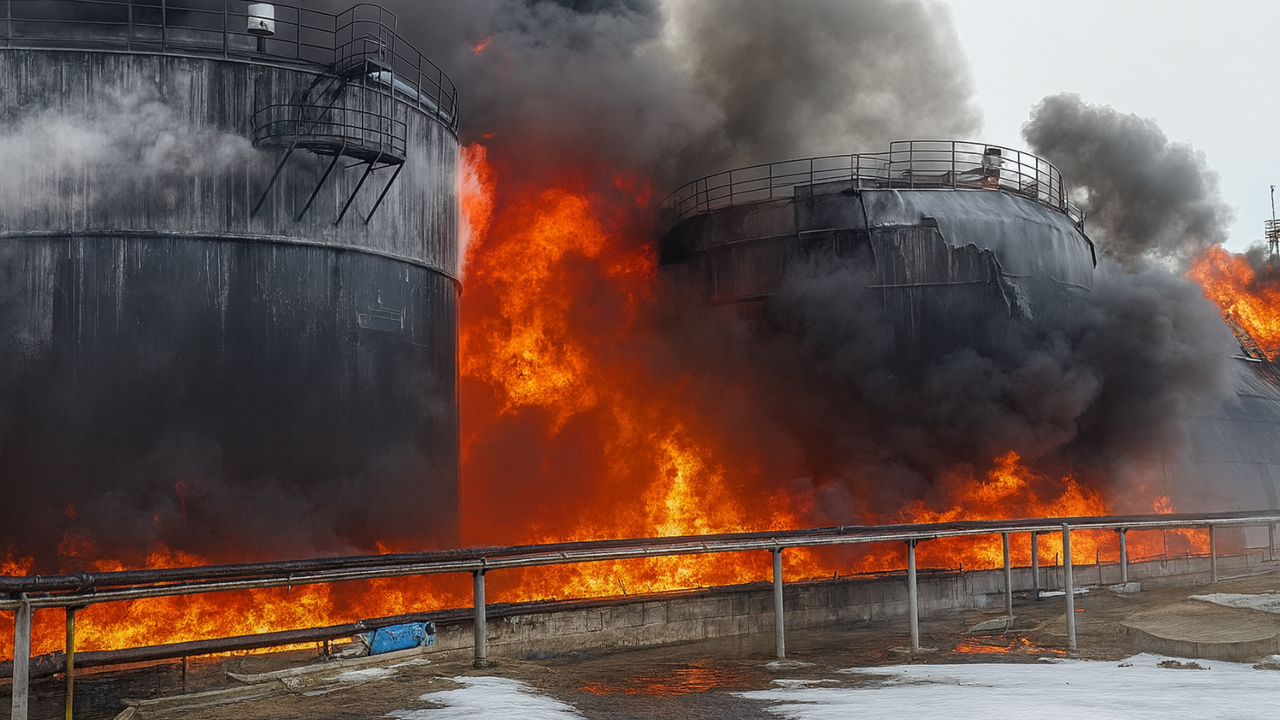
Since autumn 2025, Ukraine has carried out more than 50 confirmed strikes on strategic Russian targets, including oil refineries, fuel depots, terminals, ammunition plants, and military factories. These attacks represent the most intense deep-strike campaign of the war so far.
Verified by satellite imagery and Ukrainian military reporting, the strikes signal a major shift: Ukraine is now directly targeting the economic and logistical foundation that keeps Russia’s war machine running.
Why Ukraine Is Targeting Oil and Industry
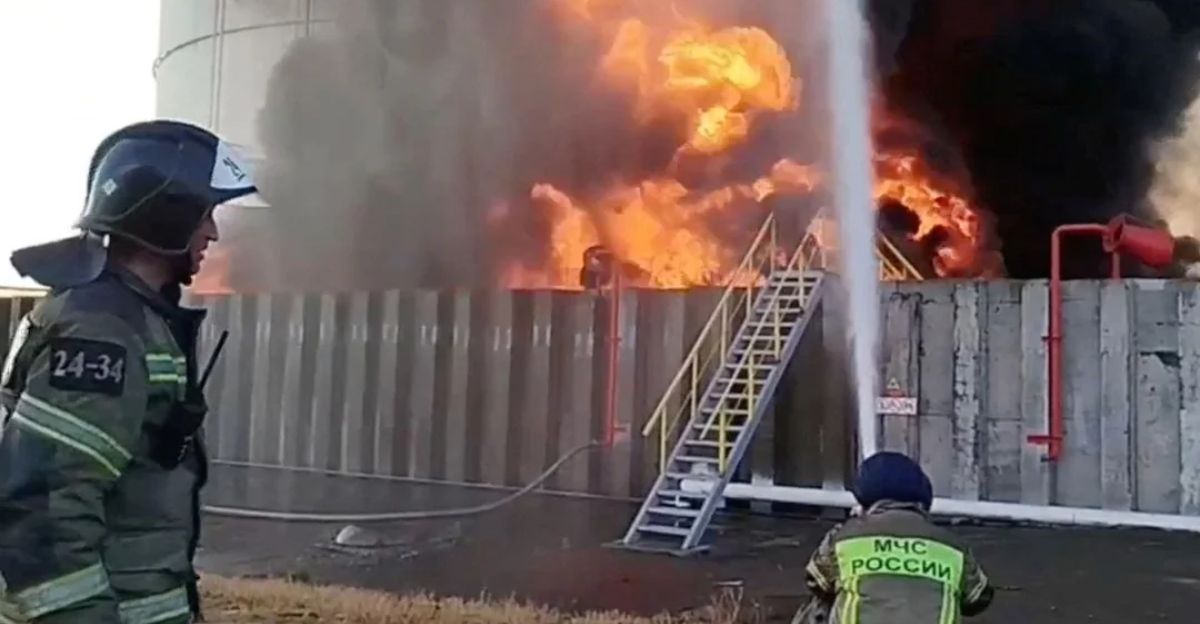
Ukrainian military planners frame the strikes as a way to weaken Russia’s war-fighting capacity by disrupting fuel, ammunition, and industrial output behind the front lines.
Oil infrastructure is especially critical because it supports everything from armored units to aircraft and logistics convoys. By damaging fuel supply chains and production hubs, Ukraine aims to impose sustained economic and military pressure without relying solely on battlefield advances.
The Scale of the Autumn 2025 Offensive
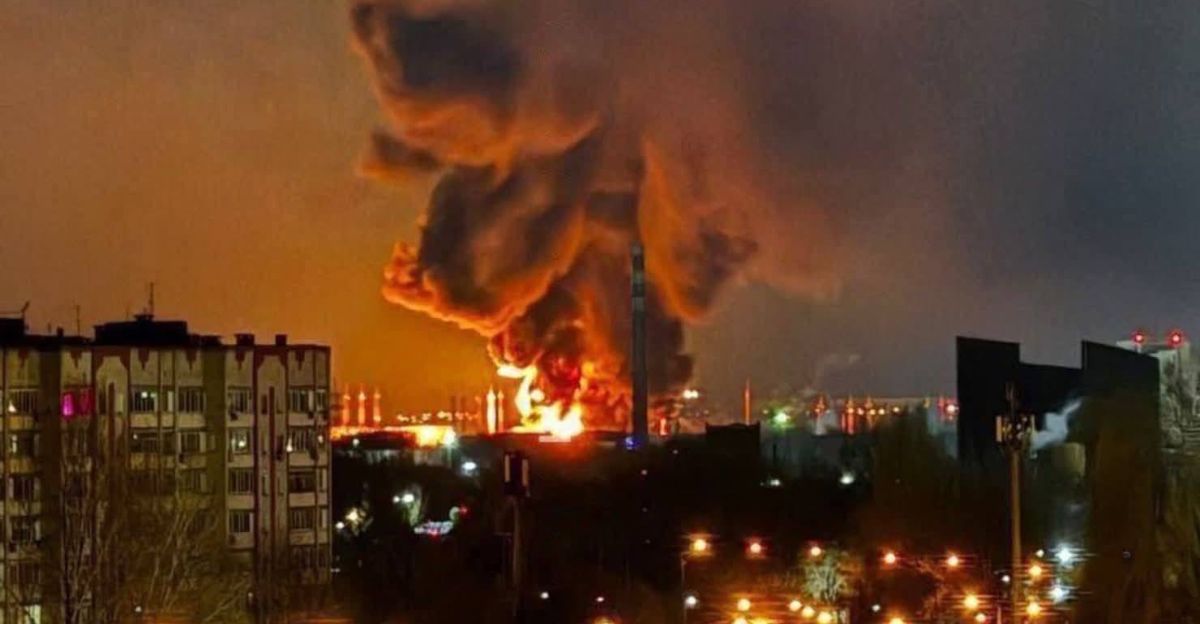
Military and economic analysts describe the autumn 2025 strike wave as the most intense of the entire conflict. Over a three-month period, Ukrainian drones reached deep into Russian territory, hitting targets hundreds of kilometers from the front.
The verified attacks were not isolated symbolic strikes but part of a coordinated campaign aimed at systematically degrading Russia’s strategic energy and defense infrastructure.
Tuapse: A Key Military Fuel Hub Hit
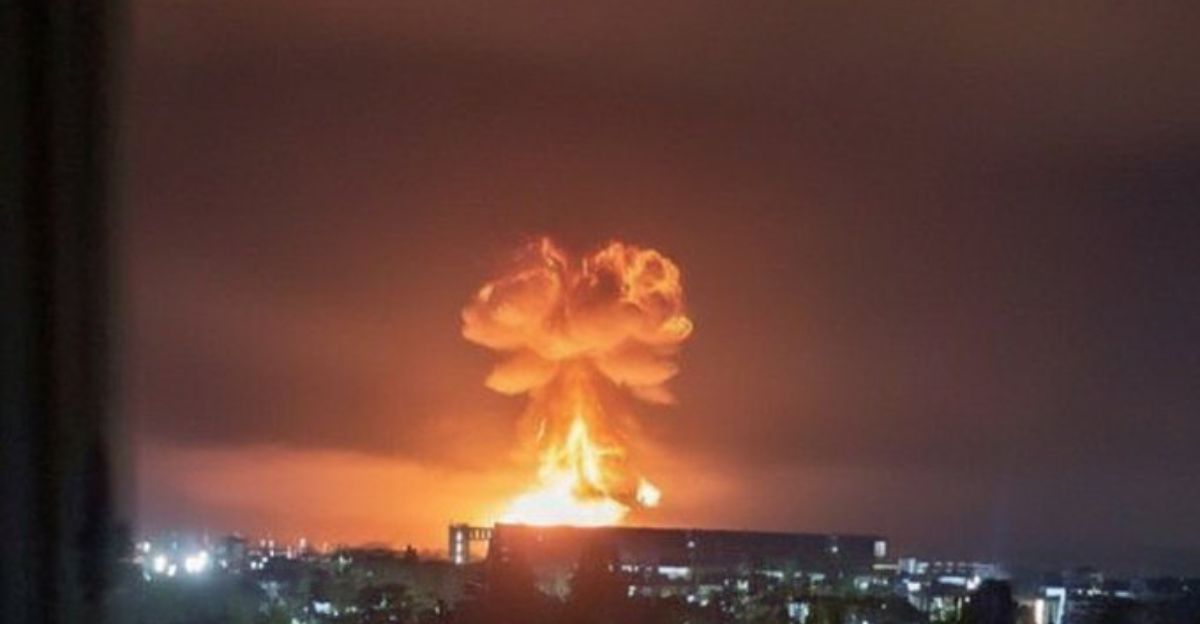
On November 1, 2025, Ukrainian drones struck the Tuapse oil terminal on Russia’s Black Sea coast. The attack damaged pipelines and storage tanks and triggered a major fire.
Tuapse plays a key role in supplying fuel for both civilian markets and Russian military units operating in southern regions. The damage forced emergency response measures and highlighted how vulnerable even heavily guarded energy hubs remain.
Sheskharis Terminal in Novorossiysk
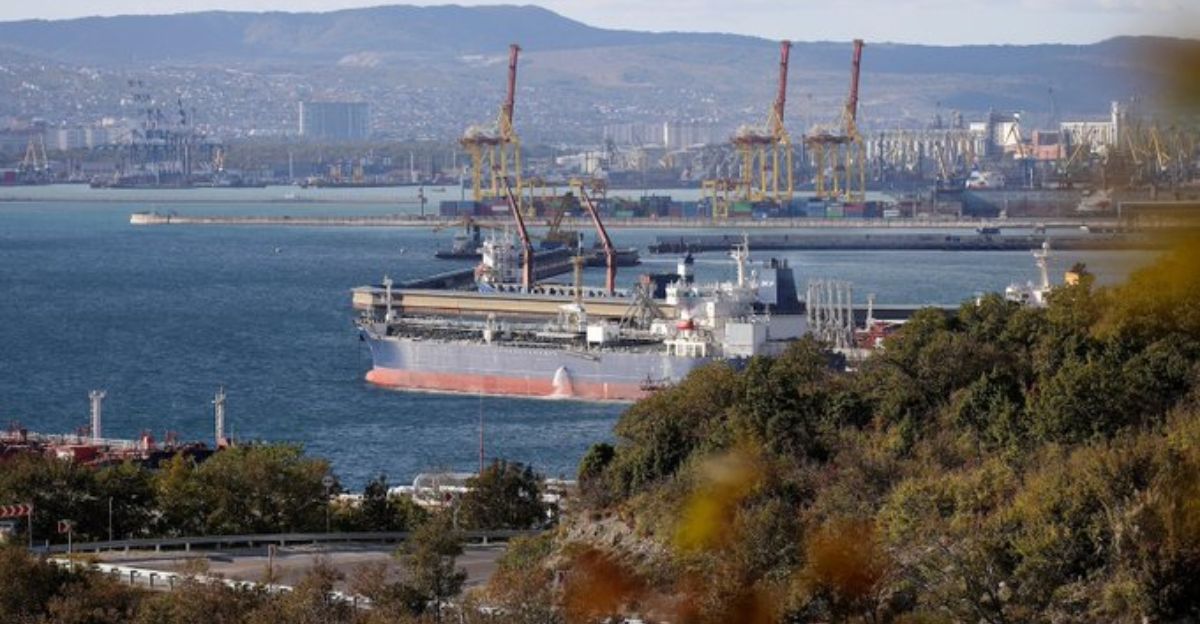
The same day, Ukrainian forces also struck the Sheskharis oil transshipment complex in Novorossiysk, one of Russia’s most important export hubs on the Black Sea.
Fires broke out at the facility, temporarily disrupting operations. Novorossiysk is vital not only for Russian crude exports but also for regional fuel logistics. The strike sent shockwaves through energy markets and port operations across southern Russia.
Chemical Industry Also Under Fire
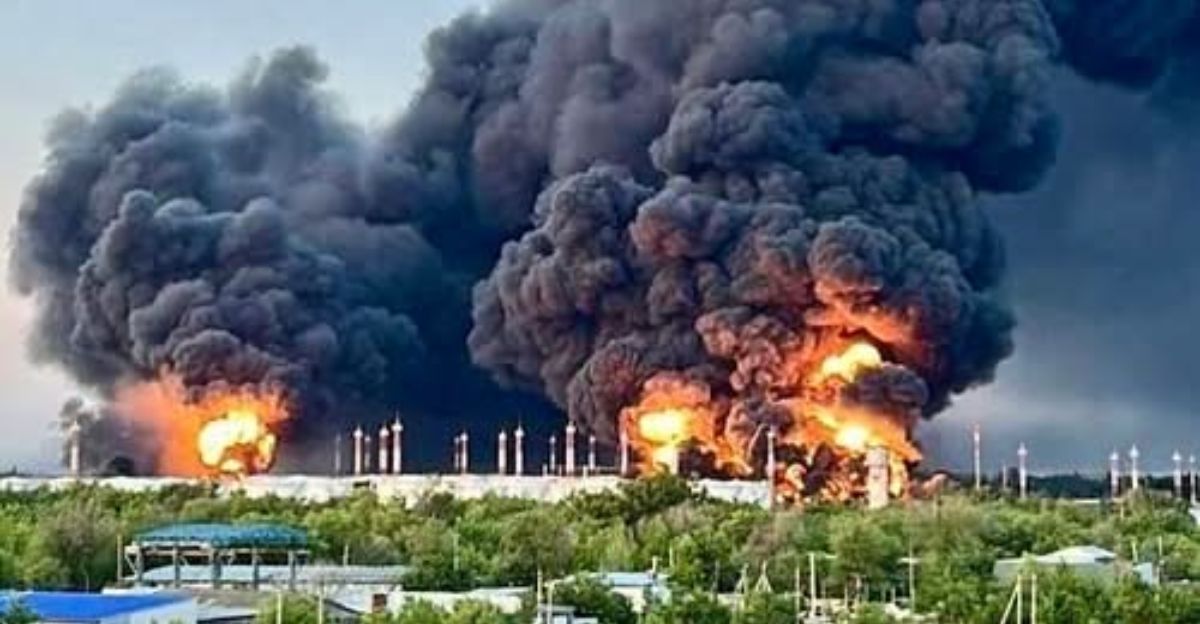
Earlier in the campaign, Ukrainian drones hit the Nevinnomysskiy Azot chemical plant near Nevinnomyssk in the Stavropol region.
This is one of the largest chemical facilities in southern Russia and produces key components for explosives and solid rocket fuel. Local residents reported multiple loud explosions. Disruptions at such plants directly affect both civilian industry and Russia’s ability to sustain munitions production.
The Saran Mechanical Plant Strike
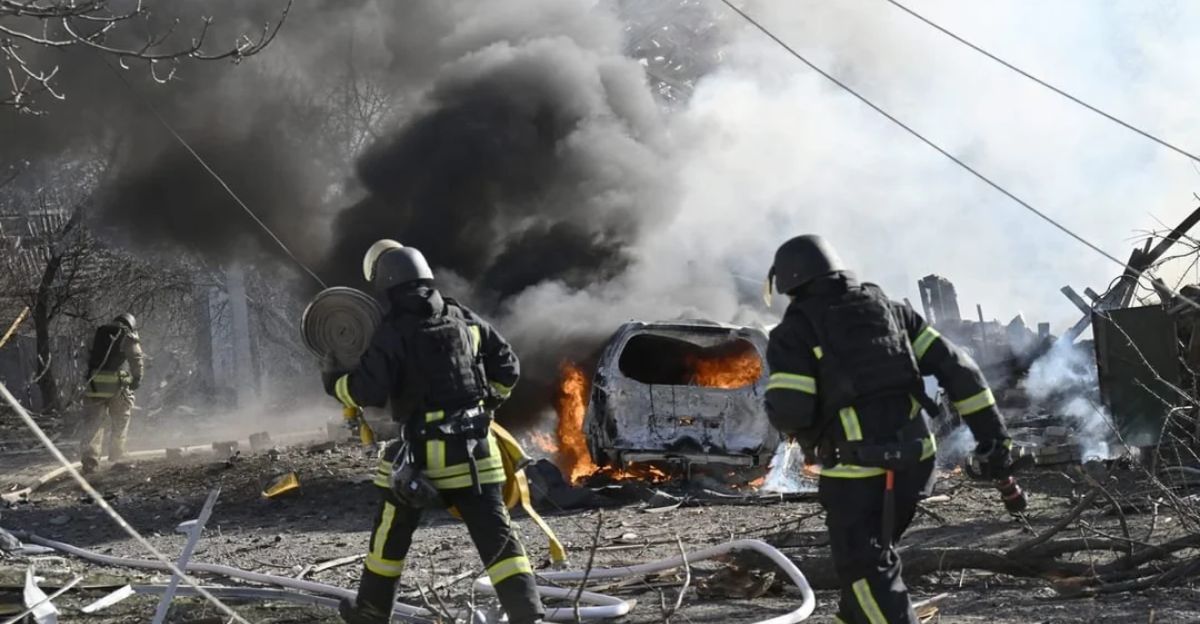
On October 22, 2025, Ukrainian drones struck the Saran Mechanical Plant in Mordovia, a facility belonging to the Rostec state corporation.
The plant manufactures ammunition for the Russian military. This strike underscored that Ukraine’s campaign is not limited to energy alone but is also aimed at crippling Russia’s weapons supply chain by targeting production sites deep inside Russian territory.
Satellite Verification and Transparent Mapping
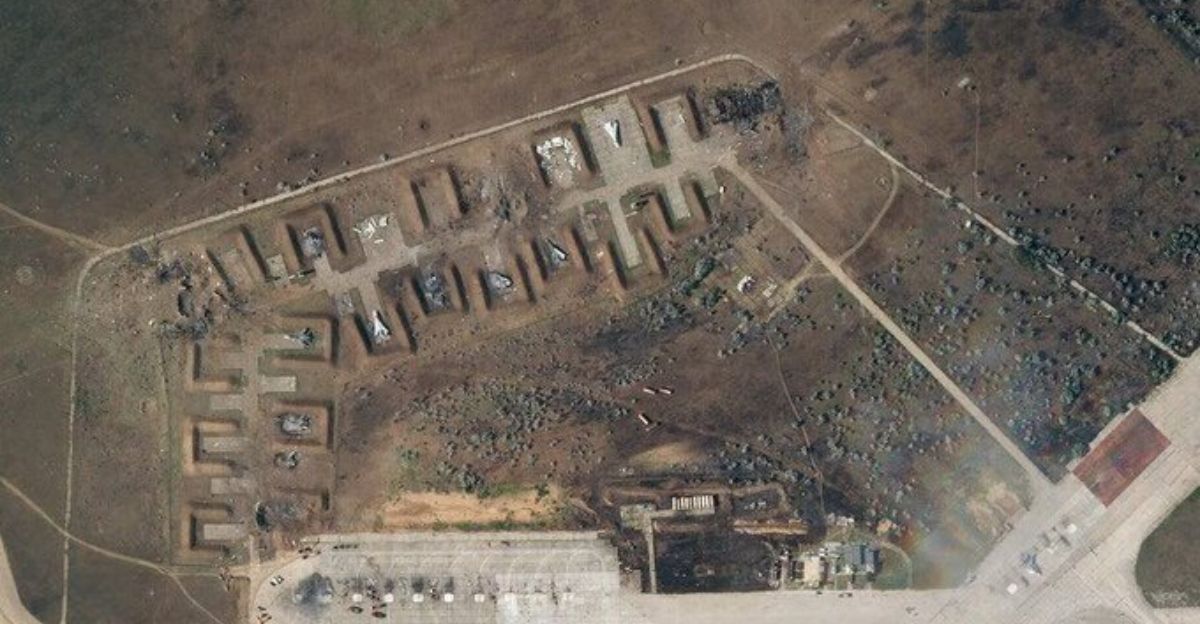
The scale of the damage has been independently verified using satellite imagery from Planet Labs. Investigative journalists mapped dozens of confirmed strike sites across Russia, providing visual proof of fires, structural damage, and shutdowns at key facilities.
This transparent verification has made it difficult for Russian authorities to fully obscure the impact, even as official statements often downplay the extent of the disruption.
Fuel Shortages Begin to Spread
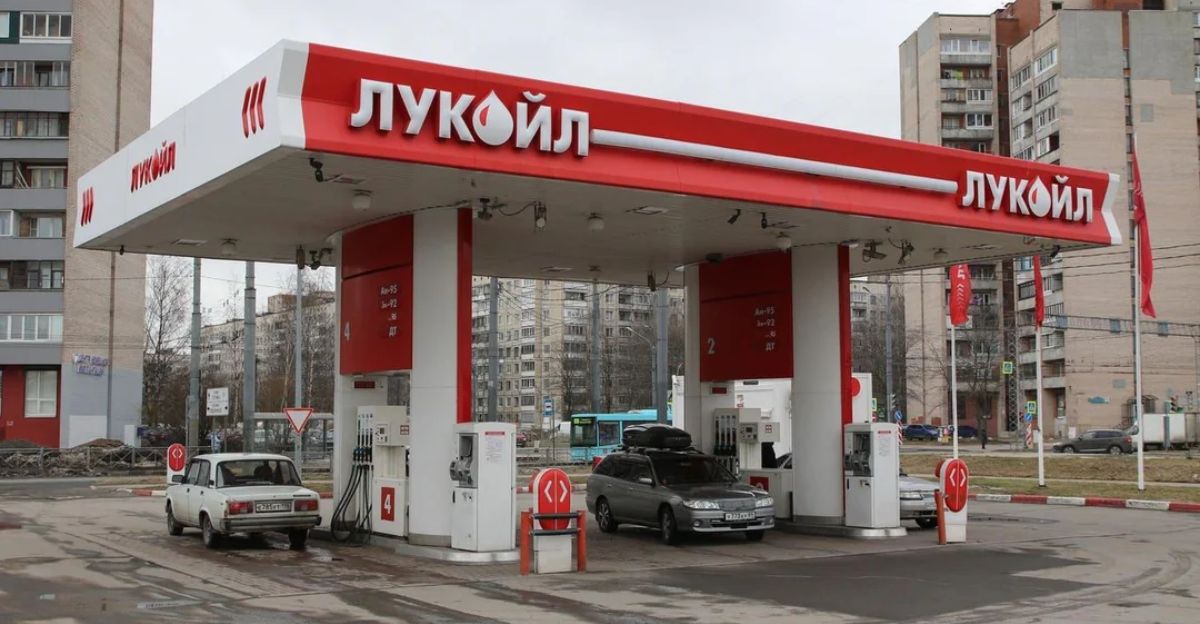
As refinery and terminal operations were disrupted, fuel shortages began appearing across multiple Russian regions. These shortages are no longer limited to frontline areas but now affect everyday civilian life far from Ukraine.
Gasoline and diesel supply interruptions have been reported across southern and central regions, exposing how tightly Russia’s domestic economy remains linked to the uninterrupted functioning of its energy infrastructure.
Rising Defense Costs and Strained Budgets
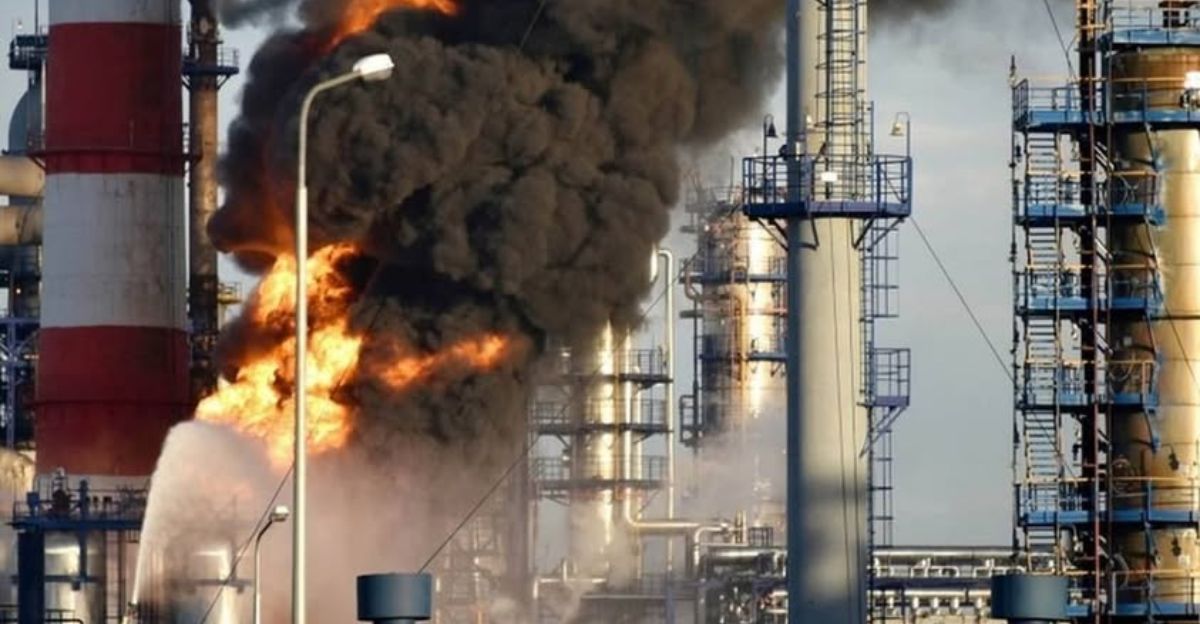
Repairing damaged refineries, terminals, and factories is expensive and resource-intensive. At the same time, Russia is forced to expand air-defense coverage and deploy additional mobile counter-drone units.
These measures divert funding, equipment, and personnel from frontline military operations. Experts note that the combined cost of repairs and expanded homeland defense is placing growing strain on Russia’s wartime budget.
Russia Diverts Troops to Defend Infrastructure

To protect refineries, terminals, and key factories, Russia has steadily increased the number of troops and air-defense units assigned to internal security. This reallocation weakens combat formations at the front. Military analysts point out that every unit guarding infrastructure is one less unit available for offensive or defensive operations in Ukraine, creating a long-term strategic trade-off for Moscow.
Logistics Under Constant Disruption
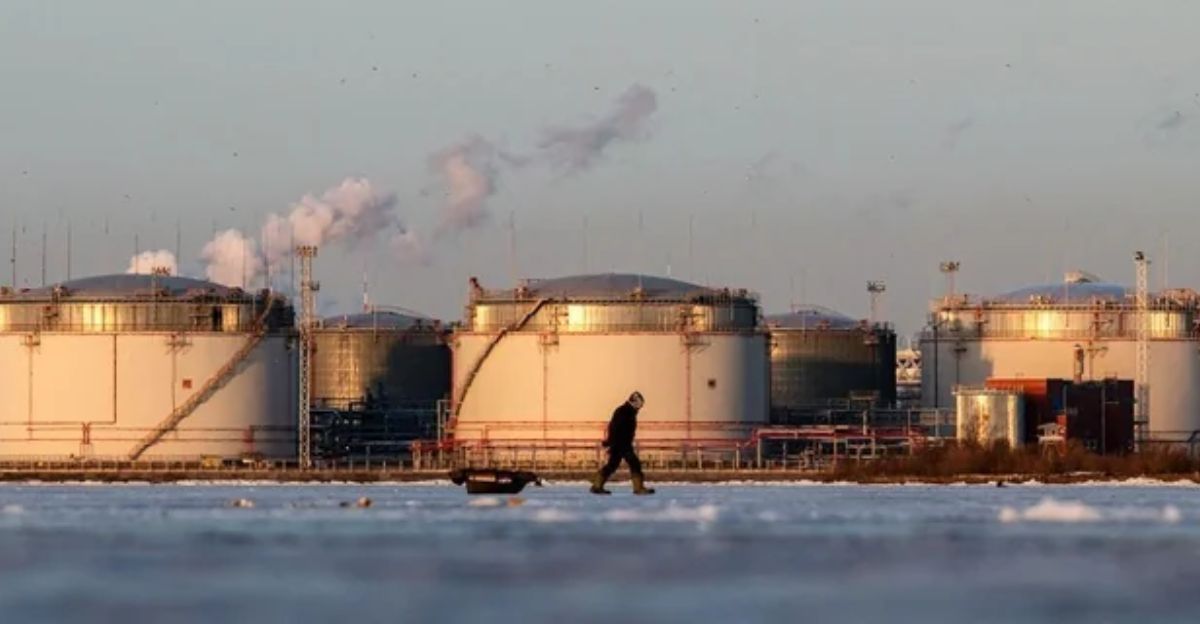
Oil terminals, depots, and rail junctions form the backbone of Russia’s logistical network. When strikes hit these nodes, the effects cascade through military transport, civilian supply chains, and export operations. Even temporary shutdowns force rerouting, delays, and added costs.
Over time, repeated disruptions degrade efficiency and raise the risk of wider systemic bottlenecks across Russia’s transport and energy networks.
Economic Damage Beyond the Energy Sector

The impact of the strikes extends well beyond fuel itself. Chemical plants, ammunition factories, and related industries are facing downtime, damaged equipment, and lost output.
This affects agriculture, manufacturing, and construction that depend on chemical inputs and affordable energy. The resulting slowdowns ripple across regional economies and contribute to broader industrial stress inside Russia.
Civilian Life Feels the Impact

Fuel shortages and supply uncertainty now affect ordinary Russian households. Drivers face irregular access to gasoline and diesel, while transport companies struggle with higher costs and delayed deliveries.
Farmers and small businesses dependent on fuel for machinery and logistics feel immediate pressure. The campaign has thus moved the economic consequences of the war directly into daily civilian life.
Environmental and Safety Risks
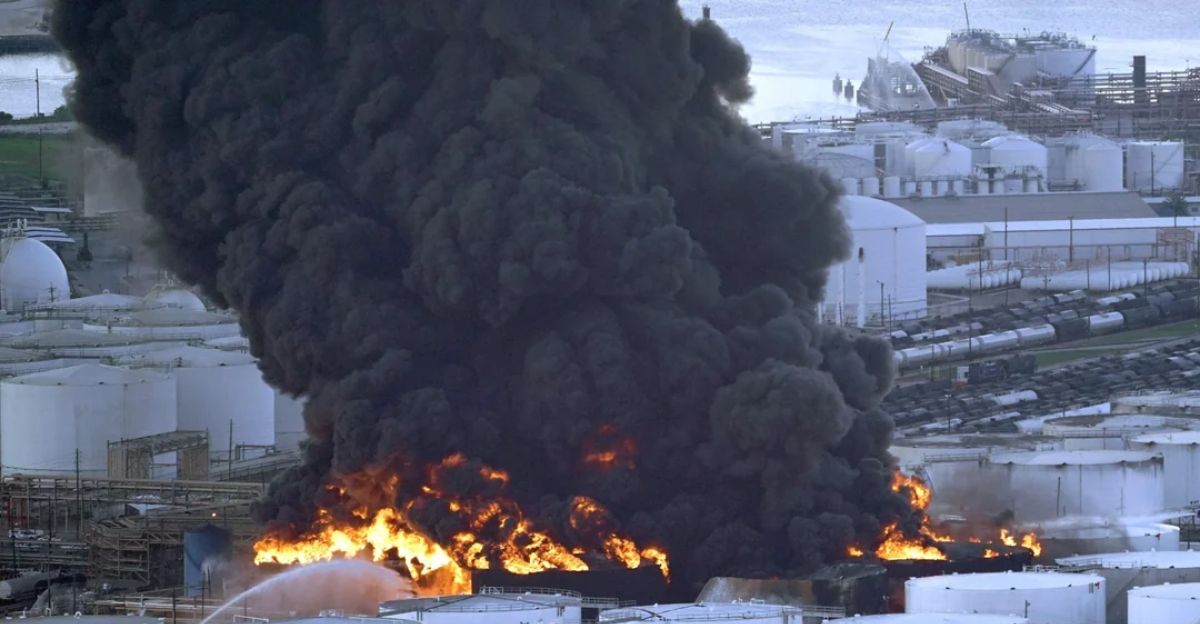
Large fires at oil terminals and chemical plants release toxic smoke and raise the risk of environmental contamination.
Coastal hubs such as Tuapse and Novorossiysk face particular danger from spills and runoff into the Black Sea. Industrial accidents linked to drone strikes also expose nearby communities to health hazards, adding another layer of civilian risk to the expanding deep-strike campaign.
International Energy Market Repercussions
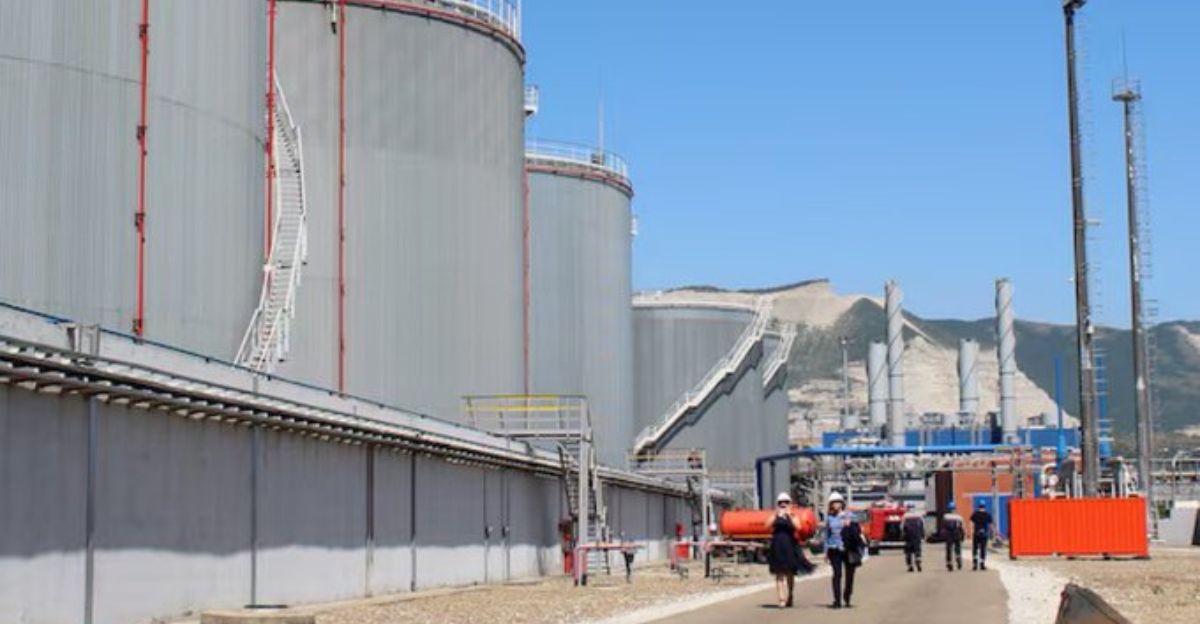
Although many countries already restrict Russian energy exports, disruptions at major Black Sea terminals still influence global markets.
Each strike introduces fresh uncertainty into supply expectations, contributing to short-term price volatility. Traders now closely monitor Ukrainian drone activity and confirmed damage reports when assessing near-term risks to oil and fuel flows from the region.
A Strategic Shift in Modern Warfare

Ukraine’s campaign demonstrates how relatively low-cost drones can inflict outsized damage on high-value industrial targets. Instead of confronting Russia’s military solely on the battlefield, Ukraine is increasingly attacking the economic systems that sustain it.
This represents a broader transformation in modern conflict, where strategic infrastructure far from the front becomes a primary battlefield.
The Limits of Russian Air Defenses

Despite Russia’s layered air-defense network, Ukrainian drones continue to penetrate deep into its territory. The sheer number of targets spread across vast distances stretches defensive resources thin.
Each successful strike exposes vulnerabilities in coverage, detection, and interception. Even as Russia improves defenses, the campaign shows that total protection of such an extensive energy network is nearly impossible.
Can the Campaign Be Sustained?
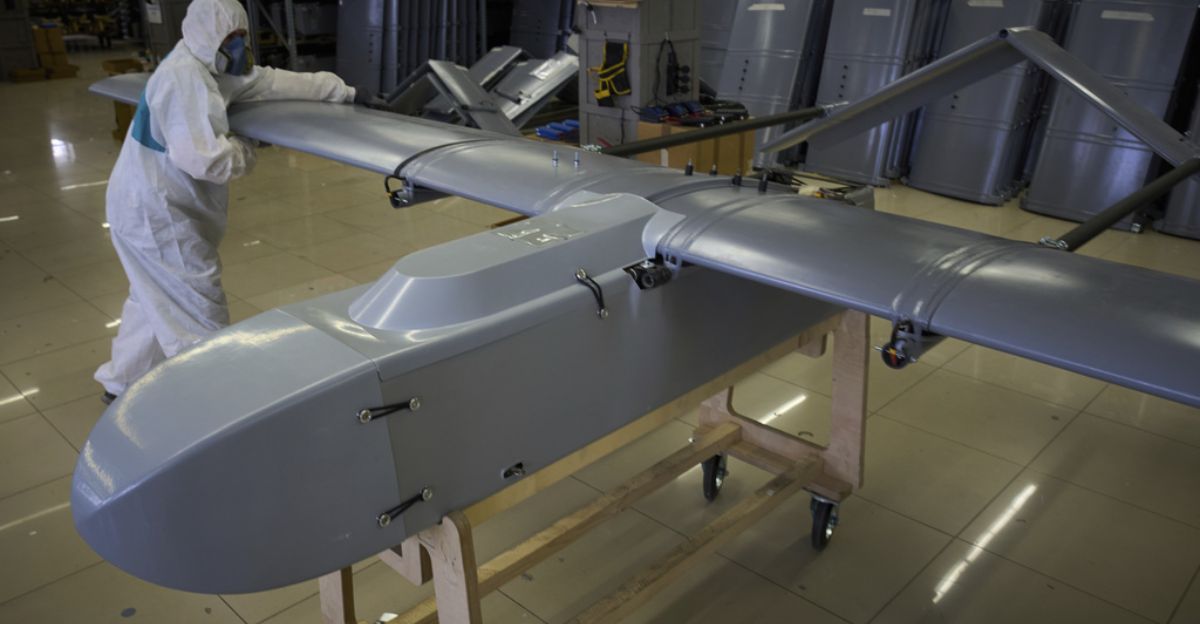
Ukraine’s ability to continue this strategy depends on sustained drone production, intelligence support, and operational reach. At the same time, Russia races to repair damaged sites, harden infrastructure, and expand defensive coverage.
Both sides are now locked in a war of endurance over industrial systems, where the outcome will depend on resources, adaptability, and economic resilience.
From Tactical Strikes to Systemic Pressure
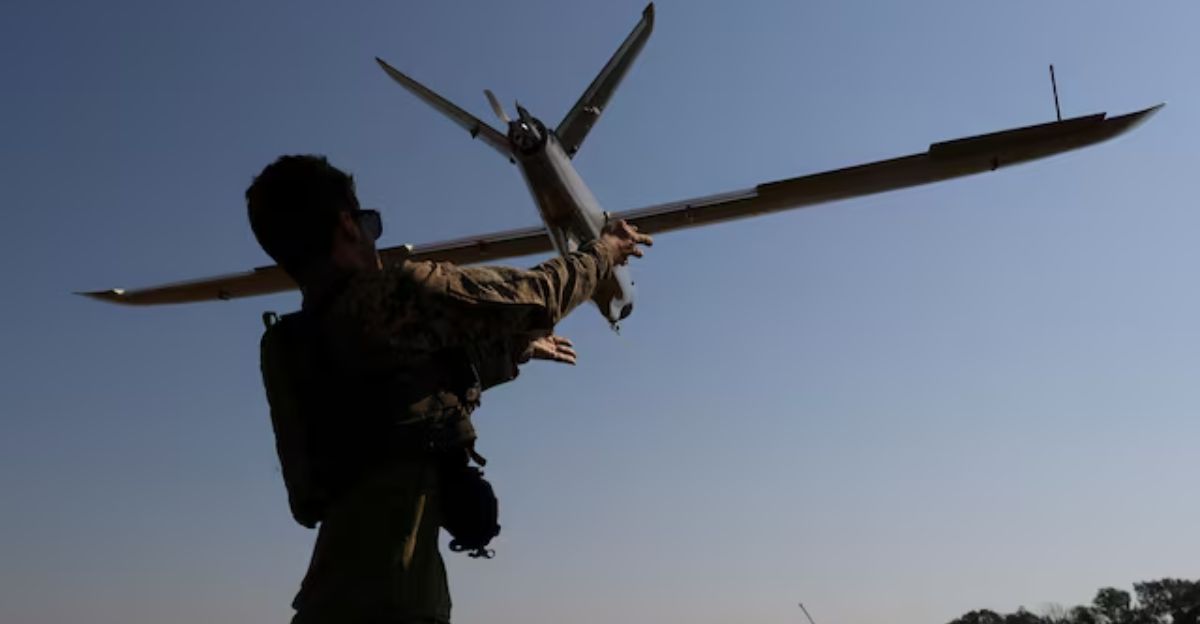
What began as individual deep strikes has evolved into a coordinated campaign placing sustained pressure on Russia’s oil, chemical, and military industries. Each attack disrupts production, raises costs, and forces difficult trade-offs between defending infrastructure and fighting at the front.
Together, the 50-plus confirmed strikes mark a turning point where economic warfare has become a central front of the conflict.
Sources:
- “Ukraine’s Latest Attacks Showcase Its Desperation”, The Atlantic
- “Ukraine’s best defence against Putin’s energy war is more attacks on Russia’s oil refining sector”, Chatham House
- “Ukraine’s Long-Distance Drones Take Toll On Russia’s Oil And Gas Infrastructure”,
Radio Free Europe/Radio Liberty (RFERL)