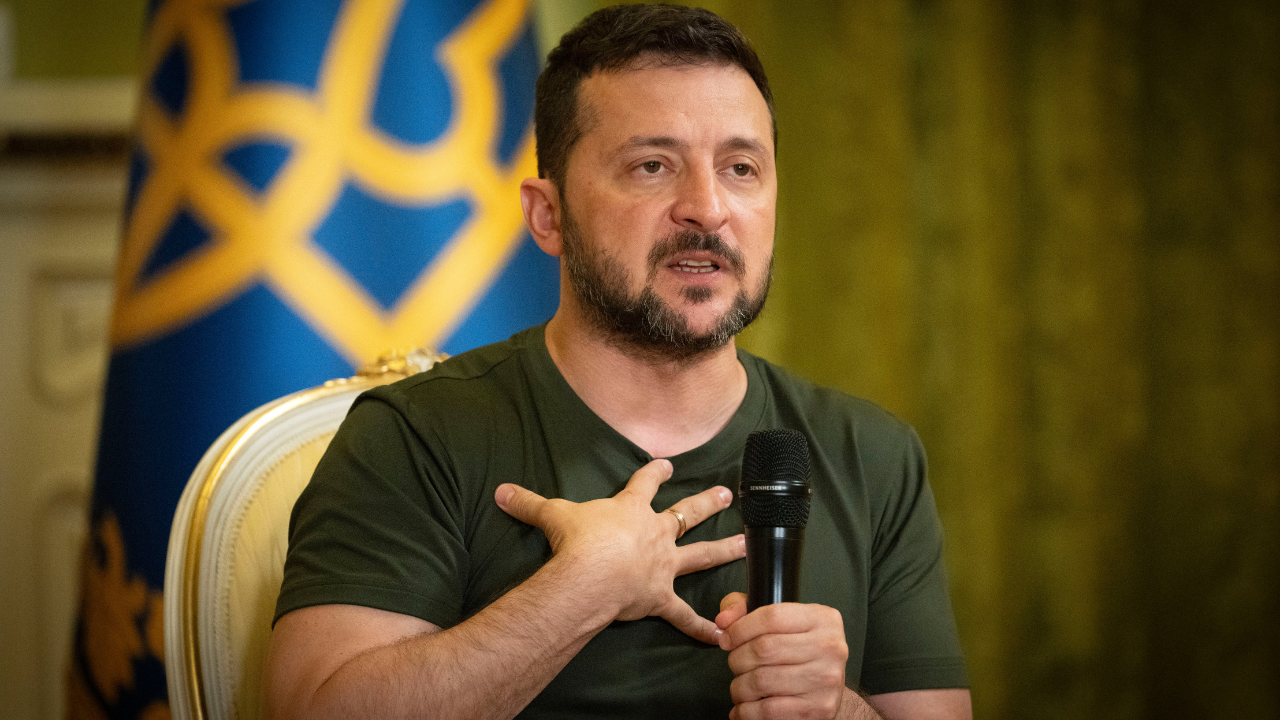
Just before midnight on December 2, four military grade drones slipped into Dublin’s protected airspace as Ukrainian President Volodymyr Zelensky arrived for his first official visit to Ireland. His aircraft landed minutes early, unknowingly avoiding an intercept point the drones reached with uncanny precision.
Irish officials learned of the breach only hours later, revealing a dangerous gap in national readiness. The incident signaled a turning point for Europe and raised urgent questions about hybrid warfare, intelligence leaks, and presidential security. Here is what unfolded.
What Happened That Night

Zelensky’s aircraft touched down at Dublin Airport on December 2 during his first official presidential visit. Minutes later, four military specification drones entered restricted airspace in the same corridor his plane had just passed. According to CBS News, the aircraft landed slightly ahead of schedule, avoiding the exact intercept point by minutes.
The drones then shifted attention to the Irish Navy vessel LÉ William Butler Yeats, lingering overhead for an extended period. Their timing left authorities questioning how the flight path became so accurately targeted. However, deeper patterns soon emerged.
Four Drones With Strategic Purpose
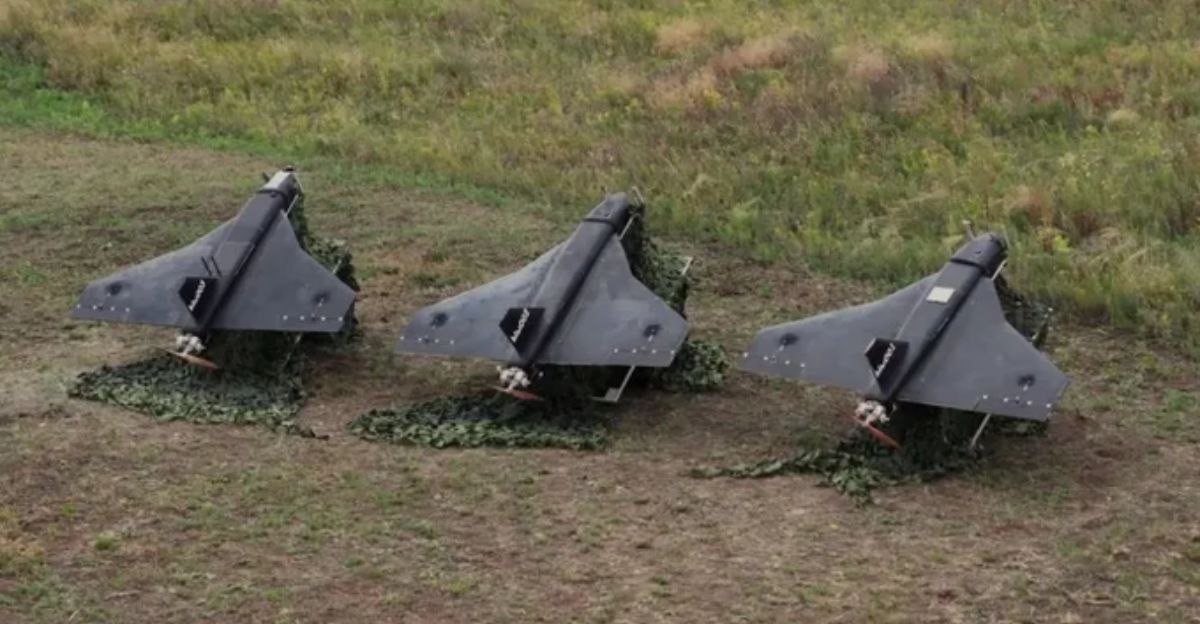
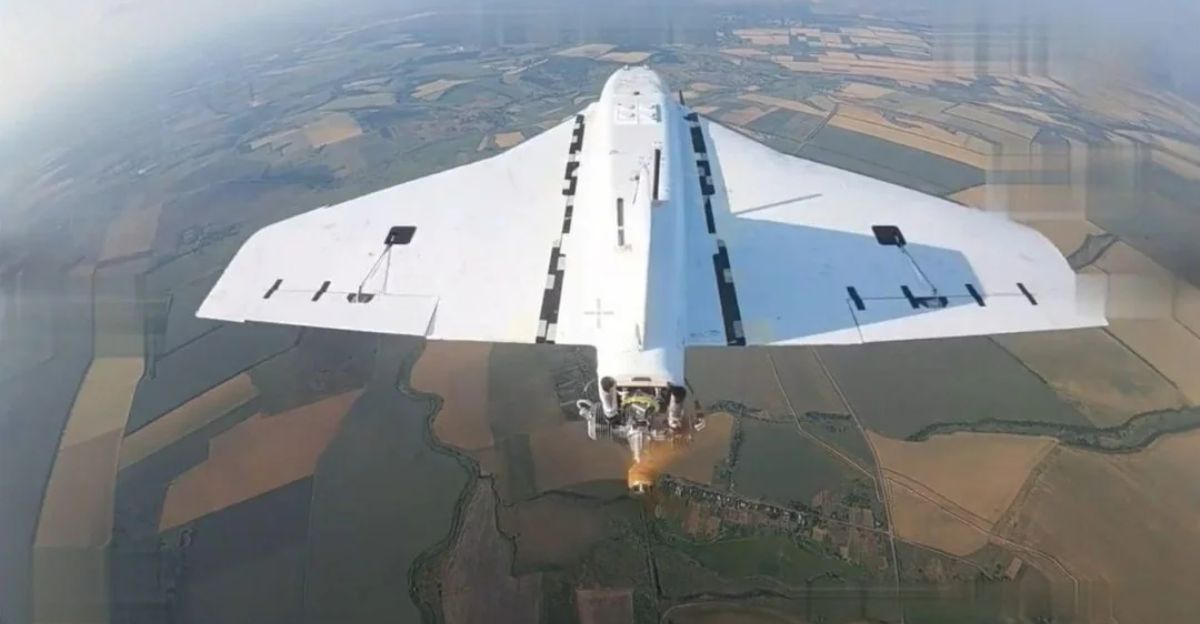
Each Gerbera class drone cost about €50,000, for a total investment near €200,000 according to analysis cited by Reuters. They carried stabilized cameras, mesh network controls, and operational ranges above 600 kilometers. UK Defence Journal noted they demonstrated clear state level sophistication, not improvised engineering.
The drones flew with lights on, appearing intentionally visible rather than hidden. Russian officials stayed silent, but European analysts recognized the operational pattern. This kind of visibility hinted at messaging rather than concealment, raising broader strategic concerns.
Timing Too Precise To Ignore
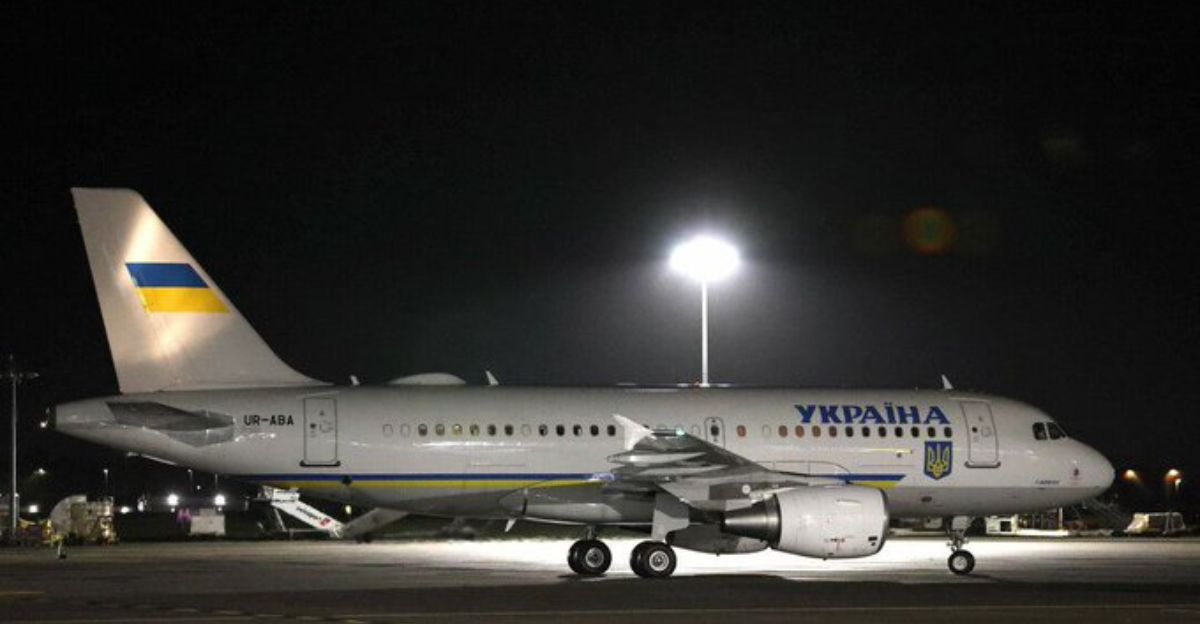
CBS News reported the drones reached the coordinates where Zelensky’s plane was scheduled to arrive at the exact expected time. The early landing altered everything. Irish security sources told UK Defence Journal the lights on approach suggested disruption rather than attack, yet the accuracy remained troubling.
Investigators questioned whether a flight plan was leaked, intercepted, or tracked electronically. Signals intelligence could have provided exact timing. Still, Irish officials found no quick explanation, prompting a deeper investigation that uncovered more unsettling gaps.
Detection Failures Across The Board
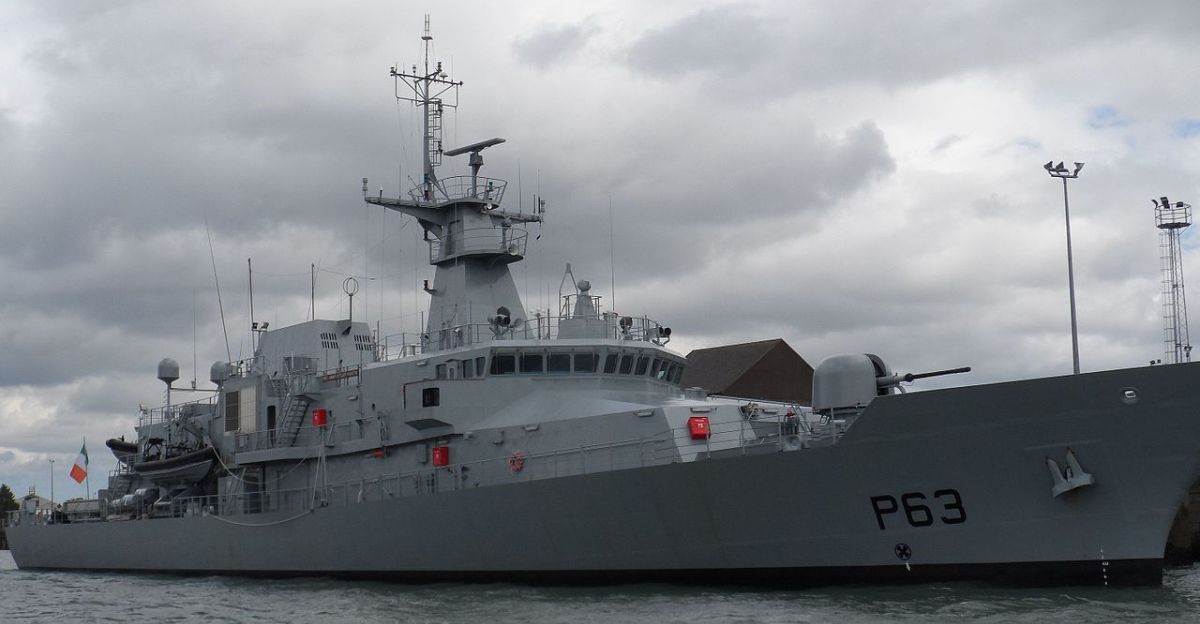
Irish authorities relied on visual spotting from the LÉ William Butler Yeats because radar systems detected nothing. The vessel had been secretly assigned for security tasks but lacked equipment to intercept or disable drones. Even handheld Garda disruption tools were out of range, according to UK Defence Journal reporting.
Nearby Air Corps aircraft did not engage. Ireland’s systems missed the incursion entirely. Had Zelensky’s flight arrived on schedule, the drones would have met it in the air. Luck, not layered defense, prevented a different outcome.
Two Hours Of Surveillance Over A Navy Ship
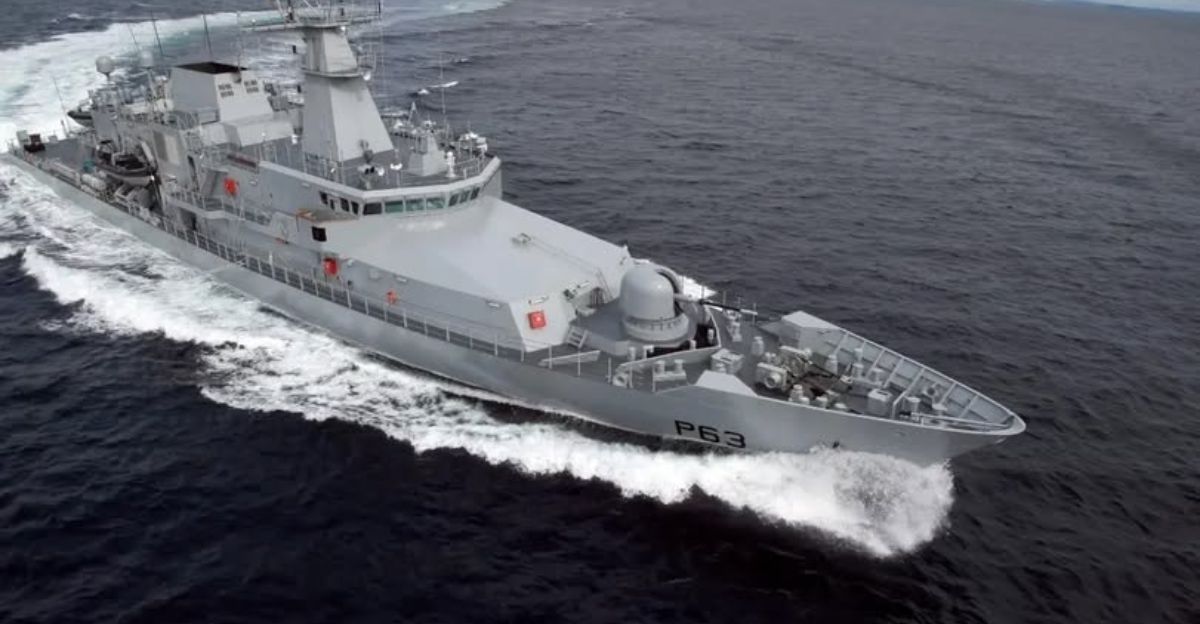
After Zelensky’s flight cleared the area, the drones turned fully toward the Irish Navy vessel, remaining overhead for up to two hours. UK Defence Journal reported they likely recorded electronic signatures, stress tested response protocols, and collected psychological leverage for future operations.
Their stabilized Topotek KHY10S90 systems captured detailed visuals, with ample fuel reserves left for the return journey. The long loiter time illustrated that intelligence collection mattered more than intercepting the aircraft.
A Delay That Alarmed Ireland

Garda Commissioner Justin Kelly received notification in the early hours of December 3, between twelve and eighteen hours after the drones departed according to RTÉ. Senior ministers learned even later, almost a full day afterward. The Special Detective Unit opened an immediate investigation.
Officials examined potential launch sites near Howth or from an unidentified vessel offshore. No operator or origin has yet been confirmed. The delay highlighted information breakdowns that intensified political concern.
Support Package Announced Hours Before
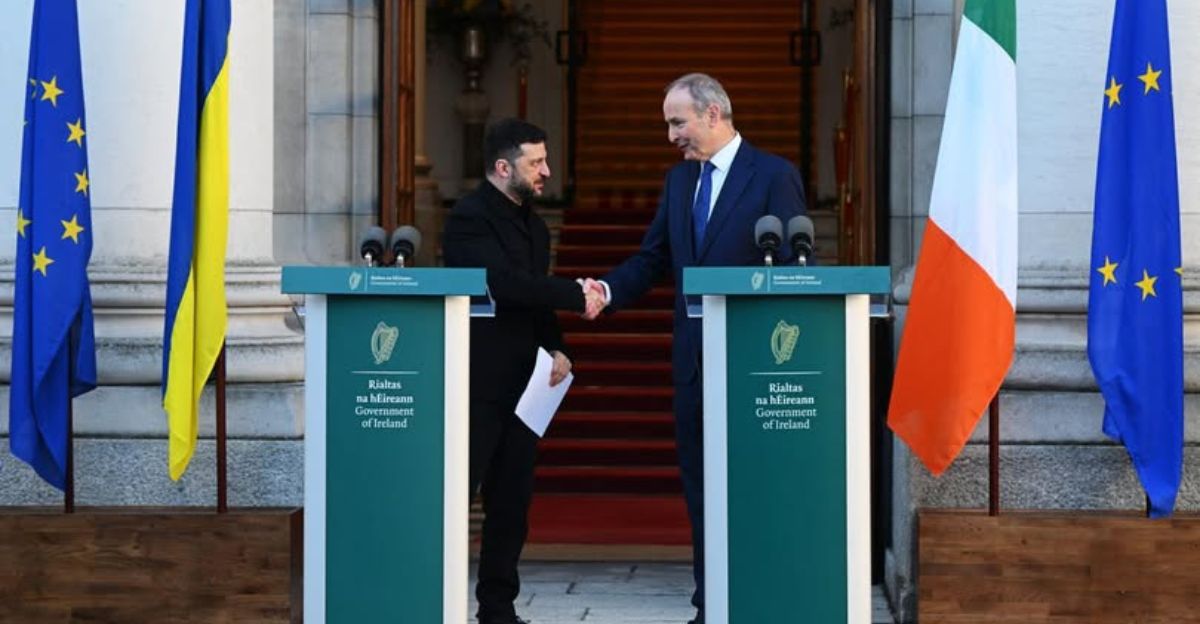
On December 1, Taoiseach Micheál Martin announced €125 million in added support for Ukraine. Official statements confirmed €100 million for non lethal military assistance and €25 million for energy repairs. Martin said, “An additional €100 million in non lethal military support will be made available.”
The drones entered Irish airspace within hours of this announcement. Analysts questioned whether the timing reflected retaliation or strategic signaling. The coincidence fueled further scrutiny across Europe.
A Precedent Set In Poland

In September, Poland faced a similar surge when nineteen to twenty three Russian drones crossed into its airspace. Polish Prime Minister Donald Tusk declared, “We are dealing with an unprecedented case of an attack not only on the territory of Poland but also on the territory of NATO and the EU.”
Dutch F 35 pilots shot down several drones during that incident, marking NATO’s first direct engagement with Russian assets since 2022. Dublin’s experience echoed a widening pattern across the continent.
Pattern Of Airspace Violations Across Europe
From last September through early this month, eight European nations reported Russian drone incursions or airspace violations. According to strategic analysis, Poland, Germany, Denmark, Belgium, Romania, Estonia, Lithuania, and Ireland all experienced disruptions. Estonia and Lithuania authorized military shoot downs after repeated incidents.
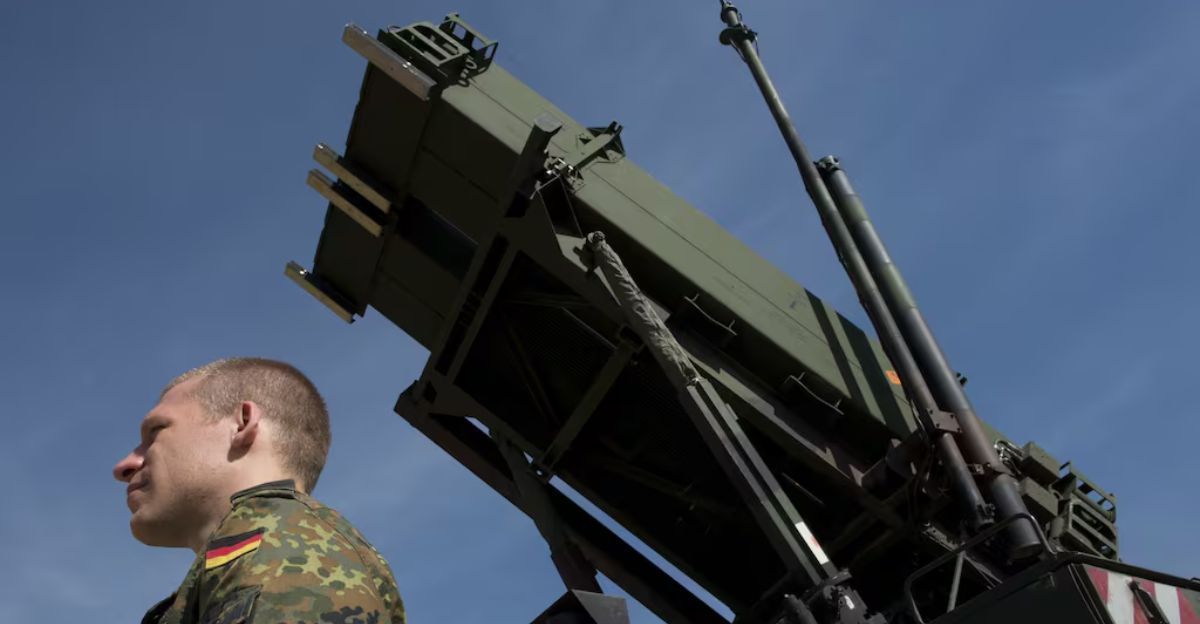
Germany deployed Patriot missile systems to Poland, while other countries escalated readiness measures. Dublin’s breach joined a chain of coordinated hybrid tactics spreading through the region.
A Cost Gap That Weakens Europe
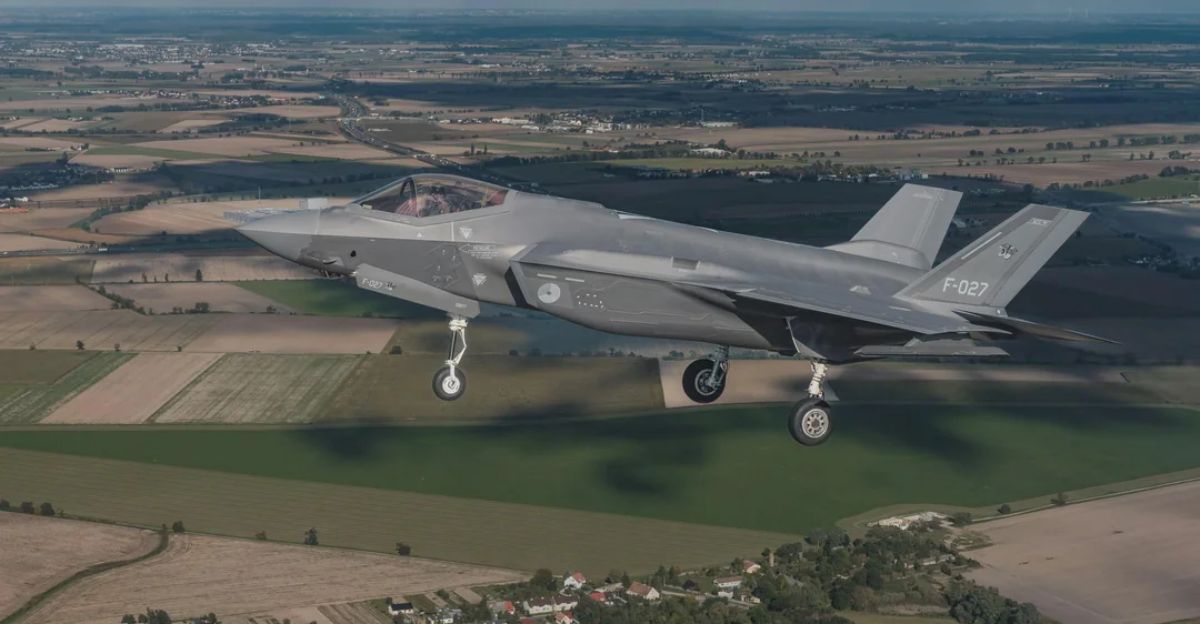
George Mason University reported that a Dutch F 35 costs €40,000 per flight hour and each missile costs €1.7 million. Destroying a €50,000 drone forces defenders to spend many times more than the attacker. The analysis warned this imbalance could strain national budgets.
European governments may increasingly divert funds away from Ukraine assistance to defend their own skies. The economic design favors Russia and pressures NATO members to stretch resources thin.
Inside Russia’s Expanding Drone Factory
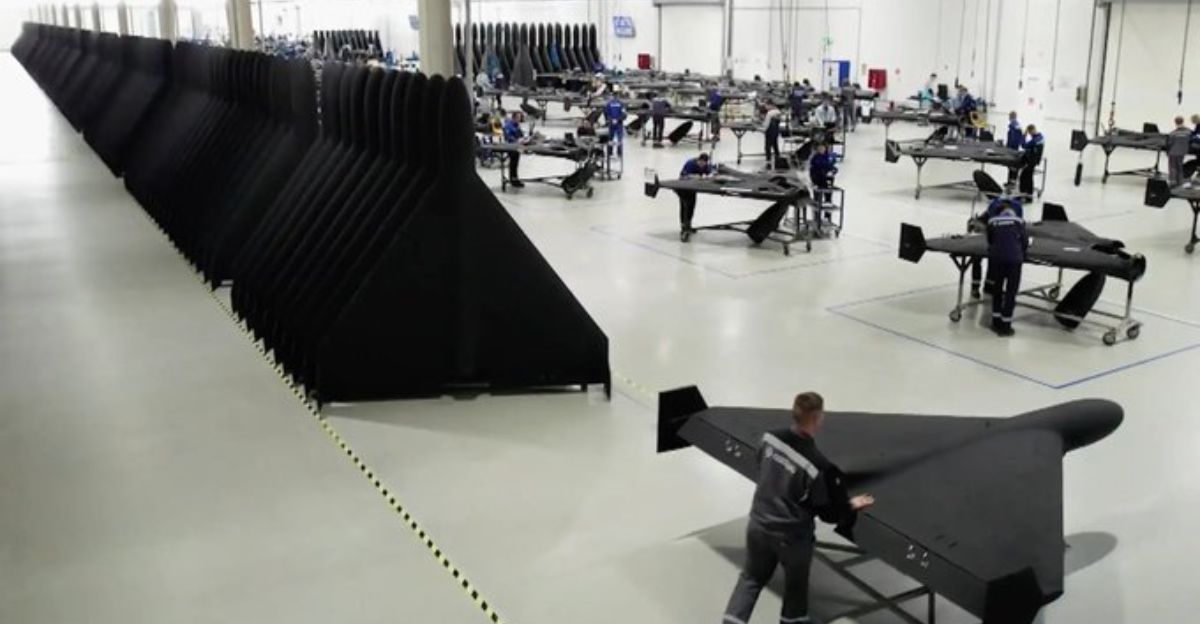
CNN reported that Russian Gerbera drones are produced at the Alabuga Special Economic Zone in Yelabuga. Analysts found the facility employs young Russian workers and African women, producing up to fifty units per day. Contracts with thirty four Chinese companies totaled roughly 700 million yuan in recent years.
China’s Skywalker Technology supplied thousands of frame kits that expanded production well beyond domestic capacity. The scale behind these drones ensures consistent supply for hybrid warfare missions.
How Drone Operators Knew The Route
CBS News, Reuters, and UK Defence Journal reported that precision timing suggested either a flight plan leak, signals intercept, or real time tracking. Earlier in June, an assassination attempt at a Polish airport showed Russia’s willingness to target Zelensky directly.
The Dublin incident demonstrated capability rather than speculation. If intelligence was compromised within allied channels, authorities still have not identified the breach. Could signals interception alone explain the timing?
Ireland’s Limited Military Capacity
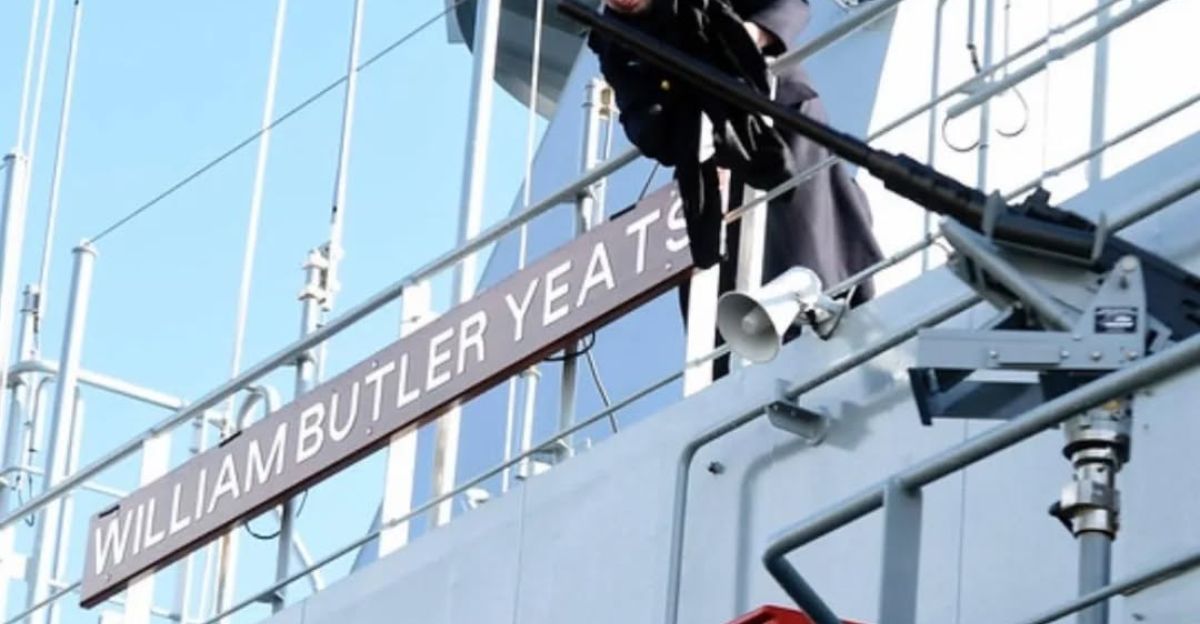
UK Defence Journal reported that the LÉ William Butler Yeats lacks radar suited for unmanned aircraft, leaving only light weaponry available. Ireland maintains 7,400 active duty personnel and 1,500 reservists, far below similar European nations per capita according to Atlantic Council analysis.
Seventy five percent of international data cables pass near Irish waters, yet Ireland fields only eight patrol vessels. The drone breach exposed these long standing vulnerabilities with unusual clarity.
Article 4 Becoming Commonplace
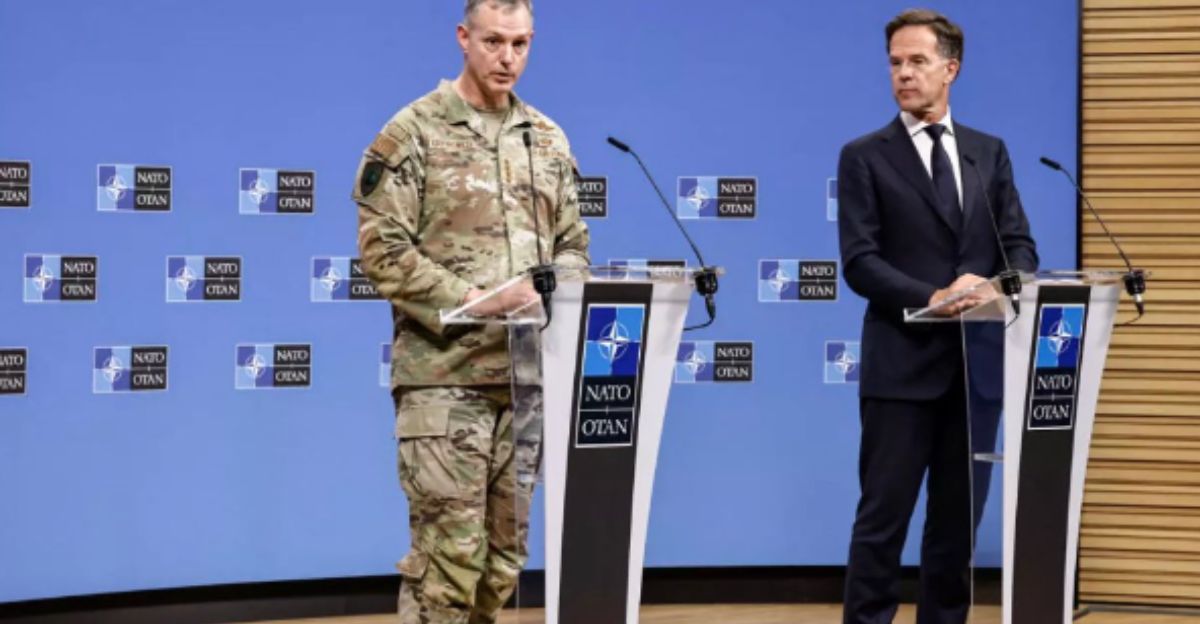
After September’s incursions, Poland and Estonia invoked NATO Article 4 consultation. Lithuania authorized direct shoot downs shortly after. NATO Commander General Christopher Grynkewich said, “Hybrid threats pose a genuine concern, and I believe we can expect an increase in such occurrences.”
He added that some operations looked reckless while others appeared deliberate. What once felt rare now risks becoming routine across Europe.
Ireland Accelerates Defense Spending
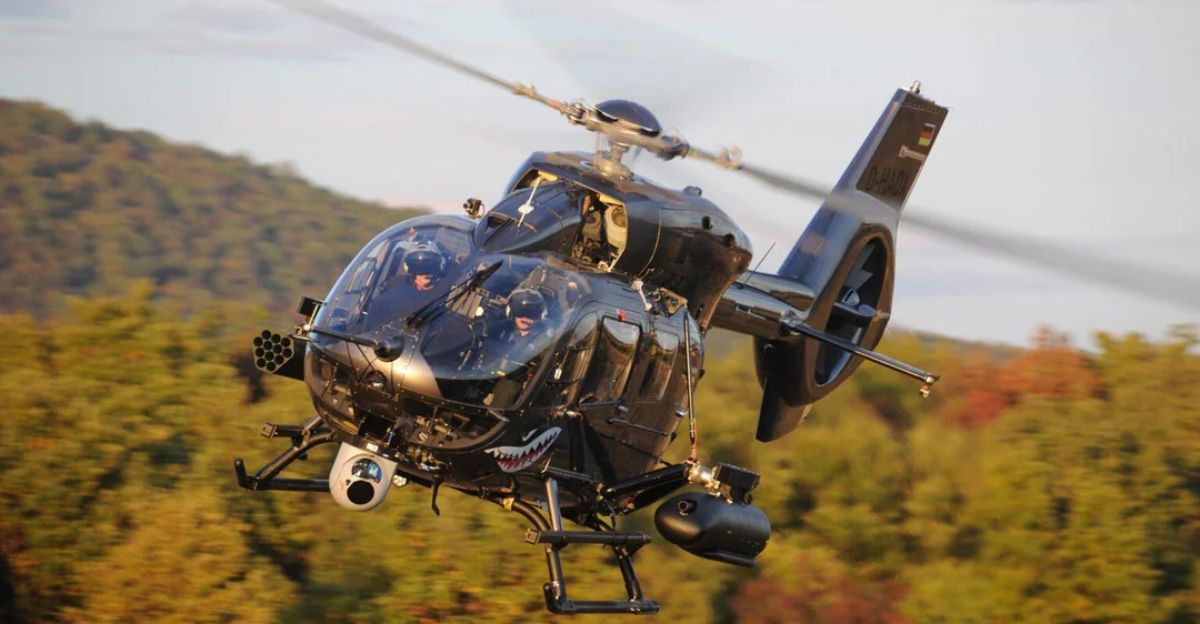
Budget 2026 raised Ireland’s defense allocation to €1.5 billion, with capital spending reaching €300 million, the highest yet recorded. Ireland will increase capital investment from €1.1 billion to €1.7 billion by 2030, a planned rise of €600 million according to Army Technology reporting.
Procurements include radar upgrades, H145M helicopters, subsea monitoring, and integrated counter drone systems. The urgency reflects lessons drawn directly from the Dublin airspace breach.
New Sonar Systems To Protect Cables
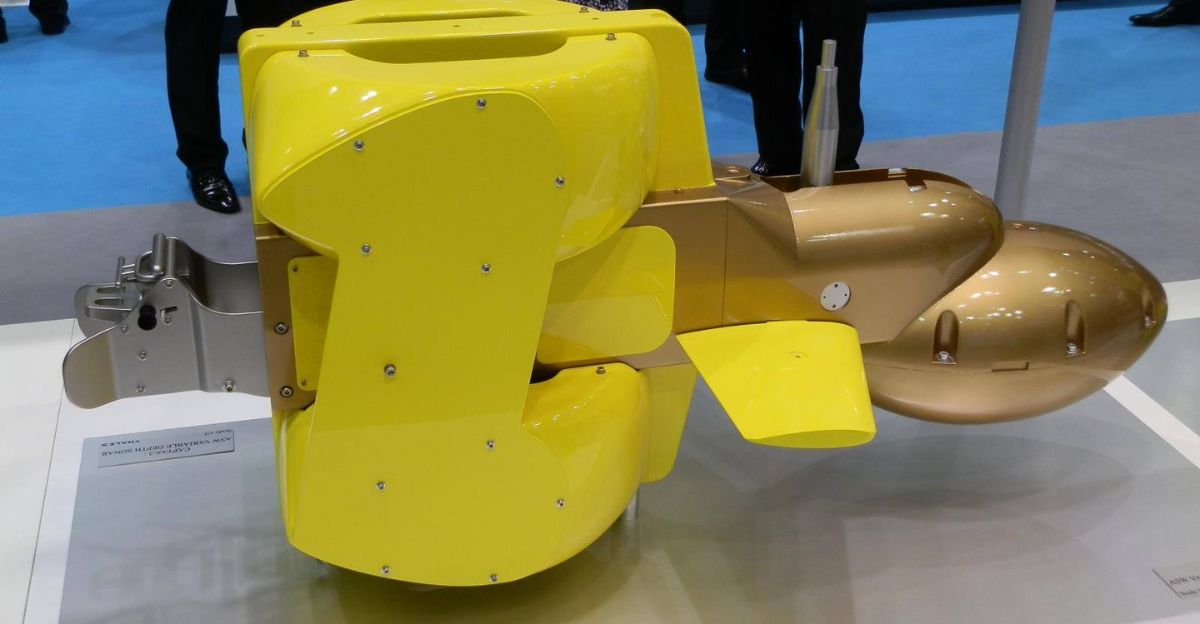
In June, Ireland contracted Thales to supply towed array sonar systems to improve awareness of subsea infrastructure. These networks support hundreds of thousands of European communications and financial operations. Damage incidents can cost from €500,000 to €10 million and take weeks to repair.
Safeguarding underwater cables became a priority as hybrid threats expanded beyond airspace. Ireland’s investment signaled a strategic shift toward protecting digital lifelines.
Cyber Threats Rising Alongside Drones

The National Cyber Security Centre warned of accelerating digital threats. Its 2025 assessment found 349,000 Irish networks exposed to hostile activity. Centripetal Ireland reported that 44 percent of networks contain vulnerabilities, with more than half a million weaknesses across national infrastructure.
Dublin holds the highest concentration of risks. Hybrid warfare combines physical incursions with cyber disruption, creating a two front challenge for Irish authorities.
Economic Stakes For Tourism And Aviation

Ireland’s tourism sector includes 20,000 businesses supporting 280,000 workers. Dublin Airport employs 8,000 staff and supports tens of thousands more. IAG contributes €1,100 million to national economic value and maintains thousands of jobs.
The 2018 Gatwick drone incident caused 1,000 flight cancellations and €55.8 million in losses. A similar disruption in Dublin could impact livelihoods nationwide.
Europe Faces A New Security Era
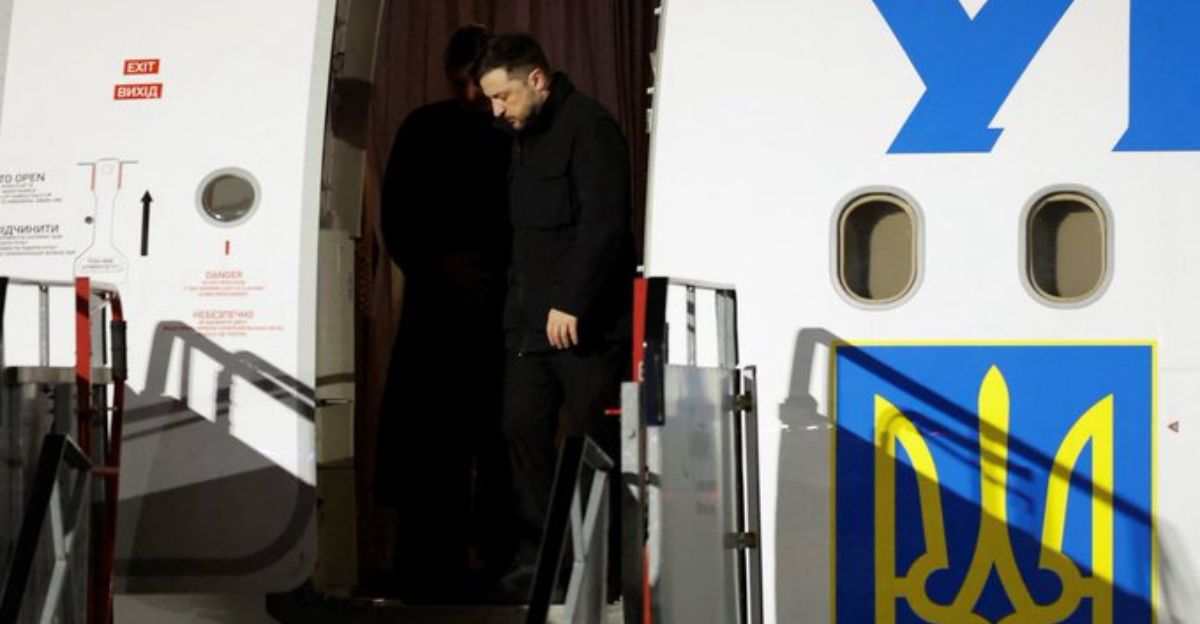
Investigations continue into how the drones acquired exact data on Zelensky’s flight. NATO Commander Grynkewich expects further hybrid activity. Ireland’s program toward €1.7 billion in defense spending represents meaningful progress yet may still lag behind rapid technological threats.
Zelensky secured €125 million in support during his visit. Still, Dublin’s narrow escape revealed vulnerabilities that Europe can no longer overlook.
Sources:
CBS News – “Unidentified drones breached Ireland’s airspace during visit by Ukraine’s Zelenskyy,” December 5, 2025
BBC News – “Irish government figures briefed on drone presence during Zelensky visit,” December 4, 2025; “Irish police investigating drone activity during Zelensky visit,” December 5, 2025
Reuters – “Drones were spotted near Zelenskiy flight path to Dublin,” December 4, 2025;
UK Defence Journal – “Unidentified drones breach Irish airspace on Zelenskyy visit,” December 4, 2025
CNN – “Russia is intensifying its air war in Ukraine. A secretive factory is fueling Moscow’s drone warfare,” December 27, 2024