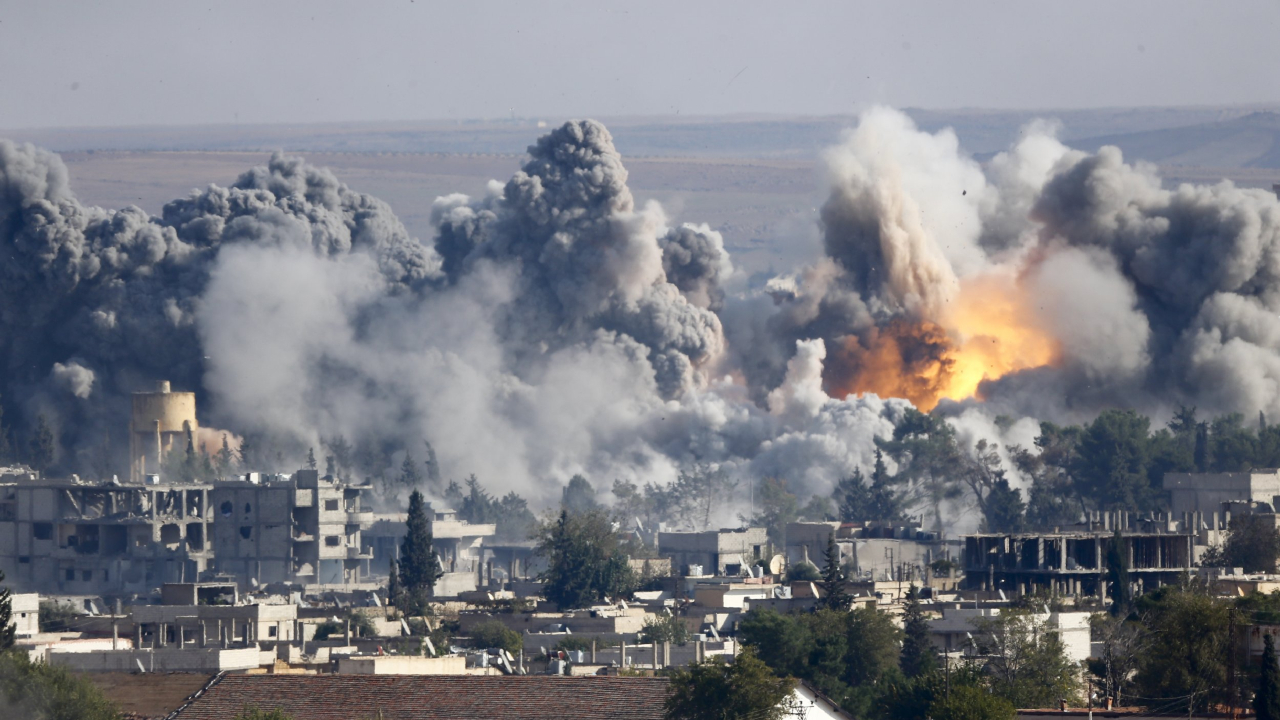
November 22, 2025, marked a milestone in a largely unseen conflict. As a U.S. Navy F/A-18 Super Hornet released ordnance over Somalia’s Golis Mountains, it became the 100th American airstrike in the country this year. That threshold, reached in just eleven months, capped an unprecedented surge in strikes that has turned Somalia into one of the most heavily targeted battlefields in the U.S. military’s campaign against extremist groups.
Record Pace in the Skies Over Somalia
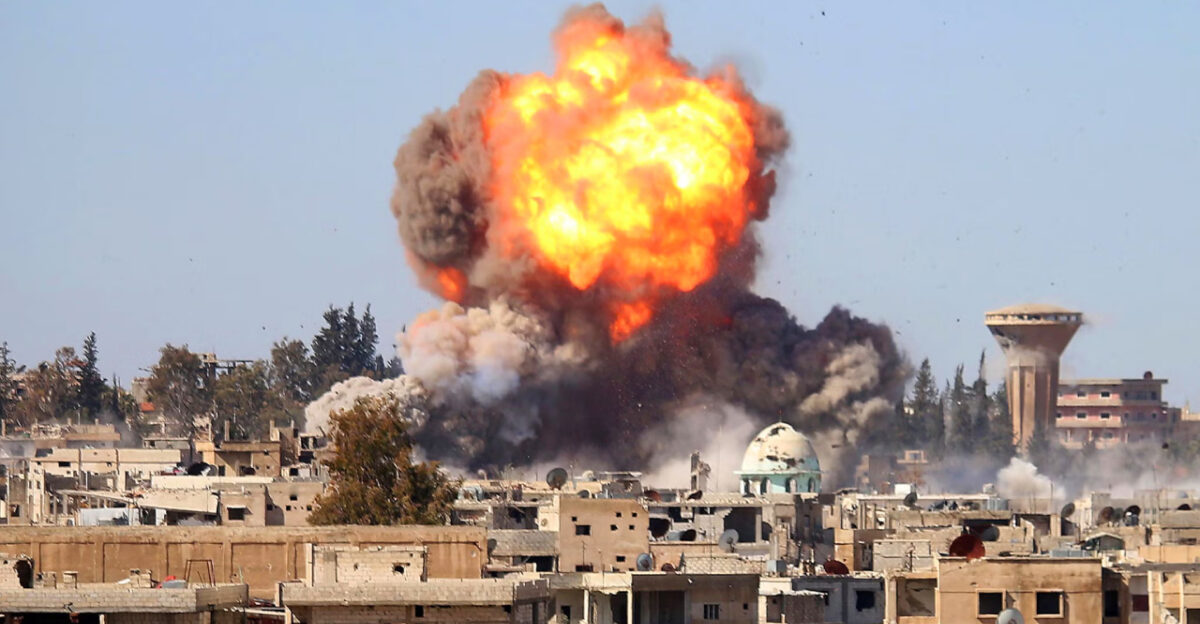
In 2019, the previous high point, U.S. forces conducted 63 airstrikes in Somalia over an entire year. By November 2025, that record had been far surpassed, with analysts projecting between 109 and 120 strikes by year’s end. On average, American aircraft have struck Somali targets once every few days.
The contrast with recent years is striking. In 2024, U.S. Africa Command (AFRICOM) carried out only ten strikes in Somalia. Twelve months later, the tempo has multiplied more than tenfold. The air campaign is now the United States’ most intense military operation on the African continent, even as it attracts limited public discussion and minimal sustained attention from policymakers at home.
The January Order That Opened the Gates
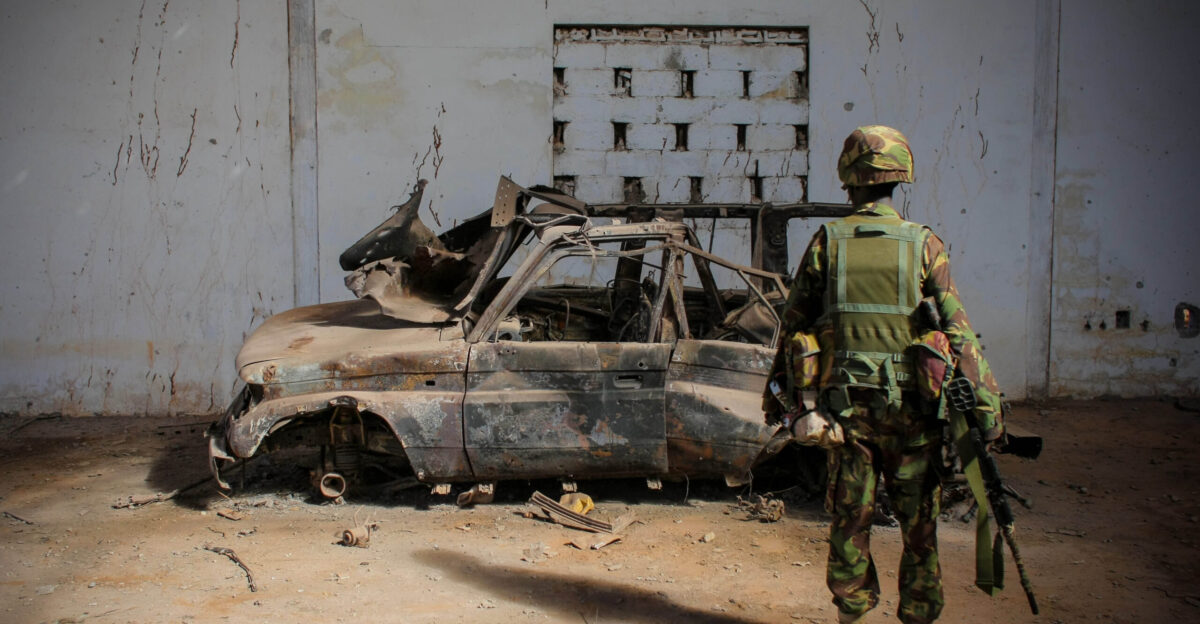
The turning point came in January 2025. Defense Secretary Pete Hegseth signed a directive that expanded AFRICOM’s authority to approve and conduct airstrikes. Stars and Stripes reported that the jump in strikes “coincides with a January directive by Defense Secretary Pete Hegseth that grants more decision-making authority on airstrikes to AFRICOM commanders.” General Michael Langley, AFRICOM’s commander, told senators that these new authorities gave his headquarters “the capability to hit terrorists harder.”
The result is a redistribution of U.S. military effort. Since early September, at least 28 strikes have been launched in Somalia, compared with 21 strikes in counter-narcotics missions across the Caribbean and Pacific in the same period. Even as fentanyl and other drugs devastate communities in the United States, the Pentagon’s operational focus has leaned heavily toward suppressing extremist networks in East Africa.
Evolving Threat: From Local Insurgency to Global Network
That shift reflects concern over the rapid growth of ISIS-Somalia. U.S. intelligence estimated the group’s strength at about 300 fighters in 2019. By May 2025, it had grown to roughly 1,500, a fivefold increase in six years. Around 60 percent are foreign nationals, meaning an estimated 900 international militants now operate on Somali soil.
The Director of National Intelligence has assessed that ISIS-Somalia “supports global ISIS activities by raising money, recruiting fighters internationally, and plotting attacks outside Africa.” The movement began in 2015, when defectors from al-Shabaab formed a breakaway faction and pledged loyalty to ISIS. Recognized as an official ISIS province in 2018, it has since evolved from a splinter group into a transnational enterprise with ambitions and reach far beyond Somalia’s borders.
Those ambitions have already produced consequences in Europe. Swedish authorities disrupted a plot linked to ISIS-Somalia in early 2024. The group was also tied to a shooting at the Israeli embassy in Sweden in May 2024, according to research by the Combating Terrorism Center. U.S. officials view these incidents as evidence that the Somali branch is no longer a purely local actor but a node in a wider global network.
Ground Zero: The Golis Mountains and the Tools of the Air War
The Golis Mountains in Puntland’s Bari region have become the main theater for this campaign. The Director of National Intelligence notes that ISIS-Somalia “primarily operates in the Golis Mountains of the Bari region in Somalia’s semi-autonomous Puntland State.” The range’s caves, steep ridges, and natural fortifications provide ideal terrain for training camps, depots, and command posts, forcing U.S. planners to rely heavily on airpower to reach entrenched positions.
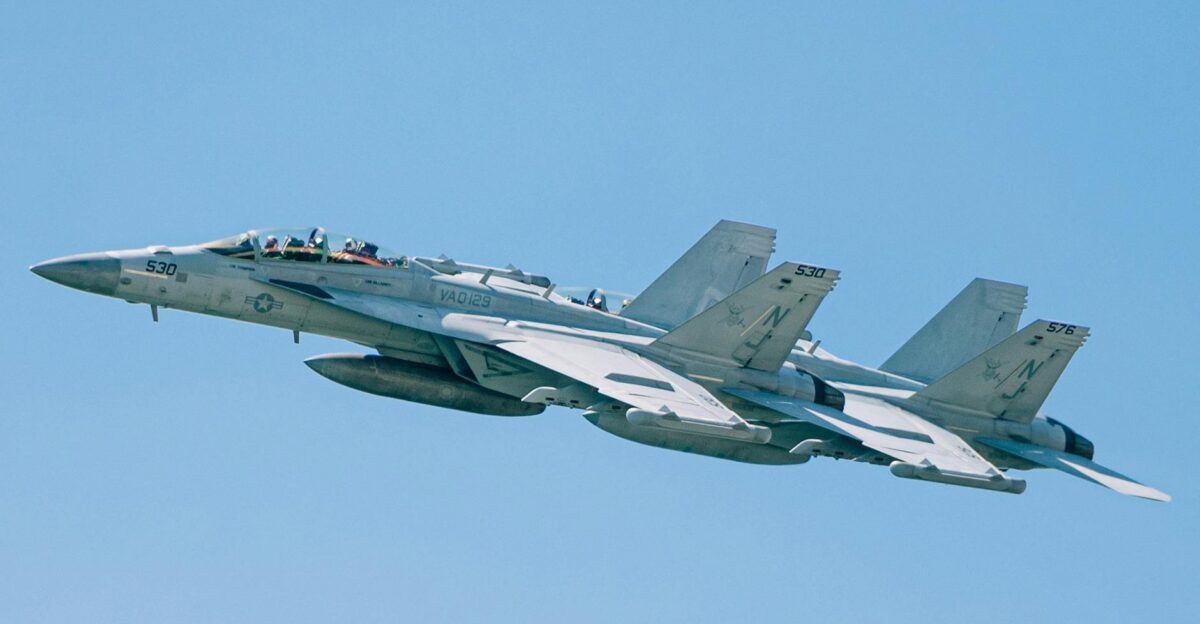
The F/A-18 Super Hornet has emerged as the primary strike platform. From the deck of the USS Harry S. Truman, the Navy launched 27 Super Hornets in a single coordinated mission on February 1, 2025, according to Navy Times. The aircraft combine speed, range, and payload with the ability to loiter over target areas and respond quickly to updated intelligence, enabling repeated precision strikes against shifting militant formations.
AFRICOM’s operations are not limited to ISIS-Somalia. The command still targets al-Shabaab, the al-Qaeda-affiliated group that has fought Somalia’s government for nearly two decades and remains deeply entrenched in the ongoing civil conflict. Yet strike patterns in 2025 suggest a clear reprioritization: of more than 101 strikes conducted by early December, 59 were directed specifically against ISIS-Somalia, indicating that its growth, foreign recruitment, and global plots are now viewed as the more urgent danger.
Partnership, Limits of Airpower, and What Comes Next
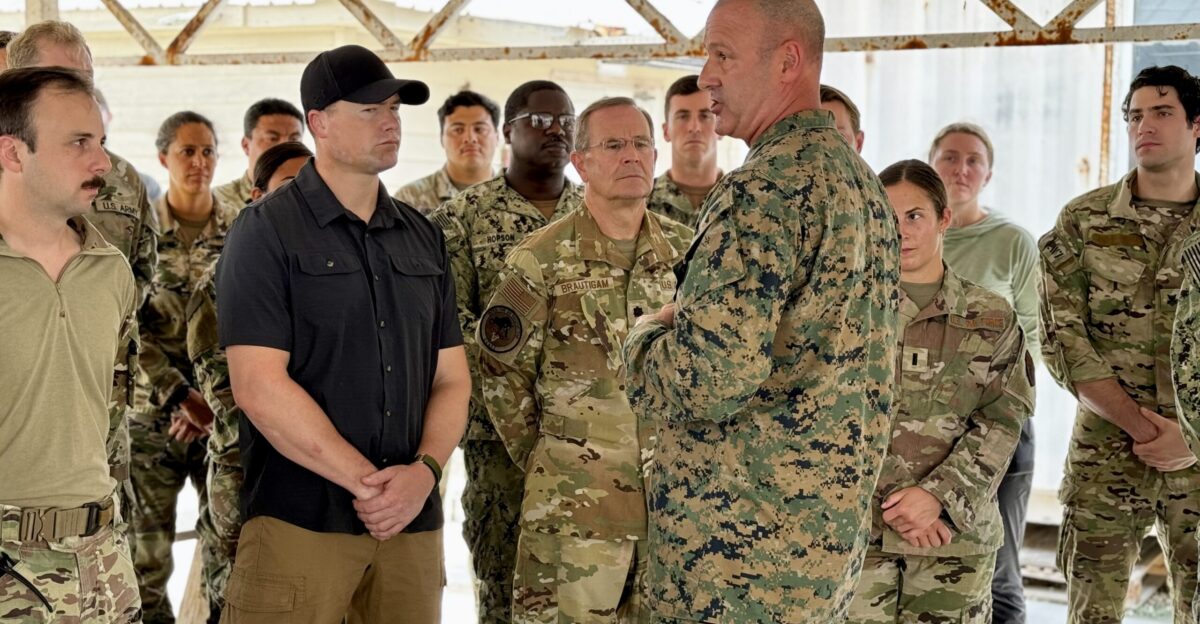
American operations are formally conducted in partnership with Somalia’s central government. Stars and Stripes reports that U.S. personnel in Somalia provide support to the “shaky central government” and that strikes are “carried out coordinated with the Somali government.” AFRICOM also trains and advises local forces, embedding American military specialists with Somali units to improve tactics, logistics, and command structures over time.
Despite this cooperation and the record pace of air operations, officials and analysts acknowledge that airstrikes alone cannot end the threat. ISIS-Somalia has repeatedly shown it can regenerate fighters, adapt its operations, and exploit regional instability. Its recruitment networks draw from neighboring countries such as Ethiopia, Sudan, and Tanzania, appealing to would-be fighters with the promise of joining a broader ideological struggle.
If the current tempo of strikes eases, U.S. assessments warn that the organization could consolidate its foothold more quickly than local and international forces can degrade it. The underlying drivers—weak governance, economic hardship, and transnational extremist networks—lie beyond the reach of bombs.
Hegseth has framed his approach to these challenges in blunt terms. At a NATO press conference, he said, “My sole responsibility as Secretary of Defense is to guarantee that we have the most formidable, capable, and lethal military possible,” and emphasized “pushing authority down and untying the hands of warfighters.” That philosophy has directly shaped AFRICOM’s role in Somalia.
Somalia today sits in a gray zone: a persistent combat theater central to U.S. counterterrorism planning yet largely absent from broader public debate. With more than 100 strikes in a single year and an extremist movement that has grown fivefold in size while extending its reach into Europe, the stakes continue to rise. Whether the current strategy of intensified airpower, expanded authorities, and close cooperation with Somali forces will contain or merely postpone the threat is likely to define U.S. engagement in the region for years to come.
Sources
NOAA SSW November 2025 briefing
National Weather Service long-range discussion
AP/Reuters Somalia airstrike and AFRICOM coverage
U.S. Africa Command (AFRICOM) official press releases on 2025 Somalia strikes
Director of National Intelligence: ISIS-Somalia threat assessments
Council on Foreign Relations: al-Shabaab and ISIS-Somalia profiles