
For much of the past century, the northern range of Yellowstone National Park has been dominated by aging quaking aspen trees standing over almost barren understories. Young aspens failed to grow beneath them, creating what scientists came to call an 80-year regeneration gap. That pattern is now breaking. Across key valleys and river corridors, saplings are finally pushing past the height and diameter thresholds needed to join the canopy, turning Yellowstone into a closely watched example of how restoring a missing predator can reshape an entire landscape.
Hidden Engineers of the Ecosystem
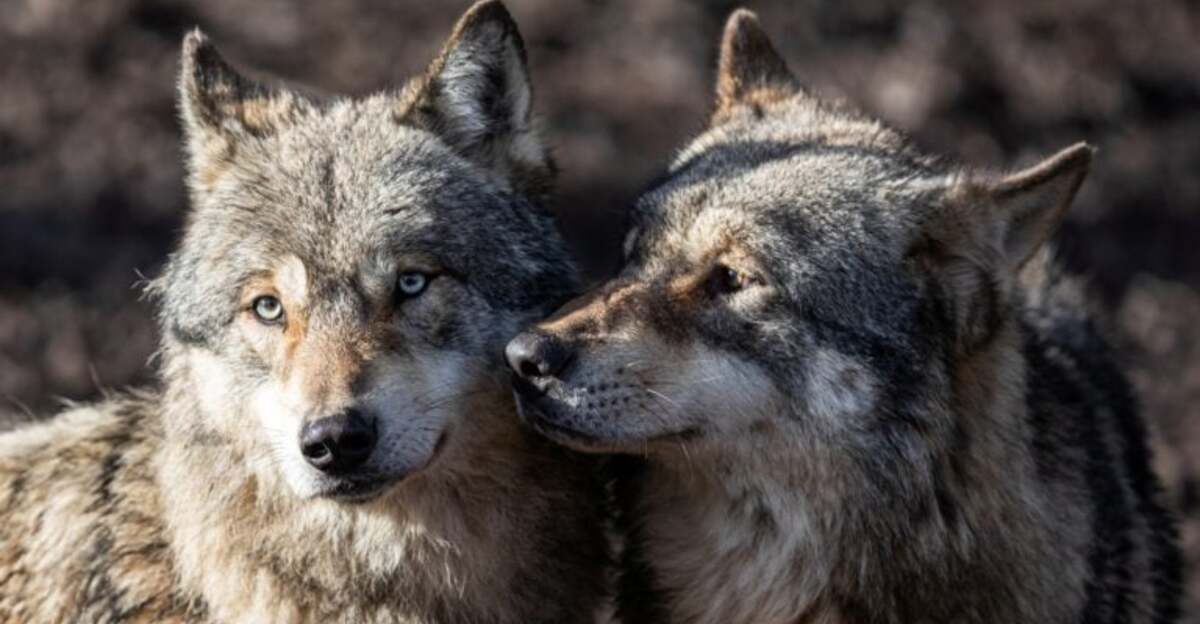
The turning point traces back to 1995, when gray wolves were reintroduced to Yellowstone after being absent for roughly 70 years. Biologists describe these carnivores as “ecosystem architects” because their influence extends far beyond what they hunt. With wolves back on the landscape, elk herds changed in both numbers and behavior, spending less time browsing heavily in vulnerable riparian zones. That shift, combined with the long-term decline in elk populations, set the stage for woody plants such as aspen, willow, and cottonwood to grow beyond the reach of constant grazing. The park has effectively become a large-scale rewilding experiment, with implications that reach into international discussions about predator restoration.
From Predator Loss to Ecological Strain
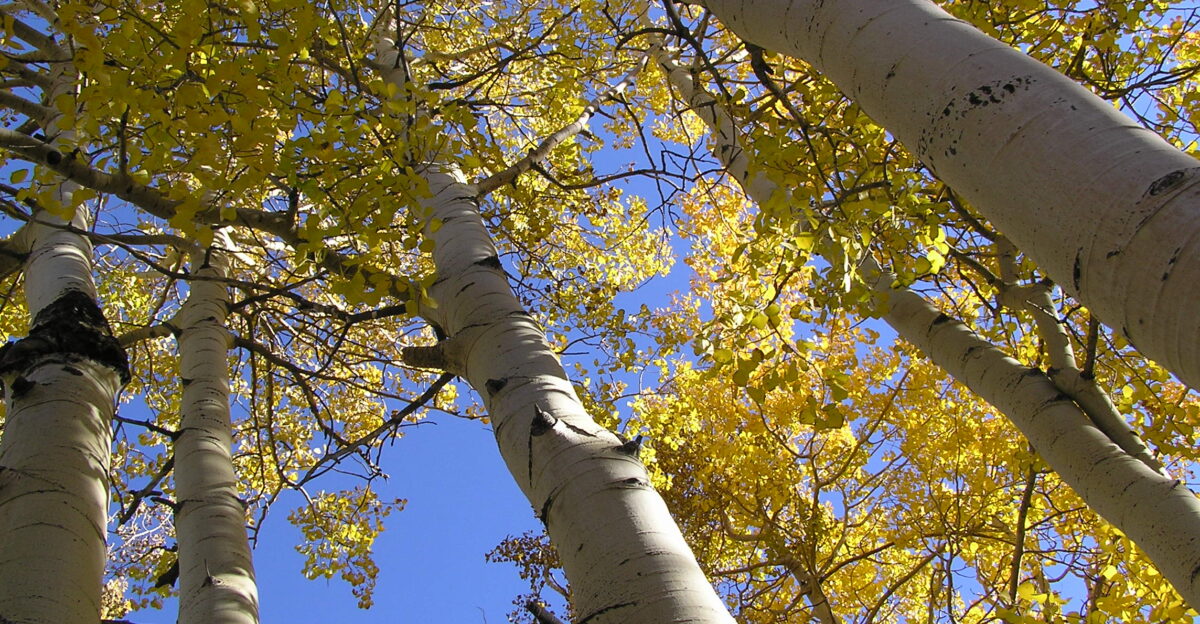
Wolves were eliminated from Yellowstone by around 1930, largely through habitat loss and government-backed eradication campaigns. In the decades that followed, elk numbers climbed to nearly 18,000 animals on the northern range, and the expanding herds browsed young trees relentlessly. Saplings in riparian areas and upland aspen stands were often eaten before reaching a stable height, leaving older trees to age and die without replacements. By the late twentieth century, ecologists warned that river corridors and aspen groves were at risk of long-term decline as erosion increased, wildlife habitat shrank, and biodiversity fell. Calls for restoration grew louder, but many experts argued that durable solutions would be difficult without reestablishing a top predator.
Wolves Return, Forests React
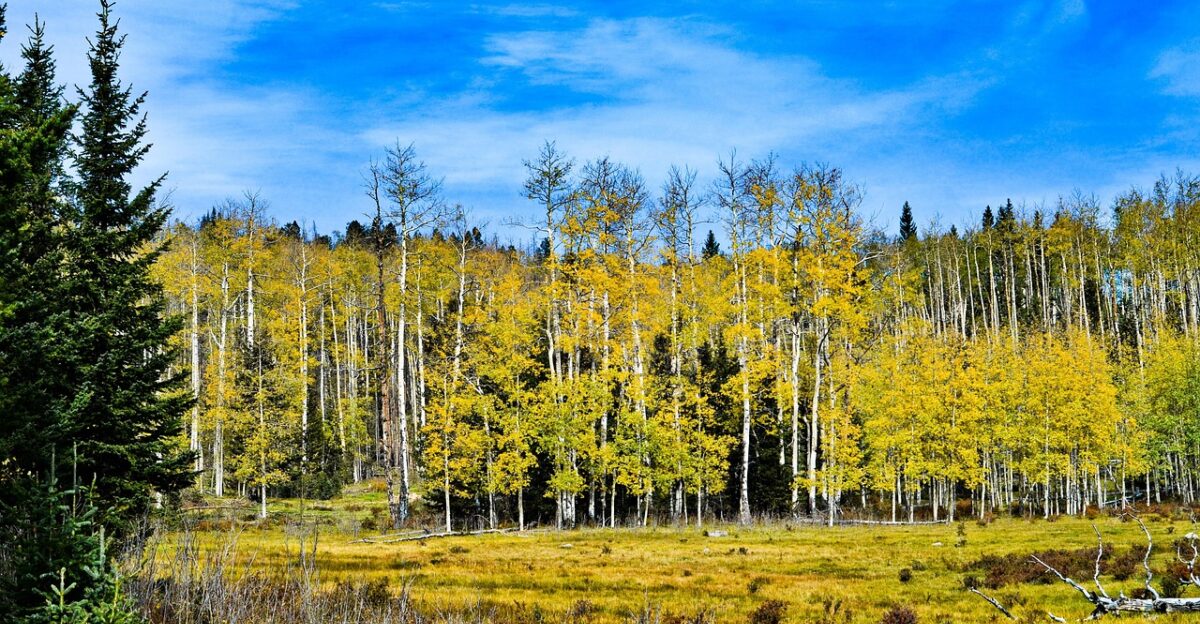
On January 12, 1995, wildlife officials released the first gray wolves captured in Canada into Yellowstone, followed by additional releases in 1996 that brought the initial population in the park to 31 animals. Over the next three decades, northern range elk numbers fell by roughly 90 percent, from about 18,000 to around 2,000, due to a combination of wolf predation, other predators, human hunting, and environmental factors. That steep decline coincided with the first significant aspen regeneration recorded in the park since the 1940s, supporting the idea that a trophic cascade was underway. In 87 monitored aspen stands, about one-third now shows dense clusters of saplings, while another third contains scattered new trees. Many young aspens have surpassed 2 inches in diameter at chest height, a key benchmark that indicates they have escaped the most intense browsing and are on track to join the overstory.
Ripples Through Species, Economies, and Policy
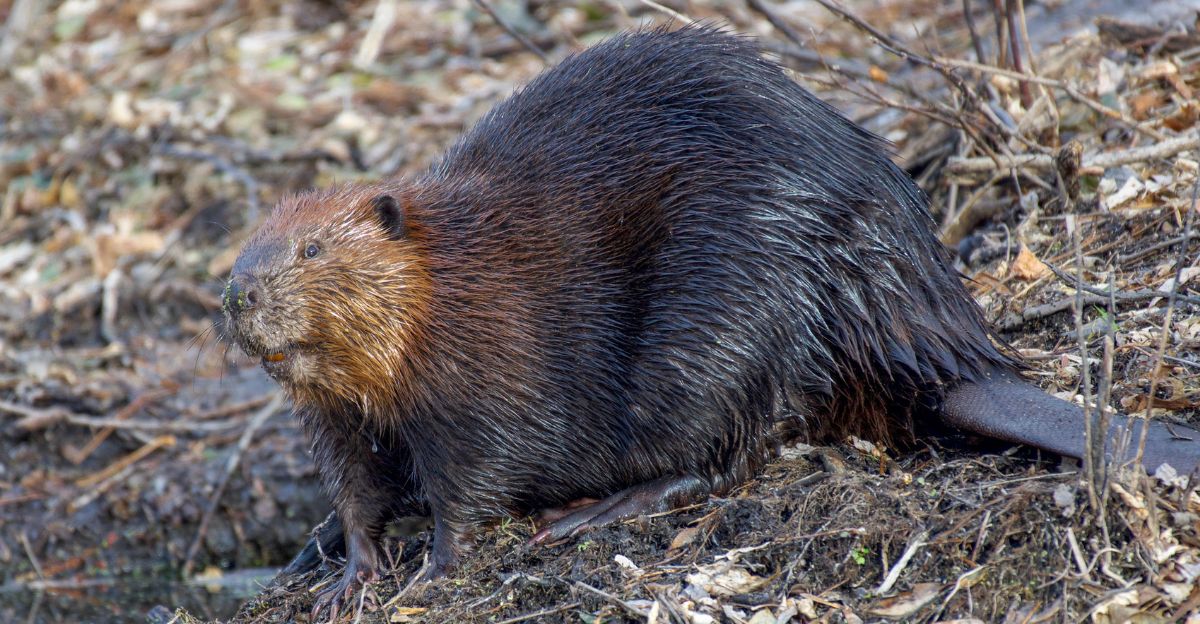
The changes in vegetation have radiated through Yellowstone’s web of life. As willows and aspens rebounded, beaver colonies expanded from a single documented site in the mid-1990s to multiple locations across the northern range. Beavers’ dam-building activity has reshaped stream channels, stored more water on the landscape, and created wetlands that support fish, songbirds, amphibians, and aquatic invertebrates. The park now functions as a rare, long-term field setting where researchers can track how interacting wolves, elk, beavers, bears, cougars, and other species influence vegetation, hydrology, and scavenger communities over decades. Wolf recovery has also reshaped local economies: wildlife watching centered on wolves in areas like the Lamar Valley is estimated to bring in more than $35 million annually to nearby communities in Wyoming, Montana, and Idaho, turning once-feared predators into important drivers of tourism income.
Yet the comeback remains contentious outside park boundaries. Ranchers and some rural residents report livestock losses when wolves leave the park and prey on cattle or sheep, arguing that they shoulder the financial and emotional burden of conservation decisions made far away. Conflicts over how many wolves should be allowed to live outside protected areas, and how losses should be compensated, have fueled lawsuits and political fights. The U.S. Fish and Wildlife Service relied on a special “experimental population” provision within the Endangered Species Act to conduct reintroduction, which gave managers more flexibility but also led to years of court challenges and shifting authority between federal and state agencies. Today, Yellowstone’s wolves are protected within the park, while states regulate hunting and trapping beyond its borders, creating a patchwork of rules that managers must navigate as they track wolf territories, elk numbers, and vegetation trends.
Nuanced Lessons and Future Horizons
Scientists who study Yellowstone caution against crediting wolves alone for every change now visible on the northern range. Park managers note that human hunting outside the park, drought cycles, and broader climatic shifts also contributed to the elk decline that eased browsing pressure on young trees. Aspen recovery is not uniform; some stands still show little regeneration, underscoring how soil, local hydrology, and plant competition can alter responses to the same broad forces. Even so, the new generation of aspens now exceeding key diameter and height thresholds is expected to provide habitat for hundreds of species, from insects and cavity-nesting birds to larger mammals such as bears, gradually reshaping forest structure over time.
As Yellowstone’s three-decade predator restoration unfolds, it has become a touchstone in wider debates over large carnivores in places such as Colorado, Washington, and parts of Europe. Supporters point to the aspen resurgence and expanding beaver activity as evidence that reintroducing apex predators can help repair damaged ecosystems where browsers have long outpaced plant growth. Critics emphasize social conflict, livestock losses, and local economic vulnerability, arguing for stronger local control over carnivore numbers. Internationally, Yellowstone’s experience is often cited in projects ranging from the Scottish Highlands to continental rewilding efforts, but scientists stress that each landscape has its own history, politics, and ecological constraints. The story of Yellowstone’s aspen—nearly a century of stagnation followed by measurable recovery—now raises a larger question: where else will societies accept the complexities of restoring top predators in order to rejuvenate forests, slow biodiversity loss, and safeguard ecological processes in a warming world?
Sources:
National Park Service, History of Wolf Management, Yellowstone National Park (2025)
U.S. Fish and Wildlife Service, Gray Wolf Reintroduction Records (1995–1996)
Luke Painter et al., Forest Ecology and Management, Oregon State University (2024)
Yellowstone Wolf Project Annual Reports, Northern Range Elk Population Data
Defenders of Wildlife, Wolf-Watching Economic Impact Study (2025)
Smithsonian Magazine, Aspen Regeneration and Trophic Cascade Research (2025)