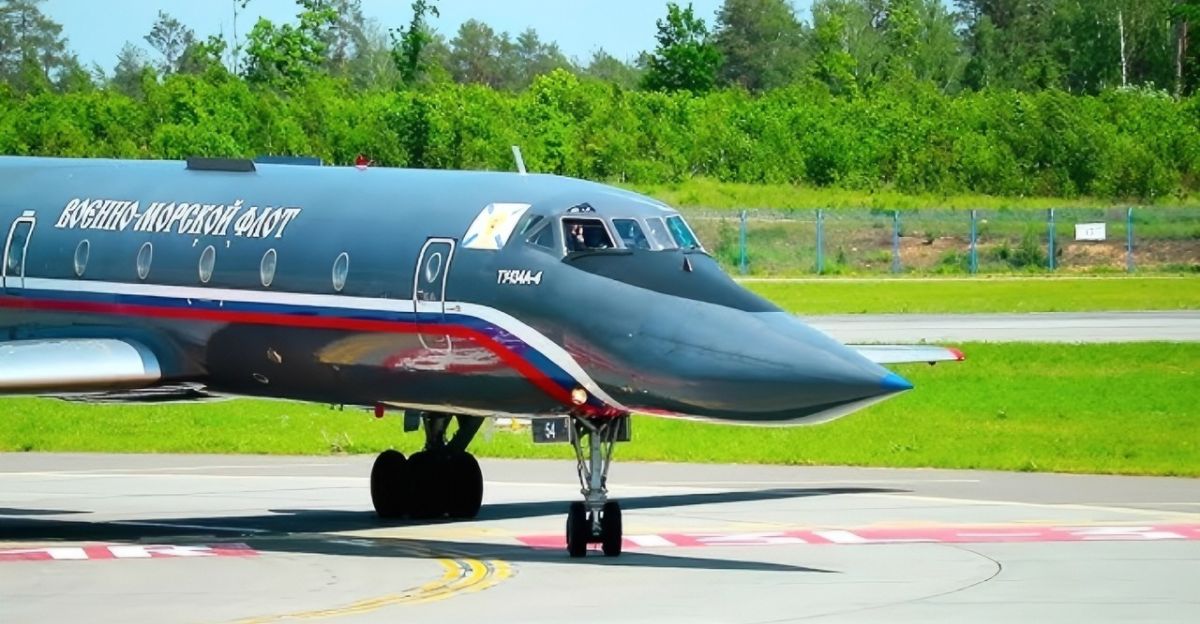
A dark, low-flying jet skimming the edge of NATO airspace is not an unusual sight over the Baltic Sea—but this one was different. Painted black with red stripes and nicknamed the “Black Pearl” by Western observers, the modified Tupolev Tu-134A-4 that appeared in November 2025 was carrying senior Russian officers, not regular troops. Its route took it close to NATO’s Baltic Air Policing zone with its transponder switched off and no filed flight plan, forcing allied forces to react at speed. For Estonia, Latvia, and Lithuania—three small states that rely on NATO aircraft to protect their skies—the flight was a pointed reminder of how fragile the balance along the alliance’s northeastern flank remains.
Baltic Shield in the Sky
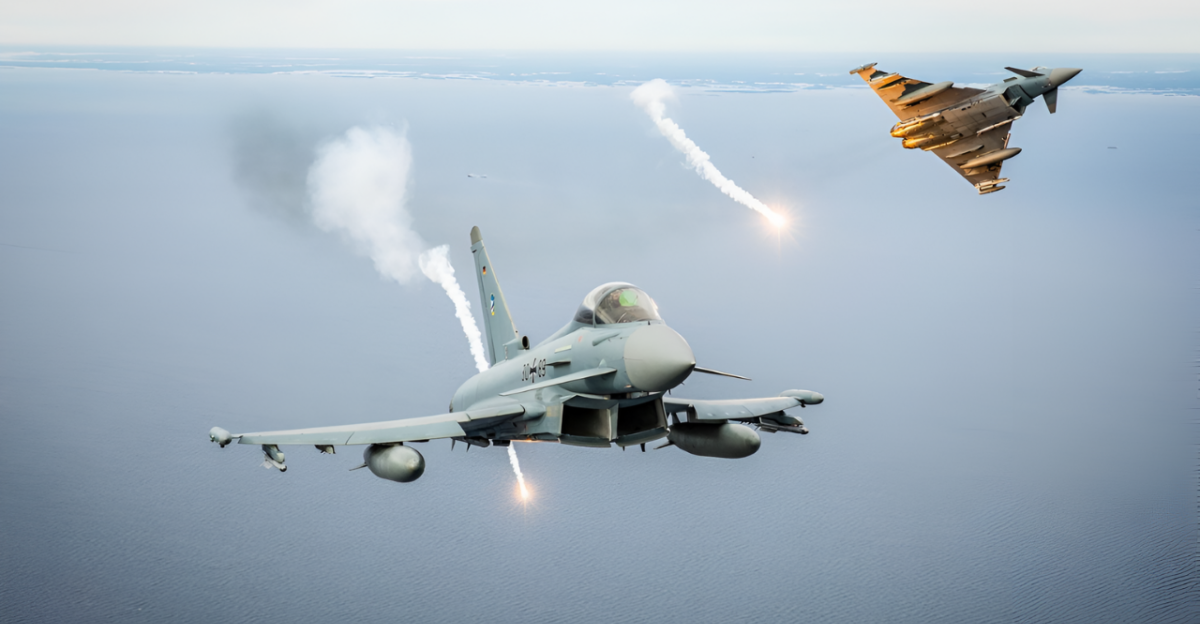
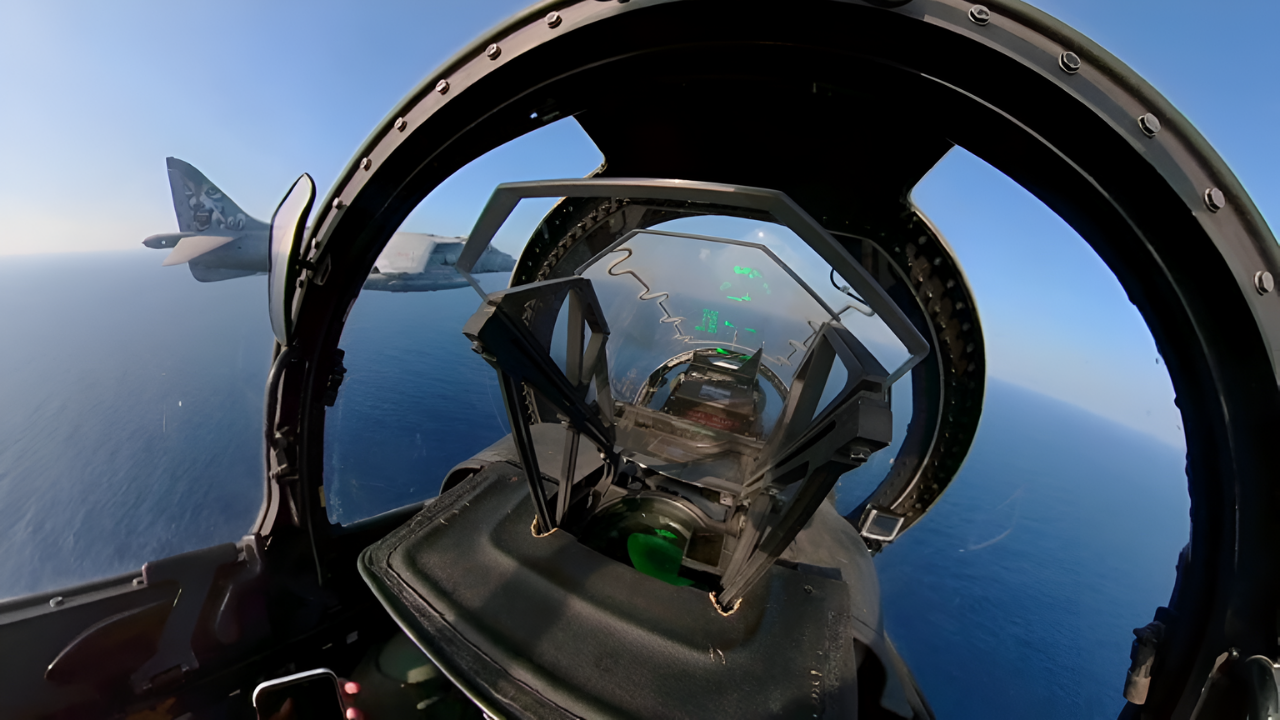
Since 2004, NATO has maintained a permanent air policing effort over the Baltic region, compensating for the fact that Estonia, Latvia, and Lithuania have no combat aircraft of their own. Rotating fighter detachments from allies such as Italy and Denmark operate from bases including Ämari in Estonia, providing round-the-clock coverage for roughly six million people across the three countries. The mission has become a central part of NATO’s posture in Eastern Europe, particularly for states that were once under Soviet control and now sit close to Russian territory. Against the backdrop of heightened tensions with Moscow, this aerial shield is both a practical defense and a visible political guarantee.
Over the past two years, the tempo of activity in the region has risen. Russian military aircraft frequently fly near NATO airspace without transponders, forcing allied jets to scramble to identify and escort them. Denmark, for example, recorded 81 quick reaction launches in 2024, underscoring how routine these short-notice flights have become. Most of these encounters do not escalate, but the pattern of regular probing flights, often by reconnaissance or surveillance platforms, has turned the Baltic skies into a constant test of readiness.
A Rare Visitor Returns
It was in this context that, between November 10 and 16, 2025, Italian Eurofighter Typhoons were ordered into the air from Ämari to respond to an unidentified formation approaching NATO-controlled airspace. The four Russian aircraft were soon visually identified: the Black Pearl in the lead, escorted by two Su-30SM2 naval fighters and a Su-24MR reconnaissance jet. Under NATO’s Operation Eastern Sentry, the Italian pilots carried out a standard intercept, flying alongside the formation and guiding it away from the alliance’s airspace without incident. For NATO, the episode was handled as a routine mission; there were no formal diplomatic protests, and the Russian aircraft left the area after the visual identification.
What made the event unusual was not the intercept itself but the lead aircraft. The Tu-134A-4 is a highly modified version of a Soviet-era regional jet introduced in the 1960s, now used in very small numbers by Russian Naval Aviation. The Black Pearl variant, easily recognized by its black-and-red livery, serves as a transport for senior officers and other high-ranking personnel rather than for line units. Its operations are rare enough that this was the first recorded encounter with NATO fighters since Belgian F-16s intercepted the same aircraft over Lithuania in February 2020. That five-year gap suggests its deployments are selective and deliberate rather than routine.
Signals and Strategy
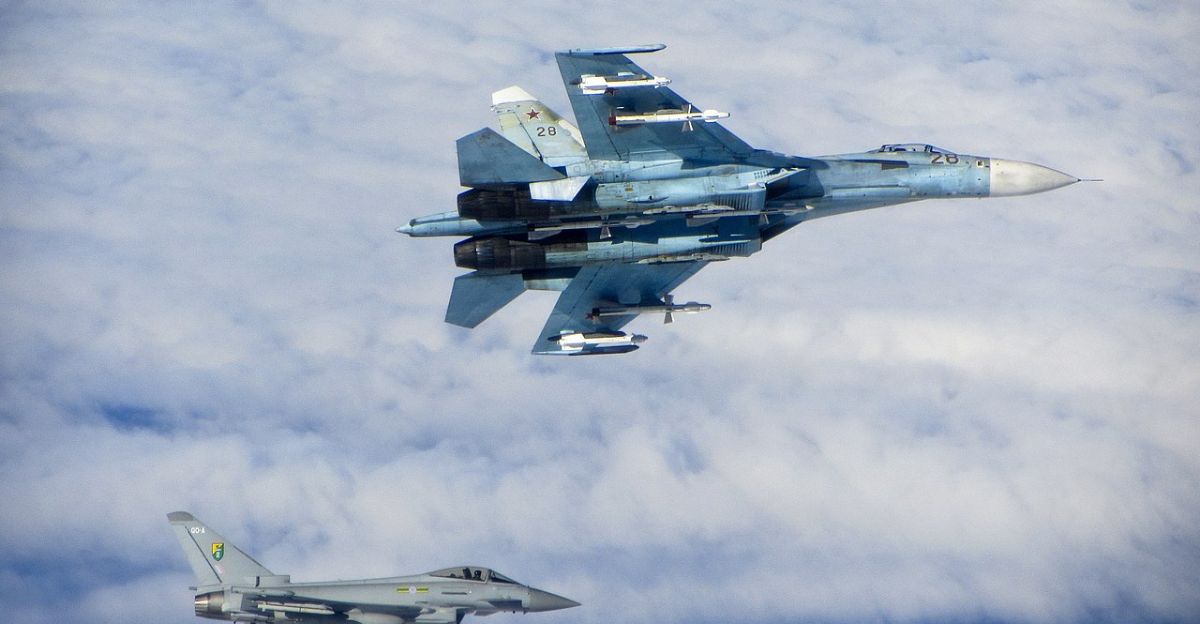
The appearance of the Black Pearl highlights how Russia has adjusted its air activities over the Baltic since 2024. Where bomber flights once signaled power and reach, recent missions more often involve reconnaissance and specialized transport aircraft. This shift reflects competing demands on Russian air assets, particularly the ongoing war in Ukraine, while still allowing Moscow to demonstrate that it can operate close to NATO territory. Pairing a high-value platform like the Tu-134A-4 with modern Su-30 fighters provides both protection and signaling: it shows that senior officers can travel under escort right up to NATO’s edge.
For NATO, the incident offered both a test and an opportunity. Quick Reaction Alert units across the alliance stand by around the clock, trained to get airborne within minutes when radars detect an unidentified aircraft near sensitive airspace. The Italian Typhoons’ rapid launch, identification of the Russian formation, and controlled escort underscored the effectiveness of those procedures. Italy has taken on a larger share of Baltic Air Policing, with Eurofighter Typhoons replacing earlier F-35A deployments, bringing different sensor suites and performance characteristics to the mission. Under the alliance’s rotational model, such deployments spread the burden among members while keeping the posture unpredictable for any adversary.
Uncertain Future over the Baltic
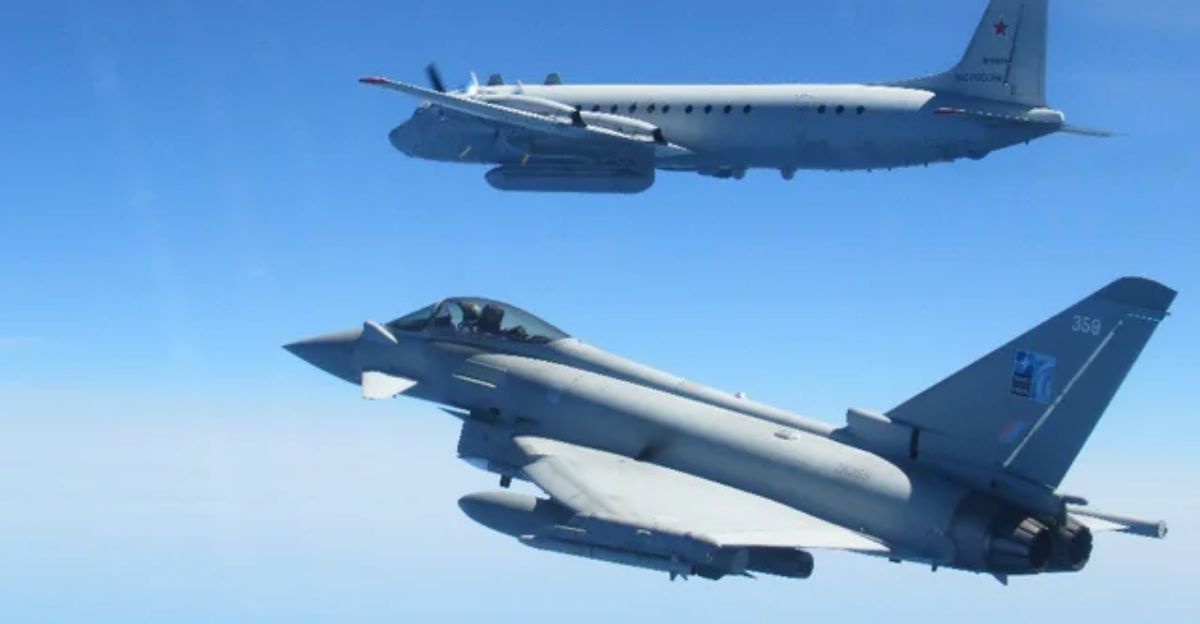
While the November 2025 intercept ended quietly, it fits into a broader pattern of methodical pressure and signaling over the Baltic Sea. Russian aircraft are likely to continue approaching NATO airspace, sometimes with transponders off and sometimes in mixed formations combining rare transports or reconnaissance jets with fighter escorts. Each new allied rotation—whether Italian Typhoons or other NATO fighters—gives Moscow a fresh chance to measure response times and tactics. For the Baltic states, every successful scramble reinforces the credibility of the alliance’s security guarantee; for Russia, each carefully calibrated flight demonstrates that it remains willing and able to operate close to NATO’s borders despite heavy commitments elsewhere. The cat-and-mouse dynamic in the region is therefore set to persist, with future appearances of aircraft like the Black Pearl watched closely for what they reveal about evolving strategy on both sides.
Sources:
The Aviationist: “Russia’s Unique Tu-134A-4 ‘Black Pearl’ Intercepted Over The Baltic” (November 23, 2025)
Zona Militar: “Italian Eurofighter fighters intercepted a Tu-134A-4 aircraft in the Baltic” (November 27, 2025)
Danish Defence Command (Forsvaret): “F-16 deployed many times in 2024” (February 3, 2025)
NATO Allied Air Command: “NATO launches Operation Eastern Sentry to bolster posture” (September 12, 2025)
Army Recognition: “Italy’s Eurofighter jets take command of NATO Baltic patrols” (November 17, 2025)