
Deep beneath the ocean’s surface, where sunlight never reaches, a creature older than dinosaurs has quietly preserved secrets of evolution. The vampire squid, a mysterious denizen of the deep, has stunned scientists with a genome so vast it rewrites our understanding of cephalopod history. This discovery, made possible by a single specimen caught in a fishing net, reveals a story of survival, adaptation, and the power of ancient DNA.
The Accidental Discovery

The journey began off Japan’s coast, where a research vessel hauled in a juvenile vampire squid as bycatch. These elusive animals rarely cross paths with humans, making every encounter a rare scientific opportunity. The specimen, secured by Tokai University’s T/V Hokuto, was quickly recognized as a potential key to unlocking evolutionary mysteries. Scientists at the University of Vienna realized they held something extraordinary—a living relic from a time long before the continents split apart.
The Largest Genome in the Deep
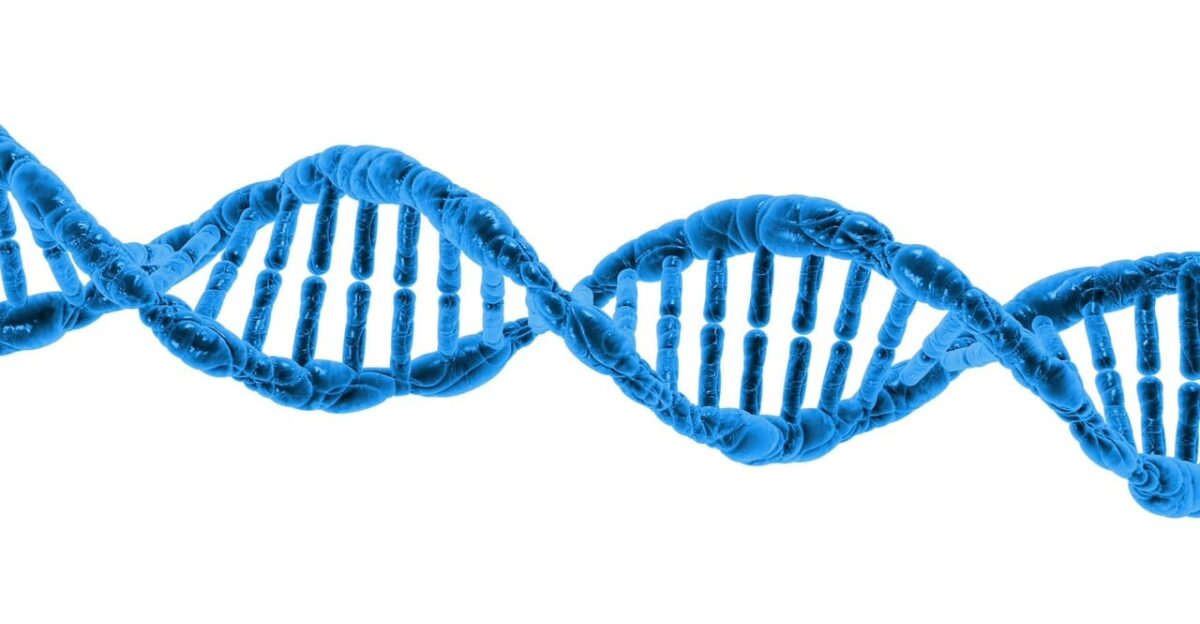
Sequencing the vampire squid’s DNA revealed a staggering fact: its genome is the largest ever recorded in a cephalopod, ranging from 11 to 14 billion base pairs. This dwarfs the human genome and more than doubles the previous record, held by the common cuttlefish. Even the highly intelligent octopus, with its complex behaviors, carries a genome only a fraction of this size. The vampire squid’s genetic bloat is not due to new genes, but to repetitive DNA sequences—once dismissed as “junk”—that have inflated its genome over millions of years.
A Living Fossil in Chromosomal Form
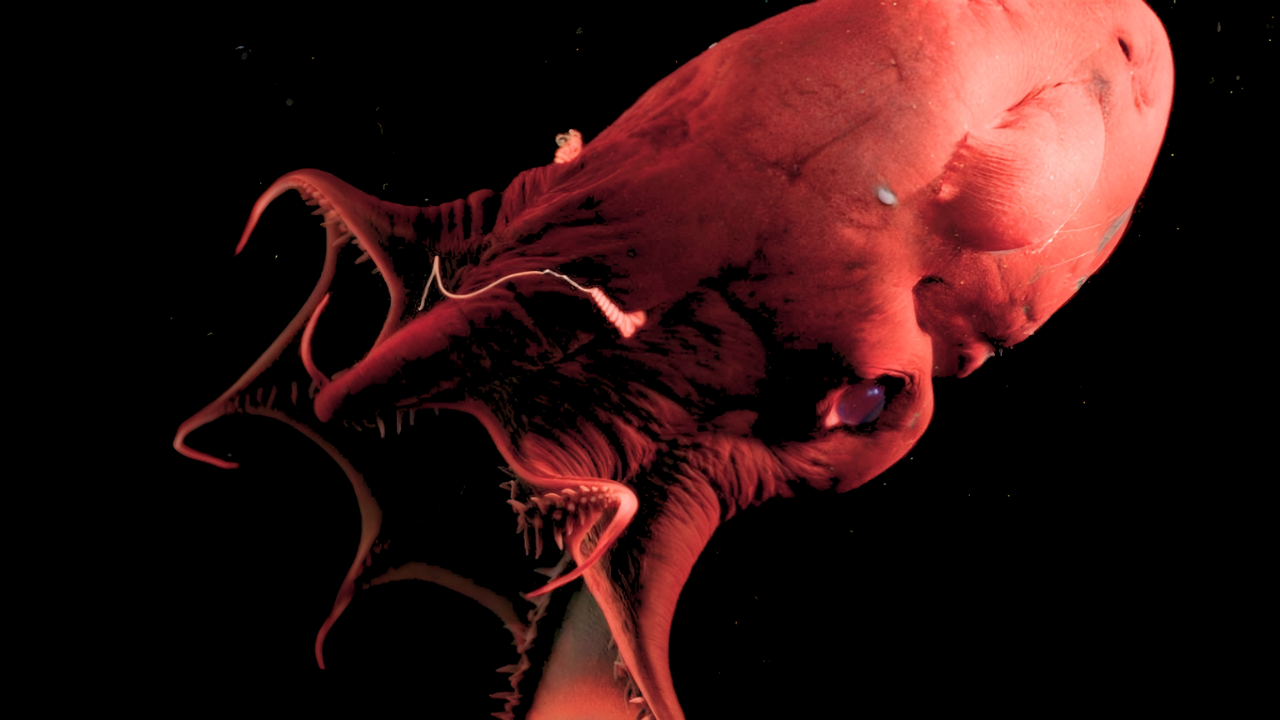
The vampire squid’s lineage dates back 183 million years, predating the breakup of Pangaea. While its relatives evolved dramatically, this deep-sea dweller remained largely unchanged. Its habitat, the oxygen minimum zone, is so hostile that few predators venture there, allowing the vampire squid to escape the evolutionary pressures that reshaped other cephalopods. Its chromosomes, remarkably similar to those of squids, suggest that the common ancestor of all cephalopods was far more squid-like than previously thought.
The Evolutionary Split

About 300 million years ago, cephalopods faced a critical evolutionary fork. One branch—squids and cuttlefish—maintained stable chromosomal organization, retaining roughly 46 chromosomes. The other branch—octopuses—underwent a radical transformation, fusing and rearranging their chromosomes in irreversible ways. This reshuffling likely drove the evolution of octopuses’ specialized arms and remarkable intelligence. The vampire squid, meanwhile, remained a genetic conservative, its chromosomes unchanged by time.
The Future of Evolutionary Biology
The vampire squid’s genome is now seen as a “Rosetta Stone” for decoding cephalopod evolution. By comparing its chromosomal structure to that of modern squids, octopuses, cuttlefish, and argonauts, researchers can trace the precise path of evolution. The genetic evidence supports the theory that early coleoids were squid-like, and octopuses evolved through dramatic chromosomal reorganization. This discovery challenges the assumption that complexity requires new genes, showing instead that radical reorganization of existing genetic material can drive diversity.
The vampire squid’s survival in one of Earth’s most hostile environments is a testament to resilience. Its oversized genome, once dismissed as bloated, turns out to be a masterclass in evolutionary strategy. While other cephalopods transformed, the vampire squid waited—drifting through darkness, feeding on debris, holding secrets that would rewrite science. As climate change threatens deep-sea ecosystems, the study of creatures like the vampire squid becomes increasingly urgent. Their ancient DNA holds clues to the survival of life itself, reminding us that evolution has no single path, and that sometimes, the best strategy is to remain unchanged.
Sources:
Yoshida M. et al., “Giant genome of the vampire squid reveals the derived state of modern octopod karyotypes,” iScience / bioRxiv, 2025.
University of Vienna press release, “Vampires in the Deep: An Ancient Link Between Octopuses and Squids,” November 2025.
Sci.News, “Scientists Sequence Genome of Vampire Squid,” November 27, 2025.
Discover Magazine, “The Vampire Squid Genome Has Helped Explain the Early Evolution of the Cephalopods,” November 2025