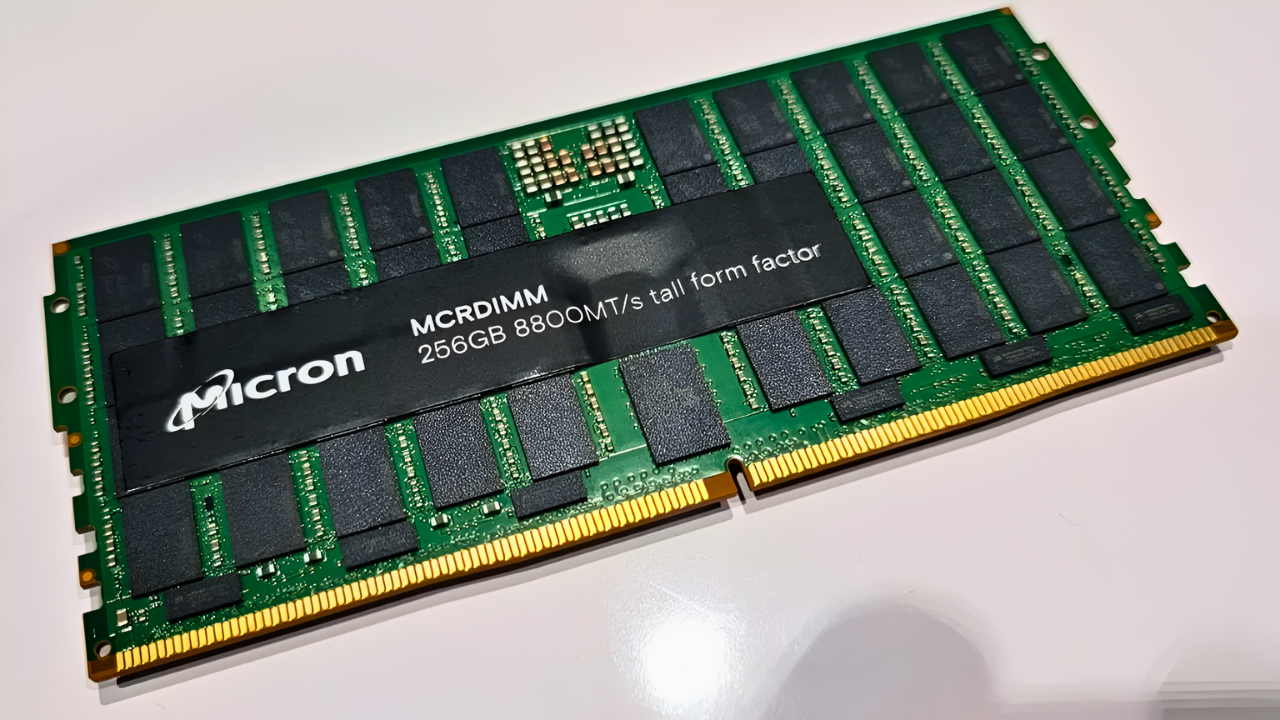
Memory, once the cheapest part of a PC or smartphone, is rapidly becoming one of the most expensive components. Since September 2025, the cost of many memory chips has jumped by 60% to 100%, reshaping prices for computers, phones, and TVs and forcing manufacturers to rethink how they build and sell new devices.
Global supply crunch
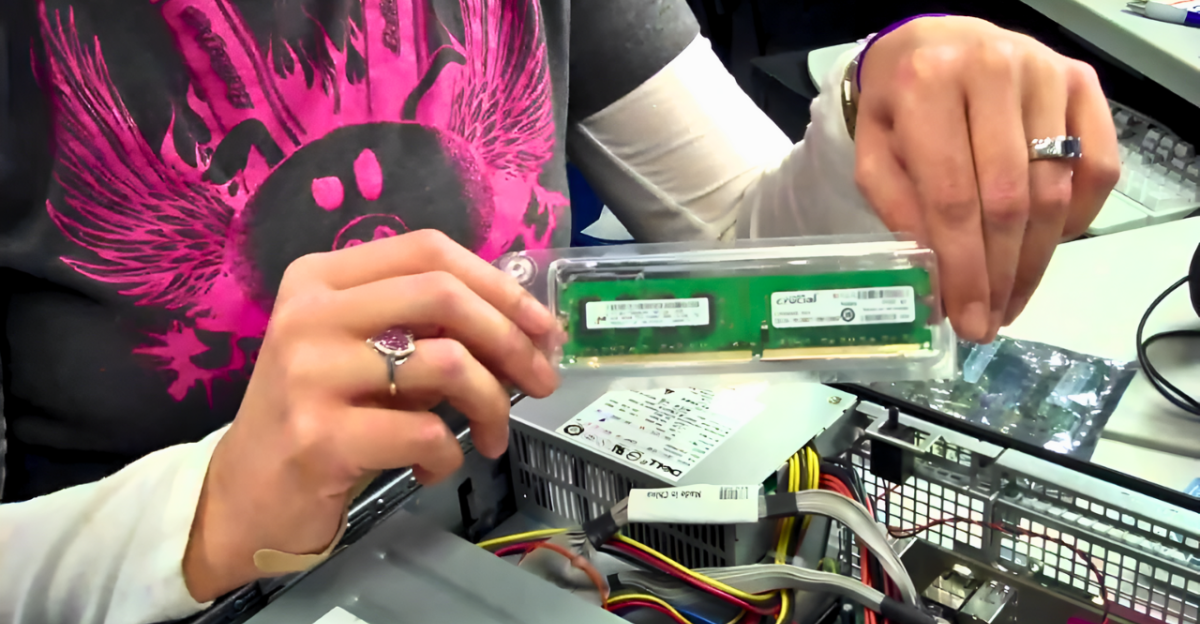
A handful of firms dominate this critical part of the hardware world. Samsung, SK Hynix, and Micron together control roughly two-thirds of global DRAM output, and all three are now channeling resources into high-bandwidth memory designed for AI data centers, where profits are far higher than in consumer electronics. As production shifts toward these specialized chips, traditional DRAM for laptops, desktops, and phones has become harder to find, leading to what industry observers describe as the tightest memory market in more than a decade. Forecasts point to price increases of 5% to 30% for memory inside everyday devices, even as overall system prices rise more slowly.
Micron’s consumer retreat
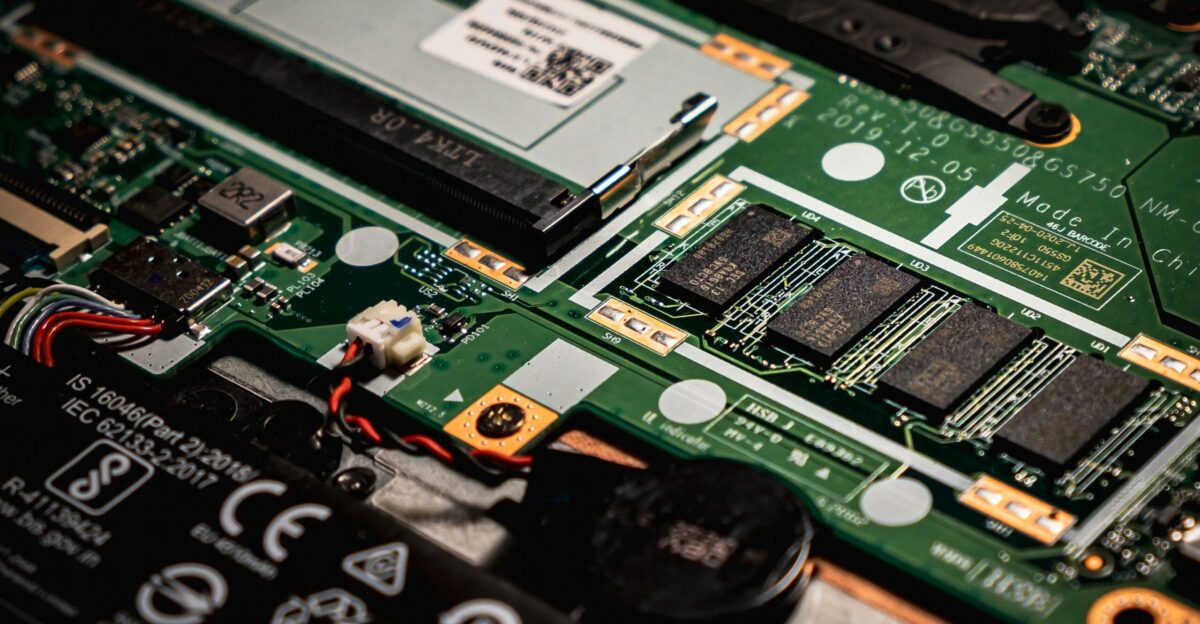
The most dramatic signal of this shift came on December 3, 2025, when Micron announced it would withdraw from the consumer memory business and wind down its popular Crucial retail brand by February 2026. As the only major DRAM maker based in the United States, Micron had long been a staple for do‑it‑yourself PC builders and budget‑focused buyers.
But as demand from AI data centers surged into an estimated multi‑billion‑dollar market, the company concluded it could not fully serve both high‑end AI clients and the lower‑margin retail segment. Its decision effectively hands more power over the consumer DRAM market to Samsung and SK Hynix, both headquartered in South Korea, and deepens concerns in Washington about U.S. reliance on foreign suppliers despite efforts such as the CHIPS Act.
Rising prices for PCs, phones, and TVs
For consumers, the consequences are already visible. Online retailers are reporting shortages of DDR5 memory modules, and system builders that depend on these parts are raising prices. Gaming PC specialist CyberPowerPC has increased system prices by about 80 to 160 dollars, while major brands including Dell, HP, and Lenovo are planning or implementing price hikes generally in the range of 5% to 20% for new systems in 2026.
The memory portion of those builds is the main culprit; in many configurations, the cost of RAM has roughly doubled, even if the total PC price has climbed more modestly. Storage is under similar strain. Consumer solid‑state drives are now about 10% more expensive on average, as NAND prices have doubled and wholesale costs are expected to climb another 5% to 10%, potentially pushing SSD retail prices up 15% to 25% by mid‑2026. For a typical laptop that once sold for 899 dollars, memory and storage increases alone could lift the price to around 1,079 dollars.
Smartphones, where memory already accounts for 10% to 15% of the bill of materials, are expected to face component cost rises of roughly 5% to 7% in 2026, pressuring manufacturers to either compress margins or pass more of the increase to buyers. High‑end televisions are also affected, as advanced AI upscaling for 4K and 8K sets relies on the same fast DDR5‑class memory used in PCs, raising the cost of key internal parts even if overall TV prices do not fully double.
Industry strain and strategic shifts
Manufacturers across the PC ecosystem are being squeezed between expensive components and price‑sensitive customers. Large players such as Dell report pressure on profit margins, while smaller system builders, including Asus and MSI, are struggling to manage costs in a market where scale increasingly determines survival. Some independent firms are weighing whether to stay in the consumer space at all as parts become scarcer and more expensive. In response, several companies are experimenting with new approaches.
Certain brands are moving toward direct‑to‑consumer sales in an attempt to reduce channel markups, while Lenovo is emphasizing build‑to‑order models to better match production with demand and avoid overcommitting on costly inventory. HP is investing in more energy‑efficient processors to extract better performance per watt as component budgets tighten, and both Asus and Lenovo are exploring partnerships in South Korea to secure more reliable memory sources.
At the same time, Samsung has lifted DDR5 prices sharply—around 60% between September and November 2025—while SK Hynix has expanded its data center memory output, reinforcing expectations that DRAM prices will remain high rather than quickly snapping back.
Longer‑term outlook and alternatives
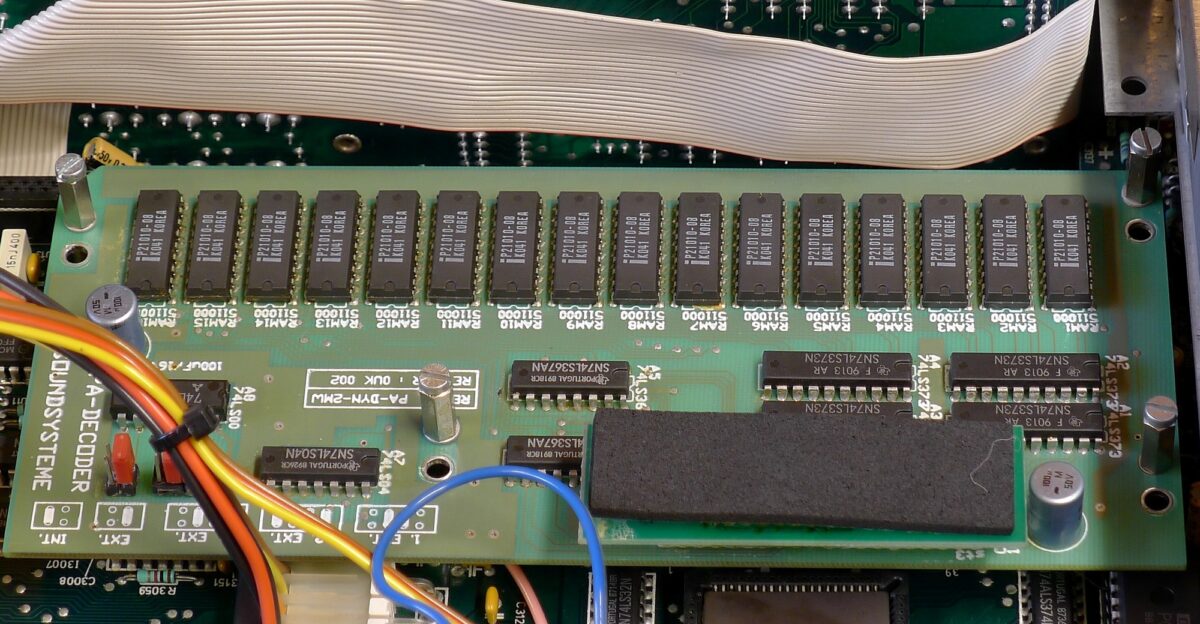
The reorientation of the memory industry toward AI has implications well beyond short‑term price spikes. Previous DRAM shortages generally eased once new fabrication plants opened and competition increased, but the heavy capital requirements of AI‑class chips and the appeal of their higher margins raise the risk that today’s constraints could last longer.
Europe and Asia are expected to be hit particularly hard by mid‑2026, with steeper PC and device price increases in India and other emerging markets where incomes are lower and local alternatives are limited. Chinese memory manufacturers are expanding, but they still trail global leaders on performance and capacity, leaving many budget‑conscious regions exposed to higher costs and fewer choices. Environmental effects are mixed: higher hardware prices may slow replacement cycles and reduce electronic waste, yet older devices generally consume more power, potentially increasing overall energy use as people keep aging systems in service.
Research into new technologies such as resistive RAM (ReRAM) and magnetoresistive RAM (MRAM) could eventually reduce reliance on conventional DRAM in specific applications by around 2027, but mainstream adoption for everyday consumers is still several years away. Until those options mature and more capacity comes online, the era of cheap, easily upgraded memory is fading, and buyers of PCs, phones, and TVs are likely to face higher prices and longer gaps between upgrades as the AI boom continues to reshape the hardware landscape.
Sources:
Micron Technology Official Press Release — December 3, 2025Micron Announces Exit from Crucial Consumer Business
DropReference — November 2025Increase in DDR5 RAM prices in November 2025: shortage analysis
The Register — November 19, 2025Memory prices set to double as fabs pivot to AI parts
TrendForce — December 5, 2025Memory Crunch Hits PCs: Dell Hikes Prices, Lenovo from January
Club386/PC World — November 26, 2025CyberPowerPC Announces Upcoming System Price Increases