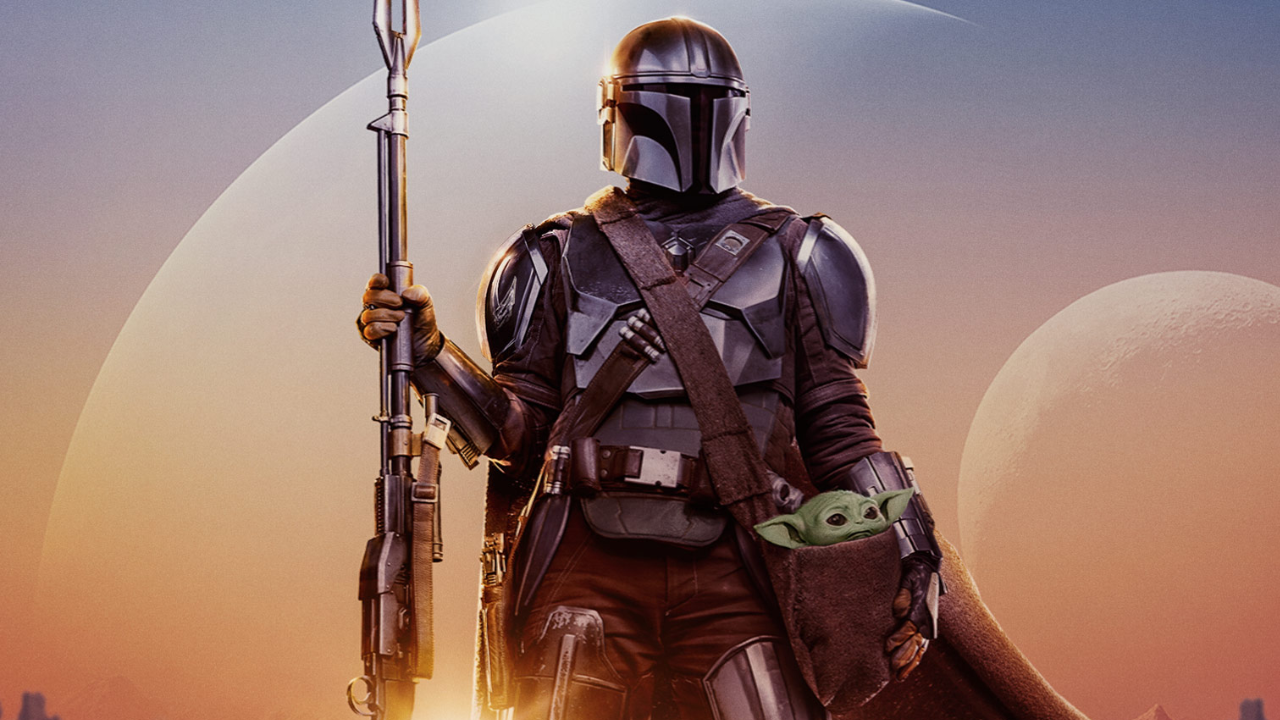
In November 2019, Disney+ made its big debut with The Mandalorian, shaking up the streaming world. The show wasn’t just a hit; it sparked a massive cultural wave, capturing the hearts of viewers and driving subscriptions. As the flagship series, The Mandalorian set the stage for Disney’s ambitious expansion into streaming, with Lucasfilm leading the charge.
What happened next? A new era of Star Wars stories was born, but a dramatic shift is now underway.
Disney’s Streaming Crisis: Over-Investment and Financial Losses
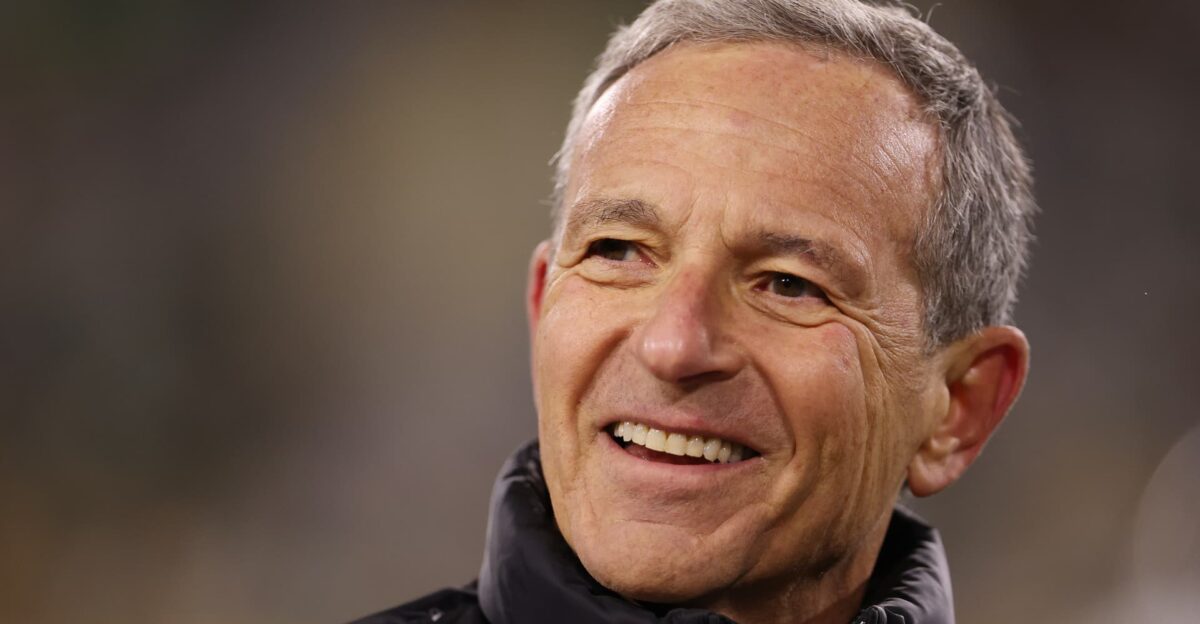
By 2024, Disney’s streaming arm faced mounting financial challenges. CEO Bob Iger admitted that Disney+ had over-invested in quantity over quality, leading to hefty losses. The studio’s strategy to churn out content in bulk, including a 25% drop in Star Wars series production in 2024, reflected a shift towards focusing on profitability rather than just volume.
Disney is now cutting back and rethinking how it uses its most valuable franchises.
Star Wars’ Television Era Faces Reassessment

The Star Wars franchise, once defined by its blockbuster films, pivoted heavily into streaming after The Rise of Skywalker in 2019. With The Mandalorian at the forefront, the franchise embraced a new television era, producing hit shows like Andor, Ahsoka, and The Book of Boba Fett.
But recent feedback on series like The Acolyte has led Lucasfilm to reassess its strategy. Are these shows still the future of the galaxy far, far away?
Lucasfilm’s Strategic Pivot: Budget Cuts and Cancellations
Lucasfilm is now making a “sharp and deliberate pivot back to theatrical films.” After years of cranking out series, the studio is scaling back on Disney+ shows and focusing on fewer, higher-impact films. This move follows the cancellation of the high-budget series The Acolyte due to financial concerns and a reported budget cut of over $100 million for Ahsoka Season 2. The move away from a heavy release schedule signals a significant shift in the way Star Wars will be presented to audiences.
The question is, will it be enough to reignite the franchise’s cinematic dominance?
The Mandalorian and Grogu: From Series to Cinema
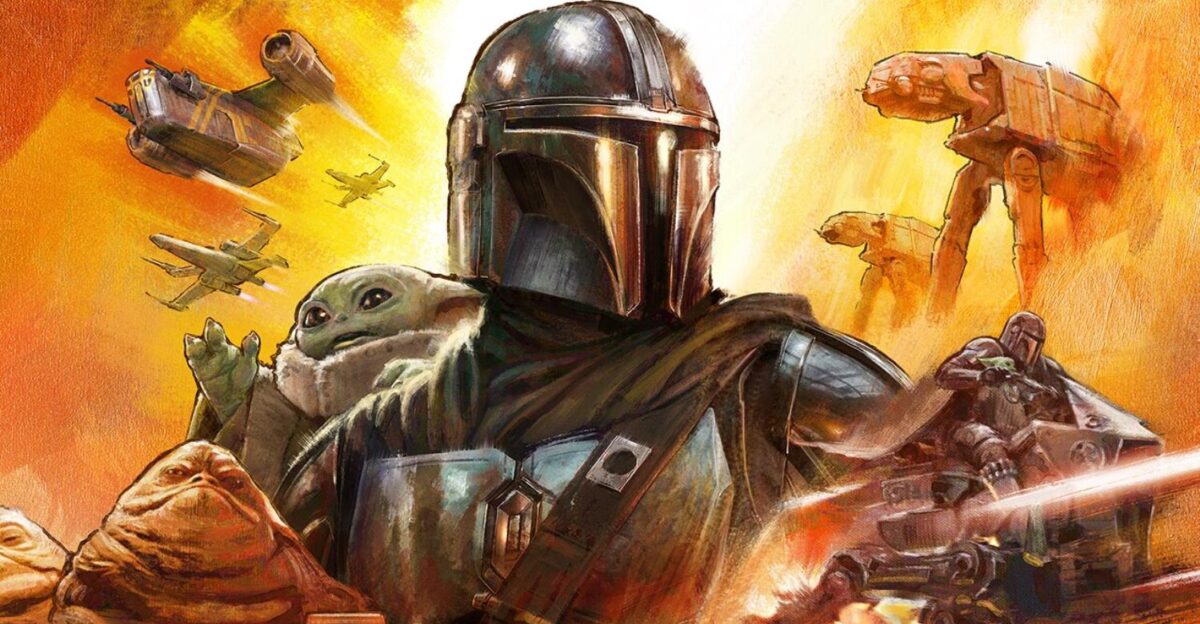
For the first time since The Rise of Skywalker in 2019, Star Wars is heading back to theaters. The Mandalorian and Grogu will hit the big screen on May 22, 2026. Directed by Jon Favreau, this film marks a return to cinematic storytelling with a $166 million budget—making it the most budget-friendly Star Wars movie since 2005. Intriguingly, Favreau confirmed he had already written all the scripts for a fourth season of the show, but those are being abandoned in favor of a new, larger-scale cinematic story.
But how will fans react to the shift from series to full-length feature film?
Global Production Expansion Amid Industry Pullback
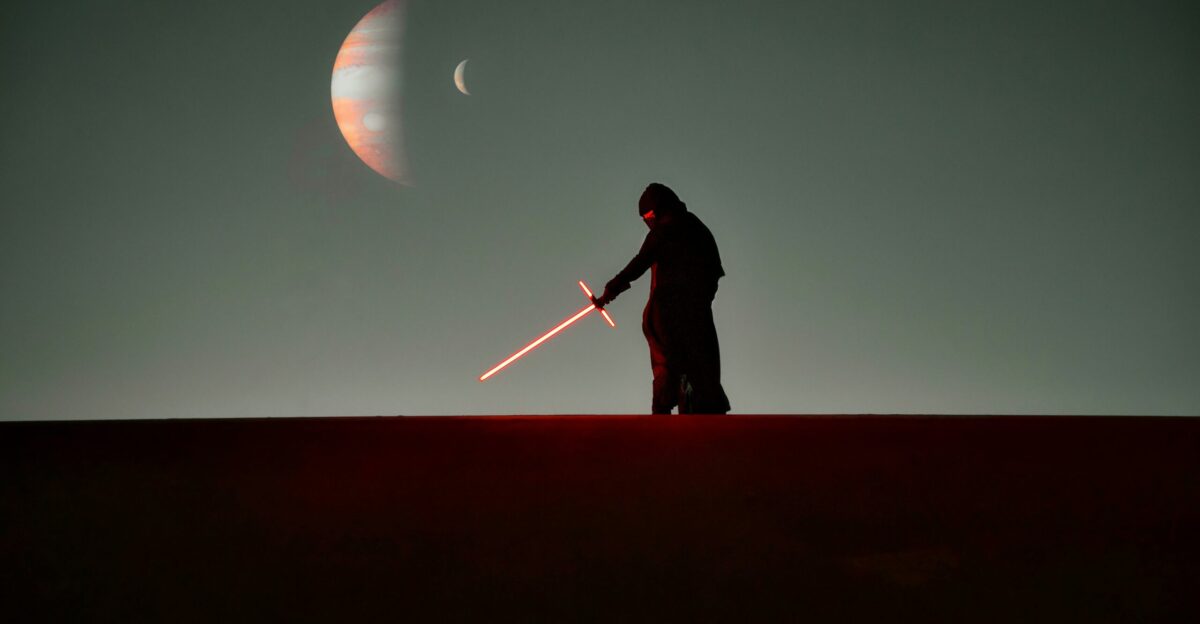
Star Wars has always had a global presence, with production taking place in California and the UK. The upcoming Mandalorian & Grogu film in California and Star Wars: Starfighter in the UK highlight this continued expansion.
However, with fewer shows in the pipeline, these production hubs may see reduced activity, altering the landscape of Star Wars’ worldwide footprint.
Jon Favreau’s Transition from Television to Theater
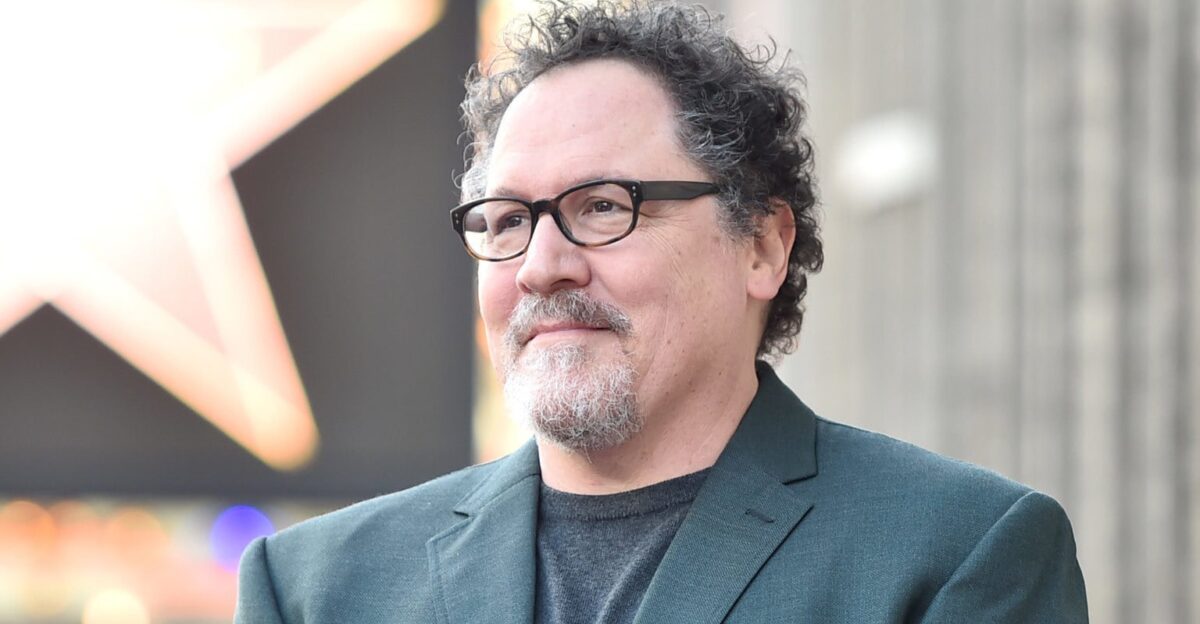
Jon Favreau, the mastermind behind The Mandalorian, is now transitioning from TV to film with The Mandalorian and Grogu. Pedro Pascal will return to voice Din Djarin, though much of the physical performance will be handled by stunt doubles.
This new direction follows the character’s arc at the end of Season 3, where he pivots from a lone bounty hunter to “work for the good guys,” and the shift to a cinematic story may mean that fan-favorite characters like Bo-Katan Kryze and The Armorer may not appear. The shift from a serialized TV format to a high-budget film represents a major change for both Favreau and the character’s creative direction.
Marvel Follows Disney’s Strategic Retreat from Streaming
It’s not just Star Wars that’s pulling back on streaming content. Marvel Studios, also under the Disney umbrella, is cutting back on its streaming series, such as Agatha All Along and Echo, with reduced budgets. Marvel is following Disney’s strategy to focus on higher-quality content, showing that even blockbuster franchises are feeling the strain of streaming’s uncertain future.
Industry-Wide Shift: Theatrical Releases Over Streaming Content
The shift in Disney’s approach reflects a broader industry trend. With streaming growth slowing and audiences more selective, studios are focusing their energy on theatrical releases, which continue to be a reliable source of revenue.
This strategy signals a move away from the “streaming everything” model that dominated the early 2020s.
Dave Filoni’s Ambitious Crossover Film Project
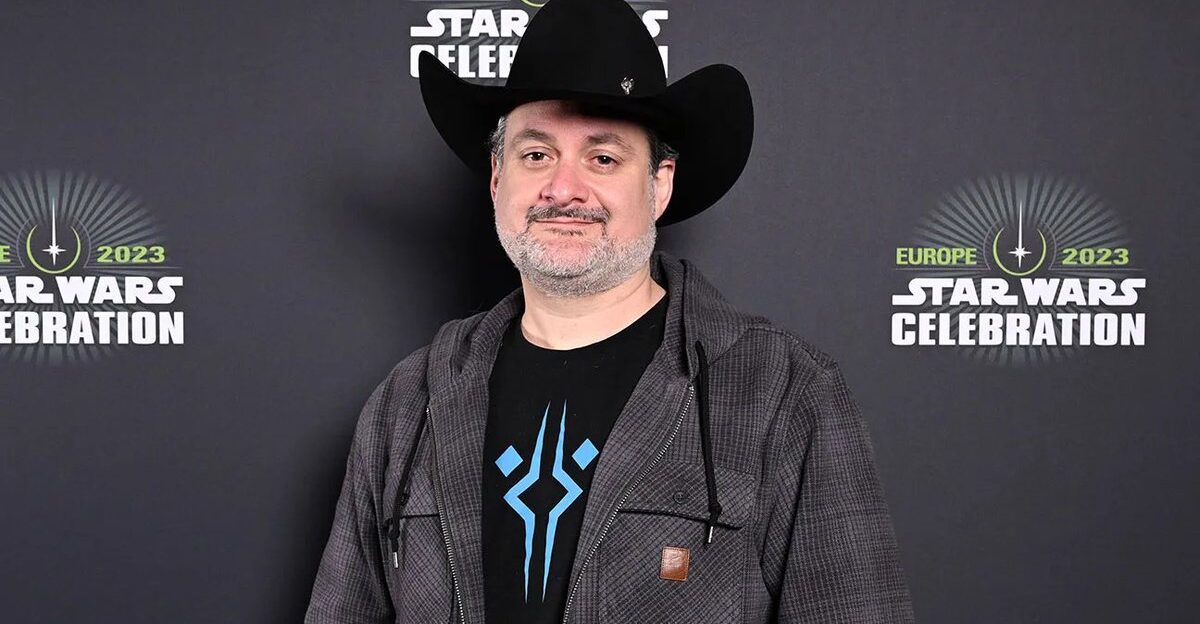
Dave Filoni, known for his work on The Mandalorian and Ahsoka, is now working on a film that will bring together characters from multiple Star Wars series. This crossover film, which will unite storylines from The Mandalorian, Ahsoka, and The Book of Boba Fett, is set to be a huge event in the franchise.
Filoli has described the project as requiring long development due to its massive narrative scope. What does this mean for the future of Star Wars?
Event Films Replace Scattered Episodes: A New Marvel Model
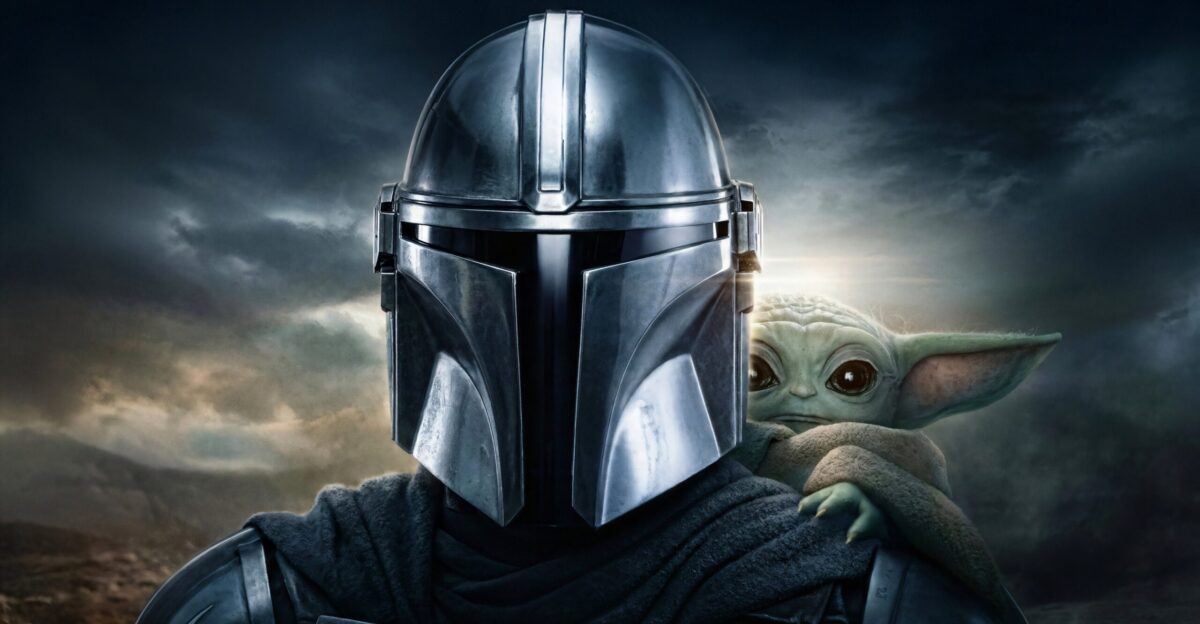
Lucasfilm is working towards an interconnected series of event films, similar to Marvel’s approach with the Avengers franchise. The plan is to bring together characters from different Star Wars shows for big-screen events, creating more cultural milestones rather than scattered TV episodes.
This approach is meant to amplify the excitement around Star Wars and bring the franchise back into the global conversation.
Kathleen Kennedy Leads Lucasfilm’s Visionary Rebrand
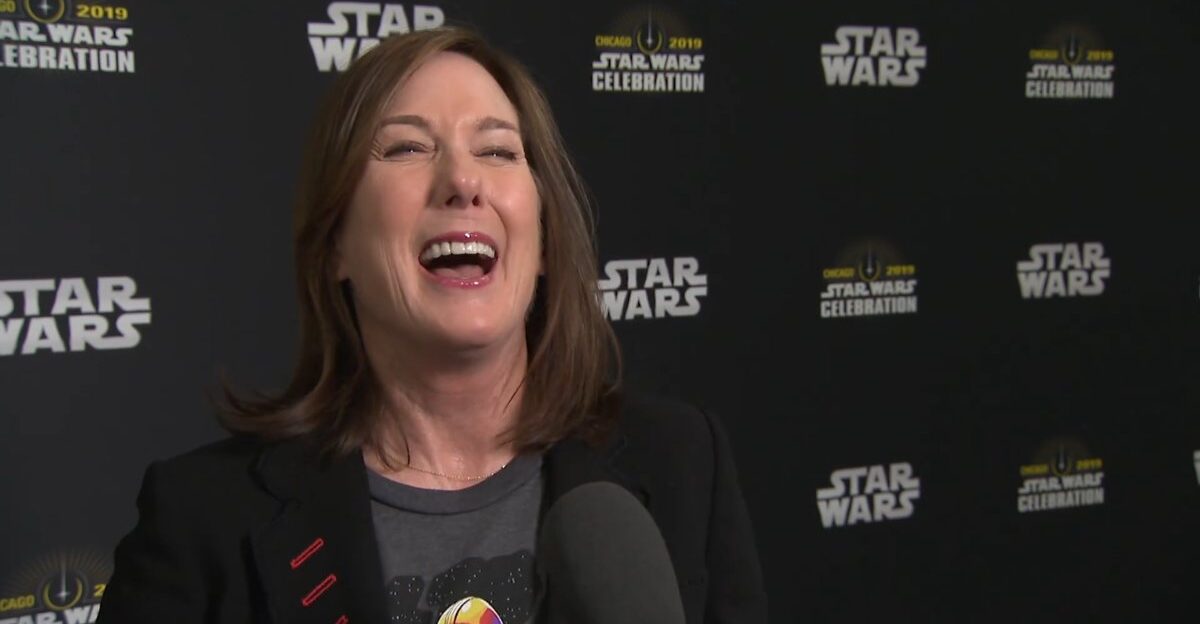
Kathleen Kennedy, Lucasfilm president, is leading the charge with this new strategy. Her approach emphasizes hiring visionary filmmakers to tell standalone stories that can later evolve into larger arcs.
The upcoming Star Wars projects, including those from Shawn Levy and others, are designed to empower filmmakers and tell unique stories that will eventually tie back into the larger Star Wars universe.
Upcoming Theatrical and Streaming Projects Unveiled
Star Wars fans have a lot to look forward to, with upcoming theatrical releases like The Mandalorian & Grogu (May 22, 2026) and Star Wars: Starfighter (May 28, 2027), starring Ryan Gosling and directed by Shawn Levy. On Disney+, expect new projects like Ahsoka Season 2, Star Wars: Visions Season 3, and a Ninth Jedi spinoff.
The galaxy is expanding, but in a more calculated, focused manner.
Financial Reality: The Cost of High-Volume Streaming
The shift towards fewer, higher-budget Star Wars projects comes after concerns about the financial viability of high-volume streaming. With shows like The Acolyte costing $28.7 million per episode, the numbers don’t add up for long-term sustainability.
Lucasfilm’s move to prioritize theatrical films represents a response to the cold financial reality of streaming.
Restoring Star Wars’ Cultural Event Status

By narrowing its output, Lucasfilm is attempting to restore Star Wars to the “cultural event” status it once held. Films like The Force Awakens ($936.7 million domestic box office) commanded widespread attention and excitement.
The goal now is to bring that level of anticipation back, with fewer, but more impactful, releases.
Major Filmmakers Develop New Star Wars Narratives
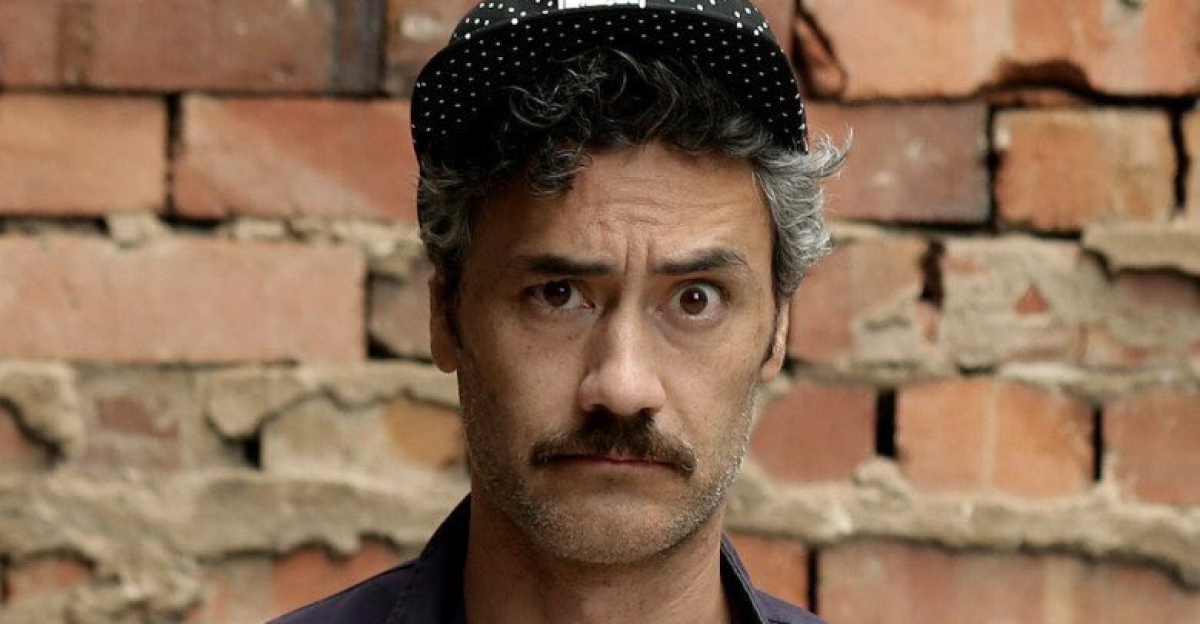
Several key filmmakers, including Rian Johnson and Taika Waititi, are working on Star Wars films, with The Last Jedi director Johnson’s trilogy still in development.
A Rey-focused film starring Daisy Ridley, directed by Nia DaCosta, remains in limbo but could serve as the foundation for a larger narrative arc.
Box Office Success Becomes Critical to Star Wars’ Future
As Star Wars shifts to a focus on theatrical releases, it will alter how global audiences experience the franchise. Box office numbers will be vital in determining the success of this pivot.
The massive fanbase that helped build the franchise must now turn out in theaters to prove Star Wars can still dominate the global film market.
Animation: The Bright Spot in Star Wars’ Restructuring
While Star Wars may be pulling back from streaming series, animated projects remain a bright spot. Shows like The Bad Batch, The Clone Wars, Rebels, and Resistance have built a dedicated fanbase, with Star Wars: Visions continuing with a third season.
Animation provides an outlet for storytelling while the live-action strategy is restructured.
Balancing Theatrical Films with High-Quality Streaming Content
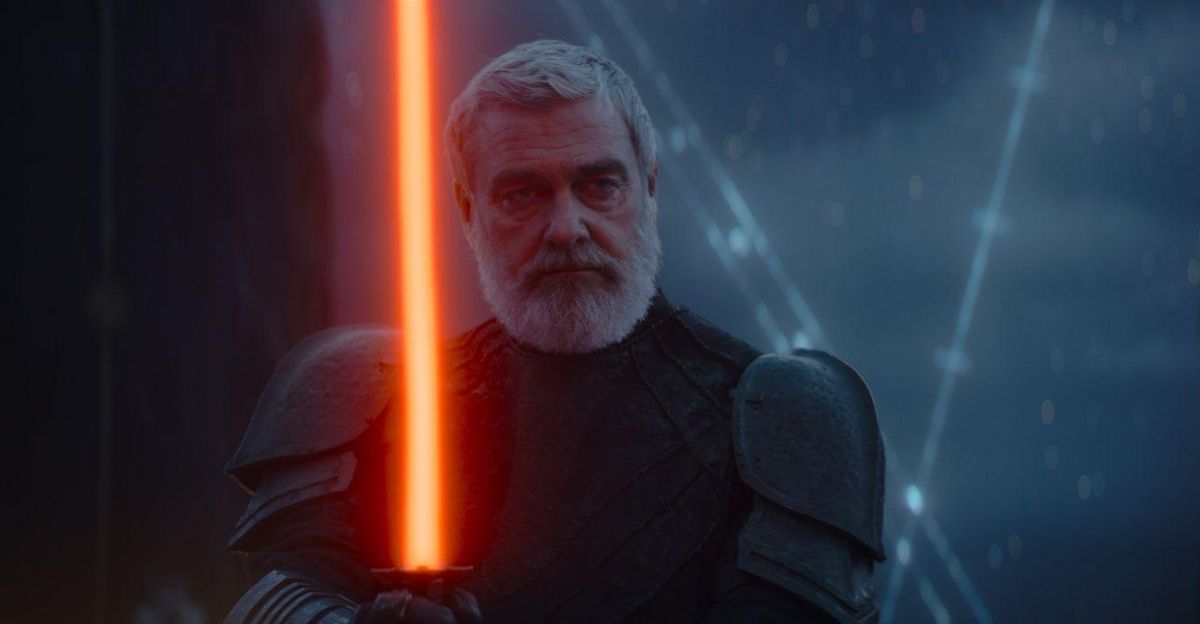
Lucasfilm’s strategy moving forward will balance major theatrical films with select, high-quality streaming series. The goal is to create fewer, but more polished and impactful, stories—ultimately bringing the galaxy back to the big screen.
This vision reflects a major shift in Star Wars storytelling, one that looks toward the future while honoring the past.
A New Era for Star Wars: The Path Forward
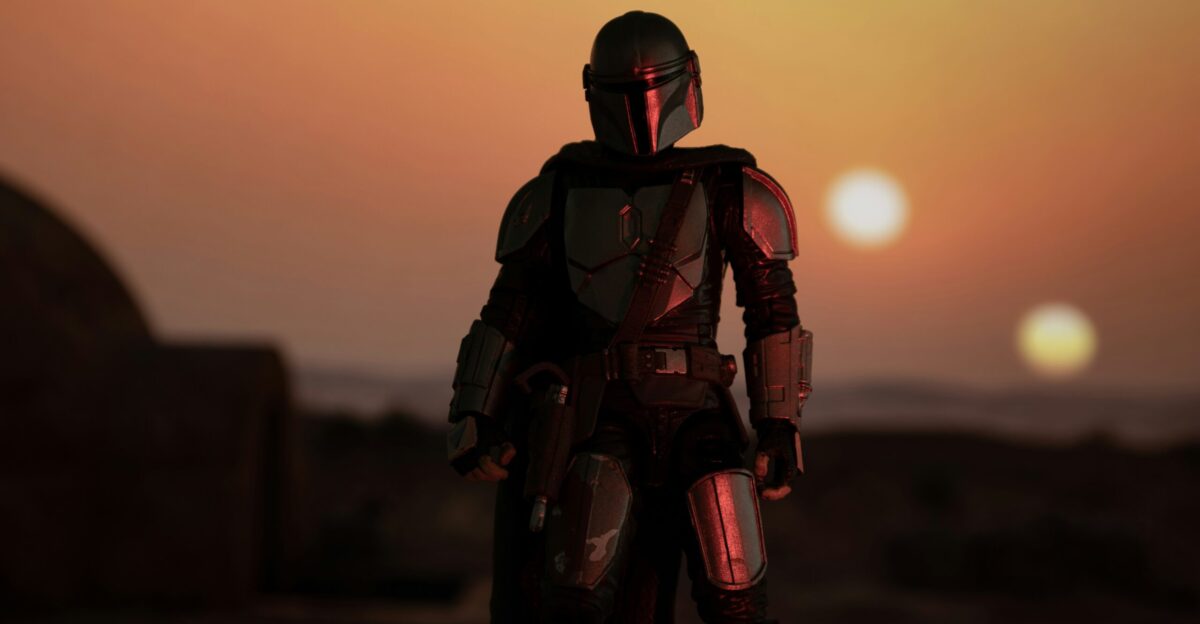
The pivot away from endless streaming content towards curated, high-impact theatrical releases marks a new era for Star Wars. This strategy’s success will be determined by how well the upcoming films perform at the box office.
Can Star Wars reclaim its dominance, or will the shift to fewer, larger films fall flat?
Sources:
The Direct (August 2025) – “Lucasfilm Officially Reverses Course on Future Star Wars Movies and TV Output”
Star Wars News Net (March 2025) – “The Mandalorian and Grogu Had a $166 Million Production Budget”
Screen Rant (September 2024) – “The Acolyte’s Eye-Watering $230 Million Budget Revealed, Further Explaining Disney’s Cancelation”
Inside the Magic (November 2025) – “Jon Favreau Speaks Out After ‘The Mandalorian’ Is Abruptly Cancelled”
ComicBook (June 2025) – “Lucasfilm President Reveals New Star Wars Movie Strategy”
Investopedia (2024) – “Disney CEO Bob Iger Says ‘We Invested Too Much’ in Streaming”