The advertising world faces its largest consolidation yet. Omnicom and Interpublic Group merged, forming a $ 25 billion+ advertising giant. The deal closes at $9 billion on November 26, 2025, down from the $13.25 billion announced due to stock declines.
This merger will reshape the industry, cutting thousands of jobs and retiring legendary agencies. Let’s look into the sweeping changes and what they mean for employees, clients, and the broader market.
What Led To This Massive Merger?
Omnicom and IPG’s merger stems from growing pressure from Big Tech, rising AI capabilities, and the need for scale. By uniting, the agencies aim to negotiate better with Google, Meta, and Amazon, leveraging $73.4 billion in combined billings.
Both companies also experienced declining stock values, reflecting investor concerns about the risks of AI disruption and integration. Was this consolidation simply a defensive measure or a bold strategic move to dominate the global advertising market?
Leadership Behind The New Giant
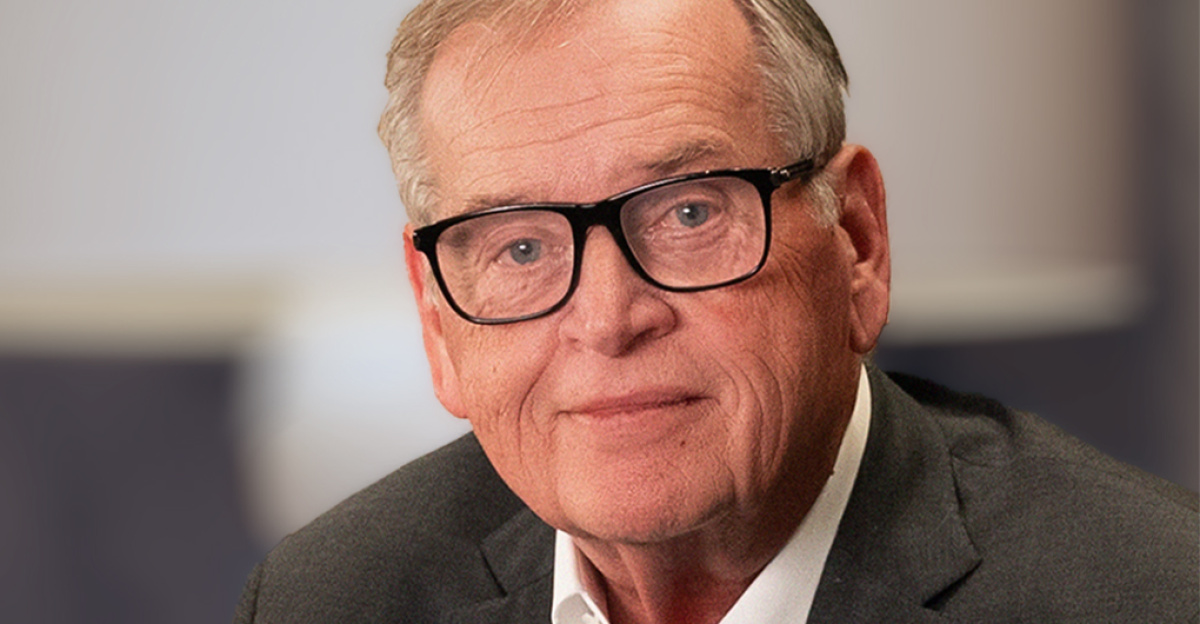
John Wren, Omnicom’s CEO, now leads the merged entity. Philippe Krakowsky and Daryl Simm remain co-presidents. Troy Ruhanen heads Omnicom Advertising, while Florian Adamski leads Omnicom Media, the world’s largest media organization by billings at $73.4 billion.
“This is not about eradicating jobs. This is about building a company for the future,” said Adamski on 1 December 2025. Leadership choices signal both continuity and transformation.
Immediate Job Impact: 4,000 New Cuts
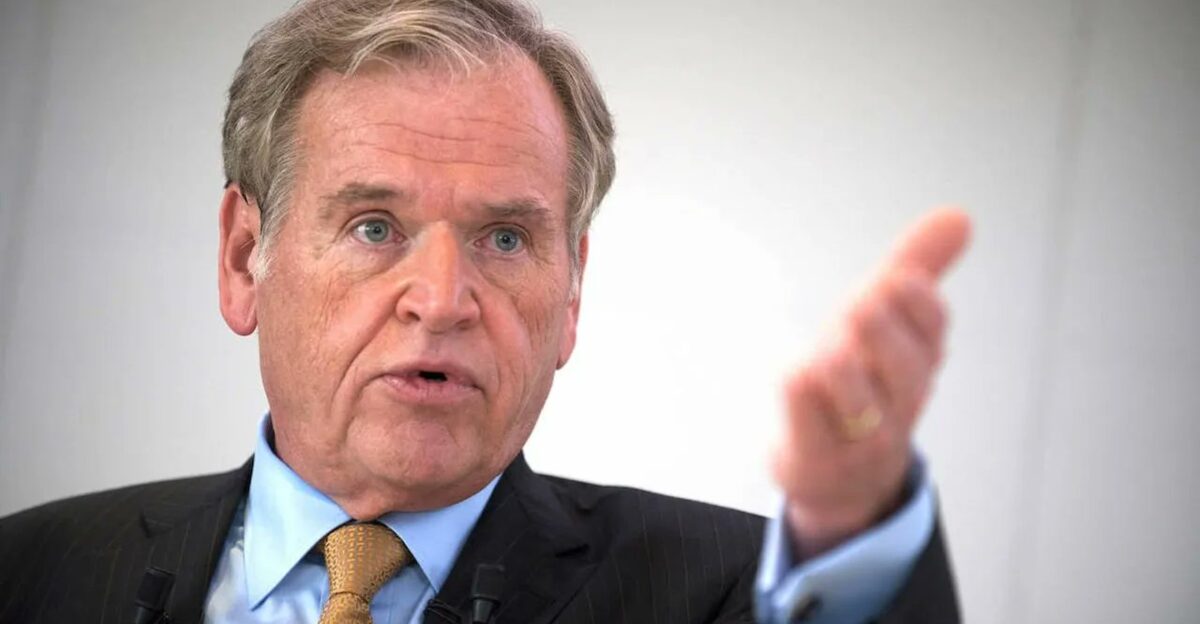
The merger triggers 4,000 new layoffs, mainly targeting administrative and duplicate management roles. CEO John Wren described the cuts as “about 3%” of the combined workforce, prioritizing client-facing positions.
Combined with pre-merger reductions, approximately 10,000 jobs are expected to be affected. However, some creative talent remains protected, keeping client-facing operations intact for continuity.
The Pre-Merger Reductions
Since December 2024, IPG has cut 3,200 roles, and Omnicom has eliminated 3,000 positions. These layoffs reduced overlapping teams and streamlined divisions in preparation for the merger.
Employees faced uncertainty for nearly a year, with pre-merger reductions hinting at more profound structural changes to come. How the post-merger cuts would unfold remained a looming concern.
Who Loses Out Most

Creative agencies DDB, FCB, and MullenLowe are no longer in operation. DDB’s campaigns included Volkswagen’s “Think Small” (1959) and Budweiser’s “Wassup?” (1999). FCB won three Grand Prix at Cannes Lions in 2025. MullenLowe contributed to iconic campaigns, such as Stella Artois’ “Reassuringly Expensive.”
This consolidation eliminates decades of legacy and culture, directly affecting creative directors, copywriters, and senior account staff. What happens to the remaining talent in merged networks?
Media And Back-Office Roles
Omnicom Media consolidates 12+ agencies, eliminating overlapping roles among media buyers and planners. Administrative functions—such as finance, HR, procurement, and compliance—face steep cuts as processes merge.
Although 85% of remaining roles focus on client-facing work, back-office reductions create operational strain. The scale of consolidation will test leadership’s ability to integrate efficiently.
Global Footprint And Regional Impact
The merger spans over 100 countries, with significant hubs in New York, London, Tokyo, and Sydney. The U.S. cuts may result in the loss of 1,600–2,000 jobs, with creative and media centers being the most affected.
Other regions, including Europe and the Asia-Pacific, face similar disruptions. The global scale amplifies both the opportunities and complexities for the new mega-agency.
Client Conflicts And Industry Risk
Omnicom now represents direct competitors, including AT&T and T-Mobile, as well as State Farm and GEICO. Conflicts of interest may prompt client defections or lead to stricter account management policies.
“Success in managing both people and clients through the transition would determine whether contracts are put up for review,” warned Brian Wieser, analyst, on 1 December 2025. The stakes extend beyond jobs to client trust.
Financial Architecture Of The Deal

The all-stock merger closed at $9 billion, representing a 32% decrease from its original valuation. Legacy Omnicom shareholders hold 60.6%, IPG shareholders 39.4%. IPG’s $2.95 billion senior notes were exchanged mainly for new Omnicom notes.
The combined entity’s revenue reaches $25–26 billion annually, making it the largest traditional advertising group globally. What cost-saving measures will support this scale?
Cost Synergies And Savings
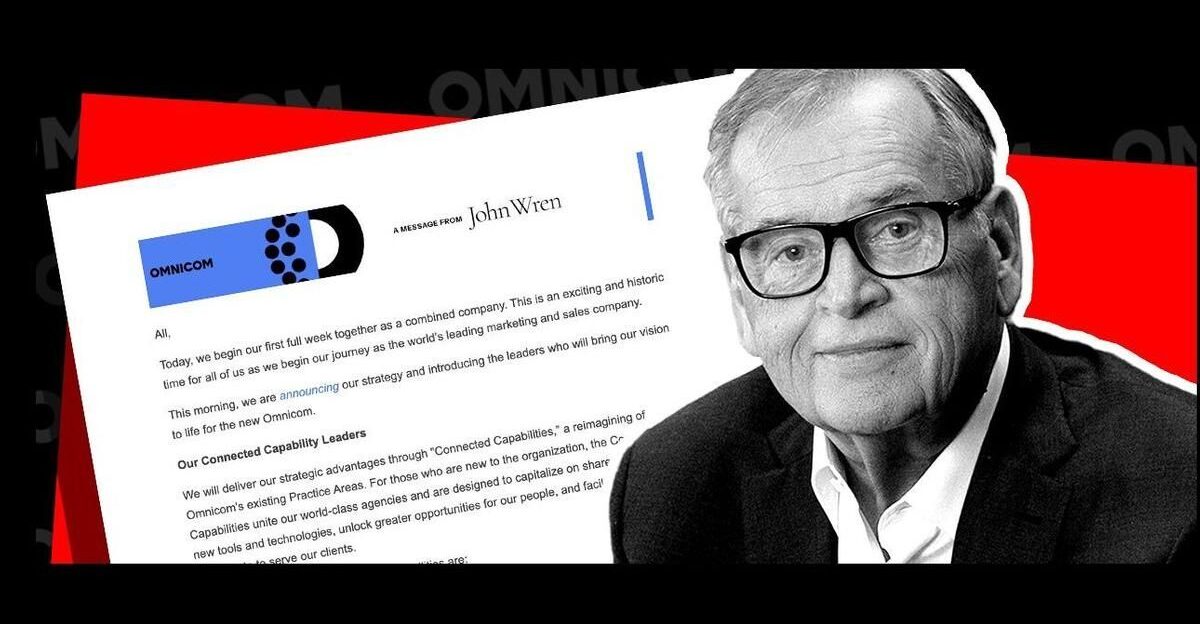
CEO John Wren projects $750 million in annual savings through 10,000+ job cuts, system consolidation, and media leverage. Eliminating duplicate IT, overlapping offices, and redundant software also drives efficiency.
Adweek reported that Wren stated on December 1, 2025, that benefits would “exceed” the $750 million target. How will these cuts affect day-to-day operations and staff morale?
Strategic Imperatives Driving The Merger
The merger responds to the dominance of Big Tech, AI automation, and the shrinking market share of traditional agencies. According to eMarketer, as of June 2025, Meta and Google’s AI tools threaten to bypass agencies entirely.
The integration of IPG’s Acxiom data enhances Omnicom’s OmniPlus platform, strengthening analytics and targeting capabilities. The company hopes scale will defend against industry disruption.
AI And Future Advertising

OmniPlus launches formally at CES 2026, combining first-party data, commerce capabilities, and agentic AI. Florian Adamski noted, “In five years from now, we will be advertising and communicating with AI more than to human audiences.”
AI integration aims to boost efficiency but may also replace traditional roles, testing whether human creativity retains its competitive edge.
Operational Integration And Systems
Financial, CRM, and cloud systems consolidate; office spaces merge. Back-office functions like payroll, HR, and finance are streamlined, reducing redundancy.
Media and creative teams are realigned under three networks. These structural changes aim to maximize client-facing focus while trimming operational fat; however, disruption is inevitable during the early implementation phase.
Employee Support And Notification
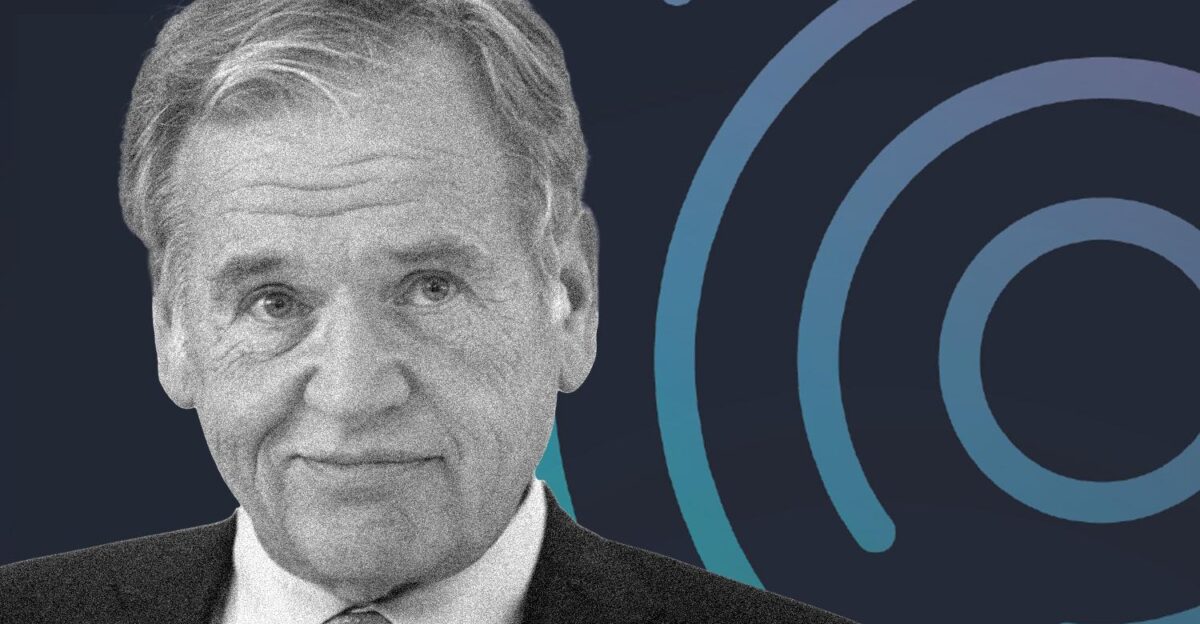
CEO Wren ensured employees would be notified promptly: “Affected employees will be notified as quickly as possible heading into December so as not to leave people in a state of doubt.”
Severance packages and outplacement services provide short-term support. Still, layoffs during the holiday season amplify stress for families navigating reduced income.
Broader Stakeholder Impact
Freelancers, production vendors, and media suppliers face indirect effects. Platforms like Upwork, Fiverr, and 99designs see rising demand from displaced creatives.
Reduced campaign volume impacts production houses and media monitoring firms. The ripple effect challenges both traditional and digital advertising ecosystems.
Competitor Reactions And Market Shake-Up
WPP and Publicis restructure or expand to capture displaced talent. Smaller independent agencies gain market share as mega-agency clients explore alternatives.
Publicis reported 5.7% growth in Q3 2025, while WPP struggles in North America. The competitive landscape may shift more rapidly than anticipated.
Industry Context And Innovation
The merger reflects defensive consolidation in an AI-disrupted advertising industry. Over 50% of the $1 trillion global ad market is controlled by tech giants.
Yet mega-agency complexity and client fatigue pose risks. Will scale outweigh speed and innovation in the long run?
Long-Term Effects On Employment

The industry shed 20,000+ positions in 2024–2025. AI, outsourcing, and middle-management consolidation drive the decline.
Recovery for displaced employees may take 2–3 years. Contingent labor, independent consulting, and freelance platforms absorb talent, but financial and emotional impacts remain significant.
Redefining Global Advertising
Omnicom and IPG’s merger reshapes advertising power, consolidates legacy brands, and integrates AI. 10,000+ employees are affected, while the firm strengthens negotiating leverage against Big Tech.
“This is a defining moment for our company and our industry,” said John Wren on 26 November 2025. How the industry adapts may determine the future of creative work.
Source
Business Insider 1 December 2025
Adweek 1 December 2025
PRNewswire 28 November 2025
Campaign ME 26 November 2025
Omnicom Group Official Newsroom 9 December 2024
eMarketer June 2025
Branding in Asia 1 December 2025
Axios 9 December 2024