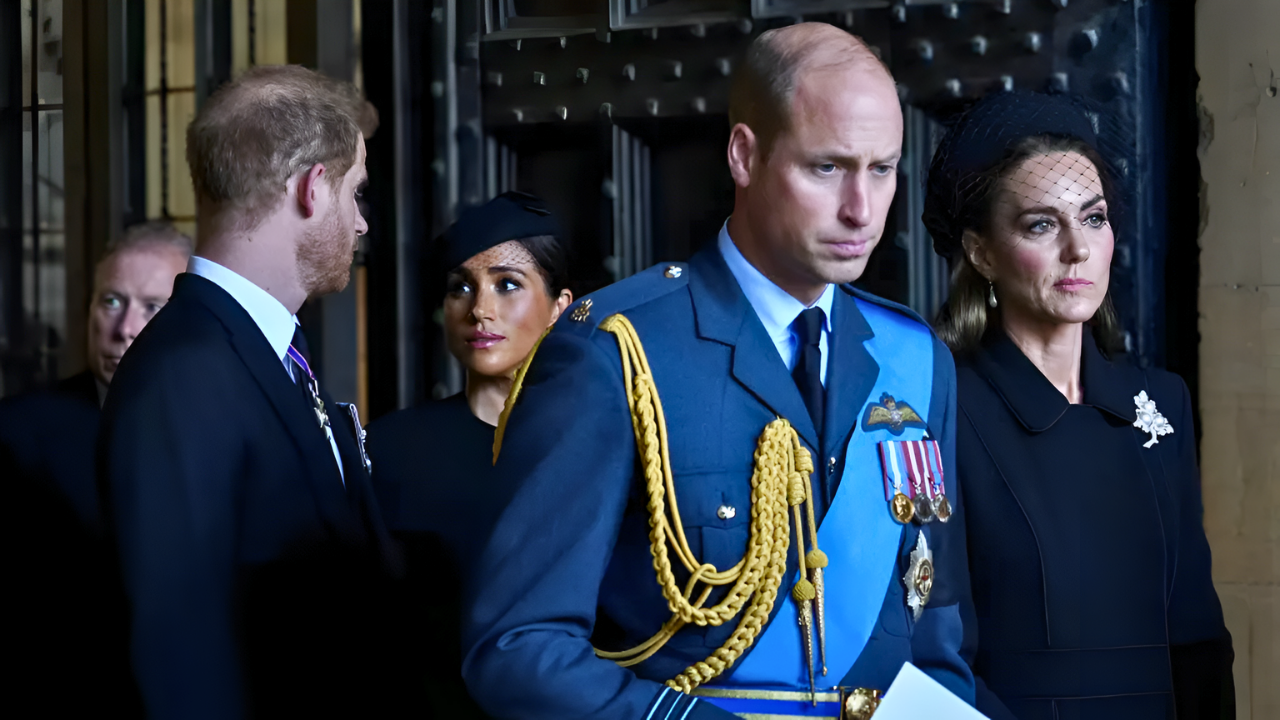
Prince William is preparing a sweeping overhaul of the British monarchy, and the Sussexes may be first in line. “Change is on my agenda. Change for good. I don’t fear it,” he told Eugene Levy on NBC News two months ago.
The plan targets non-working royals, royal staff, and palace operations, signaling a shift from tradition to efficiency. As titles hang in the balance and Buckingham Palace faces a new purpose, the monarchy teeters on the edge of transformation. Here’s what’s driving this unprecedented strategy.
Power Flow Shifts Amid King’s Illness
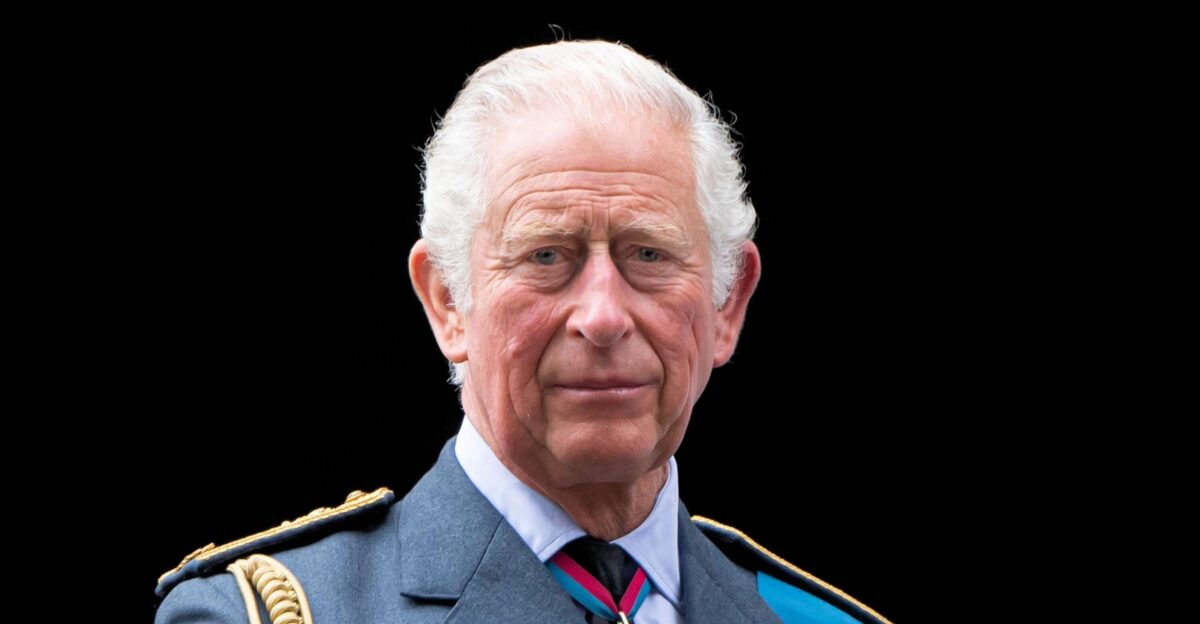
King Charles III remains monarch, but health battles have weakened his influence. Diagnosed with cancer in February 2024, he has received weekly treatment for nearly two years, allowing William to assume practical control of royal decisions.
Charles favors traditional symbols, such as uniforms and in-person appearances. However, the heir apparent’s increasing authority signals an unprecedented modernization in the monarchy’s leadership.
The Sussexes on the Chopping Block
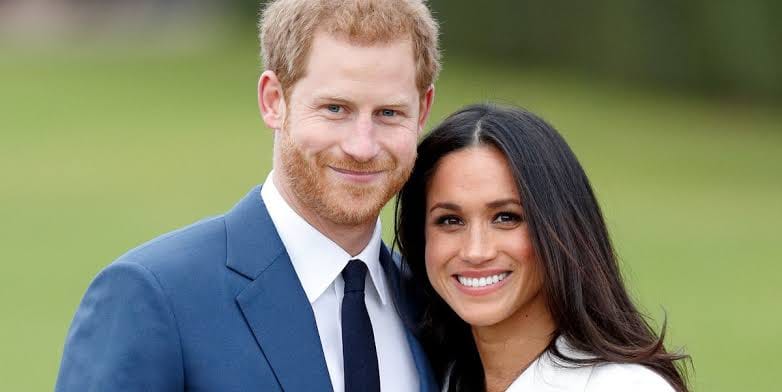
Prince Harry and Meghan Markle face the possibility of losing their HRH titles and ducal designations, effectively becoming Mr. and Mrs. Mountbatten-Windsor. This move aligns with William’s vision of a “royalty with a small ‘r.’”
The decision reflects both administrative and personal factors. William reportedly views the Sussexes’ ongoing use of their title as detrimental to the brand he’s building.
Non-Working Royals Also Targeted
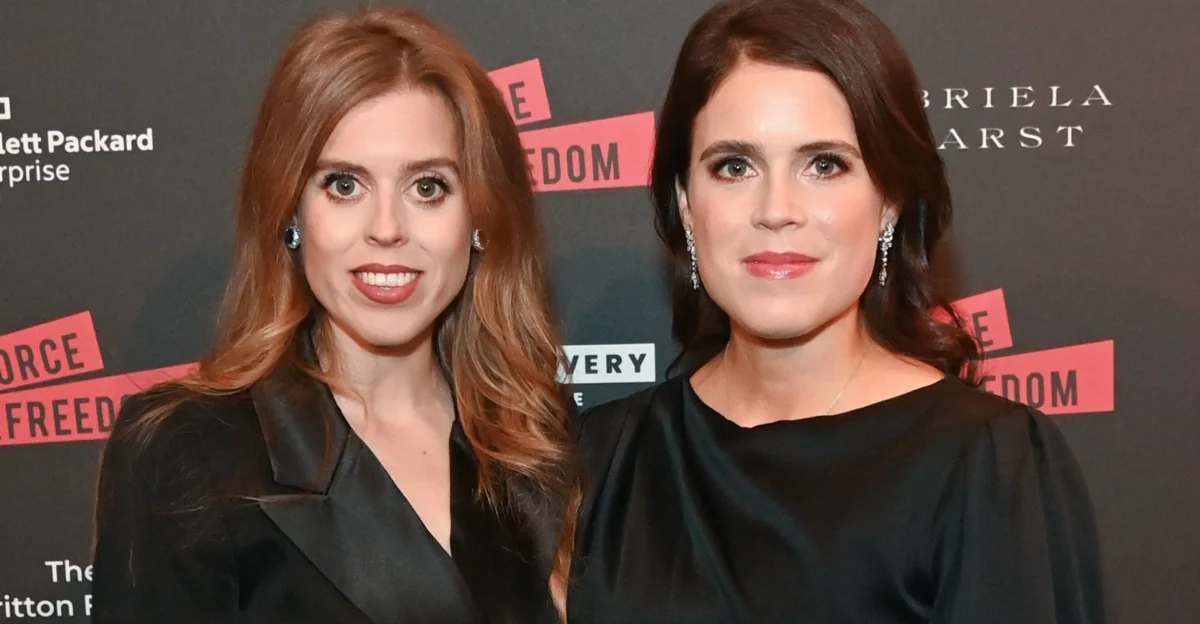
Princesses Beatrice and Eugenie are among those identified for the removal of their titles. Prince Andrew was formally stripped of his titles in October 2025, reportedly under William’s influence.
The broader plan signals a wholesale restructuring: only working royals retain formal styles, streamlining operations and refocusing the monarchy on high-impact duties. Could this signal the end of ceremonial obligations for most?
A Royal Workforce Cut in Half
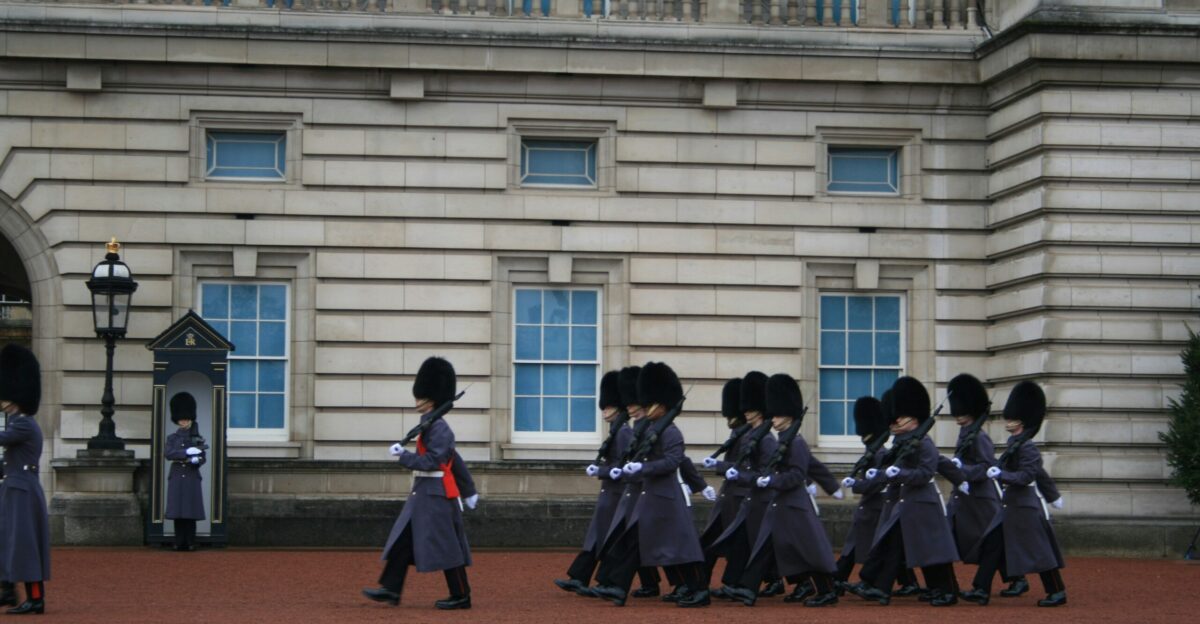
Royal Household staff are facing reductions of 200 to 400 employees, including footmen, cleaners, and administrative teams. The cuts aim to streamline operations while aligning workforce numbers with William’s vision of efficiency.
Local suppliers and royal warrant holders will also be affected. Tailors, florists, and caterers may face fewer contracts, creating ripples across the palace’s long-standing ecosystem.
Defining “Slash and Burn”
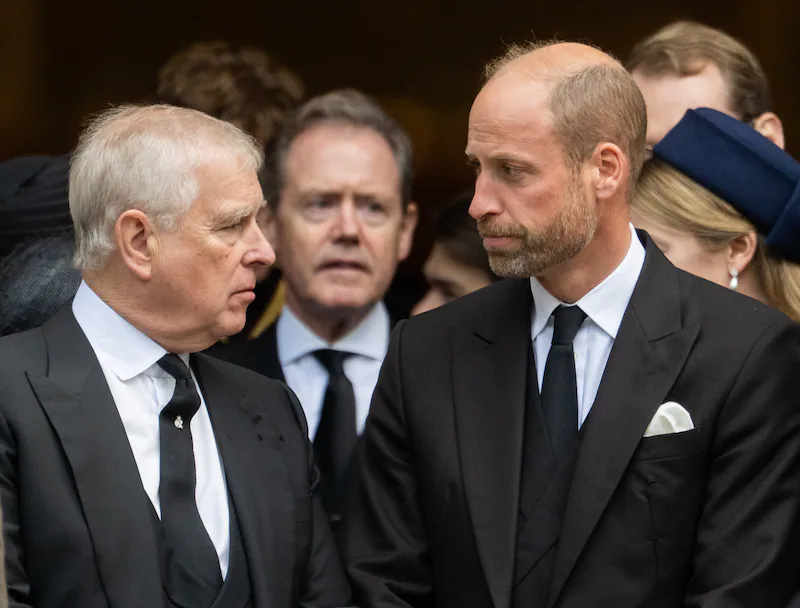
The plan, revealed by Tom Sykes of The Daily Beast on 19 October 2025, removes HRH status and titles from non-working royals. It moves beyond a “slimmed-down” monarchy to a survivalist, modern institution.
“Plots” reflects strategic succession planning during Charles’s illness. The term “slash and burn” symbolizes both cultural and operational transformation—ending traditional ceremonies and converting Buckingham Palace into a corporate hub.
Ending Old Ceremonies
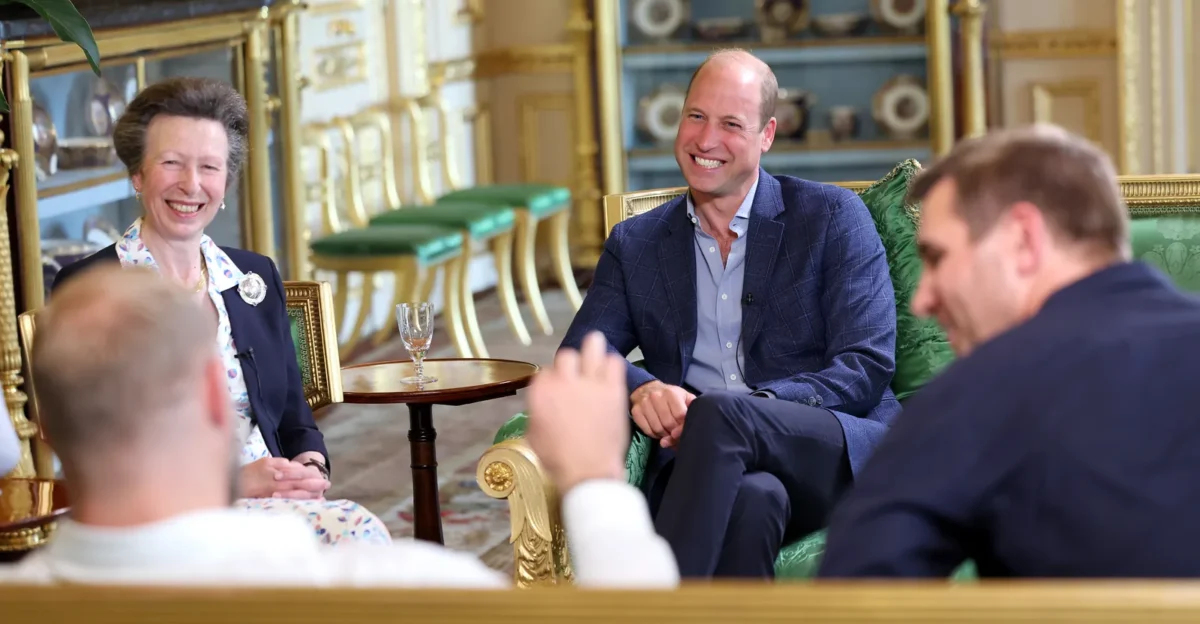
William’s reforms target routine royal engagements. Princess Anne’s 457 events in 2023 highlight the ceremonial load that will be cut under the new model.
By minimizing low-impact duties, the monarchy can focus on a select few causes, such as the Earthshot Prize. This reduction enhances efficiency while freeing resources for high-profile initiatives.
Buckingham Palace’s New Role
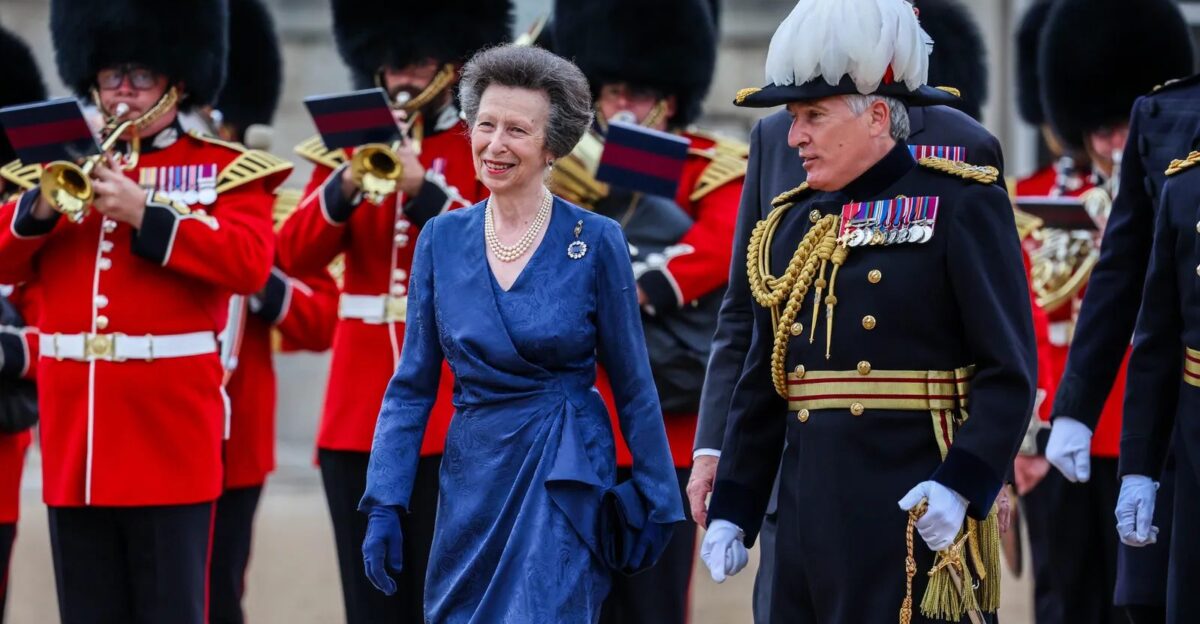
Buckingham Palace will no longer serve as a royal residence. It will function as corporate offices, an events space, and a significant tourism destination.
The move is expected to save £150–300 million in residential conversion costs. Visitors could surpass 500,000 annually, maximizing revenue while reflecting the monarchy’s reoriented purpose.
Forest Lodge Becomes Forever Home
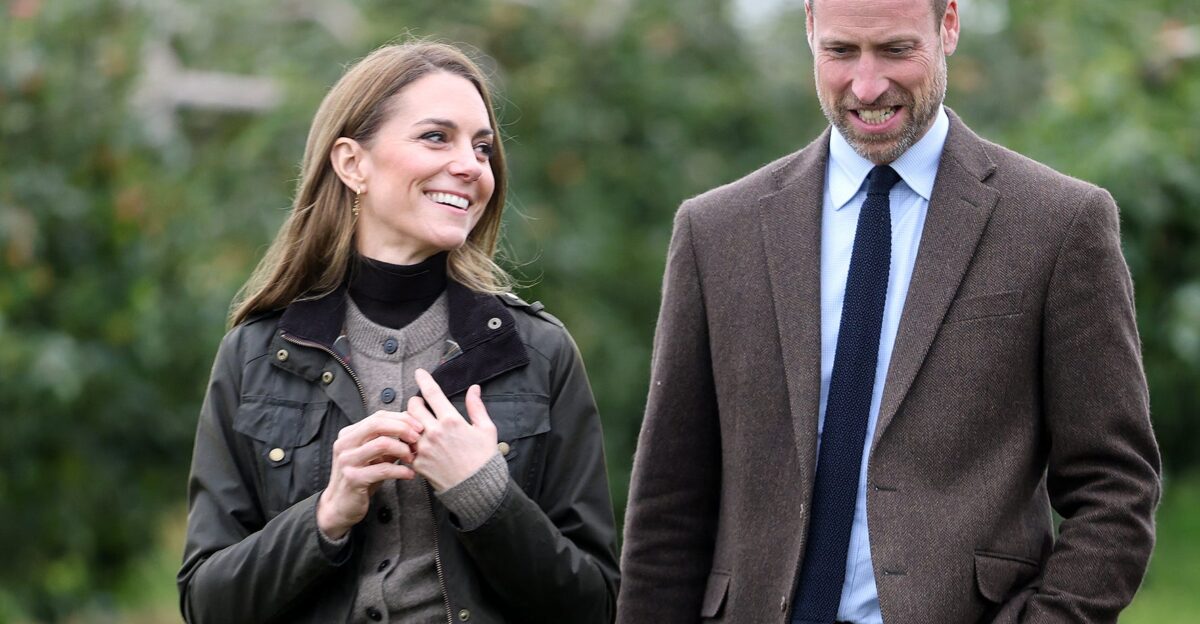
William and Kate’s Forest Lodge lease, signed in July this year, signals a permanent rejection of London’s “goldfish bowl” life. They moved in last month, cementing Windsor as the family’s domestic base.
The relocation strikes a balance between privacy and royal duties, but central London businesses may experience reduced foot traffic, reflecting the broader operational and economic consequences of the reforms.
Efficiency and Survival Drive Reform
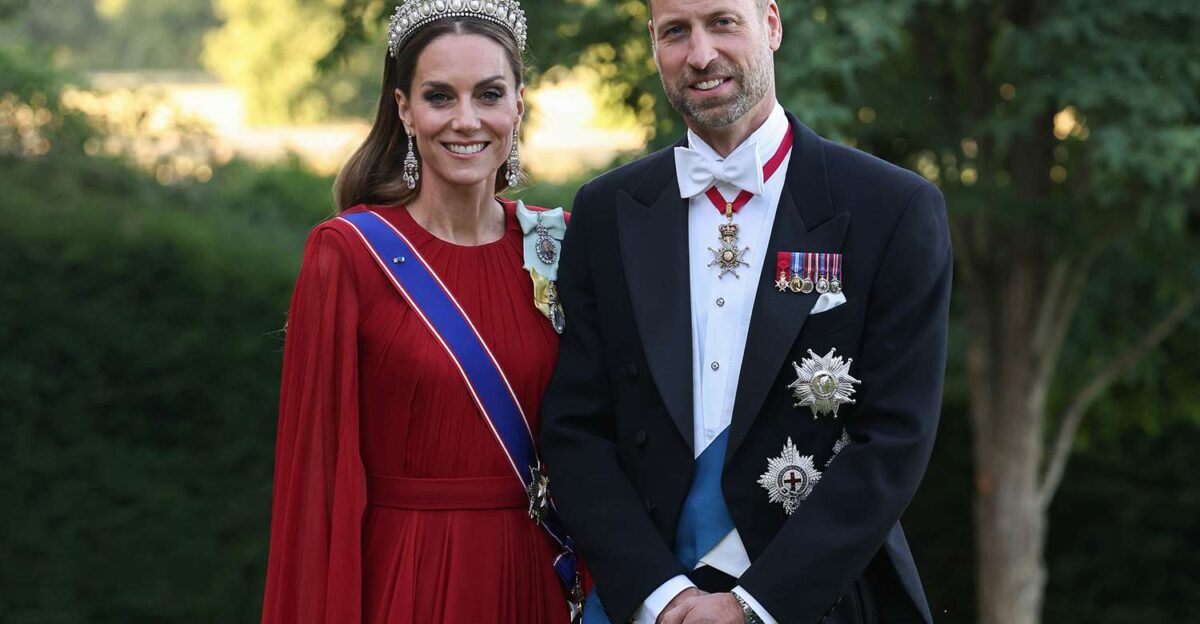
William’s philosophy prioritizes efficiency and impact. He contrasts with Charles’s focus on duty, uniforms, and visibility, advocating “royalty with a small ‘r.’”
Cost savings of £50–100 million annually are projected through staff reductions and simplified operations. High-profile causes will replace ceremonial duties, resulting in a leaner and more strategic royal presence.
Letters Patent and Legal Moves
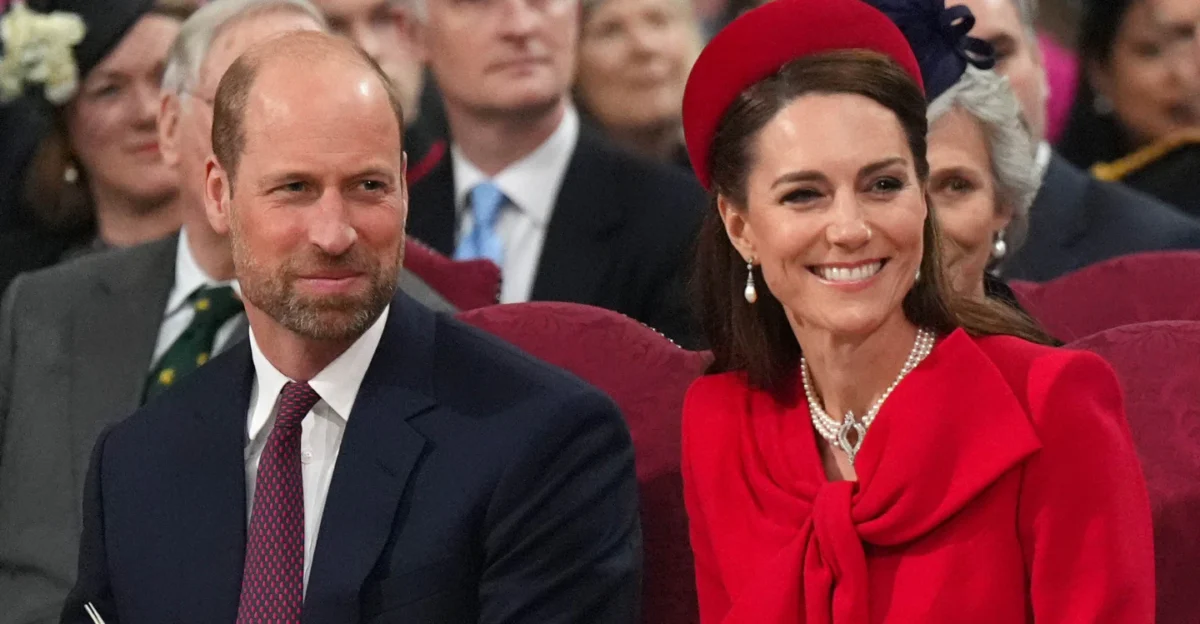
Titles removal will be formalized through Letters Patent when William ascends the throne. Harry, Meghan, and the Yorks will lose HRH status immediately, while children may “opt-in” as adults.
This legal strategy allows a smoother transition without requiring parliamentary action, reflecting William’s focus on efficient execution over drawn-out processes.
Reducing Royal Engagements
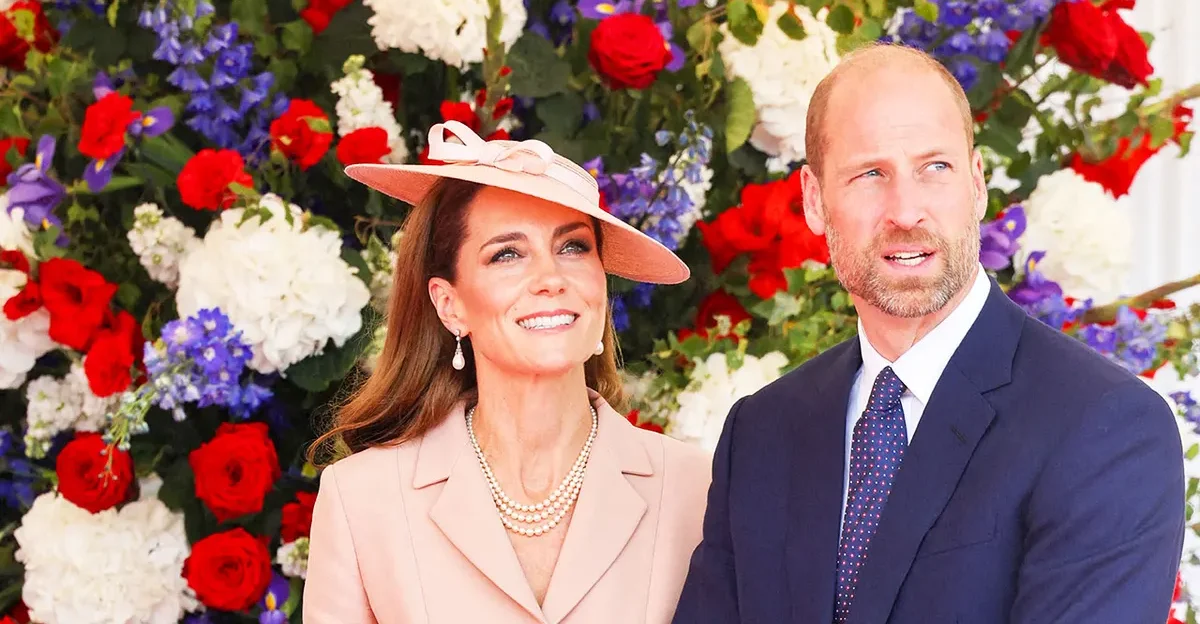
Ceremonial duties handled by minor royals—estimated at over 1,000 annually—will vanish. Charities relying on royal patronage may face gaps, forcing them to seek alternative support.
The operational cuts will also shrink supply chain demands. Catering, security, and maintenance contracts will decrease, creating a cascading effect across businesses tied to palace operations.
Financial and Brand Implications
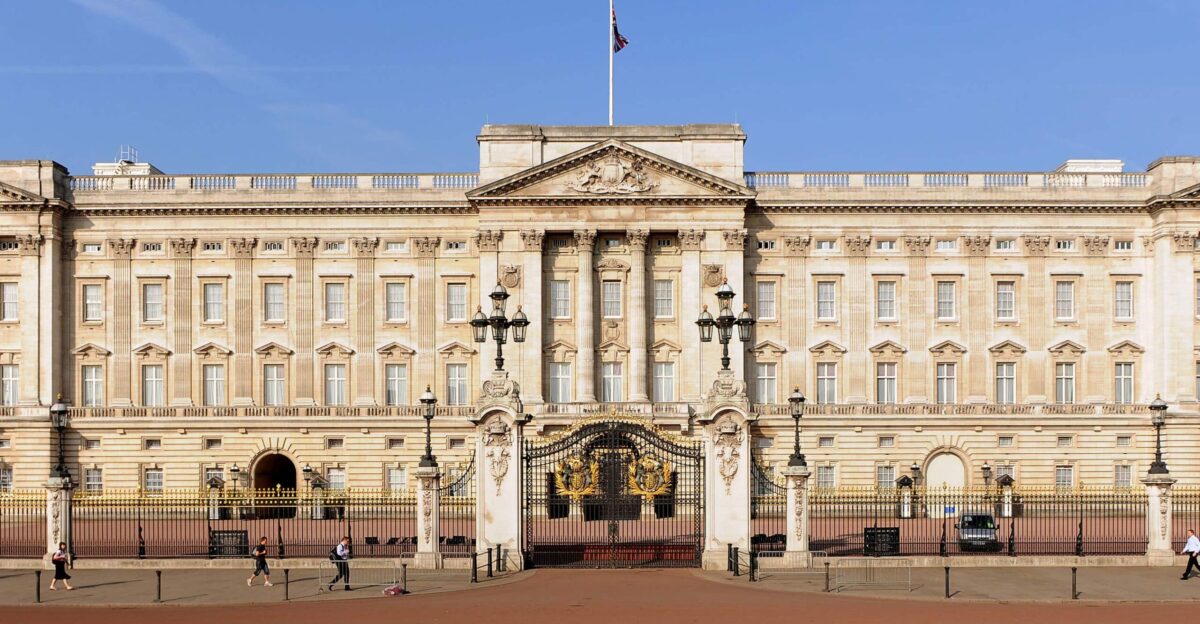
Halving staff and consolidating estates could reduce operating costs by £50–100 million per year. Buckingham Palace’s conversion into an events space enhances the global monarchy’s brand while maintaining its revenue streams.
William’s reforms strike a balance between efficiency and public engagement. The strategic downsizing reinforces the monarchy’s relevance in a modern context, striking a balance between heritage and fiscal prudence.
Historical Significance of the Reforms
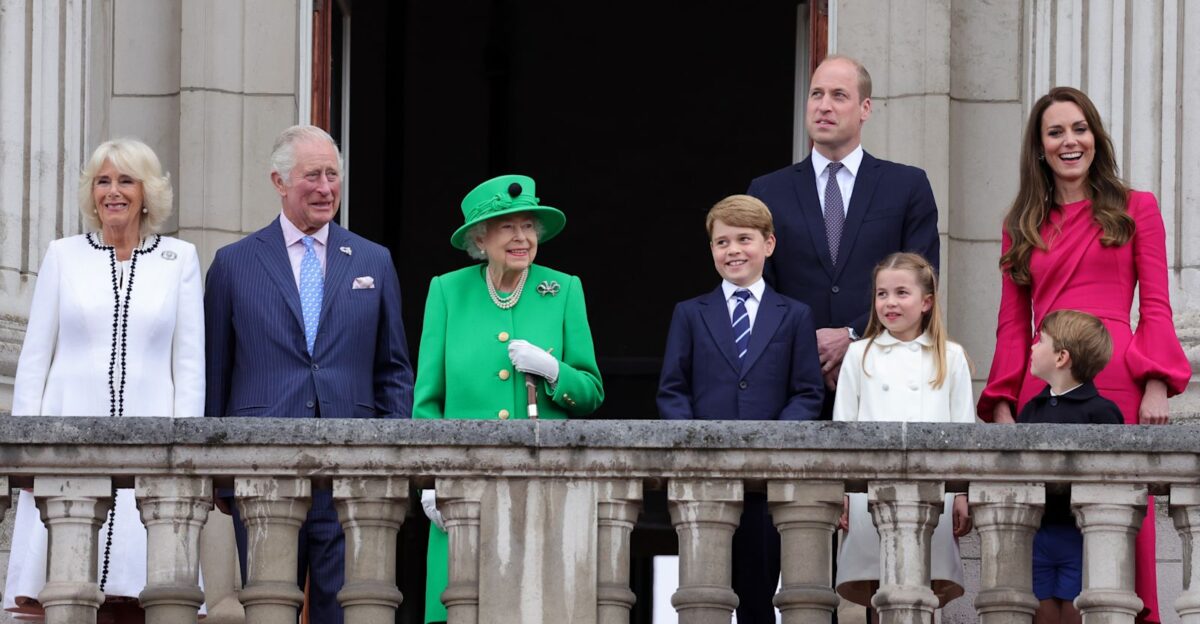
William is the longest-serving heir apparent to propose such radical changes while the monarch is still active. The scale and speed of these reforms mark a turning point in royal modernization.
By redefining who qualifies as a working royal, the monarchy shifts from pageantry to strategic influence, signaling a structural transformation unseen since the 20th century.
The Future of the Firm
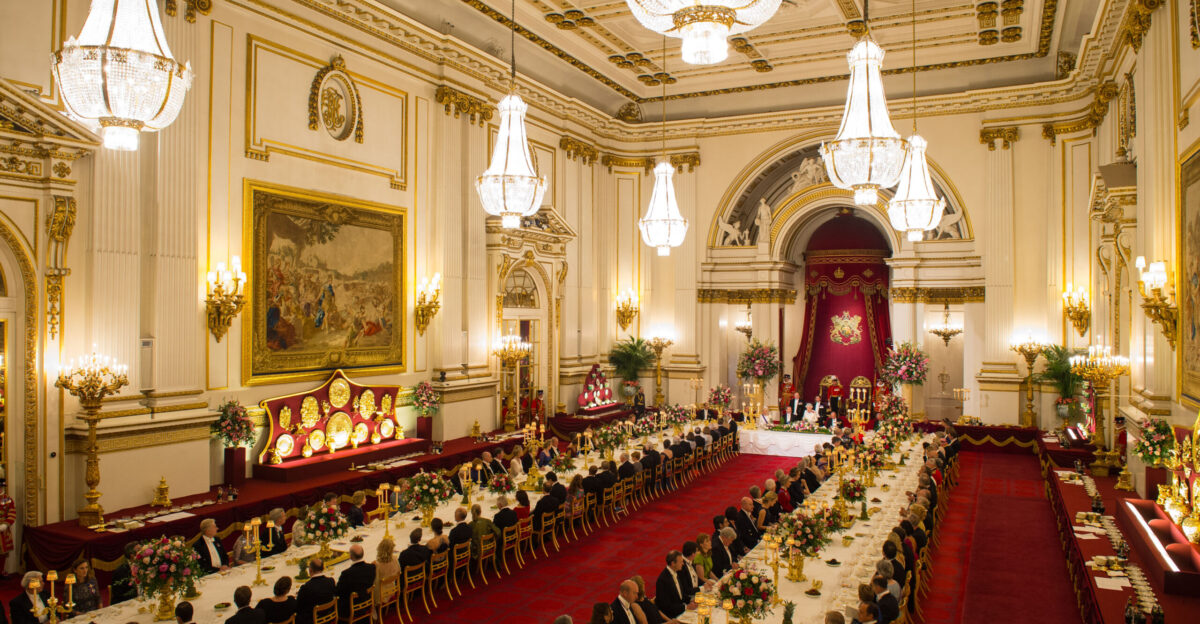
Once fully implemented, non-working royals will be stripped of titles, Buckingham Palace will operate as a corporate hub, and Windsor will centralize domestic life.
The reforms redefine royal roles, staff structures, and public engagement. The monarchy emerges leaner, financially focused, and modernized, setting the stage for a smaller, impact-driven institution under William’s reign.
Sources:
Daily Beast | Tom Sykes Exclusive: Prince William Plots Bonfire of Royal Titles | 19 October 2025
NAO | Progress on the Buckingham Palace Reservicing Programme | 23 July 2024
People Magazine | Kate Middleton and Prince William’s Forest Lodge Lease Revealed | 02 December 2025
Town & Country | King Charles Cancer Diagnosis & Treatment Timeline | 30 June 2025
BBC News | “I’ll change the monarchy when I’m king,” says Prince William | 02 October 2025