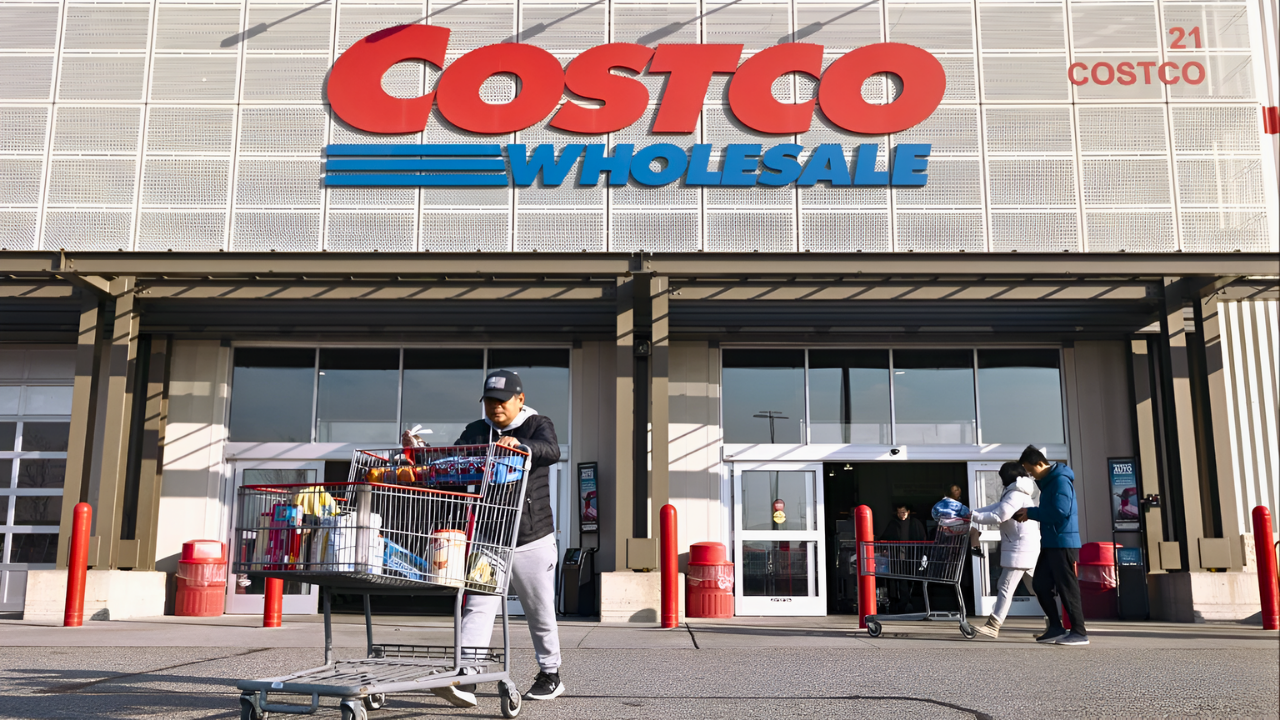
Costco, America’s favorite warehouse chain, is now at the center of a legal battle that could reshape prices for millions of shoppers. The company, famous for its $1.50 hot dog combo and bulk bargains, is fighting government tariffs which are taxes on imported goods.
The fight pits Costco against the Trump administration over presidential trade powers and whether import costs will keep climbing. This isn’t just about one retailer; it’s a clash that touches everyday families and their grocery bills. Courts, businesses, and shoppers are all watching to see who wins this high-stakes showdown.
Money On The Line
Hundreds of billions of dollars in imported goods are affected by current tariffs, and that’s a serious problem for retailers like Costco. When import duties go up, companies often pass those costs to shoppers through higher prices on everyday items like electronics, clothing, household goods, and food.
Costco’s entire business model depends on offering unbeatable bargains, so tariffs squeeze the company from both sides: higher costs from suppliers and pressure to keep prices low for members. How courts decide this case will directly influence what families pay for everything from paper towels to laptops.
Where Tariffs Came From
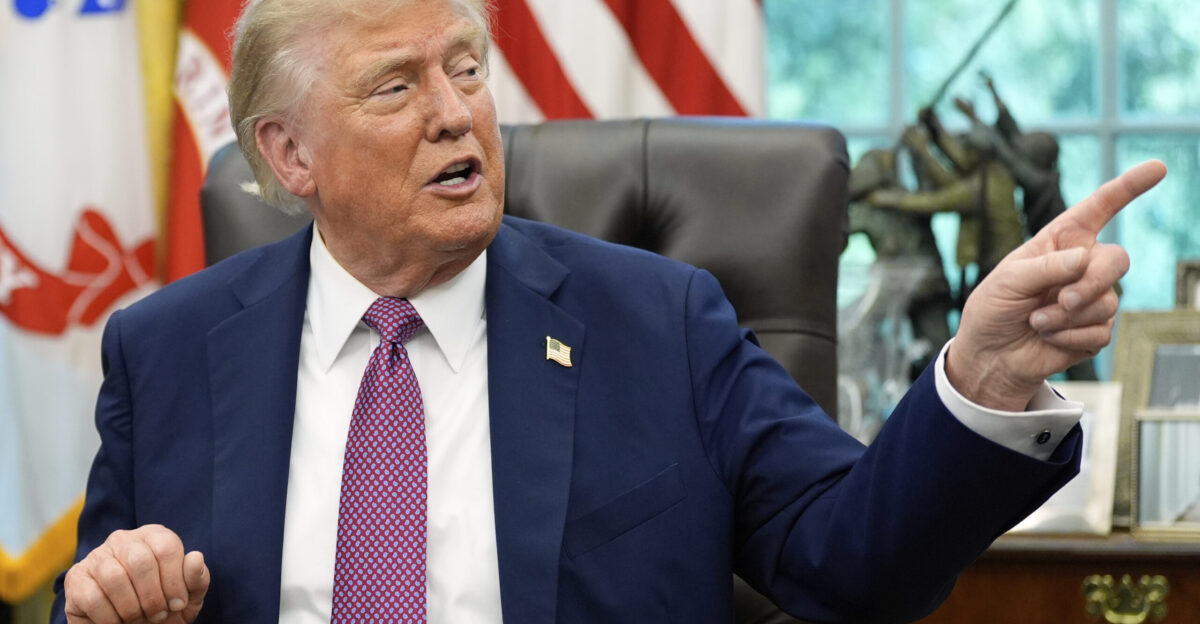
Donald Trump’s first presidency brought sweeping tariffs on Chinese products and on steel and aluminum imports. These duties marked a sharp break from decades of open international trade, disrupting supply chains worldwide. When Trump returned to office, many of those tariffs were reinstated or expanded.
The policy shift caught manufacturers, retailers, and global partners off-guard, forcing companies to rethink sourcing and pricing strategies. For consumers, the sudden trade barriers meant uncertainty about future prices and availability of imported goods, the very products that warehouse clubs rely on for their competitive advantage.
Emergency Powers Explained
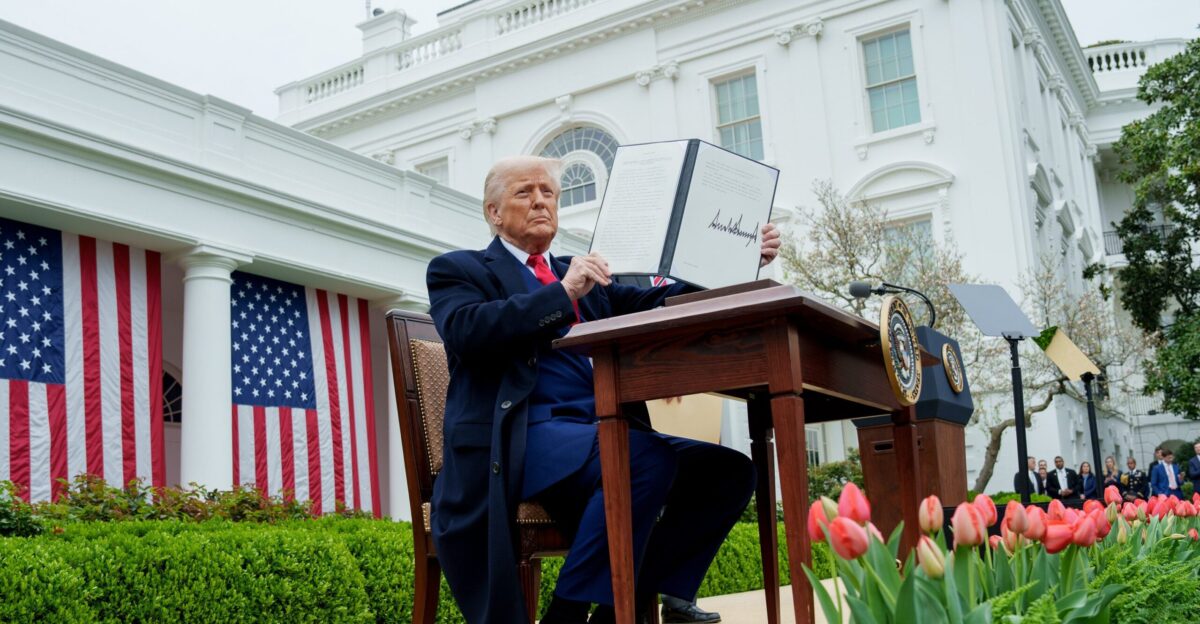
In his second term, Trump used an emergency power called IEEPA, the International Emergency Economic Powers Act, to justify new tariffs without Congress’s approval. The administration claimed national security threats, drug trafficking, and trade imbalances required swift action.
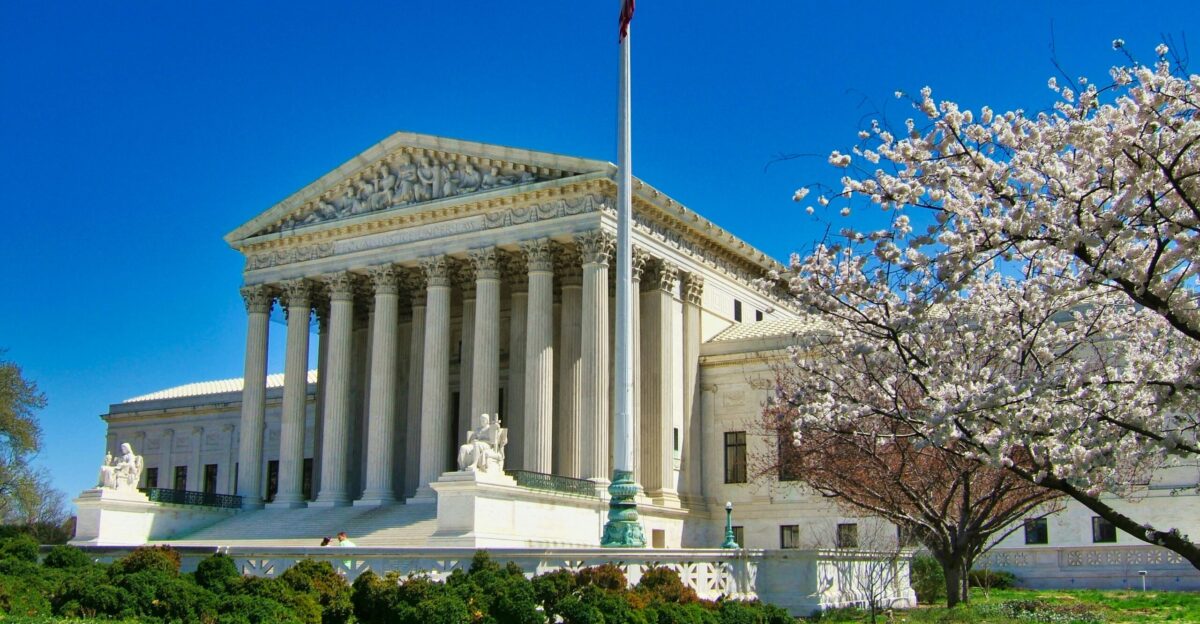
The Supreme Court is now weighing whether Trump’s interpretation of emergency powers went too far. This clash between presidential authority and congressional power sits at the heart of the Costco case.
Costco Takes Action
In 2025, Costco filed a lawsuit in federal court to protect its right to recover tariff payments if the Supreme Court rules the emergency tariffs illegal. This is a smart strategic move: even if courts strike down the tariffs, companies don’t automatically get refunds without their own legal judgments.
Costco wants to make sure it won’t miss refund deadlines or lose the right to reclaim millions in duties it has already paid to customs authorities.
The Supreme Court Battle
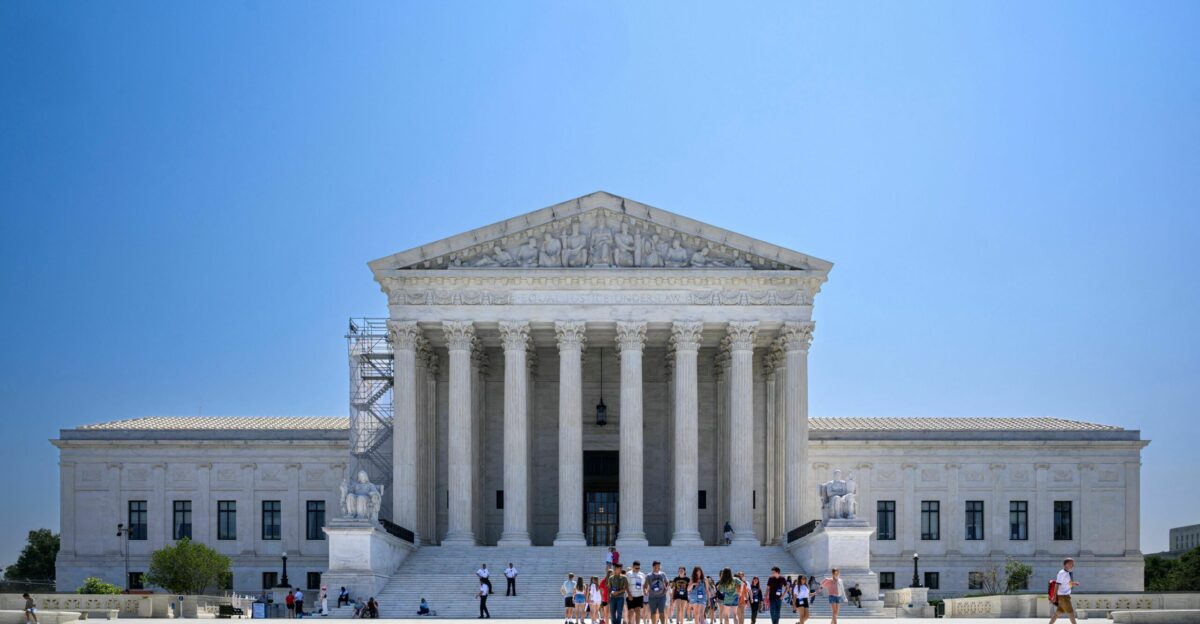
Other companies, beverage importer V.O.S. Selections and toymaker Learning Resources, already won lower-court rulings against Trump’s emergency tariffs. Those victories were appealed, and the U.S. Supreme Court heard oral arguments on November 5, 2025.
Nine justices are now deciding whether Trump exceeded his legal authority. Some justices expressed concern about unchecked emergency powers, while others worried about limiting a president’s ability to respond to crises.
Shoppers Caught In The Middle

This legal battle directly affects everyday shopping trips. If tariffs hold firm, prices for electronics, clothing, and household staples will likely keep rising. If courts strike down the tariffs and retailers receive refunds, those savings might eventually reach warehouse shelves.
Either way, families shopping at Costco and other big retailers feel the impact in their carts. Legal experts note that tariff outcomes won’t change overnight but the long-term effects on household budgets could be substantial. That’s why shoppers should pay attention to this fight.
Costco Isn’t Alone
Dozens of importers and retailers have filed challenges to Trump-era tariffs or sued to preserve refund eligibility. Some focus on Chinese-made goods, while others target industrial components or specific product categories. This broad legal response shows how deeply tariffs have penetrated American supply chains, from ports to warehouses to suburban store shelves.
It’s not just Costco worried, it’s stores like Nike, Best Buy, and countless smaller importers. Together, they represent a powerful constituency: businesses that depend on imports and ultimately answer to price-conscious consumers who vote with their wallets.
Bigger Trade Trends
The Costco dispute sits inside a larger shift in U.S. trade policy. Since 2018, tariffs have become a bipartisan tool used by both Republican and Democratic administrations. Once a niche topic for trade specialists, tariffs are now central to partisan debates about economic policy and national strategy.
Businesses now treat tariff risk as an ongoing cost of international trade, changing how they source products, set prices, and plan long-term investments.
The Refund Puzzle

Even if the Supreme Court rules Trump’s tariffs illegal, refunds aren’t automatic. Customs rules require importers to file formal protests or lawsuits before authorities finalize tariff entries, a deadline-driven process. Once the government liquidates an entry, reclaiming payments becomes much harder.
Costco’s lawsuit is a pre-emptive strike: file now to protect future refund rights. This arcane but critical rule shows why big companies hire expensive trade lawyers. Smaller importers often lack resources to navigate the system, raising concerns that only well-connected companies will fully benefit from any legal victory against contested tariffs.
Business Frustration
Retailers and importers are frustrated. They must pay tariffs upfront while legal battles drag on for months or years, straining cash flow and complicating budgets. Industry groups argue that unpredictable duties make it impossible to plan inventory and lock in contract pricing. Meanwhile, Trump and allies insist tariffs are essential leverage against foreign competitors.
Companies like Costco are squeezed between competing pressures, keep low prices for shoppers and shareholders, while fighting tariffs through courts and adapting sourcing strategies. This tension between political goals and business realities sits at the core of why Costco and others are litigating aggressively.
Costco’s Leadership Challenge
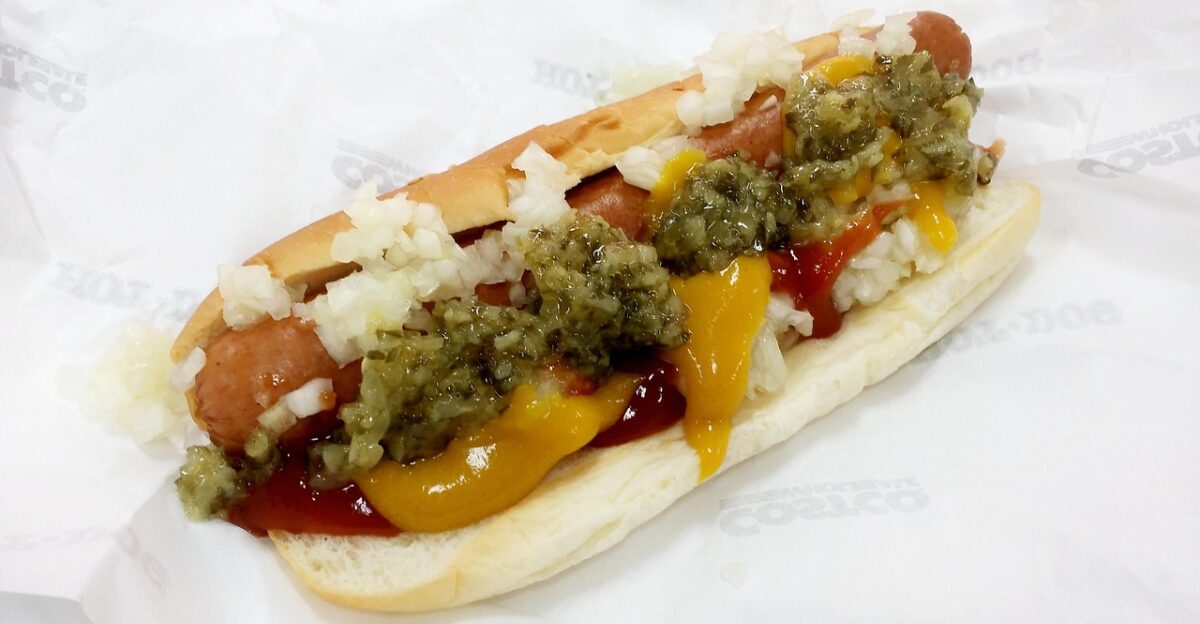
Costco’s leadership faces a tricky balancing act. The company has promised members rock-bottom prices and famously keeps its hot dog combo at $1.50, a promise to shoppers and a brand symbol. As import costs rise due to tariffs, management must decide, do they absorb the tariff costs, raise prices, or fight in court.
So far, Costco has chosen an aggressive legal strategy, signaling confidence that courts will rule in its favor. This aggressive stance shows how seriously Costco takes tariffs as a threat to its business model. The company’s willingness to spend millions on litigation suggests management believes protecting margins now is worth the legal investment.
Why Costco Is Growing
Despite tariff drama and legal battles, Costco’s membership keeps climbing. The company recently surpassed 100 million cardholders worldwide, with strong renewal rates showing that members value the warehouse experience. This massive scale gives Costco real leverage, suppliers want access to millions of customers, and the company has room to absorb some cost pressures without immediately raising prices.
However, management watches tariff outcomes carefully because tariffs could eventually force harder choices about pricing and merchandise selection. Costco’s ongoing growth provides confidence, but tariff uncertainty still poses a significant long-term risk to the business.
What Legal Experts Are Saying
Trade law experts predict the Supreme Court’s decision will be nuanced rather than a clear victory or loss. Some justices worry about unchecked emergency powers, while others fear narrowing executive authority in genuine crises. Even if the Court strikes down certain tariffs, loopholes may remain for future duties under different legal authorities.
That means business uncertainty could persist even after a ruling. Experts also note that IEEPA tariffs might survive in limited form while some get struck down, creating a messy landscape where some importers win refunds and others don’t. This uncertainty is exactly why Costco is litigating now.
What Shoppers Should Watch
Don’t expect instant price changes on warehouse shelves. Tariff cases move slowly through courts, and even a Supreme Court victory won’t produce immediate refunds. Legal processes take months or years. Consumers should watch for announcements from retailers about sourcing changes, which signal whether companies expect lasting tariff relief or plan for higher import costs long-term.
Check industry news for updates on Supreme Court decisions and trade policy shifts. If tariffs get struck down and refunds flow, retailers might use savings to lower prices, but don’t bet on it. Stay informed, and you’ll better understand how this legal battle touches your wallet.
The Constitution Question

At its core, this case asks a fundamental constitutional question: how much power does a president have over trade without Congress’s approval? The Constitution grants Congress authority over taxes and tariffs are a form of tax. Trump argues emergency powers let him act quickly to protect American interests. Critics say this interpretation gives the presidency unchecked financial authority.
The Supreme Court’s answer will reshape executive power for decades, affecting not just trade but how future presidents respond to national emergencies. This is why Costco’s lawsuit goes beyond retail, it’s about who really controls America’s economic policy: Congress or the president.
Global Fallout
Foreign governments are watching this Supreme Court case very closely. Past Trump tariffs triggered retaliation from China and other trading partners, hurting American farmers and manufacturers. If the Court narrows emergency tariff tools, allies and rivals will reassess their own trade strategies. A Supreme Court decision against tariffs could lead to negotiated deals to restore normal trade relationships.
Global supply chains, already disrupted by pandemic and geopolitics, would welcome clarity. But if the Court allows emergency tariffs to stand, international tensions could worsen as trading partners expect ongoing protection barriers. Either way, the Costco case has global consequences beyond American warehouses.
Legal Technicalities Matter
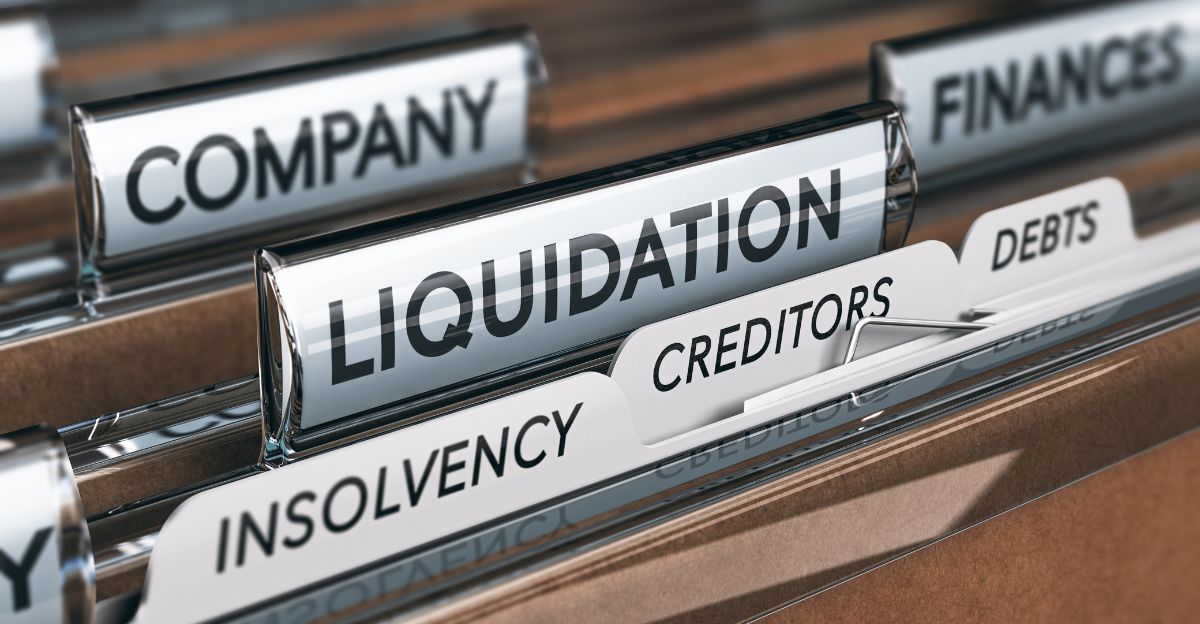
Trade law is full of obscure but crucial rules. Concepts like “liquidation of entries,” protest deadlines, and the Court of International Trade’s jurisdiction determine who recovers money and when. Many smaller importers simply can’t afford lawyers skilled in these technicalities, raising fairness concerns. Only well-resourced companies like Costco can navigate the system effectively.
If courts rule against tariffs, smaller competitors may struggle to claim refunds, giving Costco an unfair advantage.
Tariffs And Culture

Interestingly, warehouse shopping has become a symbol in broader culture wars. Some political figures frame shopping choices and retailer loyalty as ideological statements. Costco itself sometimes draws attention from activists on both sides due to workplace policies and its legal positions. As tariff fights intensify, everyday shopping decisions increasingly connect to larger political identity.
This means the Costco tariff lawsuit touches not just economics but how Americans view themselves and their values. Trade, once considered a boring technocratic topic, now shapes partisan battles, courtroom arguments, and family conversations about where to shop.
What Happens Next
Costco’s tariff lawsuit and the Supreme Court’s pending decision capture a pivotal moment in American economic policy. Trade has evolved from a technical policy issue into a partisan battlefield that affects court decisions, political campaigns, and family budgets. Whatever the Supreme Court decides, this episode demonstrates how abstract constitutional questions quickly become concrete for shoppers.
The outcome will shape whether prices rise or fall, which companies survive tariff battles, and how much presidential power Congress will tolerate in the future.
Sources
- Kiplinger – “Costco Sues Over Trump Tariffs: What Could That Mean for Prices in Your Cart?”
- Reuters – “Trump to impose tariffs on $50 billion worth of Chinese imports” and related U.S.
- CNBC – “Costco CEO on $1.50 hot dog price”
- 7. U.S. Court of International Trade – “About the Court” and procedural resources