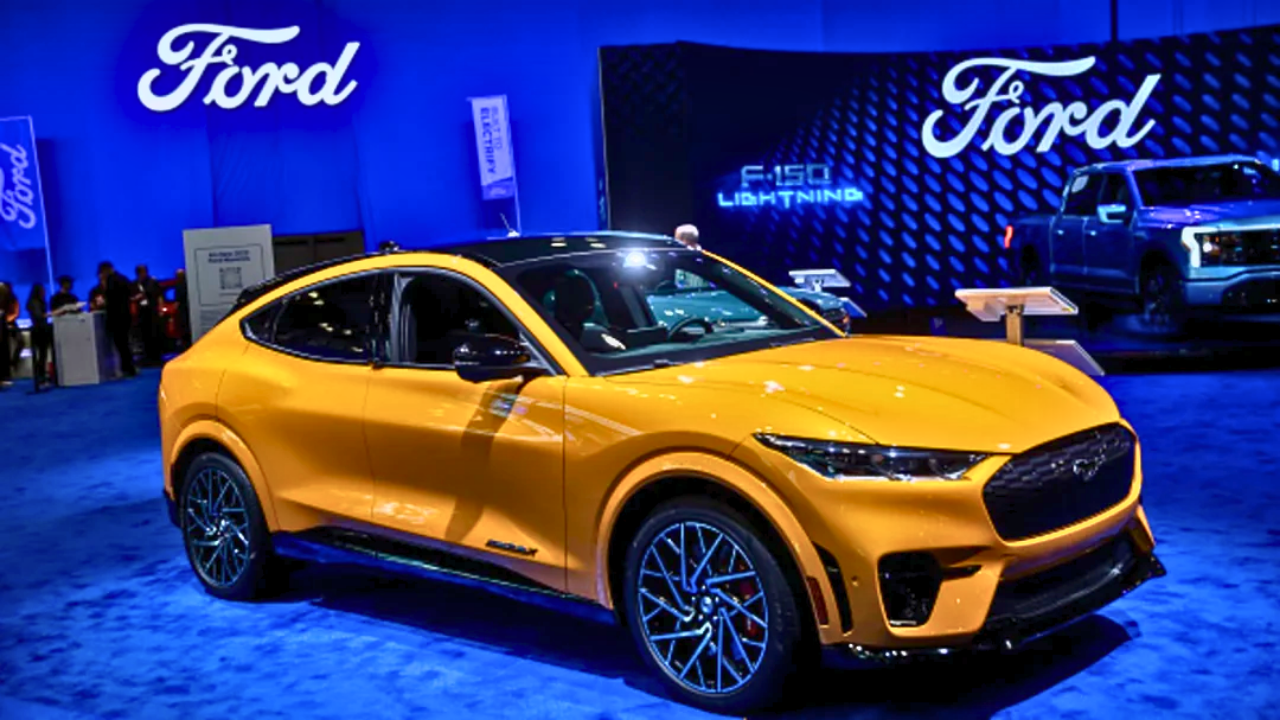
Ford’s November 2025 sales figures marked a turning point for the American electric vehicle market. The company sold just 4,247 all-electric models in the U.S., down from 10,800 a year earlier, with F-150 Lightning deliveries plunging 72% to 1,006 units. Dealers were left holding about 134,000 unsold new electric vehicles as manufacturers confronted a sudden demand reversal that followed a major shift in federal policy.
Policy shock and sudden demand drop
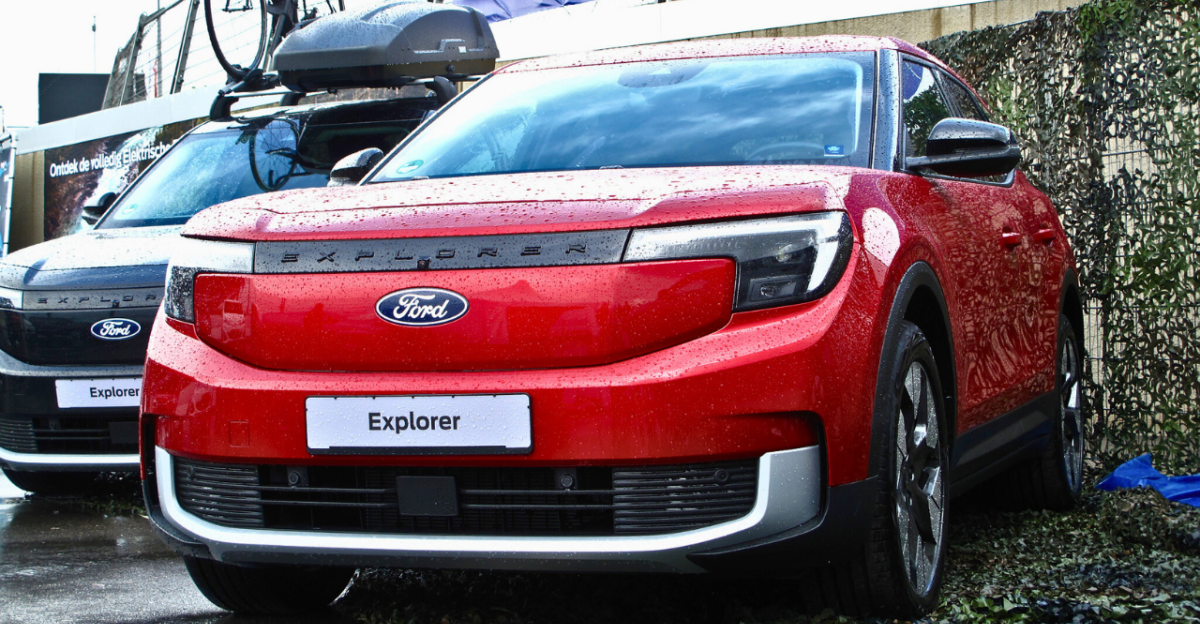
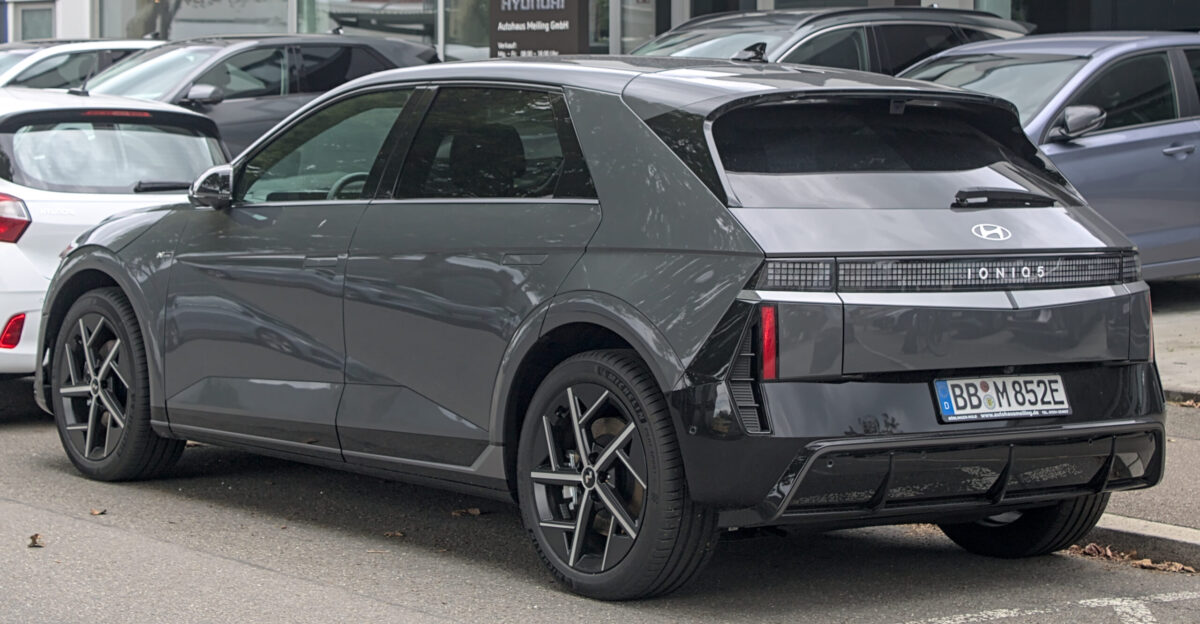
The slump was not confined to a single carmaker. In November 2025, every large manufacturer selling electric vehicles in the U.S. reported steep declines. Hyundai’s Ioniq 5 deliveries fell 55%, Subaru’s Solterra dropped 78.3%, and Kia’s EV6 slid 68%, signaling a broad market shock rather than company-specific missteps. The abruptness of the downturn reflected a cliff-edge change in incentives rather than a slow cooling of interest in battery-powered models.
The trigger was the One Big Beautiful Bill Act, signed by President Donald Trump on July 4, 2025. The law moved up the end date for federal electric vehicle tax credits from 2032 to September 30, 2025, eliminating a $7,500 credit for new EVs and a $4,000 benefit for used models. Once the deadline passed, buyers could no longer claim these amounts on their federal tax returns, pulling a key piece of the economic case for many battery-electric vehicles.
How lost subsidies reshaped the market
Leading up to the September cutoff, automakers enjoyed a rush of buyers trying to secure remaining incentives, which pushed EV sales higher in the third quarter and pulled demand forward from later months. When the credits disappeared, the market went into a sharp correction. Analysts estimated that overall U.S. light-vehicle sales declined about 8% in November 2025, with experts describing the pattern as a classic example of sales being brought forward rather than sustained growth.
For many buyers, the tax credit had represented 15–25% of a typical electric vehicle’s sticker price. Research from J.D. Power indicated that about 49-64% of EV customers (depending on vehicle segment), factored the credit directly into their purchase decisions, with luxury EV buyers at 64% and mainstream buyers at 49%, making it a central part of affordability rather than an extra perk. Without the subsidy, a vehicle priced at $45,000 in the showroom effectively became a $52,500 outlay, exposing how dependent much of the segment had become on government support.
Ford’s mounting financial strain
Ford entered this period already under pressure from its electric division. The company’s Model e unit lost about $1.4 billion in the third quarter of 2025, bringing year-to-date losses to roughly $3.6 billion. Management reported cumulative EV-related losses of about $2.2 billion in 2022, $4.7 billion in 2023, and $5.1 billion in 2024, and projected that 2025 Model e losses would reach between $5 billion and $5.5 billion. Around $3 billion of the red ink was attributed to first-generation models such as the Mustang Mach-E and F-150 Lightning.
As demand faltered, dealers across the country accumulated an estimated 134,000 unsold new electric vehicles, intensifying pressure to cut prices and deepen incentives. Manufacturers faced a choice between discounting heavily to clear stock or holding prices and watching losses grow as vehicles depreciated on lots. Ford pursued about $1.4 billion in cost reductions in its electric unit while keeping production volumes steady, and at the same time committed roughly $600 million to a new wave of EVs scheduled to arrive in 2027.
Shifting production and consumer preferences

Ford’s near-term challenge was compounded by a supply shock. A major fire at a Novelis aluminum facility in upstate New York disrupted supplies for the F-150 Lightning’s body components, forcing the company to suspend production of the electric pickup in October 2025. With raw materials constrained and EV demand weakening, Ford redirected scarce aluminum and manufacturing capacity toward more profitable gasoline and hybrid versions of the F-150. Reports indicated the company was weighing whether to discontinue the Lightning altogether, a dramatic departure from earlier expectations that it would anchor Ford’s electric push.
While battery-electric sales fell, hybrid models drew a growing share of buyers. Ford’s U.S. hybrid deliveries rose 13.6% to 16,301 units in November 2025. Honda said hybrids made up more than 54% of its brand’s sales, the highest share in its history, and Hyundai recorded its best month ever for hybrids. With the price gap between electric and gasoline vehicles widened by the end of federal incentives, many shoppers gravitated toward hybrids that offered better fuel economy without range concerns or reliance on public charging.
New strategies and open questions

Industry analysts largely described the downturn as a temporary disruption linked to the tax credit deadline, predicting that the market would begin to stabilize by spring 2026 as inventories normalized. Firms such as Cox Automotive cautioned, however, that the effects could linger for several months, and that automakers would need to adjust pricing, product plans, and expectations. JD Power’s Thomas King characterized the pattern as a reset rather than a permanent collapse in demand, noting that many buyers had simply accelerated purchases into the third quarter to capture remaining incentives.
Executives responded by acknowledging how much the previous growth phase had relied on subsidies. Hyundai’s North America chief Randy Parker said manufacturers now had to generate their own momentum with buyers, while Ford CEO Jim Farley warned that electric vehicles might fall to just 4–5% of U.S. light-vehicle sales by the end of 2025, down from roughly 10% before the tax credit ended. Analysts and company insiders agreed that the first wave of large-battery, premium-priced EVs was not sustainable in a world without robust government support.
Ford’s revised plan centers on a “second-generation” lineup built for lower cost and broader appeal. The company is developing a Universal EV Platform aimed at smaller, more efficient vehicles designed to be profitable at mainstream price points, alongside expanded hybrid offerings. One flagship project is a planned midsize electric pickup with a target price around $30,000, slated for a 2027 launch, with battery capacity on future models reduced by about 35% compared with earlier designs.
Across the industry, the sudden end of federal incentives has raised larger questions about how quickly full electrification can proceed. Automakers invested heavily in EV technology on the assumption of prolonged policy support and faster declines in battery costs than have materialized. The coming years will test whether companies can narrow the gap between sticker prices and consumer expectations, and whether hybrids act as a brief stepping-stone or a long-term alternative. For Ford and its peers, the post-subsidy era demands proving that electric vehicles can stand on their own economic merits, without relying on government incentives to close the deal.
Sources:
Wall Street Journal – Ford Electric-Vehicle Sales Sink After Key Tax Credit Ends (December 2, 2025)
CNBC – Ford U.S. sales down slightly in November as EVs drag (December 2, 2025)
Electrek – Ford’s EV sales plunge 60% with the F-150 Lightning still on hold (December 1, 2025)
Reuters – Ford, Hyundai US sales down slightly in November as EVs drag (December 2, 2025)
IRS – Clean vehicle tax credits and One Big Beautiful Bill provisions (July 29, 2025)
JD Power – Industry analysis and market disruption commentary (December 2025)
Edmunds – EV pricing analysis and consumer purchasing behavior research (December 2025)