Starting in early 2026, Instagram will test one of the strictest in-office requirements in big tech, turning its U.S. offices into a real-time experiment in how far a company can push physical attendance in the name of speed and innovation. The platform’s U.S. employees who have assigned desks will be required to work on site five days a week beginning February 2, 2026, with no exceptions for hybrid arrangements. The move comes as Meta, Instagram’s parent company, faces intense competition across its social platforms and leans into a broader corporate push for efficiency, tighter performance management, and faster product cycles.
Inside Mosseri’s 2026 vision
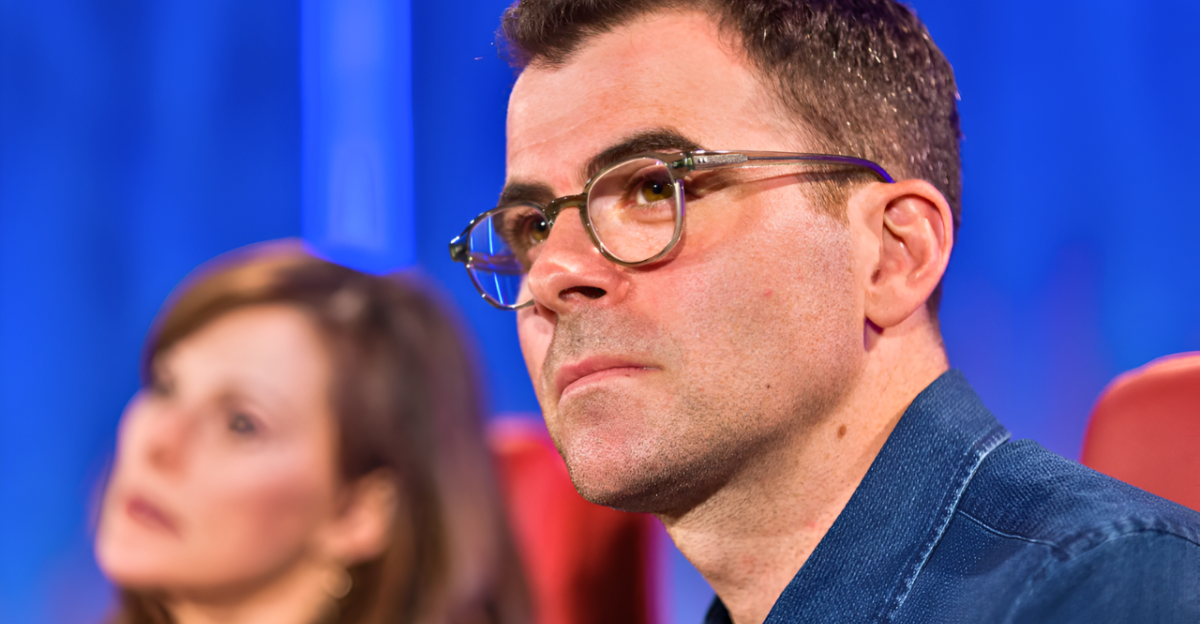
Instagram head Adam Mosseri laid out the new direction in an internal memo titled “Building a Winning Culture in 2026,” telling staff that in-person work is essential for creativity and collaboration. He stressed that this belief long predates the pandemic and said visits to Instagram’s New York office reinforce his conviction that teams working side by side move faster and generate stronger ideas. Mosseri repeatedly warned that “2026 is going to be tough,” framing the policy as part of a high-pressure year in which Instagram must sharpen execution to stay competitive. The memo positions the office mandate not as an isolated HR policy but as a cornerstone of a wider reengineering of how Instagram operates and makes decisions.
Why Instagram stands alone inside Meta
Unlike Facebook and WhatsApp, which remain on Meta’s three-day hybrid schedule introduced in 2023, Instagram is being singled out for the strict five-day requirement. That makes Instagram the only major Meta division with a full-time office rule, an unusual departure from the industry norm of company-wide uniformity in workplace policies. In large tech firms, teams typically share a common framework to avoid internal inequities and logistical headaches, so a division-specific mandate of this severity is notable. The decision highlights Meta’s particular concerns about Instagram’s position in the market and suggests that leadership sees its culture and execution needs as distinct from those of its sister apps.
Competition, prototypes, and fewer meetings
The mandate arrives as Instagram battles for creator time and viewer attention against YouTube and newer rivals, with market share gaps narrowing and leadership anxious about losing momentum. In that context, Mosseri is tying physical presence to a broader redesign of everyday work: recurring meetings will now be automatically cleared every six months and only restored if deemed essential, with the explicit goal of keeping people focused on building products rather than preparing for internal discussions. Strategy work will also change form, with leaders expected to bring working prototypes instead of slide presentations to key sessions, and planning documents limited to three pages. The overarching message is that Instagram must cut back on documentation and ceremony and instead test real features quickly, observe user behavior, and make decisions with higher velocity.
New structures, monitoring, and performance pressure
To unblock projects faster, Instagram will assign specific “directly responsible individuals” to decisions and have Mosseri personally review priorities and progress on a weekly basis so that open issues are resolved within days, not weeks. Operationally, the five-day rule will be phased in around office logistics: staff in Menlo Park will relocate from Building MPK21 to MPK22 in late January 2026 to ensure everyone has a desk, while Bay Area employees can request transfers to the San Francisco office if that eases commuting. New York workers will move to the same attendance model later, once space constraints are resolved, and fully remote staff remain outside the mandate, though the company has not disclosed exactly how many people fall into each category. The policy will be backed by enforcement tools Meta has used since 2023, including badge-swipe data and an internal status system that let managers track attendance and follow up on non-compliance, with internal guidance warning that repeated violations can affect performance ratings and even employment.
A test case for tech’s next phase of office work

The attendance shift coincides with Meta’s expansion of its lowest performance rating band, giving managers instructions in 2025 to place a larger share of employees into the “Below Expectations” category and describe midyear reviews as a moment to make exit decisions. That combination of stricter ratings and mandatory in-office work comes amid high-profile five-day office policies at other major firms, including Amazon and Dell, some of which have encountered their own rollout challenges and internal pushback. At the same time, survey data from workplace analytics firms indicates many executives later question how they handled return-to-office initiatives, citing unexpected attrition and a lack of hard evidence supporting some of their assumptions. Within this landscape, Instagram’s February 2026 deadline will serve as a closely watched case study: if the policy succeeds on product speed and competitiveness without triggering major talent losses, it could encourage more tech leaders to revisit flexible work; if not, it may reinforce skepticism about strict attendance rules and push companies toward more measured approaches.
Sources:
Business Insider: Instagram Chief Adam Mosseri Announces Five-Day Office Return (December 1, 2025)
Reuters: Amazon Mandates Five Days a Week in Office Starting Next Year (September 16, 2024)
The Register: Meta to Use Work Badge and Status Tool to Monitor Staff Attendance (August 17, 2023)
Envoy Workplace Management: Survey Finds 80% of Executives Regret Return-to-Office Policies (2023)
LinkedIn/Business Insider: Meta Expands “Below Expectations” Performance Rating Bucket (May 20, 2025)