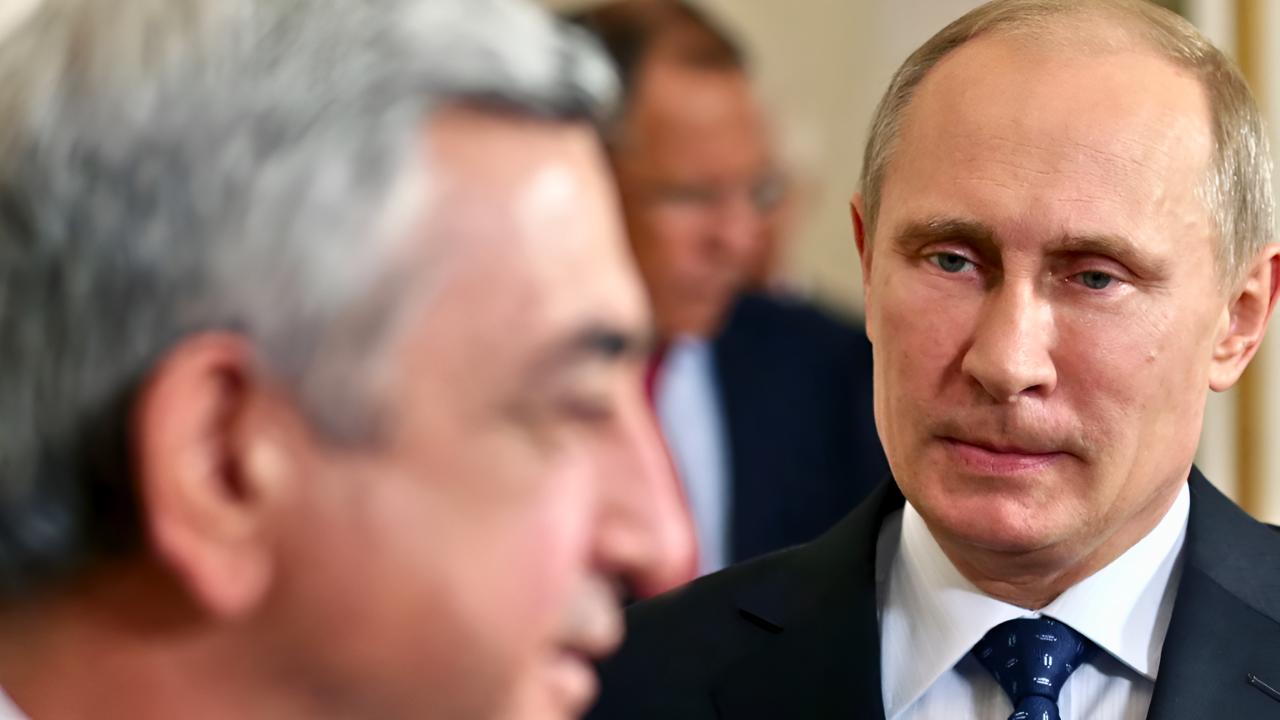
Armenia’s long alliance with Russia is fraying fast. Under Prime Minister Nikol Pashinyan, Yerevan has pulled back from Moscow-led security structures, invited European observers to its borders, and begun recasting its economy, defense ties, and even national identity around new partners. The shift marks one of the most dramatic realignments in the South Caucasus since the Soviet collapse, with consequences that reach from military procurement to everyday consumer choices.
Why Armenia’s Faith in Moscow Crumbled
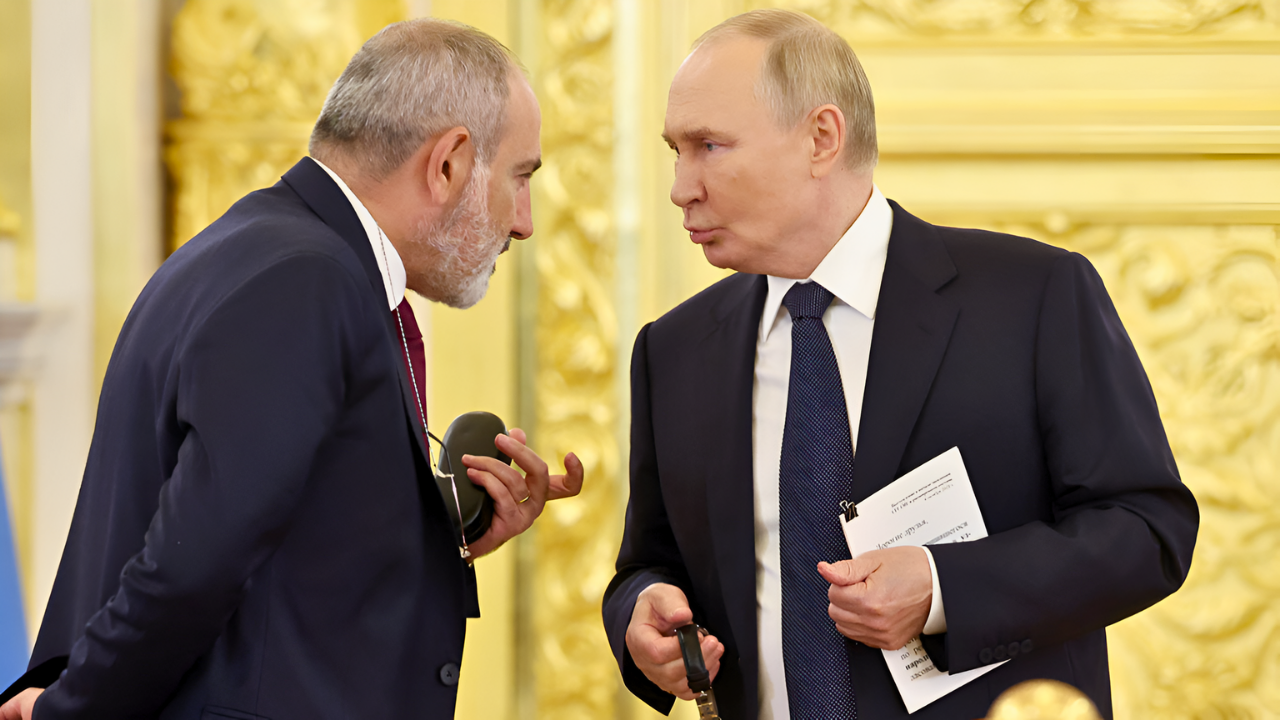
Armenia’s break with Russia is rooted in a sense of abandonment during repeated clashes with Azerbaijan, culminating in the loss of Nagorno-Karabakh in 2023. Despite treaty obligations and years of close military cooperation, Russian forces did not step in as Armenian defenses failed and civilians fled, shattering the perception of Moscow as a reliable guarantor of security. In Yerevan’s view, the alliance had turned from a protective umbrella into a strategic burden, prompting a broad rethink of foreign and security policy.
This reassessment has driven Armenia to downgrade its role in the Collective Security Treaty Organization and to question long-standing defense arrangements with Russia. Reduced reliance on Russian border guards, coupled with openness to outside missions, signals that the old model of near-automatic alignment with Moscow is over.
Shifting Society, Business, and Borders
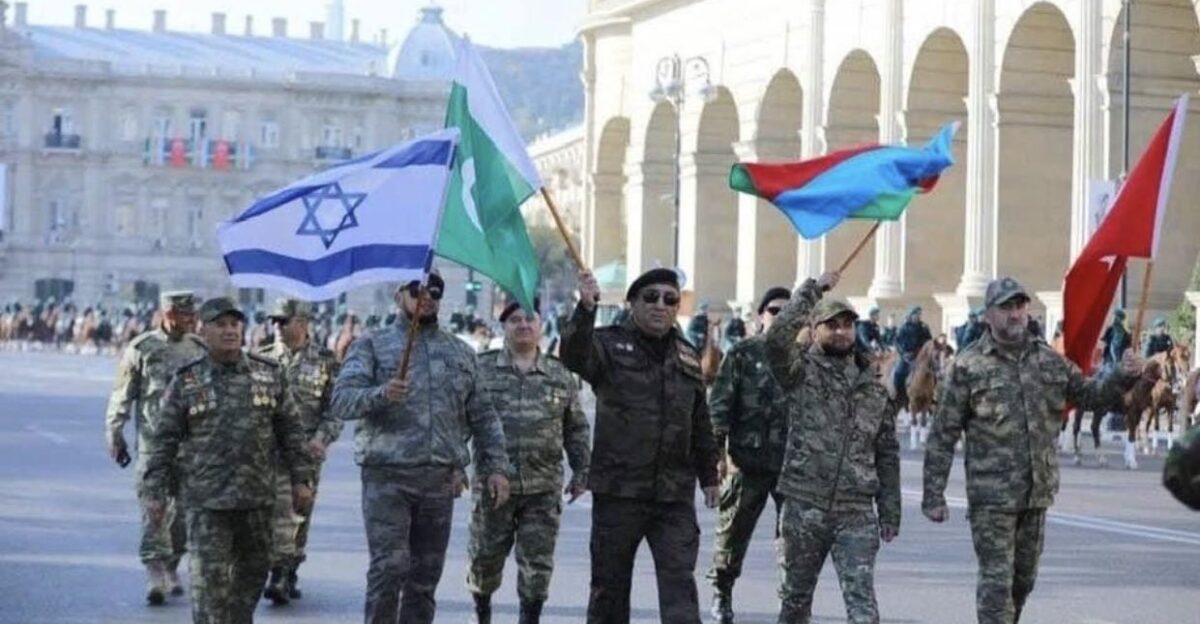
Public attitudes have moved in parallel with official policy. Confidence in Russia as Armenia’s main protector has eroded, especially among younger citizens who increasingly associate Russian influence with vulnerability rather than stability. Preferences in language learning, media, and higher education are tilting toward Western universities and outlets, reshaping migration patterns and voter expectations for a quicker geopolitical turn away from Moscow.
Armenian businesses are adjusting just as rapidly. Importers are building new supply chains through Europe, India, and Middle Eastern states, while banks try to limit exposure to Russian-linked transactions that could fall foul of sanctions. Corporate leaders now treat Russia as a market where political decisions can abruptly affect tariffs, payment flows, or regulations, and they plan accordingly. The partial withdrawal of Russian border forces adds a human dimension to this shift, disrupting careers tied to joint deployments and exposing communities that depended on Russian facilities to sudden economic uncertainty.
New Defense Partners and Trade Realities
Defense cooperation illustrates the scale of the reorientation. After decades of almost exclusive dependence on Russian arms and logistics, Armenia has turned to India and France for key military supplies. This diversification reduces Moscow’s leverage over Armenian forces and opens space for training, technology transfer, and intelligence links with Western and other partners that once would have been politically sensitive.
Economic ties, meanwhile, are entering a more volatile phase. Bilateral trade with Russia surged for a time as Armenian firms became intermediaries for goods and commodities redirected around Western sanctions. That spike masked underlying fragility, and as scrutiny of sanctions evasion has grown, many of these re-export routes have narrowed. Forecasts now point toward a lasting decline in trade volumes, revealing that the economic relationship is no longer the stable cornerstone it appeared in raw statistics.
Western Openings and Russia’s Remaining Leverage
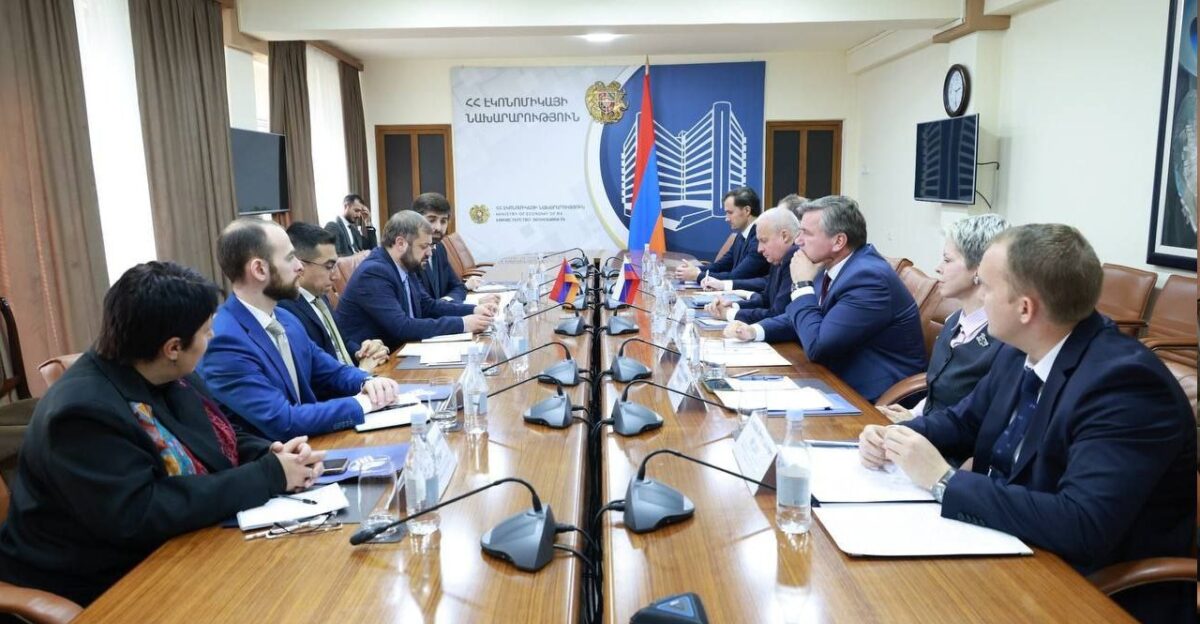
The strategic vacuum has drawn in the European Union and the United States, which have moved to solidify Armenia’s turn. The EU has deployed a civilian mission to monitor Armenia’s borders and help calm tensions, while Washington has stepped up political dialogue and security cooperation. Russia has answered with sharp rhetoric and hints of economic retaliation, but its capacity to pressure Yerevan is limited by the demands of other fronts and its own internal challenges.
Energy is where Moscow still holds a powerful card. Armenia’s electricity system relies heavily on the Metsamor nuclear plant, which uses Russian technology and fuel under long-term arrangements that extend the plant’s life and explore future projects. That dependence cannot be unwound quickly, giving the Kremlin continuing influence even as trust in other areas collapses. At the same time, Armenia’s closer engagement with European institutions brings debates over stricter environmental rules, transparency, and rule-of-law reforms—promising long-term benefits but imposing near-term costs on local industry.
Identity, Lifestyle, and a Multipolar Future
Beyond geopolitics, Armenia is undergoing a subtle cultural shift. Western brands, digital services, and educational paths are gaining ground over Russian competitors, and students increasingly look to Europe and North America for study and work opportunities. Entertainment choices, online communities, and business practices are gradually aligning with Western norms, reinforcing a narrative promoted by Armenian media and civil society that the country is, culturally and politically, part of a European sphere rather than a Eurasian buffer.
This rebranding meets resistance from Moscow, which invokes shared history and warns of Western unreliability, turning the contest into a struggle over identity as much as influence. Meanwhile, new economic beneficiaries are emerging: European firms are expanding in infrastructure and technology, Indian defense producers are winning contracts, and Turkish businesses stand ready to deepen ties if political normalization advances. Russian financial institutions, energy companies, and arms exporters are slowly losing ground.
For households and firms, the transition means volatility. Trade flows, remittances, and energy prices remain exposed to political decisions in multiple capitals. Companies must manage sanctions risk, exchange-rate swings, and regulatory surprises, while families reliant on Russia-linked income face similar uncertainty. Diversifying markets, suppliers, and financial options has become a practical survival strategy. In this fluid environment, Armenia is attempting a careful balance—tightening relations with Europe and the United States, expanding defense cooperation with India, cautiously exploring avenues with Turkey, and preserving limited but important links to Russia. Whether this emerging multipolar order in the South Caucasus delivers greater security or simply new forms of risk will shape Armenia’s trajectory for years to come.
Sources
The Moscow Times, June 2025, “Armenia Is Breaking Up With Russia – And Putin Can’t Stop It”
Mirror Spectator, May 2025 (reporting on Armenia’s security pivot and defense procurement)
International Republican Institute, public opinion surveys on Armenia (2019–2024)
Clingendael Institute, 2025 reports on Armenia’s foreign policy and EU integration debates
RCSP (Regional Center for Security Policy), 2025 analysis on Armenia–Russia security and defense ties
OC Media, 2025 coverage of Armenia–Russia trade and CSTO-related developments
The Insider and Hetq, November 2024 investigations on Armenian companies re-exporting Russian gold and sanctions evasion