
Imagine picking up the phone to hear a calm voice from “Carl” or “Emma” at Walmart, warning about a $919.45 PlayStation 5 purchase you never made. For millions of people, that scenario has become a familiar shock, and it has now triggered one of the toughest crackdowns yet by federal regulators. On December 2, the Federal Communications Commission (FCC) took emergency action against a small Montana carrier accused of funnelling a flood of artificial intelligence–generated robocalls that impersonated Walmart employees and tried to pry loose victims’ financial details.
Historic Ultimatum for SK Teleco

The FCC’s Enforcement Bureau ordered SK Teleco, a Montana-based voice service provider, to immediately halt all AI-driven robocalls that falsely claim to come from Walmart staff. The directive is unusually severe: the company has 48 hours to stop carrying such calls and 14 days to prove it has put permanent technical safeguards in place. If SK Teleco fails either test, the FCC can effectively cut it off from the U.S. phone system by directing all other carriers to block its traffic. FCC Chairman Brendan Carr has underscored how rare this step is, noting that total removal from the nation’s communications networks has been used only a handful of times. Regulators describe the move as a necessary response to telecom-enabled fraud operating at national scale.
A High-Volume, AI-Powered Scheme

The operation at the center of the order relied on synthetic voices that sounded human, delivering prewritten scripts with consistent precision. Robocall analytics firm YouMail estimates about 8 million of these AI-generated calls were placed in the campaign, with the heaviest volume hitting residents of Texas, California, Florida, Ohio, and Georgia. Investigators with the Industry Traceback Group tracked dozens of calls directly to SK Teleco’s network, concluding that illegal traffic was flowing through the company’s systems. What sets this campaign apart is not just volume, but sophistication: automated voices mimic natural speech patterns to build trust quickly, then hand off to live scammers once a person engages. Regulators say this combination allows criminal groups to reach enormous numbers of targets far faster than traditional phone fraud.
The PlayStation Hook and Identity Theft Risk

Each call followed nearly the same script: the recipient is told a PlayStation 5 and Pulse 3D headset order for roughly $919.45 has been “pre-authorized,” and is instructed to press 1 to cancel the charge. The price point and popular gaming console are chosen to spark immediate fear of a large unauthorized hit to a bank or credit card account. When recipients press 1, they are transferred to live operators who claim to be from Walmart or, in some cases, from federal agencies. Those operators then push for Social Security numbers, bank and credit card details, and one-time verification codes. In a single call, a victim can unwittingly hand over enough information to enable full-blown identity theft, new account openings, and large fraudulent withdrawals. Because calls often come from spoofed or rotating numbers over a period of days, many people may not realize they are dealing with one coordinated campaign.
Why Walmart is a Prime Target
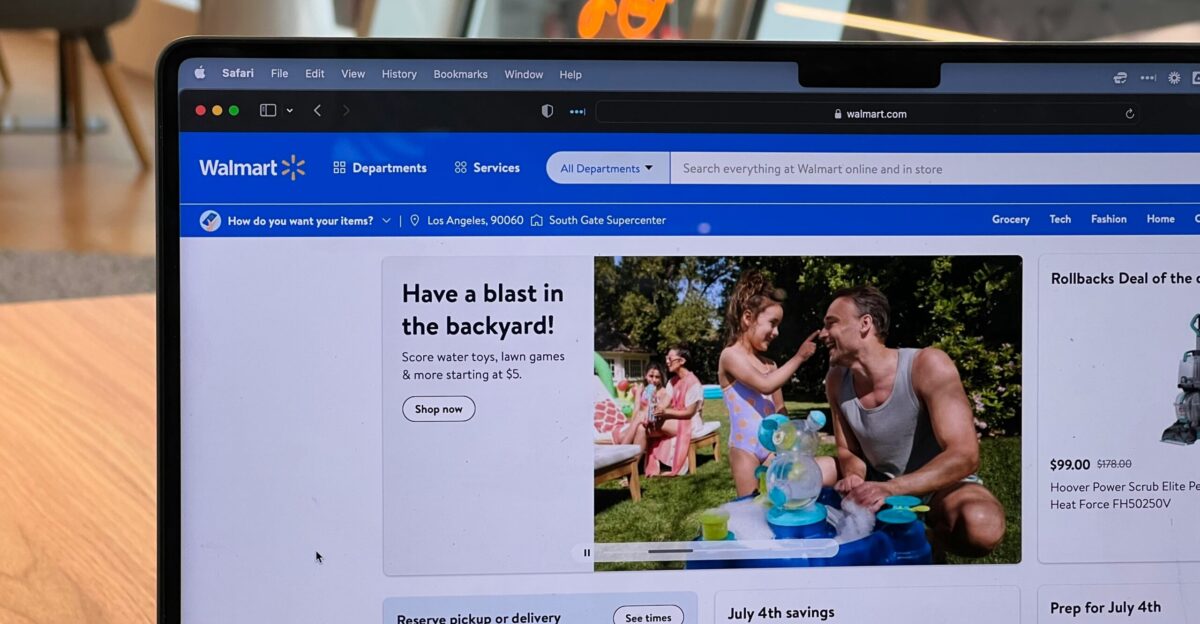
Criminals are exploiting Walmart’s status as one of the most recognizable retail brands in the United States and around the world. Research from Check Point indicates that Walmart is impersonated in 16 percent of global phishing attempts, more than any other company, with DHL and Microsoft following at 13 and 12 percent respectively. That prominence, combined with the fact that Walmart serves about 140 million U.S. customers each week, makes it a powerful lure for fraudsters. When someone who shops there regularly hears a familiar retailer’s name in a call about a high-value purchase, skepticism can drop and urgency can take over. Although about 8 million scam calls have been documented, regulators and analysts say the real exposure is likely larger, given repeat calls and the length of the campaign, which has been active since January 2025.
Regulators Escalate Amid Wider Robocall Crisis
The FCC’s order notes that SK Teleco had been warned previously by the Industry Traceback Group about suspicious robocall traffic but allegedly failed to respond or take effective corrective steps. Regulators say the company instead tried to reroute recorded calls through other providers, a move they interpret as an attempt to evade detection. That history, combined with the AI-driven Walmart impersonation scheme, led the FCC to bypass the lengthy negotiations or phased compliance timelines that often accompany enforcement actions. The crackdown comes as authorities nationwide tackle what they describe as a broader robocall epidemic. Idaho Attorney General Raúl Labrador’s “Operation Robocall Roundup Phase 2” targets four major providers—Inteliquent, Bandwidth, Lumen, and Peerless—for allegedly enabling massive volumes of suspect calls, with Inteliquent alone accused of routing more than 1.4 billion questionable calls over several years. Federal data show the scale of the damage: the FBI recorded $16.6 billion in online scam losses in 2024, and separate research estimates Americans lost about $25.4 billion to phone fraud in the past year.
AI Voice Technology Changes the Game
Artificial intelligence–generated voices are rapidly reshaping how phone scams operate. Instead of hiring large teams of callers to make initial contact, fraud operations can now deploy software that produces thousands of realistic-sounding calls at once, tailoring pace, tone, and script to keep targets on the line. In the SK Teleco case, regulators say the company either built or enabled infrastructure that made this kind of AI-based mass outreach possible on its network, making it a key conduit rather than a passive carrier. Consumer protection agencies warn that as voice synthesis improves, distinguishing between genuine staff and fabricated personas will become harder, especially when callers invoke well-known brands and urgent financial issues.
Protecting Yourself from Walmart Impersonation Calls
Consumer advocates and regulators emphasize that legitimate Walmart staff do not contact customers out of the blue to confirm orders or discuss account details. Warning signs include aggressive pressure to act immediately, demands for sensitive information such as Social Security numbers or one-time passcodes, and instructions to keep the call secret. Scam-tracking service Robokiller reports that the same patterns appear across a range of calls that use Walmart’s name, not just the PlayStation scheme. Security experts recommend hanging up at once, then checking recent orders or payment activity directly through official websites or phone numbers printed on bills and cards. Anyone who has shared personal data is urged to review bank and credit card statements, place fraud alerts or credit freezes if necessary, and file reports with the Federal Trade Commission and local law enforcement.
What Comes Next for Carriers and Consumers
As of December 4, SK Teleco had roughly 46 hours remaining to prove it had stopped transmitting AI-powered Walmart impersonation calls and two weeks to demonstrate that the problem would not return. If it fails, other U.S. carriers will be ordered to block its traffic, effectively isolating the company from the national network. Regulators and state attorneys general are signaling that this case is meant to send a message: voice service providers that ignore warnings and allow high-volume fraud on their systems face the possibility of being shut out entirely. For consumers, the stakes are twofold. Tougher enforcement could reduce the flood of scam calls in the long run, but rapid advances in AI voice technology mean that even a smaller number of fraud attempts may be harder to spot. The outcome of the SK Teleco showdown will help determine how aggressively regulators move against other intermediaries as they try to curb a fast-evolving wave of voice-based deception.
Sources
Federal Communications Commission Walmart impersonation robocall enforcement order and public statements (including Chairman Brendan Carr)
YouMail robocall analytics on Walmart pre-authorized PlayStation 5 scam
volumeCheck Point Research brand phishing report identifying Walmart as most-imitated brand globally