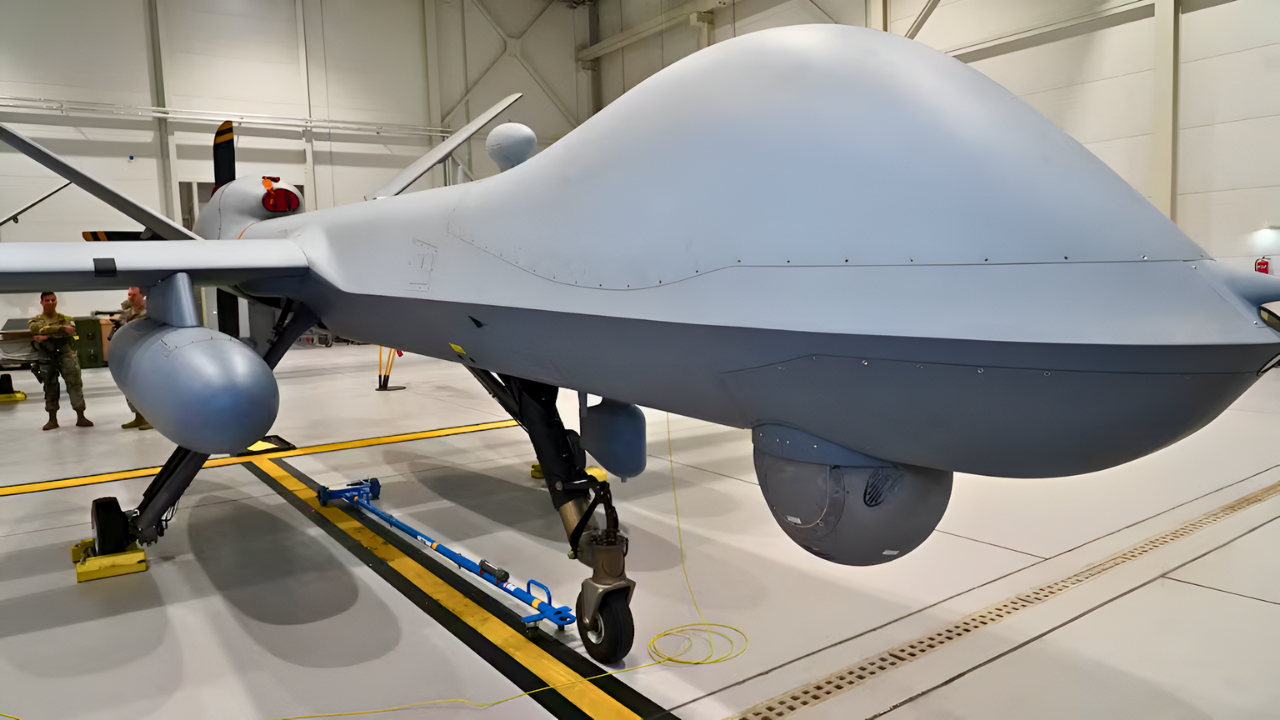
U.S. Central Command has activated Task Force Scorpion Strike, the first U.S. operational squadron dedicated exclusively to one-way-attack drones in the Middle East. Built around the Low-Cost Uncrewed Combat Attack System (LUCAS), the new unit is designed to counter Iran’s rapidly expanding drone warfare footprint. The deployment places Iranian proxy bases and critical regional infrastructure under direct threat, reshaping deterrence dynamics across the CENTCOM theater.
Why Washington Is Acting Now

The task force follows a July 2025 directive from Secretary of War Pete Hegseth calling for rapid acceleration of affordable strike drone programs.
The order came after years of battlefield evidence showing how Iranian Shahed drones reshaped warfare in Ukraine and the Middle East. U.S. planners concluded that low-cost, high-volume autonomy—not just expensive precision weapons—now defines modern combat power and escalation control.
What It Means for Civilians in the Region
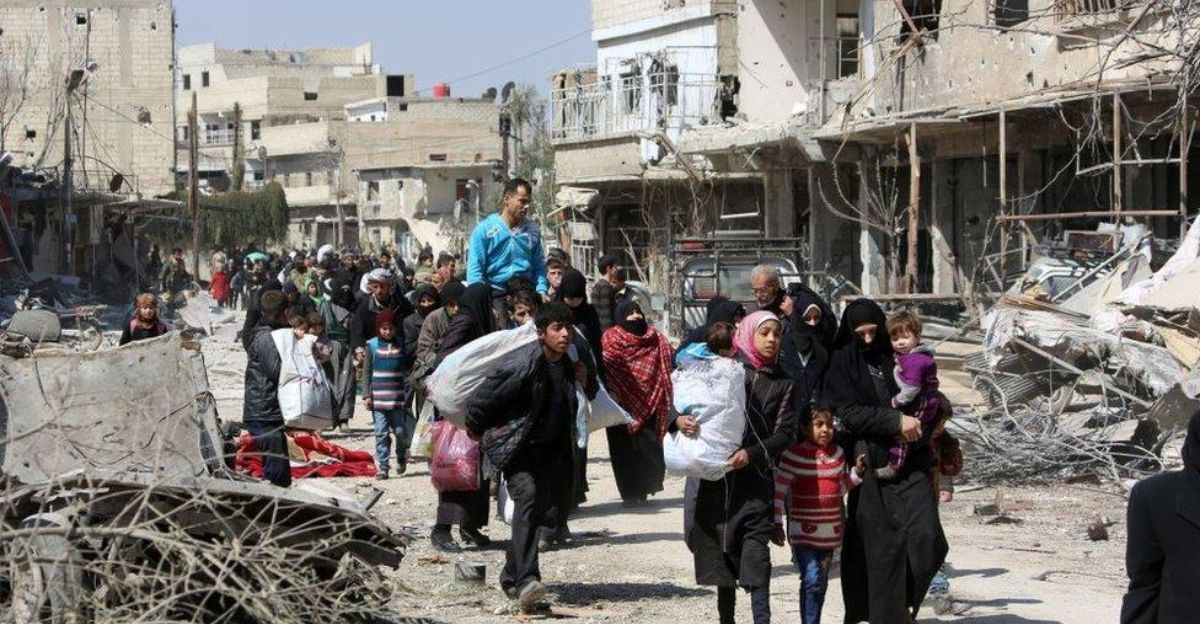
For civilians across Iraq, Syria, Yemen, and the Gulf, the arrival of an autonomous U.S. kamikaze-drone squadron introduces new uncertainty.
One-way-attack systems shorten response times and compress political decision windows. Even if never used publicly, their presence alters daily risk calculations for communities located near suspected militia bases, weapons depots, and proxy transit corridors operating across dense civilian terrain.
Contractors and Defense Firms See New Demand
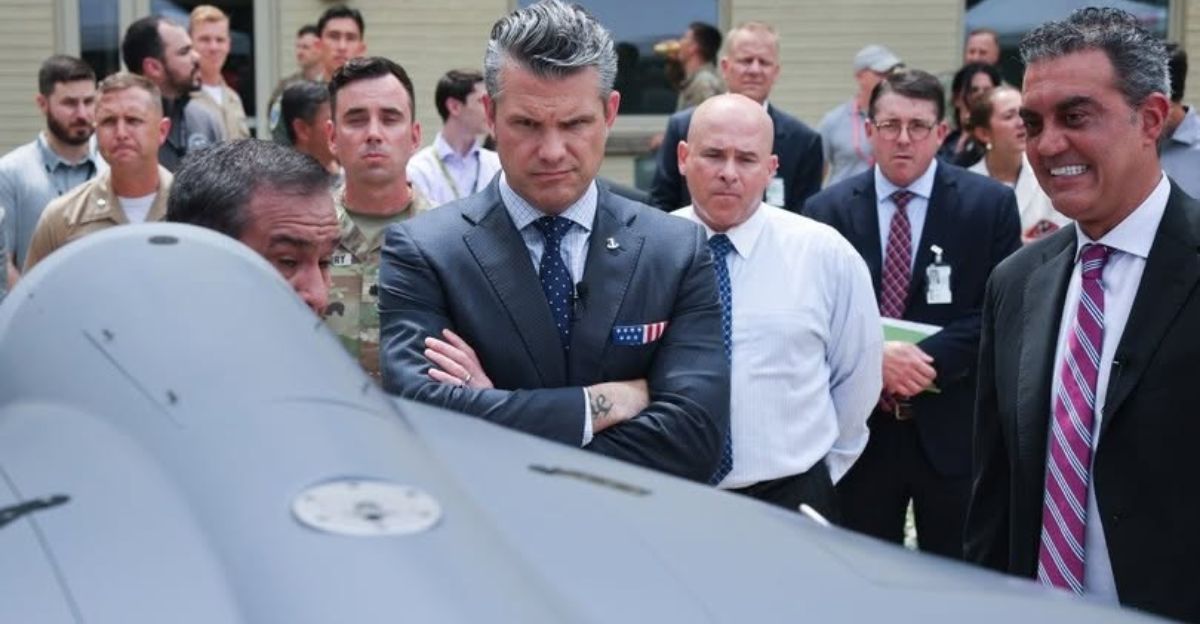
Arizona-based SpektreWorks, the company behind LUCAS development, now sits at the center of a fast-growing market for low-cost strike drones.
The Pentagon’s broader push toward mass drone procurement is driving demand across software integration, launch systems, guidance electronics, and modular payloads. Smaller firms that once struggled for large defense contracts now find themselves competing for scale production opportunities.
Ripple Effects Across Missile and Air Power Programs
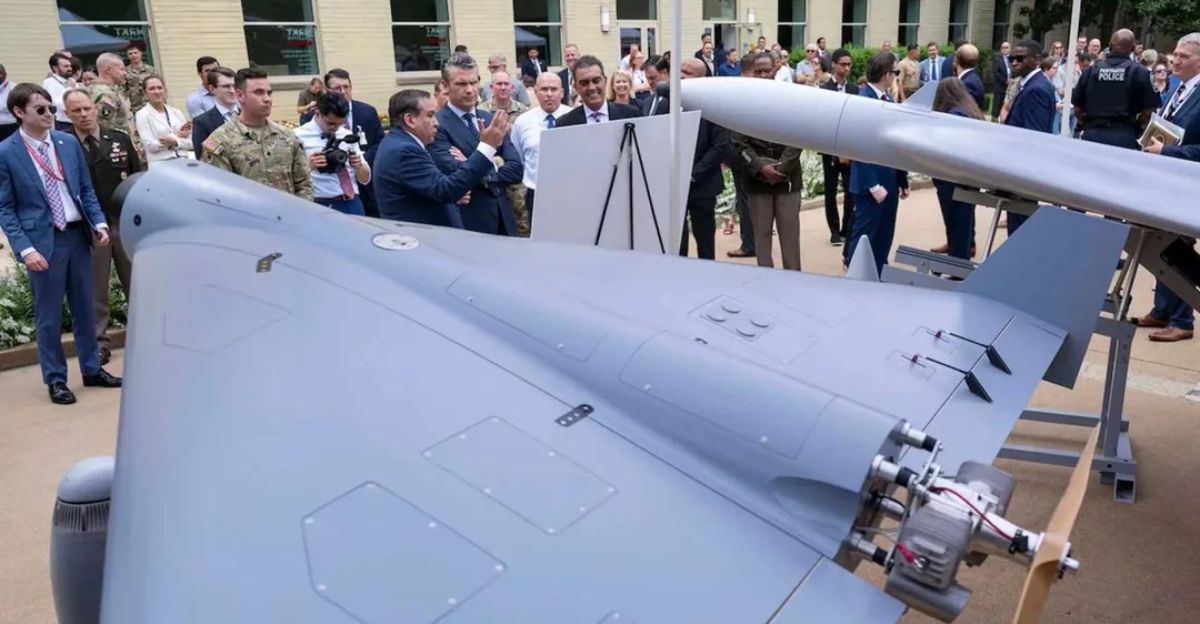
LUCAS occupies a strategic middle ground between handheld loitering munitions and high‑end cruise missiles. Military planners increasingly see swarms of disposable drones substituting for missions once flown by aircraft or served by expensive missiles.
That shift places pressure on legacy procurement programs and forces new trade-offs between survivability, cost, payload, and the political risk of deploying manned platforms.
Signal to Iran and Global Energy Markets
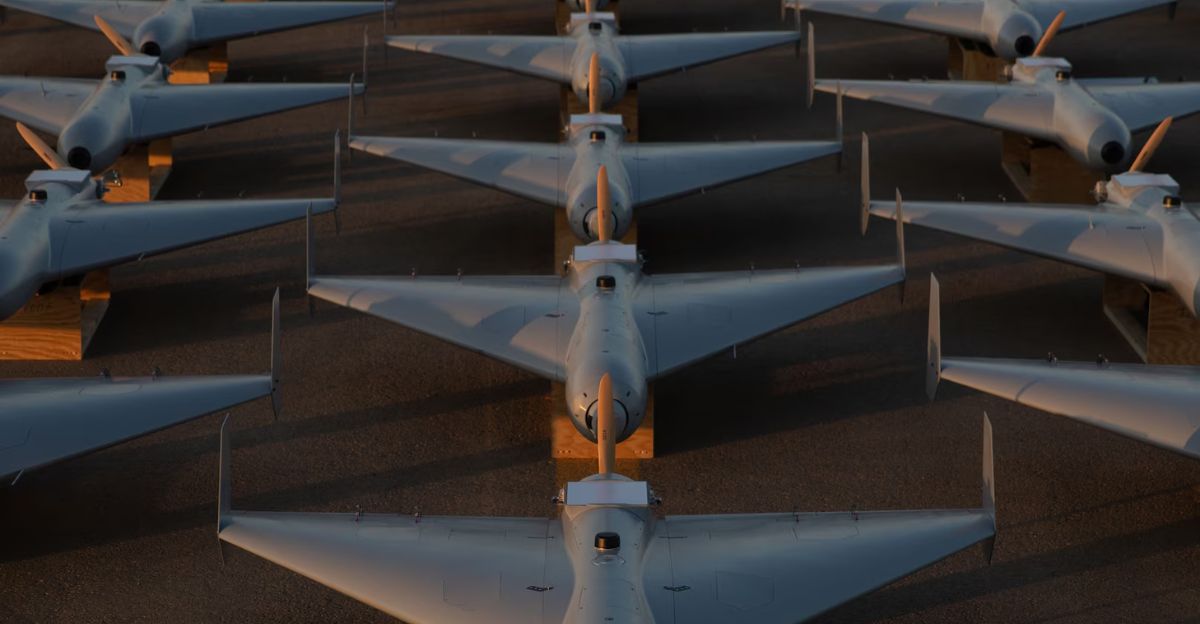
By positioning LUCAS within the CENTCOM zone, the U.S. places proxy military facilities and select regional energy chokepoints within potential operational reach.
Even without strikes, the perception of increased vulnerability shapes oil-market risk premiums. Energy traders and insurers track military posture closely, knowing that deterrence signaling alone can move pricing expectations across global fuel and shipping networks.
Inside the Proxy Battlefield
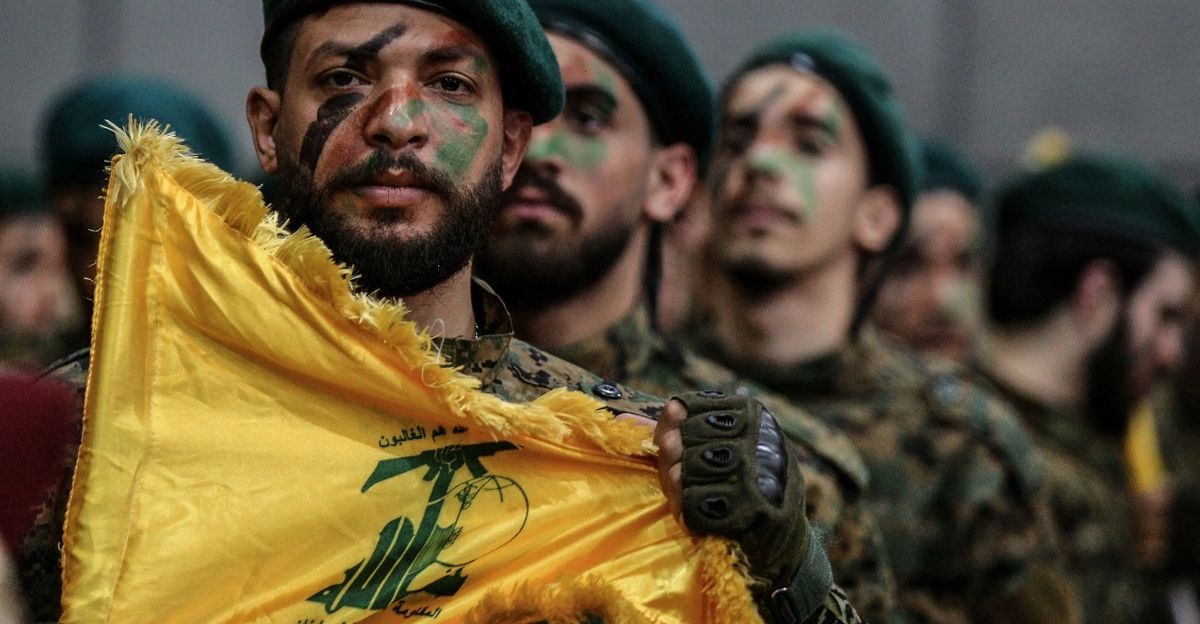
Iran-aligned groups including Hezbollah, Iraqi militias, and the Houthi movement operate training grounds, weapons depots, and launch sites across several countries. These networks enable rocket, missile, and drone attacks while blending into civilian areas.
Task Force Scorpion Strike gives U.S. commanders a rapid reaction option that avoids deploying aircraft into layered air-defense environments while still holding hardened targets at risk.
Policy Shift Toward Drone Dominance
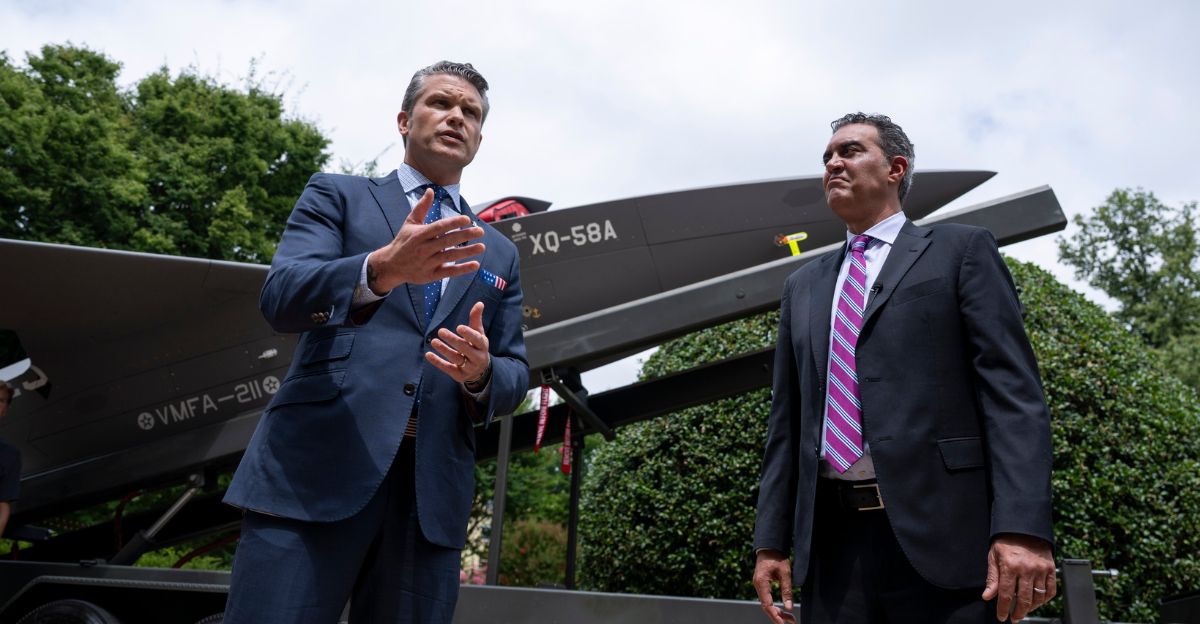
Task Force Scorpion Strike is an operational front line of the Pentagon’s broader Drone Dominance strategy. Rather than treating drones as niche battlefield tools, U.S. policy now frames massed, low-cost autonomy as central to deterrence.
The program reflects a structural change in how the military balances technological sophistication against numerical saturation in both offensive and defensive planning across multiple theaters.
Budget Pressures and Cost Trade-Offs
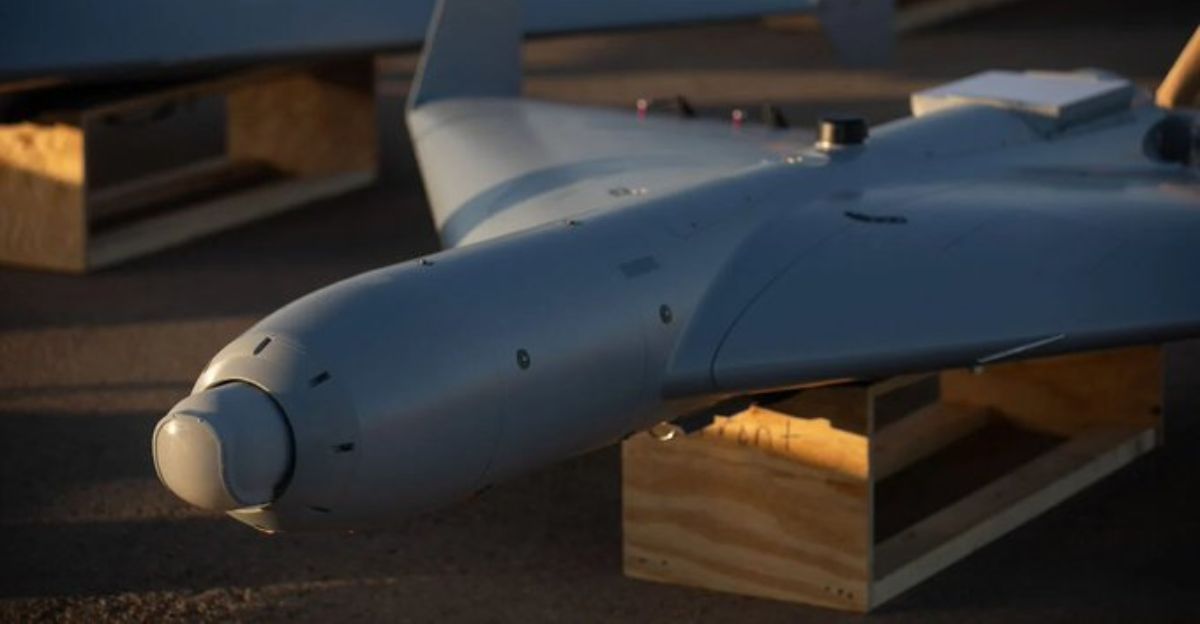
While each LUCAS airframe is far cheaper than a missile or jet sortie, large-scale procurement still creates significant long-term budget pressure. Expendable drones require continuous replenishment, sustained training, and rapid manufacturing pipelines.
Defense economists warn that as quantities rise, funding for traditional platforms may tighten, reshaping debates in Congress over force structure, industrial strategy, and future taxpayer obligations.
How Gulf Bases and Local Economies Adjust
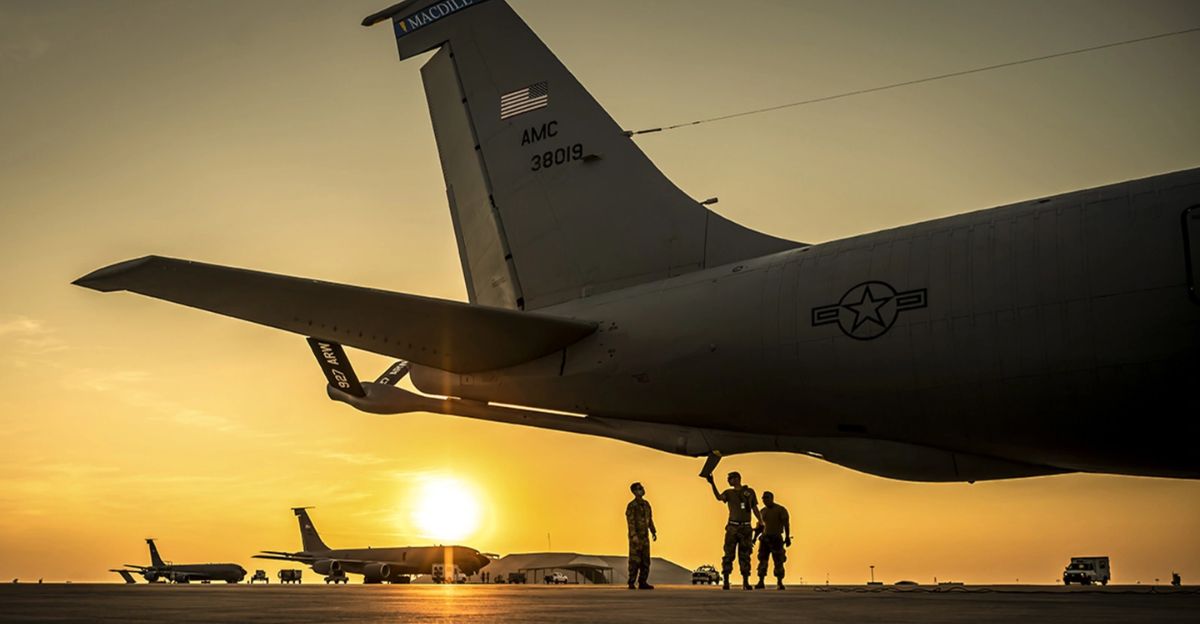
Hosting LUCAS squadrons requires expanded storage, launch pads, secure communications, and maintenance zones. These infrastructure upgrades generate construction and logistics employment across several Gulf states.
At the same time, security perimeters can reshape surrounding commercial districts, influencing where retail centers develop, how workers commute, and how regional governments balance economic activity with elevated military visibility.
Airlines, Airports, and Tourism on Alert
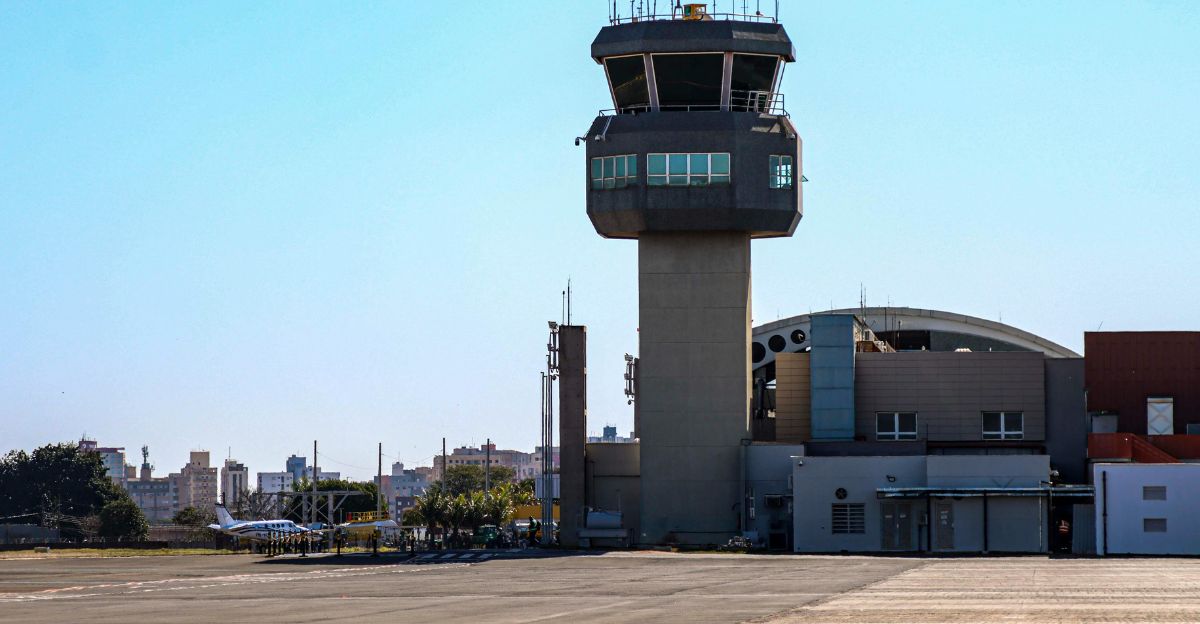
Uncrewed military operations complicate civilian airspace management across already crowded aviation corridors. Airports and airlines must adjust routing and contingency protocols when drone operations increase.
Tourism-dependent economies closely track security perception, knowing that visible military deployments—even without active strikes—can influence traveler confidence, conference scheduling, insurance premiums, and long-term hospitality investment decisions.
Testing, Training, and Technology Spillover
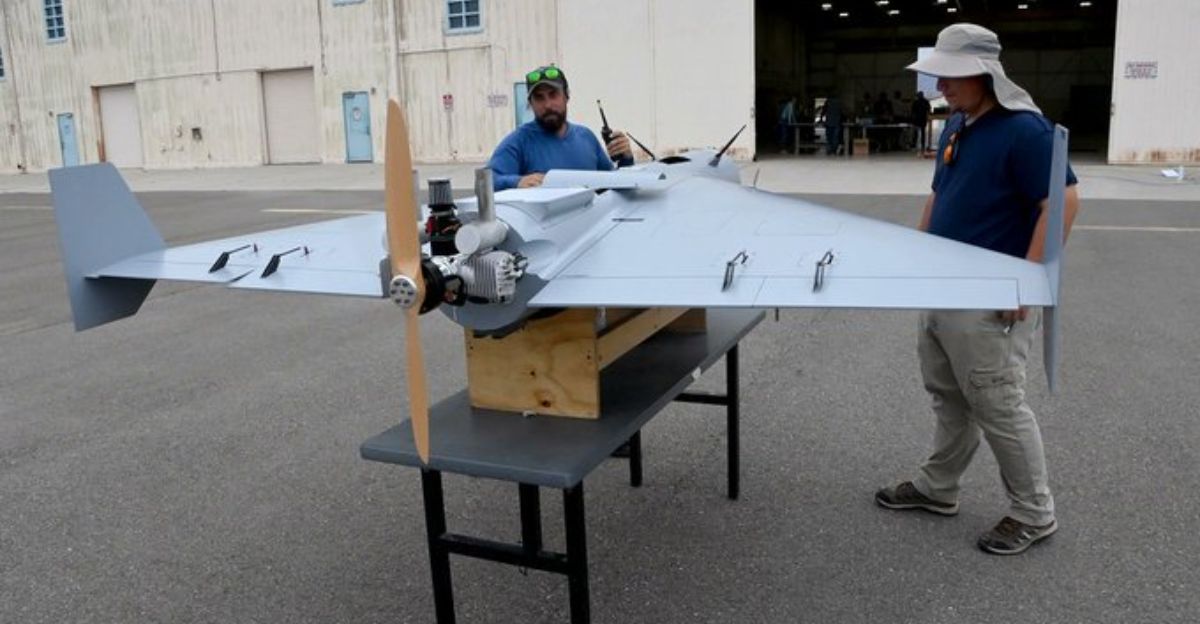
LUCAS testing continues at U.S. proving grounds using specialized airspace and electronic-warfare infrastructure.
These activities support engineering, propulsion, and simulation jobs while accelerating new training pipelines for autonomous operations. As more units adopt one-way-attack drones, demand rises for advanced simulators, spectrum-management tools, counter-drone systems, and electronic-protection technologies across both military and private sectors.
Global Consumers and the Drone Learning Curve
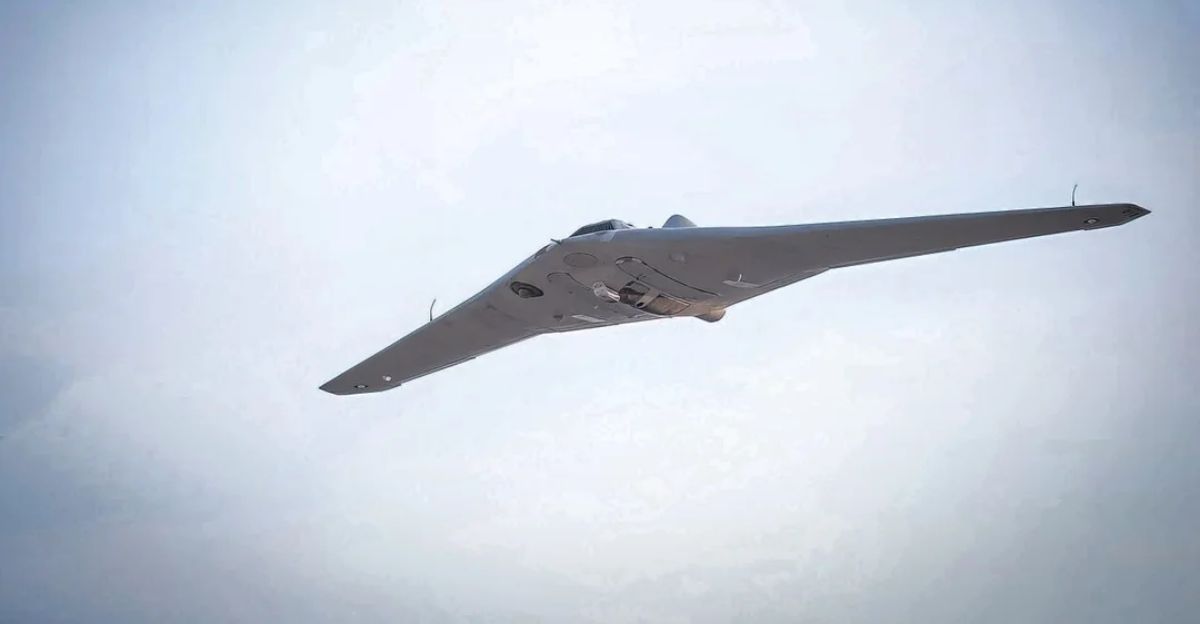
Public exposure to Iranian Shahed drones in Ukraine and the Middle East has normalized the image of one-way autonomous weapons.
The U.S. adoption of a similar platform further blurs the line between civilian and military drone technology. Consumers encounter drones in delivery, agriculture, and recreation alongside footage of battlefield strikes, reshaping global understanding of what autonomous systems represent in daily life.
Mental Health, Risk, and Daily Routines
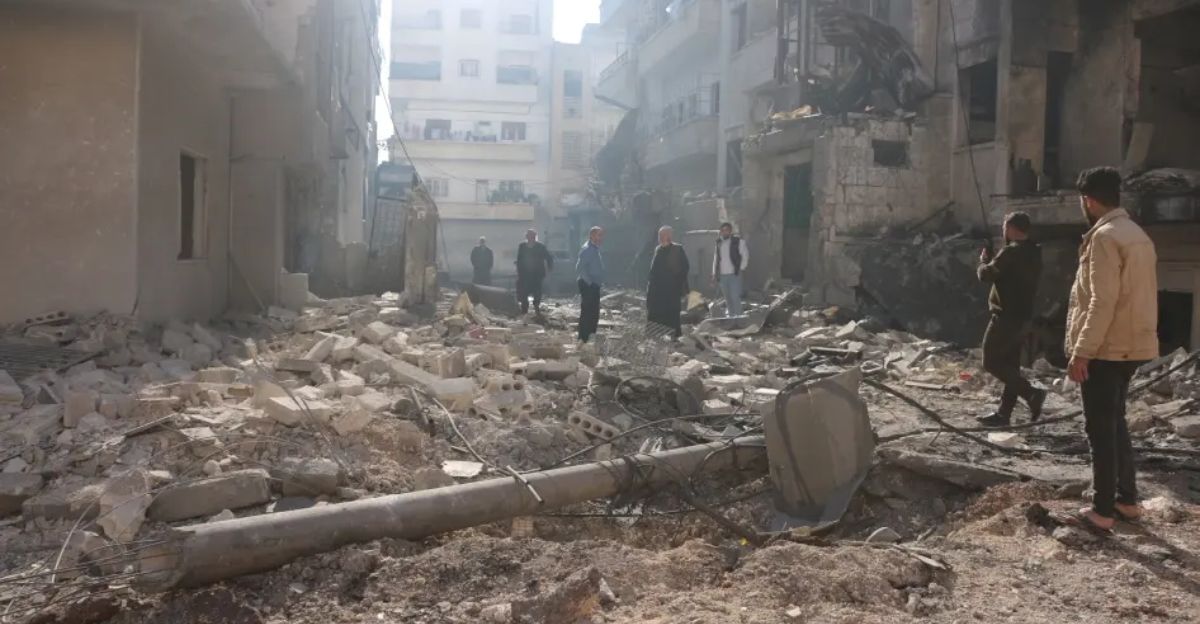
In regions already exposed to drone warfare, residents live with persistent alert systems, flight noise, and the psychological strain of unseen overhead threats. Long-range one-way-attack systems deepen chronic stress factors linked to sleep disruption, anxiety, and prolonged trauma.
For civilians, everyday routines—school runs, commuting, shopping—must now account for threats that arrive without warning from hundreds of miles away.
Ethics, Environment, and Cultural Debate
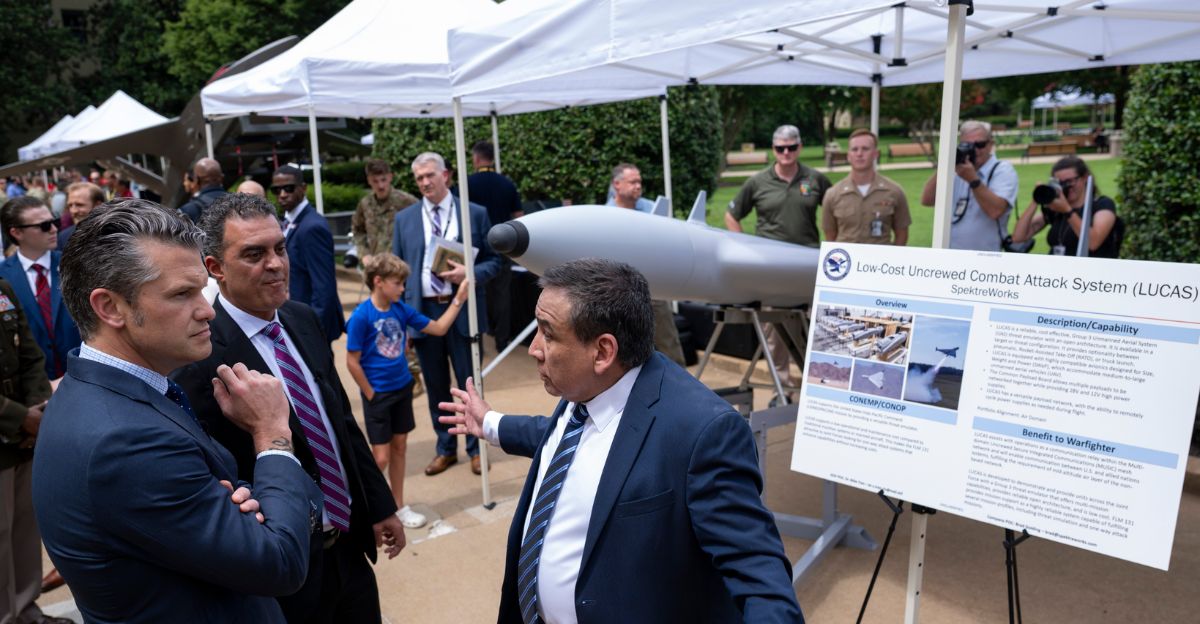
The U.S. decision to replicate a Shahed-style design intensifies ethical debate about an accelerating cycle of cloned autonomous weapons.
Environmental analysts also raise concerns about the cumulative waste of mass-produced drones, including composite materials, batteries, explosive residues, and carbon emissions tied to rapid production and deployment. These systems revive questions about what “low-cost” warfare truly costs society.
Who Gains and Who Bears the Risk
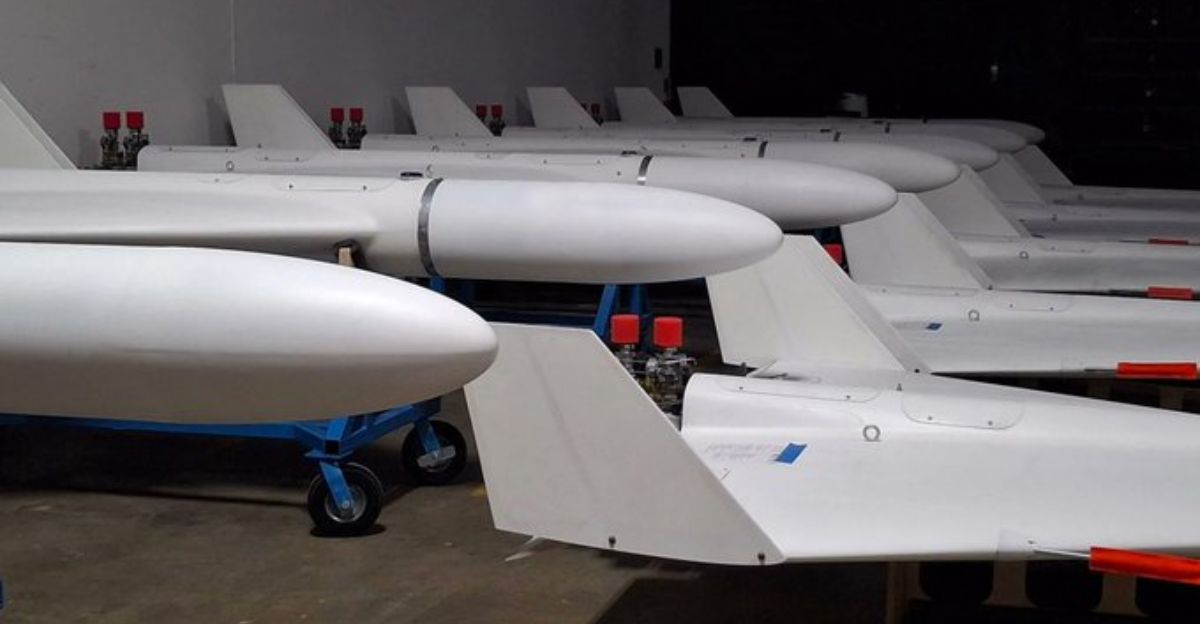
Defense contractors specializing in uncrewed systems emerge as clear commercial winners, gaining contracts and operational feedback rarely available in peacetime programs. Some traditional missile manufacturers face future pressure as missions shift toward cheaper alternatives.
Meanwhile, Iranian proxies lose exclusive control over swarm-based asymmetric tactics—but civilian populations near both U.S. and proxy facilities face increased exposure during potential retaliatory cycles.
Markets Watch Defense Stocks and Oil Futures

Financial markets respond quickly to drone-related military developments. Investors track uncrewed-systems manufacturers, semiconductor suppliers, and defense-heavy funds for profit signals tied to mass procurement.
At the same time, any hint of escalation affecting oil infrastructure or maritime corridors can move crude futures within hours, placing drone deployments alongside troop movements as critical market-moving indicators.
What This Means for Ordinary Consumers
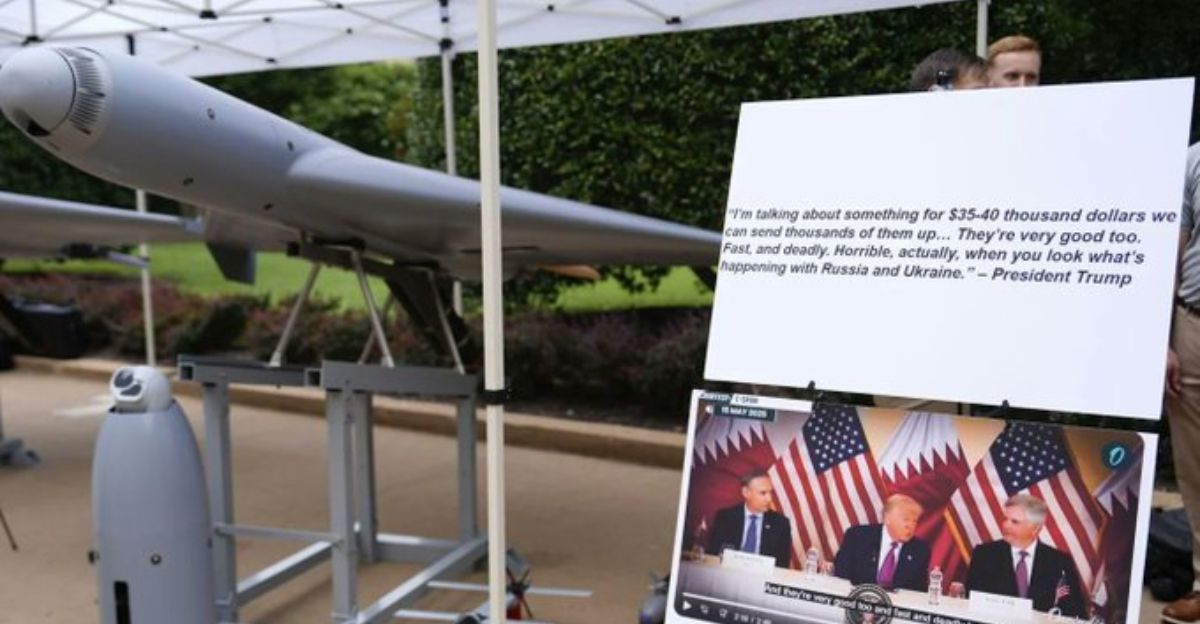
For most consumers, the effects of LUCAS deployment remain indirect but real. Energy volatility influences fuel prices, while geopolitical tension shapes travel insurance, airline routes, and investment risk.
Practical responses include monitoring travel advisories, diversifying financial exposure rather than concentrating on single defense stocks, and relying on verified reporting instead of viral battlefield clips when assessing emerging regional risks.
How the Drone Race Could Evolve
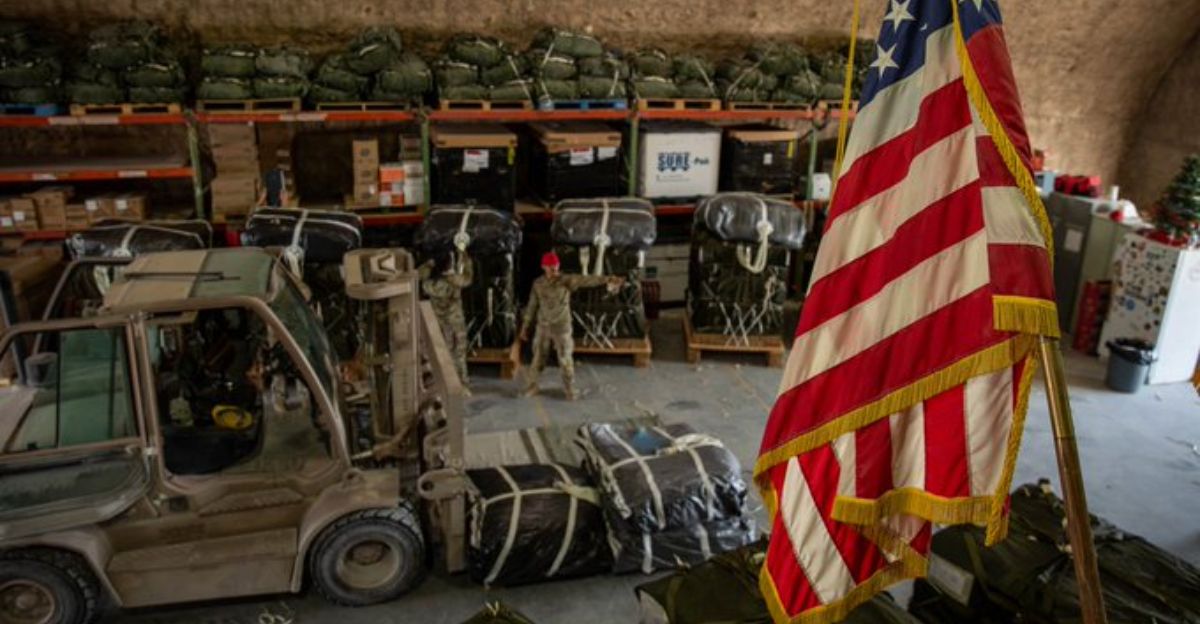
U.S. officials describe Task Force Scorpion Strike as a prototype for future units across other regions. Next-generation variants may carry electronic-warfare payloads, enhanced sensors, or modular warheads.
Adversaries are simultaneously improving air defenses, decoys, and counter-drone systems. The Middle East is increasingly becoming a live testing ground for rapidly evolving offense-defense drone competition.
A New Era of Deterrence by Swarm
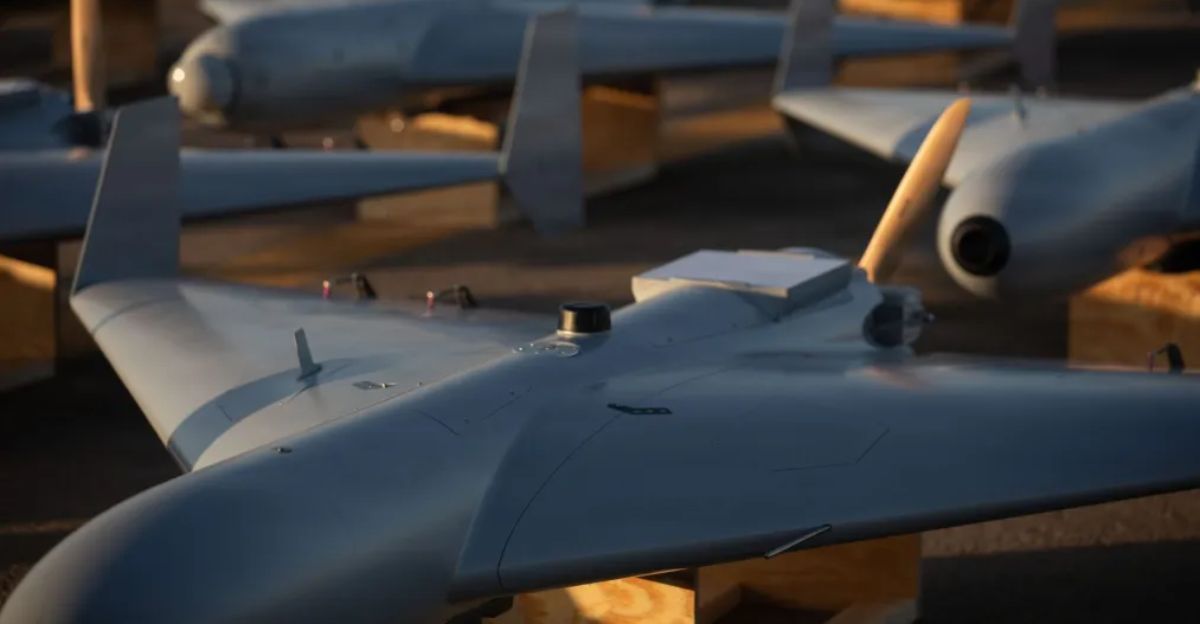
The deployment of America’s first kamikaze-drone squadron marks a turning point in military deterrence. By fielding a Shahed-inspired, low-cost autonomous strike system, the U.S. signals that numerical saturation now stands alongside precision as a core tool of power.
Sources:
War Department – “Centcom Launches Attack Drone Task Force in Middle East,” 14 Sep 2025
DefenseScoop – “US military stands up first kamikaze drone squadron under Centcom’s new ‘Scorpion Strike’ task force,” 2 Dec 2025
ABC News – “US sends 1-way attack drones to the Middle East,” 2 Dec 2025
Military.com – “CENTCOM Unveils Middle East Drone Task Force Boosted by Pentagon Drone Plan,” 2 Dec 2025
The War Zone (The Drive) – “U.S. Deploys Shahed-136 Clones To Middle East As A Warning To Iran,” 2 Dec 2025
Business Insider / Yahoo News syndication – “The US is getting serious about cheap, one-way attack drones with a new force in the Middle East,” 3 Dec 2025