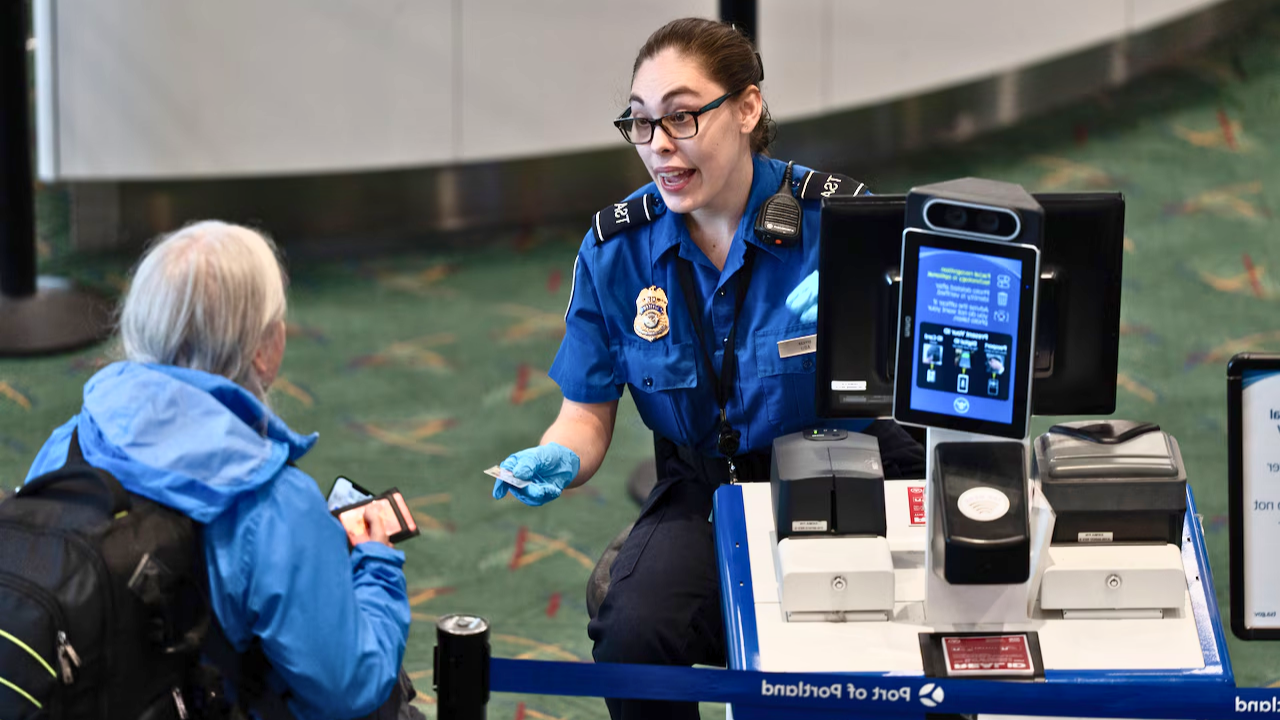
Imagine this: you arrive at the TSA checkpoint and realize you’ve forgotten your ID. Starting February 1, 2026, this simple mistake will cost you $45. The new fee applies to any adult traveler lacking a REAL ID or passport—affecting 6% of U.S. passengers who are non-compliant.
The fee targets adult travelers who forget identification at TSA checkpoints. This new policy aims to ensure more travelers comply with REAL ID requirements, but the financial burden may catch many off guard.
A Growing Problem for Travelers

As REAL ID enforcement intensifies, the consequences for forgetting identification are no longer a minor inconvenience. The TSA’s $45 fee transforms a simple oversight into a significant financial penalty meant to encourage compliance.
This change addresses the recurring problem of travelers forgetting their IDs. The fee’s goal is to make passengers think twice before arriving unprepared for security.
The REAL ID Act: A 20-Year Journey
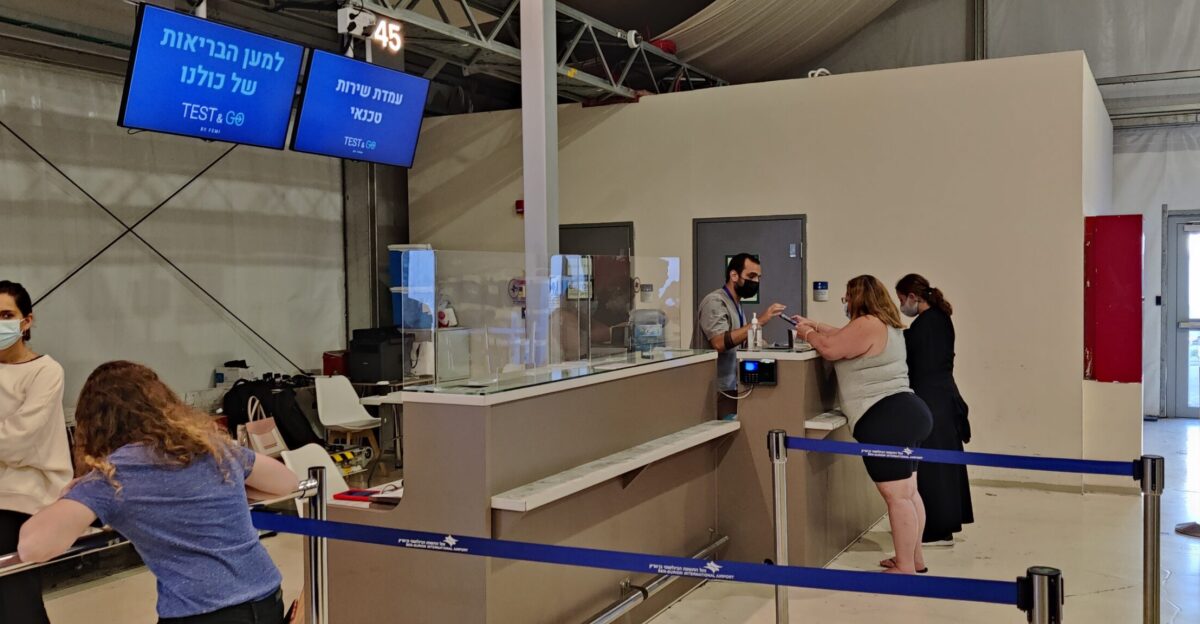
The REAL ID Act, passed in 2005 following 9/11, established stricter identification standards for domestic flights. Multiple delays pushed back full implementation, leaving many travelers unclear about requirements.
Even after nearly 20 years, many travelers still don’t fully understand what constitutes compliant ID. As full enforcement approaches, passengers must prepare accordingly to avoid costly fees.
Enforcement Deadline Looms
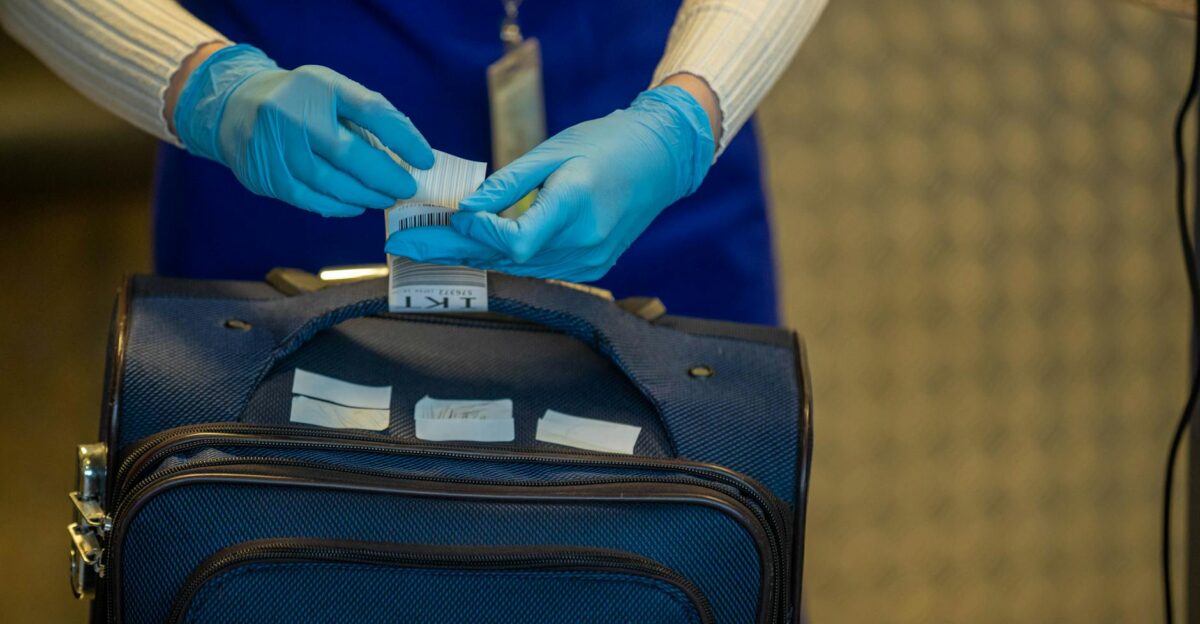
Full REAL ID enforcement began May 7, 2025, requiring adults 18 and older to present compliant ID or passport. Children under 18 can still fly with an eligible adult. For those unprepared, TSA’s Confirm.ID process incurs a $45 fee.
The Confirm.ID process verifies identities through biometric technology. This fee could surprise travelers who thought they were prepared to fly.
A $45 Fee for Forgetful Travelers
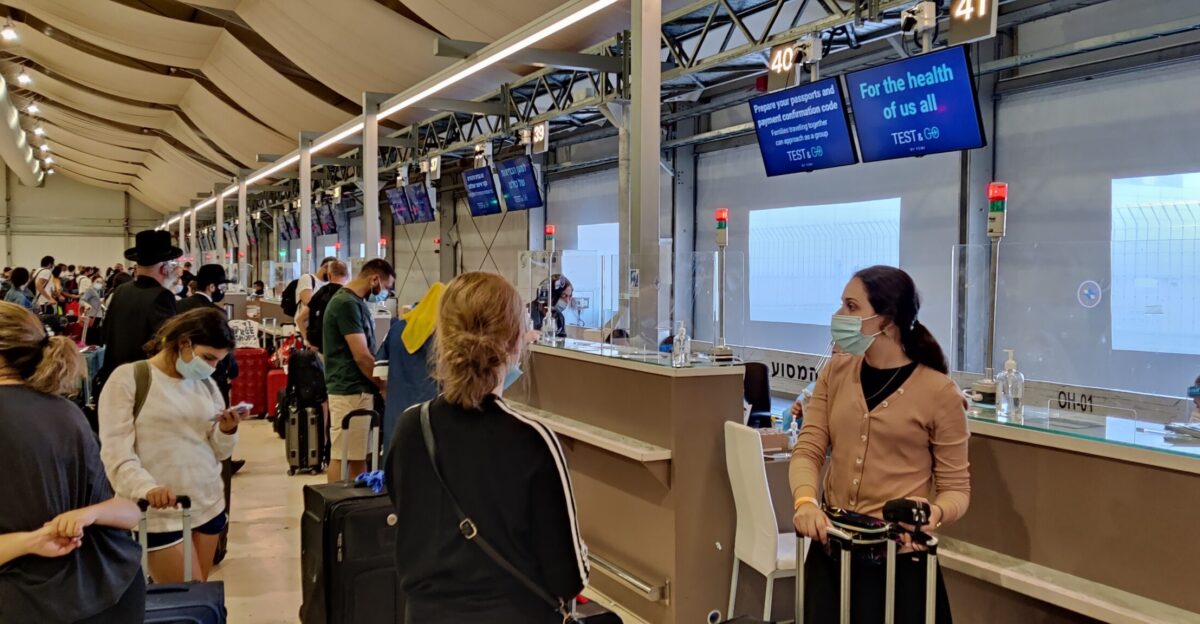
Starting February 2026, TSA charges $45 to passengers arriving without acceptable ID. This covers the Confirm.ID identity verification process and is non-refundable, though rare exceptions may apply.
The fee funds the technology and personnel for identity verification. For travelers already rushing to catch flights, this adds frustration to an already stressful situation.
Who Will Pay the Price?
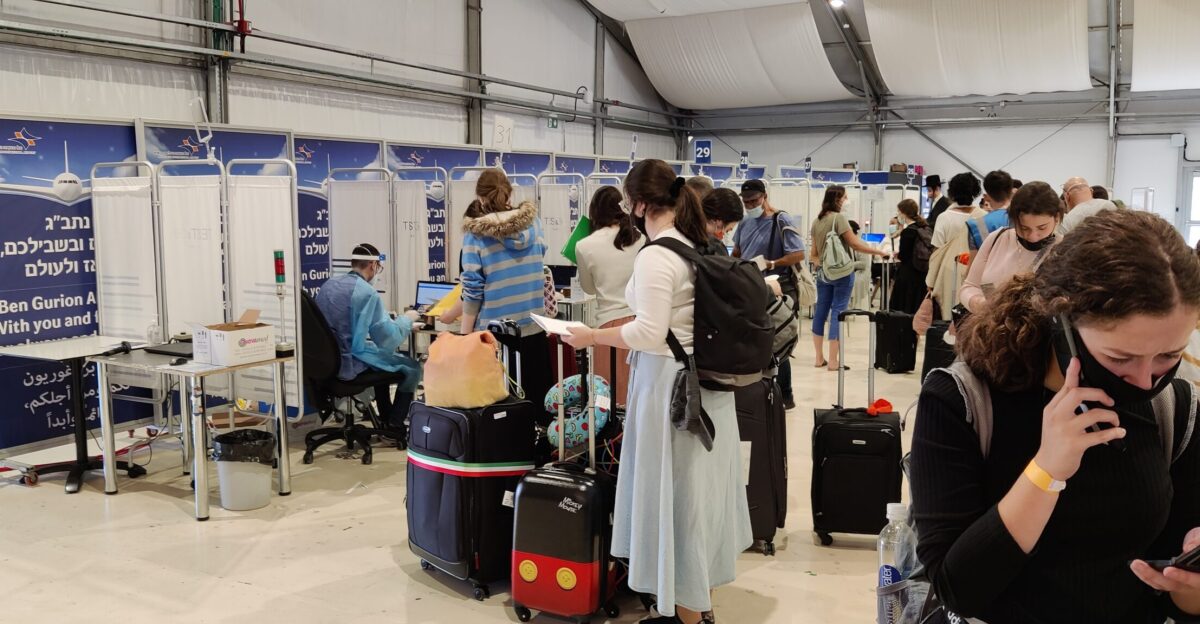
The fee affects all adult travelers lacking REAL ID-compliant licenses, passports, or approved alternatives. While 94% of passengers already comply, occasional travelers—more likely to forget IDs—bear the brunt. Busy airports like Seattle-Tacoma and Atlanta may see longer lines.
Frequent flyers won’t be as impacted as occasional travelers who struggle to remember identification requirements. The fee disproportionately affects those at larger, busier airports.
A Family’s Financial Burden

For families, Confirm.ID fees add up quickly. A parent forgetting their wallet could pay $45 per flight leg, and another $45 on return if the trip exceeds the 10-day verification window. A family of four traveling two weeks could face $360 in fees ($45 × 4 people × 2 trips).
Unexpected expenses could strain family vacation budgets significantly. These costs hit particularly hard for families who rarely travel.
Confirm.ID: A High-Tech Solution

TSA presents Confirm.ID as a security measure, not merely a penalty. The system uses facial recognition and biographical data to verify identity without physical ID, funded through the $45 fee for technology and staffing.
While TSA argues the system is essential for security, many passengers may resent paying for a mistake they could easily avoid.
The Rise of Digital IDs
The $45 fee reflects a broader trend toward digital identification in air travel. With mobile boarding passes and digital IDs becoming standard, TSA’s biometric verification shifts the burden onto travelers without proper ID.
This shift may feel like an added cost for those still relying on physical ID cards as airlines and TSA embrace digital technologies.
The 10-Day Limit: A Surprise for Travelers
A critical detail many don’t know: the $45 payment is valid for only 10 days. Travelers with round-trip tickets spanning more than 10 days may face additional fees for return flights if lacking compliant ID.
This unexpected limitation could significantly impact those staying longer than anticipated, leading to cumulative charges.
No Guarantees with the Fee

Paying the $45 fee doesn’t guarantee TSA will successfully verify your identity. Critics argue this creates frustration when long lines, delays, and uncertainty about boarding clearance follow payment.
Despite paying, travelers face uncertainty about whether they’ll be allowed to board. This lack of guarantees leaves passengers frustrated when already under time pressure.
Balancing Security with Budget Constraints
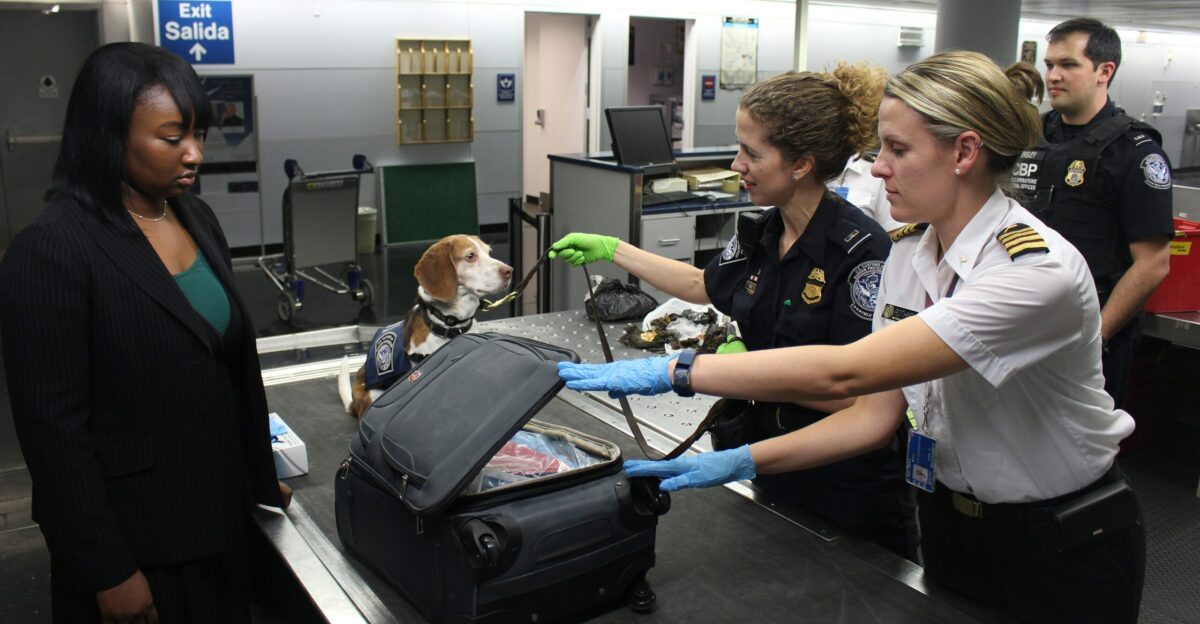
TSA implemented the $45 fee to balance security and budget constraints. Initially proposed at $18, rising technology and staff costs pushed the fee to $45. While TSA insists the fee covers added resources, travelers question whether costs are truly justified.
The jump from $18 to $45 has sparked concern about whether increases are necessary for security or simply raise revenue for TSA’s budget.
Early Warning System
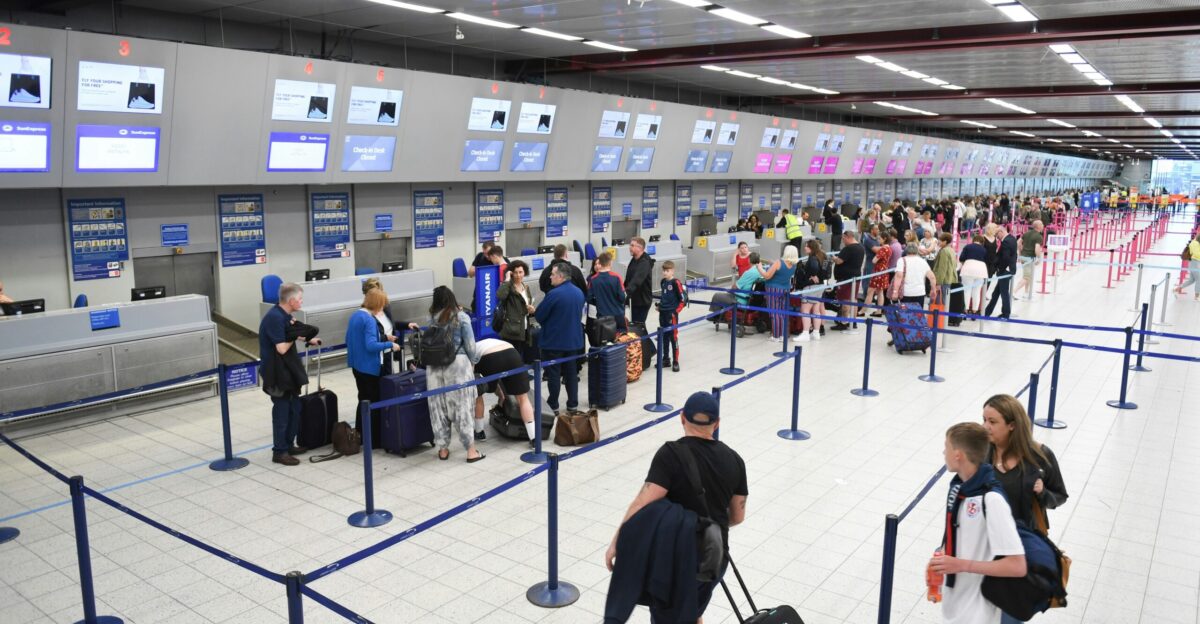
TSA works with airlines and airports to alert passengers about new ID rules before reaching checkpoints. The goal is encouraging early REAL ID acquisition and preventing unexpected fees. However, confusion still affects occasional travelers.
Despite partnership efforts, many travelers unaware of REAL ID deadlines remain confused about requirements.
Experts Question the Efficacy of the Fee
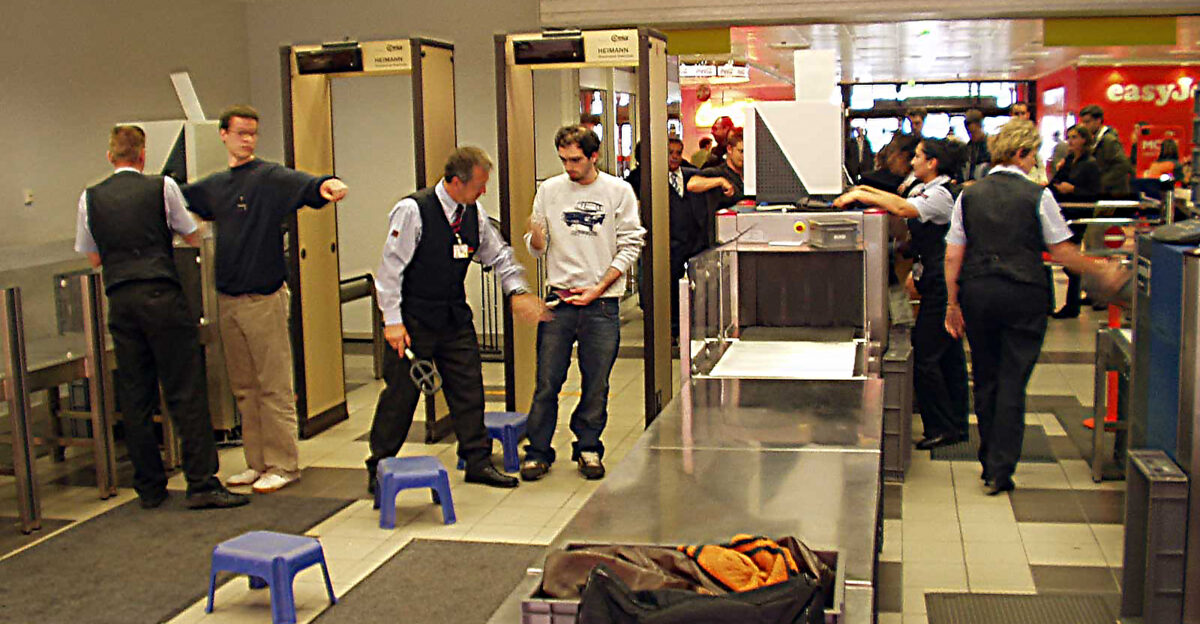
Travel experts and civil rights advocates raise concerns. Julian Kheel of Points Path noted the policy creates “a bizarre situation where your identity expires like a carton of milk,” requiring another $45 payment every 10 days despite no identity change. Ifeyinwa Davis of Louisiana Appleseed highlighted challenges for people with missing birth records or name change legality issues. Critics argue the fee disproportionately disadvantages lower-income Americans.
The 10-day verification window may cause confusion rather than enhance security. These concerns reflect broader equity and practicality issues.
The Future of Air Travel

TSA’s $45 fee will shape future air travel. Will passengers adopt digital IDs to avoid fees, or will confusion persist about REAL ID deadlines? TSA’s handling significantly affects public trust in airport security.
The outcome of this policy will influence long-term passenger behavior and perceptions of airport security management.
A Federal vs. State Issue

REAL ID rollout tensions between federal and state agencies have emerged. Some state motor vehicle agencies like Maine and New Hampshire reported printing glitches, leaving travelers with valid IDs unable to board despite bureaucratic compliance.
State-level issues with REAL ID processing cause confusion for some travelers, potentially forcing them to pay the $45 fee through no fault of their own.
Comparing Global ID Requirements

The U.S. introduces TSA checkpoint verification fees while other countries rely on passports or national ID cards. In Europe, penalties are generally handled through immigration checks rather than security. International travelers may find American rules unfamiliar and unique.
TSA’s fee application at security checkpoints differs significantly from global practices, potentially surprising international passengers.
Privacy Concerns Over Facial Recognition

Civil liberties groups raise concerns about TSA’s facial recognition use. Critics worry about privacy violations, potential data retention, and technology inaccuracies. TSA insists the system is verification-only, but concerns will likely grow as more passengers experience it.
As more travelers use Confirm.ID, privacy and accuracy concerns may intensify if problems arise with the technology.
Security or a Revenue Stream?
TSA’s fee raises questions about its true purpose. Some view it as necessary for safety; others see it as revenue generation. Debate continues over whether TSA should charge for identity verification or focus solely on security.
The distinction between security measures and revenue tools remains contentious among passengers and policymakers.
The New Era of Air Travel Penalties

TSA’s $45 fee signals a shift in U.S. air travel security management. Mistakes are now monetized, and security increasingly ties to digital verification systems. Missing your ID now costs more than time—it carries a substantial financial penalty.
This reflects a larger shift toward digital identity verification with financial consequences for non-compliance.
Sources:
CBS News — “TSA to start charging travelers $45 if they don’t have a Real ID”
Published: December 1, 2025
USA Today — “TSA will charge you a $45 fee if you travel without REAL ID”
Published: December 1, 2025
NPR — “U.S. air travelers without REAL IDs will be charged a $45 fee”
Published: December 2, 2025
Marketplace.org — “Airline travelers without a REAL ID or equivalent will now have to pay a fee”
Published: December 4, 2025
Aero Time — “TSA replaces $18 ID verification fee with new $45 Confirm.ID”
Published: November 30, 2025
New York Times — “Traveling Without a Real ID? That’ll Cost You $45.”
Published: December 1, 2025