
Scientists are closely tracking Axial Seamount, a powerful underwater volcano about 300 miles off the Oregon coast on the Juan de Fuca Ridge. Instruments on the seafloor show that the volcano is restless again, with many small earthquakes each day and slow inflation as magma accumulates beneath the crust.
Axial last erupted in 2015, sending lava flows stretching for tens of miles across the seafloor, but that event did not threaten people or property on land. Current research suggests another eruption is very likely in the next few years, with forecasts now favoring a window that extends into mid‑to‑late 2026 rather than strictly late 2025.
Seismic Surge
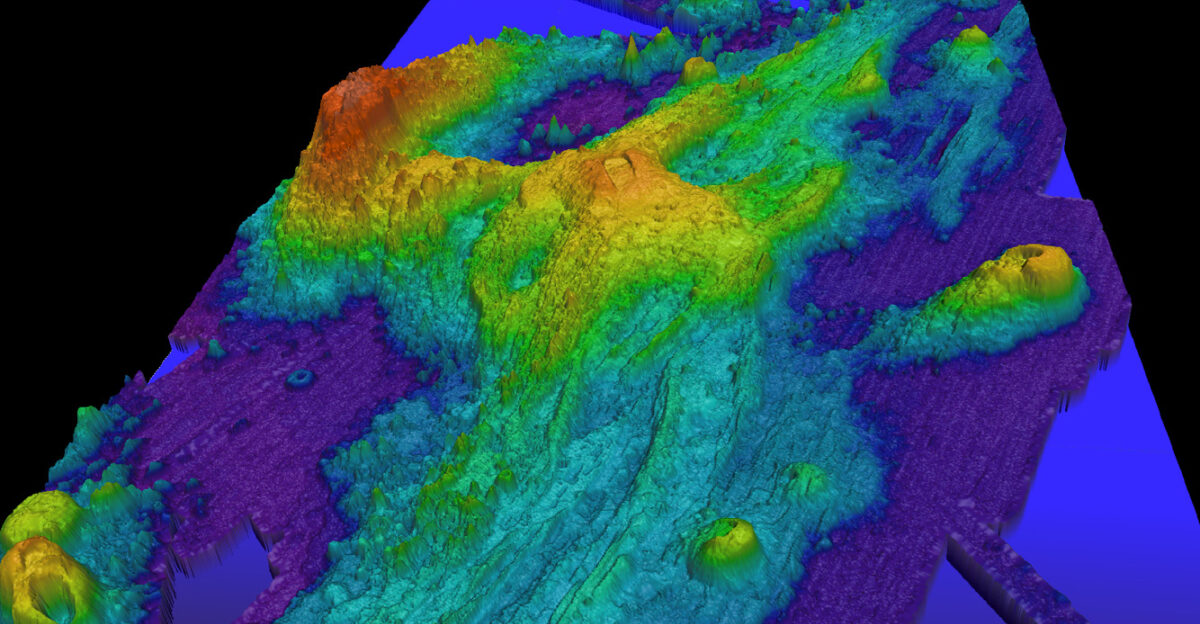
Axial Seamount is currently experiencing elevated seismic activity, with instruments recording on the order of hundreds to more than a thousand tiny earthquakes per day during the most active periods. This pattern is reminiscent of the intense swarms seen before its 2015 eruption, when many thousands of quakes occurred within roughly a day as magma forced its way through the crust.
Scientists treat the about 10,000 quakes in 24 hours phrase as a rounded description of that extreme swarm rather than a precise count, but it captures how dramatic the shaking became. Today, seismometers on the cabled observatory listen continuously for these signals, which, together with measurements of seafloor uplift, help estimate how close the volcano is to its next eruption.
Volcano Profile

Axial Seamount is the most active known submarine volcano in the northeast Pacific Ocean, sitting along the Juan de Fuca Ridge where tectonic plates are pulling apart. It lies roughly a few hundred miles west of the Oregon coast and rises about 3,600 feet above the surrounding seafloor, with its summit still nearly a mile beneath the ocean surface.
Documented eruptions occurred in 1998, 2011, and 2015, making Axial one of the few deep‑sea volcanoes with a well‑observed multi‑decade record of repeat activity. Each eruption has followed a pattern in which the volcano slowly inflates as magma accumulates, then suddenly deflates when lava erupts and drains from the shallow magma system. Because of this relatively regular cycle and dense monitoring, Axial has become a natural laboratory for understanding how submarine volcanoes work over time.
Pressure Build
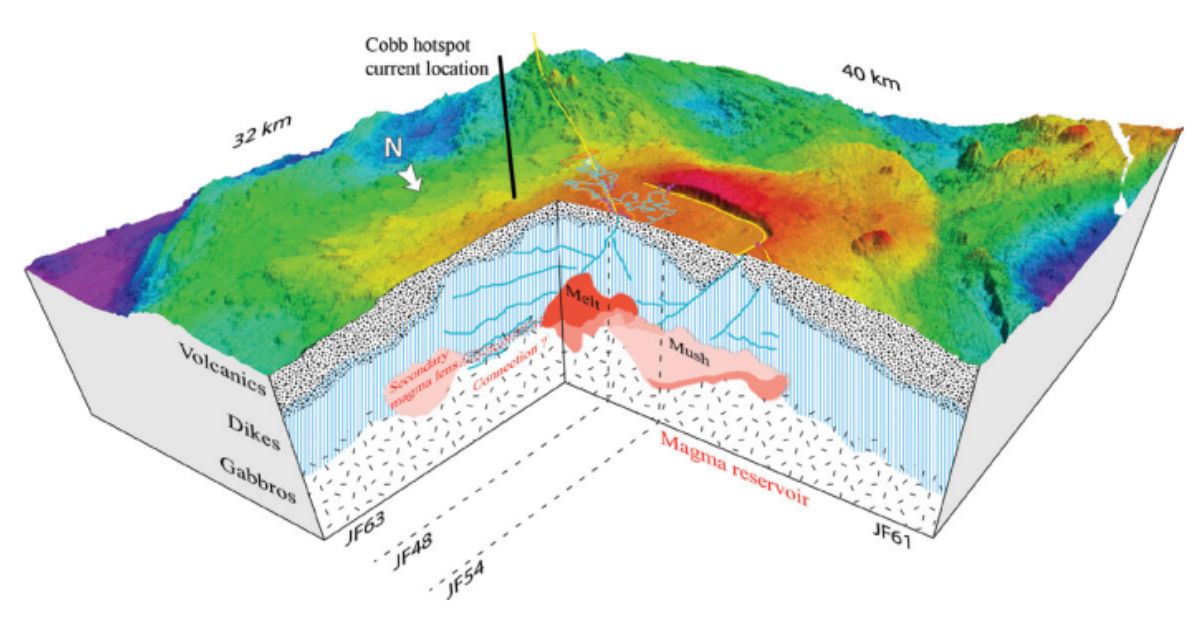
Beneath Axial Seamount, magma is gradually collecting in a shallow reservoir only about 1–2 kilometers below the seafloor, pushing the crust upward over time. High‑precision instruments on the cabled array measure this uplift in real time, showing that the volcano has reinflated significantly since the 2015 eruption and in recent years even exceeded the pre‑2015 inflation level.
However, new data indicate that the rate of uplift has slowed somewhat, suggesting that magma is rising more slowly and that the system may need more time to reach the breaking point than first expected. This pressure build‑up also contributes to the frequent small earthquakes recorded around the volcano as rocks crack and adjust. Researchers emphasize that these steady changes in height and seismicity are key clues for estimating when Axial might next erupt.
Eruption Outlook
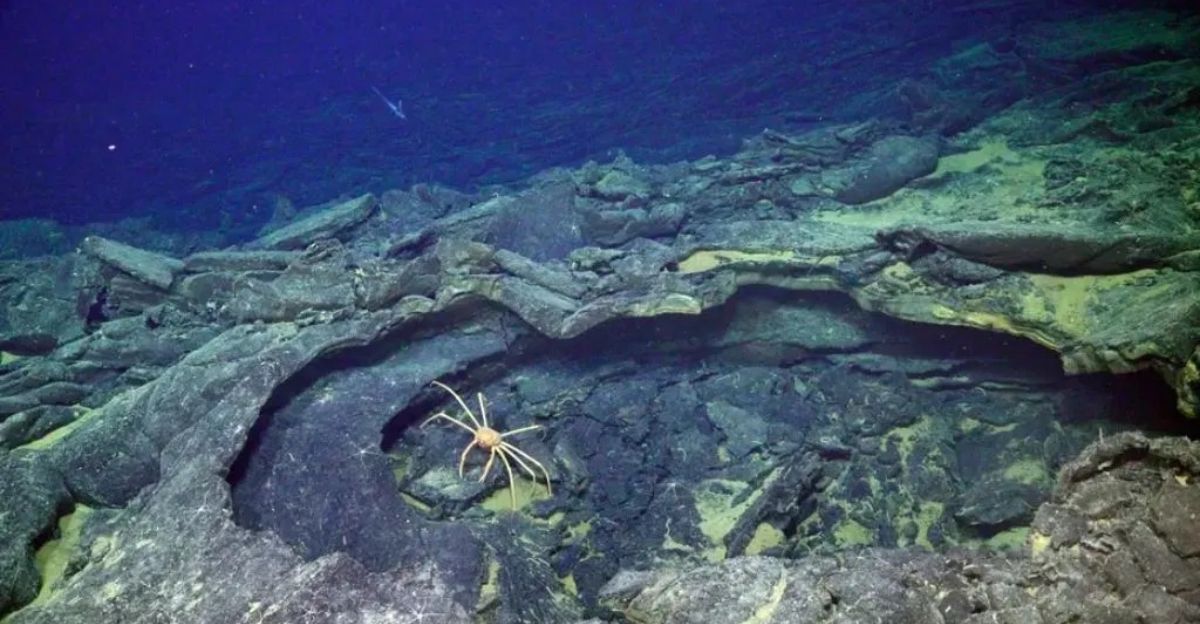
Early forecasts based on Axial’s past inflation‑deflation cycles suggested a high chance of eruption sometime in 2025 or 2026, and some communications framed the odds as very strong by late 2025. Updated analyses now point toward a broader and slightly later window, with several independent reports indicating that mid‑to‑late 2026 has become the most likely timeframe while still acknowledging that an earlier eruption remains possible.
Scientists avoid stating a precise probability like 95% for a specific late‑2025 date, because the latest data show that uplift has slowed and timelines can shift as the volcano evolves. Instead, they describe a high overall likelihood that Axial will erupt within the next few years, based on repeated cycles, long‑term monitoring, and the volcano’s track record. As one expert explained, forecasts are “probabilistic, not promises,” especially for deep‑sea eruptions.
Regional Impact
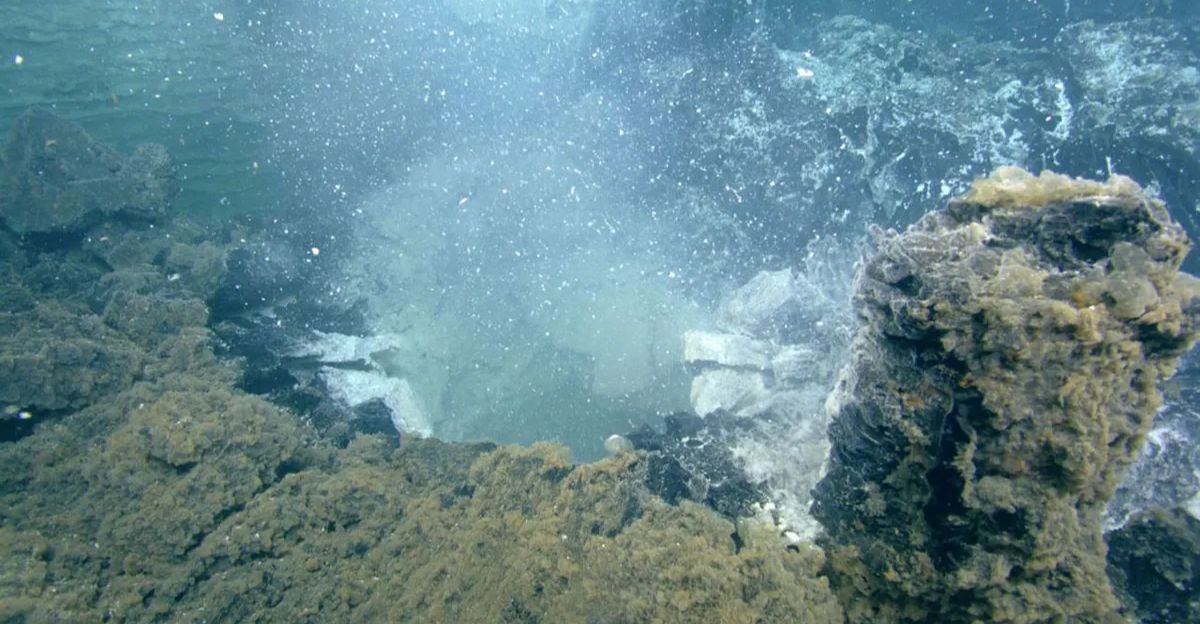
Despite the intense interest in Axial Seamount, experts consistently stress that its eruptions pose minimal direct hazard to people, infrastructure, or coastlines. The volcano is located hundreds of miles offshore and nearly a mile beneath the surface, so even large lava flows and vigorous venting remain confined to the deep seafloor. The types of eruptions observed at Axial in 1998, 2011, and 2015 did not generate damaging tsunamis, and models and official statements indicate that a similar event in the coming years is not expected to produce significant waves or ashfall for the Pacific Northwest.
Seismic shaking from Axial’s small earthquakes is also unlikely to be felt on land, given the distance and depth involved. One researcher noted that even a ship directly above the volcano during an eruption might not notice anything unusual at the surface.
Human Stories

For many oceanographers and geophysicists, Axial Seamount represents a once‑in‑a‑career opportunity to watch a submarine volcano evolve in real time. Researchers from the University of Washington, Oregon State University, and partner institutions describe a mix of scientific excitement and humility as they monitor daily data streams from the seafloor.
In interviews, scientists explain that while Axial may be quietly explosive far below the surface, it offers loud insights into how Earth’s crust behaves when plates pull apart and magma rises.
Global Science Moves

Axial’s unrest is drawing attention from research teams around the world who see it as a benchmark case for submarine volcanism. Scientists from multiple countries work with the Ocean Observatories Initiative’s Regional Cabled Array, along with autonomous vehicles, ship‑based surveys, and satellite data, to build a complete picture of the volcano’s behavior.
International collaborations aim to use Axial’s data to test new physics‑based eruption models, compare predictions against real events, and refine methods that could eventually apply to other mid‑ocean ridge volcanoes. Conferences and workshops now regularly feature Axial as a case study in how to combine seismic, geodetic, and chemical measurements in one integrated observing system.
Long‑Term Pattern

Axial Seamount’s modern eruption history reveals a pattern of activity roughly every decade or so, with confirmed eruptions in 1998, 2011, and 2015. Each event was tied to a cycle in which the volcano gradually inflated as magma accumulated, then abruptly deflated during eruption as lava drained away along rift zones on the seafloor.
These repeat cycles, combined with continuous monitoring, allow scientists to compare how quickly magma fills the system from one eruption to the next and how the crust responds over time. The most recent measurements show that uplift after 2015 reached and even surpassed previous pre‑eruption levels before slowing, which helped shift forecasts toward a slightly later eruption date than earlier predictions. Each new eruption will add another data point, sharpening understanding of Axial’s long‑term rhythm.
Life at the Vents

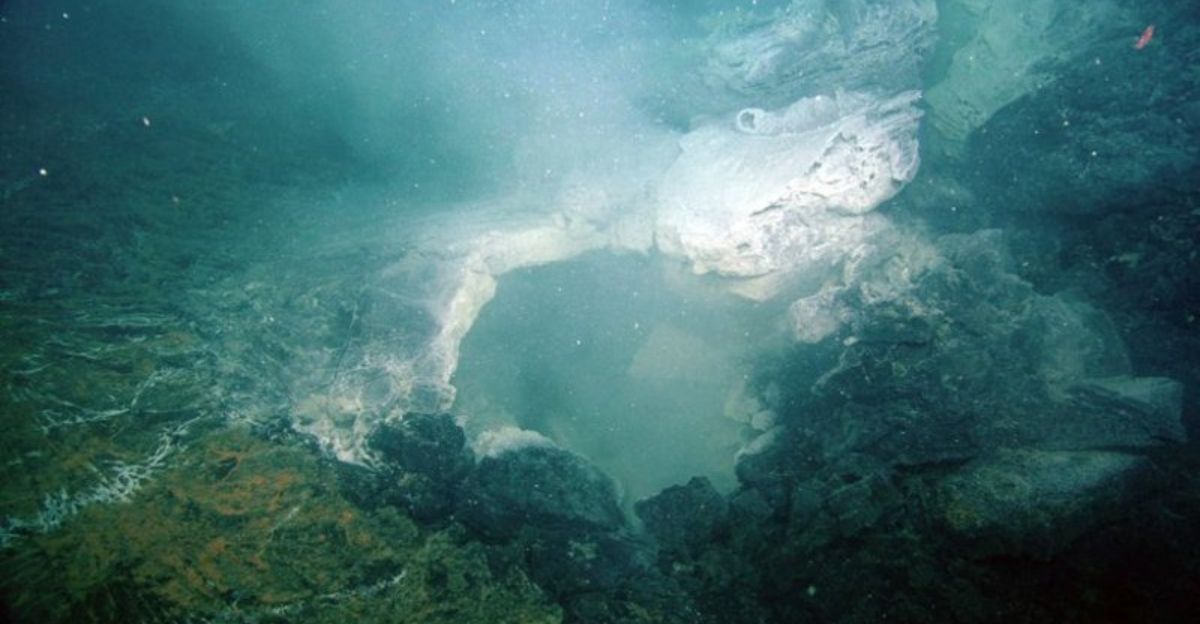
Around Axial’s hydrothermal vents, unique deep‑sea communities thrive in total darkness, fueled by chemical energy rather than sunlight. When the volcano erupts, these vent fields can be buried by lava, heated, or chemically altered, causing dramatic short‑term disruption to local ecosystems. Studies at Axial and similar sites show that many vent organisms can recolonize and recover over timescales of months to years, though the exact pace and pattern vary from place to place and are still an active area of research.
Scientists use remotely operated vehicles and long‑term sensors to watch how new vents form, how fluids change, and how life returns after each eruption. While general resilience is well supported, specific claims about recovery within just a few months at Axial are better viewed as approximations rather than precise, universally documented timelines.
Uncertain Timing

Despite the dense network of instruments at Axial, scientists still face major challenges in pinpointing exactly when an eruption will start. Stakeholders, including agencies, educators, and the interested public, sometimes express frustration that forecasts cannot narrow timing down to a specific day, week, or even year. Researchers explain that underwater volcanoes do not follow human schedules, and even with high‑quality data, the system can speed up, stall, or change behavior unexpectedly.
Recent forecast revisions, which pushed the most likely window from around 2025 toward mid‑to‑late 2026, illustrate how subtle changes in uplift rate can significantly alter predicted timing.
Who’s Watching

The Ocean Observatories Initiative’s Regional Cabled Array, led by the University of Washington and supported by the U.S. National Science Foundation, provides the backbone of Axial Seamount’s monitoring network. Fiber‑optic cables on the seafloor deliver power and high‑bandwidth communications to a wide range of instruments, including seismometers, pressure sensors, chemical probes, and video cameras.
These tools send data to shore in near real time, allowing scientists to follow changes in seismicity, seafloor height, fluid chemistry, and biological activity as they happen. Additional partners, such as Oregon State University and other institutions, contribute ship time, autonomous vehicles, and specialized instruments to expand coverage. Together, these efforts make Axial one of the most closely watched submarine volcanoes in the world and a showcase for long‑term ocean observatories.
Seeing It Live
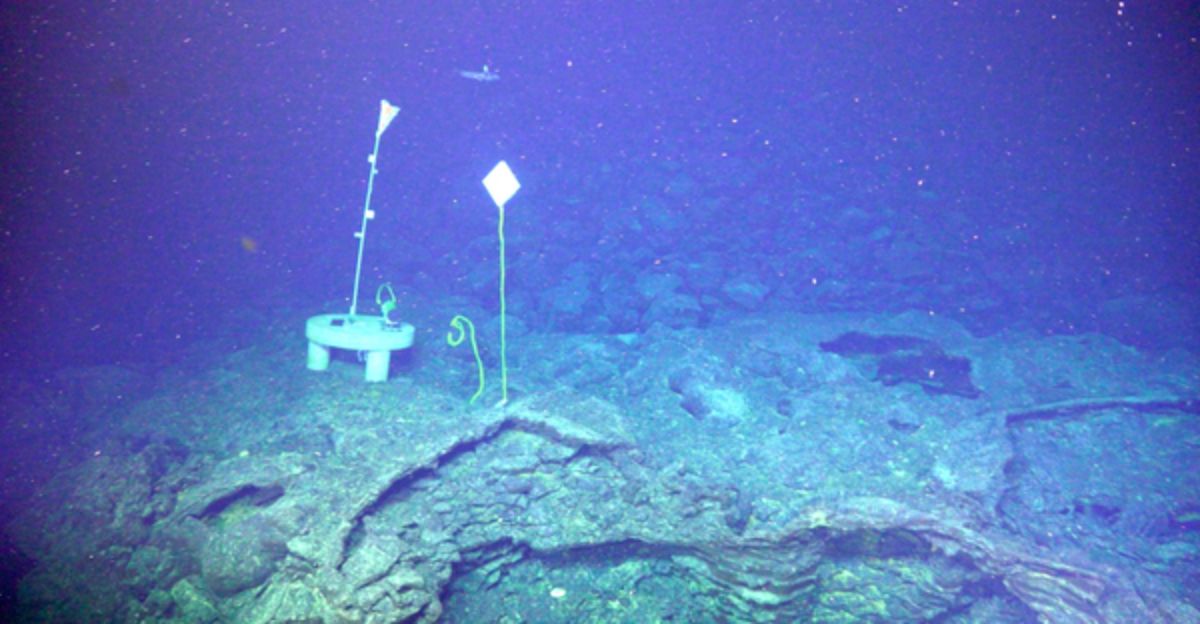
Because Axial is wired into a permanent seafloor network, scientists and engineers are working to share more of the volcano’s activity with the public through live video and data portals. High‑definition cameras installed near hydrothermal vents and other key sites already stream continuous footage to shore, where it can be incorporated into outreach and educational materials. Several groups have described plans and goals to highlight the next eruption in near real time, potentially including public‑facing streams or special broadcasts that showcase seismic and visual signals as the event unfolds.
However, a fully guaranteed, globally accessible first ever undersea eruption livestream has not been formally documented in detail, so such descriptions are better viewed as ambitious objectives rather than confirmed outcomes. Even so, Axial is likely to be one of the best‑observed submarine eruptions to date when it finally occurs.
Healthy Skepticism
Not all experts agree on the exact timing or interpretation of every signal coming from Axial Seamount, and many emphasize the need for caution in public messaging. Some point out that while forecasts based on past cycles are helpful, the volcano can still surprise researchers by erupting earlier, later, or in a slightly different style than expected.
Articles and interviews stress that phrases like any day now or specific probability numbers can give an impression of certainty that the data do not fully support. Instead, scientists highlight ranges and stress that these windows may shift as new information arrives.
What Comes Next

Looking ahead, researchers are asking what the next eruption at Axial Seamount will teach about how Earth builds new ocean crust and how deep‑sea ecosystems respond to rapid change. When the volcano finally erupts, teams hope to capture before‑and‑after maps of the seafloor, detailed records of seismic and deformation signals, and close‑up observations of vents and lava flows.
These data will help answer questions about how much magma is released, how far lava travels, and how long it takes for life to return to disturbed areas. The outcome will not only refine future forecasts at Axial but also inform understanding of similar volcanoes along ridges worldwide. In that sense, the world is watching this remote seamount as a window into Earth’s hidden volcanic engine beneath the oceans.
Sources
- Global Volcanism Program – Axial Seamount (Smithsonian)
- USGS – Axial Seamount overview
- Oregon State University Axial Seamount site and blog
- Ocean Observatories Initiative – Cabled Axial Seamount Array
- LiveScience – Eruption timing (mid‑to‑late 2026 focus)
- NBC News – Underwater volcano off Oregon may erupt