New cars today cost around $48,000 on average and that’s as expensive as a small house. When you spend that much money, picking a dependable brand isn’t just nice to have; it’s essential. A poor choice in reliability can mean an extra $2,000 to $5,000 in repair bills during your first five years of ownership.
In an era of rising prices and uncertain costs from tariffs and inflation, reliability acts like financial insurance for your investment.
How Consumer Reports Measured Reliability
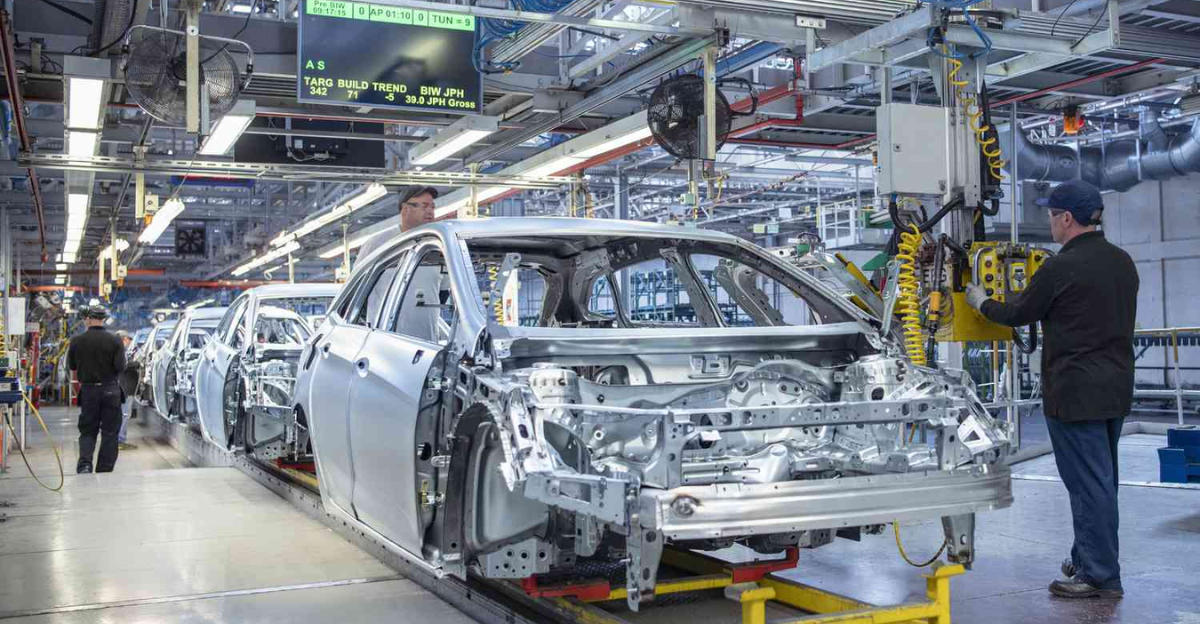
Consumer Reports analyzed data from over 300,000 vehicles spanning 25 years of production, from 2000 to 2025. This massive dataset is the largest reliability snapshot the organization has ever released.
By looking across such a long time period, experts can identify brands that consistently build dependable cars year after year, rather than just getting lucky with one model year. The data tracks engine problems, transmission failures, electrical issues, and in-car technology glitches that owners report in real-world driving conditions.
1. Subaru

Subaru has climbed to the top of the reliability charts, finally surpassing the long-reigning champions Toyota and Lexus. The secret to Subaru’s success is its smart, focused lineup where models share many proven components.
This approach dramatically reduces the chances of costly glitches when cars are updated or redesigned. Popular Subaru models like the Forester, Crosstrek, Legacy, Outback, and Ascent all delivered excellent or above-average reliability ratings. For the first time ever, Subaru has claimed the number-one brand-level reliability crown.
2. Lexus
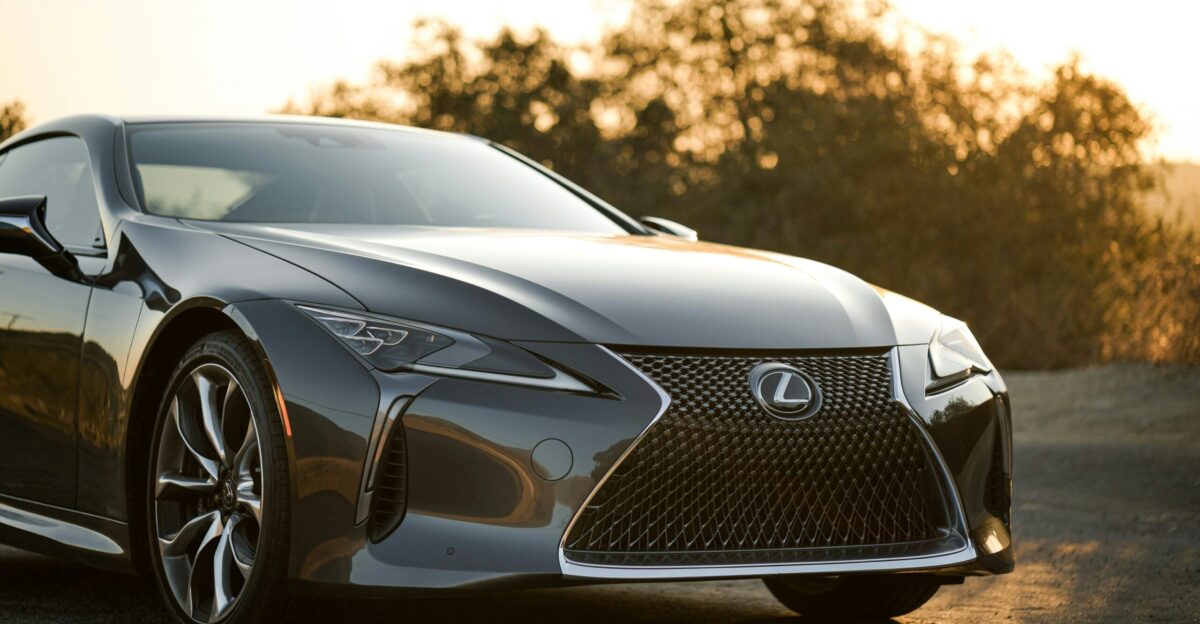
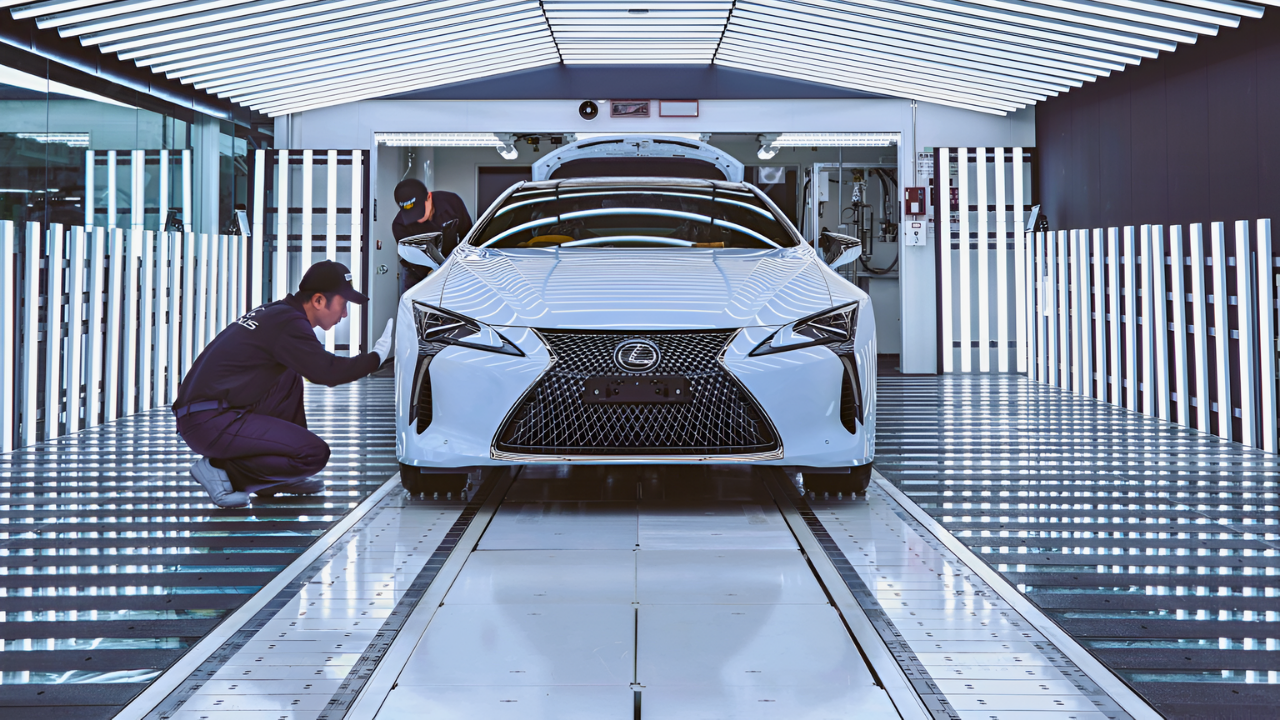
Lexus drops to second place but remains one of the most dependable luxury brands on the road. Multiple Lexus models continue to earn above-average reliability scores, with owners reporting very few mechanical issues.
If you want a luxury vehicle that doesn’t break the bank with expensive repairs, Lexus is an excellent choice. Lexus drivers get the upscale comfort and prestige of a luxury brand without the repair headaches that sometimes come with performance-focused German vehicles. The brand proves you don’t have to sacrifice reliability for elegance.
3. Toyota
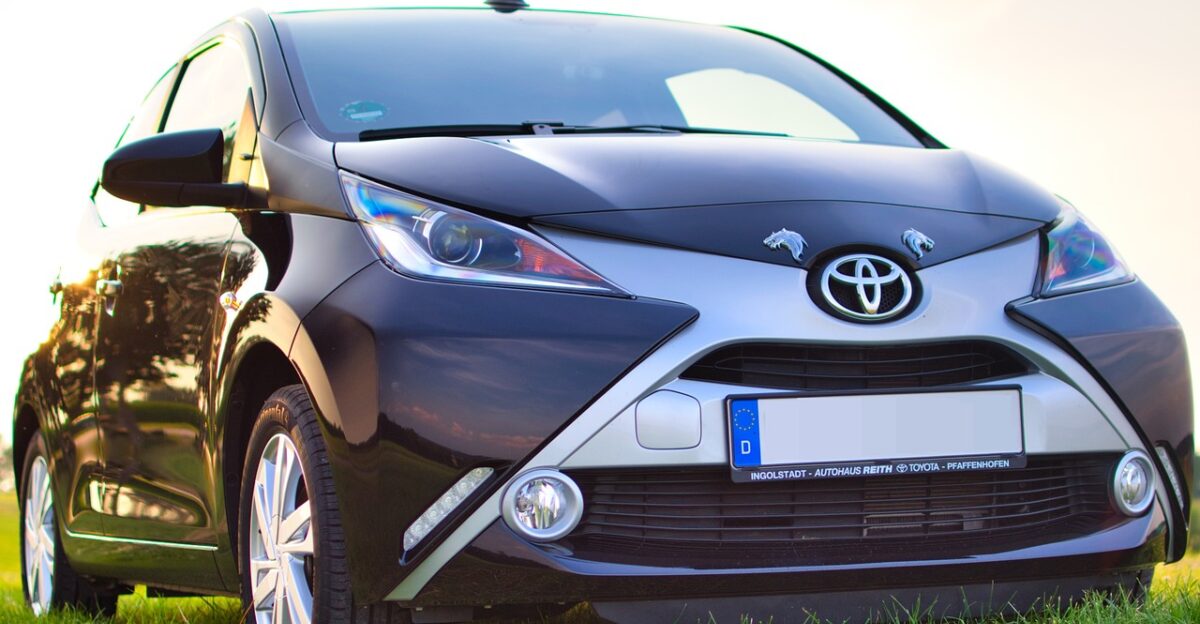
Toyota drops from the top spot to third place, but don’t let that fool you, the brand remains one of your safest bets in any car showroom. Several Toyota models post excellent reliability scores even after major redesigns. For longtime Toyota loyalists, this shift represents refinement rather than decline.
Toyota is still near the very top of the reliability table; it simply faces genuine competition now from Subaru. If you trust your money in a Toyota, you’re making a solid choice for dependable transportation that lasts.
4. Honda
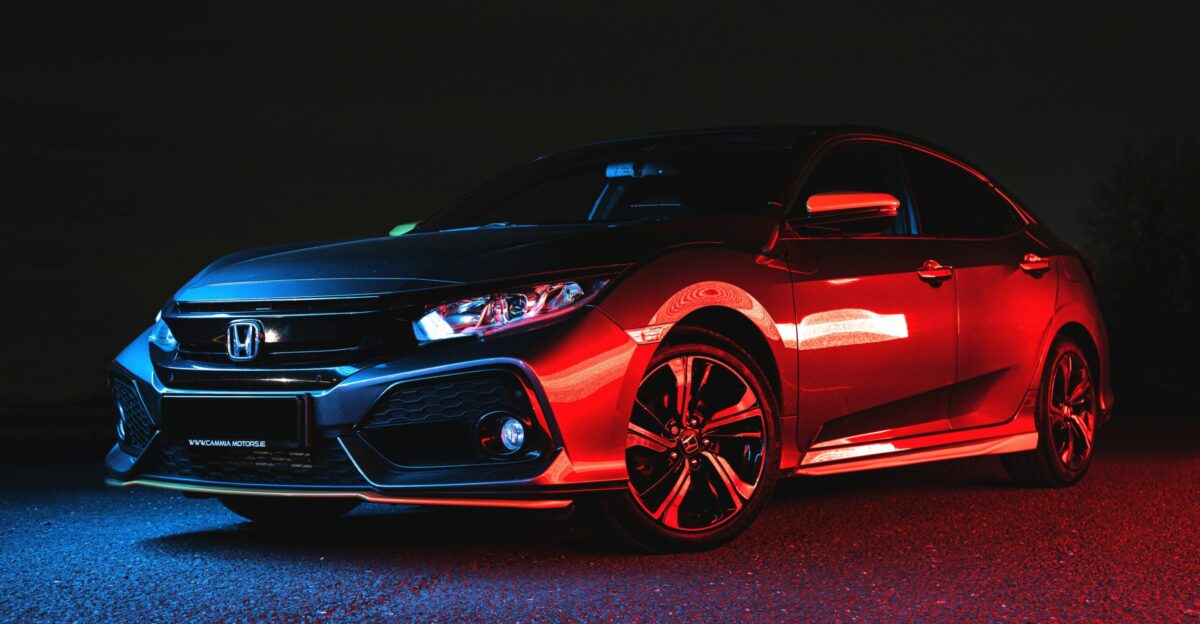
Honda continues its long tradition of building cars and crossovers that age beautifully in driveways and used-car lots alike. While it doesn’t claim the top spot, Honda’s mainstream models reliably avoid major engine and electronics problems.
The brand offers families an excellent combination of value, fuel efficiency, and minimal repair risk. Whether you’re looking at sedans or crossovers, Honda models tend to deliver years of trouble-free driving. When you buy Honda, you’re betting on decades of proven engineering excellence.
5. Mazda
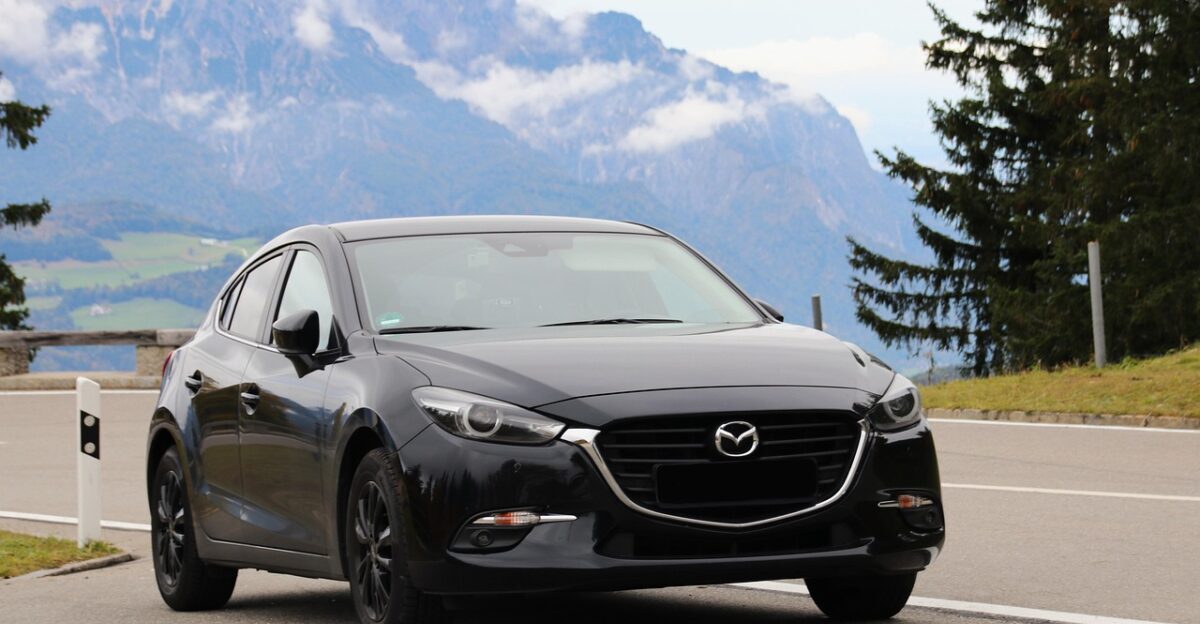
Mazda has created something special: driver-focused cars that don’t sacrifice reliability in pursuit of exciting performance. Many Mazda models rate average or better in long-term dependability studies, making the brand a compelling choice for drivers who want both engaging handling and peace of mind.
Mazda proves that a fun car and a reliable car don’t have to be mutually exclusive. If you want the joy of responsive steering and sharp dynamics without gambling on repair bills, Mazda deserves serious consideration on your shopping list.
6. Hyundai
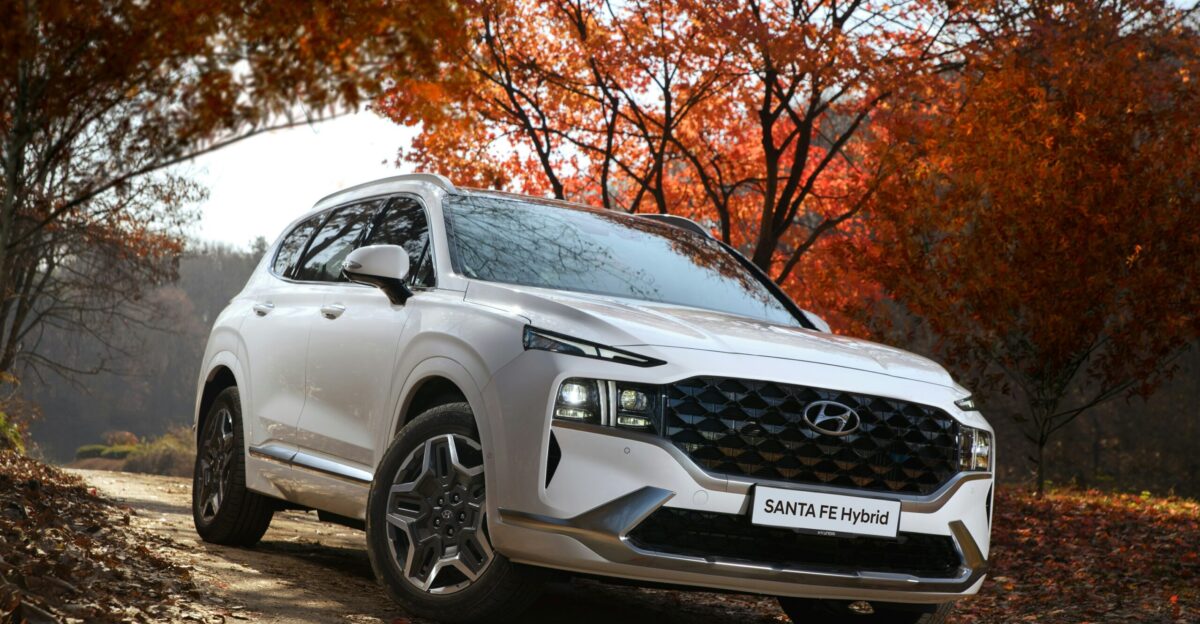
Hyundai’s steady climb over the past decade now shows up in noticeably better reliability scores. Their everyday sedans and crossovers deliver improved dependability, especially compared to just a few years ago.
For shoppers wanting modern features, a strong manufacturer warranty, and reasonable reliability at a price lower than Japanese competitors, Hyundai stands out as one of 2025’s smartest value picks. The brand has worked hard to earn consumer trust, and the latest data shows those efforts are paying off in the real world.
7. Kia
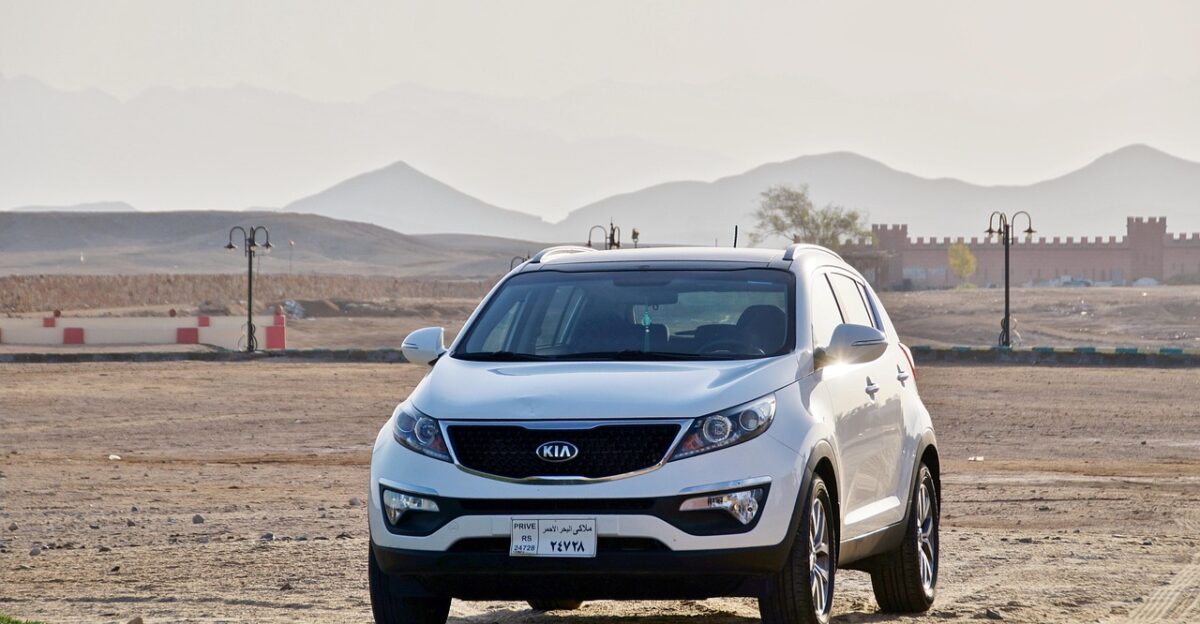
Kia shares platforms and many core components with Hyundai, and that shared engineering has lifted its reliability profile significantly over time. Even as Kia leans into eye-catching styling and feature-loaded interiors, the brand’s core models increasingly avoid the serious engine and transmission defects that can devastate ownership costs.
Owners shopping for bold design don’t have to worry as much about long-term dependability as they did in the past. Kia has matured into a solid middle-ground option for buyers who want personality and reliability in equal measure.
8. BMW
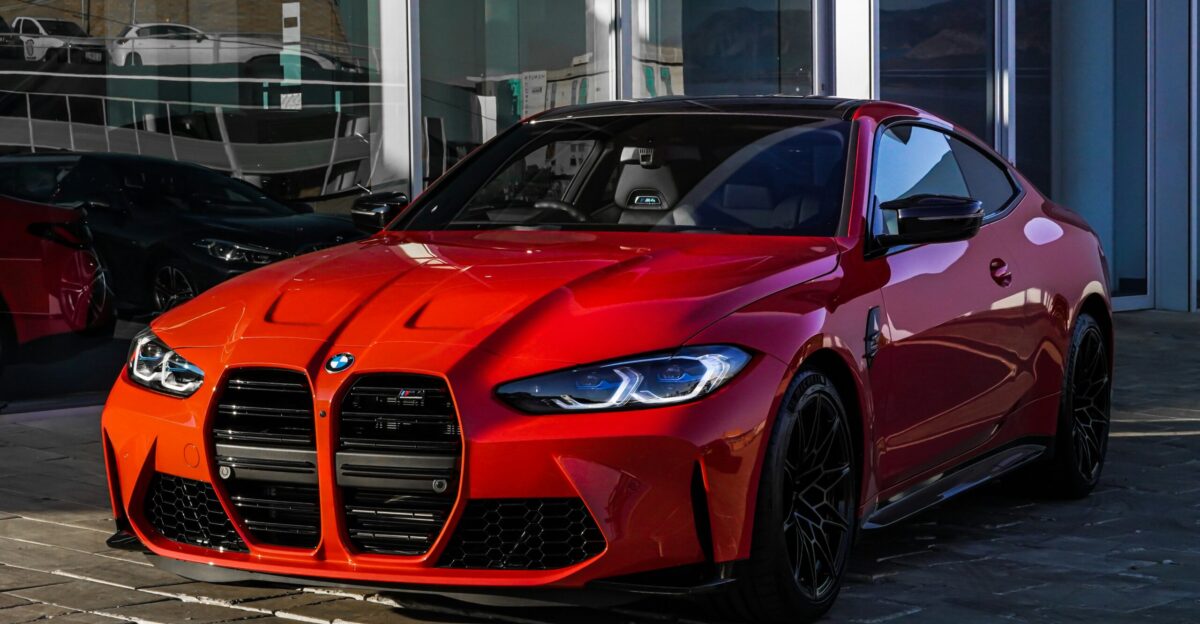
BMW demonstrates that European performance and strong reliability don’t have to be enemies. The brand ranks in the upper tier of recent rankings, with improvements in engine durability and electronics stability reducing the repair penalty once associated with German luxury ownership.
Modern BMW models, especially mainstream vehicles rather than extreme high-performance variants, have become significantly more dependable. If you’ve always wanted BMW driving dynamics but worried about repair costs, recent improvements suggest those concerns are fading.
9. Porsche
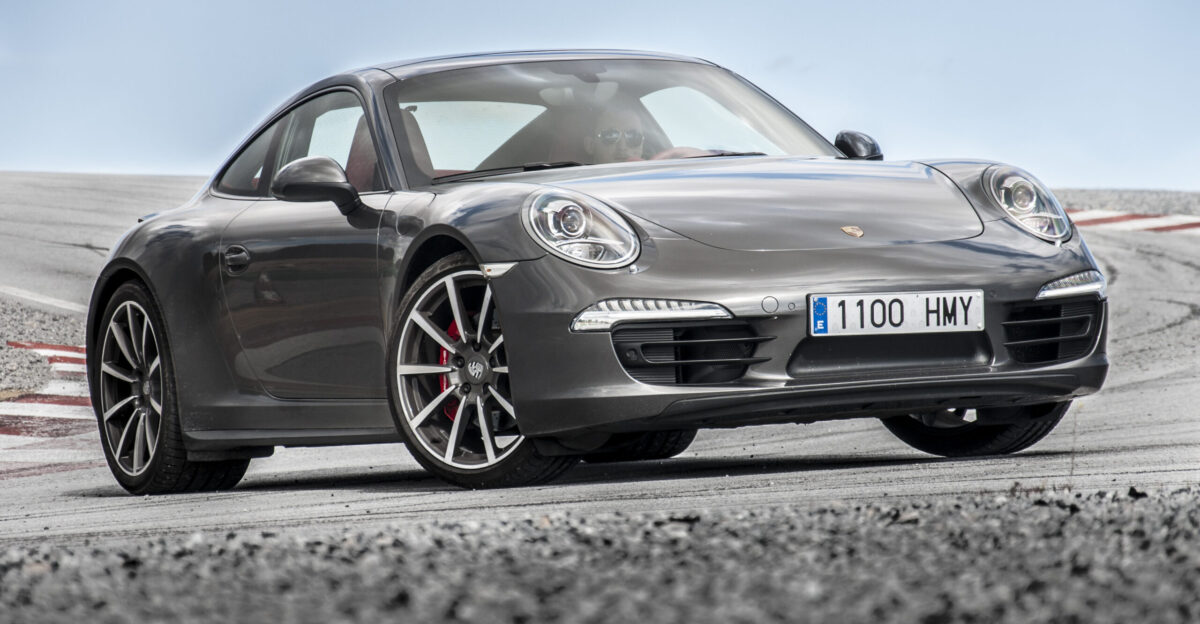
Porsche’s legendary engineering focus translates into vehicles that hold up remarkably well even when driven enthusiastically. Owners report comparatively few serious mechanical failures, and although routine maintenance costs can be high, the underlying reliability record makes Porsche surprisingly practical for buyers who can afford its entry price.
The precision craftsmanship that goes into every Porsche means that owners who can handle the purchase price often enjoy years of genuine dependability. This is engineering excellence where it matters most, in lasting power.
10. Acura
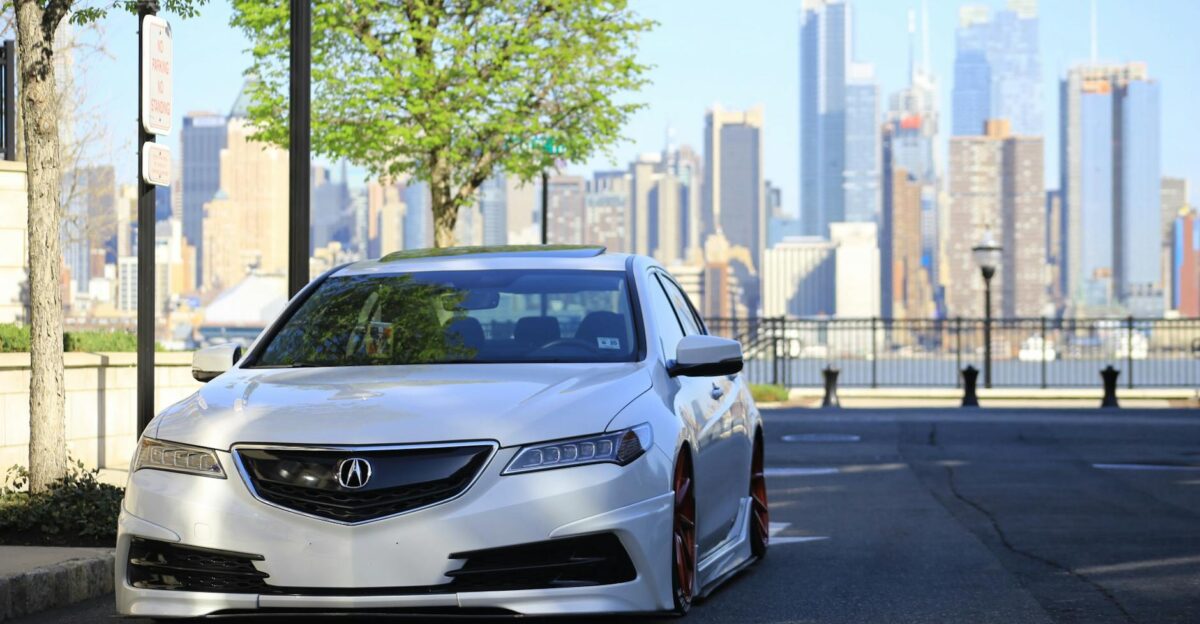
Acura benefits from Honda’s proven engineering discipline, delivering upscale vehicles that typically avoid the electrical and infotainment problems that plague some luxury competitors. The brand offers a quiet harbor in a sometimes-stormy market of premium vehicles.
For buyers seeking a luxury badge backed by a solid track record of trouble-free ownership, Acura stands out as one of the smartest choices among premium brands. You get the status and comfort of a luxury vehicle without trading away the dependability that makes vehicles enjoyable to own.
11. Lincoln
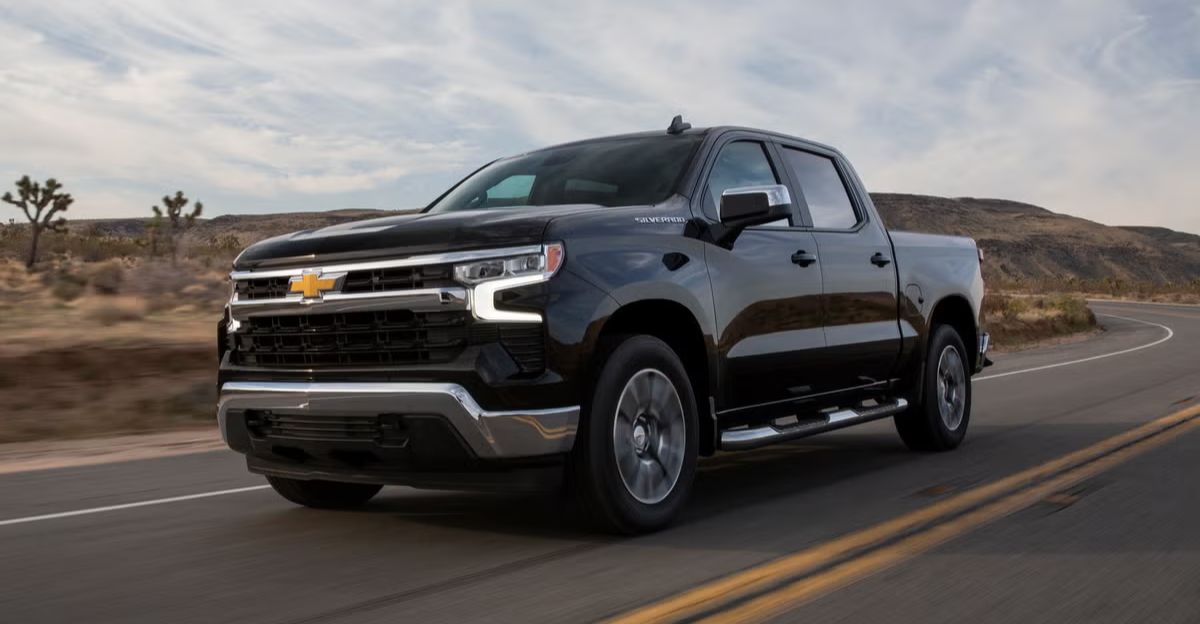
Lincoln has made notable strides in recent years, emerging as one of the better-performing American luxury brands in reliability rankings. While not yet in the very top tier, the brand’s upward movement shows that even complex SUVs can achieve respectable dependability when manufacturers invest in quality control and simplify technologies that previously caused problems.
Lincoln’s improvements signal that American luxury is evolving, and buyers are noticing the positive changes in real-world reliability.
12. Buick
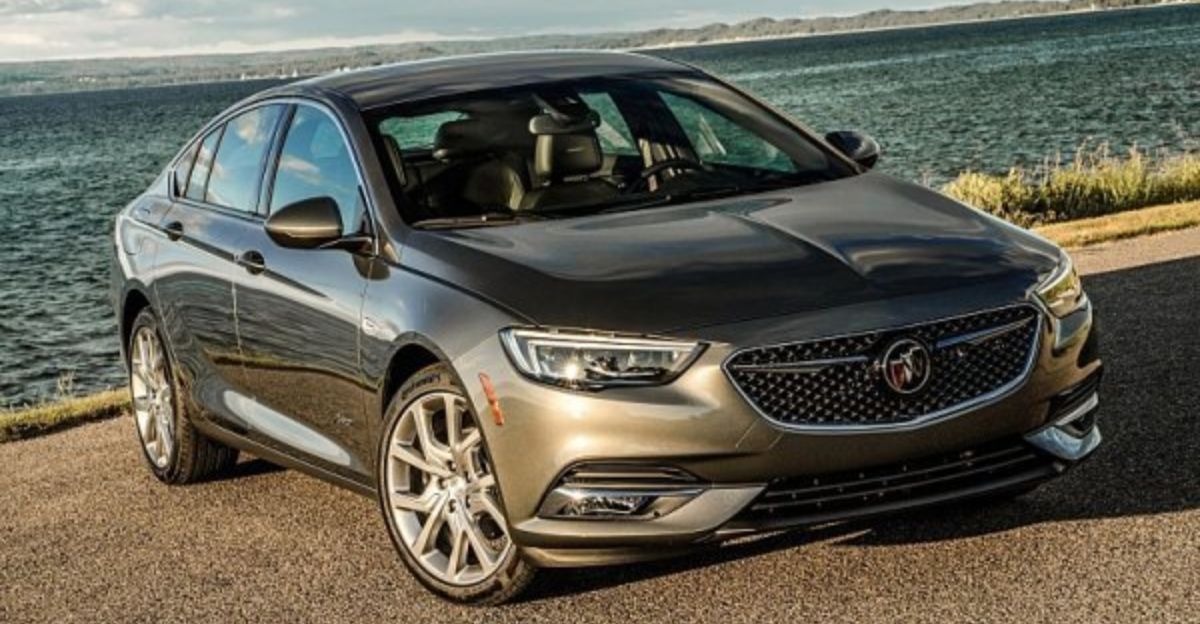
Among traditional Detroit automakers, Buick consistently posts some of the strongest reliability scores, especially for its simpler, practical crossovers. For buyers who prefer an American nameplate but want to minimize trips to the repair shop, Buick provides a useful middle ground between budget domestic brands and pricier Japanese or European options.
Buick has quietly proven that American manufacturing can deliver solid dependability for everyday drivers seeking value with confidence.
13. Chevrolet
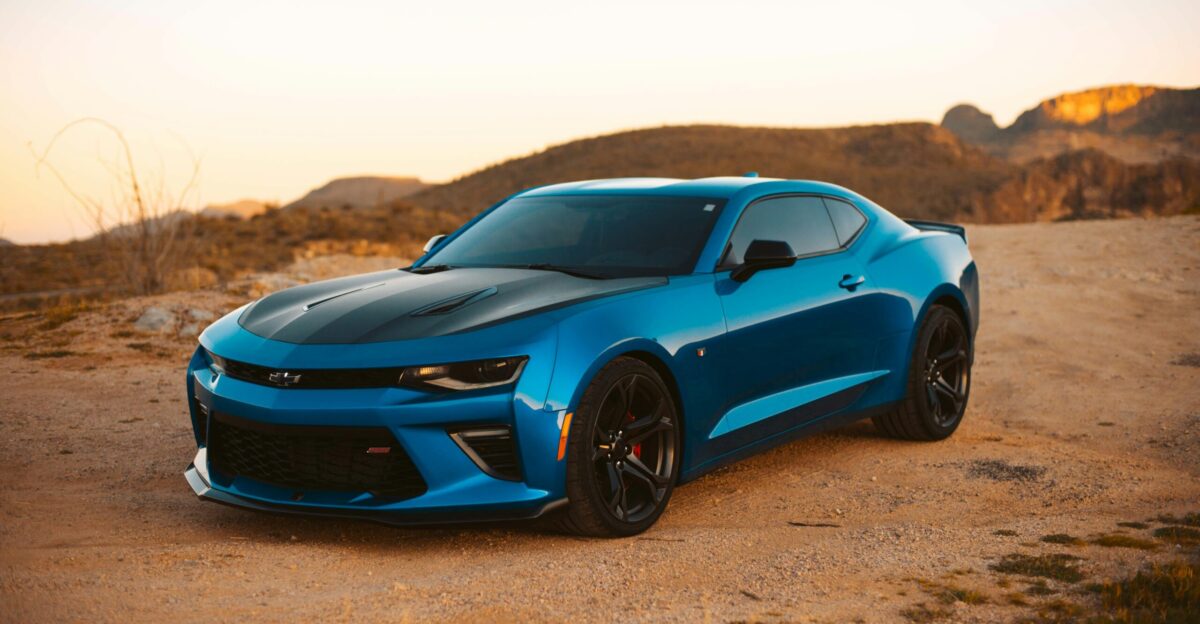
Chevrolet remains one of America’s best-known brands, but recent reliability data shows a more mixed picture than top-tier Japanese competitors. Consumer Reports’ brand-level results and model forecasts place several Chevrolet vehicles, including the Colorado pickup and Tahoe SUV, below average for predicted reliability, reflecting issues in areas such as drivetrains and electronics.
For shoppers who prioritize low long‑term repair risk, Chevrolets can still make sense when heavily discounted or when individual models earn stronger scores, but the brand as a whole currently sits closer to the middle or lower tier than the true reliability leaders highlighted in this guide.
14. Nissan
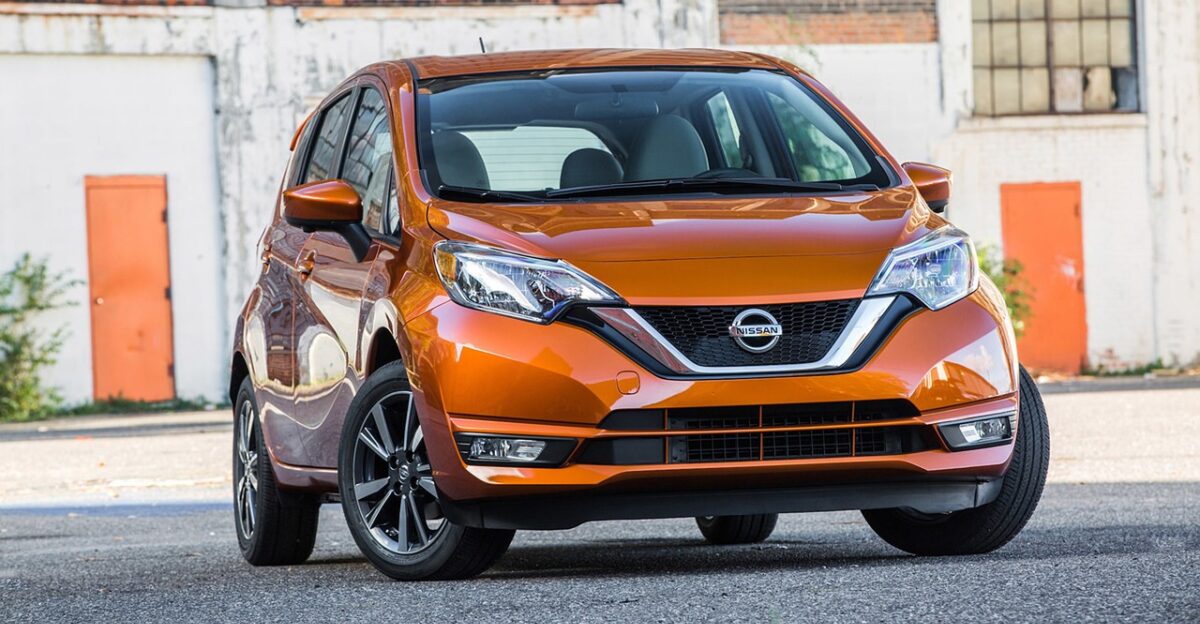
Nissan has moved up from lower positions to a stronger showing, helped by incremental improvements in core models. While not yet a top-three stalwart, the brand increasingly offers reasonably reliable transportation with modern safety technology, especially in mainstream sedans and compact crossovers.
Nissan’s upward movement suggests the manufacturer is listening to feedback and making meaningful changes. The brand remains an option worth considering, particularly if you find a good deal on specific models with strong reliability records.
15. Audi
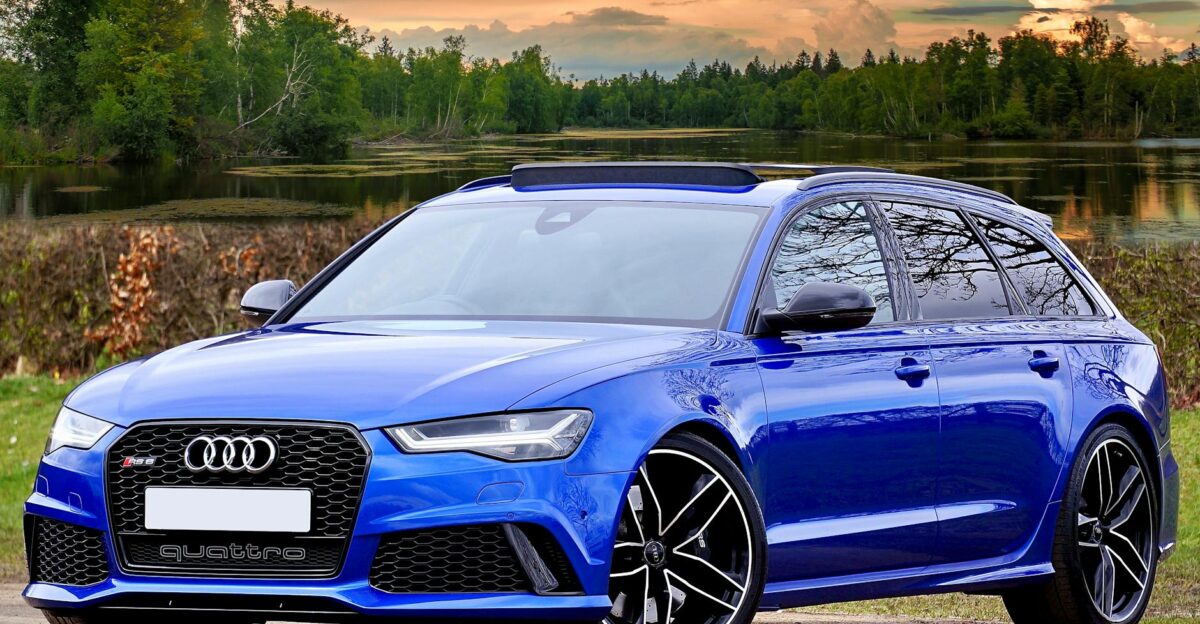
Audi has historically traded some reliability for advanced technology and interior refinement, but newer data shows movement toward the upper middle tier for certain models. Buyers willing to stay on top of routine maintenance and software updates can enjoy upscale cabins and strong performance without the high failure rates associated with older generations.
Audi is becoming a smarter choice for tech-savvy owners who understand that premium vehicles require attentive care.
16. Ford
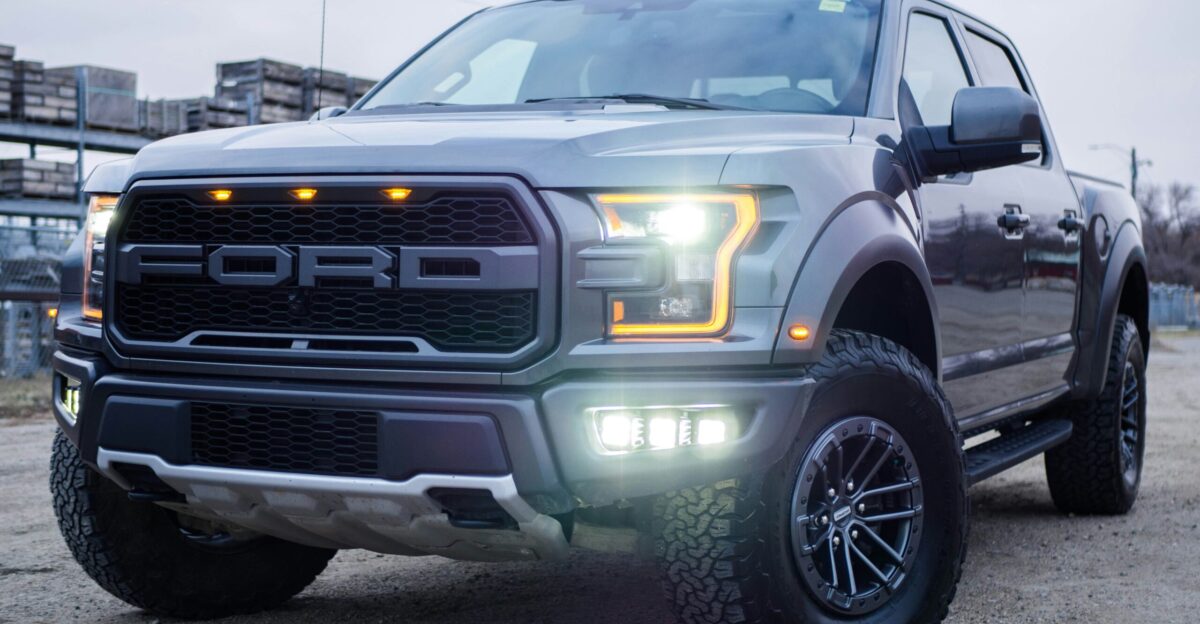
Ford sits in the middle of the pack for 2025 reliability, with Consumer Reports data and follow‑up coverage showing the brand achieving roughly average scores overall while still trailing the top Japanese and some European rivals.
Several key models, including the F‑150 Hybrid and Escape Hybrid, have improved from previously poor ratings to around average reliability, and brand‑level analyses note that Ford’s latest ranking is its best in many years, signaling meaningful progress even if it has not yet joined the true reliability leaders highlighted in this guide
17. MINI
MINI has quietly become one of the more dependable small‑car brands, with recent reliability surveys in Europe and North America showing its hatchback, Countryman, and electric models performing at or above average compared with other new cars.
Independent testing and owner surveys report relatively few serious mechanical issues, with most problems limited to minor electrical or bodywork niggles and repair costs generally staying modest, making MINI an appealing option for buyers who want distinctive styling and agile handling without a major reliability penalty.
Your Smart Buying Strategy

For U.S. households buying new cars, these rankings serve as a high-stakes map through tariffs, inflation, and complex vehicle technology. The safest strategy is to start your search with brands that consistently rank at the top and treat bottom-ranked badges as red-flag warnings.
Treat the lowest-ranked brands as caution signs unless you have both a compelling reason to buy them and a realistic budget for potential repairs. Remember, choosing a reliable brand today means protecting your wallet tomorrow.
Sources
- Consumer Reports – “Who Makes the Most Reliable New Cars?”
- Consumer Reports – Cars main hub (methodology, rankings, brand data)
- CarEdge – “The 10 Most Reliable Car Brands for 2025 Will Shock You”
- MotorTrend – “What Are the Most Reliable Car Brands?”
- BrandVM – “The Most Reliable Car Brands in 2025: Dependability You Can Trust”