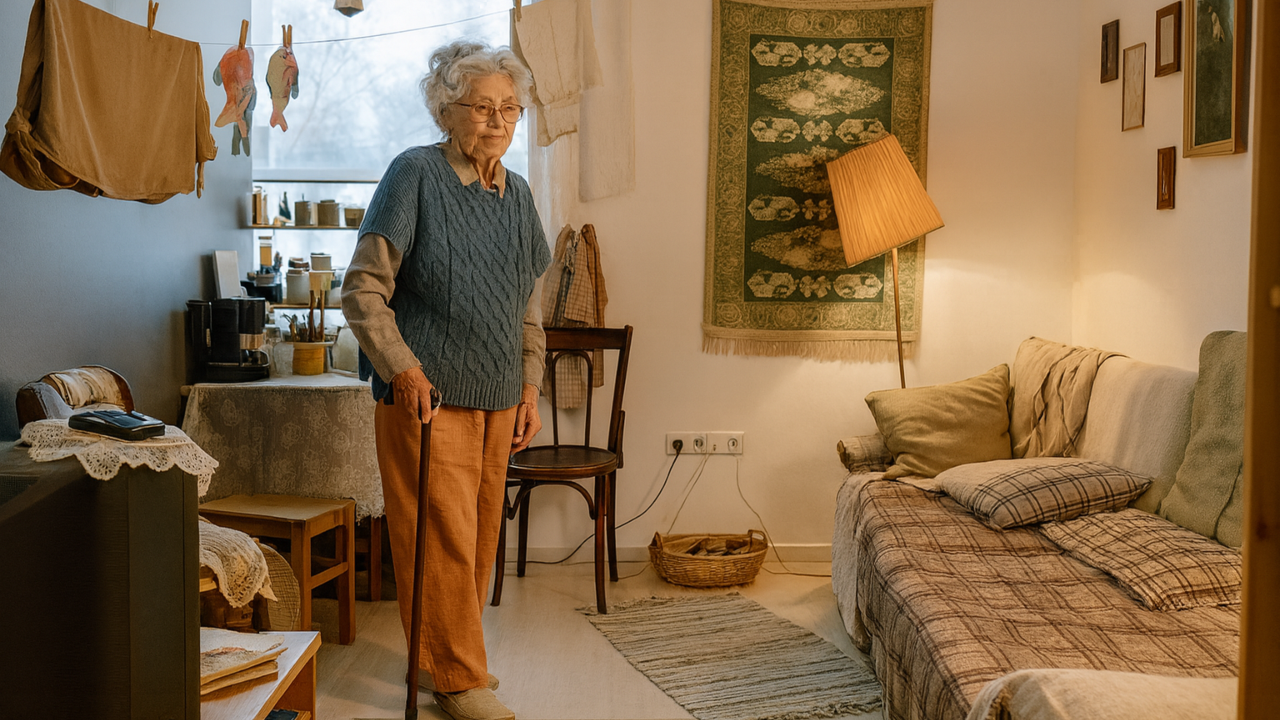
Growing up in a lower-middle-class household often manifests in subtle, practical choices around the home, and the living room is one of the clearest spaces where those choices quietly emerge.
These objects usually signal a blend of careful budgeting, pride in small luxuries, and a focus on durability over design trends, revealing resourcefulness rather than any lack of care, taste, or pride in the home environment.
1. The “Good” Couch No One Uses
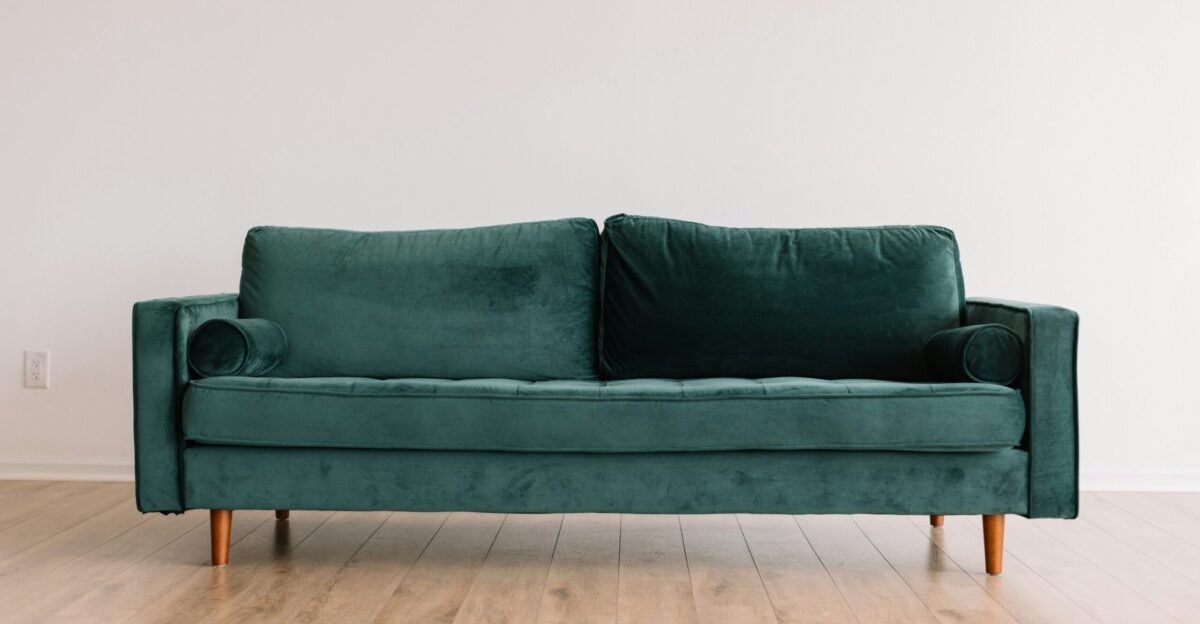
In many lower-middle-class homes, the living room features a designated “good” sofa or seating area that is kept almost pristine and reserved for guests or special occasions.
Children may be reminded not to lounge there casually, and protective layers, such as plastic covers, throws, or blankets, help shield the upholstery from spills, dirt, and daily wear, thereby extending its lifespan.
Respectability Wrapped in Plastic
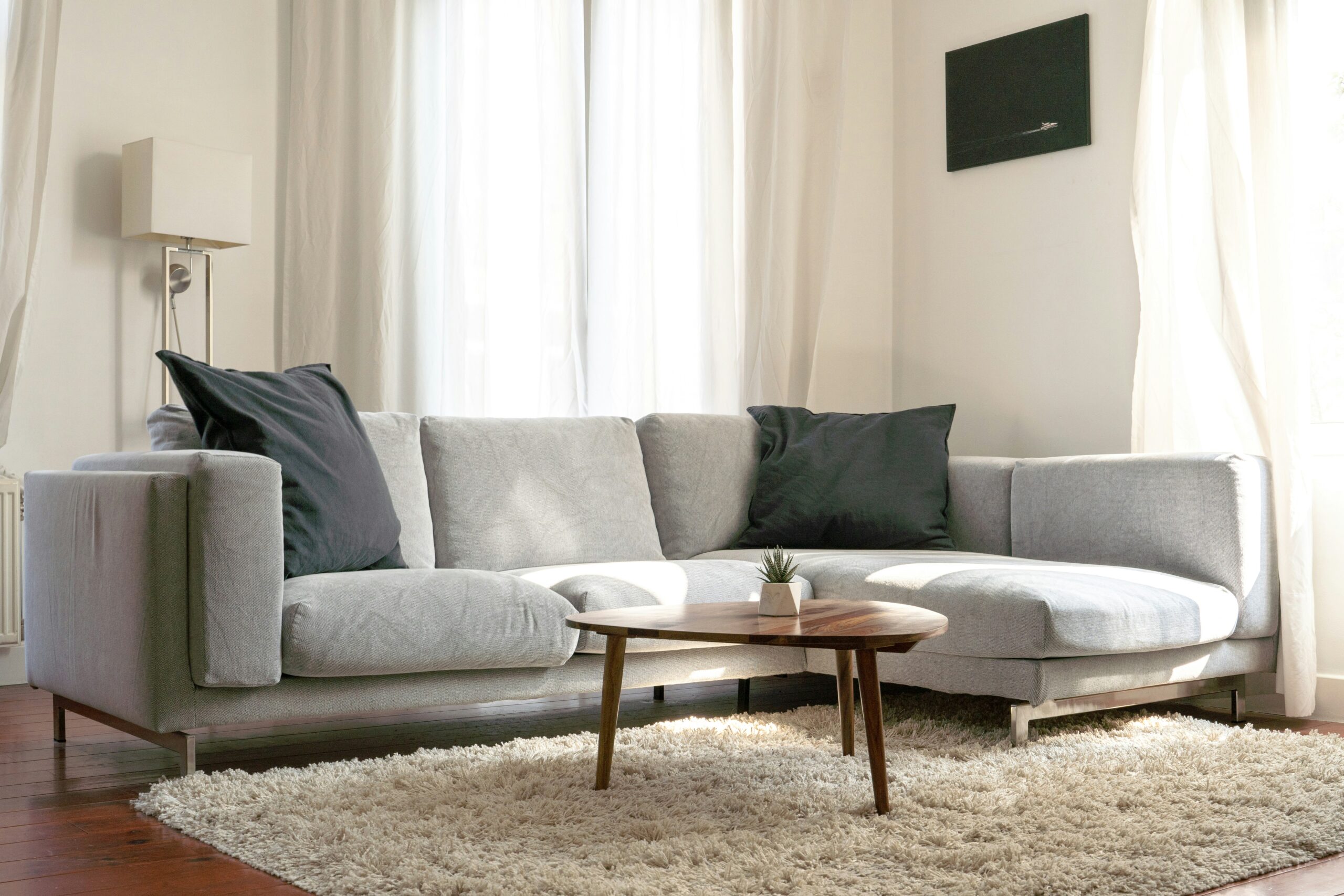
This unused or carefully protected couch often represents aspiration and respectability, signaling to visitors that the household can maintain something “nice” despite financial limits.
Because replacing large furniture is expensive and infrequent, preserving it becomes a core household rule, turning the sofa into a symbol of hard work, self-discipline, and a desire to present a dignified, orderly home.
2. The Mismatched Furniture Set
Lower-middle-class living rooms often feature sofas, armchairs, coffee tables, and side tables that have been collected over time from sales, discount stores, clearance sections, or from relatives, resulting in a visibly mismatched ensemble.
Colors, styles, and eras may clash, but each piece remains in service as long as it is sturdy and useful, often long after it has gone out of fashion.
A Patchwork Built Over Time
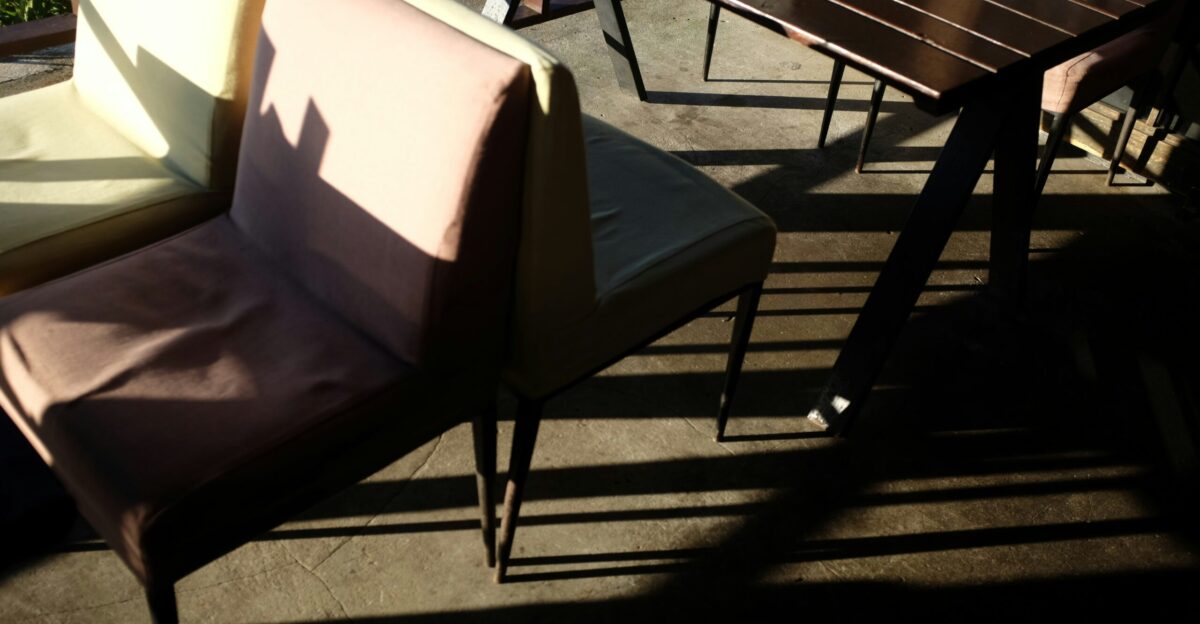
This mix-and-match look suggests that furniture was acquired gradually as money became available, rather than in a single, coordinated showroom set purchased all at once.
The priority lies in function and value—enough seating, surfaces, and storage for everyone—rather than aesthetic cohesion, illustrating how budget realities inform a practical, incremental approach to building a home.
3. The Oversized Television as a Centerpiece

A large television positioned as the focal point of the living room is another recognizable clue, often dominating the main wall or entertainment unit.
For many lower-middle-class families, investing in a sizable TV makes sense because it transforms the living room into an affordable entertainment hub for movies, sports, music, and games, eliminating the ongoing costs associated with frequent outings.
Why the Big TV Matters

Centering the room around the TV underscores the importance of at-home entertainment when things like trips, concerts, or expensive hobbies are harder to afford regularly.
It reflects a desire to stay connected to mainstream culture and shared experiences while using a single, one-time purchase to provide ongoing relaxation, distraction, and family bonding night after night.
4. Display Cabinets Packed With Collectibles
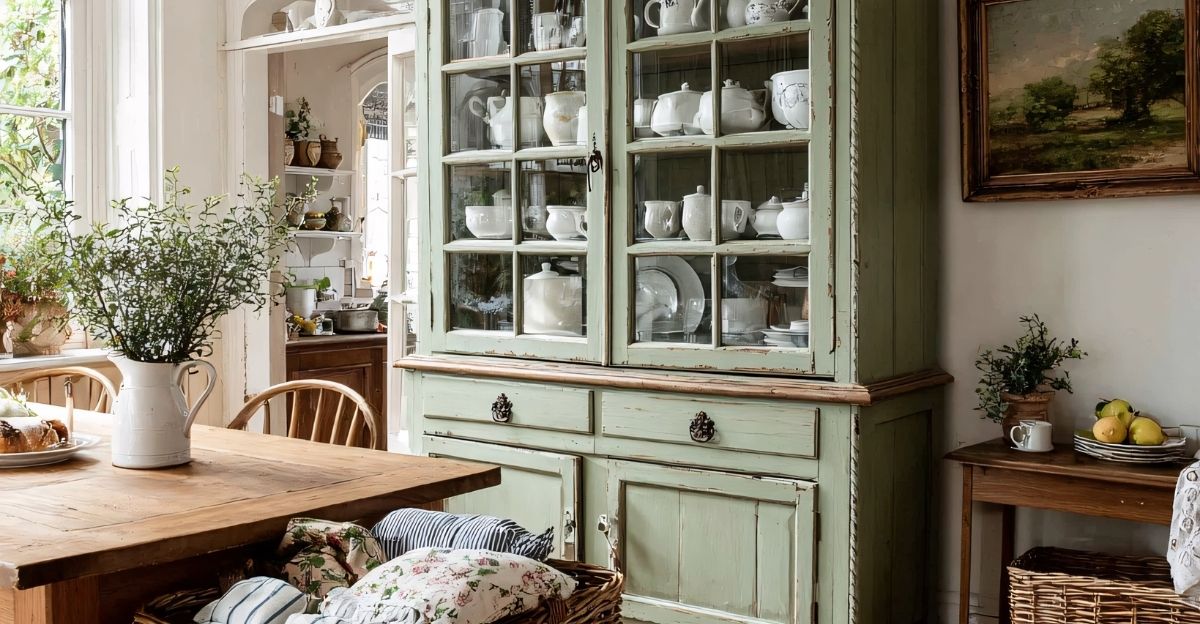
Glass-front cabinets or wall units filled with figurines, souvenir plates, glassware, trophies, and commemorative objects remain a hallmark in many lower-middle-class living rooms.
These items are rarely used in everyday life but are carefully arranged, dusted, and shown off in pride of place, sometimes dominating an entire wall or corner of the room.
The Meaning of “Special” Objects
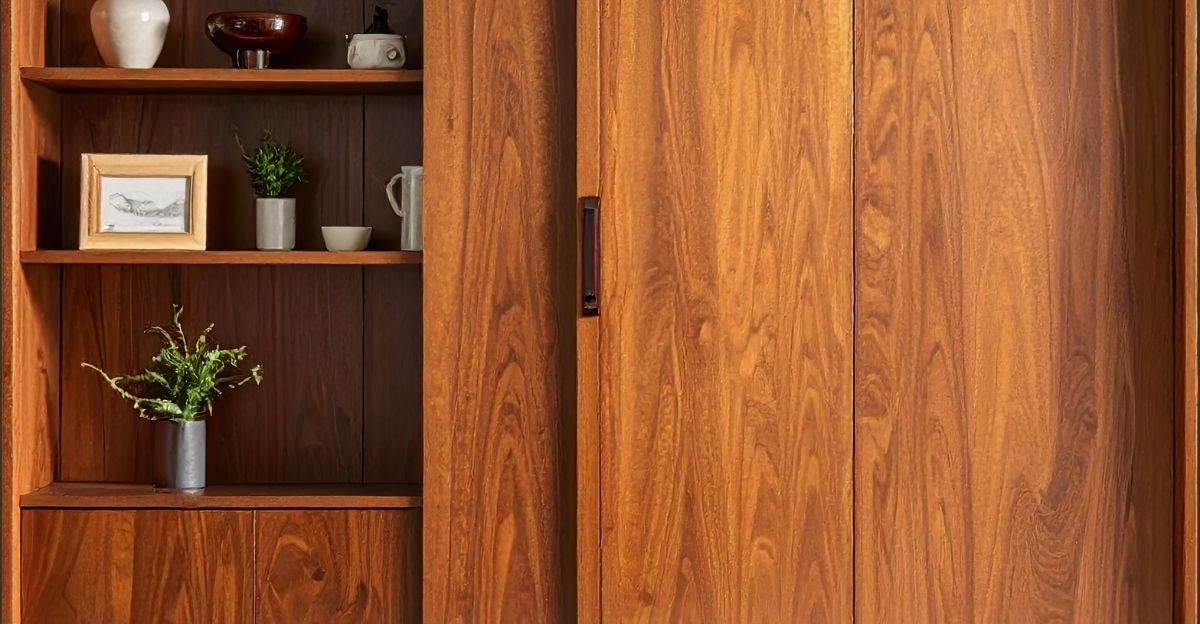
These collectibles often began as small splurges, thoughtful gifts, travel mementos, or bargain finds that felt luxurious compared with everyday necessities.
They represent moments when the family could afford something “extra,” so they become symbolic markers of joy, effort, and stability, turning the living room into a visible gallery of modest but deeply meaningful luxuries.
5. The Cluttered Fridge Command Center
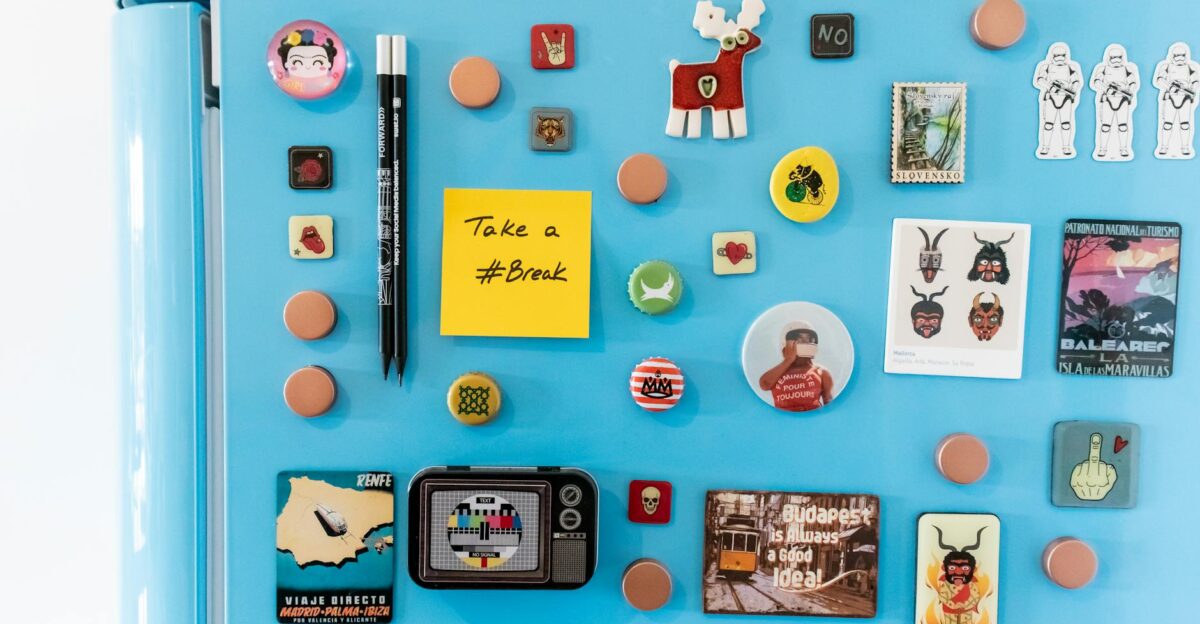
Even though the refrigerator sits in the kitchen, its door often serves as a visible command center for the entire household, especially in smaller homes where spaces are more integrated.
Magnets, appointment cards, kids’ drawings, emergency contacts, school schedules, and coupons accumulate into a busy collage that reflects the family’s obligations, routines, and aspirations all at once.
Practical Planning on Display
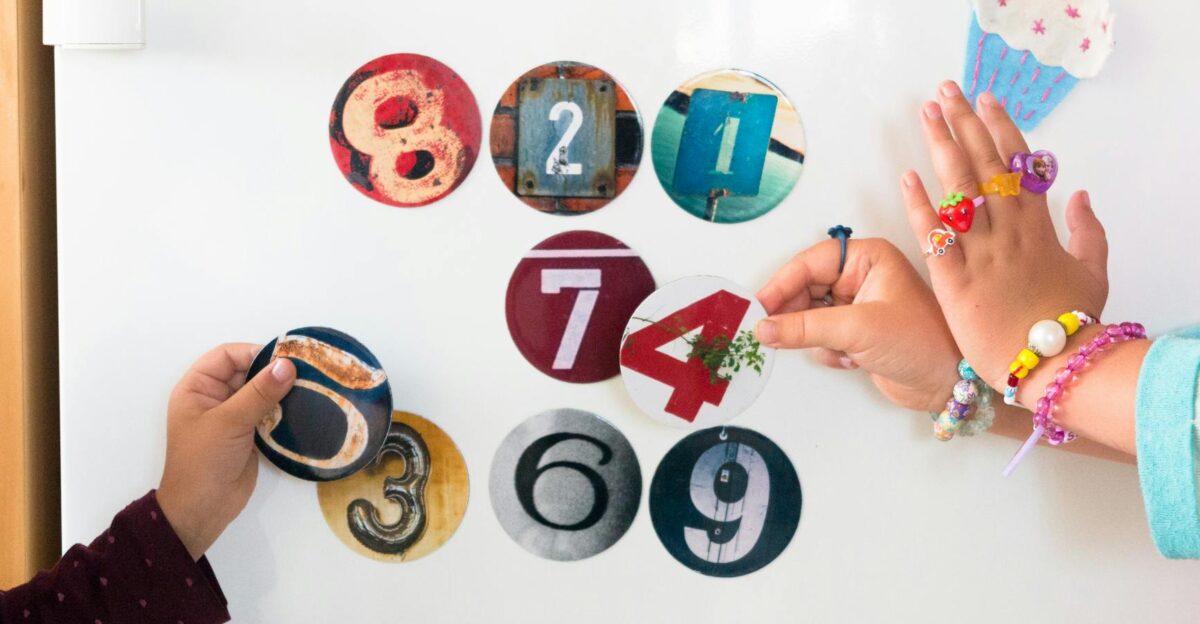
This paper-heavy, magnet-filled fridge door shows a household that manages life in a hands-on, low-tech, and detail-oriented way.
Instead of using digital calendars or paid administrative help, the household keeps everything from bill reminders to discount offers in plain sight, turning the fridge into a budgeting tool, noticeboard, and emotional scrapbook layered over a basic kitchen appliance.
6. Sentimental Family Photo Walls
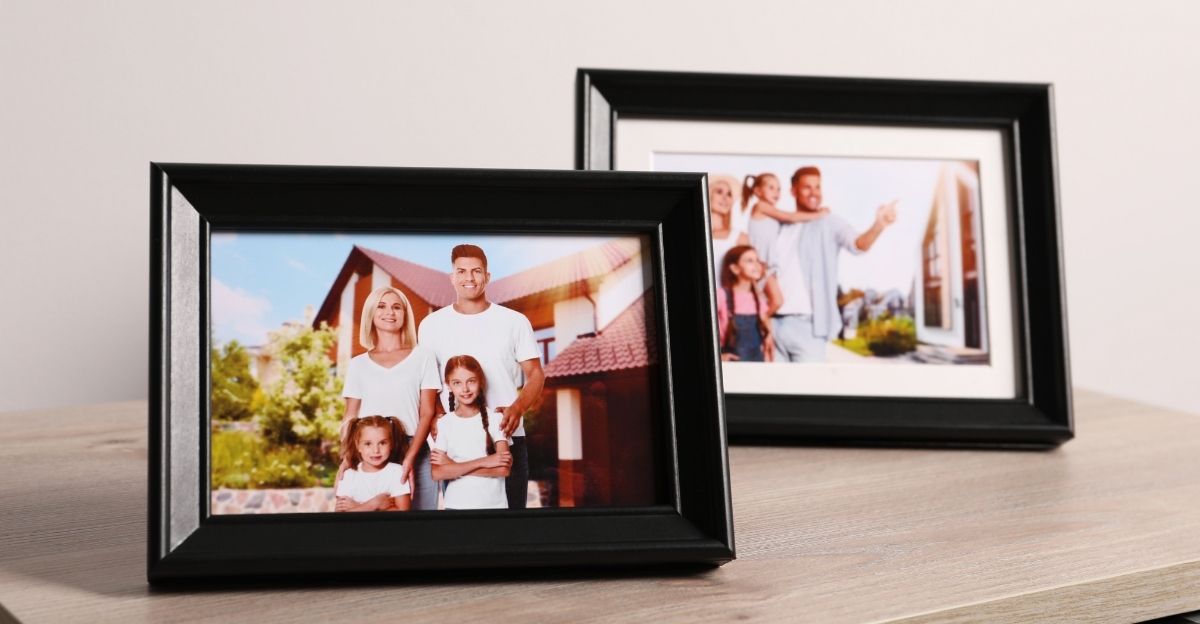
Lower-middle-class living rooms frequently feature walls, mantels, or shelves packed with framed family portraits, school photos, baby pictures, graduations, and wedding shots.
Professional portraits from chain studios and department stores sit alongside casual prints, often in mismatched frames, together charting the family’s milestones over many years in the same home.
Photos as Everyday Achievements
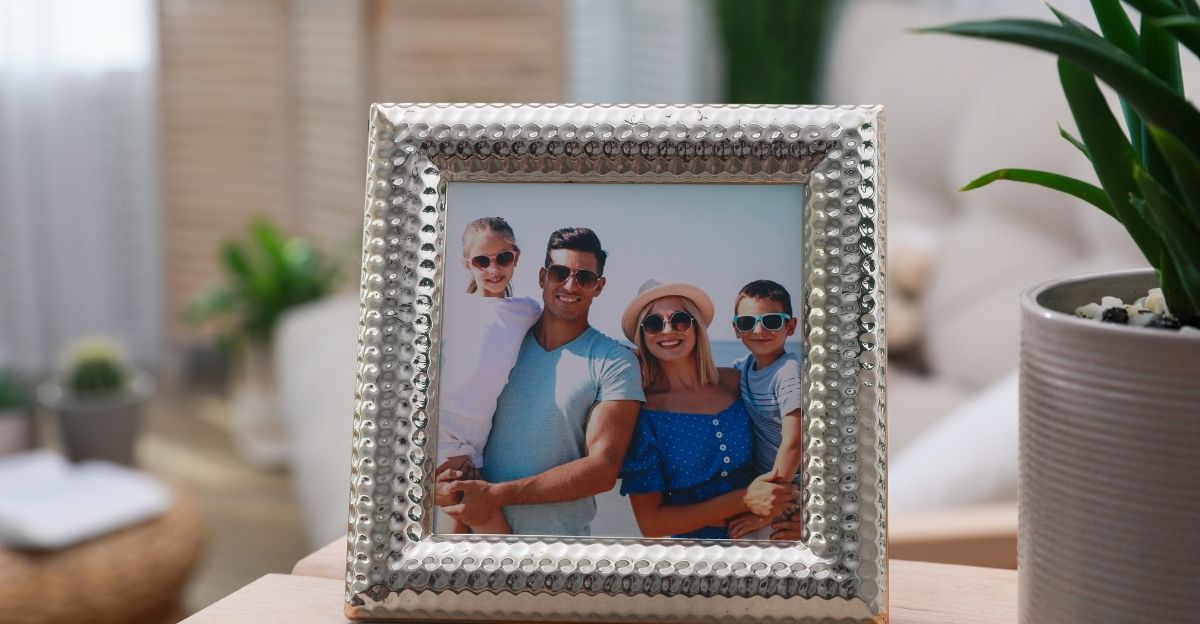
These photo displays treat family, stability, and celebrated moments as core achievements at least as important as material wealth.
They create a visible narrative of continuity, sacrifice, and love, reminding everyone that, despite financial constraints, the family celebrated birthdays, acknowledged school accomplishments, and documented and proudly shared important life events with visitors.
7. DIY Fixes and Makeshift Solutions
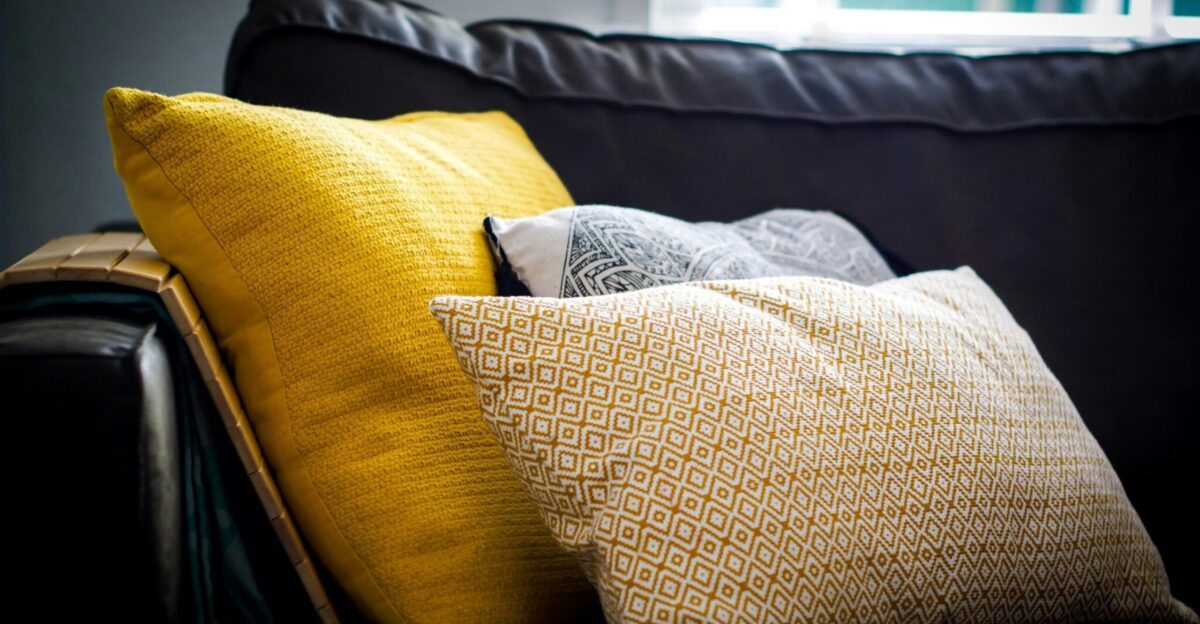
A closer look around a lower-middle-class living room often reveals quietly repaired or improvised items: a remote control held together with tape, reupholstered cushions, patched cables, or shelves supported by brackets that do not quite match.
Many objects show signs of careful tinkering or creative problem-solving designed to keep them useful for as long as possible.
Resourcefulness Over Replacement
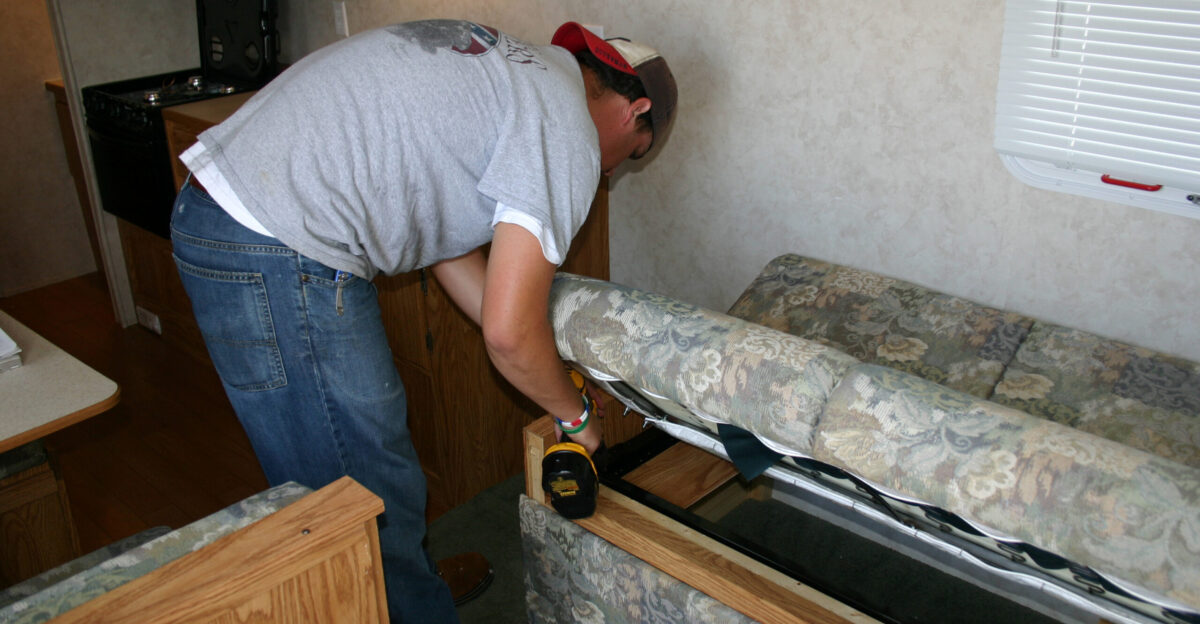
These small repairs and hacks reflect a deeply ingrained habit of stretching each purchase and avoiding replacement unless something is truly beyond fixing.
The guiding mindset is “make it work,” prioritizing function and savings over aesthetics, and often passing down practical skills, such as sewing, gluing, and basic home maintenance, as a normal part of everyday life.
8. Multipurpose Furniture and Storage
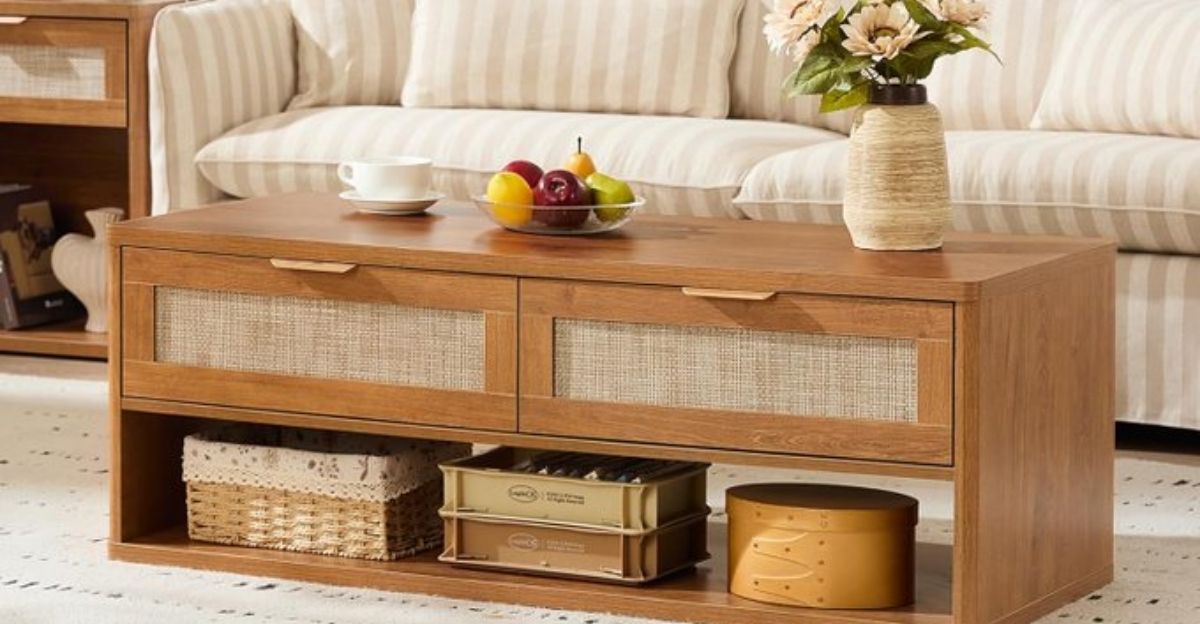
Coffee tables with hidden storage, TV stands that double as bookcases, fold-out sofas, or plastic drawer units tucked into corners are common in lower-middle-class living rooms.
Families gradually move furniture from bedrooms, offices, or kids’ rooms into the living space over time, re-tasking it to accommodate changing needs such as homework space, toy storage, or craft organization.
Space Efficiency as a Class Marker
This reliance on multipurpose and repurposed pieces reflects the reality of smaller homes where every square meter must do double duty.
Instead of buying separate items for every purpose, households maximize what they already own, revealing constraints around both space and disposable income while also highlighting impressive creativity in fitting life into limited space.
What Your Living Room Reveals About Class
Taken together, these living-room details quietly align with broader patterns that researchers associate with childhood socioeconomic conditions, such as resource constraints and a prioritization of durability over rapid replacement.
The presence, age, and condition of furnishings and electronics, along with how people display and protect objects, directly shape how outsiders perceive a family’s class background.
Everyday Objects as Social Signals
Household items often serve as social cues, influencing how guests perceive a family’s stability, habits, and values, even when no one explicitly discusses finances.
Children growing up in these settings learn early how to read such signals too, noticing what is carefully saved, what is proudly displayed, and what must be repaired instead of replaced.
For children, these living-room clues become part of the invisible curriculum that teaches them about money, priorities, and what “normal” life looks like.
They learn to treat certain items as special, appreciate repairs and hand-me-downs, and view family time and shared memories as key sources of comfort when big-ticket experiences are less frequent.
Closing Thoughts on Quiet Class Signals
The clues in a lower-middle-class living room rarely tell a story of failure; they more often reveal perseverance, loyalty, and a determination to create comfort with constrained resources.
Understanding these subtle signals can deepen empathy by showing how class quietly shapes daily life, without ever defining a person’s character, dignity, ambitions, or future potential.