Imagine this: You spend $40,000 on a used SUV and drive it for 25 years. Or you spend $60,000 on a new one and trade it in every seven years. By the time your kids graduate high school, one path leaves you with a single reliable companion, the other leaves you five car payments poorer.
This isn’t exaggeration—it’s the math of longevity most automakers hope you never calculate. A Toyota Sequoia owner recently passed 400,000 miles as if it were just another Tuesday. Meanwhile, most Americans replace their SUV every 6-8 years, unaware that 10 proven models can outlast houses.
Real reliability data and owner testimony reveal which SUVs can reach 500,000 miles—and why Toyota claims half the list. The choice could define your automotive wealth for the next two decades.
The 500K-Mile Secret: It’s Not Complicated
“Proper maintenance” isn’t mysterious. Regular oil changes, timing belt replacements, transmission fluid services, and rust prevention are key. Extreme-mileage failures typically stem from neglect, rather than engine design.
Owners treating maintenance like a mortgage reach 500,000 miles, while those who skip it often stop at 200,000. Proper upkeep is the bridge to SUV immortality.
The Used Market Opportunity
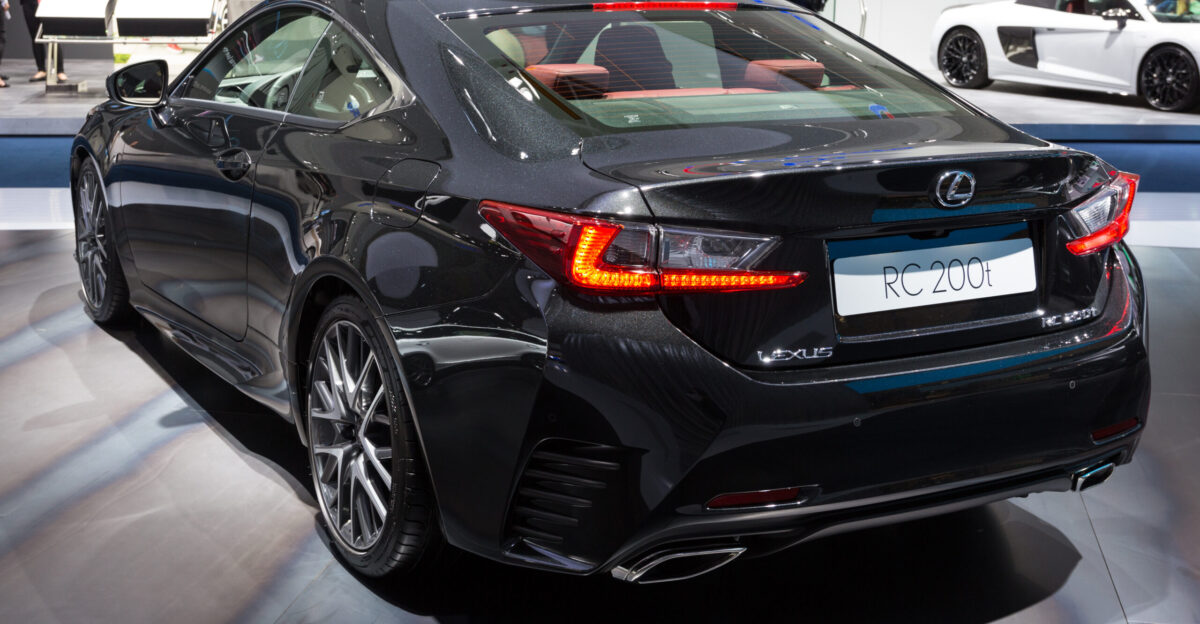
Lexus owners treat 150,000 miles as a break-in period. A GX with a service history can drive an additional 350,000 miles. Used models cost $25,000 to $ 40,000, while new ones are priced at $60,000.
This represents a massive depreciation arbitrage: most of the value has already been realized, but the remaining life is immense. Savvy buyers focus on service records, not odometer anxiety.
Why Suburban, Tahoe, Yukon Outlast Expectations
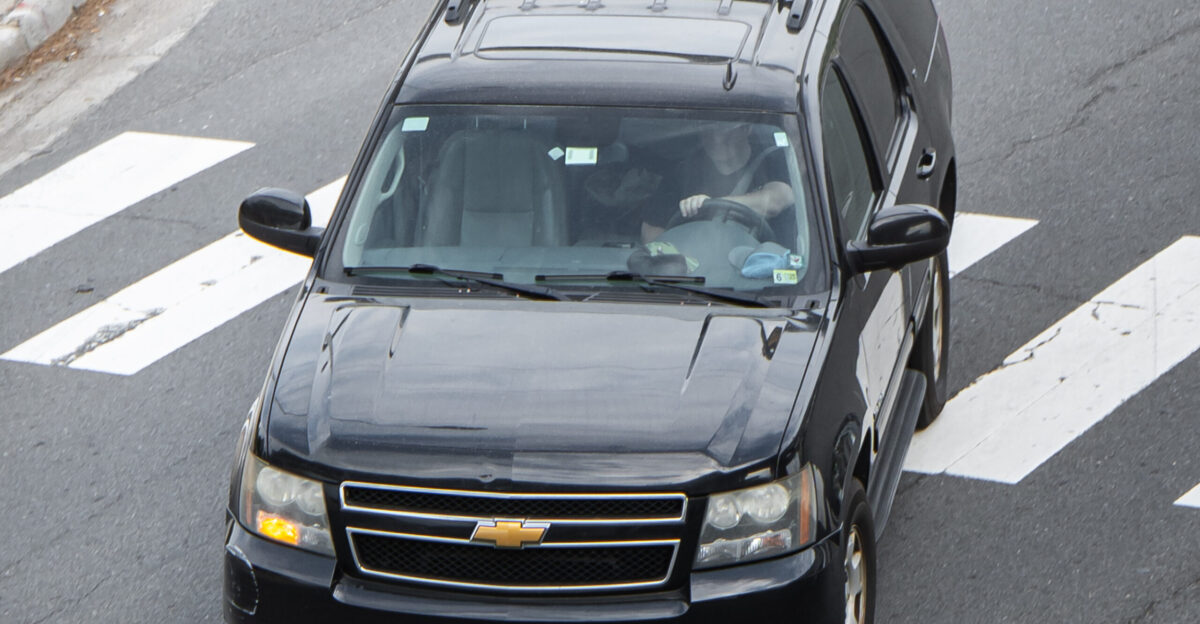
The Chevrolet Suburban has been in continuous production since 1935 and has undergone refinement throughout the decades. Suburban, Tahoe, and Yukon share the GM T1 platform and a 5.3L V8 engine, engineered for over 200,000 miles in fleets.
These aren’t flashy vehicles, but workhorses. Understanding their pedigree offers insight into SUV longevity that surpasses consumer-focused marketing. Fleet validation confirms durability.
How a Crossover Cracks the Truck-Tough Club
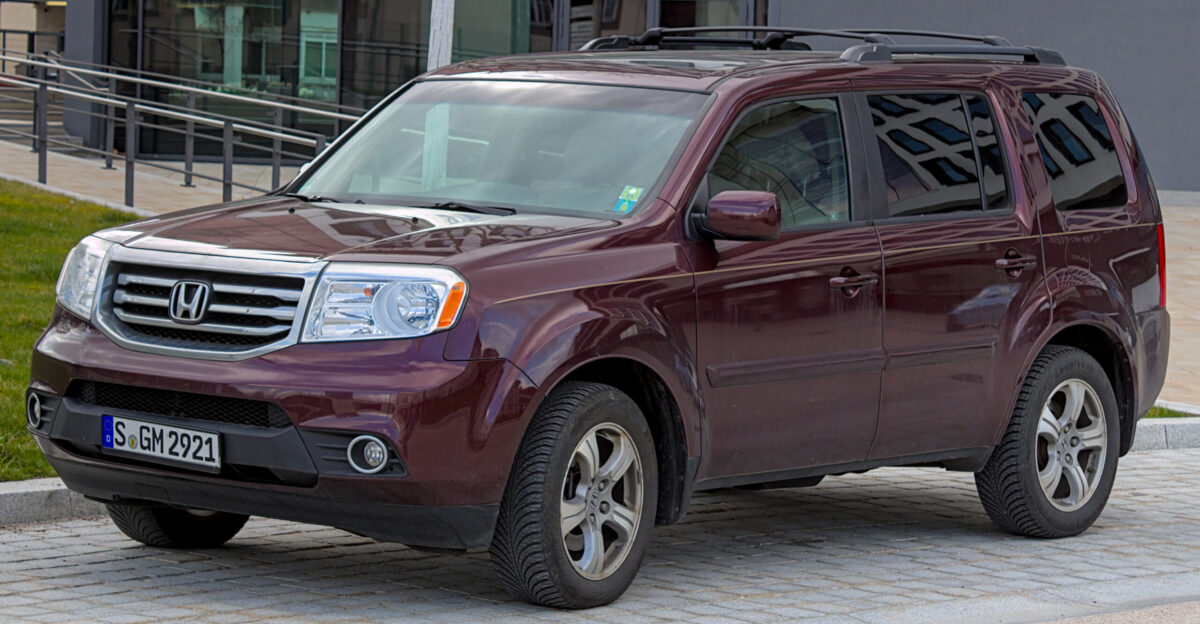
Honda Pilot reaches 250,000-300,000 miles without body-on-frame. Its five-speed automatic is highly durable, compensating for the unibody design. Owners celebrate extreme mileage as a badge of honor.
Newer nine-speed models are less proven. Buying pre-2015 Pilots ensures reliability. Longevity can exist outside trucks, but engineering consistency is key.
Why Fleet Buyers Already Know This
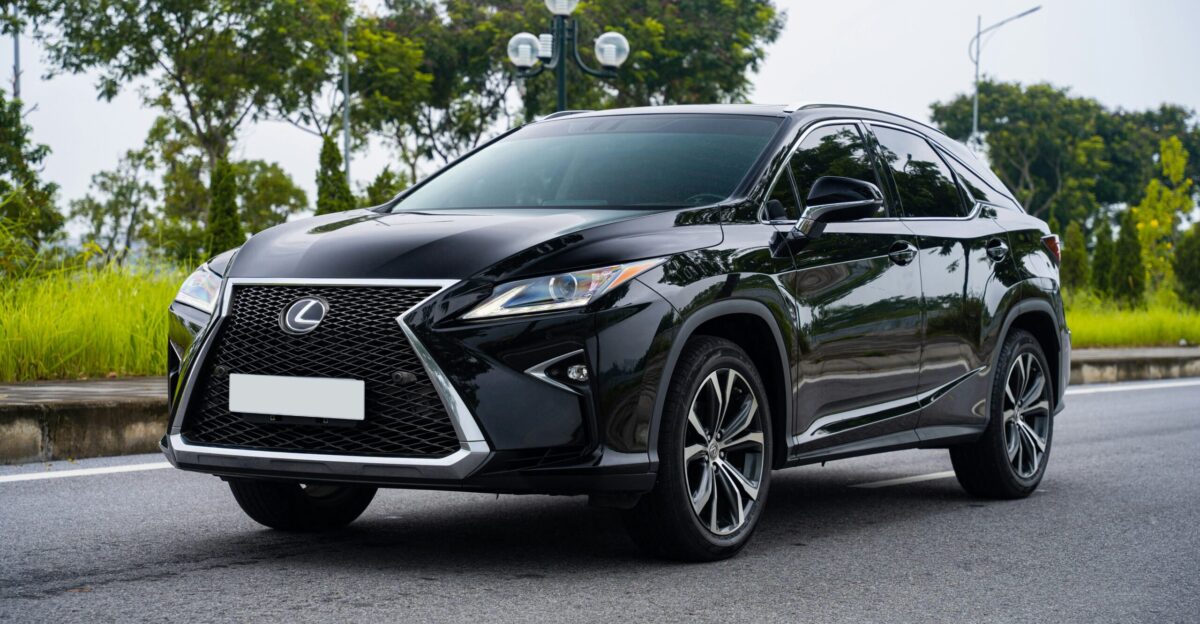
Government and commercial fleets prioritize total cost of ownership, not style. Suburban, Tahoe, and Yukon platforms routinely surpass 200,000 miles, validated in police, utility, and rental operations.
This fleet testing represents real-world endurance. If you’re looking for vehicles with proven high mileage, fleet choices offer a roadmap for long-term SUV reliability.
1 — Toyota Sequoia
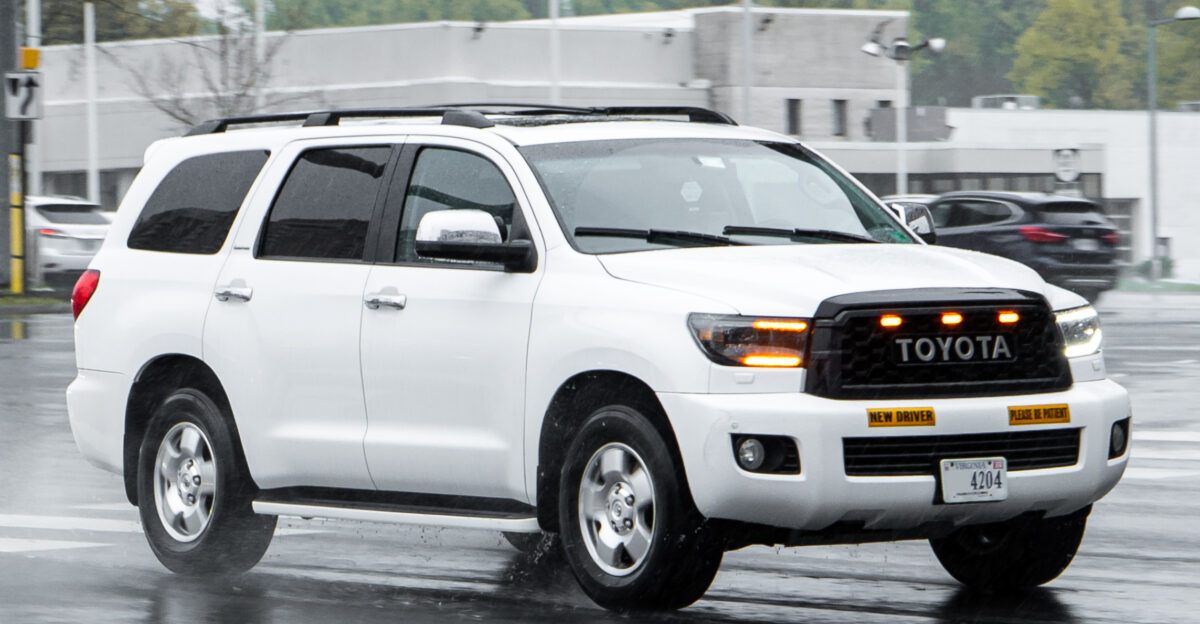
Second-gen Sequoia (2008-2021) is legendary. Owners regularly report mileage of 300,000+; 400,000+ is also accurate. Its 5.7L V8, durable frame, and conservative design prioritize longevity over novelty.
Used 2010-2015 models cost $25,000-45,000 with 100k-150k miles. Buy with service records and expect decades more. This SUV defines extreme durability.
2 — Toyota 4Runner
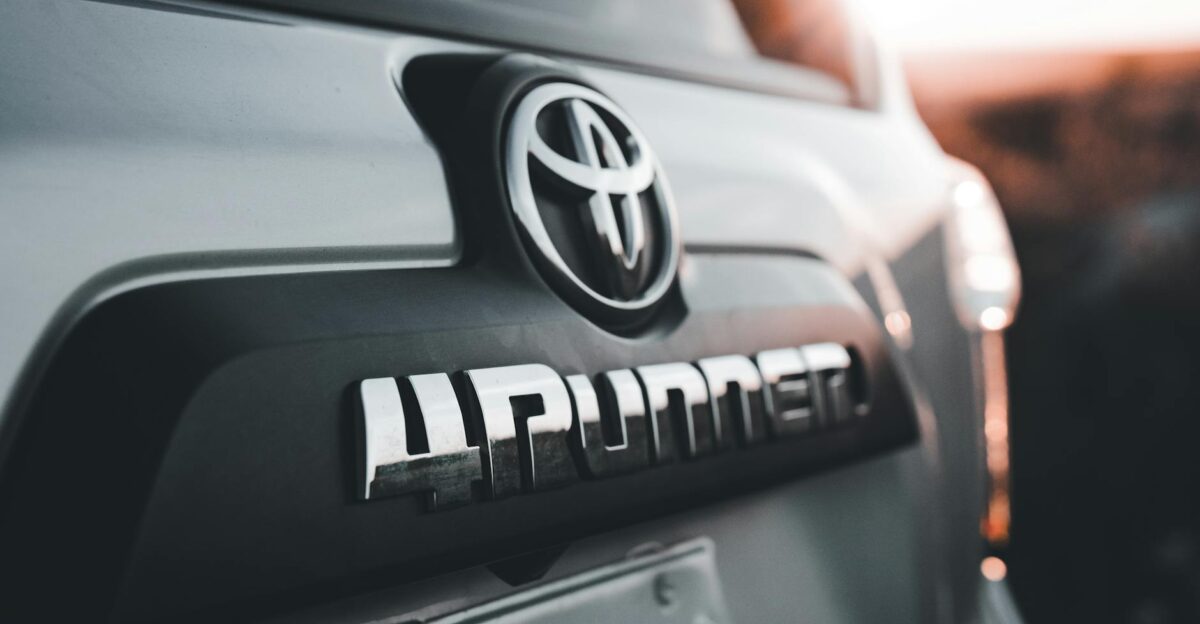
The 4Runner is a body-on-frame SUV done right. Engines are torque-friendly, simple, and durable. Owners reach 300,000+ miles while swapping parts internally when needed.
New 4Runners cost $45k-50k; used 2005-2015 models $20k-35k. A tight owner community shares maintenance secrets obsessively. Follow them, and your 4Runner could become immortal.
3 — Toyota Highlander Hybrid
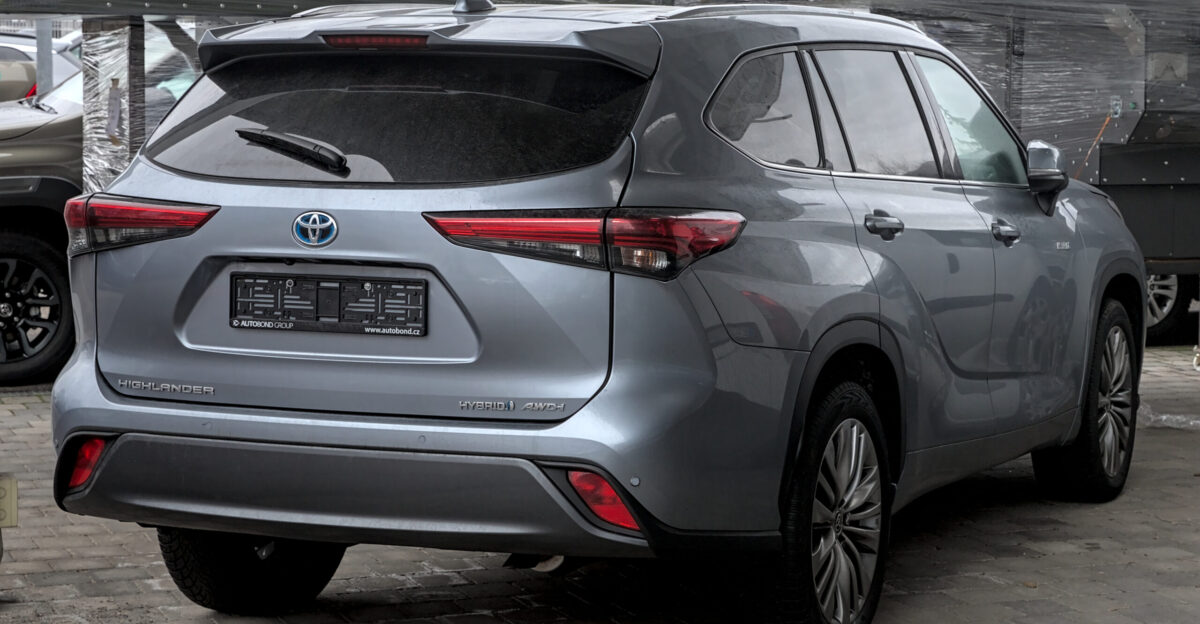
A hybrid powertrain reduces engine stress, thereby extending engine life. Many drivers reach 280,000+ miles performing daily errands without incident.
New Highlanders start at around $40,000; used 2011-2017 hybrids run $18,000-$ 30,000. Toyota’s hybrid technology ensures that efficiency and endurance coexist, making this SUV a practical heirloom rather than a fleeting trend.
4 — Lexus GX
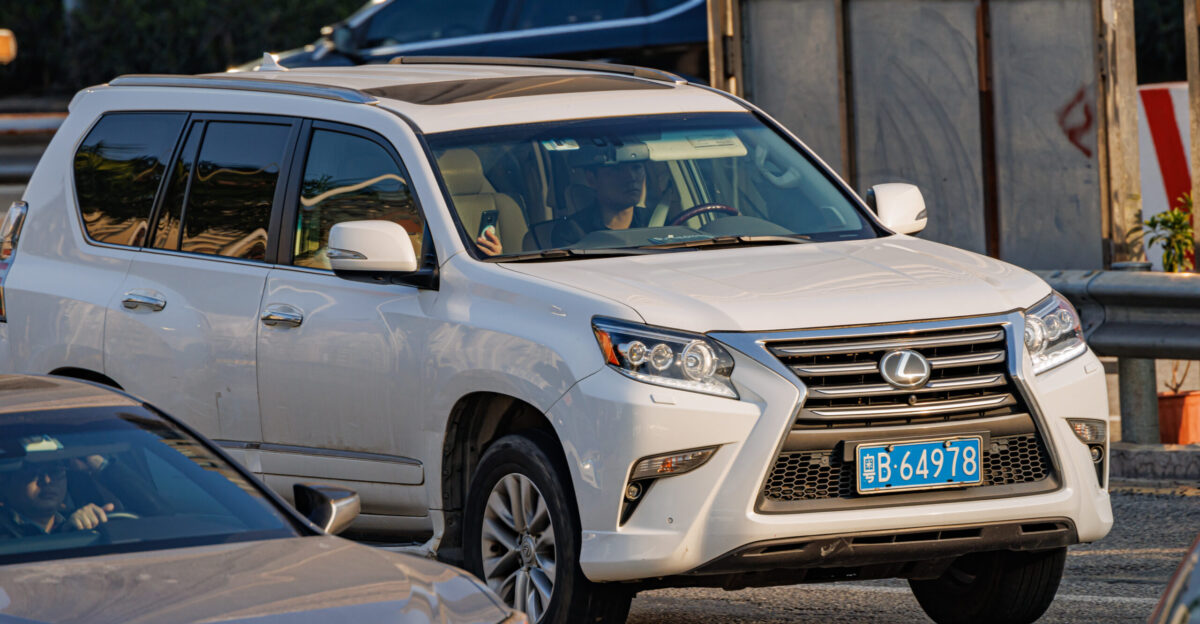
The GX is a luxury SUV built on 4Runner DNA. With proper timing belt maintenance, early GX 460 models are near bulletproof.
Used 2005-2015 GXs cost $25,000-40,000 at 150k miles. Meticulous maintenance culture makes it an extreme-longevity opportunity disguised as luxury.
5 — Honda Pilot
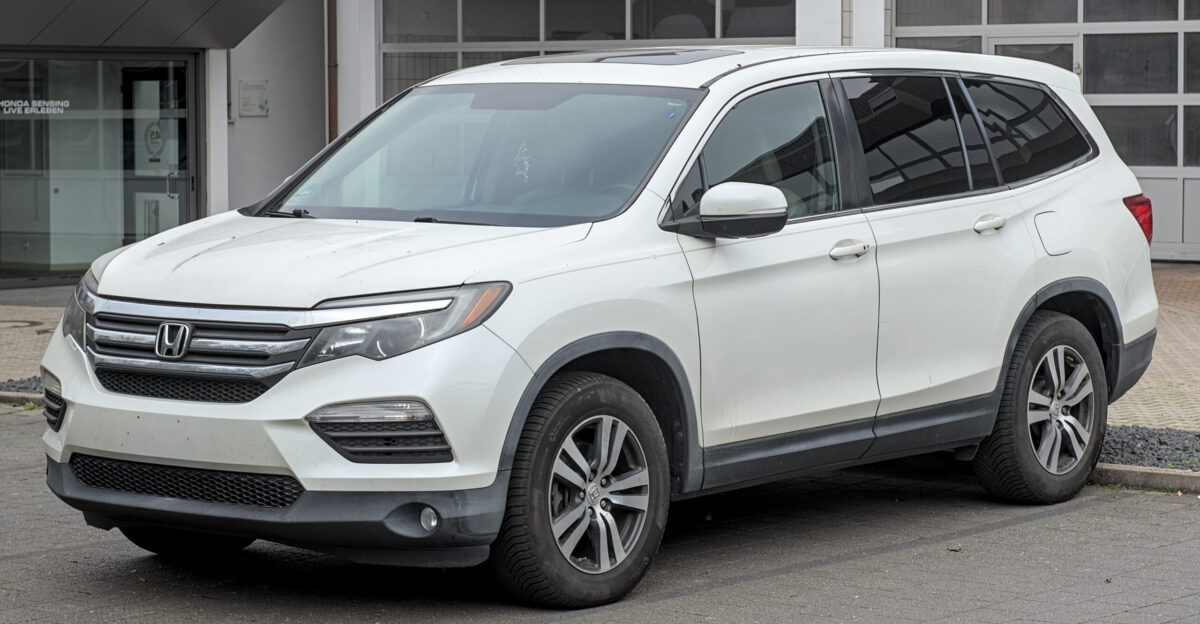
Pre-2015 Pilot models with five-speed automatic transmissions routinely reach 250,000-300,000 miles. Preventive maintenance is crucial to hitting extreme mileage.
Used 2005-2014 Pilots run $20,000-35,000. Newer nine-speed models are unproven for 500k. Engineering compensates for unibody, rewarding careful buyers with long-term reliability.
6 — Chevrolet Suburban
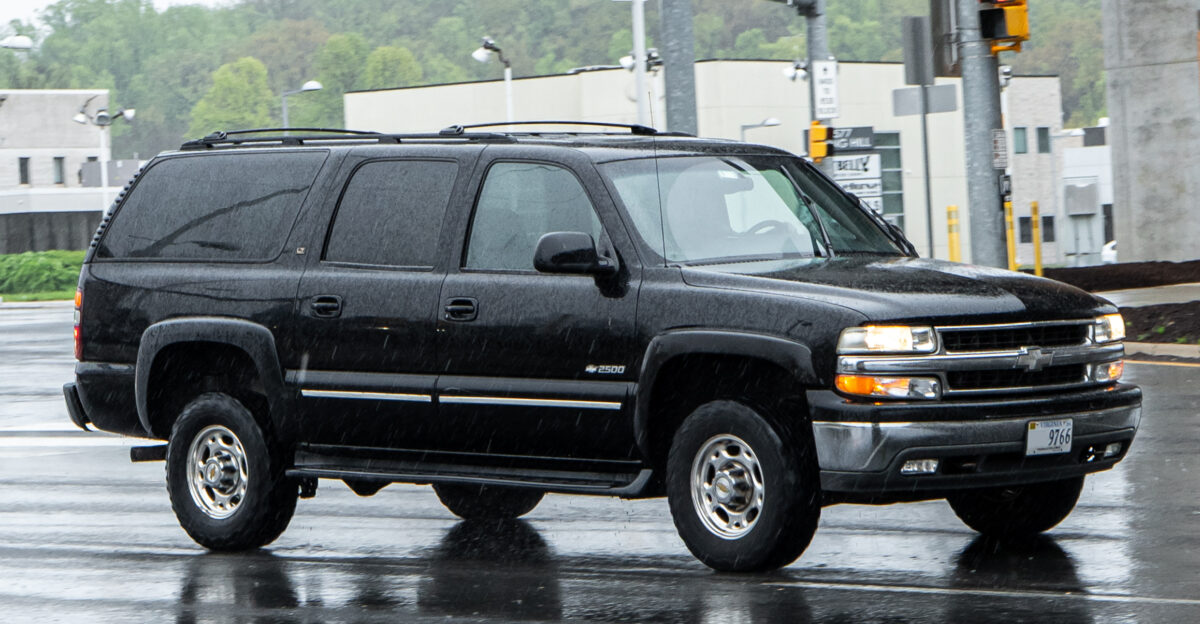
The Suburban has a 1935 lineage, engineered for fleet endurance. Its 5.3L V8 handles 200,000+ miles routinely with proper service.
Used 2000-2015 models cost between $20,000 and $ 50,000. Depreciation is your advantage: this is a fleet-validated platform offering maximum longevity for patient buyers.
7 — Toyota Highlander (Non-Hybrid)
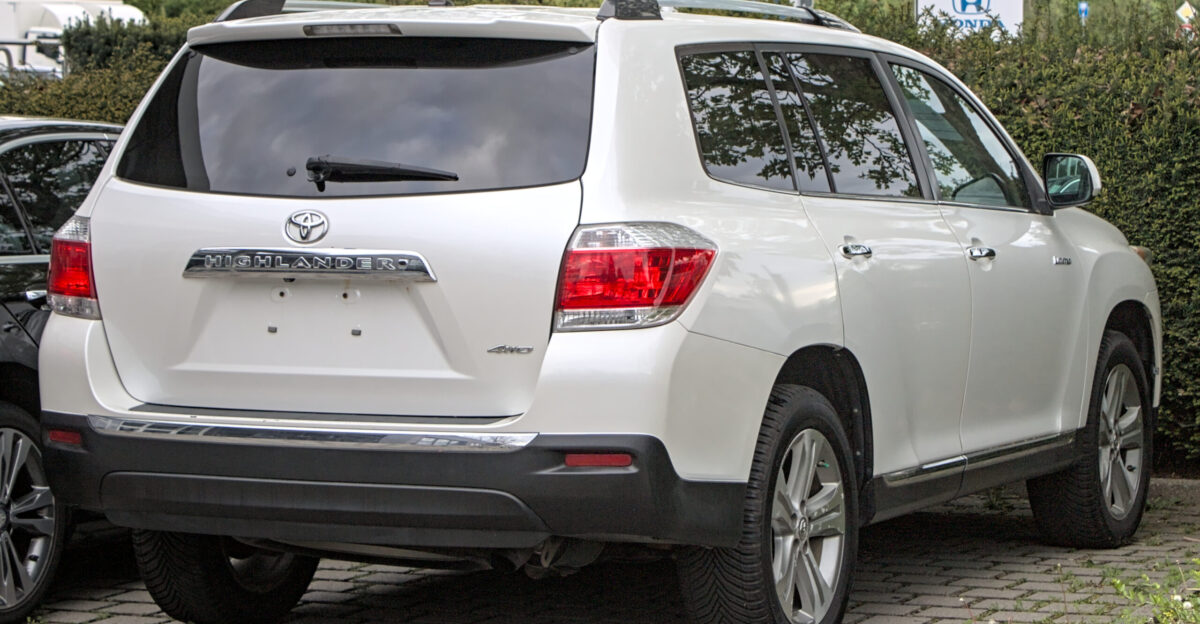
The Toyota Highlander achieves over 250,000 miles with consistent maintenance. Used 2005-2015 models cost between $18,000 and $ 30,000.
Hybrid edges ahead, but standard Highlander proves longevity isn’t flashy. Families drive these vehicles into second-generation ownership, demonstrating that boring engineering can outlast novelty.
8 — Lexus RX
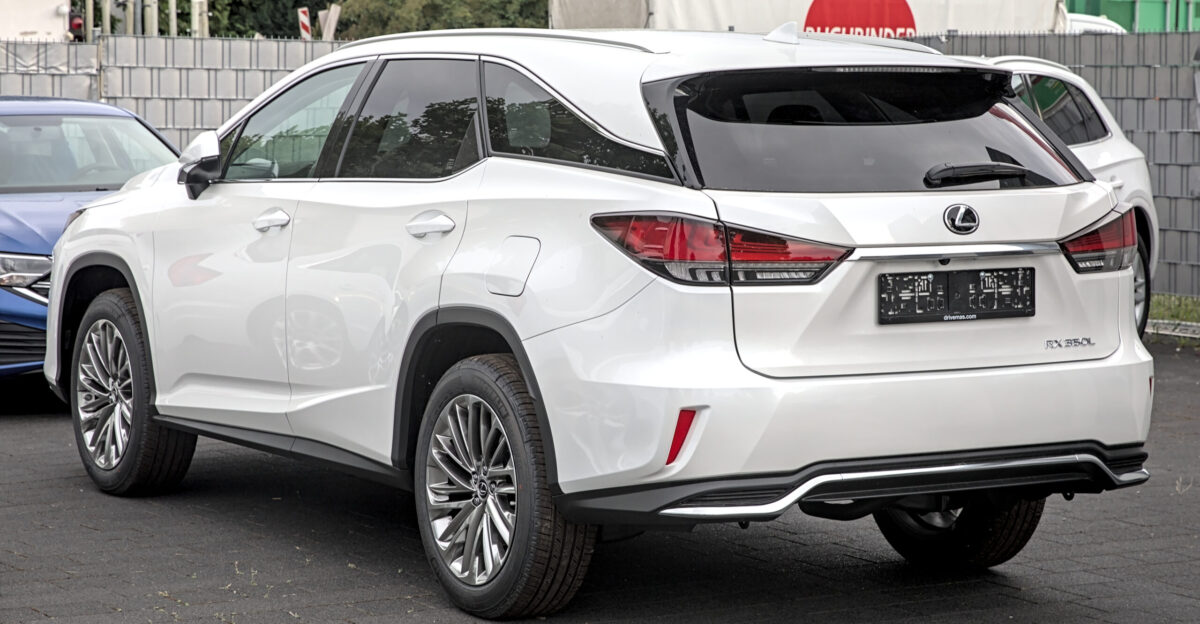
Early RX 350 models combine Toyota reliability with luxury. Properly maintained vehicles routinely surpass expectations.
Used 2006-2014 RXs cost between $20,000 and $ 40,000. Newer transmissions are unproven, but careful owners enjoy consistent reliability, making the RX a safe luxury option.
9 — Chevrolet Tahoe
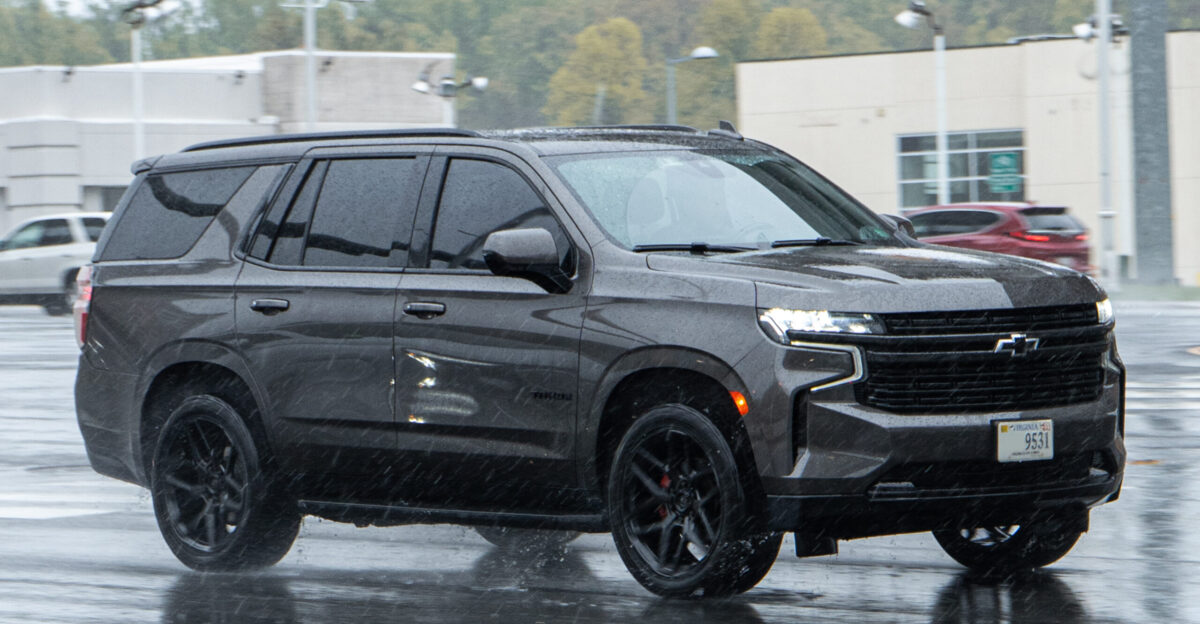
The Tahoe shares the Suburban’s T1 platform and 5.3L V8, offering a mid-size alternative built for longevity. Used 2007-2015 models run $18,000-35,000. Police and utility fleets routinely log 200,000+ miles, proving the platform’s endurance.
Tahoe owners are generally less maintenance-focused than 4Runner enthusiasts, slightly lowering average longevity. Still, with service records in hand, expect 250,000+ more miles from this proven SUV.
10 — GMC Yukon
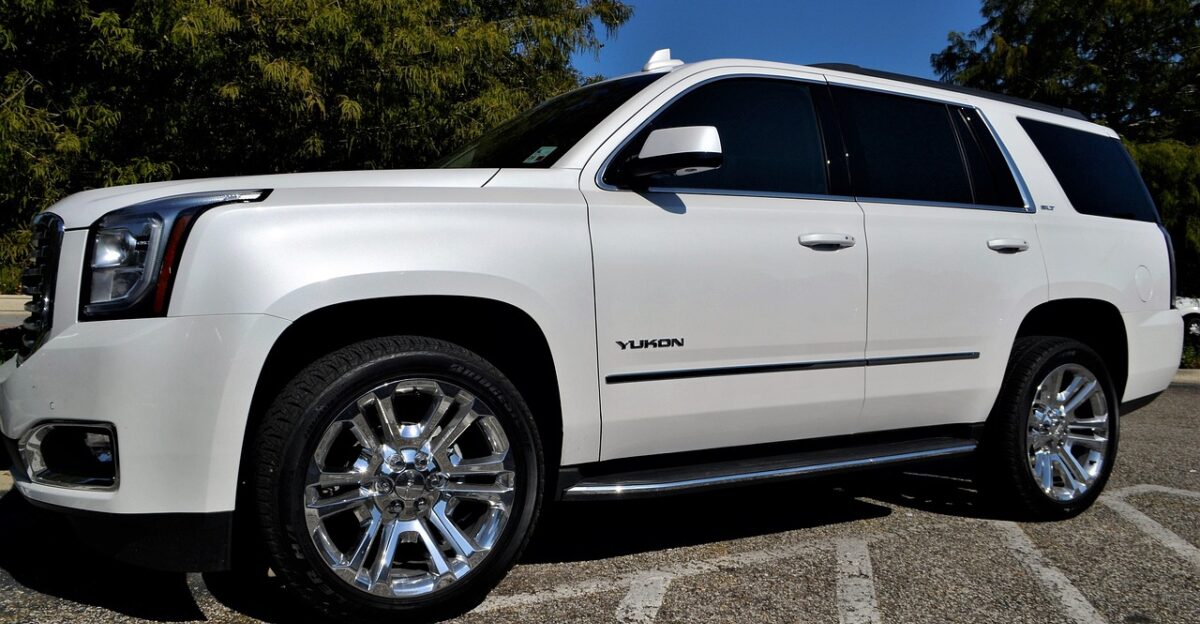
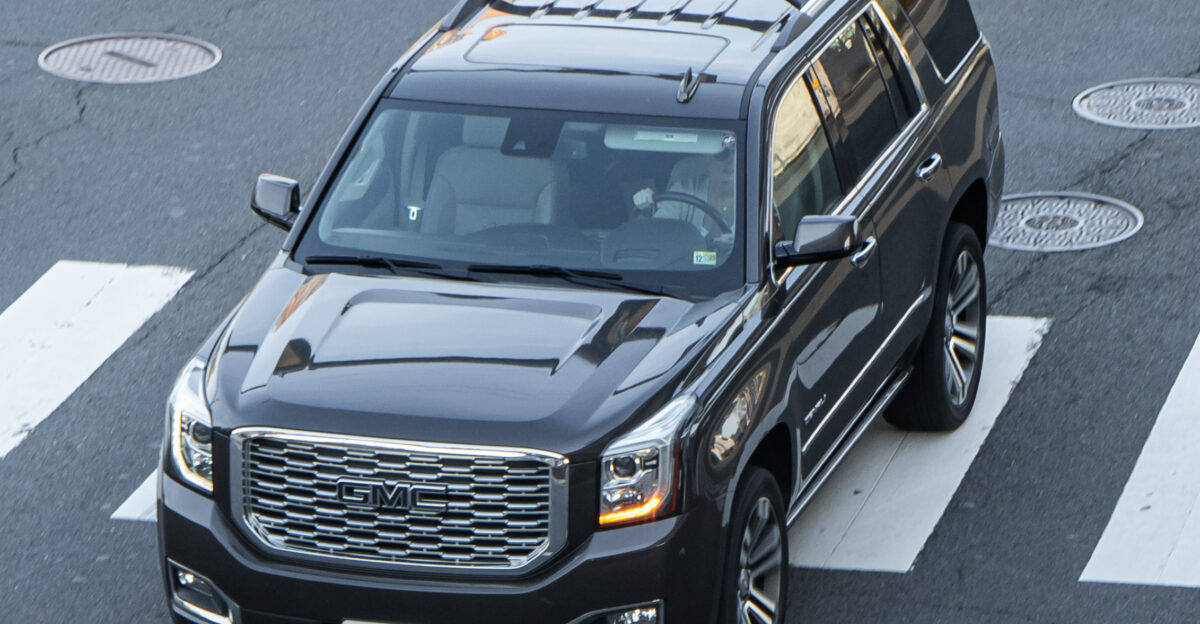
The Yukon is Tahoe’s upscale twin, sharing the T1 platform and 5.3L V8 with different trim levels. Used 2007-2015 models cost $22,000-40,000, delivering prestige without overpaying.
Commercial fleets log 200,000+ miles routinely. Yukon owners track maintenance slightly more closely than Tahoe buyers, but reliability is essentially the same. Tahoe offers value; Yukon adds prestige—the outcome is identical.Toyota’s Dominance Explained
Toyota’s Dominance Explained
Toyota earned almost half of this list through obsession with engineering, not luck. Body-on-frame construction and over-engineered V-series engines reduce stress and wear. Lexus GX and RX share this design DNA.
Industry average vehicles have a 4.8% chance of hitting 250,000 miles; Toyota hits 39%. Toyota owners drive cars designed to last, not just survive.
Why 7 of 10 Use Truck-Based Architecture
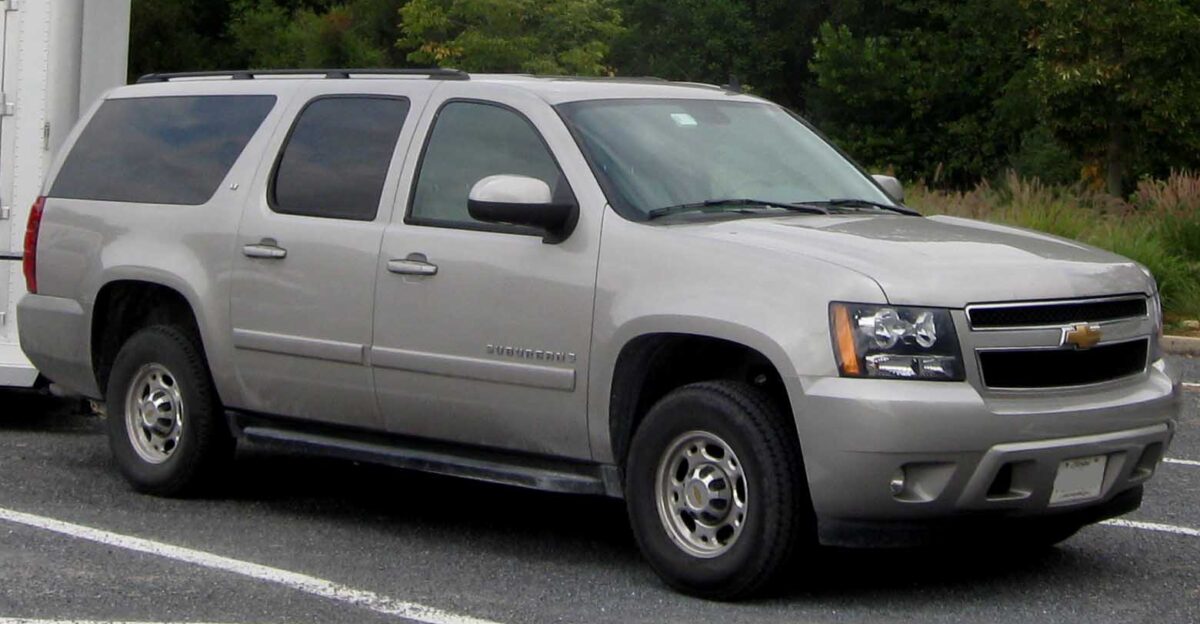
Body-on-frame SUVs separate the frame and body, so component failures don’t compromise the entire structure. Rusted suspensions or worn parts don’t spread damage as extensively as in unibody vehicles.
American full-size trucks, such as the Suburban, Tahoe, and Yukon, demonstrate why fleets prefer body-on-frame designs: stress distribution ensures longevity. Some unibody SUVs, such as the Highlander and Pilot, are rare exceptions.
What $25K-50K in Maintenance Buys You
Timing belts, transmission fluid, oil changes, suspension, brakes, and rust prevention cost a total of $22,500-$ 52,000 over 25 years. Proper investment keeps SUVs running half a million miles.
The cost is high, but far below repeated new-car payments. Strategic maintenance transforms a used vehicle into a long-term wealth asset.
Is a $60K New SUV Worth Five Times Used?
The new Land Cruiser costs approximately $56,000; a used Sequoia costs between $25,000 and $ 45,000. Both reach 500,000 miles with proper care. Cost per mile for new: $0.11; used: $0.05-$ 0.18.
The new purchase is fresher, but used models with maintenance offer major savings. Longevity math rewards patience, not sticker price.