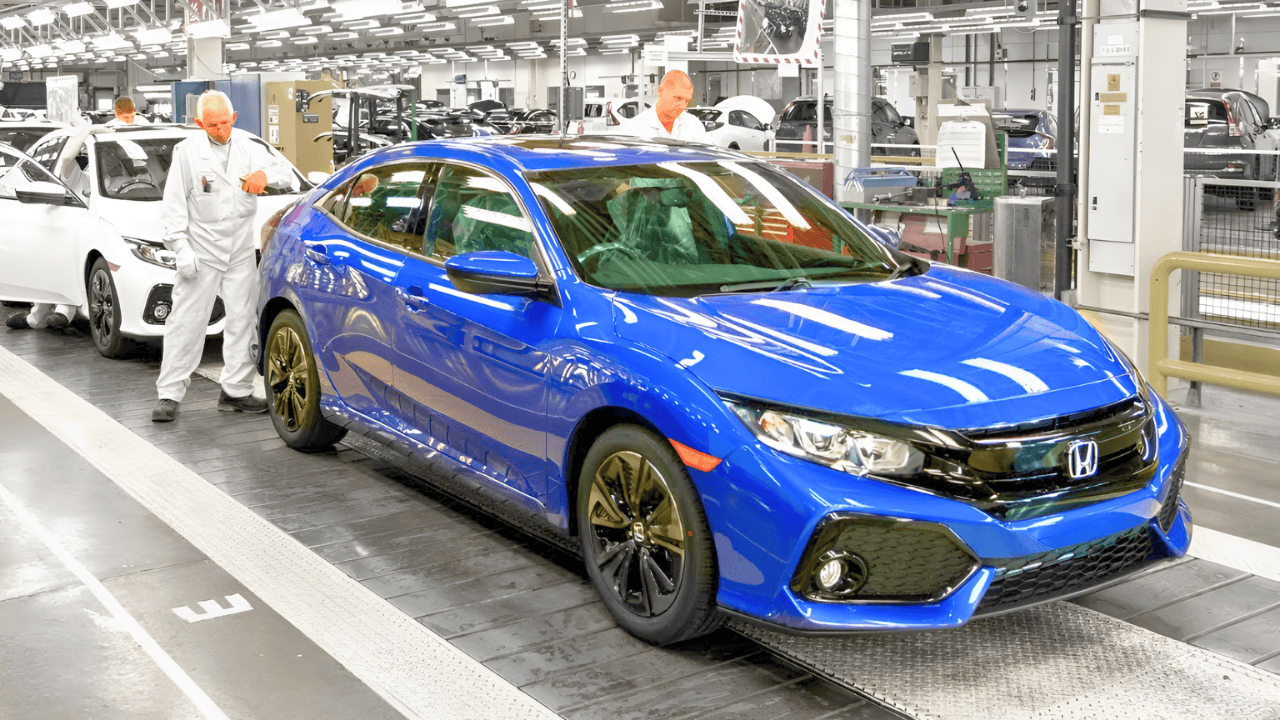
Most cars quietly bow out by 100,000 miles, yet a rare few defy the odds. While the average vehicle has just a 4.8% chance of hitting 250,000 miles, ten exceptional models consistently exceed that mark. From Toyota’s proven powertrains to Honda’s legendary engines, these vehicles promise decades of dependable service. Let’s look into what makes these cars true automotive marathoners.
What Does 250,000 Miles Actually Mean?
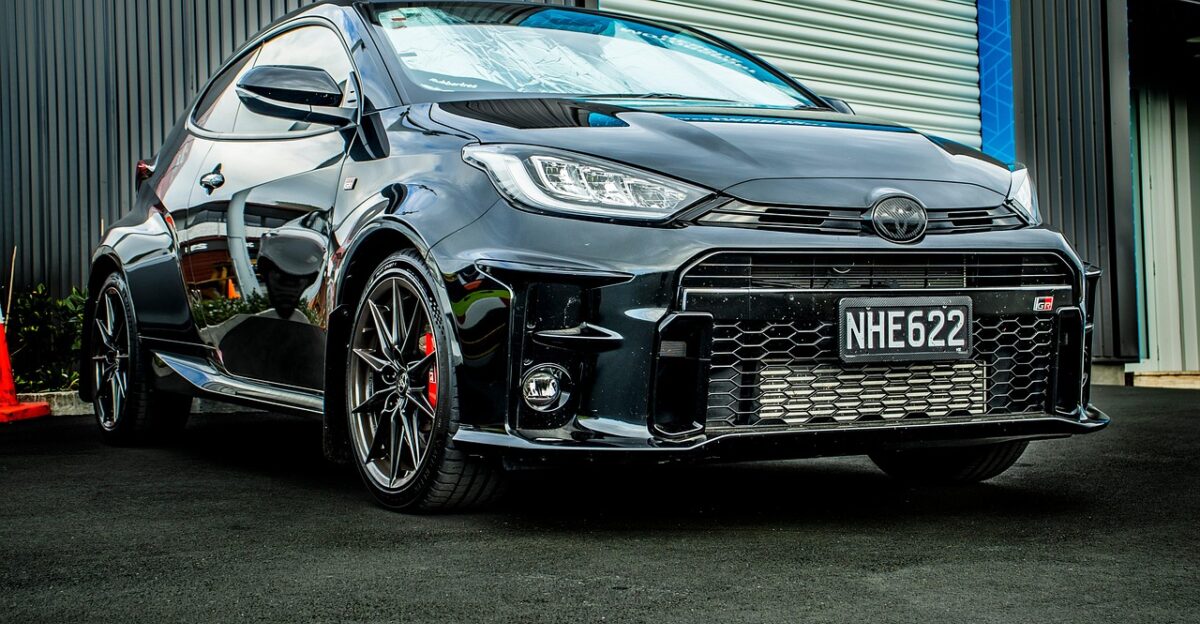
A vehicle reaching 250,000 miles represents roughly 25 years of ownership at typical driving rates. SUVs face higher stress, trucks endure commercial use, and most cars are discarded by their third owner.
The ten models on this list range from 25.3% to 39.1% probability, between 5 and 8 times the average. Data is sourced from iSeeCars’ analysis of over 400 million vehicles.
The Economics of 250,000 Miles
A vehicle lasting 250,000 miles avoids the depreciation cliff at 100,000–150,000 miles. Owners save roughly 30% in total cost of ownership compared to cars replaced earlier.
New car prices are rising—buying once, keeping forever is smart financial planning. Repair costs remain predictable, resale values are stable, and financing periods are shrinking. The math favors longevity.
These ten models aren’t just long-lasting—they redefine what it means to own a car for decades, combining engineering, reliability, and real-world endurance in a way few others can match.
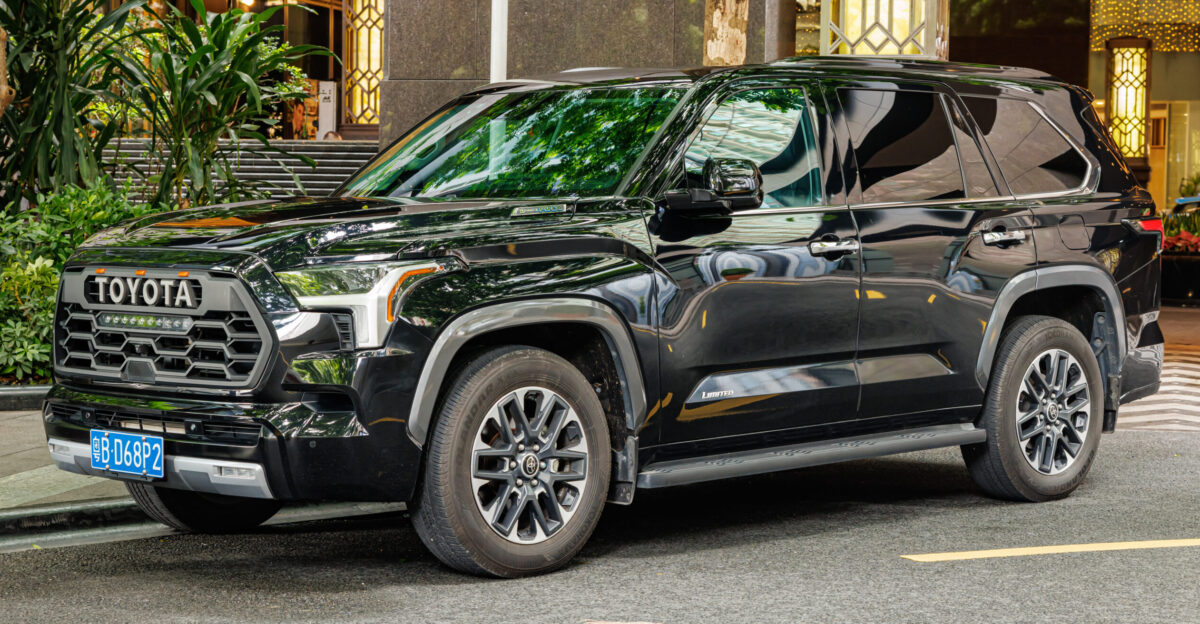
#1: Toyota Sequoia
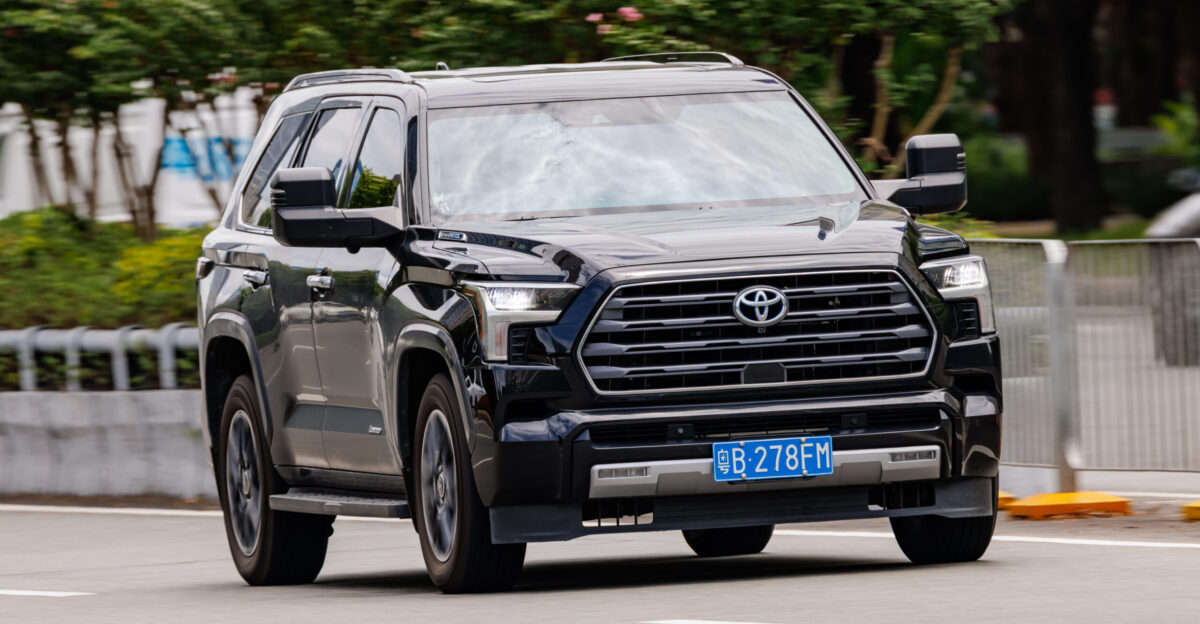
The Toyota Sequoia claims the top spot with 39.1% probability—8.1 times the industry average. This full-size SUV blends truck DNA with family capacity.
Owners report over 300,000 miles on the original engines and transmissions. The V8 and 4-speed transmission have proven nearly indestructible over three decades. Its endurance sets the standard for high-mileage SUVs.
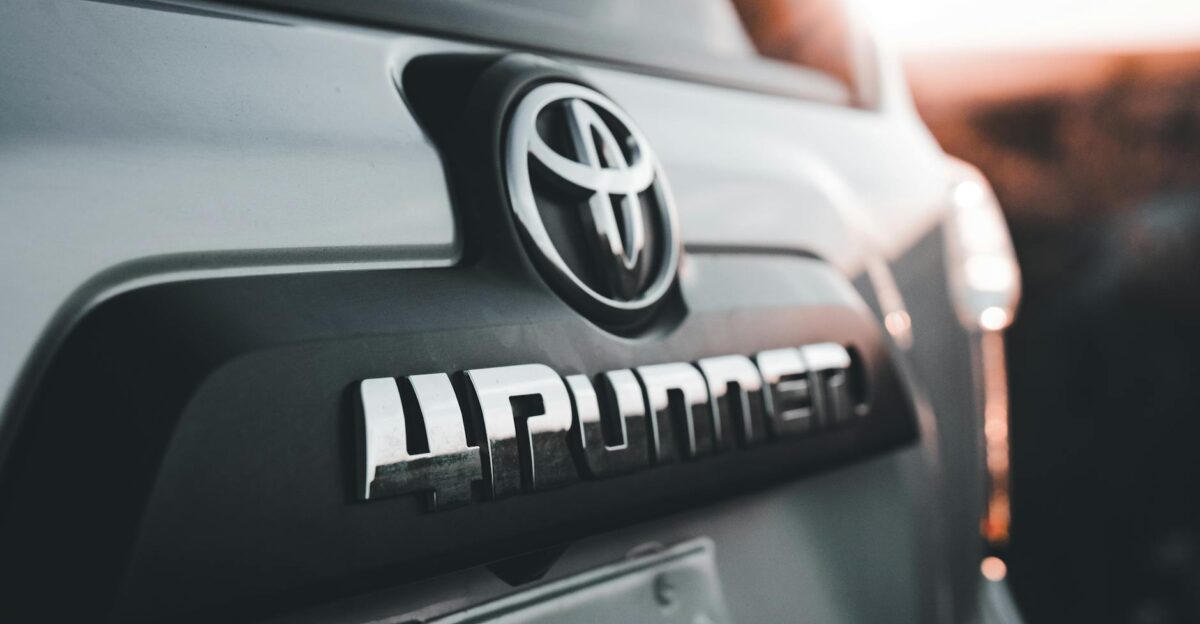
#2: Toyota 4Runner
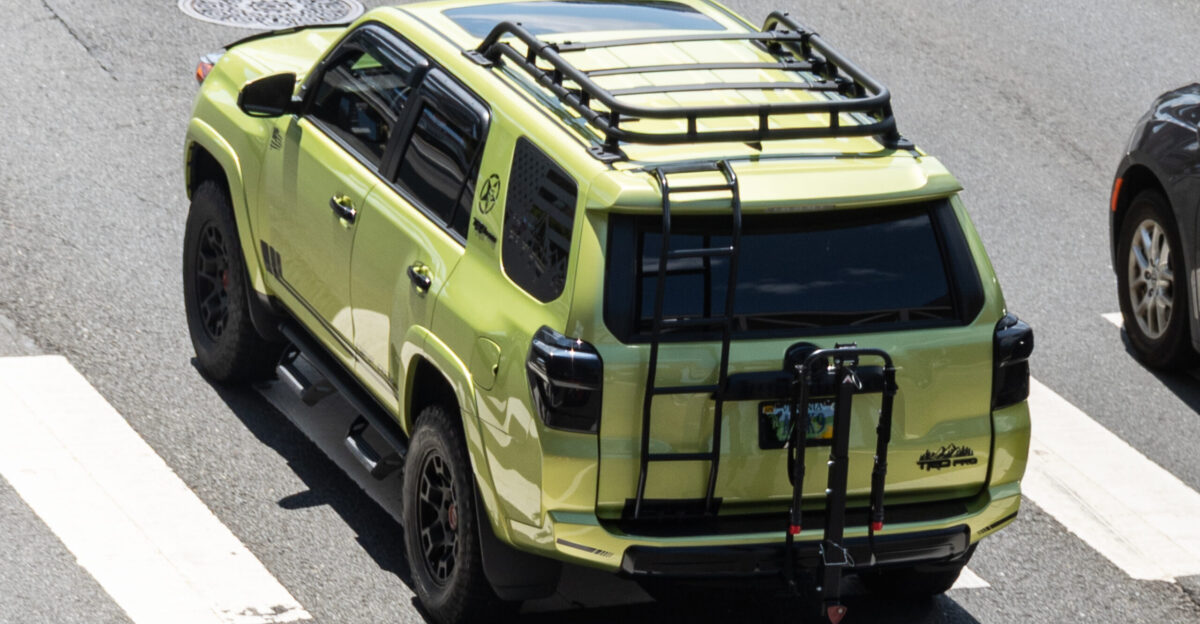
The Toyota 4Runner ranks second with 32.9% probability—6.8 times the average. Built on a truck platform, it emphasizes durability over luxury frills.
Frame-on-body construction, solid axles, and simple mechanics reduce computer-dependent failures. Owners report 250,000+ miles regularly. This SUV is engineered for owners with 25-year ownership horizons in mind.
#3: Toyota Highlander Hy
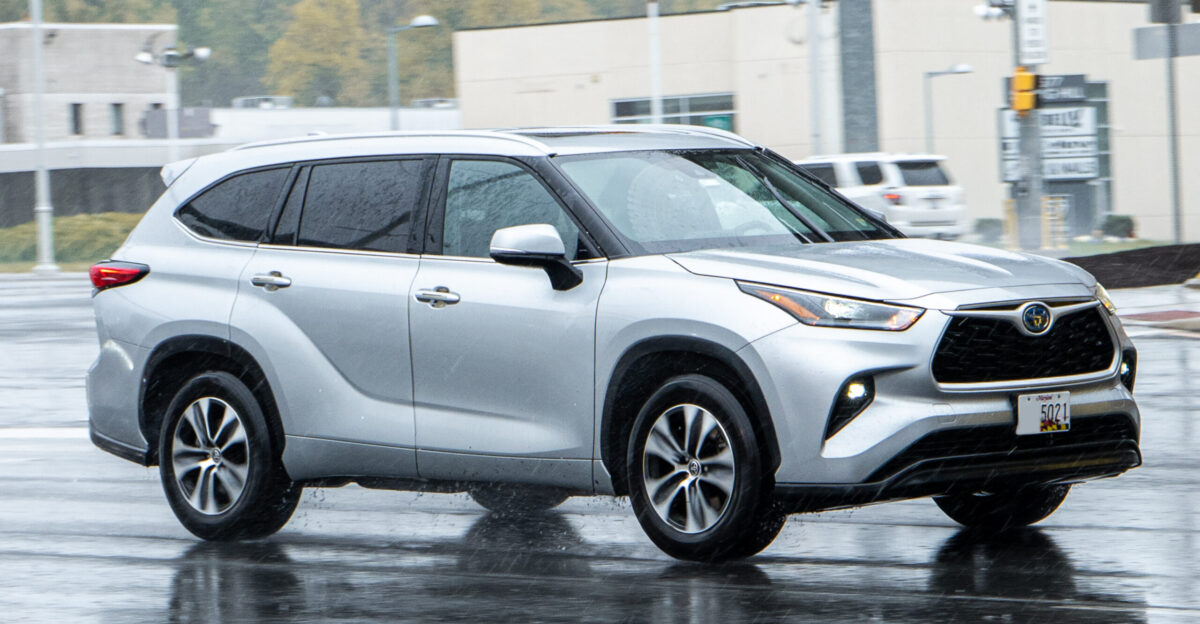
brid
The Highlander Hybrid’s electric motor reduces startup stress on the engine, keeping it fresher for decades. At 31.0% probability, the vehicle far exceeds average longevity.
Owners report zero battery replacements and zero hybrid system failures above 250,000 miles. Hybrid technology here proves durability, not fragility. This is Toyota engineering at its most efficient.
#4: Toyota Tacoma
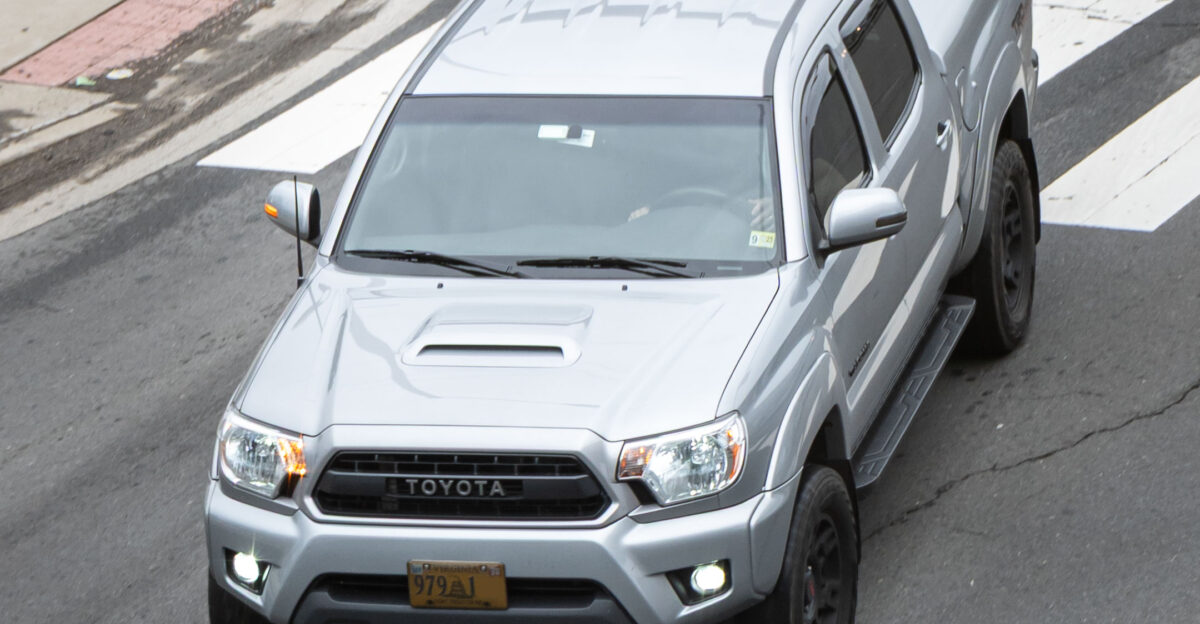
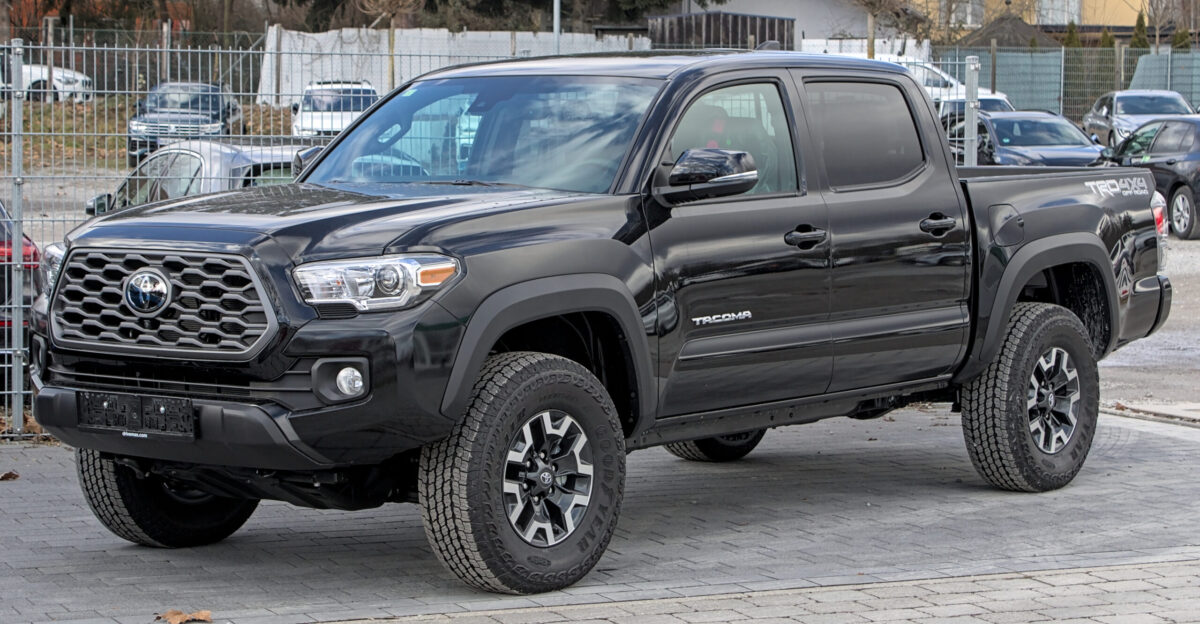
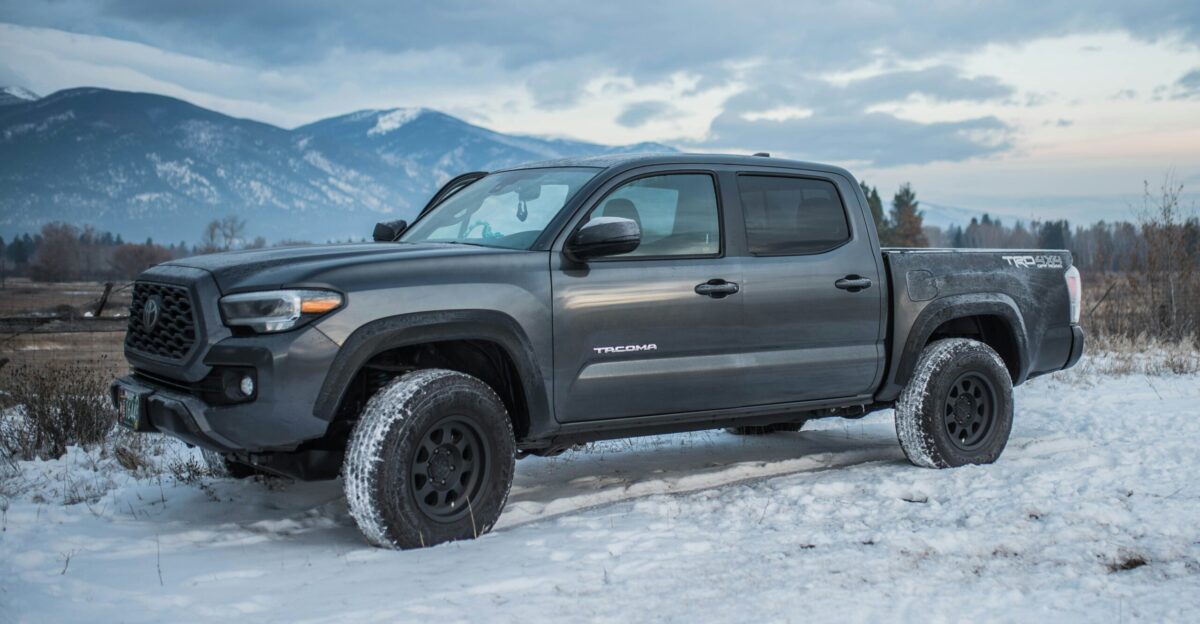
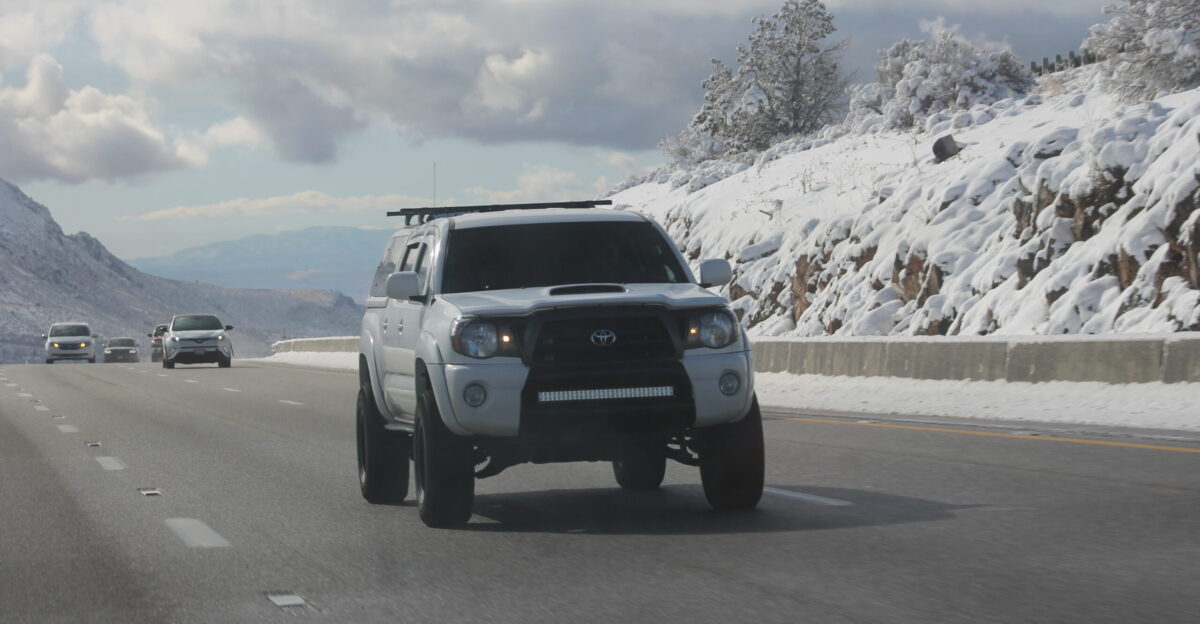
The Toyota Tacoma sits at 25.3% probability—5.3 times the average. Its simplicity is key: a double-cab interior, 5-speed automatic transmission, and solid frame contribute to extreme reliability.
Tacomas from 2000–2014 reached 300,000+ miles with minimal repairs. Balanced payload, fuel economy, and trust from commercial fleets make it a versatile high-mileage pickup.
#5: Honda Ridgeline
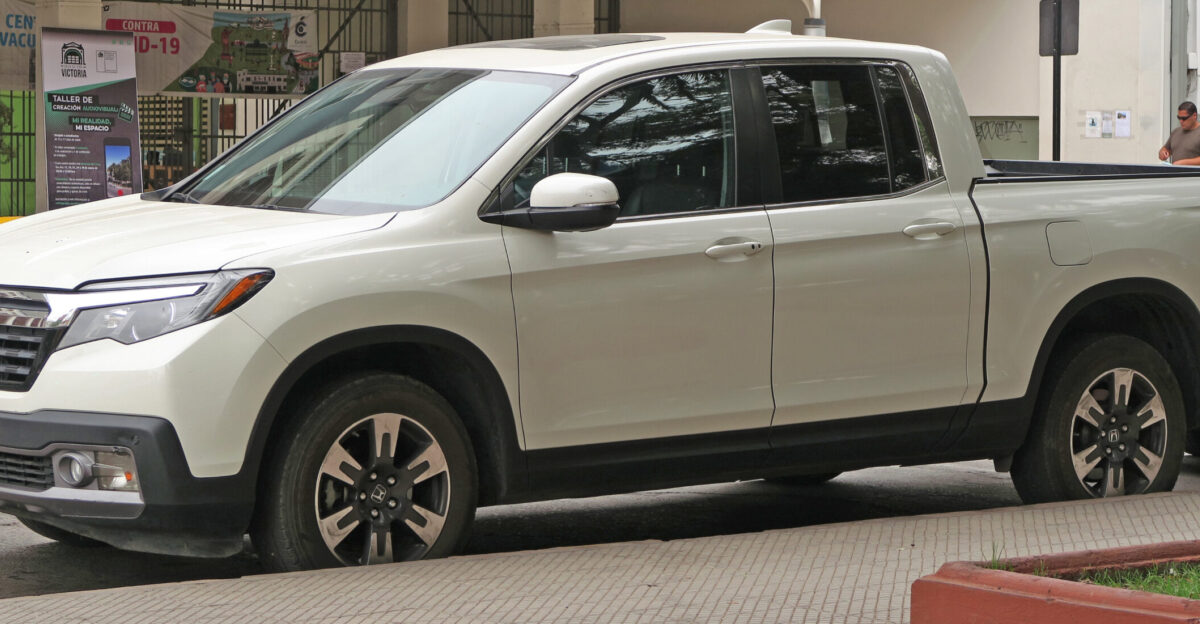
Honda’s Ridgeline combines car-like handling with truck utility. At 25.8% probability, it leverages the legendary K-series engine, used in Civics, Accords, and Elements.
Owners praise smooth transmission, superior interiors, and Honda’s reliability ethos applied to truck design. This mid-size pickup proves Honda engineering extends beyond sedans.
#6: Chevrolet Suburban
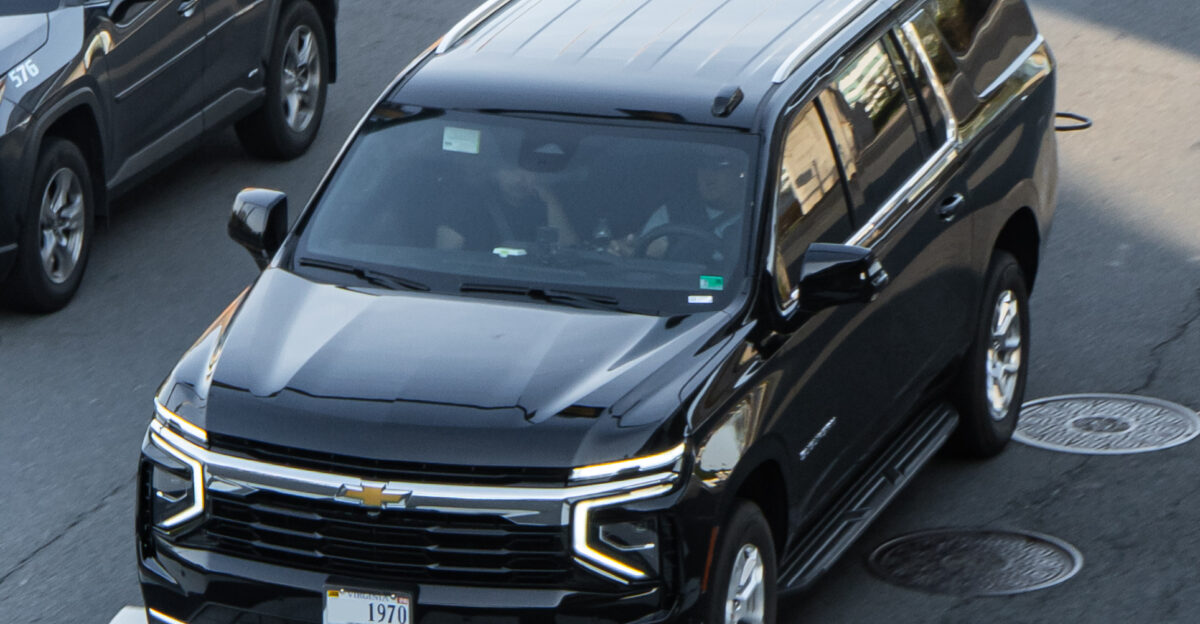
The Chevrolet Suburban achieves 22.0% probability—2.5 times the average. Its truck platform, robust powertrains, and large owner community contribute to longevity.
Pre-2014 models reach 250,000 miles routinely. Modular design promotes repairs over replacement, enabling vehicles to achieve ultra-high mileage success. The Suburban is a testament to American full-size SUV durability.
#7: Toyota Avalon
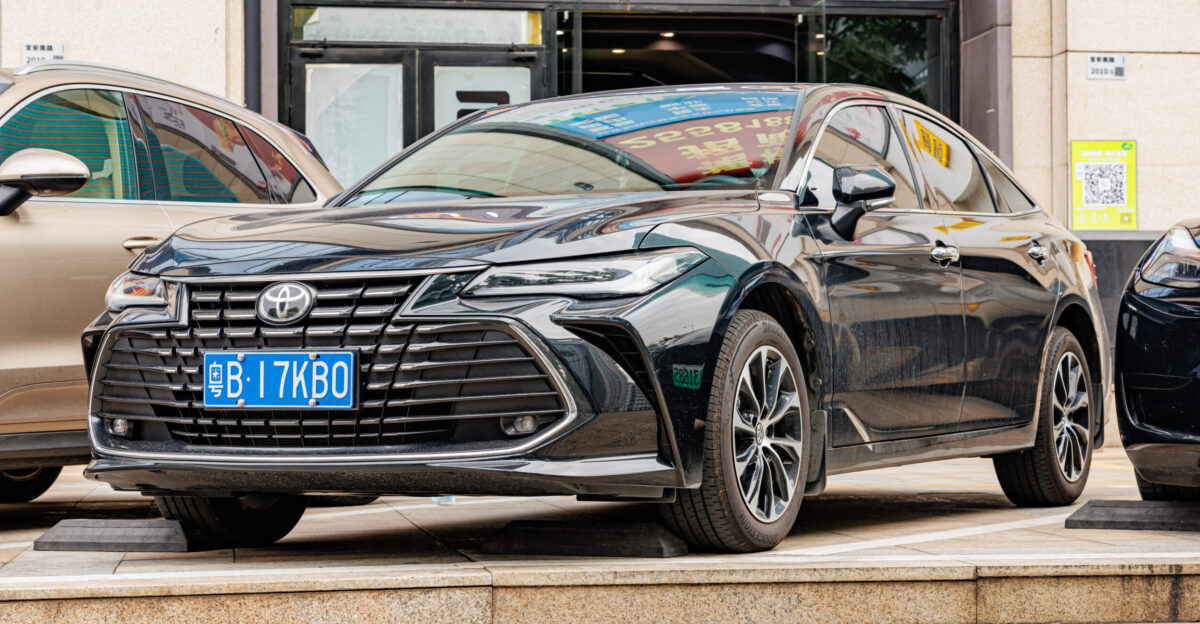
The Toyota Avalon matches the Suburban at 22.0% probability—3.9 times the average. A traditional sedan for loyal Toyota fans, its V6 engine consistently reaches 300,000+ miles.
Comfortable, understated, and cost-effective, the Avalon proves sedans can achieve SUV-like durability. For owners valuing reliability without luxury pricing, it remains a go-to choice.
#8: Lexus GX
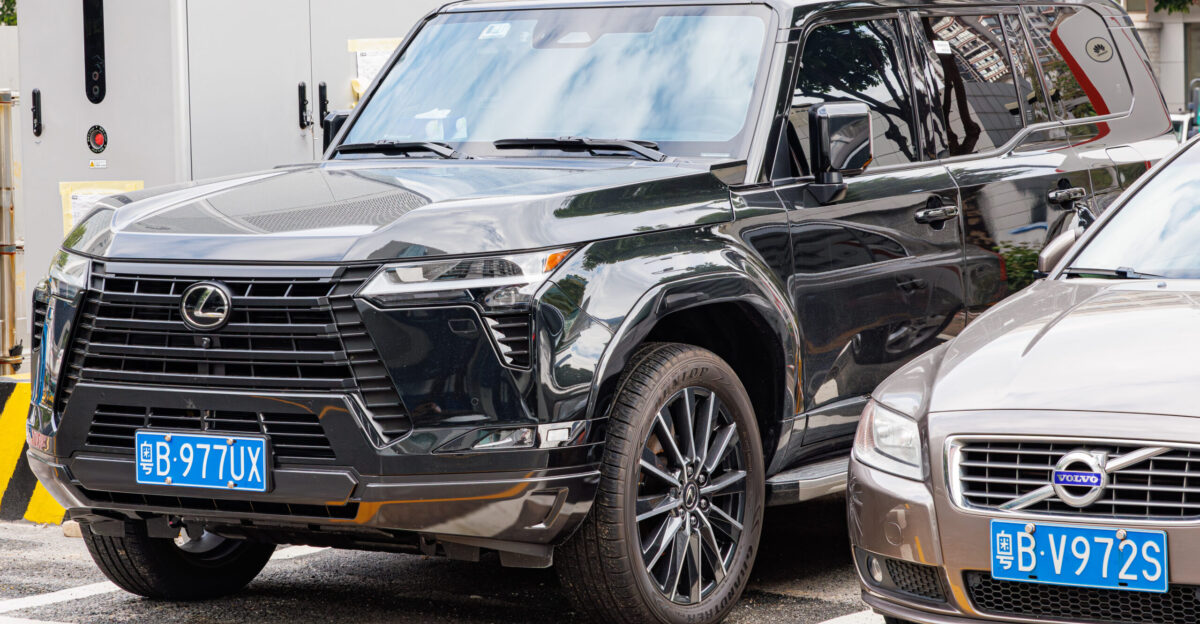
The Lexus GX posts a 20.7% probability—2.4 times the average. Sharing platforms with the 4Runner, it adds refinement and premium touches without sacrificing durability.
Owners describe the GX as “nearly new” after 250,000 miles. Toyota reliability underpins Lexus craftsmanship, making longevity a feature worth the premium.
#9: Chevrolet Silverado 1500
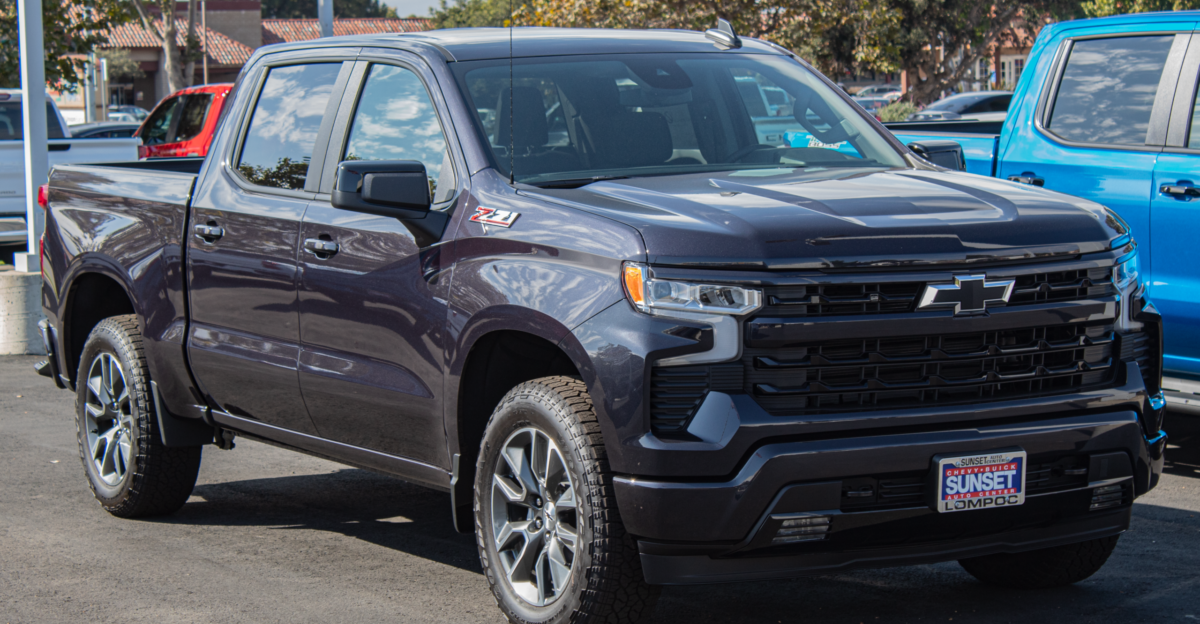
Chevrolet’s Silverado 1500 has an 18.8% probability, 2.2 times the average. Its small-block V8, called the “most proven powerplant in the world,” can exceed 400,000 miles in commercial use.
Proper maintenance rewards owners with punishing truck duty. The Silverado exemplifies American truck engineering, demonstrating longevity when properly respected and cared for.
#10: Lexus RX Hybrid
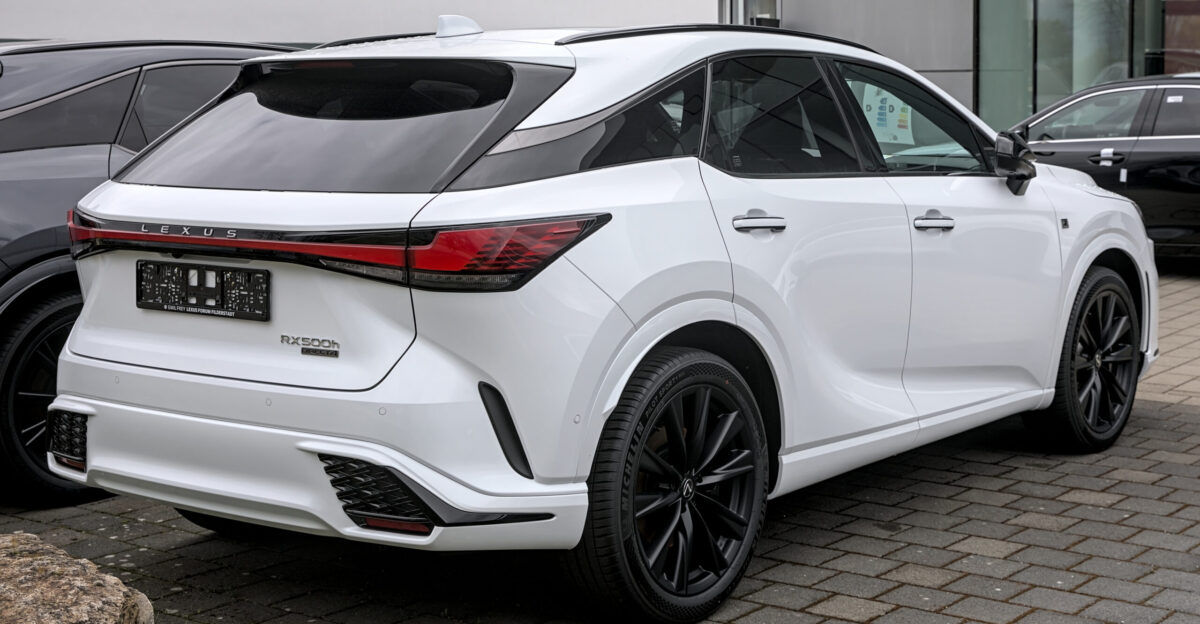
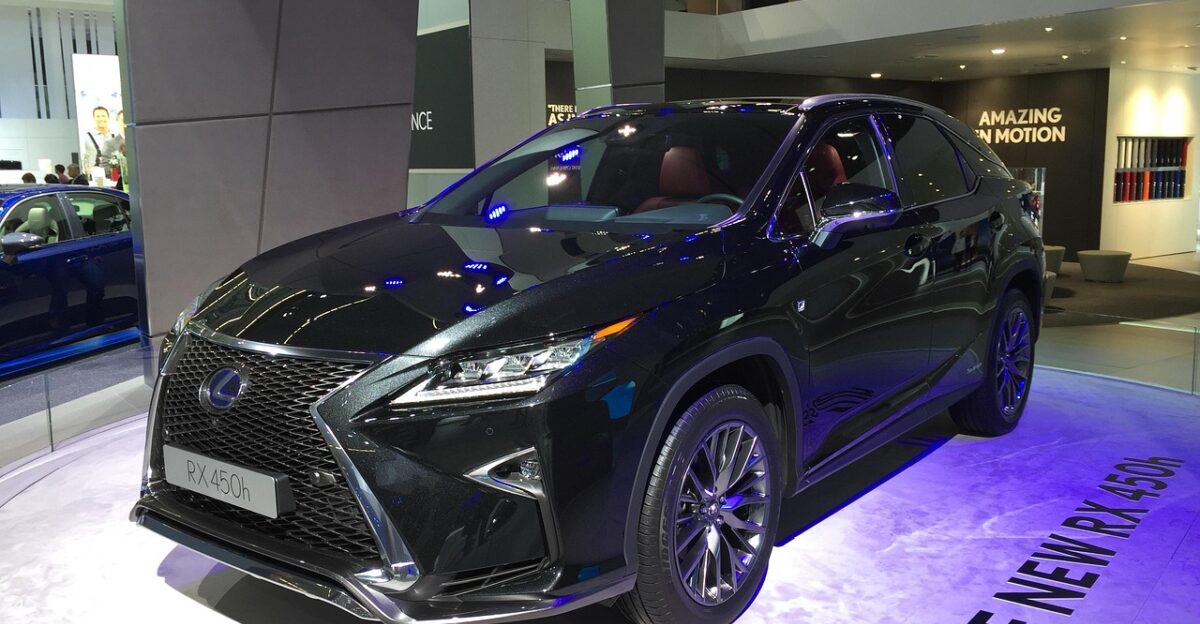
The Lexus RX Hybrid rounds out the top 10 at 17.0% probability—3.5 times the average. Toyota hybrid DNA ensures durability while Lexus adds luxury.
Owners value a smooth ride, a premium interior, and hybrid reliability. Like the Highlander Hybrid, its setup enhances engine longevity, turning hybrid technology into an advantage.
What These 10 Models Have in Common
All ten models require disciplined maintenance, including oil changes, transmission fluid flushes, coolant swaps, and spark plug replacements. Toyota owners can expect extended transmission life, often exceeding 300,000 miles.
These are not miraculous cars; they are the result of regular maintenance. Longevity is less luck, more consistent care and adherence to manufacturer schedules.
How Toyota Built the 250,000-Mile Blueprint
Toyota holds six of the top 10 spots on the list of longest-lasting vehicles. This is intentional engineering, not luck. Multi-generational ownership, proven powertrains, and hybrid investment are core principles.
Owners actively maintain and repair their vehicles rather than replace them. Hybrid batteries have shown zero recorded failures at over 250,000 miles, cementing Toyota’s reputation for durability.
Why Japanese Brands Lead Longevity Rankings
Toyota, Honda, and Lexus utilize platforms that have been refined over decades. Engines like Toyota’s V6 and Honda’s K-series are legendary for durability.
Japanese manufacturers prioritize long-term reliability from day one. Tighter tolerances, higher-quality components, and powertrains rated for over 300,000 miles mean these vehicles consistently outlast their competitors. The design philosophy rewards disciplined maintenance.
Why Hybrids Outlast Traditional Engines
Three models on this list are hybrids. They run engines less frequently, face reduced combustion stress, and benefit from electric assistance during acceleration.
No documented battery failures exist above 250,000 miles. For owners keeping cars 20+ years, hybrids provide both efficiency and durability, turning skepticism about longevity into proven confidence.
Keeping a 250,000-Mile Car Costs Less Than You Think
Annual maintenance for these vehicles ranges $5,000–$8,000, including major work. Luxury brands triple this cost.
Meanwhile, new car financing and depreciation averages $6,000–$10,000 yearly. Owners report these vehicles often cost less to maintain than the payments on a new car. The numbers strongly favor high-mileage ownership.
High-Mileage Gems: Resale Market Reality
Vehicles with 200,000+ miles maintain 40–60% of retail value. A 10-year-old 4Runner or Sequoia with 250,000 miles may sell for $15,000–$25,000.
This unusual equation favors buying used, high-mileage models over new cars. Confidence in longevity drives resale value, making these vehicles rare but financially smart choices for long-term owners.
Sources:
iSeeCars Longest-Lasting Vehicles Study 2025 (analysis of 400+ million vehicles)
Road and Track: Top 30 Vehicles Most Likely to Reach 250,000 Miles (2025 update)
Forbes: Longest Lasting Cars—Vehicles Likely to Hit 250,000 Miles (2024)
Car and Driver: Study Reports Toyotas Are Vehicles Most Likely to Last (2024)