
By 2025, approximately 73 million Baby Boomers will turn 65, facing a shocking reality: the retirement they envisioned is crumbling. Rising living costs, dwindling savings, and a sense of purposelessness have supplanted the dreamy narratives once glorified in magazines.
The foundational promises made to this generation with origins in corporate boardrooms and financial seminars were built on shaky economic ground. What has transpired can be viewed as an institutional failure of alarming magnitude, leaving many reeling at the stark contrast between expectation and reality.
The Pension Vanishing Act

For decades, companies provided a safety net in the form of defined-benefit pension plans that guaranteed workers monthly payments for life. However, the 1980 introduction of the 401(k) shifted this paradigm, transferring risk from employers to employees.
By 1990, 19 million workers were enrolled in these plans; a decade later, the transformation was complete. Workers are now left to grapple with the unpredictable nature of these retirement accounts and the absence of a guaranteed payout, leaving many unprepared for their retirement years.
Betting Everything on the Market

The narrative touted by financial advisors was straightforward: take control of your retirement with guaranteed 7% returns by investing steadily and consistently. Many Boomers took this message to heart, believing they could achieve financial security through smart investing in the stock market.
However, this optimistic outlook failed to account for volatility and hidden fees. A significant market downturn just before retirement can devastate years of diligent savings, shattering the illusion of a secure financial future.
Social Security: A Safety Net That Barely Holds

Designed to replace approximately 40% of pre-retirement income, Social Security was never intended to be the sole source of income for retirees. In 2025, the average retired worker receives approximately $2,008.31 per month, or roughly $24,099 annually.
Yet, with median rents often exceeding $1,500 per month, many Boomers are left struggling to cover basic expenses, such as food and healthcare. The arithmetic does not support relying on Social Security as a primary source of income, leaving millions in precarious situations.
Only 10% Fully Retired

Despite reaching traditional retirement age, only 10% of Baby Boomers are fully retired as of 2025. Nearly half plan to continue working, often due to insufficient savings or rising healthcare costs.
One impacted individual noted, “I thought retirement would mean freedom, but I’m forced to work just to make ends meet.” For many, retirement isn’t a choice; instead, it has become a necessity that extends far into their 70s and beyond, illustrating the profound disconnect between expectations and reality.
Age Discrimination Creates the “Special Limbo”

Boomers find themselves in a harsh predicament: perceived as too old to hire yet too young to retire. Research reveals that 64% of workers aged 50 and above have faced age discrimination, often underpinned by stereotypes about older workers’ adaptability.
This bias not only limits job opportunities but also jeopardizes financial security, making it increasingly difficult to secure employment necessary for affording a decent standard of living in retirement.
Healthcare Costs Obliterate Savings

Medicare, touted as the solution to healthcare affordability, instead presents a complex landscape filled with out-of-pocket expenses. In 2025, beneficiaries face deductibles capped at $590, alongside coinsurance payments reaching up to $14,000 in Medicare Advantage plans.
These costs can devastate the savings of retirees; numerous individuals have cited their struggles, as one person noted, “One serious illness can wipe out everything I’ve saved over a lifetime.” The unpredictable nature of these expenses contributes to an ongoing retirement crisis for Boomers.
Medical Debt as Retirement Killer

Staggering statistics reveal that medical expenses are a leading cause of bankruptcies in the U.S., especially among older adults. Studies indicate that 17% of adults with healthcare debt have declared bankruptcy or lost their homes.
For Boomers reliant on $2,000 monthly from Social Security, any significant medical event can trigger financial ruin. It highlights the perilous intersection between healthcare costs and retirement, with many individuals struggling to maintain their homes and finances.
The Myth of Financial Literacy

Many Boomers operated under the belief that financial literacy would empower them to secure a comfortable retirement. However, national statistics suggest otherwise; only a small fraction accurately understand how their savings can withstand market fluctuations.
One retiree lamented, “I thought I had everything planned out, but no one explained the real risks.” This knowledge gap has left a generation ill-equipped to navigate the complexities of their retirement, exacerbating the ongoing crisis.
Environmental and Economic Factors in Retirement
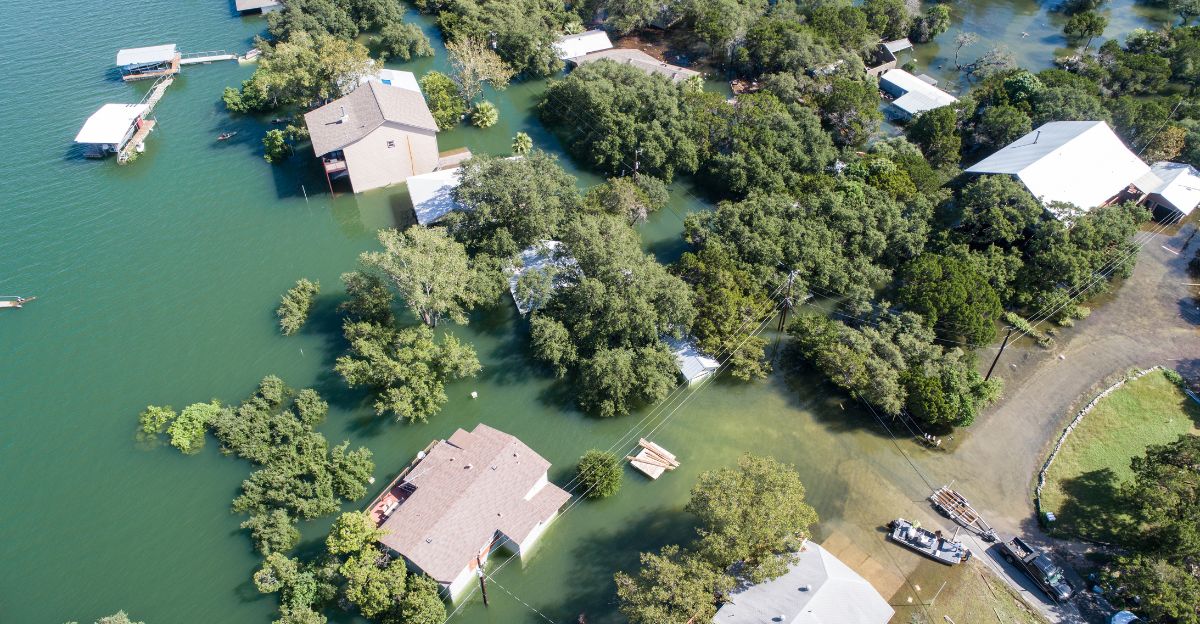
Environmental factors, such as climate change and economic pressures like inflation, have contributed to increased uncertainty in retirement planning.
Financial analysts have noted the impact on older workers: “Many are now questioning the sustainability of the lifestyle they worked so hard to build.” As these forces mount, many Boomers face additional pressures that further strain their already precarious financial situations, complicating their retirement plans and expectations.
The Tension of Caregiving Responsibilities

Many Boomers find themselves part of the “sandwich generation,” balancing caregiving for aging parents alongside financial responsibilities for their adult children. This dual burden often stretches their limited resources, further complicating the retirement landscape.
“I feel like I’m constantly juggling, with no end in sight,” shared one caregiver. This generational strain adds layers of financial headache for Boomers attempting to navigate their retirement years.
The Impact of Financial Market Trends

The financial markets’ volatility has profoundly affected retirement plans for millions of Boomers. The expectation for steady returns has been crushed by economic downturns, leaving many facing bleak financial futures.
Analysts emphasize that these trends reveal the unsustainable nature of investment strategies that rely solely on market performance. As a result, the planning landscape is in disarray, further complicating the already tumultuous journey toward retirement.
Psychological Impact of Retirement Planning

The emotional toll associated with retirement fears can hinder mental well-being. Many individuals report feelings of anxiety over their financial future. “Retirement was supposed to be my time to relax, but now I’m filled with stress,” stated one Boomer.
As economic realities clash with expectations, a psychological crisis looms, impacting their quality of life and sense of purpose during what should be their golden years.
Losing Status and Identity

As traditional roles shift, many Boomers are confronting a troubling loss of status and identity. Retirement shouldn’t equate to leaving behind a purpose; for countless individuals, it has meant grappling with an identity crisis.
Individuals express these feelings; one noted, “After working so long, I feel lost without that piece of myself.” This emotional upheaval adds complexity to their retirement experience, underscoring the need for support systems.
The Real Cost of Living

The increased costs of living have significantly outpaced income growth, further affecting the financial stability of Boomers. Economic data reveal that inflation has dramatically eroded the purchasing power of retirement funds.
A recent survey indicated, “Every year, my savings seem to stretch thinner,” highlighting a stark reality the generation faces daily. This financial strain is a harsh contrast to the promises of a comfortable retirement.
The Spiral of Debt

Debt remains a significant burden for many Baby Boomers, particularly those who took out loans against their retirement accounts during challenging economic times. This realization has provoked a wave of financial regret.
“I didn’t think it would come to this, but now I’m trapped,” shared a retiree struggling under the weight of debt. These financial decision points can haunt Boomers, shaping their experiences as they navigate an uncertain retirement landscape.
Alternative Retirement Solutions

The increasing despair over traditional retirement methods is prompting many to seek alternative financial solutions, including part-time work or gig economy roles. Workers find solace in flexible arrangements that provide additional income and purpose.
“I never pictured myself working past retirement age, but I love what I do,” states one individual adapting to this new normal. This shift demonstrates resilience in the face of financial challenges.
The Power of Community Support

Amid these challenges, community support has become a lifeline for many Boomers facing financial uncertainty. Local programs focused on sharing resources, mentorship, and education are emerging as crucial support systems.
“Together, we can help each other through this,” noted an organizer of a local support initiative. These grassroots efforts exemplify the power of human connection as individuals navigate the complexities of retirement.
Advocacy for Change
In light of these issues, advocacy for policy reform is gaining momentum. Movements aimed at improving Social Security, protecting workers from age discrimination, and ensuring equitable access to healthcare are emerging as vital efforts.
“We need significant change to secure a better future for retirees,” advocates stress. Empathy in policy can shift the trajectory for many Boomers, allowing for a security that was once taken for granted.
Moving Forward

Despite the daunting challenges, there is hope for Baby Boomers as they navigate the shifting landscape of retirement. By advocating for changes and seeking community support, this generation can reclaim a sense of purpose and security in their later years.
While the promises of retirement have been called into question, the resilience seen today reflects the unwavering spirit of those working to secure their future amidst rapid change.
Sources
U.S. Census Bureau Baby Boomer Demographics
Investopedia Rising Costs of Living Force Baby Boomers To Rethink Retirement
PBS Frontline Five Moments that Shaped the 401(k)
Social Security Administration Monthly Statistical Snapshot
AARP Age Discrimination Persists Among Older Workers
Centers for Medicare & Medicaid Services Medicare Drug Coverage Costs