
Scientists have confirmed that the Cascadia Subduction Zone, a 600-mile-long fault along the coasts of California, Oregon, Washington, Alaska, and Hawaii, poses a significant risk. A magnitude 9.0 earthquake could be triggered, leading to potentially 13,000–14,000 deaths, predominantly from resultant tsunamis.
According to a Virginia Tech-led study published in April 2025, coastal subsidence would double flood exposure, threatening millions and rendering evacuation routes obsolete within minutes, marking one of the deadliest natural disasters in U.S. history.
Why Now? The Convergence of Geology and Climate
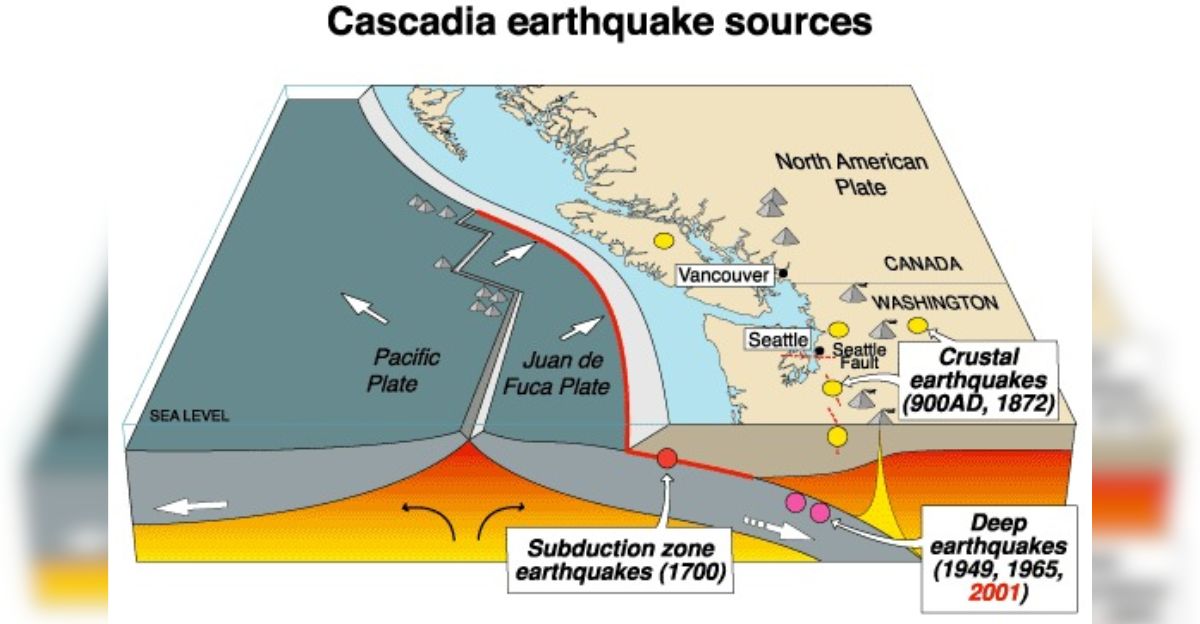
The inherent instability of the Cascadia fault, which last ruptured in 1700, is intensified by climate change. Rising sea levels and subsidence of up to 6.5 feet during an earthquake exacerbate tsunami risks.
Tina Dura, lead researcher at Virginia Tech’s Coastal Hazards Lab, warns that tsunami evacuation maps designed for earlier sea levels significantly underestimate the inland reach of waves, creating a dangerous mismatch with present realities. The intertwining of seismic risks and environmental change underscores the urgent need for updated disaster preparedness.
Millions Face Evacuation Chaos

Coastal residents in Washington, Oregon, and Northern California have a mere 15–20 minutes post-earthquake shaking to evacuate. In remote areas, limited road capacity and aging infrastructure would hinder escape efforts. Vital institutions, such as schools and hospitals, are located in inundation zones, with no effective emergency plans in place.
“Many coastal communities simply cannot evacuate 100,000+ people within 20 minutes,” acknowledges the Oregon Emergency Management office, emphasizing the severe bottleneck that could turn a geological disaster into a human tragedy.
The Insurance Crisis Hits Home

The risk assessment is prompting property insurers to reconsider coverage in coastal areas of the five most vulnerable states. Major carriers are already limiting or denying policies in California’s seismic zones, setting a precedent.
Homeowners in Cascadia-risk areas are likely to face skyrocketing premiums or policy non-renewals, which will drive down property values and erode coastal real estate assets. Additionally, mortgage lenders will increasingly demand enhanced coverage, making beachfront living more challenging for middle-class families.
Tourism & Hospitality Face Uncertainty
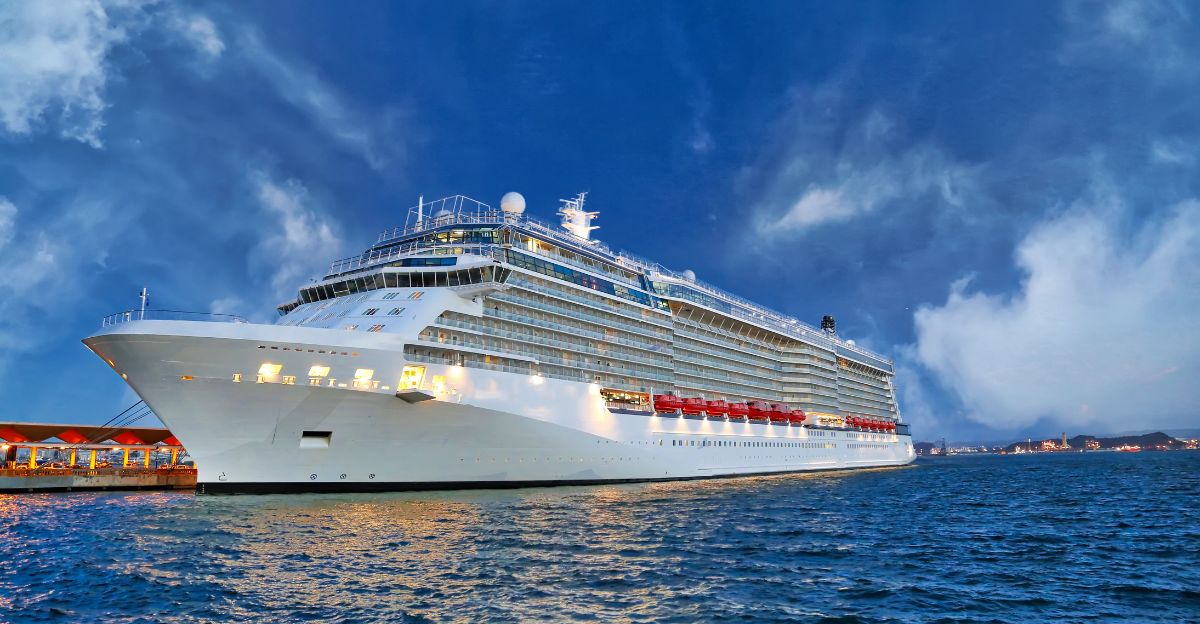
Regions such as Alaska and Hawaii heavily rely on cruise tourism and beach resorts for revenue. A credible warning of a megaquake will likely dissuade travelers even without a seismic event. Regional tourism officials are developing contingency plans, while airlines anticipate potential changes in booking patterns.
Early cancellations from tour operators may become more common as awareness spreads. This potential “phantom disaster” effect exacerbates an already struggling hospitality sector, which is recovering from pandemic losses, and threatens future stability before any tremors occur.
Fishing & Aquaculture: Livelihoods on the Line

The fishing industries across the Pacific Northwest and Alaska employ over 50,000 individuals, contributing around $20 billion annually. A Cascadia tsunami could devastate docks, processing facilities, and vessels, while also causing catastrophic losses to aquaculture farms.
Rising insurance costs for fishing operations are alarming industry stakeholders, who are already hedging against uncertain supply chains. Ongoing consolidation among smaller operations could signal the gradual decline of family-owned fisheries in the region.
Energy Infrastructure: A Cascading Blackout Risk
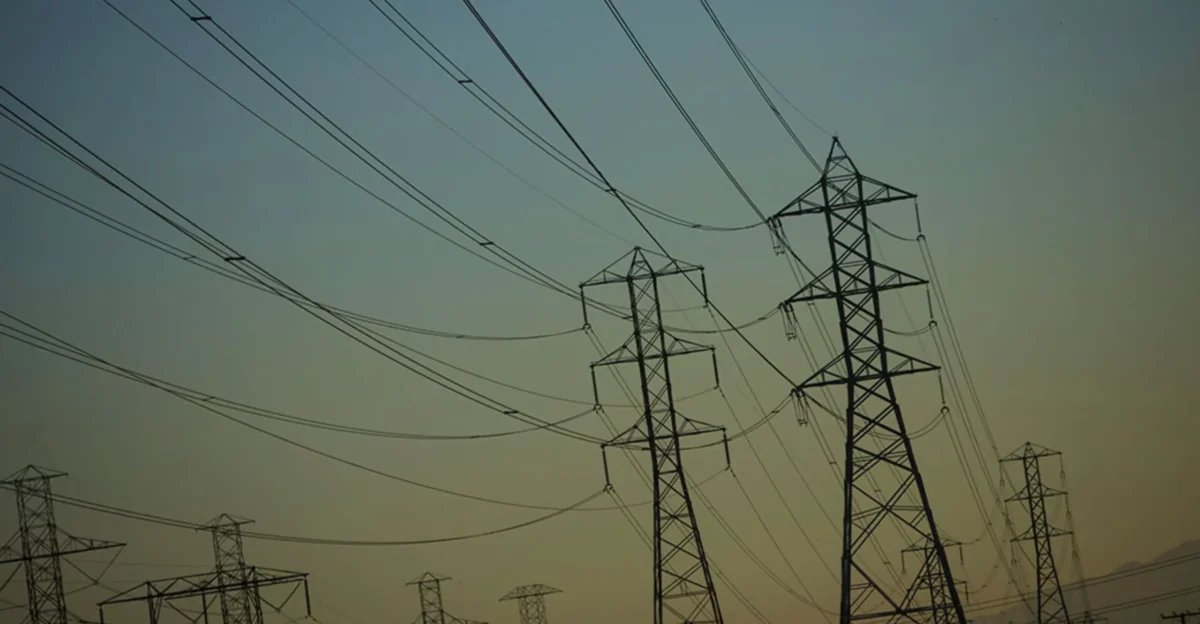
California, Oregon, and Washington heavily rely on interconnected power grids and hydroelectric systems. A significant earthquake could disrupt transmission lines and generate cascading blackouts across the region.
Of particular concern is the Diablo Canyon nuclear plant, positioned near a seismic fault zone with elevated tsunami risks. Prolonged blackouts would jeopardize hospitals, water treatment facilities, and data centers, prompting energy officials and technology sector leaders to evaluate contingency strategies.
Infrastructure Under Siege

Ports, harbors, and coastal highways in California, Oregon, and Washington face severe risk from anticipated megaquakes. These infrastructures are crucial for shipping and supply chains, yet are built on ground that could be destabilized during an earthquake.
According to the U.S. Geological Survey, the combined threats of seismic activity and rising sea levels pose a significant risk to these vital connections. Communities must prepare new evacuation routes and strengthen infrastructure to mitigate the risks posed by natural disasters.
Coastal Community Resilience

However, it’s not all doom and gloom. Regional emergency management agencies are actively seeking solutions to enhance community resilience. Local leaders are advocating for more coordinated evacuation plans and enhanced infrastructure.
Initiatives include conducting drills, public education campaigns, and partnerships to improve emergency response systems. Communities are working collaboratively with governmental agencies to strengthen preparedness and ensure that residents have trustworthy evacuation routes in the event of a major earthquake or tsunami.
The Unknown Impact

The unknown variable in this disaster forecast is public response. When the earthquake strikes, many will have never experienced such a crisis, according to disaster preparedness experts. Options for securing shelter or escape routes may be limited, leading to confusion and challenges.
A robust awareness campaign is crucial for equipping coastal communities with the knowledge and tools to follow emergency protocols effectively, thereby reducing chaos and saving lives in the aftermath of a significant earthquake.
Education and Awareness
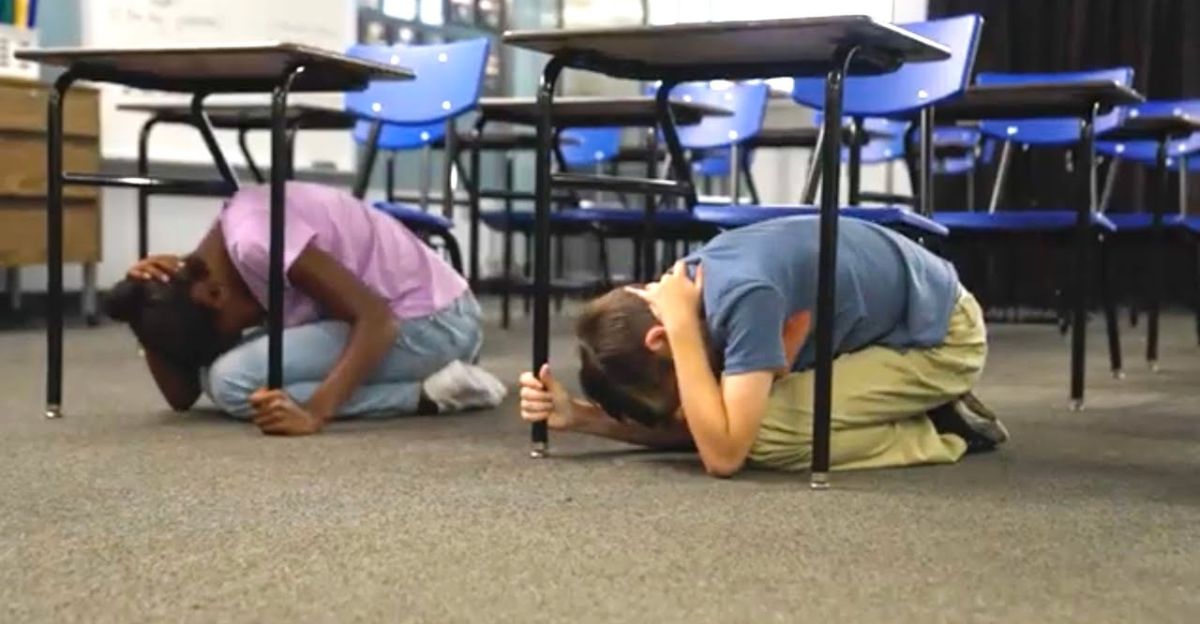
To better prepare for the looming risks, educational initiatives focusing on earthquake awareness and preparedness have become essential. Schools, local organizations, and media campaigns are crucial for effectively conveying information related to evacuation procedures and tsunami risks.
Empowering individuals with the necessary knowledge can make a substantial difference in mitigating panic and facilitating orderly evacuations during moments of crisis. Awareness can strengthen community cohesion in times of adversity.
Technological Solutions & Innovations
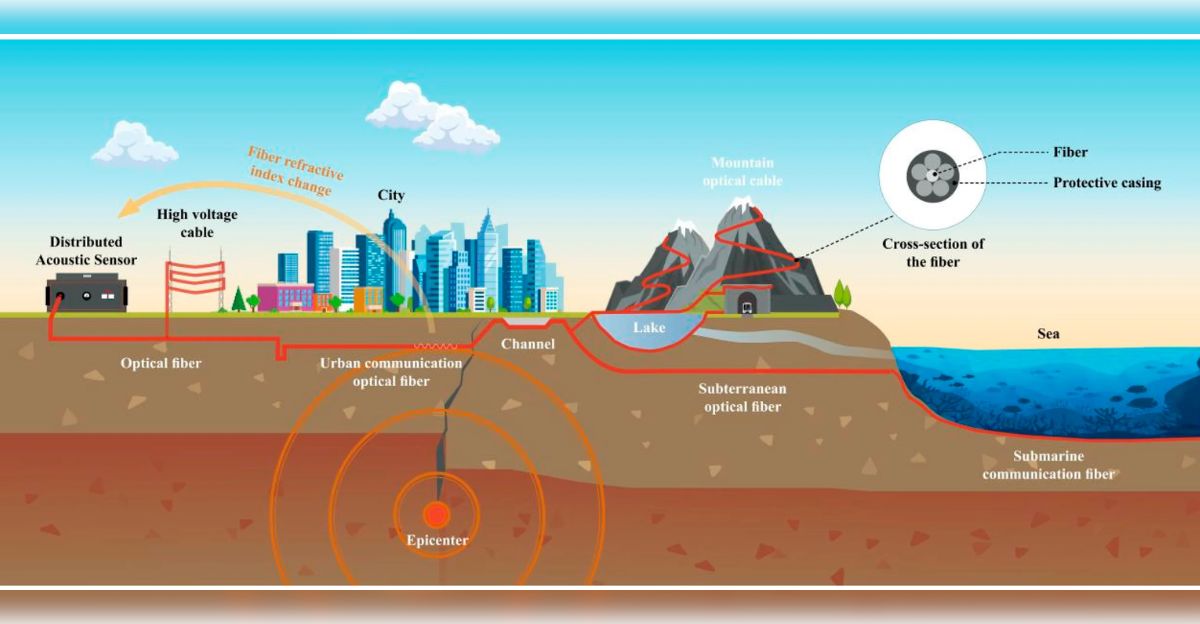
Emerging technologies present solutions for early warning systems, providing critical alerts to coastal residents about impending tsunamis. Advanced seismic sensors and satellite imagery enable real-time monitoring, allowing for quicker assessments of earthquakes’ potential impacts.
These systems can seamlessly communicate with local emergency services to mobilize immediate response efforts. Embracing innovation adds a layer of protection, potentially minimizing casualties and ensuring that vulnerable communities have adequate time to prepare.
Policy Changes on the Horizon

The financial stakes have prompted policymakers to reconsider land-use planning and building codes along coastal zones. Stricter regulations may boost the resilience of homes and commercial properties to withstand seismic impacts and flooding.
Support for the development of infrastructure that can better handle extreme weather events, paired with incentive programs for retrofitting structures, signals a proactive approach. The collaboration between government agencies and communities is crucial for strengthening disaster resilience.
The Role of Local Governments
Local governments play a pivotal role in implementing policy changes and promoting preparedness initiatives. By actively engaging with communities, they create a platform for dialogue and address specific vulnerabilities in coastal areas.
Town hall meetings, public forums, and workshops encourage citizen involvement and empower residents to voice their concerns. This collaborative approach fosters a culture of preparedness, which is essential for addressing the imminent challenges posed by the Cascadia Subduction Zone.
A Call to Action

As the risks escalate, residents in the five-flagged states must actively engage with preparedness efforts. Awareness can lead to informed decisions regarding safe living and emergency action plans for families.
Specialists urge individuals and communities to take charge of their safety by participating in local drills and utilizing resources provided by emergency management agencies. Tina Dura, Virginia Tech’s lead researcher, reinforces the message of collective responsibility: “Every community member has an important role in ensuring safety.”
The Role of Nonprofits and NGOs

Nonprofit organizations and NGOs are stepping up to provide emergency preparedness education and support. These groups provide training and resources to local communities, targeting vulnerable populations and ensuring they understand the steps to take during crises.
Grassroots organizations play a crucial role in promoting disaster preparedness, often working tirelessly to support affected families and encourage proactive measures. The work of these entities highlights a community-oriented approach that is crucial for resilience against potential disasters.
Long-Term Recovery Plans
Long-term recovery plans must prioritize not only immediate response but also future resilience. Coastal communities must develop strategies that enhance infrastructure and facilitate economic recovery in the aftermath of a disaster.
By investing in sustainable practices and rebuilding efforts, local economies can emerge stronger in the face of adversity. As insurance rates rise and tourism fluctuates, holistic recovery approaches can safeguard livelihoods, ensuring communities find equilibrium in an uncertain future.
The Importance of Community Engagement

Community engagement is essential in building sustainable resilience. Volunteers play an integral role in disaster preparedness efforts, promoting awareness and facilitating training programs. Engaging a broad cross-section of the community fosters networks of support and facilitates the sharing of resources among residents.
Broad participation strengthens social bonds, enabling a collective response to unforeseen challenges. By promoting a culture of preparedness, communities become more adaptable and resilient in the face of potential seismic threats.
The Civic Duty of Preparedness

Preparedness isn’t just a personal concern; it’s a civic duty. Communities that work together are better prepared to face the tsunami threat posed by the Cascadia fault. Citizens must advocate for better planning and mitigation efforts that prioritize public safety.
Required civic engagement includes attending town meetings, supporting local safety initiatives, and taking personal preparedness measures. Together, these actions can foster a culture of preparedness and resilience in the face of the imminent risks that coastal residents face.
Facing the Future Together

In conclusion, while the risks associated with the Cascadia Subduction Zone cannot be underestimated, proactive measures and a united effort by communities can drastically enhance preparedness. Heightened awareness, robust policy changes, and active citizen participation are crucial in creating a safer and more resilient future.
Policymakers and governments should stand firm, ensuring these coastal states remain vigilant as they confront uncertainties ahead. Together, with collective vigilance and newfound knowledge, communities can thrive despite looming challenges.
Sources:
Proceedings of the National Academy of Sciences (PNAS) – Increased Flood Exposure in the Pacific Northwest Following a Cascadia Subduction Zone Earthquake
Virginia Tech News – Flood Risk Increasing in Pacific Northwest
USGS Earthquake Hazards Program – Cascadia Subduction Zone Overview & Seismic Hazard Assessment
FEMA Cascadia Rising Scenario Report
Oregon Emergency Management Agency – Tsunami Evacuation Planning & Coastal Hazard Assessment
American Red Cross Disaster Preparedness – Emergency Supply & Evacuation Planning