
Spray-painted “NO MISSILES” messages blazed across the walkways of the University of Minnesota Board of Regents’ homes in early June 2025, accompanied by letters urging opposition to a $1 billion aerospace facility. The coordinated vandalism of multiple regents’ residences shocked the campus, marking an unprecedented escalation in the contentious debate surrounding the Minnesota Aerospace Complex.
University President Rebecca Cunningham condemned the actions, declaring there is “absolutely no place for threatening behavior or destruction of property.”
The Facility That Divided a University
The Minnesota Aerospace Complex represents a $1 billion partnership between St. Paul-based aerospace company North Wind and the University of Minnesota College of Science and Engineering. Situated on sixty acres at UMore Park in Rosemount, the facility aims to become America’s premier hypersonic testing hub.
When completed by 2030 or 2031, three wind tunnels will blow air streams at hypersonic speeds—Mach 5, or approximately one mile per second—testing aircraft components, engines, and materials.
A Nation’s Critical Infrastructure Gap
The United States has not constructed a brand new, state-of-the-art wind tunnel in fifty years. The current hypersonic testing infrastructure faces severe bottlenecks, with wait times exceeding 12 months for facility access. The Pentagon’s $3.9 billion FY2026 hypersonic research budget reflects the strategic urgency.
Federal documents explicitly state the Minnesota facility will “support Hypersonic Air-breathing, boost-glide & Interceptor System Development”—language referring to cruise missiles, boost-glide missiles, and interceptor systems.
When Internal Emails Revealed Uncomfortable Truths

Minnesota Daily investigation uncovered internal University of Minnesota emails showing administrators working to downplay military applications. Vice President Shashank Priya revealed the facility was renamed from “Hypersonic Center” to “Minnesota Aerospace Complex” to “avoid cultural issues.”
Most damaging: College of Science and Engineering Dean Andrew Alleyne flatly stated, “Unfortunately, there really is no dual use for hypersonics.” When colleagues suggested marketing civilian applications, Alleyne responded, “I’d not be super comfortable with that.”
Federal Contracts and Military Money Trail

The funding structure exposed deep defense connections. North Wind secured a $99 million U.S. Army contract, a $50 million forgivable state loan from Minnesota, and an $85 million company investment.
The University of Minnesota received a separate $10.2 million federal contract from the U.S. Army supporting computational hypersonic modeling. Additionally, the Minnesota Forward Fund awarded North Wind $50 million in October 2025 for construction and infrastructure development.
The Activist Response: From Protest to Vandalism

Students for a Democratic Society protested the land sale at a June Board of Regents meeting, expressing concerns the facility would design or test missiles. Members feared the University was profiting from weapons development while investing in defense companies.
The activist group UWar Park—comprising Educators for Justice in Palestine, Students for a Democratic Society, and the Minnesota Immigrant Rights Action Committee—acknowledged awareness of the home vandalism but denied involvement.
Environmental Remediation: Cleaning Up History’s Mess
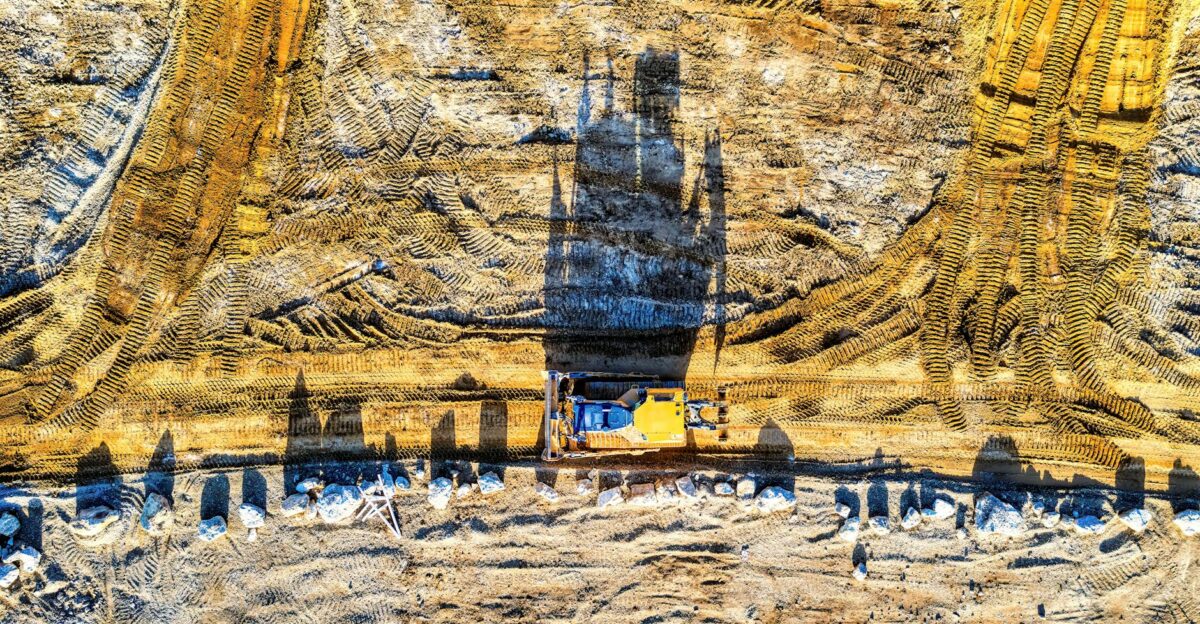
The aerospace complex site occupies land with a troubled environmental past. The Gopher Ordnance Works operated there from 1943 to 1945, producing smokeless gunpowder and leaving behind contamination including polychlorinated biphenyls, lead, and volatile organic compounds.
The site became a federal Superfund location requiring extensive cleanup. North Wind committed to full environmental remediation under Minnesota Pollution Control Agency supervision before construction begins.
City Leadership Embraces Economic Opportunity

Rosemount City Council and Planning Commission unanimously supported the project despite controversy. In February 2025, the city approved rezoning from agriculture to employment use. City officials positioned the aerospace complex within broader regional development, noting it would occupy land directly south of Meta’s $800 million data center.
The proximity created technology corridor opportunities while repurposing contaminated property. Adam Kienberger, Rosemount’s community development director, highlighted the strategic value of transforming abandoned industrial land into cutting-edge research infrastructure.
Labor and Business Communities Rally Support

The Saint Paul Building Trades Construction Council strongly endorsed the project, emphasizing the construction job opportunities and economic stimulus it would provide. Donald Mullin, executive secretary, called it “an amazing opportunity” to repurpose a contaminated site while creating jobs in the technology sector.
Greater MSP, the regional economic development organization, highlighted the facility’s role in attracting additional aerospace investment and talent. Amanda Taylor, Vice President of Business Investment, stated that the complex would provide “critical infrastructure to our nation’s aerospace industry” while developing regional competitive advantages in advanced aerospace technology.
Job Creation and Long-Term Economic Impact

The initial project phase will create forty permanent positions, including engineers, technicians, and calibration specialists. When fully operational, the complex is expected to employ approximately one hundred people by 2031. The facility positions Rosemount as an emerging technology hub alongside existing data center investments and manufacturing facilities.
North Wind President and CEO David Meier emphasized that the project would create “a pipeline for the educational-industrial skill base,” suggesting that workforce development benefits extend beyond direct employment.
The University’s Strategic Bet on Hypersonics

The University of Minnesota College of Science and Engineering positioned itself as a leader in computational hypersonic research through the partnership. The college would handle “modeling and simulation” work while North Wind managed physical testing. This division aimed to maintain research integrity while benefiting from collaboration with the cutting-edge aerospace industry.
University officials argued the arrangement provided students with valuable research opportunities while advancing scientific knowledge. However, the arrangement placed the University squarely within the hypersonic weapons development pipeline, raising concerns among faculty and students about institutional priorities.
North Wind’s Dual-Use Defense
North Wind CEO Arthur Mabbett insisted that the company’s work remained primarily commercial, citing major clients such as Boeing, Rolls-Royce, and General Electric. He stated definitively, “We don’t test weapon systems, right? There will never be a full-on missile sitting in the MAC.”
However, when pressed about whether technologies developed at MAC would be weaponized, Mabbett deferred responsibility: “That is for our customers to decide. It’s not for North Wind to decide.” This positioning—claiming commercial focus while acknowledging customers would militarize technologies—satisfied some stakeholders while fueling critics’ concerns about corporate responsibility avoidance.
The Global Hypersonic Arms Race Context
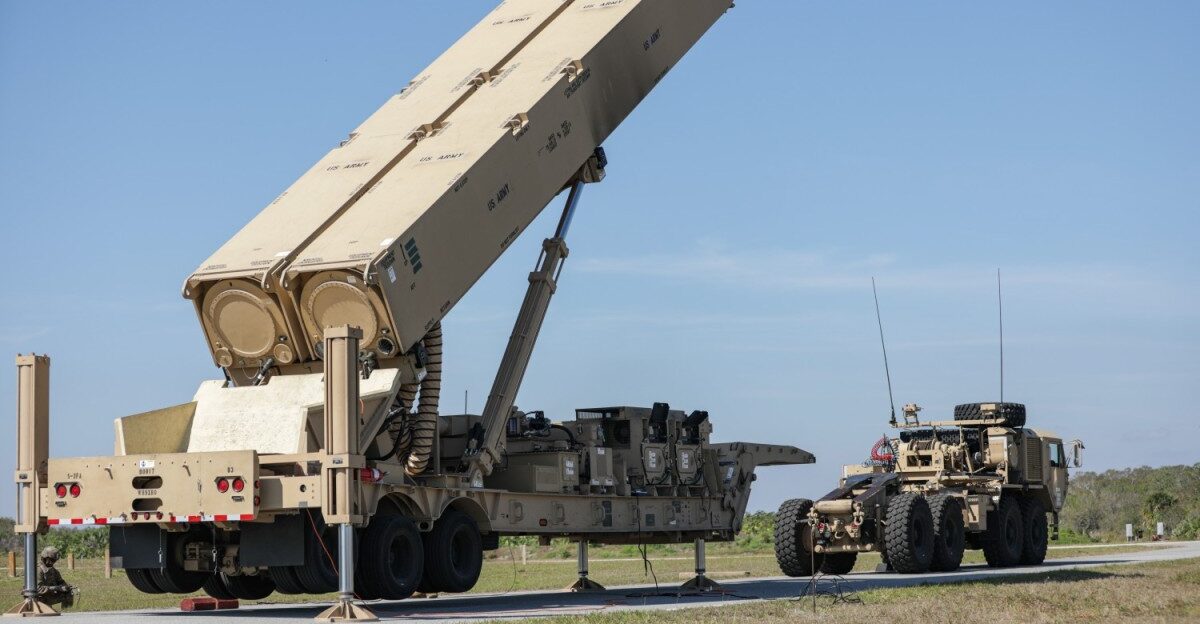
The Minnesota facility emerged within intensifying U.S.-China-Russia competition over hypersonic weapons development. Federal documents stated the United States “has been pursuing the development of hypersonic weapons aggressively for over a decade” while recently initiating “counter-hypersonic systems, including high-speed interceptor technologies.”
Chinese and Russian advances motivated American investment acceleration. The Minnesota complex represented America’s strategic response to perceived technological gaps in the United States.
North Wind’s Historical Minnesota Roots
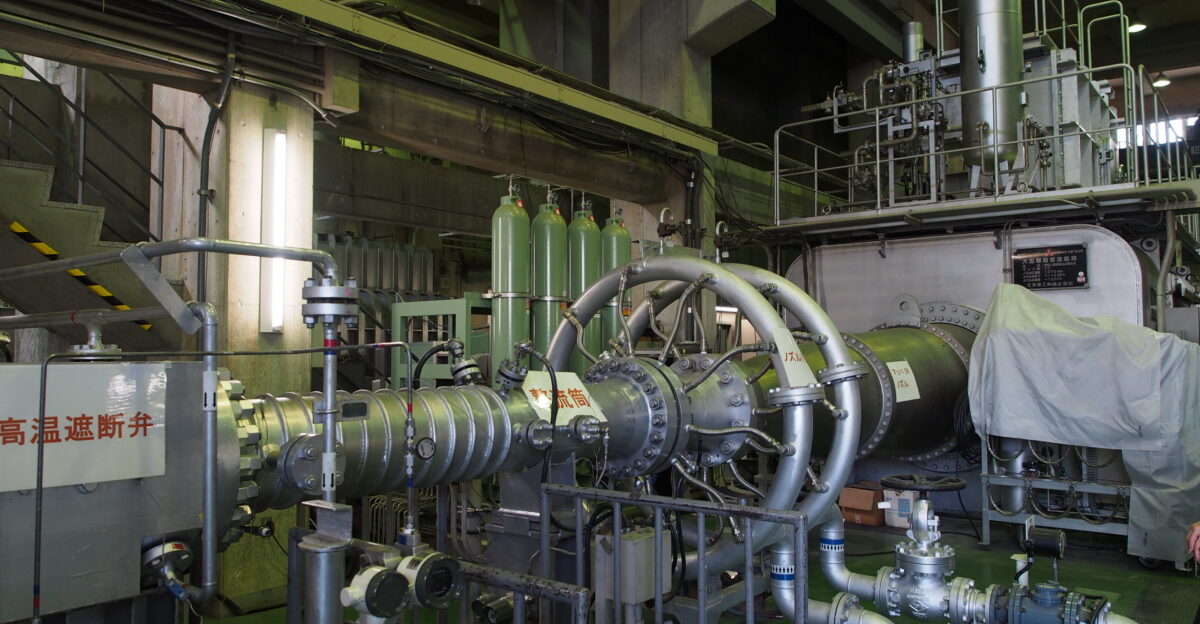
North Wind was founded in Minnesota in 1952 and specializes in air-breathing propulsion systems and high-speed aerodynamics. The company operated a hypersonic wind tunnel in Plymouth since 1959, where it conducted Apollo moon mission testing decades ago. Notably, the aerospace complex site previously housed the University of Minnesota Rosemount Aeronautical Lab, which conducted wind tunnel research from 1946 to 1962.
This historical continuity created narrative appeal, suggesting the new facility represented Minnesota’s aerospace legacy’s natural evolution rather than a sharp military pivot. Corporate historians emphasized this connection to position the project as restoration rather than transformation.
Construction Timeline and Operational Milestones

North Wind aimed to begin environmental remediation and site preparation immediately following project approvals. Initial engineering buildings were targeted for completion within two years, with first wind tunnel operations projected for 2027 or 2028. Full facility completion was anticipated for 2030 or 2031, followed by up to five years of calibration and operational refinement before reaching maximum capability.
This extended timeline meant the controversy would persist throughout construction as activists, academics, and community members continued debating military applications.
University Communications Strategy and Rebranding Efforts

Internal emails revealed sophisticated messaging strategies. Initial naming—”Hypersonic Center”—was abandoned for “Minnesota Aerospace Complex” to avoid cultural backlash. Later, University communications emphasized “Center for Advanced Science and Engineering.” This linguistic repositioning attempted to separate the facility from military connotations.
University leadership prepared messaging emphasizing civilian benefits: emergency medical applications, space access technology, and commercial supersonic aviation. Yet these claims conflicted with Dean Alleyne’s statement that hypersonics lacked genuine dual-use applications.
The Broader Debate

The Minnesota Aerospace Complex sparked larger questions about university roles in military research. Some stakeholders argued universities should develop technologies benefiting commercial aerospace and civilian applications. Others contended that academic institutions should avoid partnerships advancing weapons development. The debate reflected national tensions as universities increasingly partnered with defense contractors amid budget pressures and research competition.
Minnesota’s controversy became emblematic of institutions struggling to balance research funding opportunities, national security needs, and ethical obligations.
Looking Ahead

As construction is set to begin in late 2025, the Minnesota Aerospace Complex remains deeply contested despite having received regulatory approvals. Local communities will experience physical transformation as construction crews mobilize across the sixty-acre site. Environmental remediation efforts will proceed under regulatory oversight.
Wind tunnel construction will create visible evidence of the project’s progression. Throughout this process, activists, academics, and community members will continue challenging the facility’s purpose and implications. The facility represents both Minnesota’s technological ambition and profound national disagreement about universities’ appropriate roles in weapons development infrastructure.
Sources:
Star Tribune, “New $1 billion aerospace testing facility coming to Rosemount, with some controversy” (November 2025)
Minnesota Daily, “Emails between University officials reveal efforts to downplay military applications of hypersonic testing facility” (October 27, 2025)
Yahoo Finance / Twin Cities Business Journal, “$1B Rosemount aerospace complex, University of St. Paul receive funding” (October 22–23, 2025)
U.S. Army Contracts and Grants Database; Minnesota Department of Employment and Economic Development (DEED), “$50 million Minnesota Forward Fund award to North Wind” (October 2025)
Minnesota Pollution Control Agency (MPCA) and University of Minnesota Real Property and Space Planning records, UMore Park Environmental Remediation Documentation