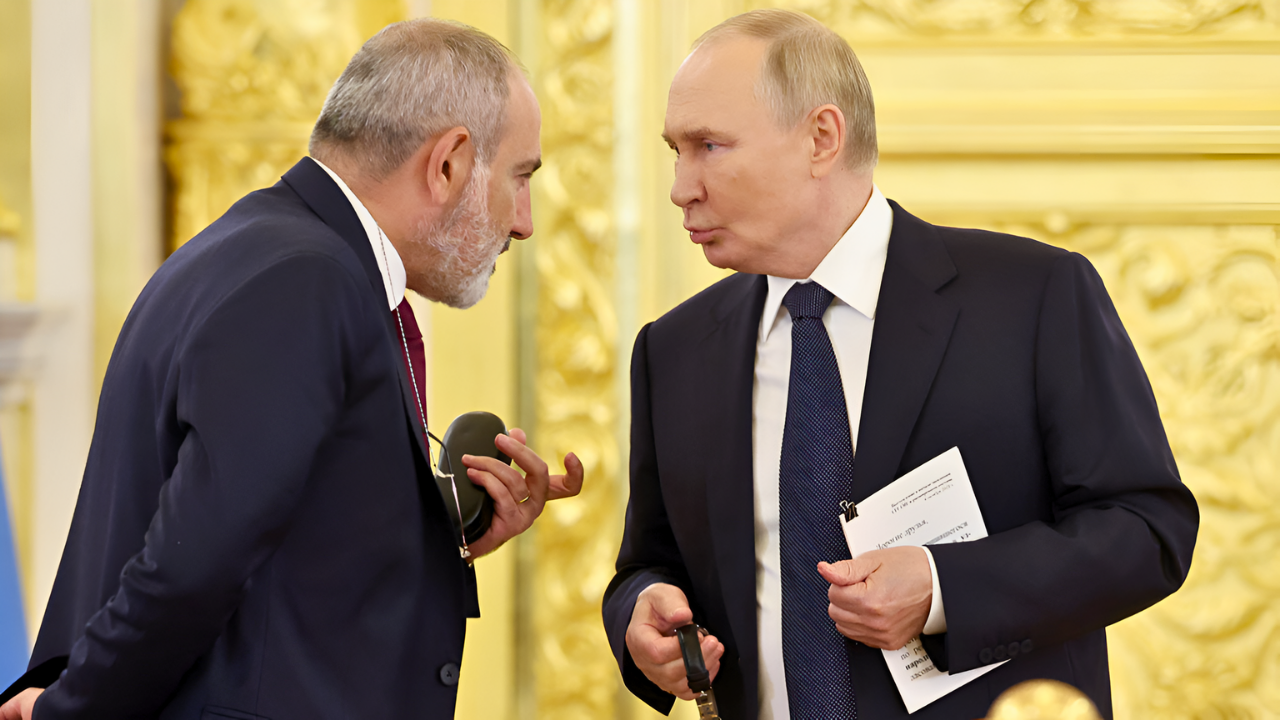
Armenia, long considered Russia’s most dependable post-Soviet partner, is openly distancing itself from Moscow under Prime Minister Nikol Pashinyan. Yerevan has significantly limited its participation in the Collective Security Treaty Organization, moved to reduce Russian border guard deployment in contested areas, and welcomed a European Union civilian monitoring mission.
Together, these moves mark a significant deterioration in bilateral relations since the Soviet collapse, reflecting Armenia’s shifting strategic orientation in the South Caucasus.
Why It’s Happening: Betrayal, Inaction, and Lost Trust
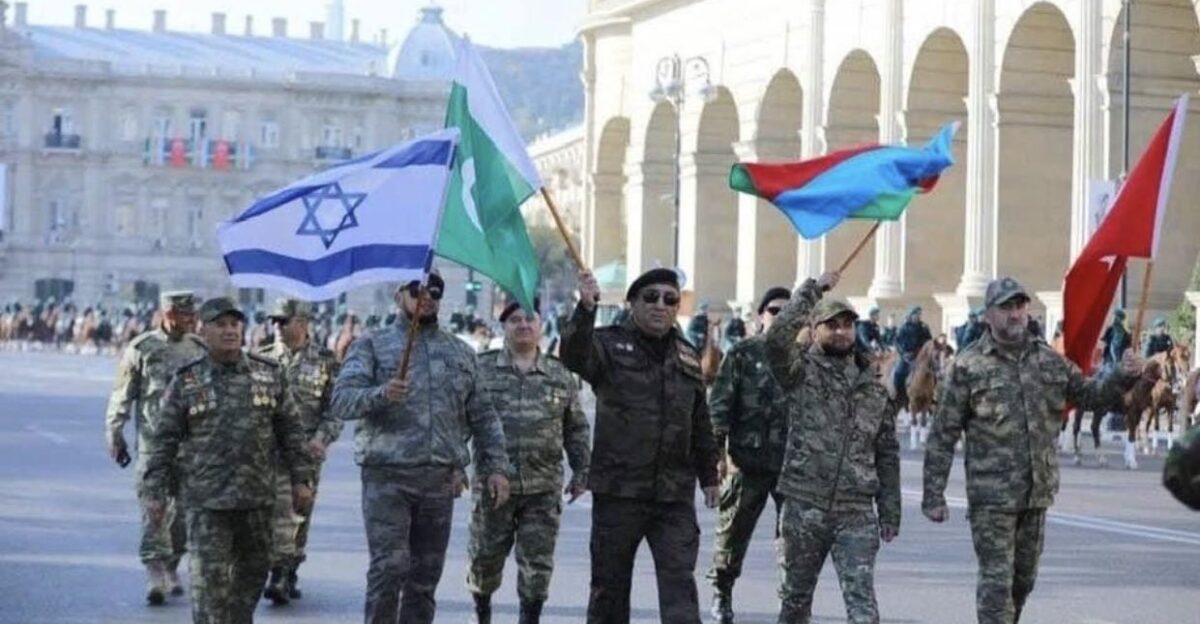
The rupture stems from Armenia’s belief that Russia failed to uphold its security commitments during repeated Azerbaijani attacks and the final loss of Nagorno-Karabakh in 2023. Despite decades of alliance obligations, Russia did not intervene militarily as Armenian positions collapsed and civilians fled.
For Yerevan, the breakdown of Russian guarantees transformed the alliance from a security shield into a strategic liability, forcing leaders to reconsider Armenia’s entire foreign policy orientation.
Direct Consumer Impact: Armenians Lose Faith in Russian Protection
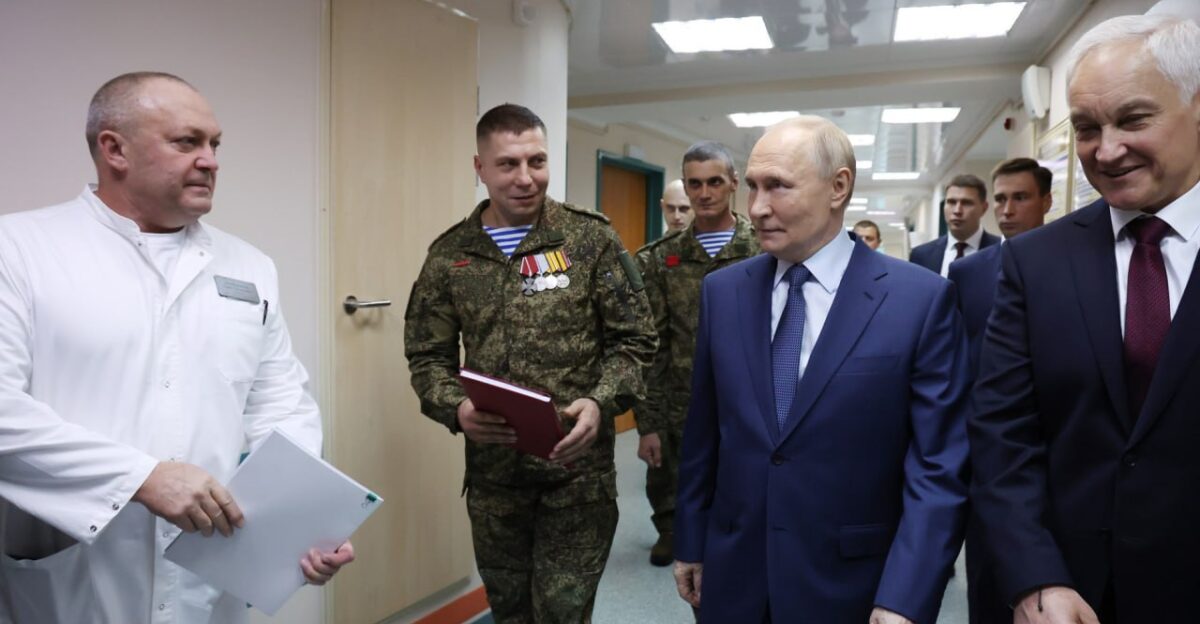
Public confidence in Russia as Armenia’s protector has sharply deteriorated over the past several years, reflecting deep frustration across society. Younger Armenians in particular now view Russian influence as a source of vulnerability rather than stability.
Language preferences, media consumption, and educational ambitions are shifting toward Western institutions. This erosion of trust is not just political—it directly shapes consumer behavior, migration trends, and electoral pressure for faster realignment away from Moscow’s orbit.
Corporate Response: Armenian Businesses Hedge Bets
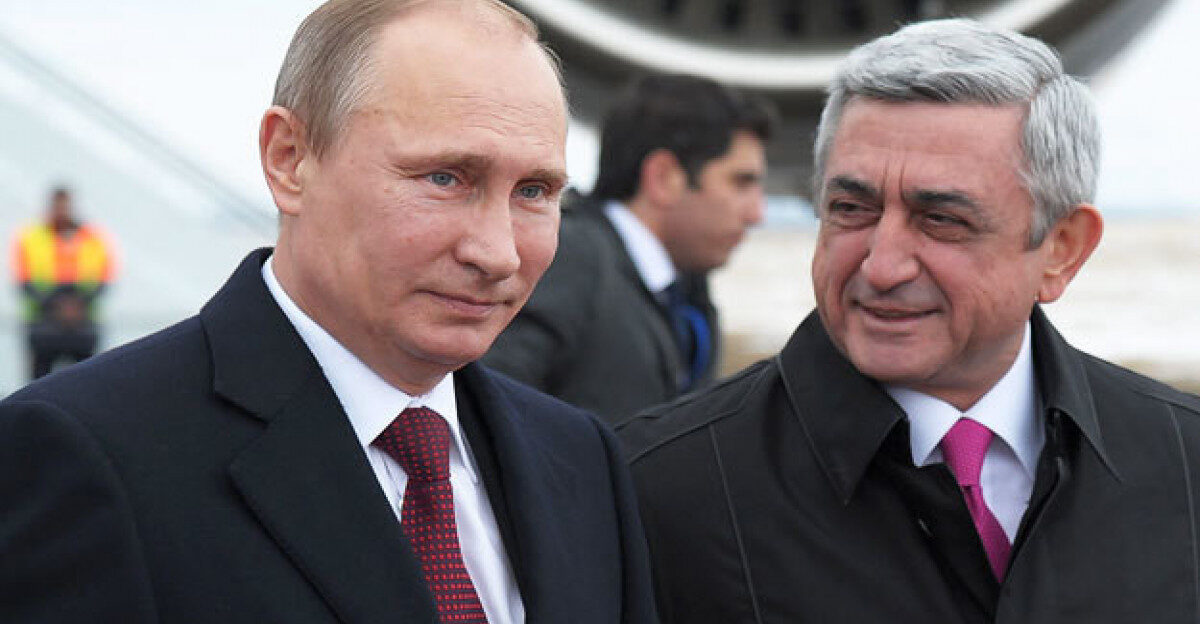
Armenian companies are actively reducing their dependence on Russia as a primary trade partner and financial conduit. Importers are seeking alternatives in Europe, India, and the Middle East, while banks tighten exposure to Russian-linked transactions due to sanctions risk.
Corporate boards increasingly treat Russia as a politically unstable market. The overriding concern is retaliation: tariffs, blocked payments, or sudden regulatory pressure could disrupt entire sectors with little warning.
Substitutes and Adjacent Markets: India and France Fill the Void
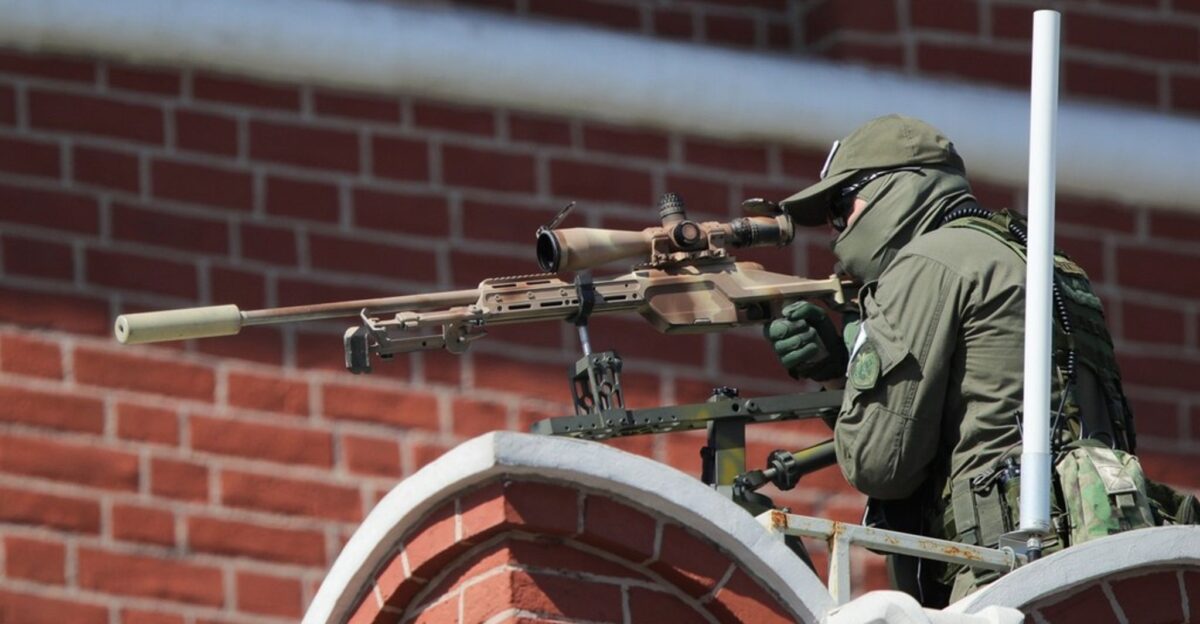
Armenia’s defense procurement has undergone a significant reorientation. After decades of near-total reliance on Russian weapons and logistics, Yerevan has increasingly sourced military equipment from India and France.
This shift expands Armenia’s strategic options while reducing Moscow’s leverage over its armed forces. It also opens the door for Western defense technology, training partnerships, and intelligence cooperation that were previously constrained by Russian dominance.
International Trade Effects: Temporary Surge Masks Structural Decline
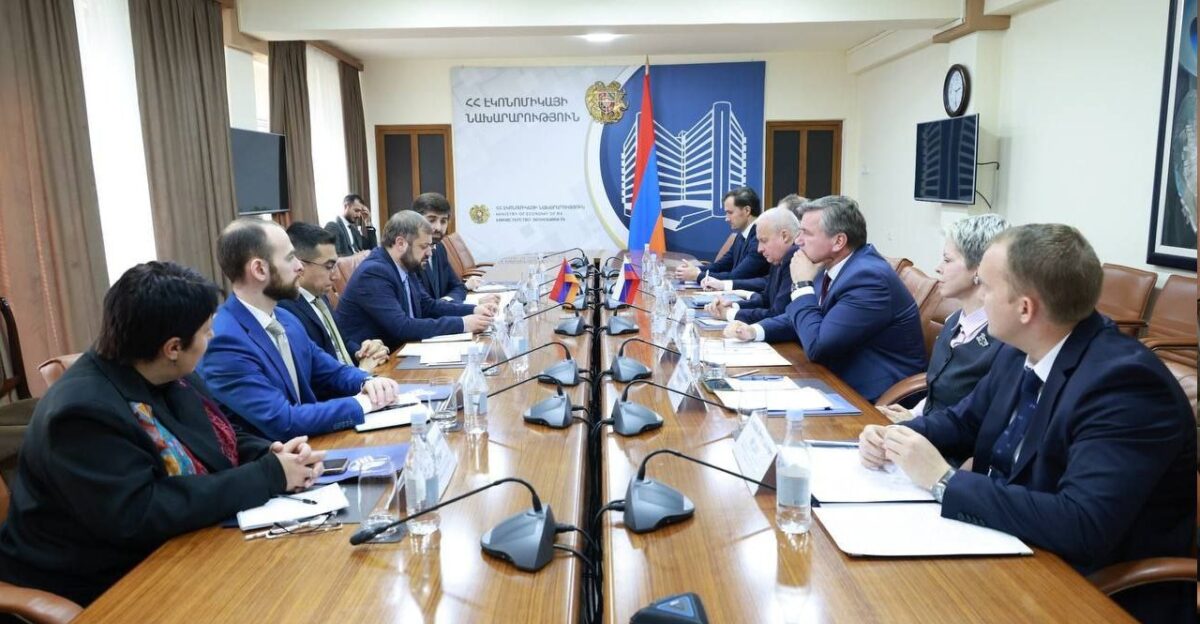
Armenia–Russia bilateral trade has fluctuated significantly in recent years. A temporary surge was driven in part by narrow factors such as re-export channels for Russian commodities seeking to bypass Western sanctions.
As international scrutiny increased, these channels began to contract sharply. Forecasts now point to a structural decline in bilateral trade. For international investors, the volatility exposes how fragile the economic relationship has become beneath headline numbers.
Border Guards and Workers Face Displacement
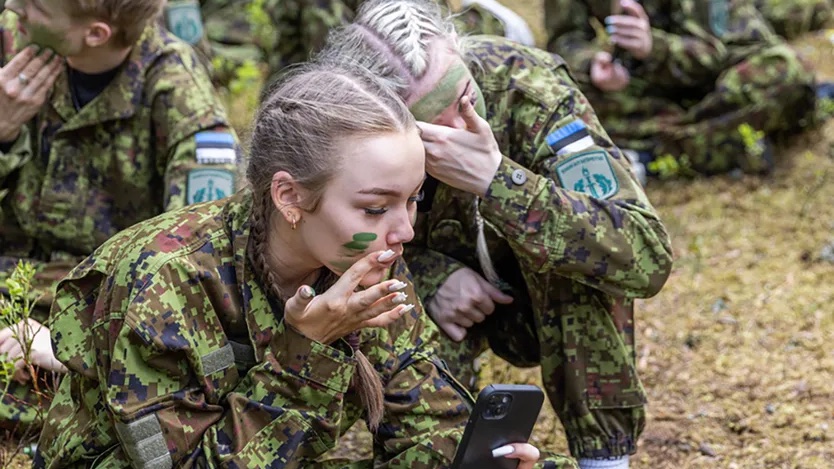
The withdrawal or reduction of Russian border forces is not just a diplomatic signal—it upends lives. Armenian employees who worked alongside Russian units face uncertain futures, while families with cross-border ties confront growing insecurity.
Military careers built around Russian training pipelines are suddenly in flux. Communities that once depended on Russian facilities for income are adjusting to sudden economic gaps. These personal disruptions quietly reinforce public support for a strategic break with Moscow.
Political Response: EU and U.S. Seize the Moment
Western governments moved quickly to anchor Armenia’s shift. The European Union deployed a civilian border monitoring mission to help stabilize Armenia’s frontiers, while the United States expanded political and security cooperation with Armenia.
Russia responded with sharp accusations of betrayal and vague warnings of economic consequences. Yet Moscow’s ability to coerce Yerevan is constrained by its ongoing military and economic burdens elsewhere.
Energy Leverage: Russia’s Last Weapon
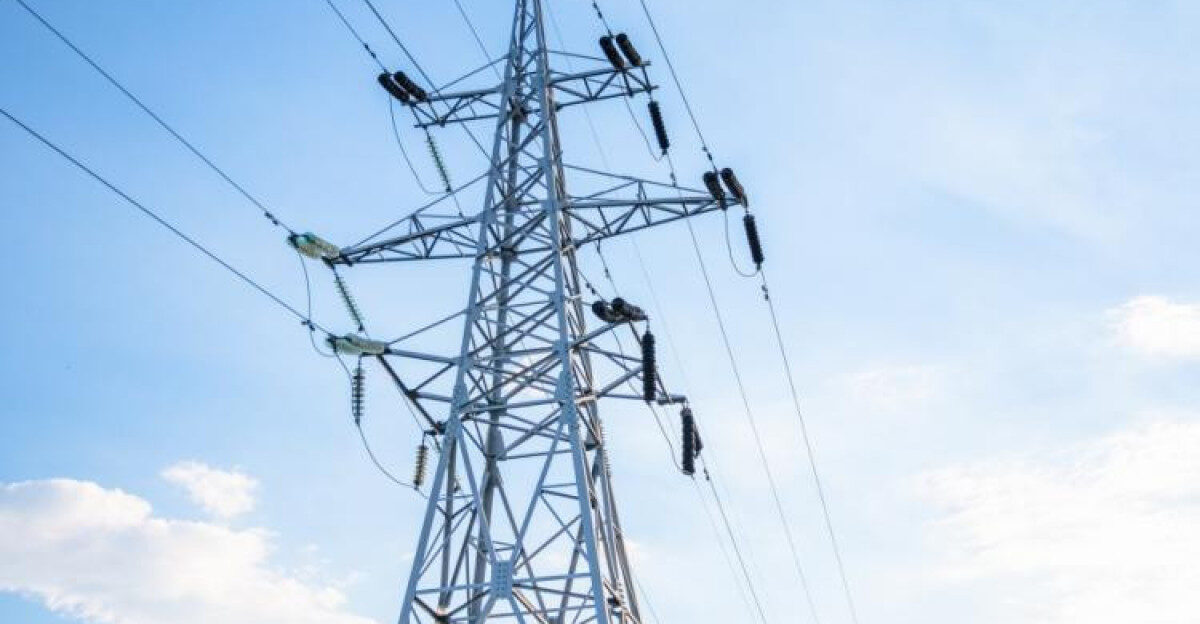
Energy remains Russia’s most powerful lever over Armenia. A significant share of Armenia’s electricity depends on the Russian-designed and Russian-fueled nuclear facility at Metsamor. Agreements extending the plant’s operation and exploring future reactors lock in technical reliance for years.
While Armenia seeks diversification, replacing Russian nuclear fuel and engineering support quickly is not realistic. This dependence gives the Kremlin enduring influence even as political trust deteriorates.
Lifestyle Shifts: Armenians Embrace Western Consumption and Values
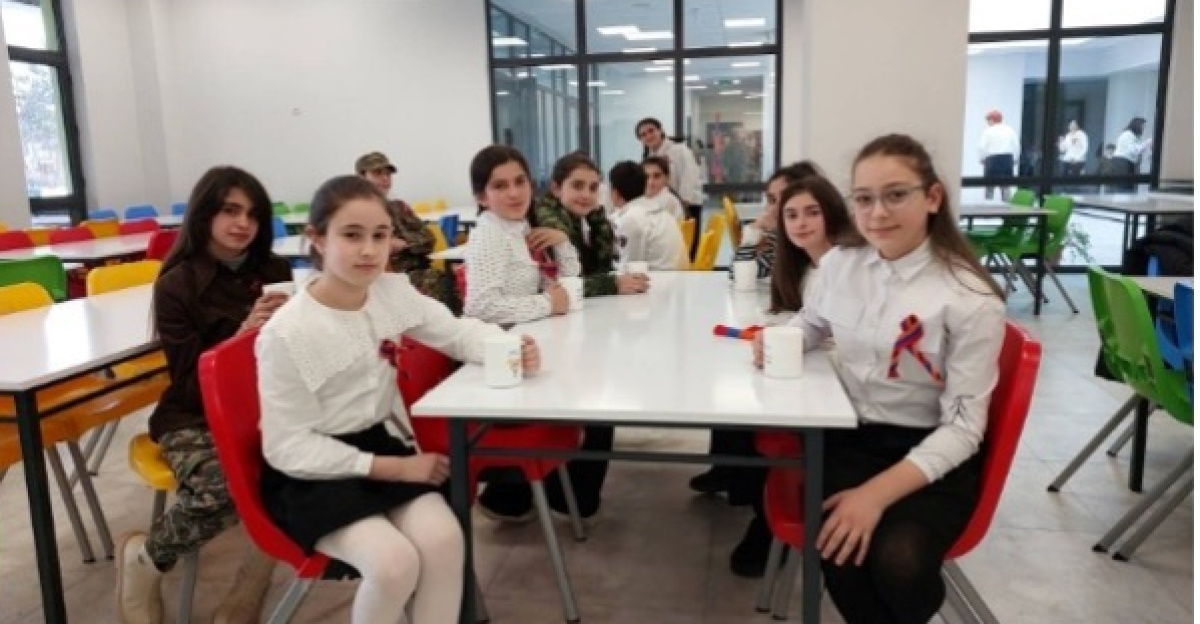
Beyond politics and security, Armenia is undergoing a visible cultural and economic reorientation. Western brands, digital platforms, and education pathways are steadily gaining ground over Russian counterparts.
Students increasingly look to Europe and North America rather than Moscow for study and work. Social media ecosystems, entertainment choices, and business practices now increasingly mirror Western norms. These everyday lifestyle changes signal a deeper shift in how Armenians define their place in the world.
Environmental and Sustainability Debate: EU Standards vs. Russian Pragmatism
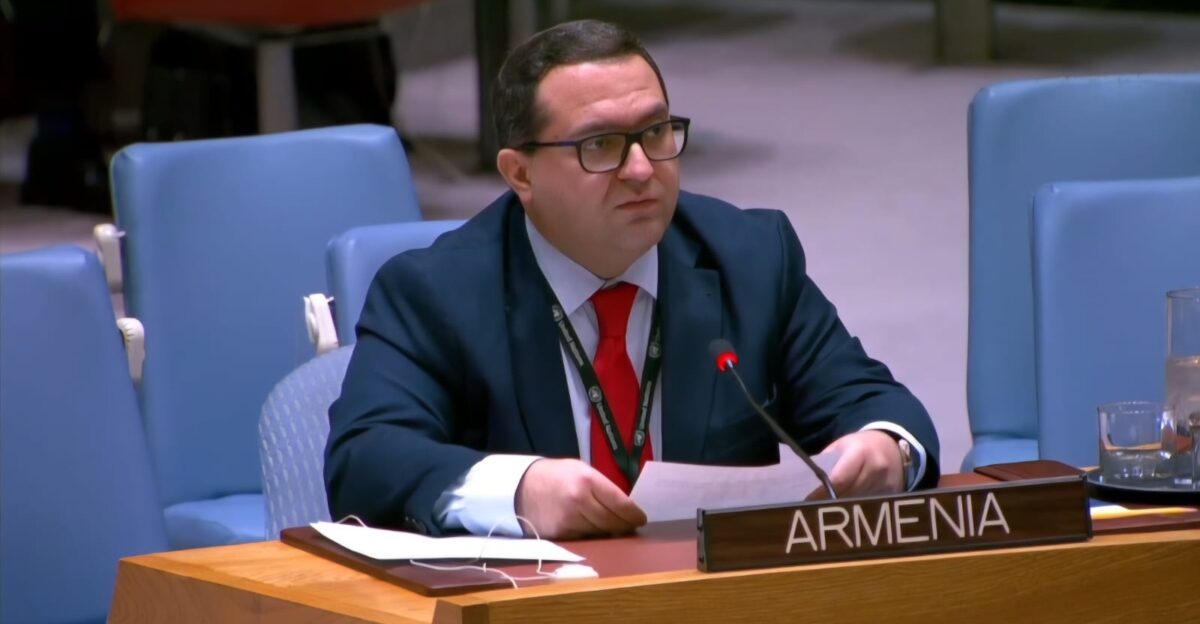
Closer ties with Europe bring new debates about regulation and sustainability. Aligning with EU standards promises stronger environmental protections, corporate transparency, and rule-of-law reforms. However, compliance will be costly for Armenian industry.
Russia presents itself as the easier, less demanding partner, warning that European standards will damage growth. The policy choice forces Armenia to balance short-term economic comfort against long-term institutional and environmental transformation.
Cultural Perception: Armenia Rebrands as a European Nation
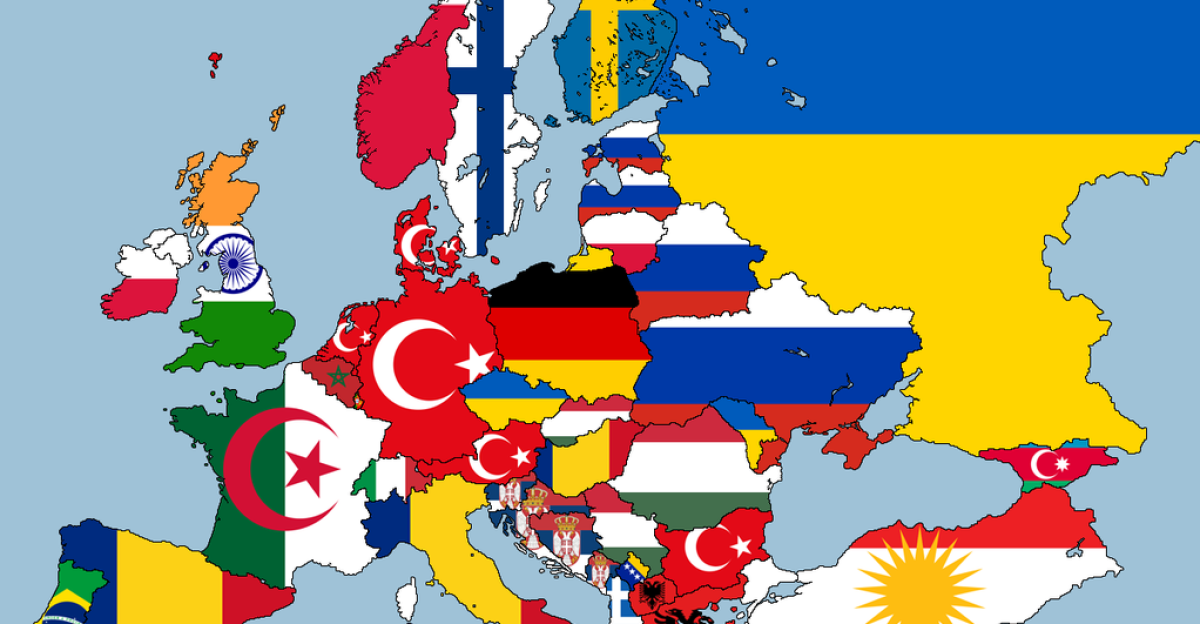
Armenian media and civil society increasingly describe the country as culturally European despite its Caucasus geography. Educational exchanges, academic partnerships, and cultural programs reinforce this narrative.
Russia counters with appeals to shared history and warnings of Western abandonment. The struggle is no longer just geopolitical—it is about identity. Whether Armenians ultimately see themselves as part of a European project or a Eurasian buffer zone will shape national choices for generations.
Unexpected Winners: EU Firms, Indian Defense Contractors, and Turkish Businesses
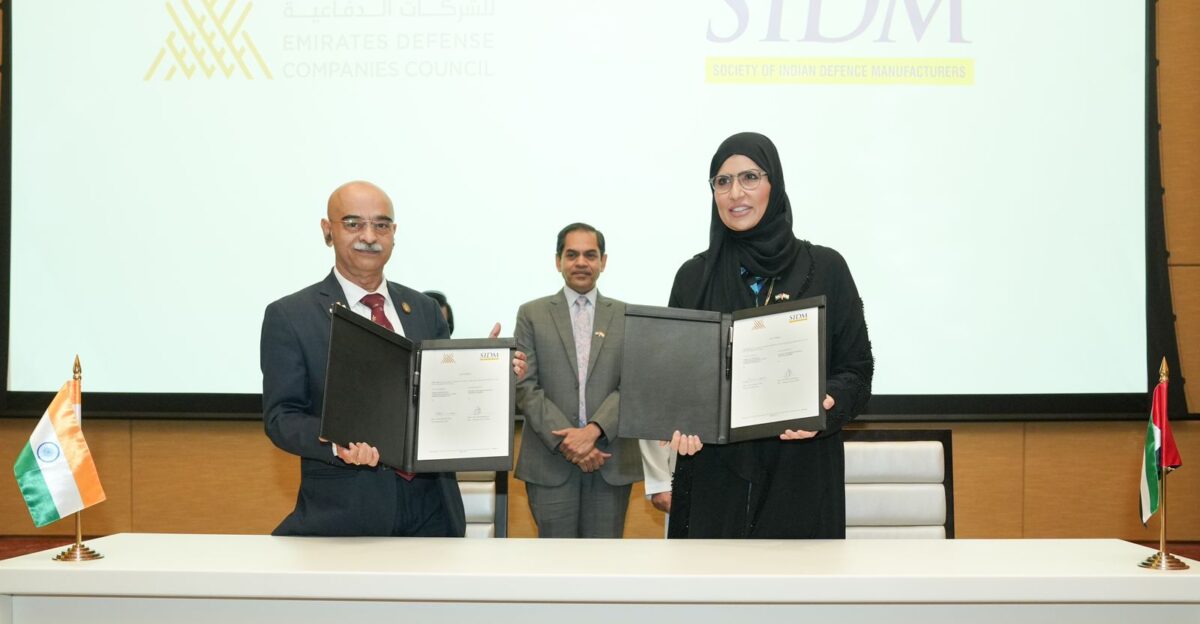
As Russian influence wanes, new economic players move in. European firms gain ground in infrastructure, technology, and services. Indian defense companies secure expanding contracts. Turkish businesses also prepare for deeper engagement if political normalization advances.
At the same time, Russian banks, energy companies, and weapons exporters steadily lose market share. The commercial landscape now mirrors the geopolitical shift away from Moscow-centered networks.
Financial Markets and Consumer Advice: Navigate Volatility Carefully

The transition carries significant financial risk. Trade flows, remittances, and energy costs remain vulnerable to political retaliation.
Businesses operating in Armenia face uncertainty over sanctions exposure, currency swings, and regulatory shocks. Households dependent on Russian-linked income streams confront similar instability. Diversification—of suppliers, markets, and financial instruments—has become a practical necessity rather than a strategic luxury in an increasingly unpredictable regional environment.
A Multipolar South Caucasus Emerges
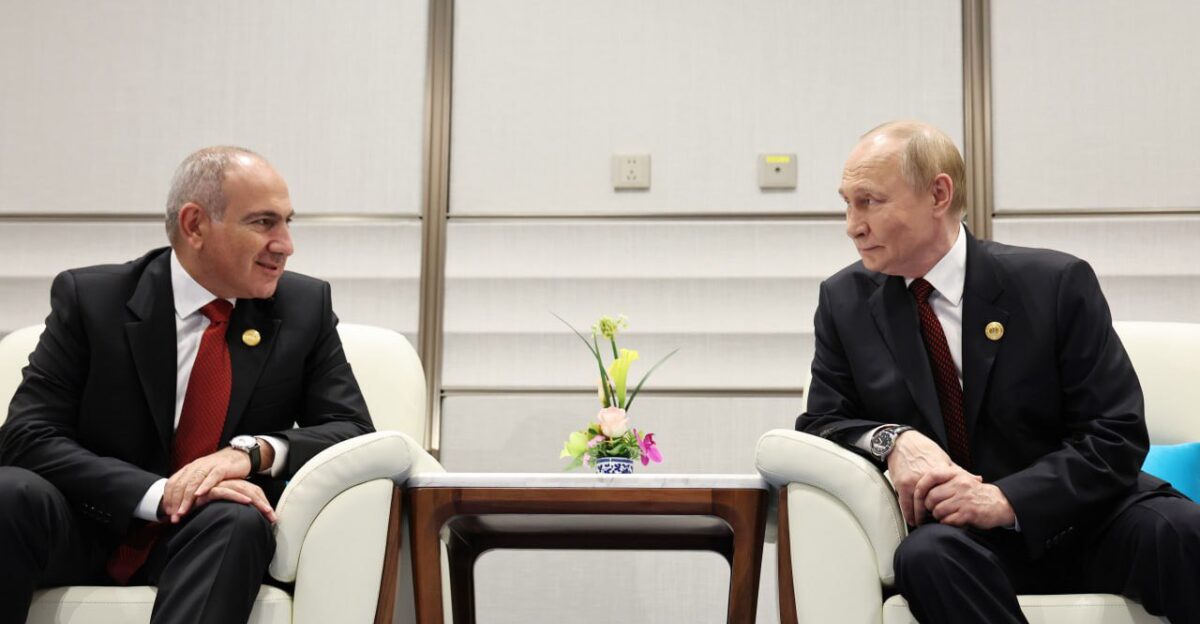
Armenia’s distancing from Russia signals a broader transformation across the post-Soviet space. No single power now dominates the South Caucasus.
Yerevan is attempting a delicate balancing act—deepening ties with Europe and the United States, expanding defense cooperation with India, cautiously engaging Turkey, while maintaining limited economic links with Russia. Whether this multipolar strategy delivers lasting security or exposes new vulnerabilities will define the region’s future.
Sources:
- The Moscow Times, June 2025, “Armenia Is Breaking Up With Russia – And Putin Can’t Stop It”
- Mirror Spectator, May 2025 (reporting on Armenia’s security pivot and defense procurement)
- International Republican Institute, public opinion surveys on Armenia (2019–2024)
- Clingendael Institute, 2025 reports on Armenia’s foreign policy and EU integration debates
- RCSP (Regional Center for Security Policy), 2025 analysis on Armenia–Russia security and defense ties
- OC Media, 2025 coverage of Armenia–Russia trade and CSTO-related developments
- The Insider and Hetq, November 2024 investigations on Armenian companies re-exporting Russian gold and sanctions evasion