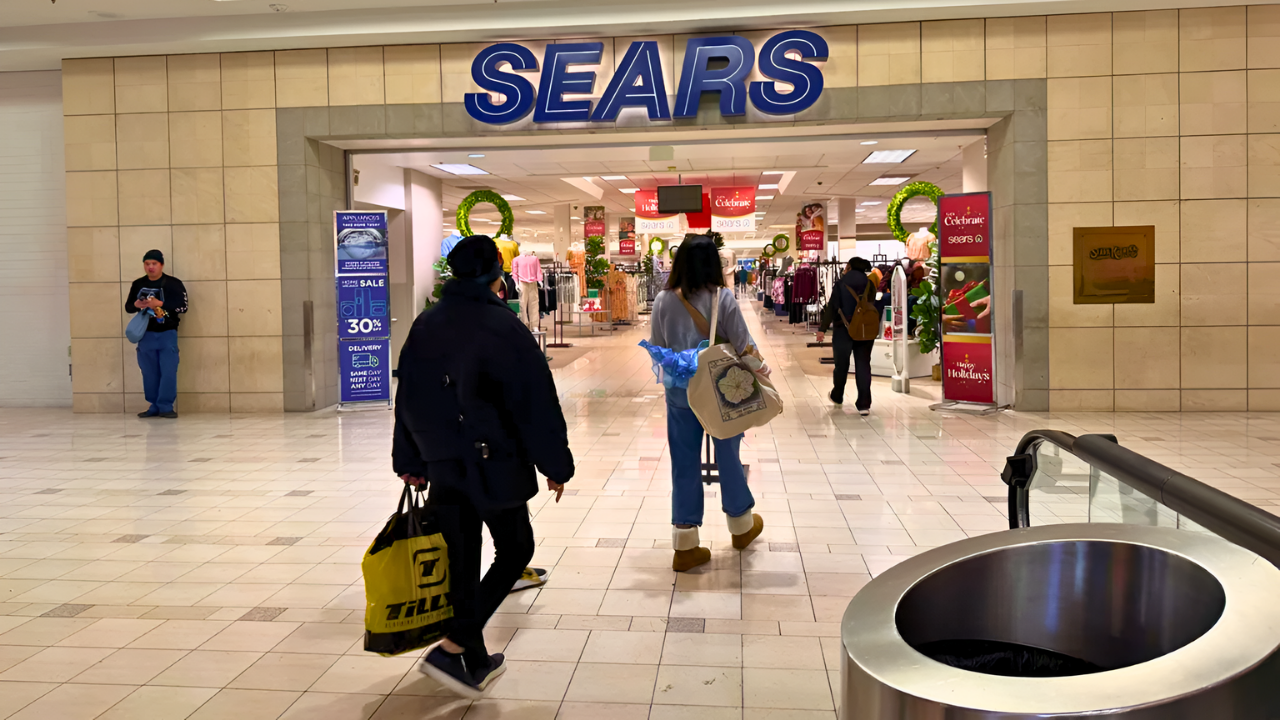
A sales associate flips the sign to “Closed” at the last operating Sears in Coral Gables, Florida. The 133-year-old retail empire has been reduced to just five phantom stores, each barely staffed. What was once a $43 billion revenue company employing 350,000 workers now operates with skeleton crews.
This represents not a sudden catastrophe, but a slow-motion implosion spanning two decades under hedge fund manager Eddie Lampert’s controversial $11 billion acquisition in 2005.
What Transformed a Retail Titan into a Ghost Story
The answer lies in failed leadership, asset-stripping strategies, and the inability to compete with Walmart and Amazon. Sears once dominated American retail, pioneering mail-order shopping and suburban department stores.
Yet decades of poor strategic decisions hollowed out the company from within. Competitors innovated while Sears extracted assets.
The Acquisition That Doomed an Institution

Eddie Lampert orchestrated one of retail’s most consequential mergers in 2004-2005, combining Kmart with Sears through an $11 billion deal. Lampert had previously rescued Kmart from bankruptcy in 2003 with an $800 million investment. He then used Kmart’s inflated stock price to acquire the larger but deteriorating Sears.
At merger completion, Sears Holdings operated approximately 3,500 stores nationwide and employed roughly 350,000 workers.
When Financial Engineering Replaces Retail Strategy

Between 2005 and 2008, Sears repurchased $5 billion in stock while investing less than half that in capital expenditures. This dangerous paradox extracted cash instead of reinvesting in competitiveness during Amazon’s e-commerce revolution and Walmart’s supply chain perfection. Iconic Sears brands were systematically liquidated.
Craftsman tools were sold to Stanley Black & Decker in 2017. Lands’ End divested $2.4 billion in 2014.
The Controversial Seritage Real Estate Scheme
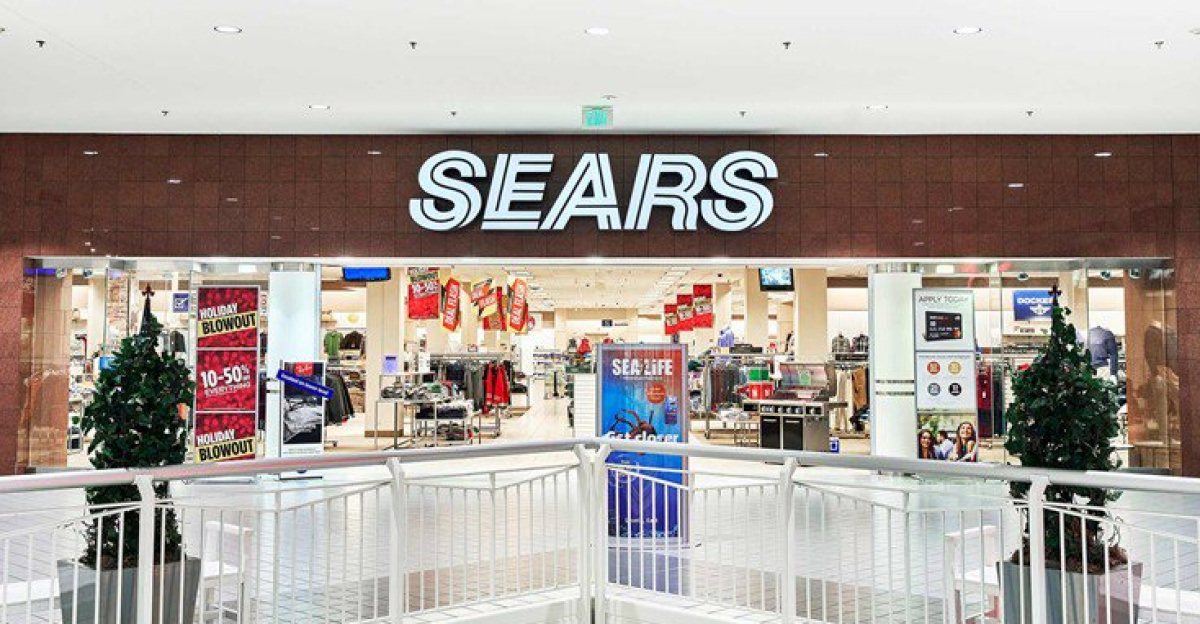
In 2015, Lampert sold 235 Sears stores to Seritage Growth Properties for $2.7 billion, then leased them back. Seritage could sublease vacant space to competitors at rates four times what Sears paid. A shareholder lawsuit alleged stores were undervalued by $649 million.
Critics claimed Lampert profited improperly through dual ownership stakes in both companies. Though Lampert settled for $40 million without admitting wrongdoing, the transaction symbolized how Sears was being hollowed out through financial maneuvering.
Chapter 11: The Bankruptcy That Sealed the Fate

On October 15, 2018, Sears Holdings filed for Chapter 11 bankruptcy with $11.3 billion in liabilities against $6.9 billion in assets. The company had deteriorated to approximately 700 stores and 68,000 employees. This represented a 95% reduction from the peak employment levels of decades earlier.
The filing revealed the human cost: thousands of people losing their jobs, retirees facing compromised pensions, and suppliers accumulating massive unpaid invoices.
The ESL Investments Acquisition and Transformco
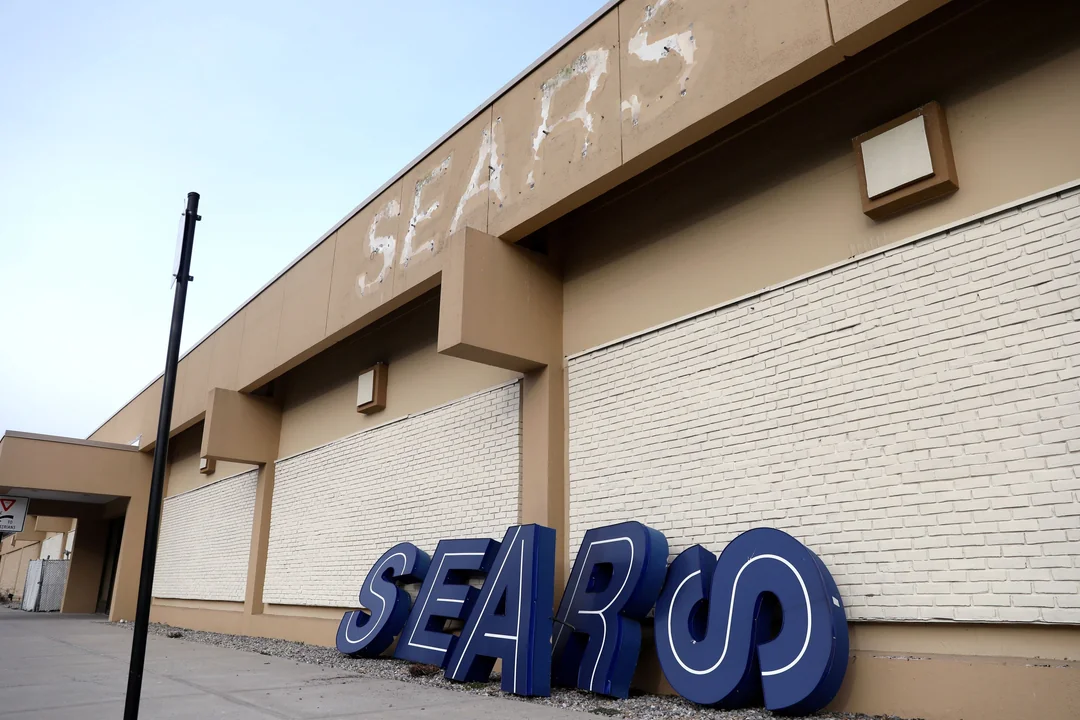
In February 2019, Lampert’s ESL Investments won the bankruptcy auction with a $5.2 billion bid for approximately 425 Sears and Kmart locations through newly created Transformco. The deal temporarily preserved approximately 45,000 jobs and announced a retail renaissance under Lampert’s continued leadership.
Instead, Transformco immediately began closing underperforming locations. The promised revival never materialized.
The $2 Billion Asset-Stripping Lawsuit
In April 2019, Sears’ creditors’ committee filed a lawsuit against Lampert and ESL Investments, alleging that they had systematically stripped over $2 billion in assets “beyond the reach of creditors” for personal gain. The lawsuit named former Treasury Secretary Steven Mnuchin, who served on Sears’ board of directors.
ESL Investments vigorously disputed the allegations as “baseless and fanciful.” However, the lawsuit highlighted deep disputes over Lampert’s stewardship. The legal battle remained unresolved as stores continued to close and operations rapidly evaporated.
The Accelerating Decline: From Thousands to Five Stores
The numerical decline tells a stark story. Sears operated 2,705 stores at its 2011 peak, approximately 700 at the time of its October 2018 bankruptcy, 425 at the time of its February 2019 acquisition, and fewer than 50 by 2024. The final collapse occurred in 2025, as Transformco rapidly liquidated its remaining locations.
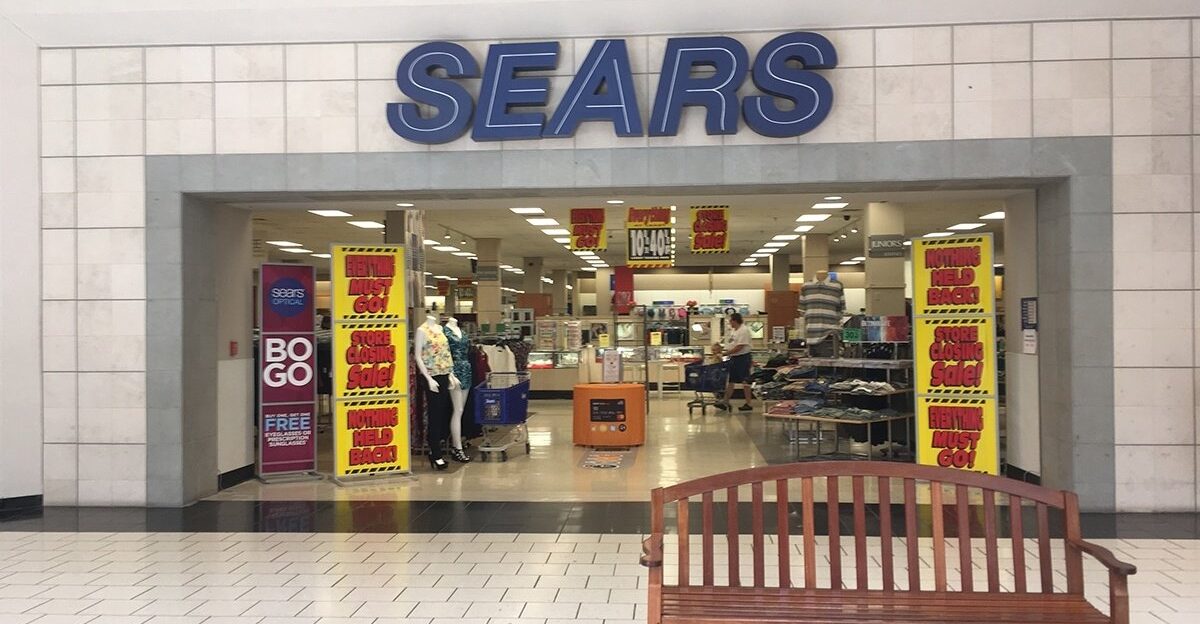
Store closures occurred in waves, each eliminating dozens of jobs at a time. By November 2025, only five locations remained: Braintree, Massachusetts; Concord, California; El Paso, Texas; Orlando, Florida; and Coral Gables, Florida.
Four Malls, One Standalone: Where Sears Still Exists
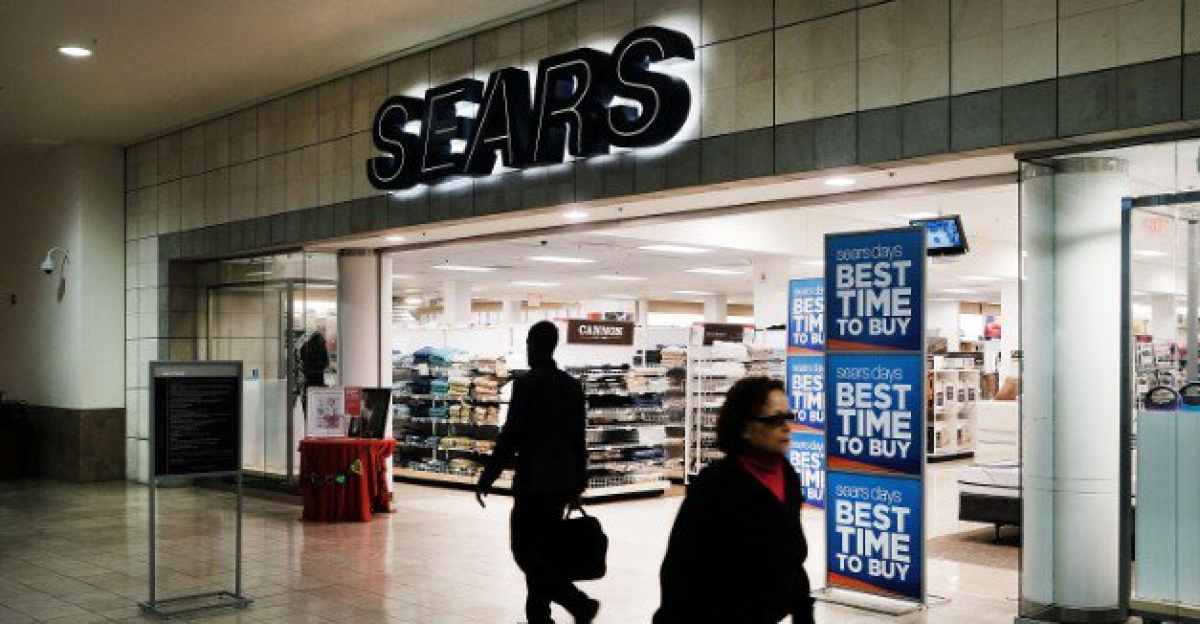
Four of the five remaining Sears locations operate within Simon Property Group malls, the nation’s largest mall operator. The Coral Gables location stands alone but faces pending mixed-use redevelopment. All five stores operate at minimal staffing levels with sparse inventory.
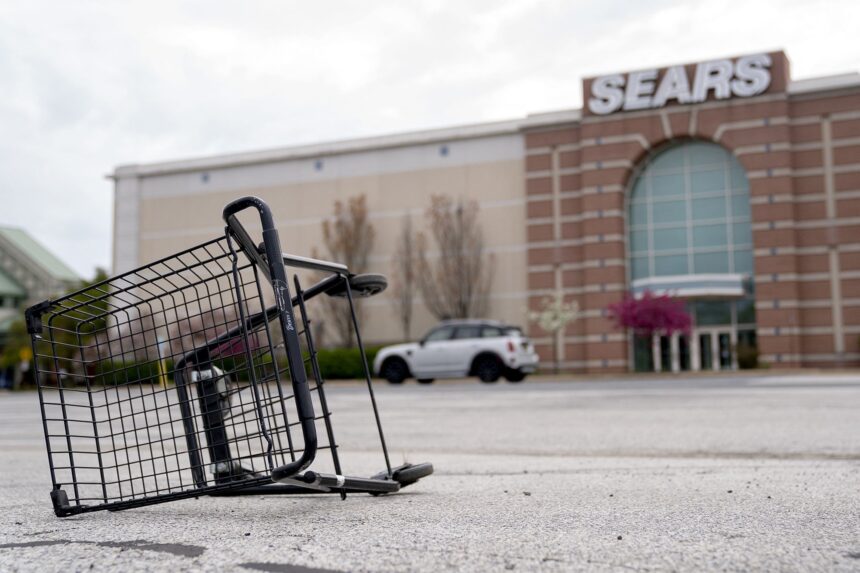
Retail experts describe these locations as “phantom stores”—barely operational shells with virtually no customer traffic. Their continued existence puzzles industry analysts. The reduction from 3,500 to 5 stores represents approximately a 99.9 percent reduction in store count.
“Nothing Left to Sell”: Expert Assessment of Phantom Stores

Mark Cohen, former Sears Canada executive and Columbia University retail director, told CNN: “They’re phantoms in the night. Someone unlocks the door in the morning and locks it at night, but there’s nothing to sell.” This observation encapsulates Sears’ complete commercial hollowing.
Neil Saunders, managing director of retail at GlobalData, stated: “Sears wasn’t profitable when it was much bigger. The idea that it’s profitable with just five stores is for the birds.” Industry analysts universally agree these locations cannot generate profits.
Why Do Five Impossible Stores Remain Open?
Retail analysts speculate that three theories explain why five Sears locations continue operating at apparent financial loss. First, Lampert may maintain them to generate accounting losses exceeding operational losses for tax purposes. Second, expensive long-term lease agreements with Simon Property Group may prove prohibitively costly to terminate immediately.
Third, undisclosed real estate considerations might justify continued operation.
The Digital Transformation Sears Never Made

While Amazon revolutionized e-commerce and Walmart built sophisticated omnichannel capabilities, Sears failed to develop competitive digital platforms. This irony cannot be overstated: Sears invented mail-order shopping in 1886, yet abandoned digital innovation when online shopping became the paramount method.
Sears’ website remained outdated, mobile experience inferior, and supply chain integration poor. Traditional competitors built robust e-commerce; Sears treated online sales as secondary.
The Systematic Destruction of Brand Differentiation
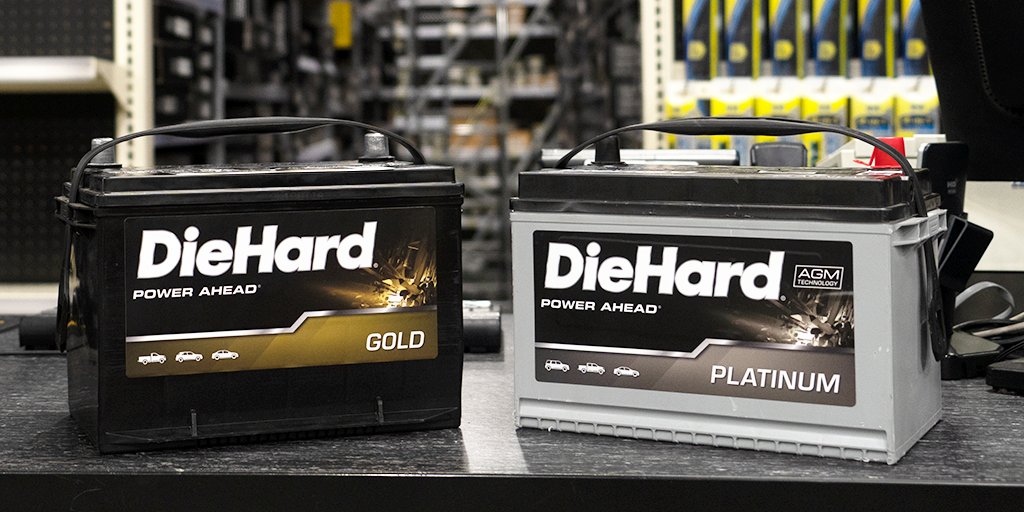
Sears built its 130-year legacy on exclusive brands: Craftsman tools, Kenmore appliances, DieHard batteries, and Lands’ End clothing. These proprietary products helped create customer loyalty and provided shopping reasons.
Yet, between 2014 and 2017, Lampert systematically divested these brands to secure immediate cash infusions. Craftsman was sold to Stanley Black & Decker for $500 million in 2017. This liquidation destroyed the differentiation that sustained Sears for decades.
The Displacement of 350,000 Workers: Sears’ Human Legacy

At its peak employment, Sears had approximately 350,000 workers across its stores, distribution centers, and headquarters. By October 2018 bankruptcy filing, that declined to 68,000—an 81 percent reduction in less than a decade. During 2018 alone, over 10,000 employees were laid off due to closures.
Subsequent Transformco closures are expected to eliminate hundreds more jobs annually through 2025. Cumulative job losses exceeded 300,000 workers, each facing involuntary unemployment, health insurance loss, and retirement benefit erosion.
Market Impact: How Sears’ Collapse Reshaped American Retail
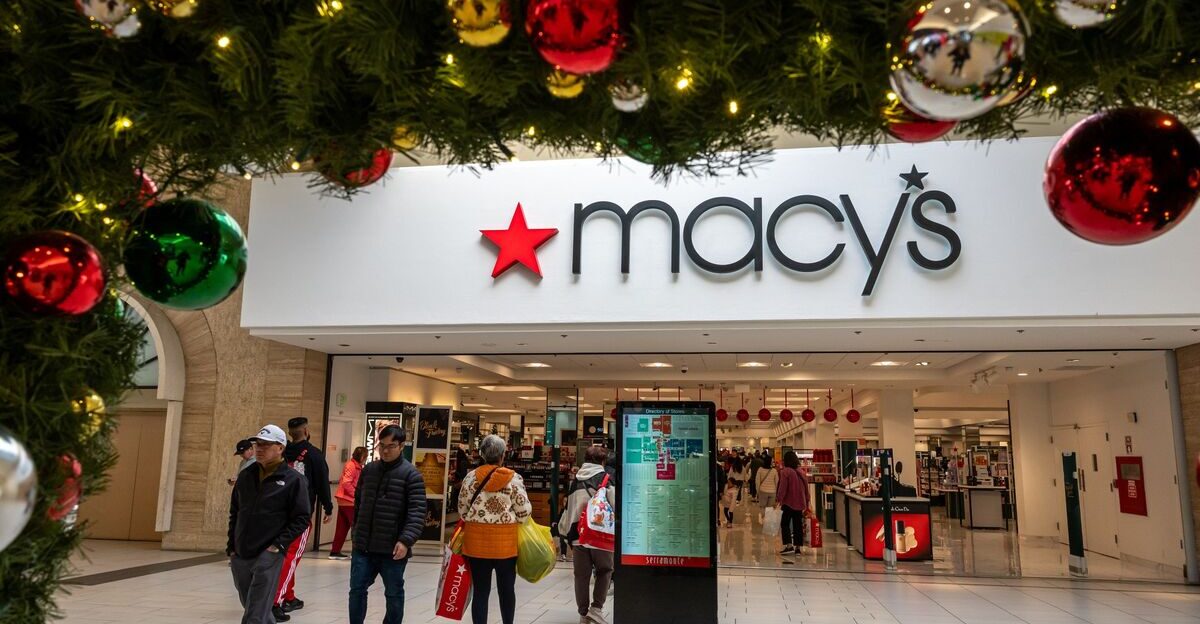
Sears’ decline had a profound impact on American retail, extending beyond the company itself. The loss of Sears as an anchor tenant accelerated the decline of suburban malls. Department stores, including Macy’s and Bon-Ton, collapsed partially due to lost co-tenancy benefits. Commercial real estate investors suffered massive losses as shopping malls became functionally obsolete.
Loss of 300,000 direct and indirect jobs suppressed consumer spending. Suppliers accumulated hundreds of millions in unpaid invoices, with many smaller suppliers forced into bankruptcy.
Expert Analysis: What Went Wrong at Sears
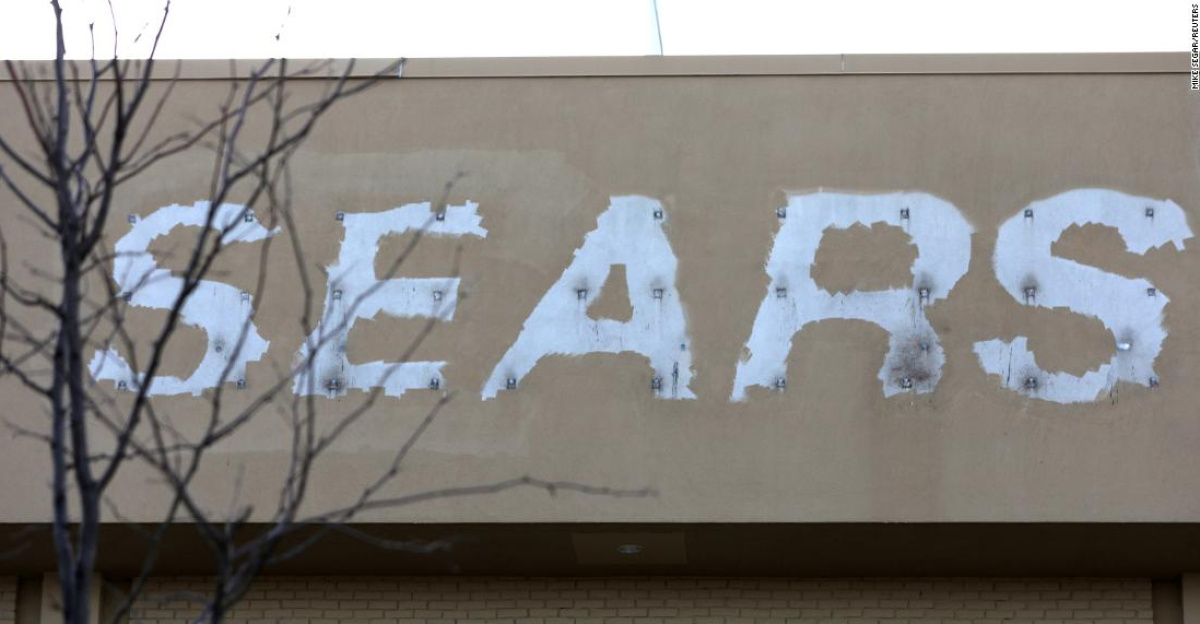
Industry experts identify multiple convergent failures. Mark Cohen stated: “Lampert had zero appreciation for retail as a consumer-facing business. They viewed Sears as real estate and brands to monetize rather than a retailer to improve.”
Paul Vasquez, Instinet retail analyst, emphasized: “Sears couldn’t compete with Walmart’s operations, Amazon’s customer experience, or Target’s design. They tried being everything and became nothing.” Neil Saunders added: “No coherent strategy—just financial transactions designed to extract value.”
Future Implications: What Sears’s Collapse Signals for Retail
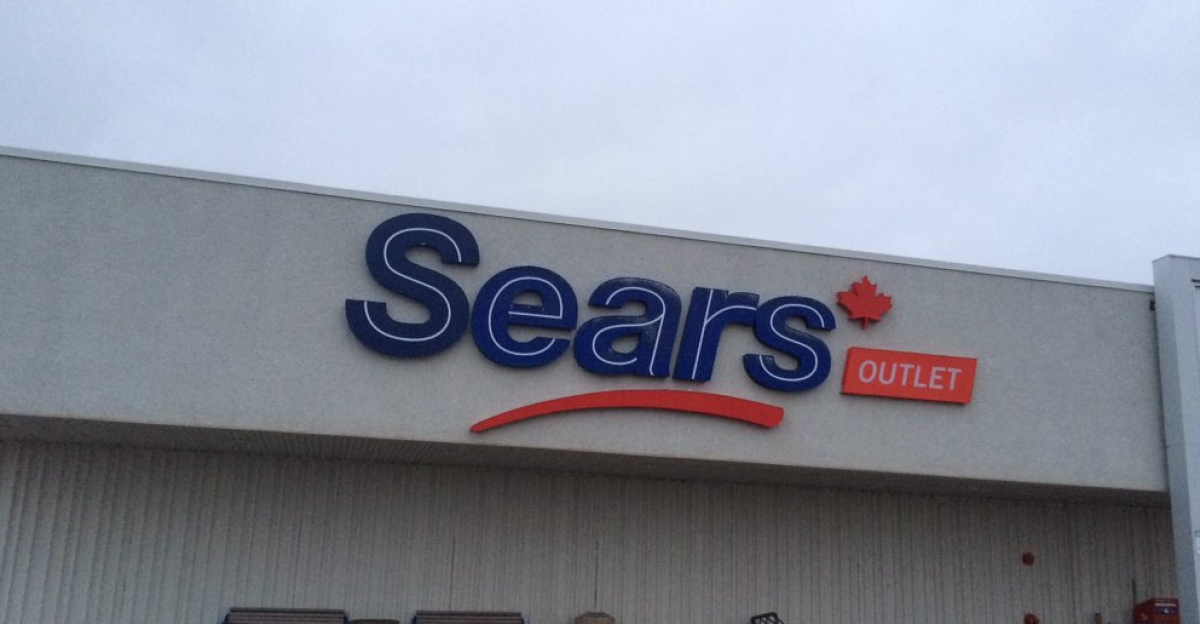
Sears’ complete collapse serves as a cautionary tale for traditional retailers facing digital disruption. The company’s demise demonstrates that size and history provide no immunity from obsolescence when companies fail to innovate.
Future retailers must invest continuously in modernization, digital capabilities, and brand differentiation. Private equity ownership in retail raises questions about whether financial optimization and operational excellence can coexist.
The Coral Gables Redevelopment: Sears’ Final Property Transformation
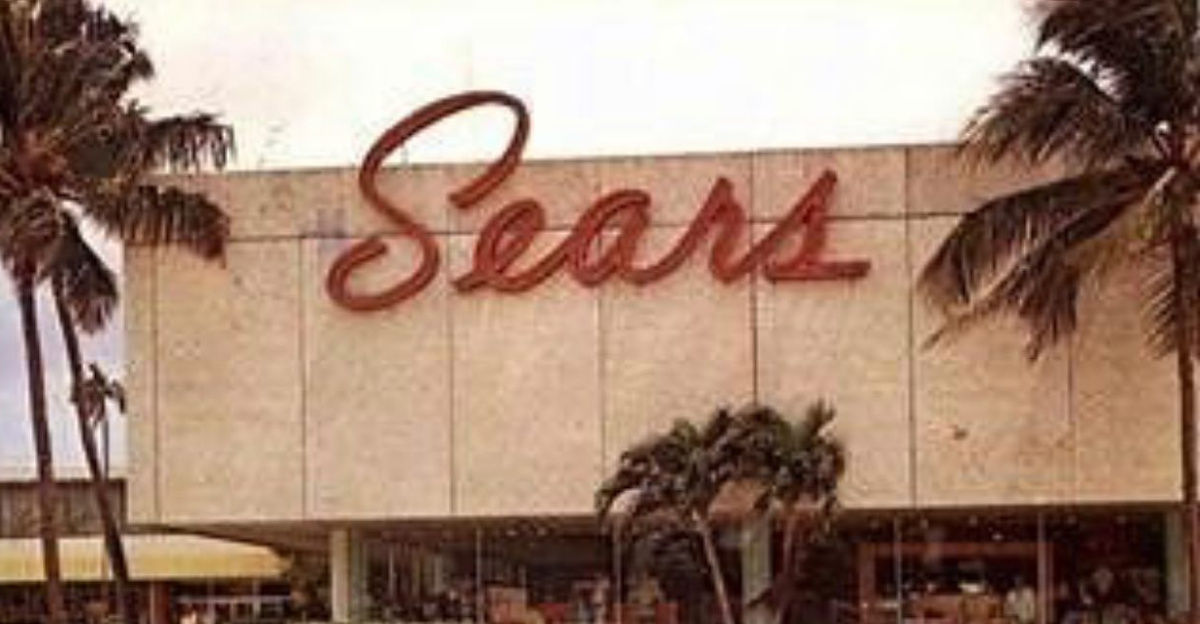
The last Sears store in Coral Gables symbolizes the real estate transformation sweeping the former footprint of Sears. RK Centers obtained city approval in 2025 for mixed-use redevelopment featuring 1,050 residential units, retail space, and commercial facilities. The property, valued at $31.75 million for tax purposes, is now marketed for redevelopment.
However, the existing Sears lease extends through 2030, creating complications. This project exemplifies the transformation of former Sears locations: department stores are being repurposed into housing, mixed-use developments, and alternative retail concepts that extend beyond the traditional retail model pioneered by Sears.
A 133-Year Legacy Erased: From Mail-Order Pioneer to Forgotten Giant
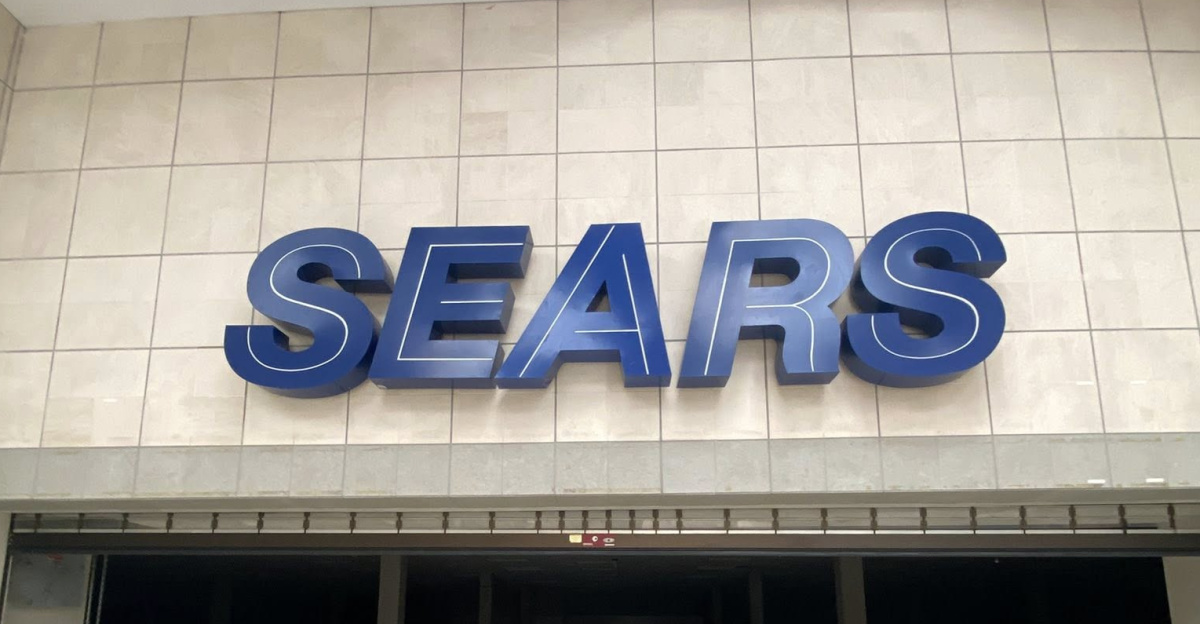
Sears’ story began in 1886 when Richard W. Sears started selling watches by mail order from Minneapolis. The company’s catalogs became fixtures in millions of American homes, influencing consumer preferences for generations. Sears expanded into retail stores, becoming the undisputed leader in American retail through the mid-twentieth century.
The company pioneered suburban shopping through anchor department stores. Sears Tower, completed in Chicago in 1973 at 1,450 feet, symbolized corporate dominance.
The $11 Billion Question: What Lampert’s Acquisition Destroyed

The numerical toll of Lampert’s 2005 acquisition spans multiple dimensions. The $11 billion initial purchase price represented a substantial investment that failed to generate the anticipated returns. Between 2010 and 2018, Sears accumulated losses exceeding $11 billion, effectively doubling value destruction.
Revenue collapsed from $43 billion annually to less than $17 billion by 2018. Store count reductions from 3,500 to 5 represent a 99.9 percent elimination of physical retail presence. Employment declined from 350,000 to near-zero.
The Final Accounting: As Sears Enters 2026
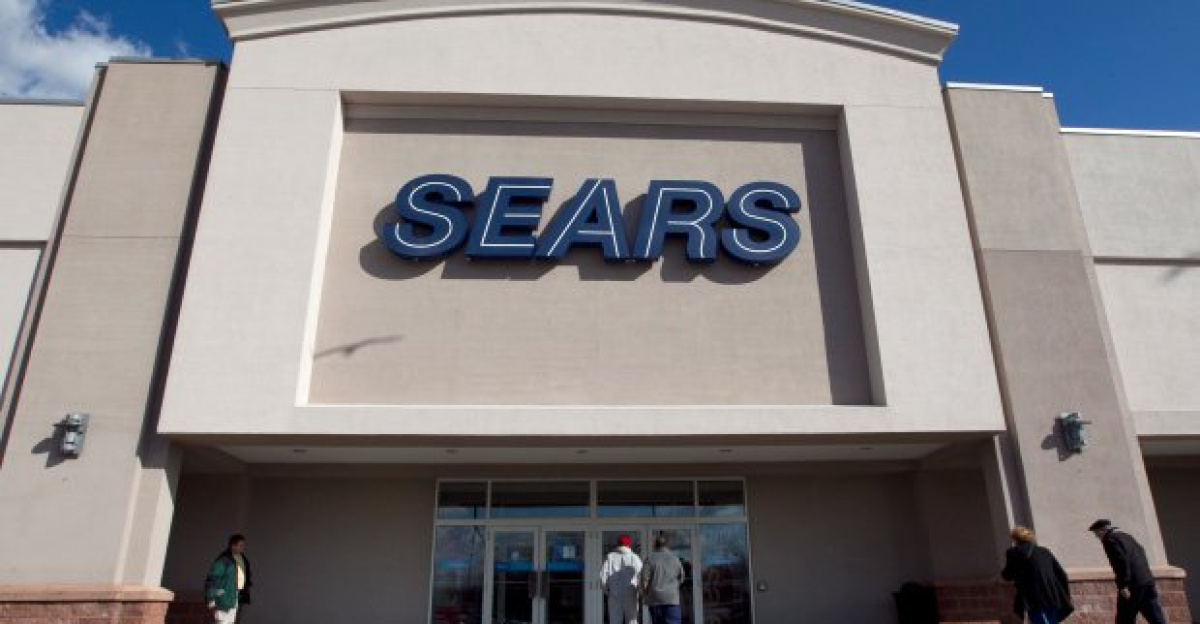
As December 2025 concludes and 2026 approaches, Sears’ endgame appears inevitable. The five remaining locations operate as phantom stores with minimal inventory, staff, and customer traffic. Industry observers broadly expect final closures in 2026, though Transformco hasn’t officially announced timelines.
The pending Coral Gables redevelopment is likely to result in closure within one year. The remaining four Simon Property locations may persist longer if leases prove restrictive.
Sources:
MSN Money – Sears company closure announcement and final store count verification
CNN Business – Expert analysis featuring Mark Cohen, retail industry commentary
Yahoo Finance – Current operating store locations and corporate status updates
Federal Bankruptcy Court Records – October 15, 2018 Chapter 11 filing documentation
Transformco/ESL Investments – Company statements regarding February 2019 acquisition
SEC Filings and Financial Disclosures – Revenue figures, employment data, asset valuations
Challenger, Gray & Christmas – 2018 employment layoff statistics and store closure impact data