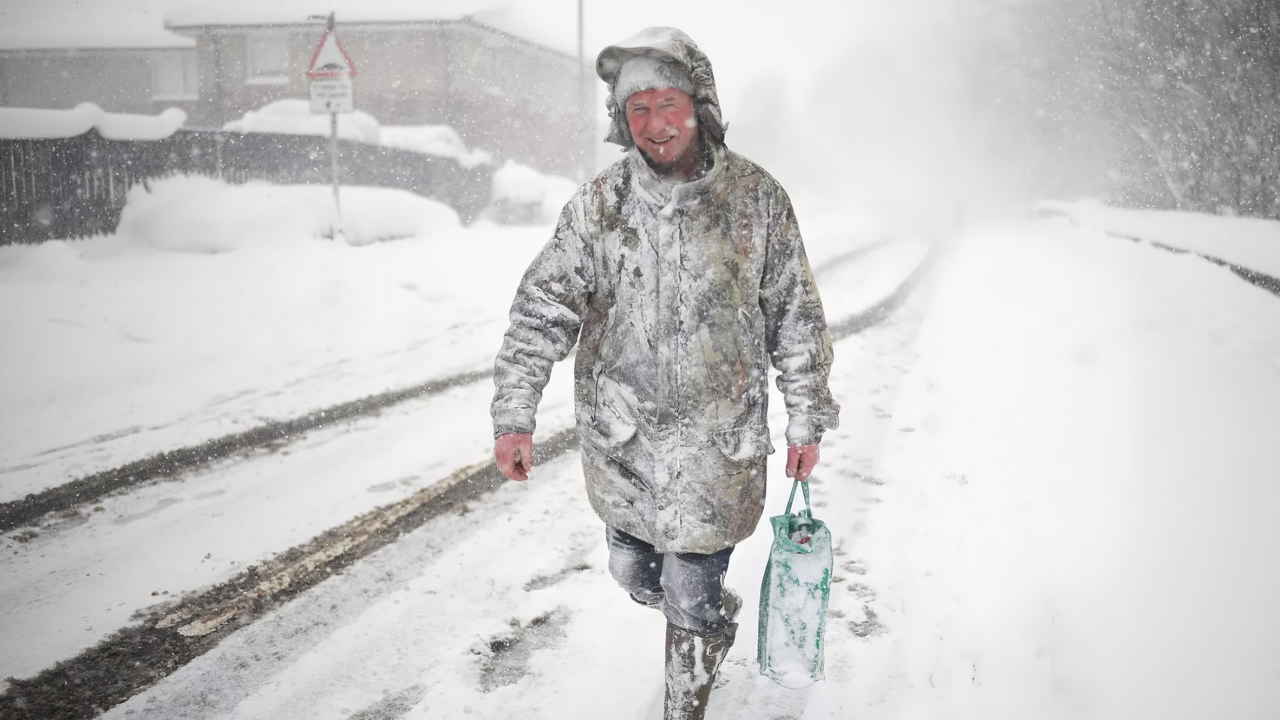
A fierce Arctic outbreak is setting in as thermometers across two-thirds of the U.S. drop into dangerous territory. More than 200 million Americans face subfreezing conditions, with wind chills sinking 25°F below actual air temperatures. From the Dakotas to the I-95 corridor, this extreme cold is poised to affect daily life, power grids, and safety.
The arrival of this first round is just the beginning, as meteorologists forecast more blasts in the weeks to come. This week’s chill is only the start—brace for what’s ahead.
Triple Threat: Three Waves of Cold
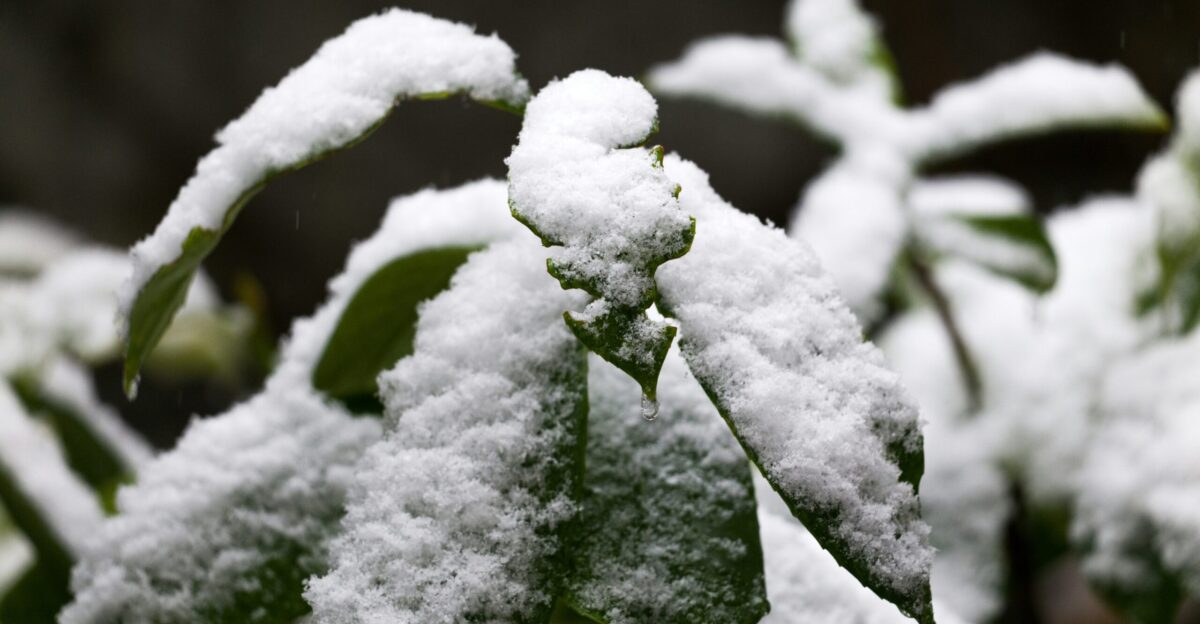
What sets this cold snap apart? It’s not a one-off event—this winter’s chill will unfold in three major waves, each arriving about a week apart. The first is already sweeping in, with the second on the horizon for next week. This “triple-blast” pattern means the U.S. won’t experience a brief cold snap followed by relief.
Instead, communities face repeated doses of frigid air, building a prolonged stretch of cold that impacts infrastructure, agriculture, and public health. The impact of these three waves will be felt across vast regions, straining systems nationwide.
Displaced Polar Vortex: The Culprit
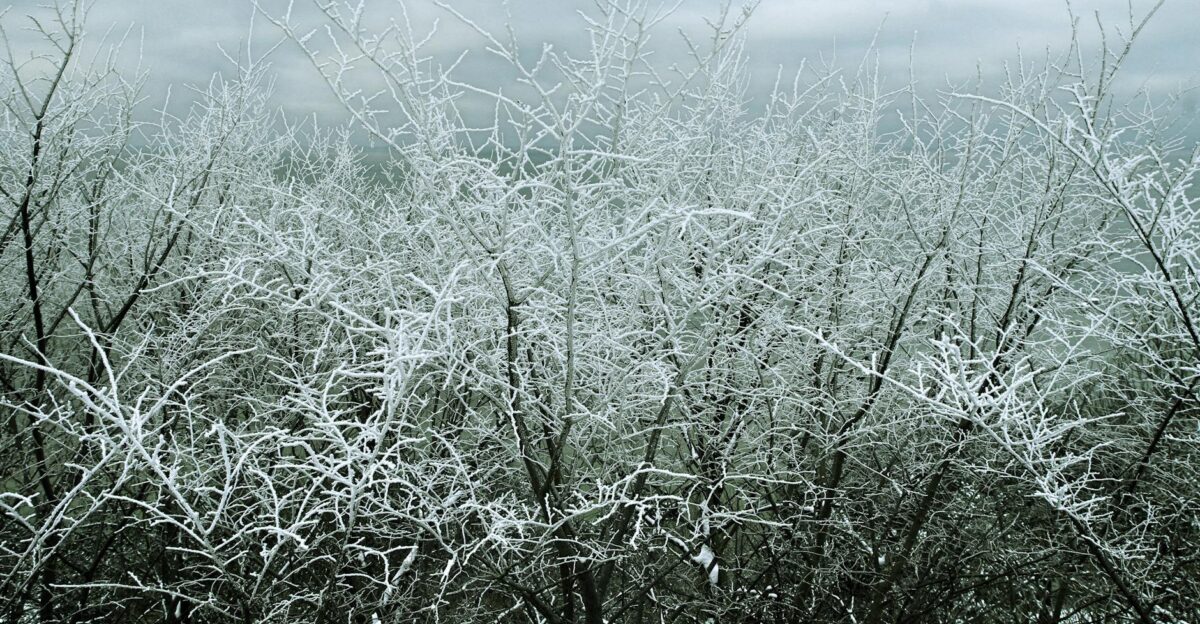
At the heart of this event lies a displaced polar vortex. Normally stationed over the North Pole, the vortex has shifted toward Hudson Bay, sending blasts of Arctic air directly southward. This cold air, funneled into the U.S., is causing record-breaking chills and disrupting the atmosphere.
The polar vortex is a permanent feature of Earth’s climate system, but when it weakens or shifts, the effects are felt across vast regions. In this case, it’s driving an extreme cold event stretching across two-thirds of the country.
Northern Plains: Subzero Extremes Ahead
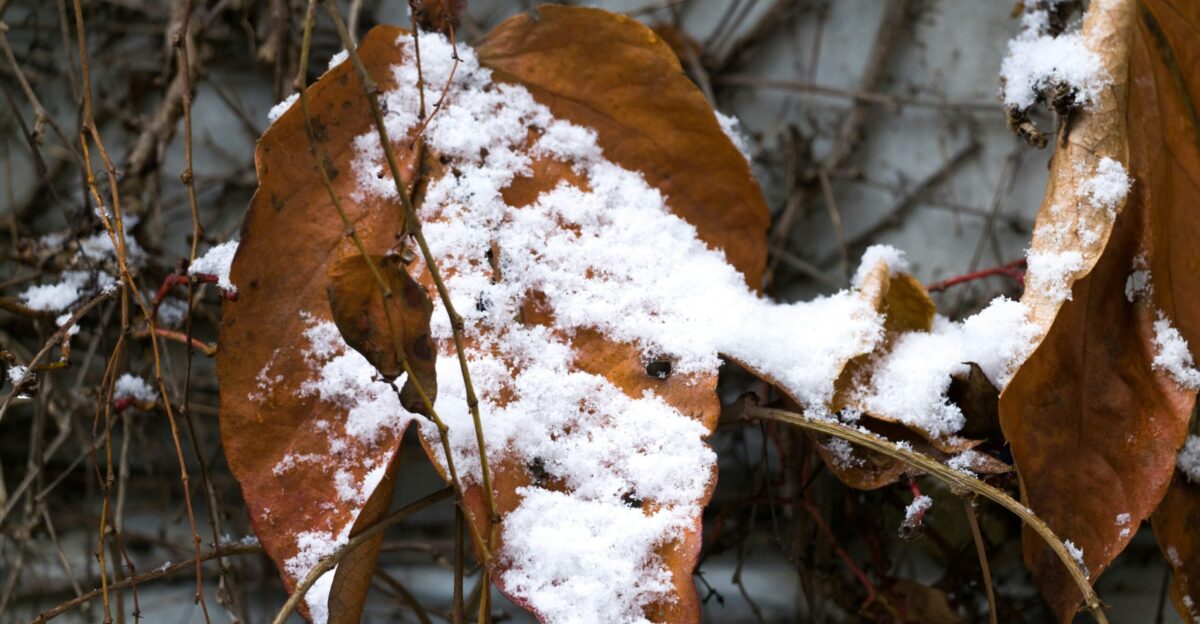
The Dakotas, Minnesota, Iowa, and Nebraska are bracing for subzero temperatures. These states are no strangers to winter’s bite, but the forecasted chill is particularly harsh. Wind chills could plummet to -30°F, creating serious risks for frostbite, especially on exposed skin. Livestock operations, water systems, and vehicle engines will all face extreme stress.
Meanwhile, the interior Northeast faces temperatures in the teens and 20s, while the I-95 corridor experiences cold rarely seen this early in the season. Communities in these regions must prepare for hazardous conditions.
Lake-Effect Snow Adds to the Hazard
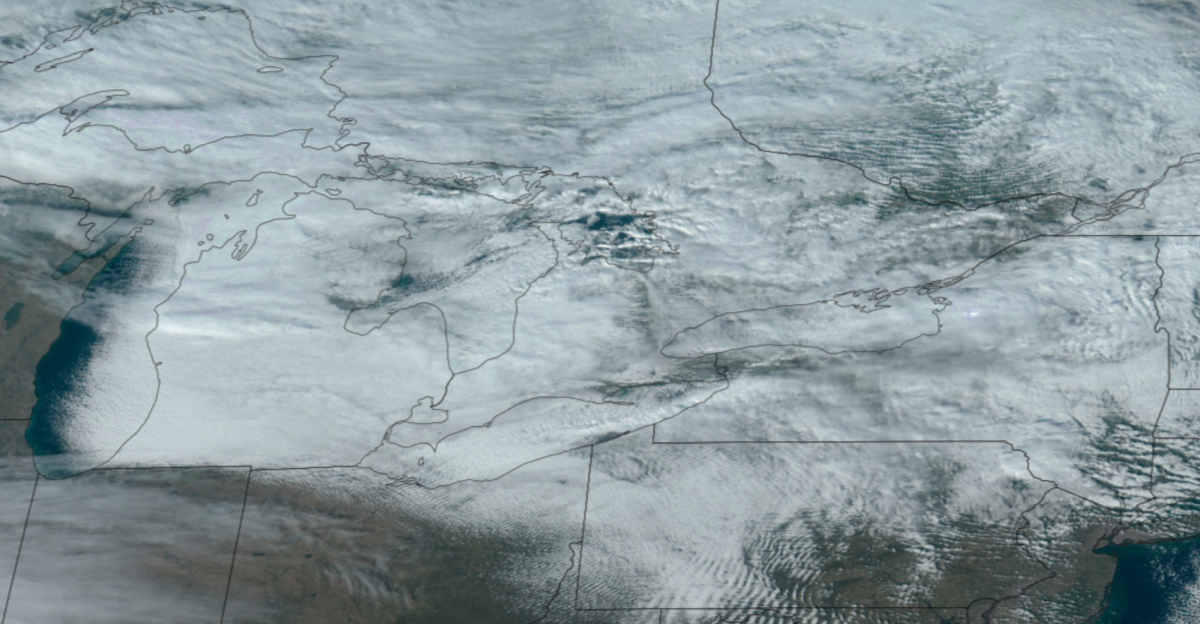
The Great Lakes region faces a double threat—lake-effect snow. As Arctic air moves across the warm waters of Lakes Michigan, Erie, and Ontario, moisture evaporates and freezes, falling as heavy snow. This week’s initial snowfall may be minor, but conditions will worsen, with future events potentially causing “long-lasting and substantial” snow accumulation.
Areas in Ohio, Pennsylvania, New York, and Michigan should prepare for hazardous conditions and poor visibility that could last for days. These snowstorms could severely impact daily activities and transportation.
Energy Grids Brace for Record Demand
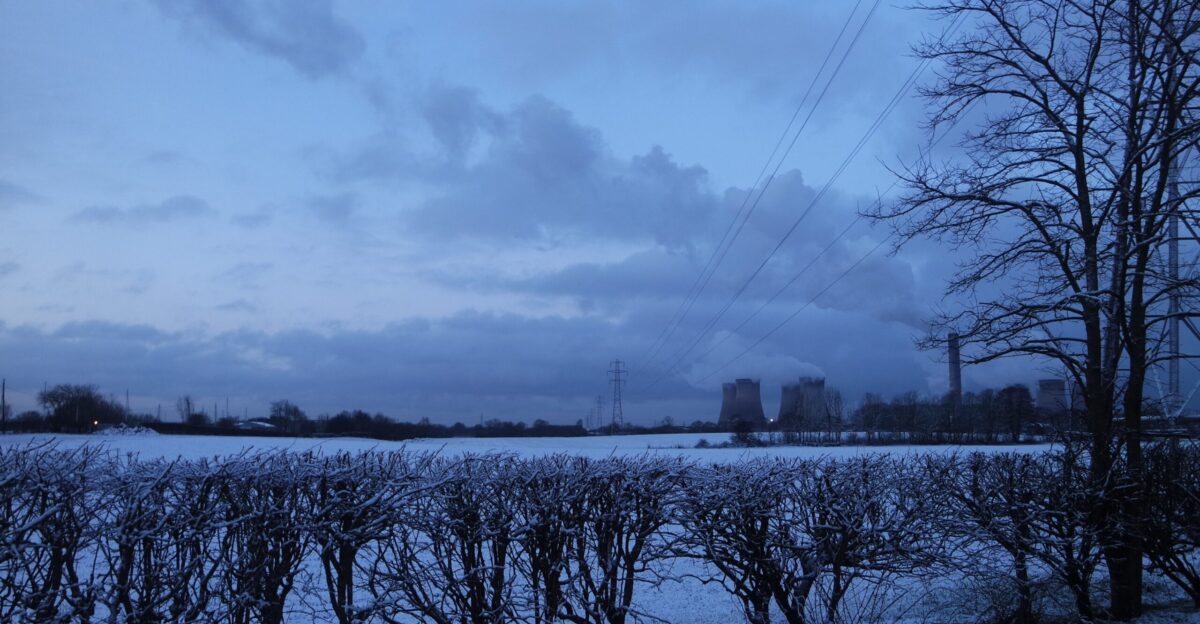
As the Arctic chill hits, energy grids are bracing for significant demand surges. Heating systems will run almost continuously, pushing electricity and natural gas consumption to new highs. Utilities across the Midwest and Northeast have issued energy conservation alerts. The elderly, homeless, and those in poorly insulated homes are most vulnerable to cold-related illness.
Utilities are pre-positioning resources to handle outages, but the sheer scale of demand creates a real risk to grid stability. If the weather lasts longer than expected, energy companies may face difficulties managing the increasing load.
Agriculture Faces Serious Damage Risk
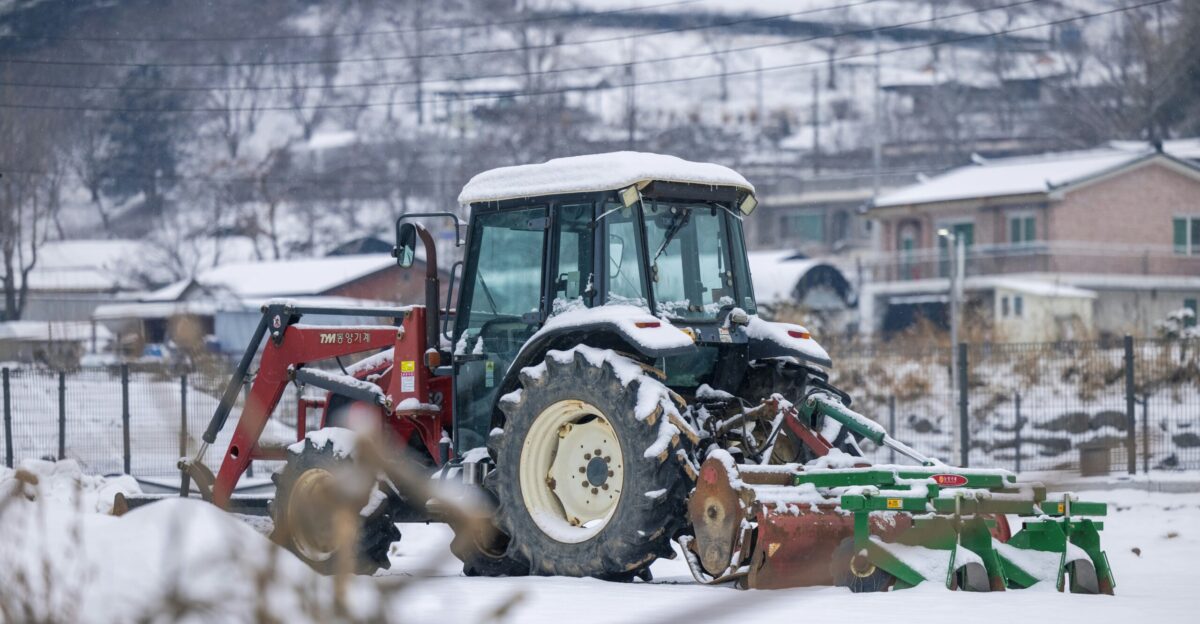
Cold temperatures extend to the Southeast, where many crops are still growing. Citrus growers in Florida and Georgia are at risk of significant crop loss if temperatures drop below critical levels. The chill could also devastate ornamental plants, with nurseries across the Southeast facing inventory losses.
Farmers with late-season vegetables or cover crops could see their harvests ruined. This weather won’t just hit farmers; landscaping companies, garden centers, and agricultural suppliers will all face disruptions, which could ripple through local economies.
Disrupting Travel: Snow, Ice, and Delays
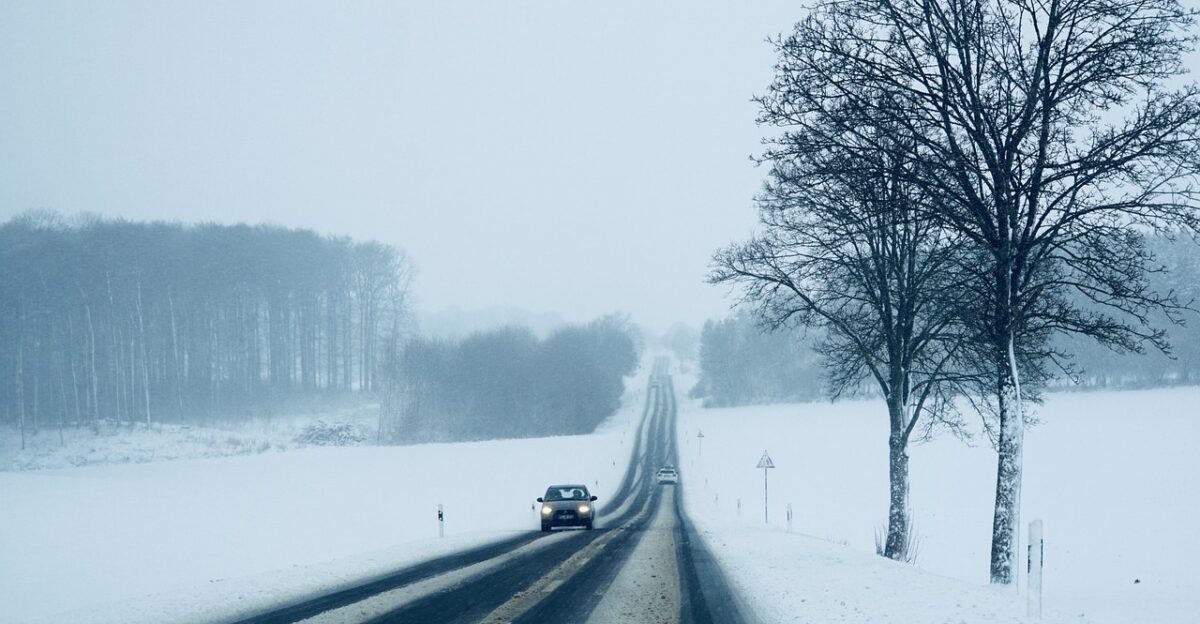
Travelers should prepare for disruptions as snow, ice, and extreme cold sweep the nation. A southern storm will meet the Arctic blast Friday and Saturday, triggering snow and ice, especially across the East. Airports could see delays and cancellations, with de-icing and low visibility creating major challenges.
Highways are being pretreated, but with conditions worsening, travelers may still face disruptions. Motorists are advised to winterize their vehicles and carry emergency kits, while public transportation prepares for higher demand. Disruptions are likely to last until conditions stabilize.
Record-Breaking Cold on the Horizon

This Arctic event is not just cold; it’s potentially historic. Some locations may experience their lowest temperatures for this time of year in decades. These record-breaking lows will have lasting implications, from emergency responses to future climate planning.
Daily record lows may not only shatter temperature records but also become benchmarks for assessing infrastructure vulnerabilities. As these extreme conditions roll in, it’s clear that we’re not facing an ordinary cold snap, but a rare, powerful atmospheric event.
Urgent Health Warnings on the Rise
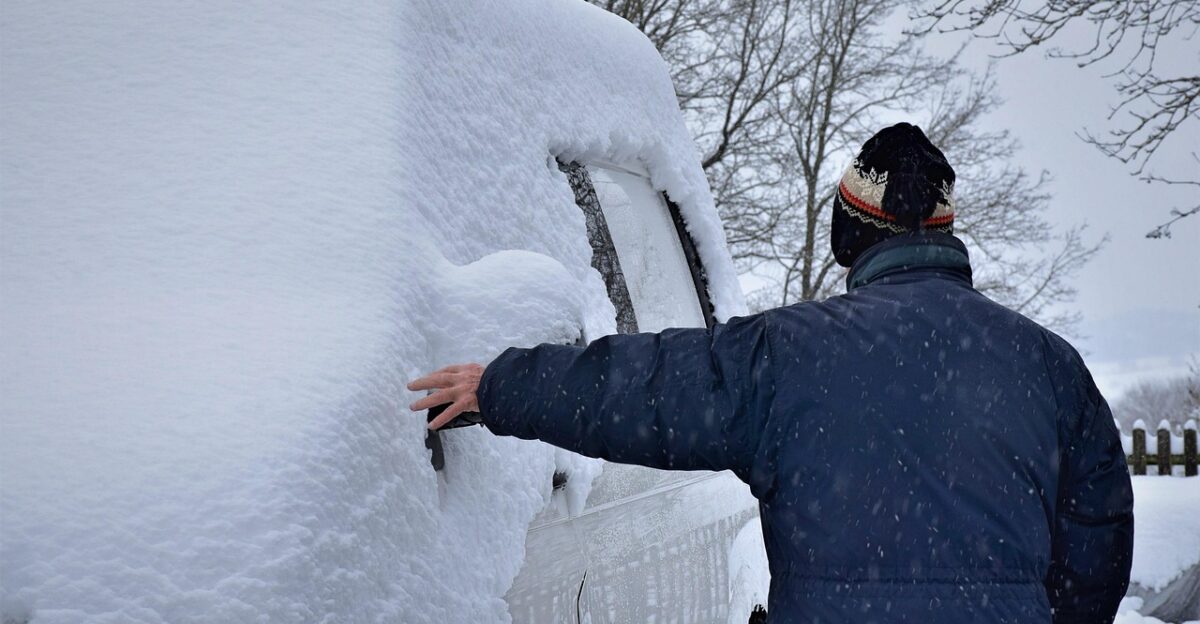
With temperatures plummeting, public health agencies are issuing urgent warnings. Wind chills as low as -30°F will lead to frostbite in minutes, while hypothermia could strike indoors if heating systems fail. Vulnerable populations, including the elderly and homeless, face life-threatening risks.
Emergency rooms are bracing for an influx of cold-related injuries, and public health officials are urging everyone to take precautions—this is not a typical cold, but a severe, life-threatening weather event. These warnings will likely escalate as the cold continues.
Ski Resorts Embrace the Cold
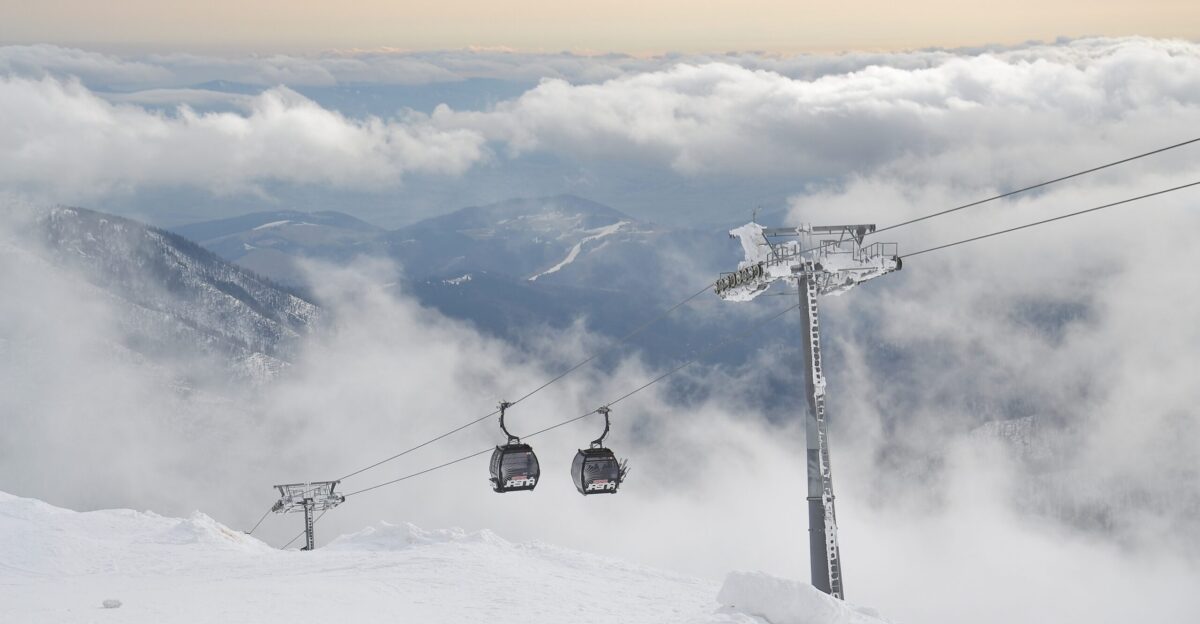
While many industries brace for hardship, ski resorts are capitalizing on the extreme cold. Snowmaking equipment is running at full capacity, producing better-quality snow for resorts across the Rockies and Northeast. This cold snap provides much-needed snowfall, helping resorts open more terrain and increase visitor numbers.
Ski towns and surrounding communities are seeing increased tourism and spending. But the cold also brings challenges—equipment breakdowns and dangerous conditions for workers in subzero temperatures. Resorts must balance the benefits and risks of these extreme conditions.
Winterization Supplies Surge
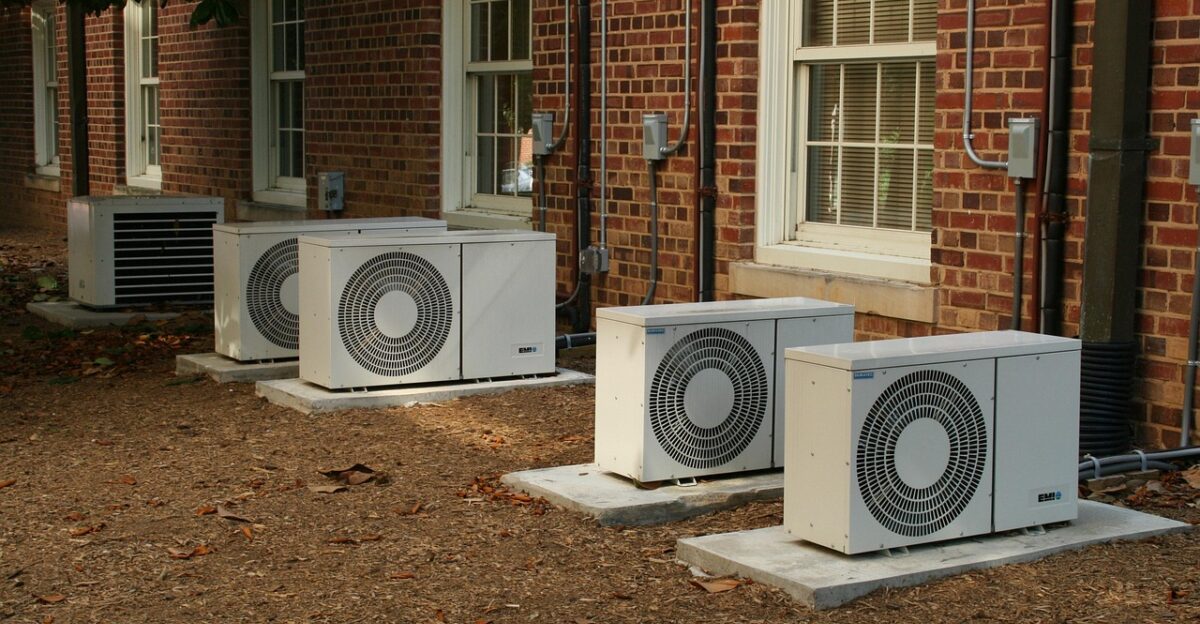
As the cold sets in, homeowners are scrambling to winterize. Hardware stores are seeing a surge in sales of snow shovels, weatherstripping, and heating fuel. Plumbers and HVAC technicians are booked solid with maintenance calls. Utility companies are urging customers to check heating systems, insulate pipes, and prepare for higher energy consumption.
The fear of damage from this extreme cold is prompting proactive winterization across the country, especially in areas that have never experienced such intense cold this early. These efforts are critical for avoiding widespread issues later on.
Forecast Uncertainty Creates Concern
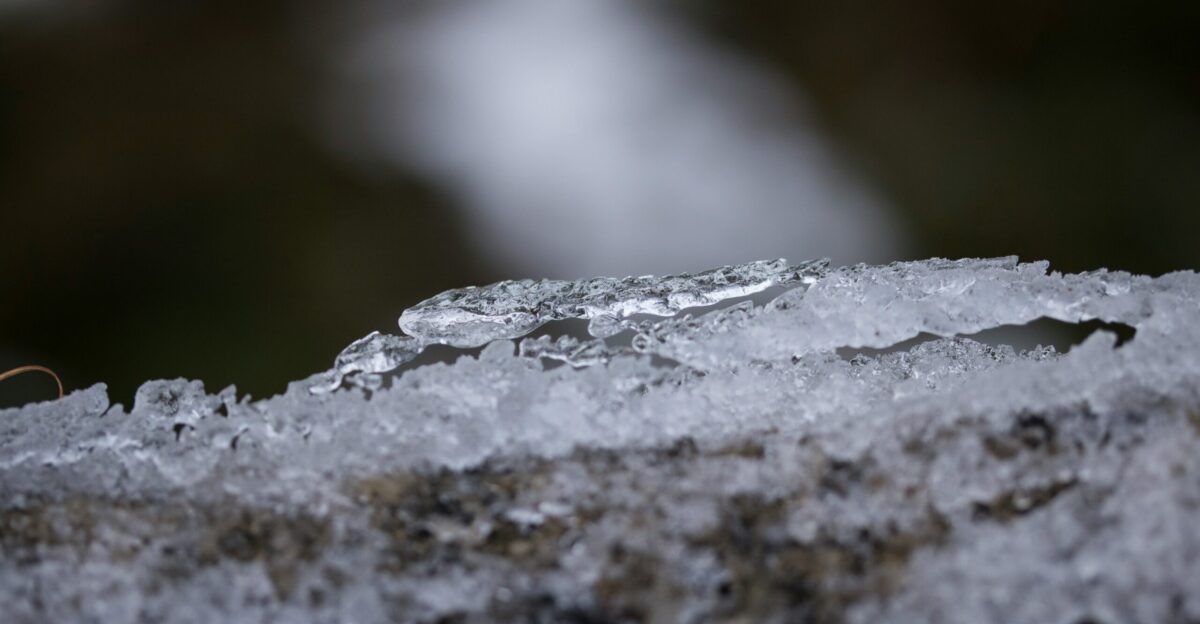
While meteorologists are confident in the general pattern, there is still uncertainty surrounding the timing and exact intensity of each cold wave. Computer models diverge on how cold the second and third waves will be and where exactly the southern storm will hit.
Emergency responders are preparing for worst-case scenarios, but officials are also trying to avoid unnecessary panic if conditions are less severe than expected. However, the fact remains that even a “best-case” scenario will still bring dangerous cold.
Impact Beyond Cold: Long-Term Climate Questions
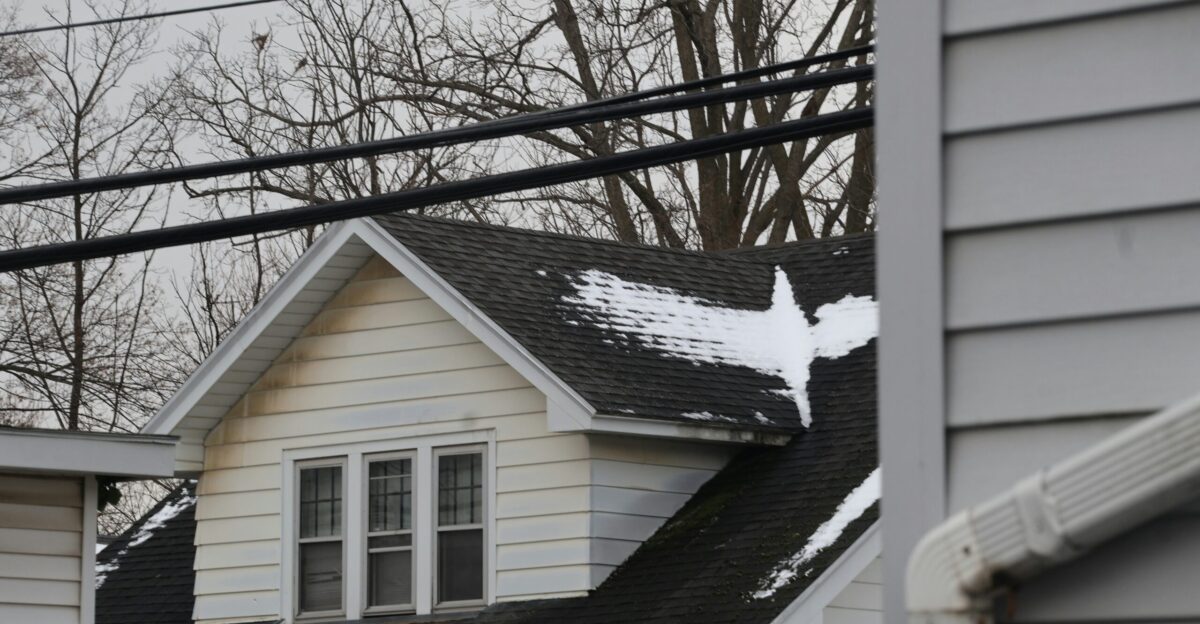
Once the cold waves subside, it’s time to assess the damage and ask the tough questions. How well did infrastructure hold up? Were vulnerable populations protected? And, importantly, how does this cold snap fit into broader climate trends?
While a single cold event doesn’t define climate, its intensity and impact force communities to rethink their preparedness. Utilities, emergency managers, and policymakers will reflect on this event as they look ahead to a future with more frequent extreme weather.
Preparing for More Cold: What’s Next?
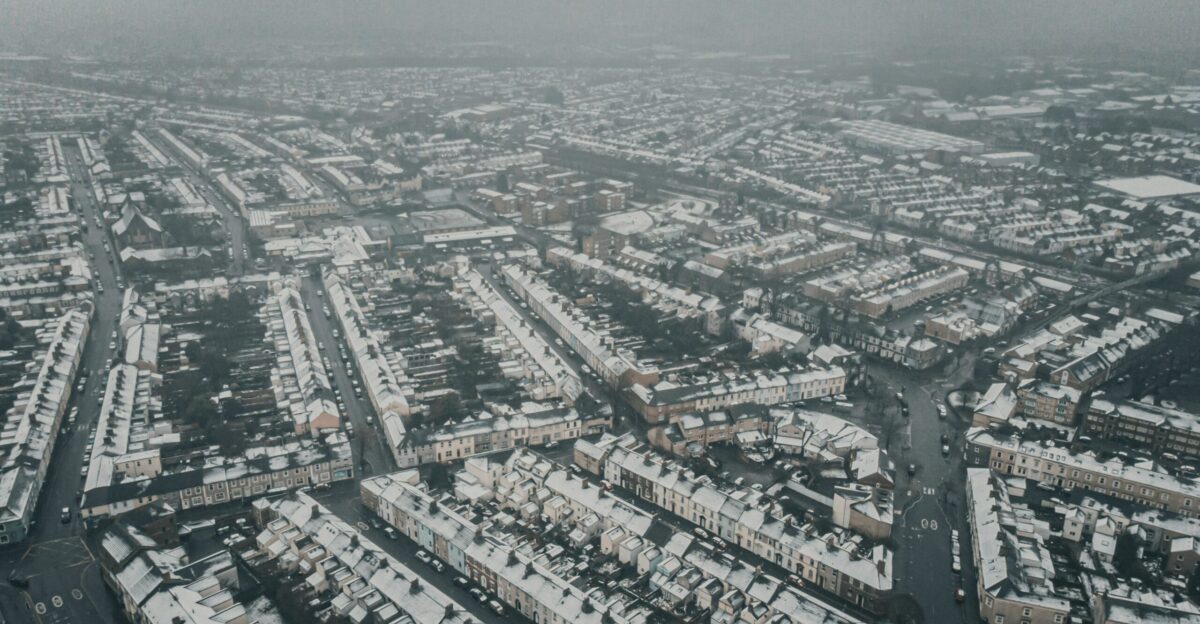
With another cold wave likely to hit in the coming days, communities across the U.S. must prepare for continued exposure to harsh conditions. Emergency services are ramping up, while individuals are urged to check their heating systems, stock up on essentials, and avoid unnecessary travel.
As the cold continues its grip on the nation, the pressure on energy grids, healthcare, and infrastructure will only increase. The next wave of Arctic air is already on its way.
Sources:
AccuWeather – “Polar vortex to bring triple whammy of Arctic cold to US through mid-December” (Paul Pastelok, three waves, subzero/RealFeel details).
AccuWeather – “Polar push to decide snowy fate of late-week storm in eastern US” and “Potential weekend snow in eastern US to follow 1st of three polar vortex episodes.”
NOAA Climate Prediction Center / Climate.gov – Polar vortex and stratospheric disruption resources (polar vortex structure, displacement, and mid-latitude cold connections).
National Weather Service – “During Extremely Cold Weather” and wind chill safety guidance.
CDC / NIOSH – Extreme cold and cold-stress guidance (cold-related illnesses, frostbite, hypothermia risk and prevention).
USA Today / CNN – Late November/early December polar vortex and Arctic outbreak coverage.