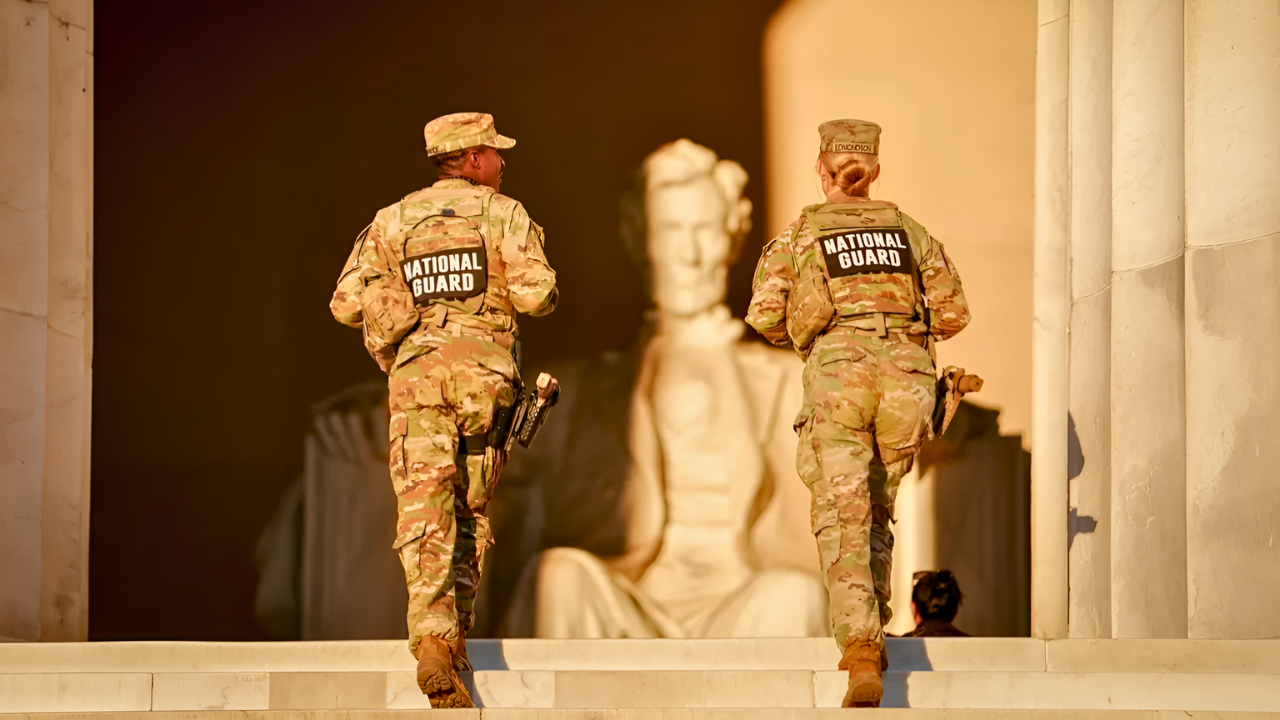
A shooting that claimed the life of a National Guard member near the White House on November 26, 2025, has intensified scrutiny of the Trump administration’s controversial military deployment in the nation’s capital. The incident killed Specialist Sarah Beckstrom, 20, just one day after she was deputized for special patrol duties, and critically wounded Staff Sergeant Andrew Wolfe, 24. The attack has reignited debates about whether federalized Guard forces can effectively prevent targeted violence and whether their presence in civilian spaces aligns with constitutional limits on domestic military operations.
The Deployment Surge
Within hours of the shooting, A shooting that claimed the life of a National Guard member near the White House an emergency deployment of 500 additional National Guard troops to Washington, DC, bringing the total military presence to over 2,500 personnel. The rapid decision underscored the political pressure and security concerns driving the administration’s response, even as the deployment remained legally contested. A federal judge had halted the original Guard mobilization just six days earlier, ruling that the ongoing operation likely violated the Posse Comitatus Act, which restricts the military’s role in domestic law enforcement. The administration appealed the ruling immediately and continued operations despite the court order, creating an unusual backdrop for the expansion decision.
The Incident and Suspect
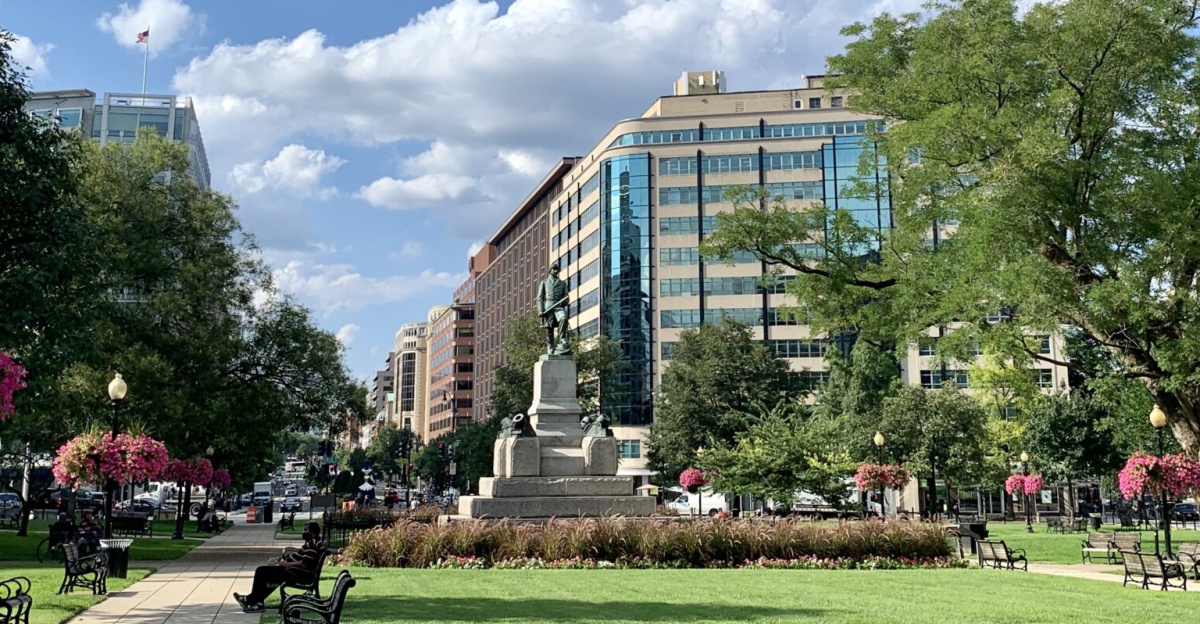
The shooting occurred at approximately 2:15 PM near Farragut Square, roughly six blocks from the White House, during a high-visibility patrol intended to deter street crime. A third Guard member returned fire, wounding the suspect. The attacker was identified as Rahmanullah Lakanwal, an Afghan national who entered the United States in September 2021 under Operation Allies Welcome, the government’s mass evacuation program following the US withdrawal from Afghanistan. He was granted asylum in April 2025. Authorities confirmed the attack was targeted and deliberate, not random street violence.
Policy Reversal and Immigration Freeze
Within 48 hours, the Trump administration halted all asylum decisions for Afghan nationals pending a security review, indefinitely freezing case processing for approximately 76,000 Afghan nationals who had entered the US since 2021. This policy reversal drew sharp contrasts: the administration that approved Lakanwal’s asylum earlier in 2025 was now suspending similar cases, citing national security concerns. Immigration advocates condemned the freeze as collective punishment, while security hawks argued it was an overdue safeguard.
Legal and Fiscal Challenges
The new 500-troop surge is part of a broader security operation projected to cost over $500 million annually to sustain—a staggering price tag for a domestic deployment that remains legally contested. Civil liberties organizations, including the ACLU, filed briefs opposing the continued deployment, arguing it sets a dangerous precedent for militarized domestic security. Federal appeals courts faced pressure from multiple sides as the administration filed an emergency appeal seeking to overturn the Posse Comitatus restriction. The legal battle remained unresolved as troops continued operating in DC, creating institutional uncertainty for federal agencies tasked with supporting the deployment.
Unresolved Constitutional Questions
As Guard troops continue patrols in Washington, a fundamental question remains: Can military deployment accomplish what civilian law enforcement cannot, and at what constitutional and fiscal cost? The November 26 shooting crystallized competing narratives—for some, a tragic reminder that visible security deters most threats but cannot eliminate all risks; for others, evidence that militarizing cities is counterproductive and constitutionally suspect. Supporters cited sustained crime reductions through the fall months, with violent crime down 39% during the initial surge period. However, causation remained disputed among criminologists, and questions emerged about whether crime was being displaced rather than prevented. The legal battle will ultimately determine whether this deployment survives judicial scrutiny, but the deeper tension between security and liberty remains unreconciled.
Sources
AP News November 26–27, 2025
CBS News November 26, 2025
Pentagon statement November 26, 2025
Trump administration statements and briefings November 26–27, 2025
FBI Director Kash Patel statement November 26, 2025
Department of Homeland Security November 2025
Trump administration policy directive November 27, 2025
West Virginia National Guard November 2025