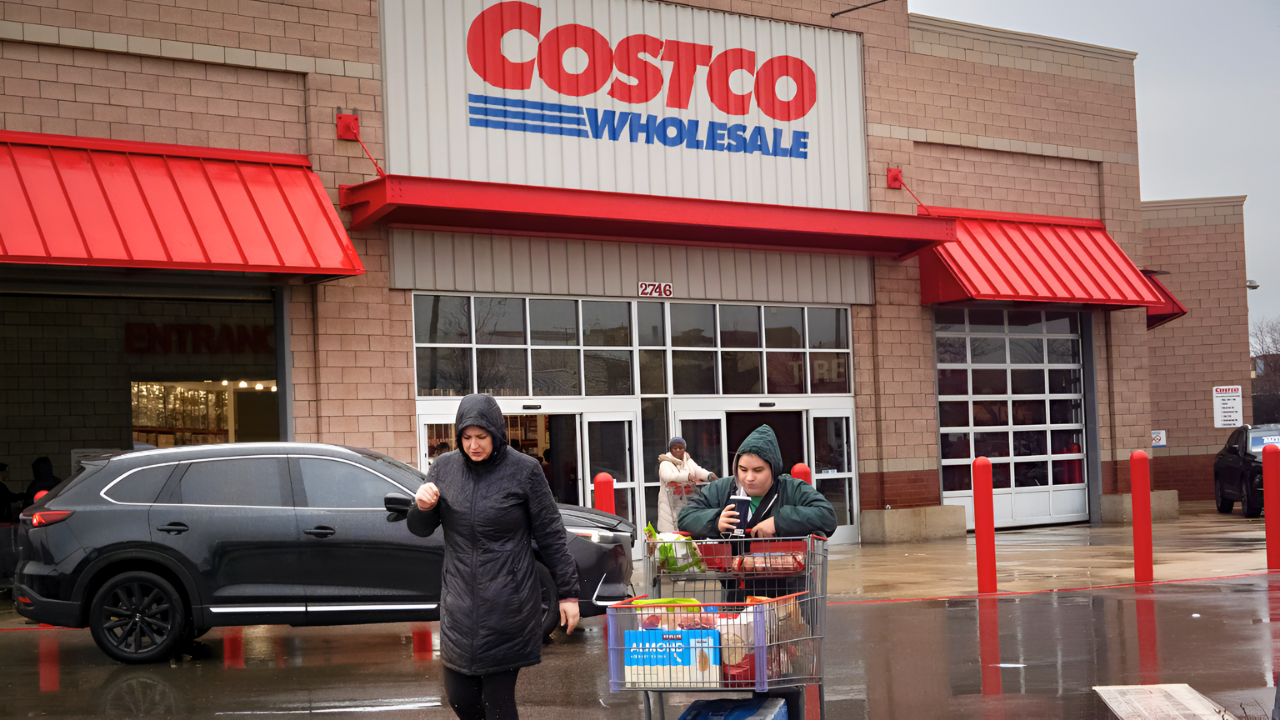
Costco filed a lawsuit against the U.S. government in November 2025, challenging tariffs imposed under emergency trade authority. The case represents one of the largest tariff disputes in recent history, with billions of dollars and consumer pricing hanging in the balance as the company races against a December 15 liquidation deadline set by Customs and Border Protection.
The Deadline That Forced Action
Costco’s legal team had little choice but to act swiftly. Two federal courts had already ruled that the tariffs lacked legal authority under the International Emergency Economic Powers Act of 1977, but without filing suit before the December 15 cutoff, the company would forfeit its ability to challenge the duties. The Supreme Court has yet to issue a final decision on whether the tariffs can stand.
The Financial Pressure on Members
Approximately one-third of Costco’s $270 billion in annual revenue derives from imported goods, translating to roughly $90 billion in merchandise subject to tariffs. According to company leadership, Costco has largely absorbed these costs to maintain stable pricing for members. Should the company lose its legal challenge, consumers could face price increases across everyday items ranging from groceries to electronics.
A Broader Corporate Battle
Costco is not fighting alone. Major retailers and manufacturers including Revlon, EssilorLuxottica, Kawasaki, Bumble Bee Foods, and Yokohama Tire have joined similar legal actions seeking tariff refunds. This wave of litigation represents the largest coordinated challenge to tariff policy in recent memory, with total refunds potentially reaching $90 billion across all plaintiffs. A victory for Costco could establish precedent for similar cases.
Ripple Effects Across Industries
The tariff dispute extends far beyond Costco’s warehouse floors. Restaurants and foodservice operators who purchase bulk goods from the retailer face margin pressure if costs rise. Suppliers and manufacturers dependent on Costco for volume sales confront difficult choices: absorb margin compression or risk losing business to competitors. Factory workers in China, Mexico, and Vietnam could experience reduced demand if U.S. import patterns shift.
Leather goods, pet food, fertilizers, and electronics all carry tariff exposure. A favorable ruling for Costco could trigger similar lawsuits from other importers, potentially reshaping pricing structures and supply chains across agriculture, fashion, and consumer goods sectors.
Consumer and Competitive Landscape
If Costco raises prices to offset tariff costs, members may shift purchases to competitors including Amazon Fresh, Walmart, Sam’s Club, and BJ’s Wholesale. Online grocery delivery services could gain traction as consumers seek alternatives. The competitive retail environment will face significant disruption depending on the lawsuit’s outcome.
The effective tariff rate on Chinese imports reached 29.3 percent as of November 2025. A Supreme Court ruling expected in mid-2026 will determine whether these duties remain in place or are rolled back. The decision carries implications for international supply chains, particularly those relying on Chinese manufacturers, and could prompt retaliatory tariffs from trading partners.
The Path Forward
Costco is already exploring mitigation strategies, including shifting production to lower-cost countries and consolidating global purchasing. Other retailers are diversifying suppliers away from China and negotiating with manufacturers in Mexico and Vietnam. Some companies are also evaluating domestic sourcing to reduce tariff exposure.
Should Costco prevail and receive a multi-billion-dollar refund, the company could lower prices on imported goods or preserve margins to boost earnings. A price reduction would benefit consumers amid inflation concerns, though margin preservation would prioritize shareholder returns over consumer relief.
The lawsuit’s outcome will influence millions of American consumers, including non-members who experience indirect effects through foodservice and retail pricing. International consumers in Canada, Mexico, and Europe will also feel the impact, as U.S. tariff policy directly affects global supply chains.
The Supreme Court’s decision represents a pivotal moment in trade policy and presidential authority. For Costco members and the broader retail sector, the ruling will determine whether prices rise, fall, or stabilize in coming years, with consequences extending across manufacturing, international relations, and consumer purchasing power.
Sources:
U.S. Court of International Trade Complaint Costco Wholesale Corp. v. United States (November 2025)
Costco Wholesale Corporation Fiscal 2025 Earnings Conference Call Transcript
Oxford Economics Research Briefing: US-China Tariff Rate Analysis (November 2025)
U.S. Customs and Border Protection (CBP) Cargo Systems Messaging Service Liquidation Guidance