
When you buy a car, you expect it to last—sometimes for decades. A new iSeeCars study reveals which vehicles are likely to hit 250,000 miles, showing Japanese brands aren’t just competitive—they dominate longevity. With most cars falling short, these ten imports offer extraordinary durability.
Let’s explore which vehicles make this elite list and why they stand out from the rest.
The Odds Are Stacked Against Your Car
91.4% of vehicles fail to reach 250,000 miles. The industry average sits at only 4.8%, making most cars more likely to end up in a junkyard than reach a quarter-million.
“With the average car having a 4.8% chance of reaching 250,000 miles, even the lowest-ranked model is still nearly twice as likely to see that odometer reading,” reports Karl Brauer, Executive Analyst at iSeeCars, October 2025. This gap has never been wider.
Why Japanese Brands Own the Longevity Rankings
All top 10 imported cars likely to last 250,000 miles are Japanese. Toyota claims 10 of the top 25 positions, while Honda has 5. Lexus sits at 12.8%, Honda at 10.8%.
No other nation comes close. Engineering excellence, not luck, drives this dominance. But what exactly does 250,000 miles mean for drivers?
Fifteen Years of Freedom Behind the Wheel
Reaching 250,000 miles equals roughly 15 years of service for drivers averaging 15,000–17,000 miles annually. Families can own a single car through high school, college, and early career.
Financially, a long-lasting car could save $30,000–$50,000 over a lifetime. That difference transforms constant car payments into lasting peace of mind.
Why Hybrids Are Suddenly Outlasting Gas Engines
In 2023, zero hybrids made the top 25. By 2024, three did. In 2025, five hybrids are among the longest-lasting vehicles.
Two of the ten imported cars on our ranking are hybrids, proving fuel efficiency and durability can coexist. The era of fragile hybrids is definitively over.
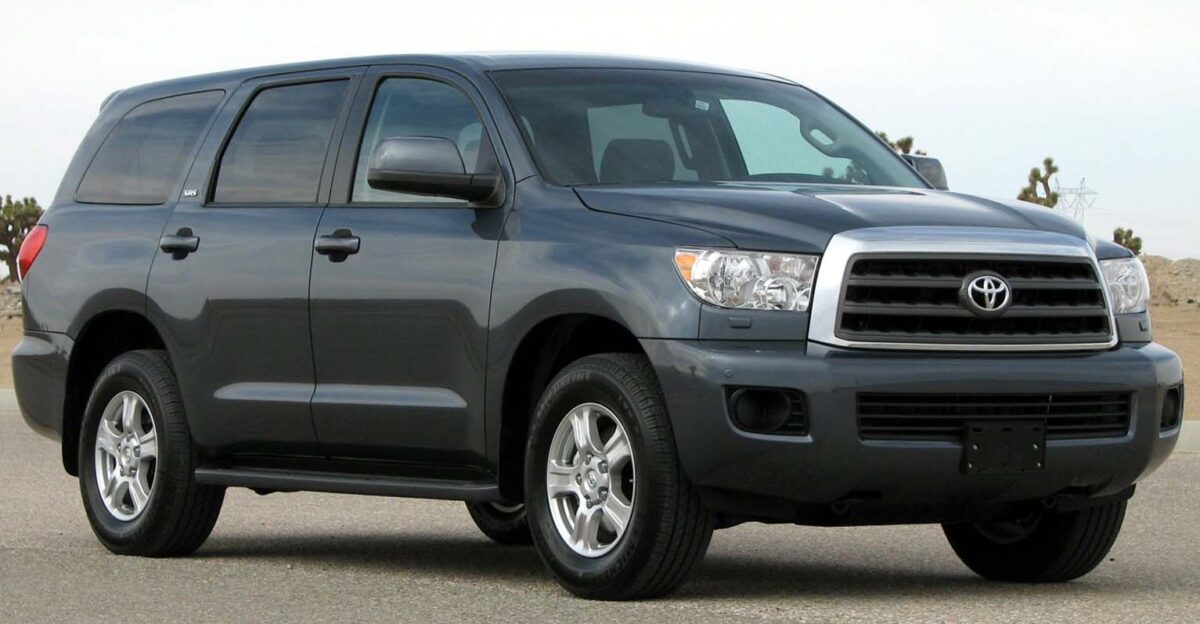
#1 – Toyota Sequoia (8.1x Average)
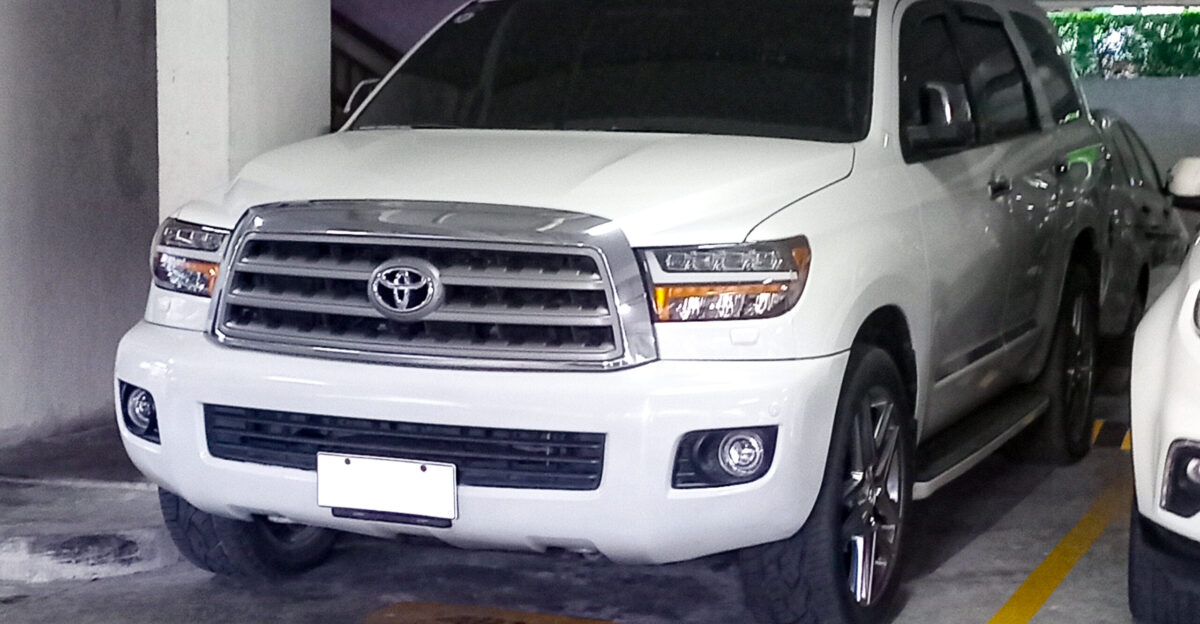
The Toyota Sequoia tops the list with a 39.1% chance of reaching 250,000 miles—over eight times the industry average. Families and adventurers rely on this three-row SUV for long-lasting performance.
Built since 2022 in San Antonio, Texas, Sequoias often outlast multiple competitor vehicles combined. Owners call it the pinnacle of import-brand engineering.
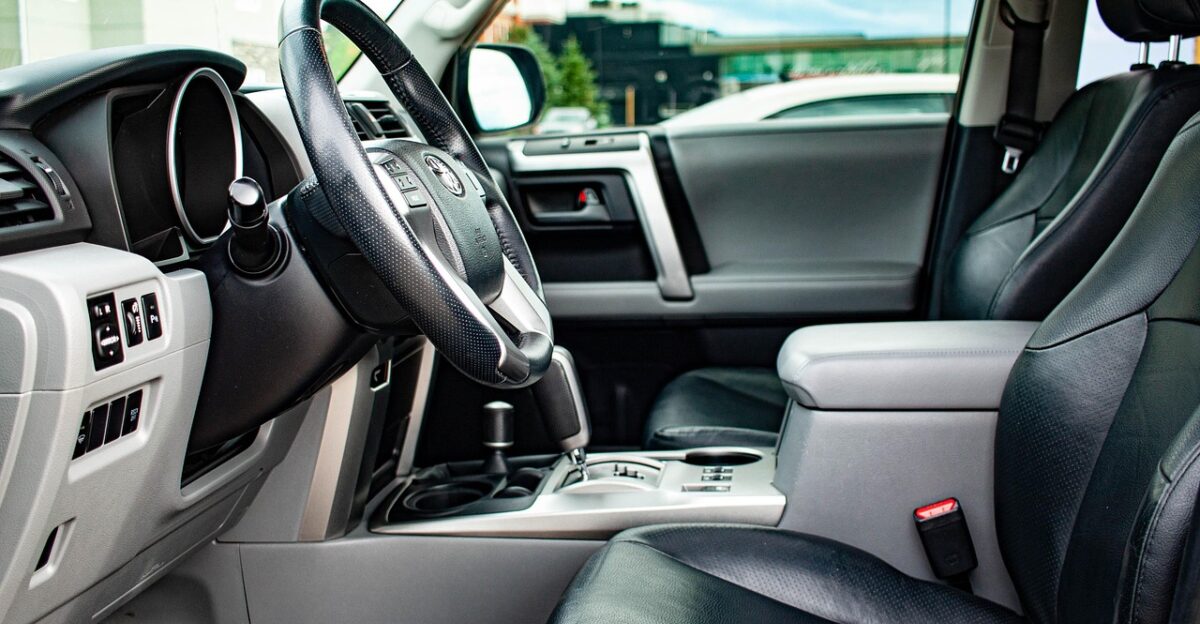
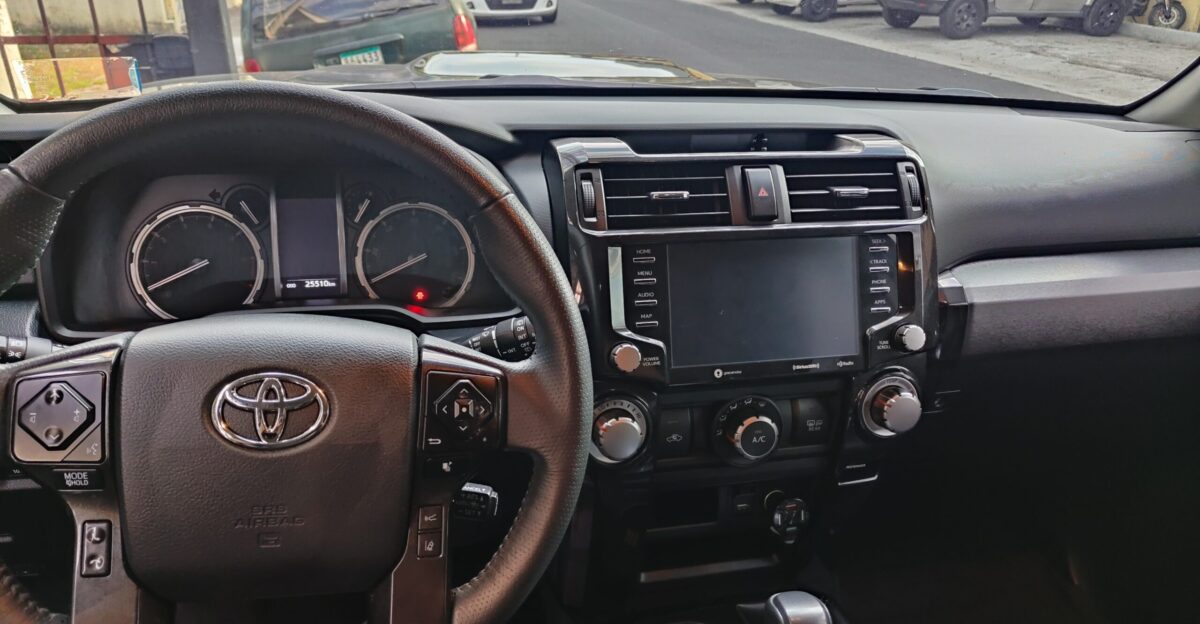
#2 – Toyota 4Runner (6.8x Average)
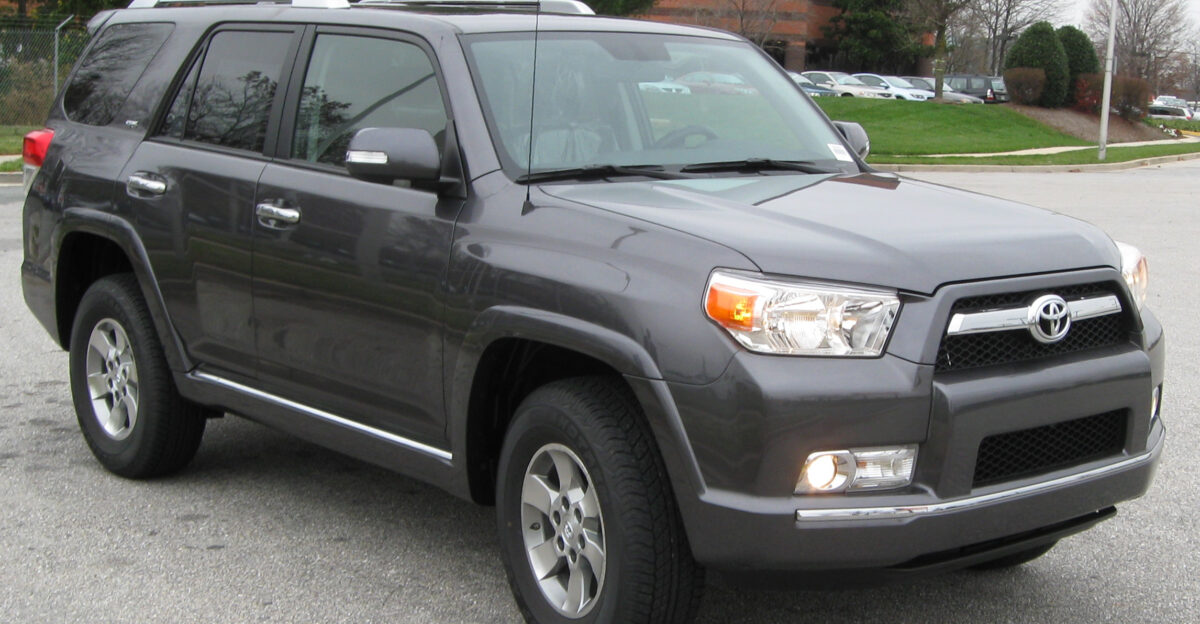
The Toyota 4Runner ranks second with a 32.9% chance of hitting 250,000 miles. One in three 4Runners crosses the milestone, thanks to decades of real-world durability testing.
Built in Tahara, Japan, its rugged body-on-frame design delivers reliability on any terrain. Mechanics joke that a 4Runner is finally “broken in” at 250,000 miles.
#3 – Toyota Highlander Hybrid (6.5x Average)
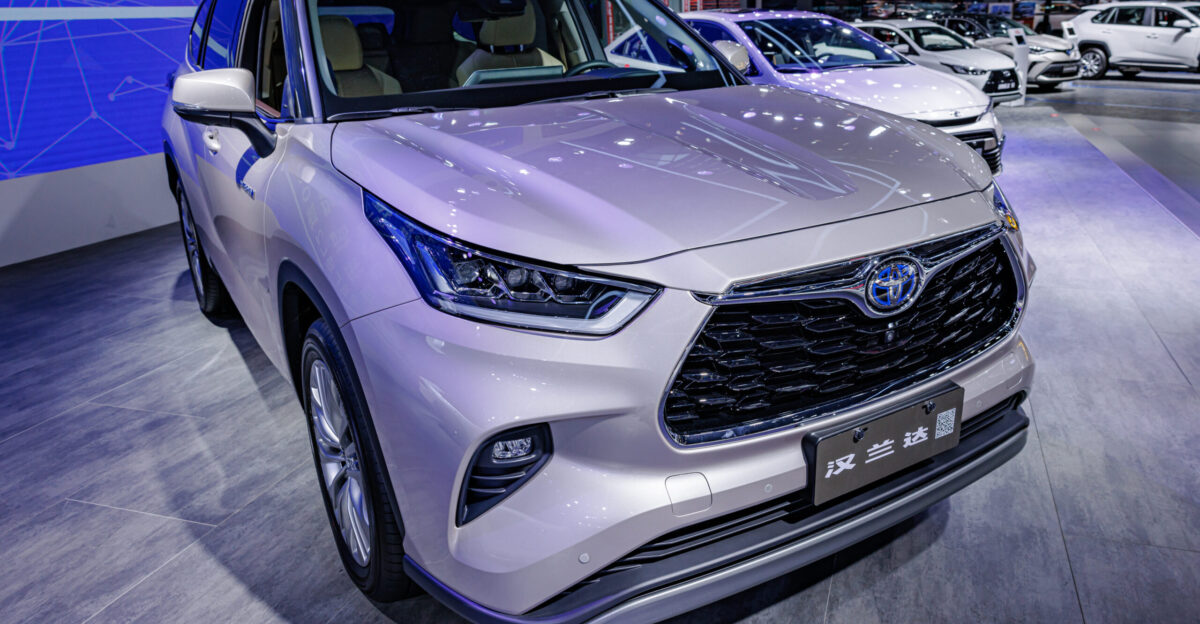
The Highlander Hybrid scores 31.0%, offering minivan practicality with SUV handling and hybrid efficiency. Built in Princeton, Indiana, it marks hybrids emerging as durability leaders.
Families gain longevity and fuel economy, saving over 15+ years. Could this model signal a broader shift toward dependable hybrid vehicles?
#4 – Toyota Tundra (6.3x Average)
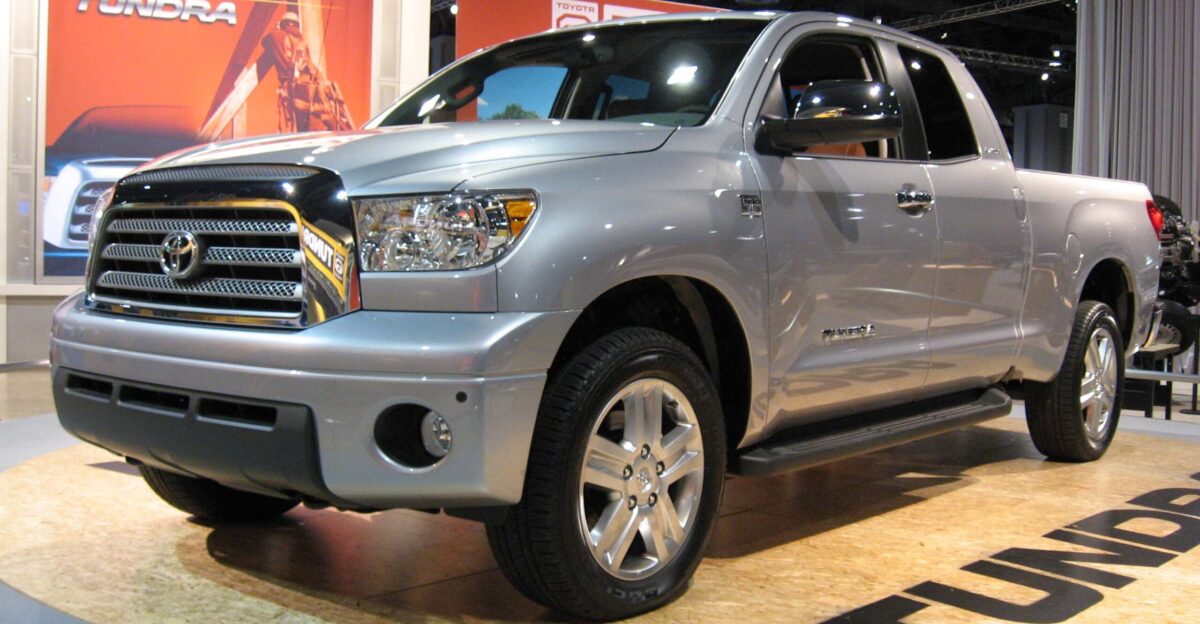
The Tundra combines American manufacturing with Toyota engineering, achieving a 30.0% chance of reaching 250,000 miles. Contractors and families alike value its durability.
Built in San Antonio, Texas, it represents full-size pickup reliability. The Tundra proves that American assembly and Japanese engineering can produce legendary longevity.
#5 – Lexus IS (5.7x Average)
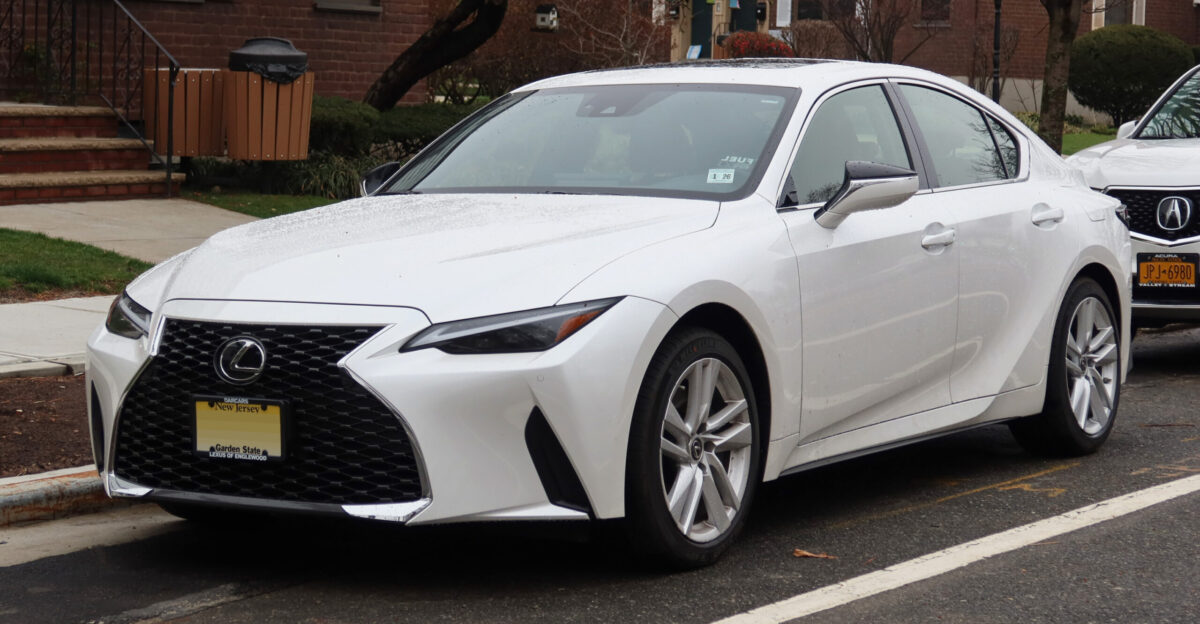
The Lexus IS delivers 27.5% probability, showing luxury doesn’t sacrifice reliability. Built in Tahara, Japan, it blends refinement, performance, and longevity.
The IS shatters the myth of fragile luxury cars. Japanese luxury engineering proves that prestige and lasting durability can coexist for decades.
#6 – Toyota Tacoma (5.3x Average)
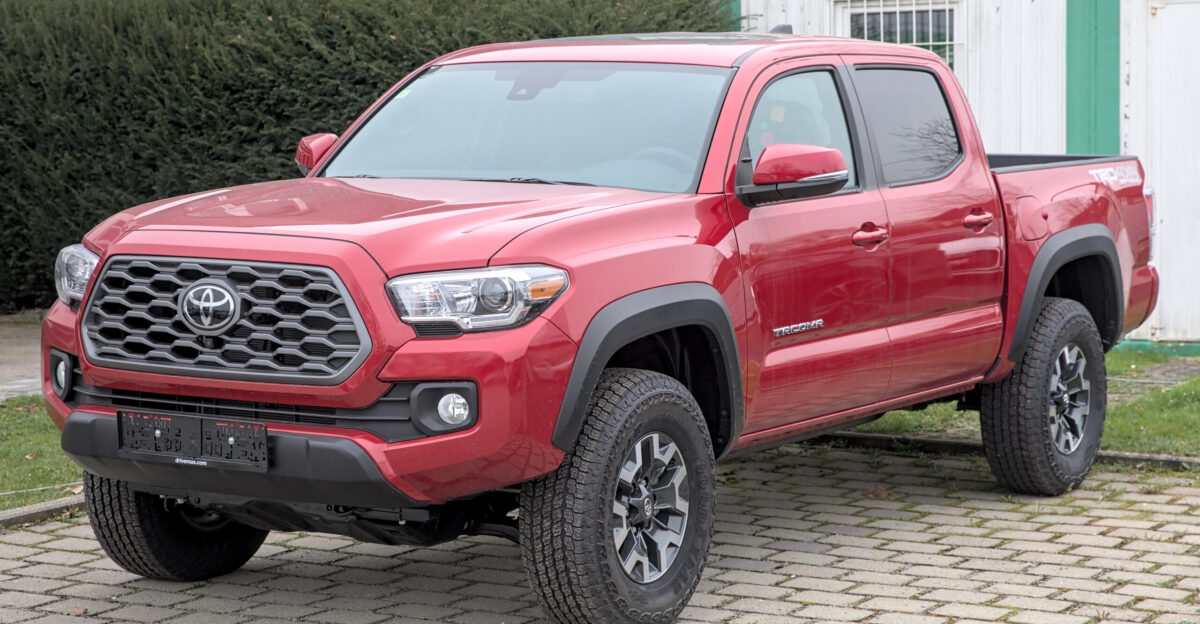
The Toyota Tacoma ranks sixth with a 25.3% chance of reaching 250,000 miles. Multiple plants in Mexico and Texas produce this reliable midsize truck.
Owners report Tacomas surpassing 300,000 miles while maintaining performance. It’s a trusted workhorse for farms, construction, and adventure, combining endurance with daily practicality.
#7 – Toyota Avalon (3.9x Average)
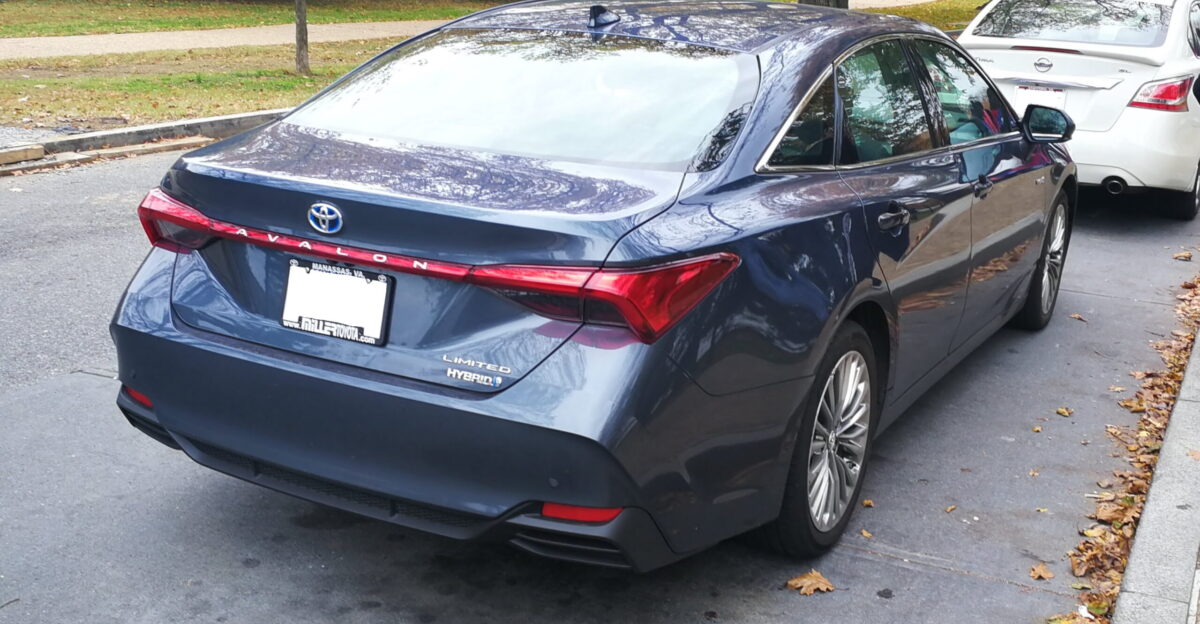
The Avalon reaches 18.9%, demonstrating that even overlooked sedans outperform averages. Manufactured in Georgetown, Kentucky, it blends elegance with relentless reliability.
Quietly racking up miles, the Avalon proves steady durability beats flashy trends. Could understated engineering be the secret to long-term success?
#8 – Lexus GX (3.8x Average)
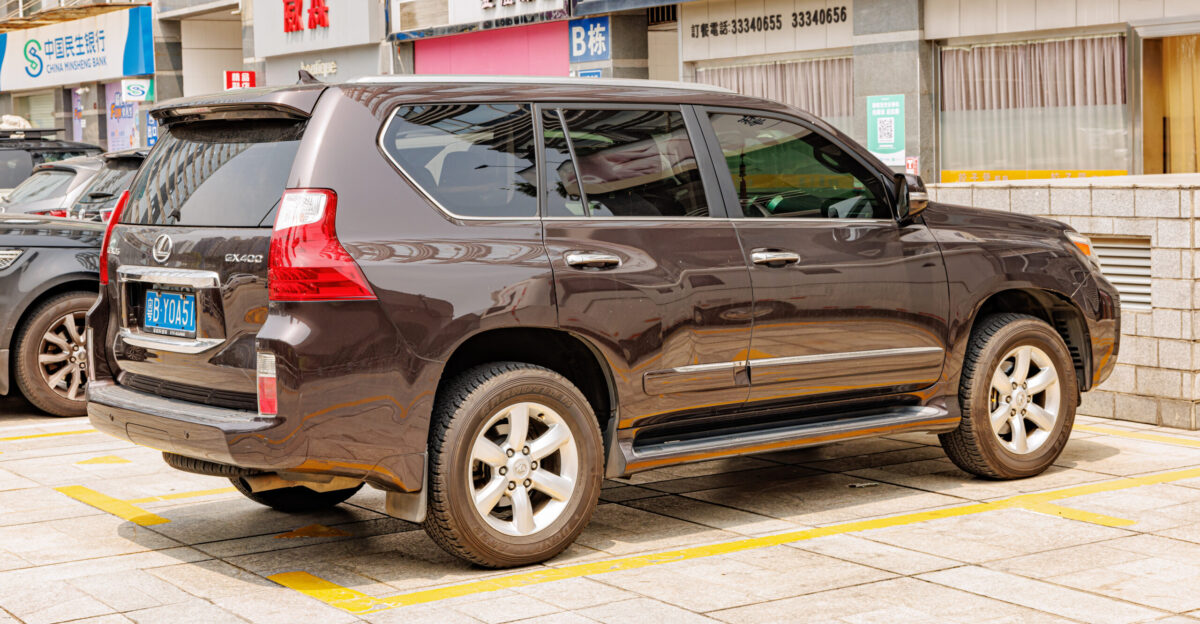
The Lexus GX earns 18.3% chance, combining luxury and body-on-frame ruggedness. Built in Tahara, Japan, it offers premium SUV capability with legendary Toyota reliability.
Many GXs thrive well into their second decade. Longevity meets luxury, ensuring owners never compromise performance for comfort.
#9 – Lexus RX Hybrid
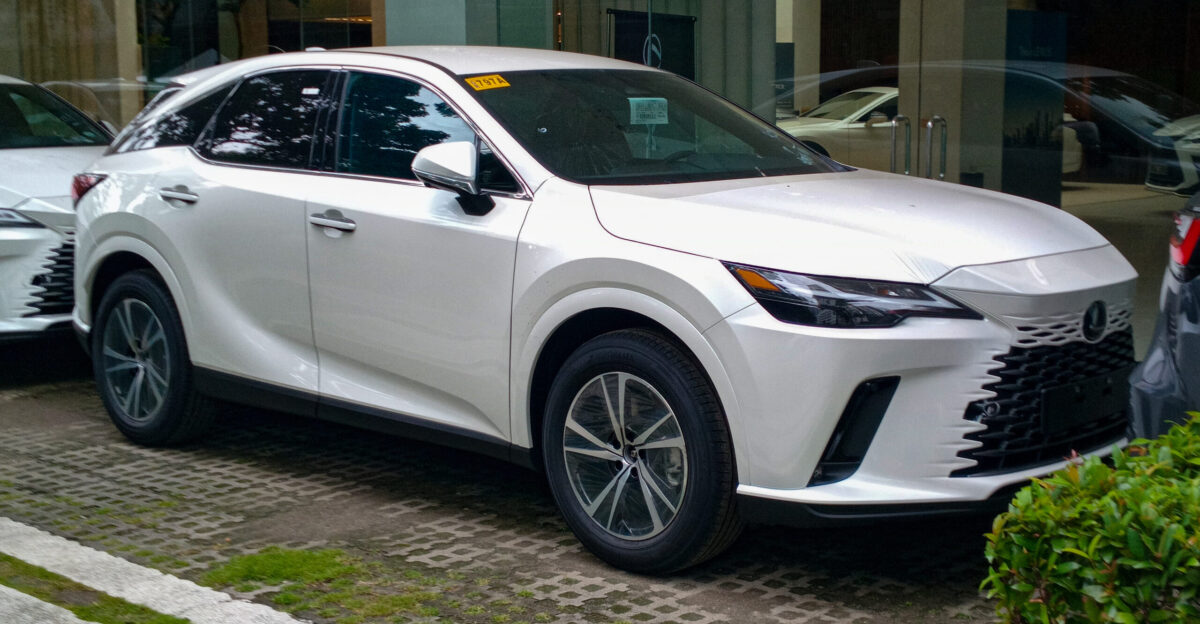
The RX Hybrid ranks ninth with a 17.0% chance. Built in Kyushu, Japan, it merges hybrid efficiency with proven Lexus durability.
Japanese engineering, luxury standards, and hybrid reliability converge. Owners enjoy fuel efficiency compounded over years without sacrificing mechanical simplicity or long-term reliability.
#10 – Honda Ridgeline (3.1x Average)
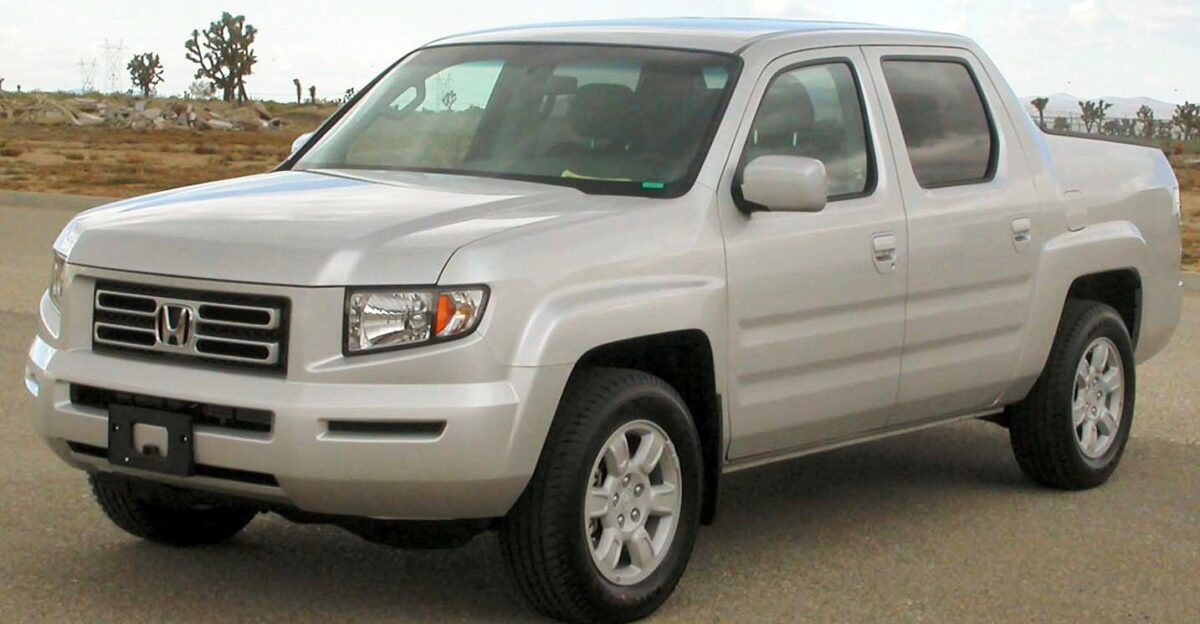
The Honda Ridgeline closes the top 10 with 14.7% probability. Built in Lincoln, Alabama, it mixes truck practicality with sedan comfort and Honda reliability.
Its unibody construction and engineering consistency make it stand out. Few pickups achieve this blend of performance, refinement, and longevity.
Where They’re Made Matters: Import Brands Go Global
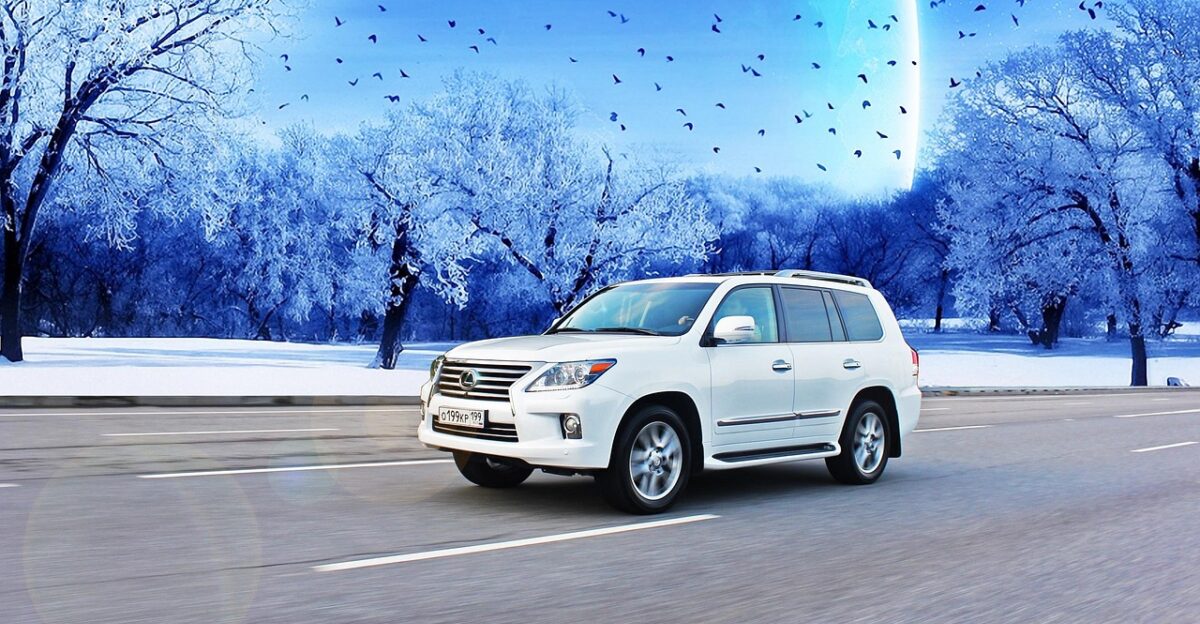
Of the top 10, only four are built in Japan. The rest are made in the U.S. or Mexico. Yet all maintain Japanese engineering standards.
Toyota and Honda demonstrate that “import” now reflects design and quality, not physical location. But what does this mean for ownership costs?
The Math: Owning One 250K-Mile Car
Replacing multiple cars over 40 years can cost $140,000–$240,000. A Sequoia or 4Runner reaching 250,000 miles eliminates 2–3 replacement cycles, saving $30,000–$50,000.
Beyond finances, owners avoid car shopping and learning new systems repeatedly. Longevity directly translates to peace of mind and long-term value.
The Broader Picture: Japanese Brands Sweep the Top 25
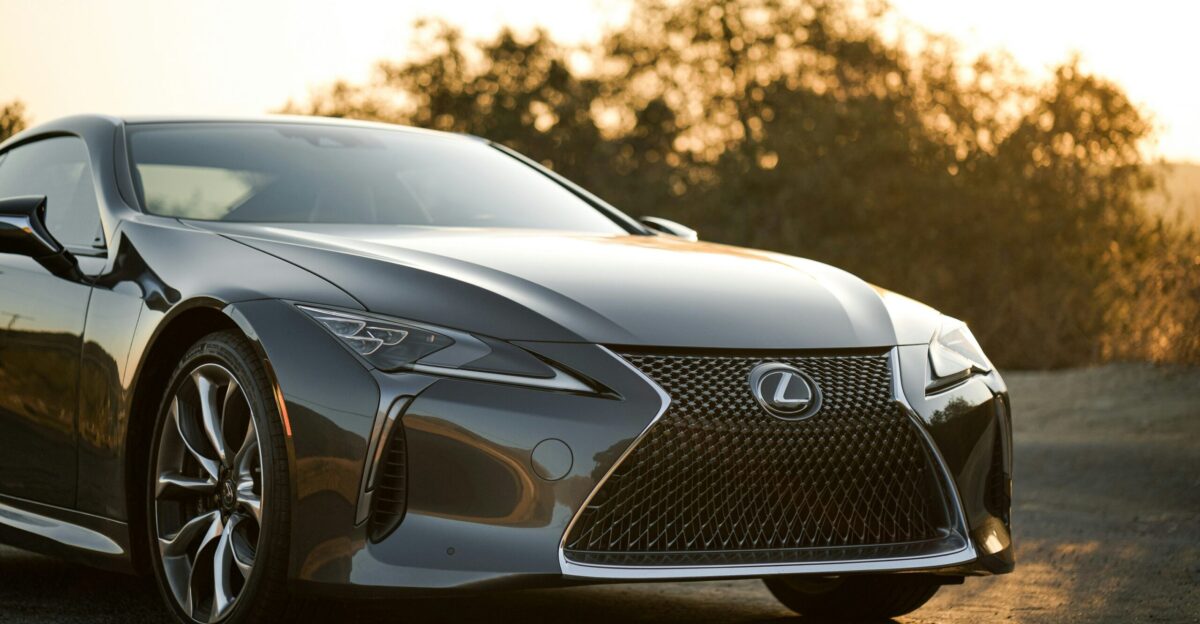
Japanese brands dominate the full top 25 list. Toyota contributes 10 vehicles, Honda 5, plus Lexus and Acura. Domestic and European brands rarely appear.
Decades of engineering philosophy prioritizing reliability over style explain this consistency. The top 10 are only the beginning of a larger trend.
How to Choose Your 250,000-Mile Vehicle
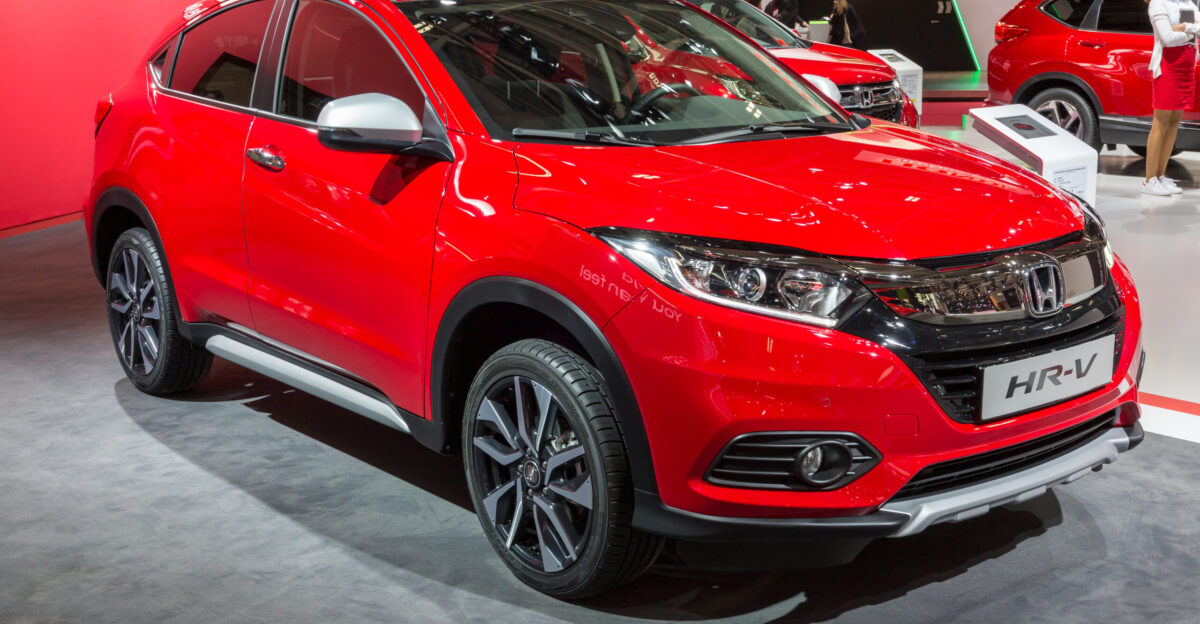
Prioritize Toyota, Lexus, or Honda. Match body style to needs and fuel type to preference. Consider local inventory and certified pre-owned options for warranty support.
Long-term costs, not initial price, should guide negotiations. Choosing wisely ensures your vehicle delivers both reliability and convenience for decades to come.
The 250,000-Mile Standard Is Here
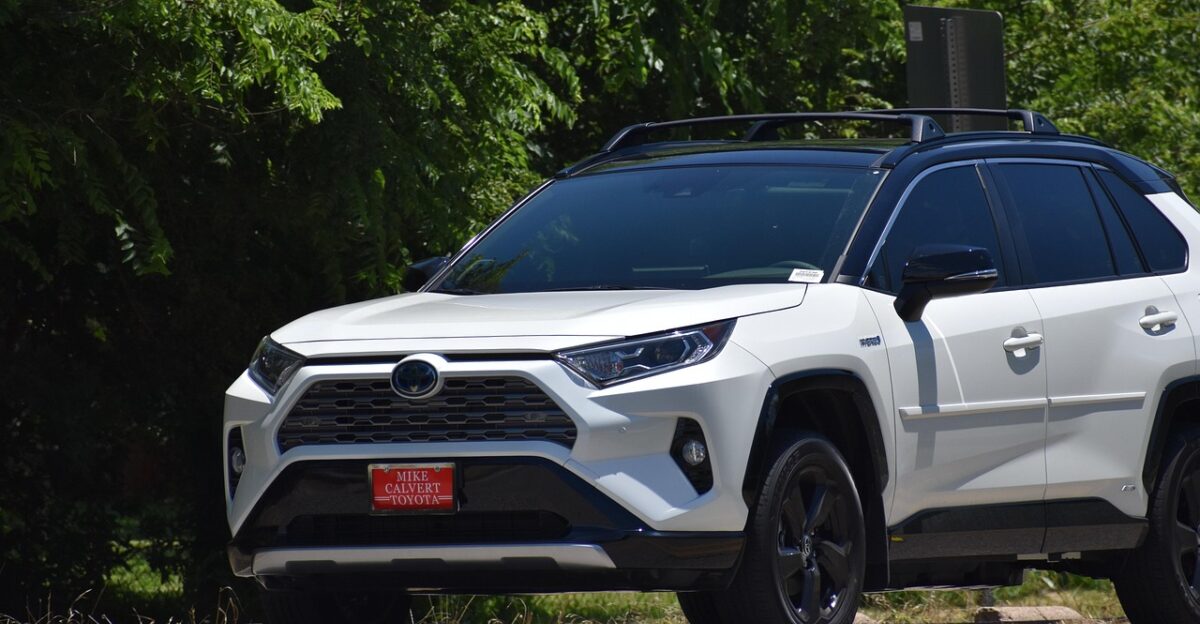
Japanese import brands have redefined vehicle longevity. In 1980, 200,000 miles was impossible; in 2000, remarkable. Today, 250,000 miles is realistic, thanks to engineering excellence.
The top 10 vehicles are 3–8 times more likely to hit a quarter-million miles. Your next car purchase impacts 15 years of your life—choose wisely.
Sources
iSeeCars 2025 Longest-Lasting Cars, Trucks, and SUVs Study
Karl Brauer, Executive Analyst, iSeeCars (October 2025)
Toyota Motor Manufacturing USA – San Antonio, Texas; Georgetown, Kentucky; Princeton, Indiana
Honda Manufacturing of Alabama – Lincoln facility
Lexus Manufacturing – Tahara and Kyushu Plants, Japan
Road & Track, “The 25 Longest-Lasting Cars, Trucks and SUVs You Can Buy in 2025”