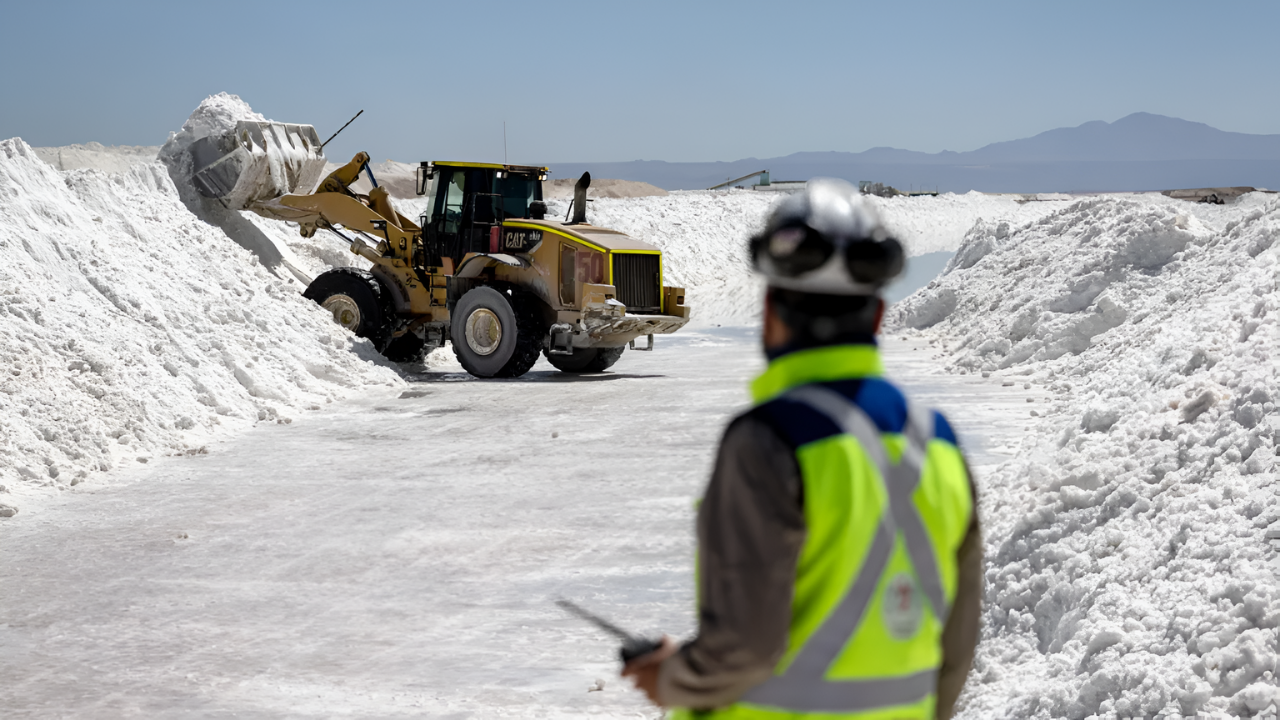
A massive lithium deposit sits beneath Nevada’s McDermitt Caldera, a supervolcano that erupted 16 to 17 million years ago. Scientists discovered between 20 and 40 million metric tons of lithium buried roughly 100 feet below the surface. This deposit dwarfs Bolivia’s Salar de Uyuni, previously recognized as the world’s largest lithium reserve—McDermitt contains roughly four times more.
The value reaches approximately $1.5 trillion based on current market prices of $37,000 per metric ton. Researchers from Lithium Americas, GNS Science in New Zealand, and Oregon State University confirmed this discovery in the peer-reviewed journal Science Advances in August 2023, following an 18-month rigorous review.
The lithium concentration in the underground clay layers reaches 4,000 to 8,000 parts per million—exceptionally high by global standards. Geothermal processes, which have been ongoing for millions of years, created these conditions: hot fluids moved through rock layers and deposited lithium into illite clay minerals, a potassium-aluminum silicate that efficiently traps lithium.
This single deposit could provide enough lithium to manufacture batteries for between 200 and 400 million electric vehicles, fundamentally reshaping America’s energy independence and global battery supply chains.
Corporate Backing and Federal Support Transform the Project into Reality
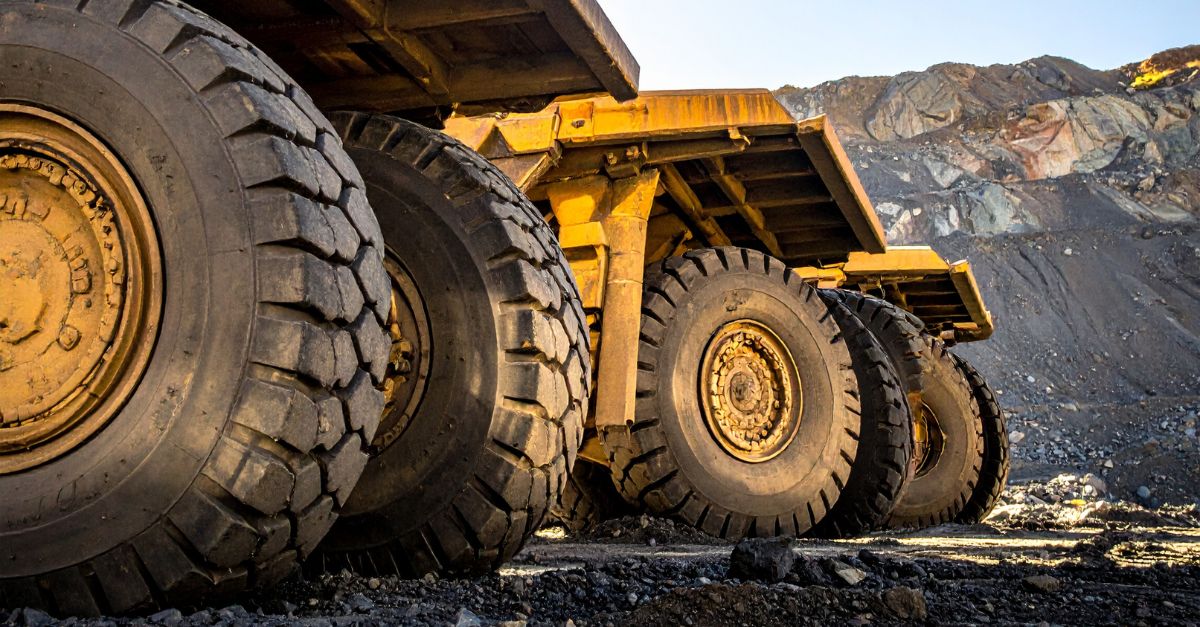
Lithium Americas Corporation discovered the high lithium readings in 2017 and spent six years drilling over 70 holes and collecting more than 30,000 meters of core samples to map the deposit’s full extent. Major corporations and government agencies quickly mobilized behind the project.
General Motors signed a landmark 20-year supply agreement in October 2024, securing 100 percent of the lithium carbonate from Thacker Pass Phase 1 production—approximately 40,000 to 50,000 metric tons annually. For Phase 2 and beyond, GM secured offtake rights for up to 38 percent of output.
The Biden-Harris administration demonstrated its commitment to domestic mineral security by awarding Lithium Americas a $2.26 billion loan from the Department of Energy in October 2024, the largest clean-energy loan in DOE history, specifically for lithium extraction. This federal backing reveals the administration’s strategic priorities: reducing reliance on foreign lithium imports and weakening China’s dominance in the battery manufacturing sector.
The Federal Bureau of Land Management approved the Thacker Pass mining project on federal public lands in May 2024, following a federal court’s upholding of the permit. Construction crews began work in 2024, with Phase 1 infrastructure requiring approximately $2.8 billion in capital investment. Lithium Americas projects that full production will begin in late 2027, with the mine operating continuously for 85 years across five development phases.
Indigenous Communities and Environmentalists Challenge the Mining Plans
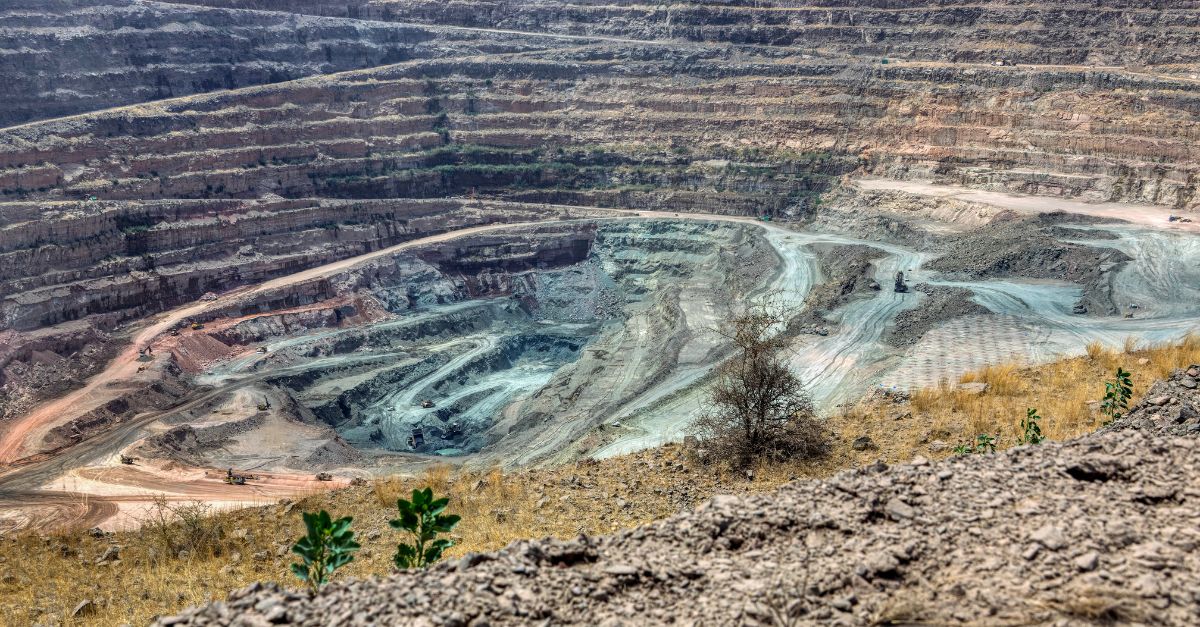
The Fort McDermitt Paiute and Shoshone Tribe views the mine site as sacred ground, pointing to a September 12, 1865, cavalry raid by the U.S. Army’s 1st Nevada Cavalry that killed at least 31 tribal members. Although tribal leaders signed a limited Community Benefits Agreement in October 2022, they continue opposing the mining operation itself.
Additional tribal groups filed federal lawsuits in February 2023, challenging the Bureau of Land Management’s approval, arguing that the agency had failed to adequately consult with tribal nations and had violated the National Historic Preservation Act.
Environmental organizations—including the Great Basin Resource Watch, Nevada Wildlife Federation, and Sierra Club—oppose Thacker Pass for distinct reasons: they warn of damage to fragile sagebrush ecosystems, threats to sensitive wildlife, such as the greater sage grouse, and excessive groundwater depletion.
The projected 85-year operational timeline extends far beyond the typical lifespan of mining projects, raising serious cumulative environmental concerns regarding dust generation, tailings management, and groundwater impacts. An 85-year horizon also exposes the project to changing regulations, climate shifts, and fluctuating demand for lithium.
Meanwhile, new lithium deposits in Argentina and Australia, combined with emerging direct-lithium-extraction technologies, create alternative supply sources that may reduce Nevada’s strategic importance. The fundamental conflict remains unresolved: whether Thacker Pass mining represents an acceptable compromise for American energy independence and climate goals, or whether alternative lithium sources and battery technologies offer more equitable solutions.
Sources:
Bureau of Land Management, 2021
U.S. District Court of Nevada, 2024
Tribal and environmental advocacy statements, 2023–2025
Lithium Americas investor presentations, 2024–2025
Great Basin Resource Watch website, 2023–2025
Investing News, October 2025