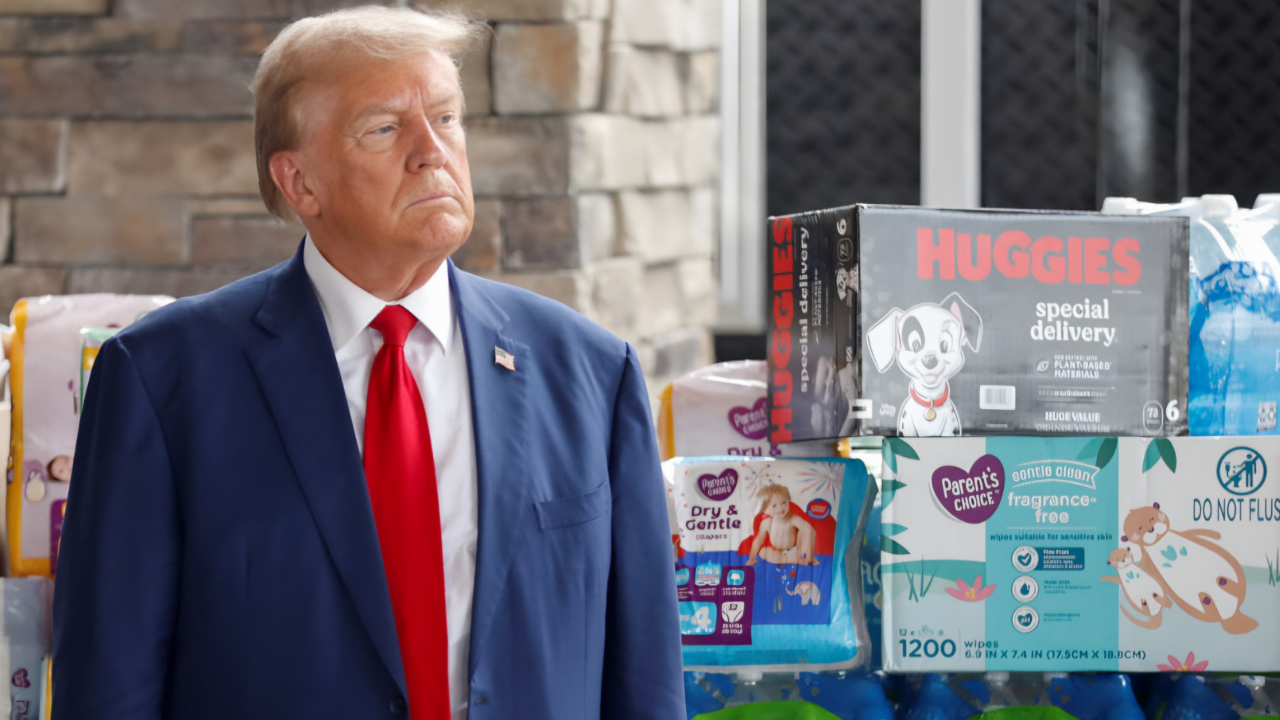
On December 15, U.S. customs systems will quietly flip thousands of Costco imports from “estimated” to “final,” locking in millions in Trump-era emergency tariffs with a single procedural move.
Just days earlier, Costco rushed into a New York trade court, demanding a full refund and a pause. But the legal shockwave that followed reached far beyond one warehouse giant.
Why Costco Is Taking Trump to Court
Costco filed its lawsuit on November 28, 2025, at the U.S. Court of International Trade, targeting tariffs imposed under the International Emergency Economic Powers Act (IEEPA).
The retailer argues the Trump administration used a national-emergency sanctions law to create broad, revenue-raising tariffs that only Congress has the constitutional authority to impose.
The Who, What, When, and Where
The case pits Costco Wholesale, one of the world’s largest retailers, against the Trump administration’s trade and Treasury officials, just as the Supreme Court reviews the legality of the IEEPA tariff program.
Filed in New York, the suit aims to preserve Costco’s right to recover duties before customs rules and court deadlines make that nearly impossible.
How Trump’s Emergency Tariffs Were Built
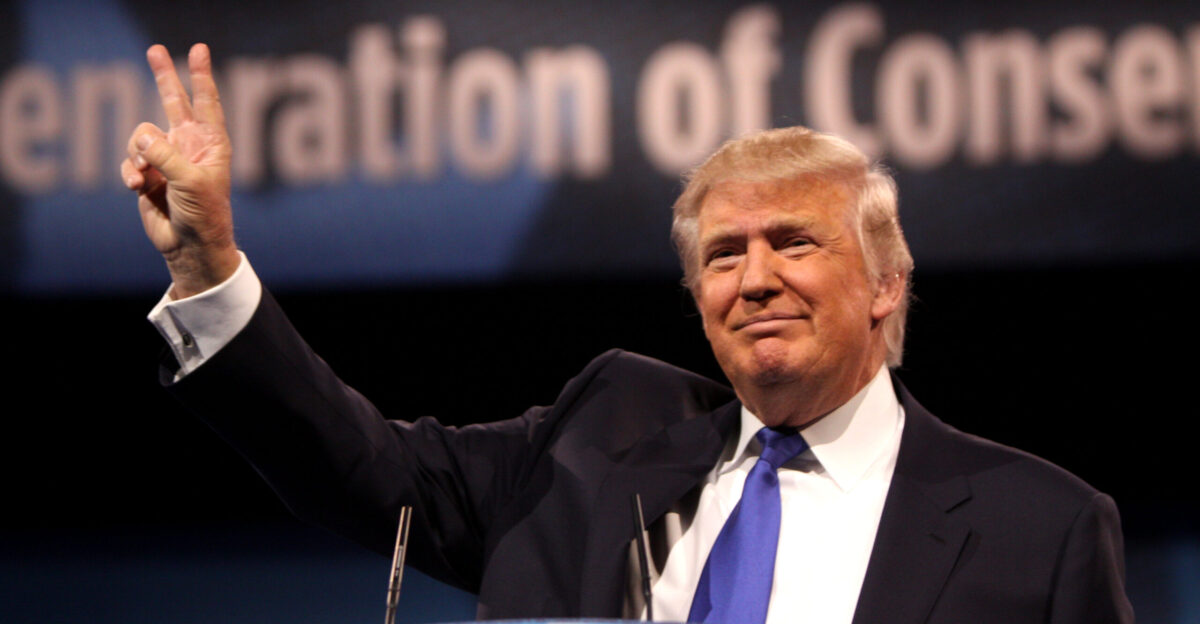
In early 2025, Trump declared multiple national emergencies tied to trade deficits and fentanyl trafficking, then used IEEPA to layer tariffs on a wide range of imports.
Those duties went far beyond prior China-focused measures, affecting goods from many countries and turning customs into a powerful—and controversial—revenue engine.
A Record Tariff Haul Under Pressure
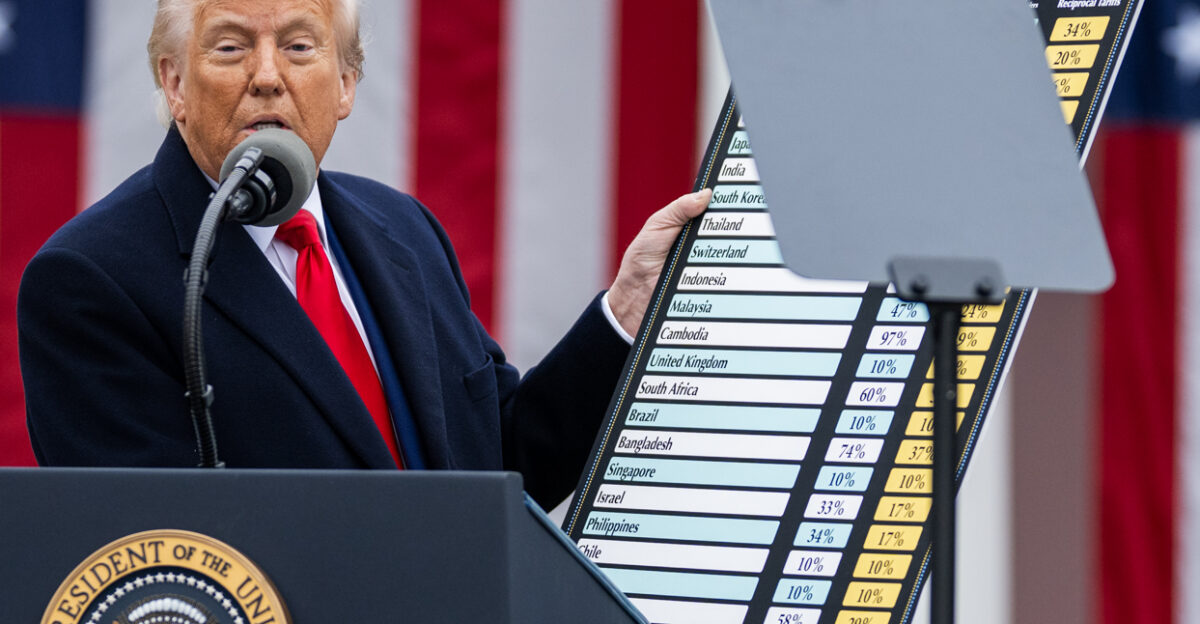
By late 2025, IEEPA and related tariffs had increased annual U.S. customs duties to roughly $200 billion, more than double the levels of 2024.
Tariffs became a meaningful slice of federal revenue, but also a legal risk: if courts later find the IEEPA actions unlawful, large portions of that money could be subject to refund claims.
The December 15 Customs Deadline
At the heart of Costco’s urgency is “liquidation,” the customs process that finalizes duties owed on each shipment.
Once an entry is liquidated, importers typically have 180 days to protest; after that, their chance to challenge or reclaim money largely disappears. Costco warned that many of its 2025 imports are set to start liquidating on December 15.
Why Refunds Aren’t Guaranteed

Even if the Supreme Court rules that Trump’s IEEPA tariffs were illegal, that decision alone will not automatically unlock refunds for every importer that paid them.
Companies generally must have protested in a timely manner or filed their own lawsuits to preserve their rights, which is why Costco and others are moving now instead of waiting for the justices’ final word.
The Corporate Wave Behind Costco
Costco is the biggest public company to sue so far, but others are lining up. Revlon, EssilorLuxottica, Kawasaki, Bumble Bee, tire makers, and auto suppliers have filed similar cases seeking to recoup IEEPA duties if the legal foundation is found to be flawed.
Many use near-identical arguments drafted by specialized trade law firms.
What the Supreme Court Is Really Deciding
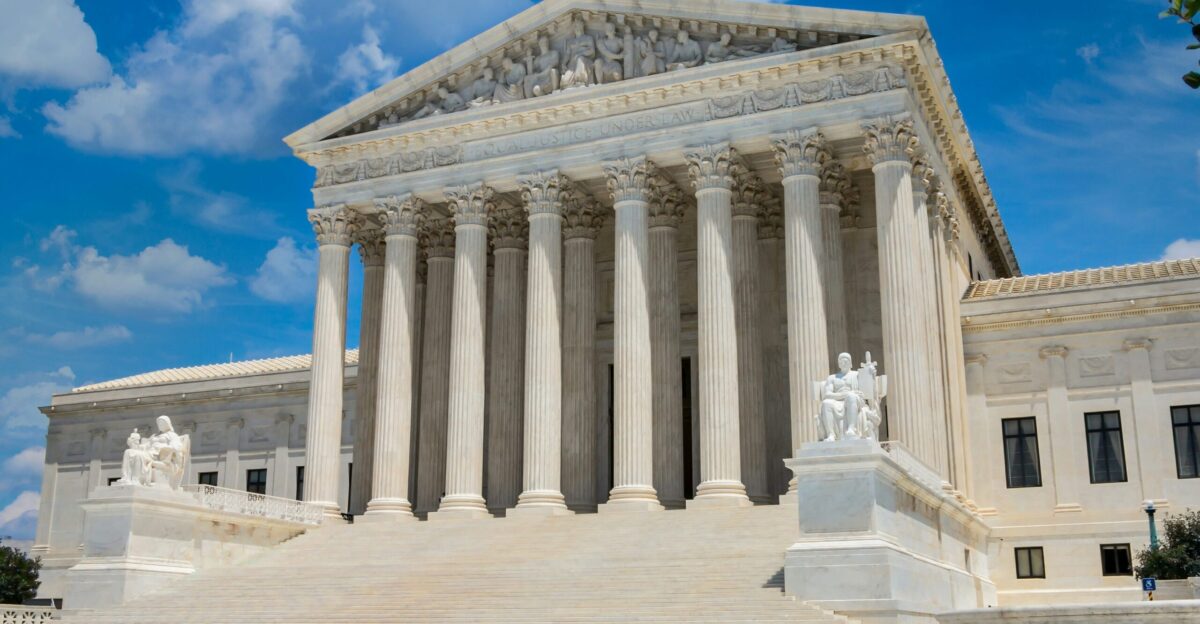
The Supreme Court is reviewing whether IEEPA—a 1977 law primarily designed for sanctions and asset freezes—can be applied to support a broad, long-running tariff regime.
Two lower courts have already ruled that Trump went too far, saying such revenue-raising tariffs look like taxes, which the Constitution assigns to Congress, not the president.
Early Hints From the Justices

During November oral arguments, justices from both conservative and liberal wings pressed government lawyers to identify any IEEPA text mentioning tariffs, duties, or taxes.
Analysts noted skepticism that a generic power to “regulate” imports could silently grant presidents sweeping taxing authority, especially when Congress has enacted specific trade statutes.
How Markets and Experts View Trump’s Odds

Prediction markets and policy analysts now handicap the administration’s chances as modest at best.
While exact probabilities differ, many private forecasts assume at least some portion of the IEEPA tariff structure will be struck down or sharply narrowed, forcing the White House to pivot to other trade tools or accept lower long-term tariff revenue.
How Much Money Might Flow Back

Advisory firms and think tanks estimate that total IEEPA-linked duties paid since early 2025 amount to tens of billions, with some scenarios placing potential refund exposure above $100 billion.
The actual recovered amount will likely be lower, limited by deadlines, documentation, and litigation outcomes—but still large enough to move corporate earnings and federal budget math.
The Administration’s Backup Tariff Toolkit
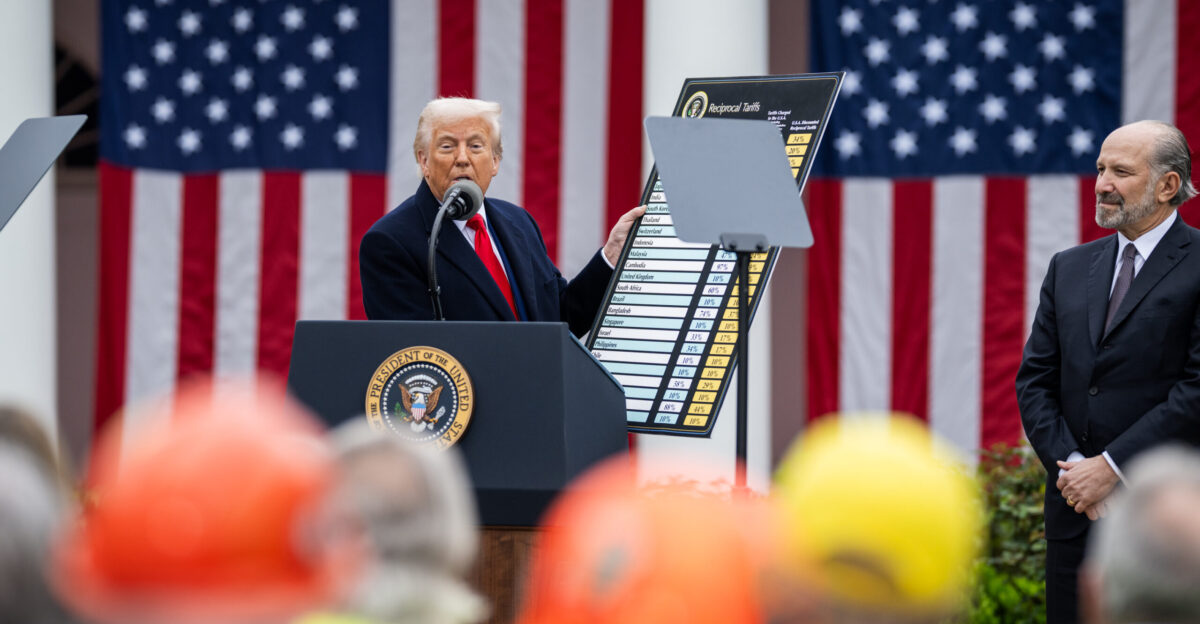
Even as it defends IEEPA, the Trump administration is preparing fallback strategies built on other trade laws.
Section 301 allows tariffs responding to unfair trade practices, while Section 232 covers national-security-related imports, and other, narrower provisions can also be invoked. That makes a complete tariff rollback unlikely, even in the event of a strong court defeat.
What This Means for Prices and Consumers

Research from budget and tax groups suggests tariffs have been partly absorbed by importers and foreign suppliers, but also passed on to U.S. consumers through higher prices.
Analyses estimate that 2025 tariffs reduced real household purchasing power and added modestly to inflation, hitting lower- and middle-income families particularly hard as they spend more on goods.
Business Community Scrambles Before the Clock Runs Out

Trade lawyers report a surge in last-minute questions from companies that assumed a Supreme Court ruling would automatically fix everything.
Many are now discovering that missed protest windows or incomplete records could result in millions of dollars in unrecoverable duties, prompting urgent audits and, in some cases, copycat lawsuits modeled after Costco’s approach.
A Test Case for Presidential Economic Power
Beyond customs mechanics, Costco’s suit is a key chapter in a larger constitutional debate over emergency economic powers.
If the Court narrows IEEPA’s reach, future presidents will likely have to lean more heavily on clearly worded trade statutes, rather than sweeping emergency declarations, when imposing tariffs that function like taxes.
Implications for Federal Revenue and Policy
Tariffs have become a meaningful, though still minority, share of federal revenue in the Trump era. Scaling back IEEPA duties without fully replacing them could modestly increase deficits but ease price pressures and trade tensions.
Alternatively, rebuilding tariffs under other laws would preserve revenue while keeping pressure on importers and global supply chains.
What Companies Should Be Doing Right Now
Advisers urge import-heavy businesses to identify which 2025 shipments incurred IEEPA-based duties, check liquidation status, and confirm whether protest periods are still open.
While they are filing protests or exploring targeted litigation, refund options can remain alive. Costco’s move is already being cited in client memos as a case study in proactive tariff risk management.
How This Fight Could Reshape Corporate Strategy
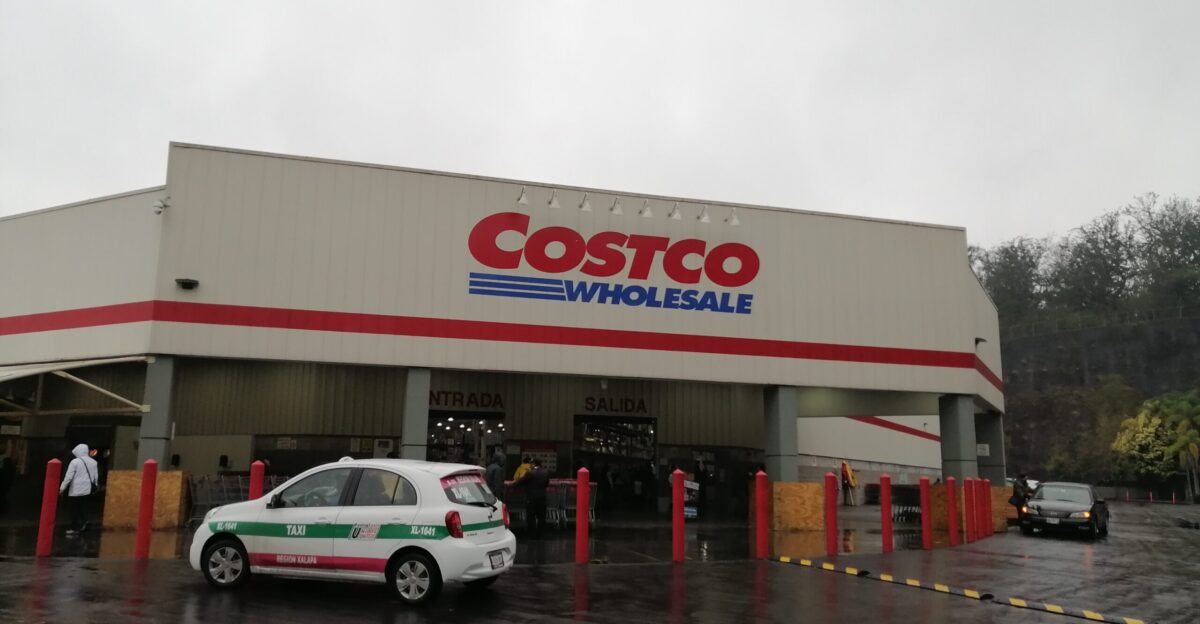
Regardless of the outcome, the Costco–Trump clash is likely to change how large retailers and manufacturers plan around trade policy shocks.
Expect more companies to bake legal contingencies, customs data tracking, and scenario modeling into their supply-chain and pricing decisions, treating tariff exposure more like a core financial risk than a background compliance issue.
Company and Law Boilerplate
Costco Wholesale Corporation is a membership-based warehouse retailer headquartered in Issaquah, Washington, operating hundreds of clubs worldwide and generating well over $200 billion in annual revenue.
The International Emergency Economic Powers Act, enacted in 1977, authorizes presidents to regulate certain international economic transactions during declared national emergencies; its use as a broad tariff tool is currently under review by the Supreme Court.
Sources:
U.S. Court of International Trade filings (Costco Wholesale Corp. v. United States)
U.S. Customs and Border Protection liquidation guidance
Supreme Court oral arguments (November 2025 IEEPA tariff challenges)
The Budget Lab at Yale tariff revenue analysis
Peterson Institute for International Economics (PIIE) data
Reporting via ABC News, CNBC, and BBC