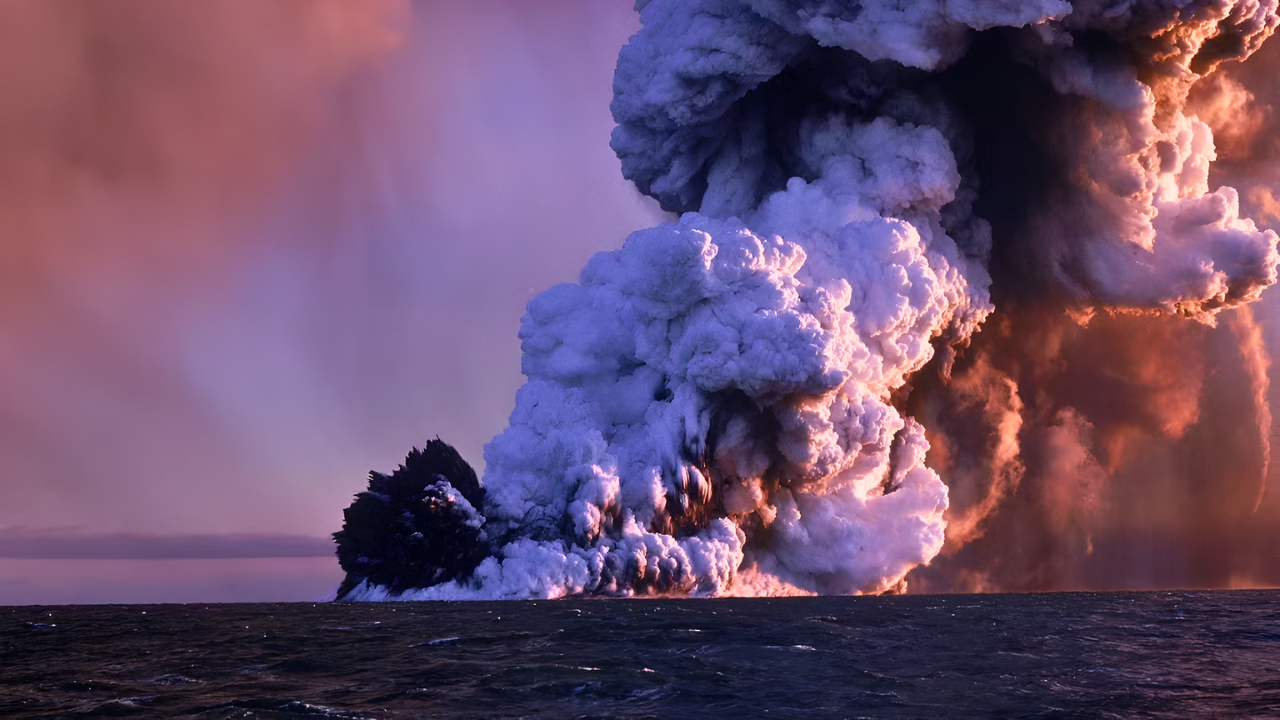
Deep beneath the Pacific Ocean, a volcano is sending shockwaves of seismic activity that have never been seen before. Axial Seamount, a colossal underwater mountain located 300 miles off the coast of Oregon, has experienced exceptional seismic activity, with recent swarms producing thousands of earthquakes per day—approaching the intensity levels seen during previous eruption events.
This explosive activity has pushed the volcano’s inflation beyond the levels seen before its 2015 eruption, triggering a 95% probability of a major eruption within the next few years.
However, experts are quick to reassure the public—despite the dramatic seismic shifts, there’s no immediate danger to the Pacific Northwest or its coastal infrastructure. But what does this mean for the future of volcanic activity in the region?
Seismic Surge Unprecedented
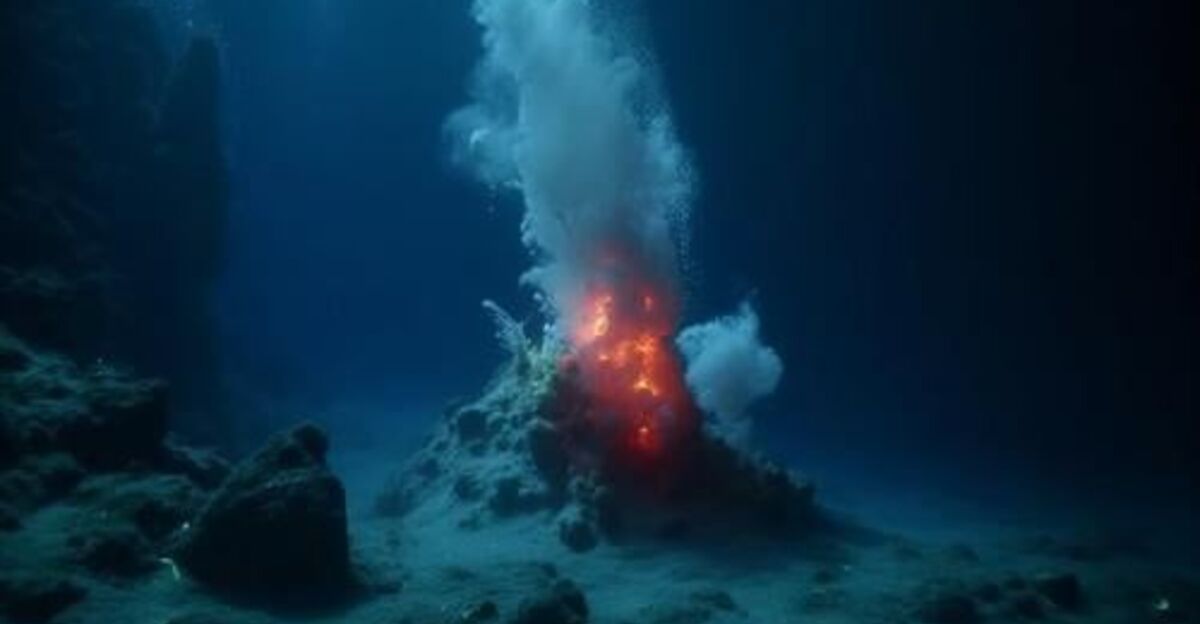
Current baseline earthquake counts during the ongoing inflation episode range from 200 to 300 per day at Axial. Recent swarms reaching 10,000 earthquakes in a single day mark an extraordinary surge.
This intense seismicity coincides with measurable seafloor inflation—the volcano’s summit has risen substantially, indicating the accumulation of magma. Scientists interpret these twin signals as classic precursors to submarine eruption.
This combination represents the most intensively monitored situation in Axial’s history, thanks to the Regional Cabled Array’s real-time instruments tracking volcanic changes as they occur.
The Juan de Fuca Ridge System
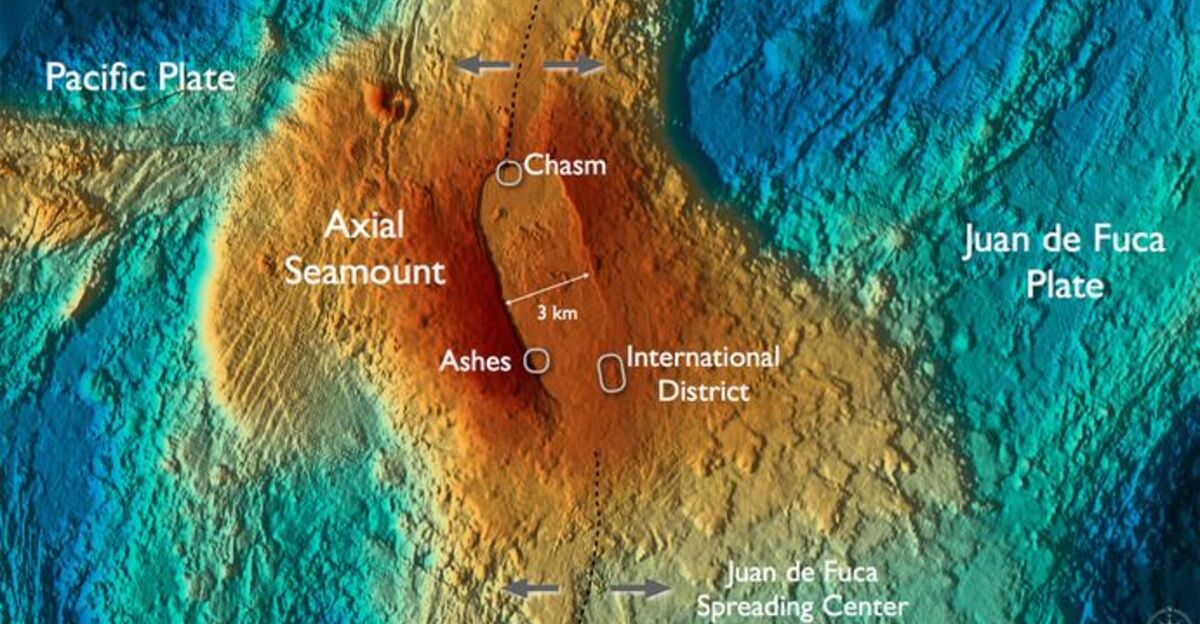
Axial Seamount is the most active volcano on the Juan de Fuca Ridge, a mid-ocean spreading center where the Juan de Fuca and Pacific plates diverge.
This geological setting makes Axial fundamentally distinct from land-based volcanoes, such as Mount St. Helens.
The ridge system experiences episodic submarine volcanism as a regular part of seafloor spreading. Axial’s eruption cycle—documented events in 1998, 2011, and 2015—reflects this natural rhythm of mid-ocean ridge volcanism.
Inflation Surpasses 2015 Baseline

Magma gradually accumulates in Axial’s subsurface reservoir between eruptions, causing measurable seafloor swelling. Researchers detect this inflation using the Regional Cabled Array’s precision instruments.
Current measurements indicate that Axial has already surpassed the inflation level observed prior to the 2015 eruption.
Deborah Kelley, Professor of Oceanography at the University of Washington, noted: “The volcano has already surpassed the inflation we observed in 2015, but the earthquake activity is still quite low.” This mismatch adds uncertainty to eruption timing.
The 95% Probability Window
Scientists at Oregon State University and the University of Washington quantify the likelihood of eruptions using mathematical models of seafloor inflation and historical cycles.
Analysis indicates approximately a 95% chance of eruption within a defined window over the next few years. Early forecasts emphasized late 2024–2025; however, as of November 2025, scientists now predict the window may extend into mid-to-late 2026, reflecting slower-than-expected inflation rates.
William Chadwick stated in December 2024 that Axial is “at that threshold where it last erupted. So, I think it’s ready to erupt.”
Pacific Northwest Impact Assessment
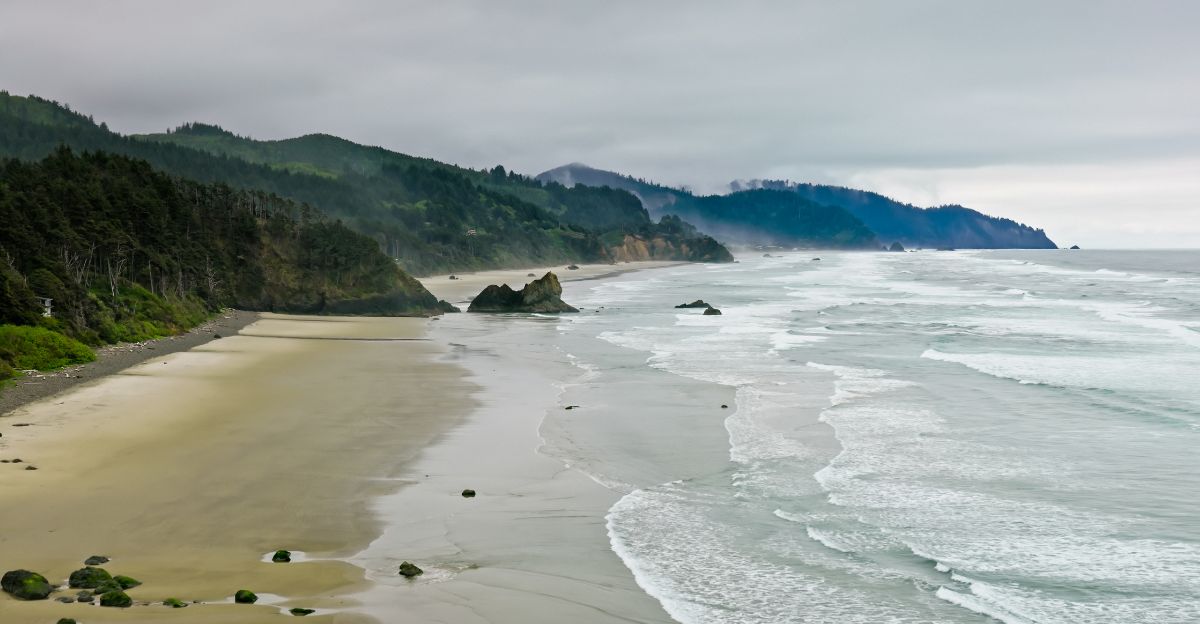
Despite dramatic seismic activity and high eruption probability, scientists agree that an Axial eruption poses no direct threat to Pacific Northwest residents or infrastructure.
The volcano’s depth—nearly a mile below the ocean surface—and distance of 300 miles from Oregon’s shore create multiple natural barriers.
Underwater eruptions can theoretically cause tsunamis, but Axial’s location, depth, and eruption style make damaging tsunamis extremely unlikely. Extreme water pressure at depth dampens explosive force, preventing violent steam explosions.
No Tsunami or Earthquake Cascade
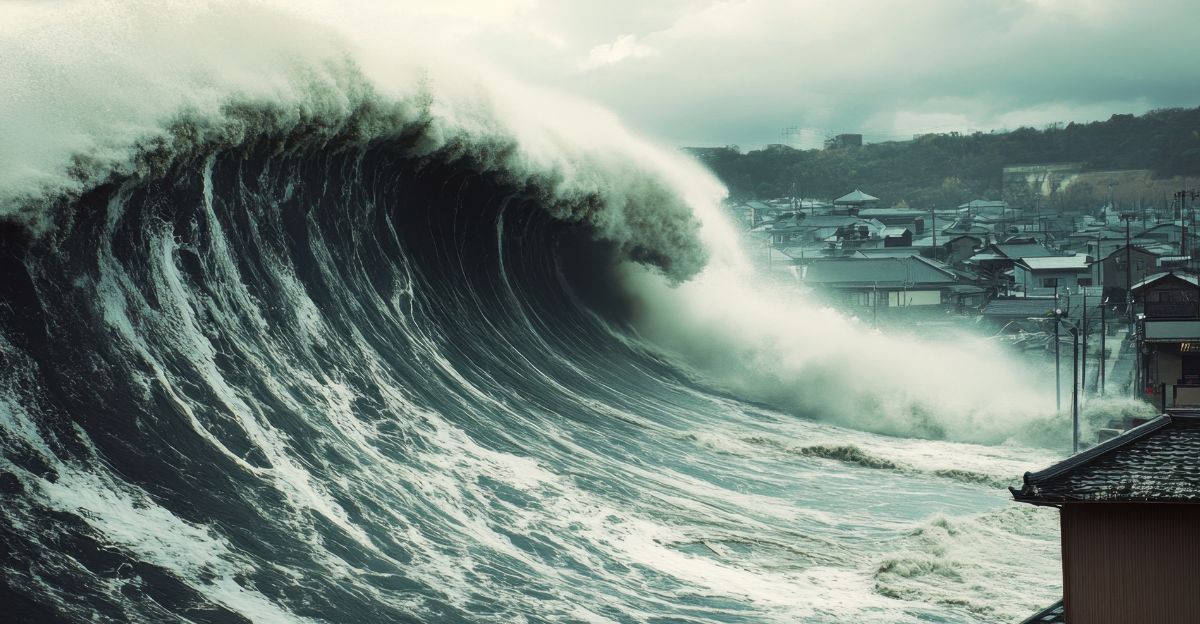
Scientists have analyzed whether Axial’s eruption could trigger tsunamis or destabilize the Cascadia Subduction Zone—a fault capable of magnitude-9 earthquakes. This scenario is not plausible.
Axial sits on the Juan de Fuca Ridge, a divergent boundary where plates move apart, not the Cascadia Subduction Zone, where plates collide.
The two systems are geologically distinct and mechanically unrelated. Submarine eruptions at mid-ocean ridges do not generate the sudden seafloor displacement required to produce significant tsunamis.
Real-Time Monitoring Network
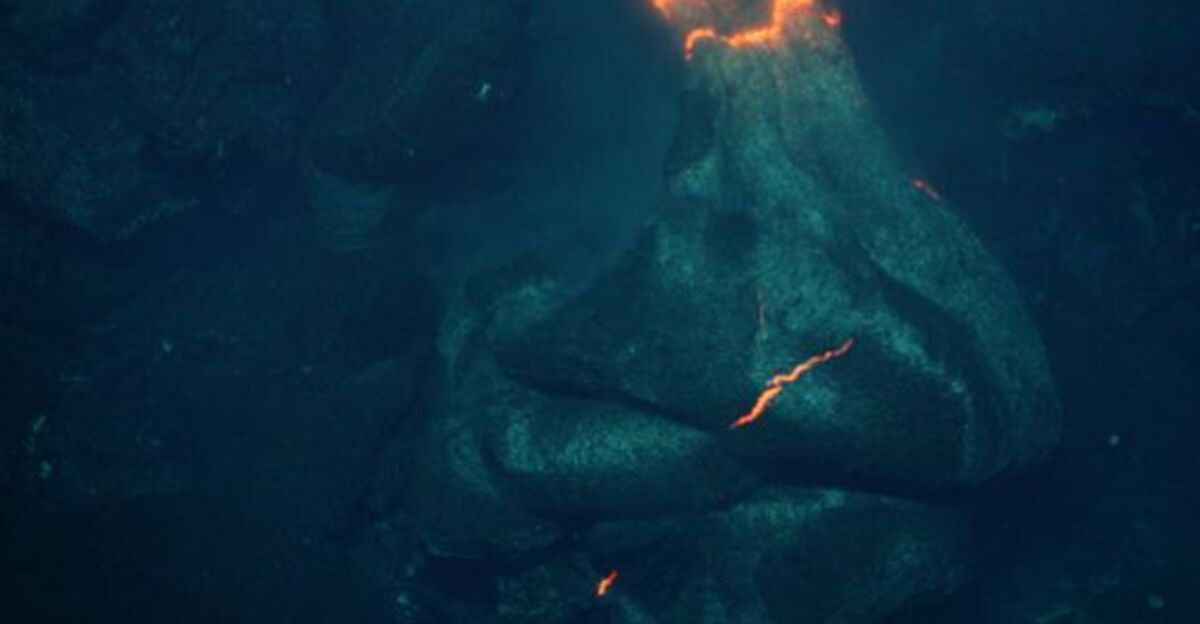
Axial Seamount is arguably the best-monitored submarine volcano on Earth. The Regional Cabled Array, operated by the University of Washington and funded by the National Science Foundation, spans approximately 660 miles of undersea fiber-optic cables and connects more than 140 monitoring instruments.
These measures include seafloor deformation, seismic activity, temperature, pressure, and chemical composition in real-time.
Researchers access data collected minutes earlier from their laptops, enabling them to respond to volcanic changes with unprecedented responsiveness.
Live-Streaming the Eruption
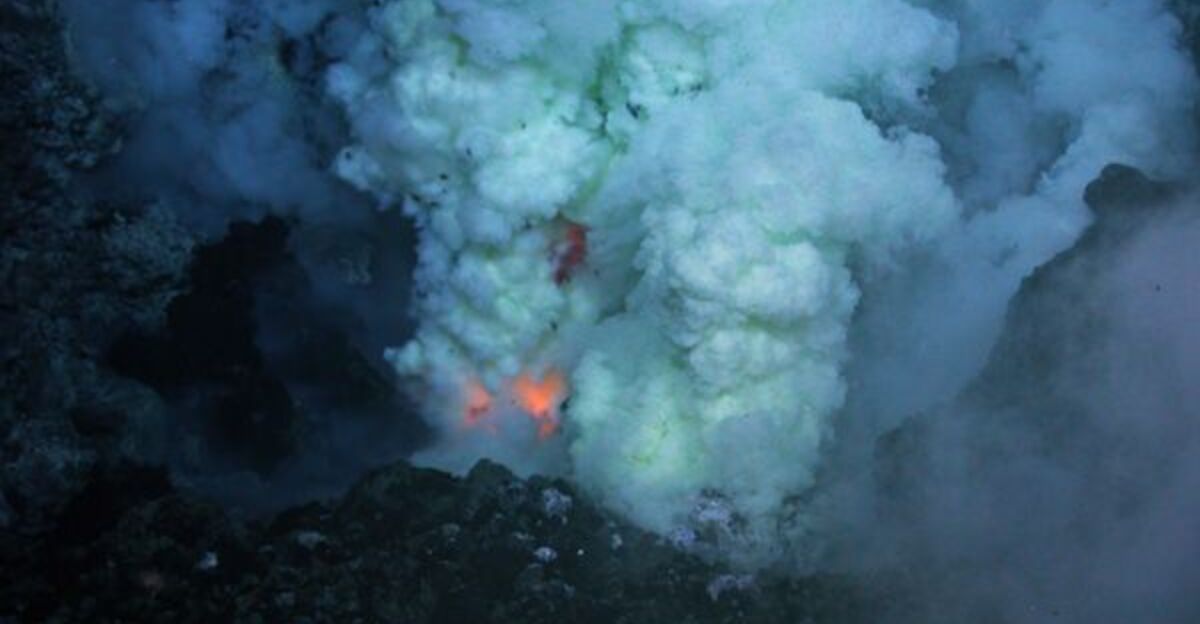
When Axial erupts, the scientific community will witness a closely monitored mid-ocean ridge eruption. The Ocean Observatories Initiative operates an HD video camera positioned about 1 mile underwater near the “Mushroom” hydrothermal vent in the ASHES field.
The camera regularly transmits video segments capturing the deep-sea ecosystem. During the eruption, it will record lava flows, fissure openings, and seafloor transformations in near real-time.
Scientists anticipate that the initial intense phase will last roughly one hour, with activity extending for approximately one month.
Extreme Deep-Sea Ecosystems at Risk
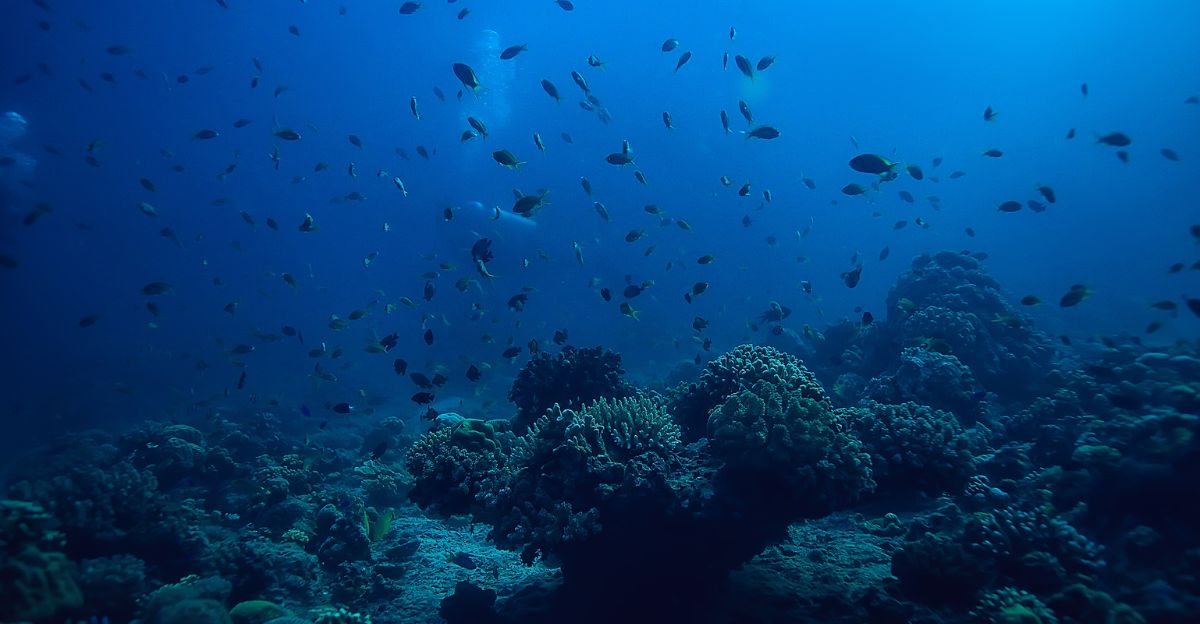
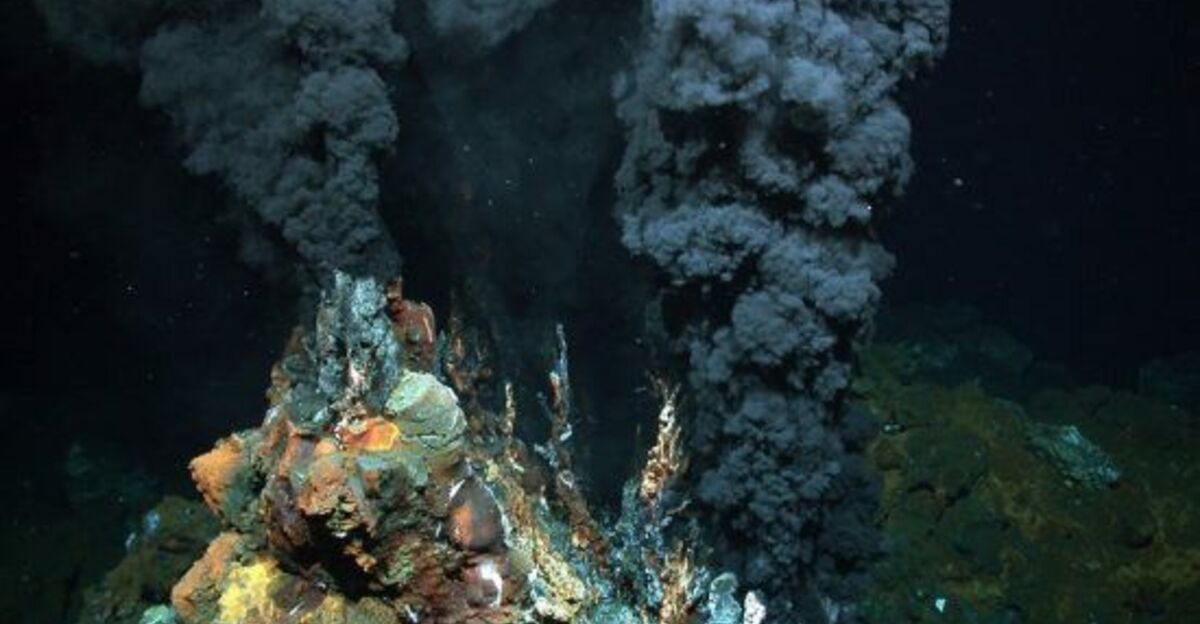
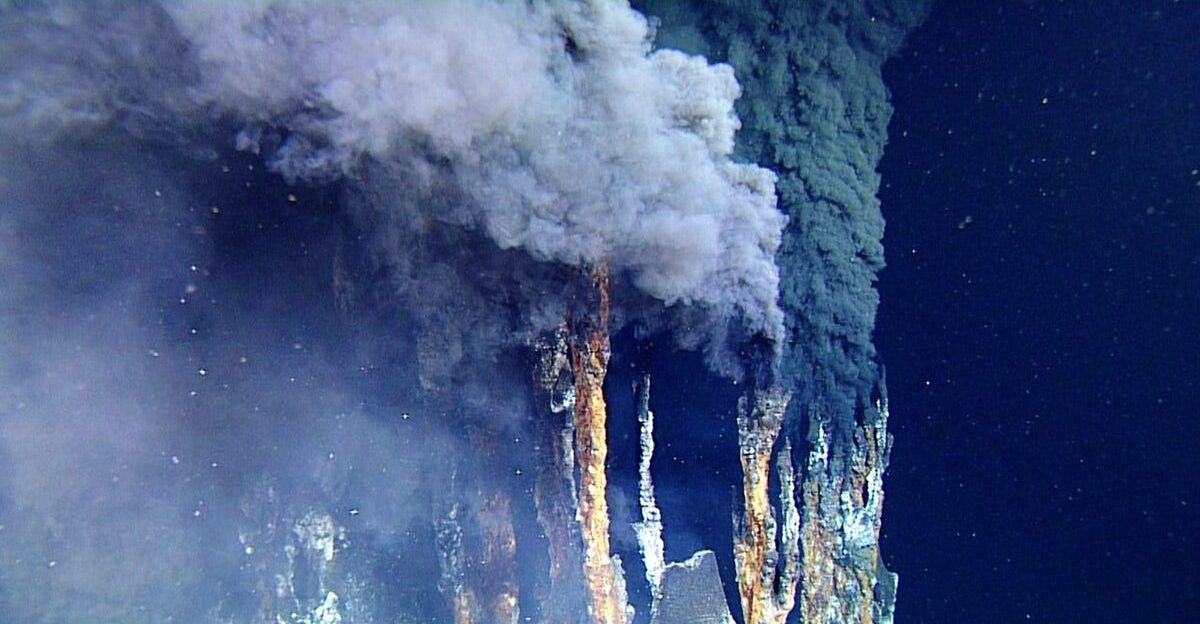
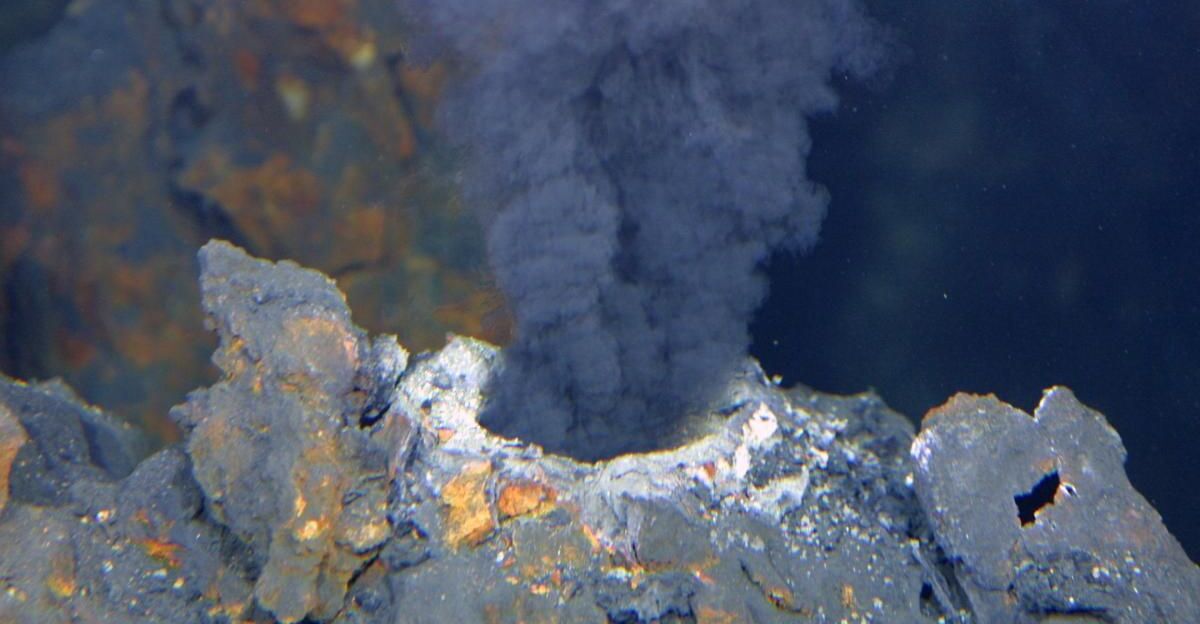
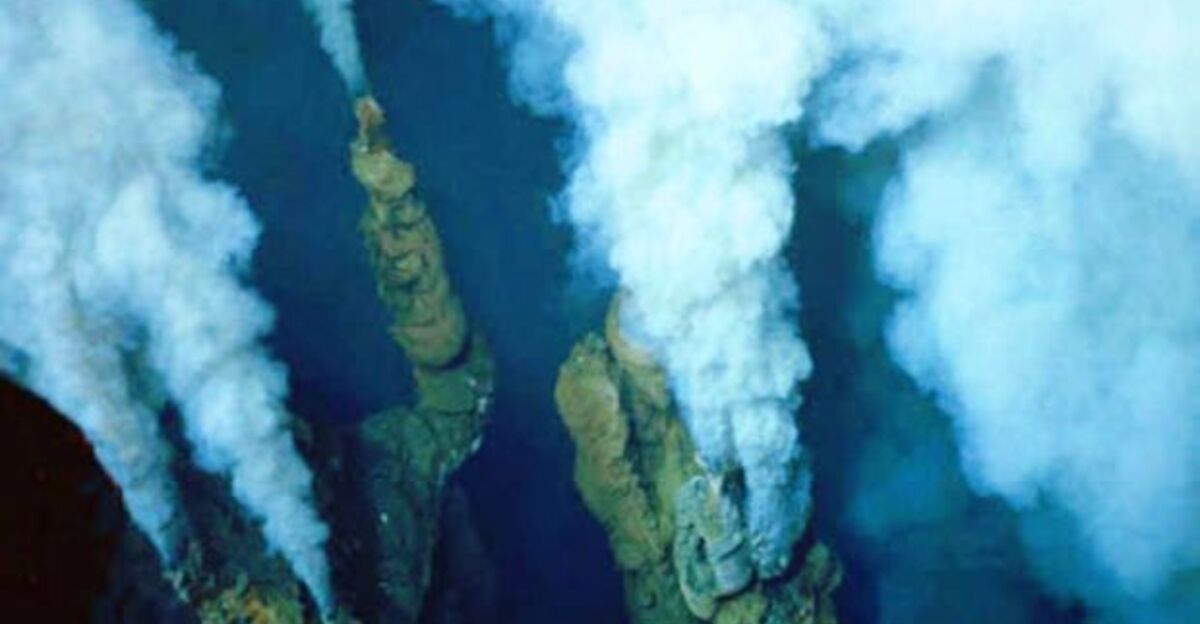
While humans face no danger, deep-sea ecosystems surrounding Axial will experience temporary disruption. Hydrothermal vents support thriving communities, including tube worms, snails, sea spiders, and bacterial mats, which derive energy from chemical reactions rather than sunlight.
Lava flows from Axial’s 2011 eruption completely buried an entire venting area, resulting in near-100% mortality for organisms in direct paths.
However, resilience proved remarkable: within approximately three months, animals and bacteria recolonized the devastated area, demonstrating nature’s rapid recovery capacity in the deep ocean.
Scientific Opportunity vs. Uncertainty

The scientific community views Axial’s impending eruption as an extraordinary research opportunity. Very little mid-ocean ridge volcanism has been observed directly as it happens, leaving fundamental questions unanswered.
Real-time data and video footage will provide unprecedented insights into magma dynamics, seafloor deformation, and lava-seawater interaction at depth.
Maya Tolstoy, a marine geophysicist at the University of Washington, stated: “It’s such an amazing opportunity to observe one of our planet’s most important processes.” Yet genuine uncertainty tempers excitement—predicting exact eruption dates remains impossible.
Tidal Influences on Volcanic Timing
An intriguing discovery: tidal forces appear to modulate volcanic activity at Axial. The moon’s gravitational pull creates ocean tides that add or reduce pressure on the seafloor. At high tide, increased water weight tends to dampen seismic activity.
At low tide, reduced pressure correlates with increased earthquakes—sometimes reaching around 1,000 events per day during tidal stress spikes.
Historical analysis reveals Axial’s past eruptions occurred between January and May, when Earth moves away from the sun. This research reveals the profound interconnectedness of Earth’s systems.
Forecasting Model Refinement
The roughly 95% eruption probability is a probabilistic forecast based on mathematical models of seafloor inflation and historical cycles, not certainty. Current inflation has surpassed 2015 levels, yet earthquake activity hasn’t reached the >2,000-per-day levels sustained before 2015.
This discrepancy suggests the inflation-based model requires refinement or that additional factors influence timing.
Scientists view the upcoming eruption as a critical test of predictive methods. If Axial erupts soon, it will validate the inflation approach. If delayed into mid-to-late 2026, it reveals gaps requiring model revision.
Cascadia Subduction Zone Remains Separate Concern
Axial Seamount must be distinguished from the Cascadia Subduction Zone, a far more hazardous feature. The Cascadia Zone is a fault where the Juan de Fuca plate slides beneath the North American plate, capable of magnitude-9 earthquakes and devastating tsunamis.
Axial sits on the Juan de Fuca Ridge, where plates diverge. An Axial eruption will not trigger Cascadia earthquakes or alter subduction zone behavior. However, the Pacific Northwest remains vulnerable to Cascadia hazards independent of Axial’s activity.
When Will It Erupt?
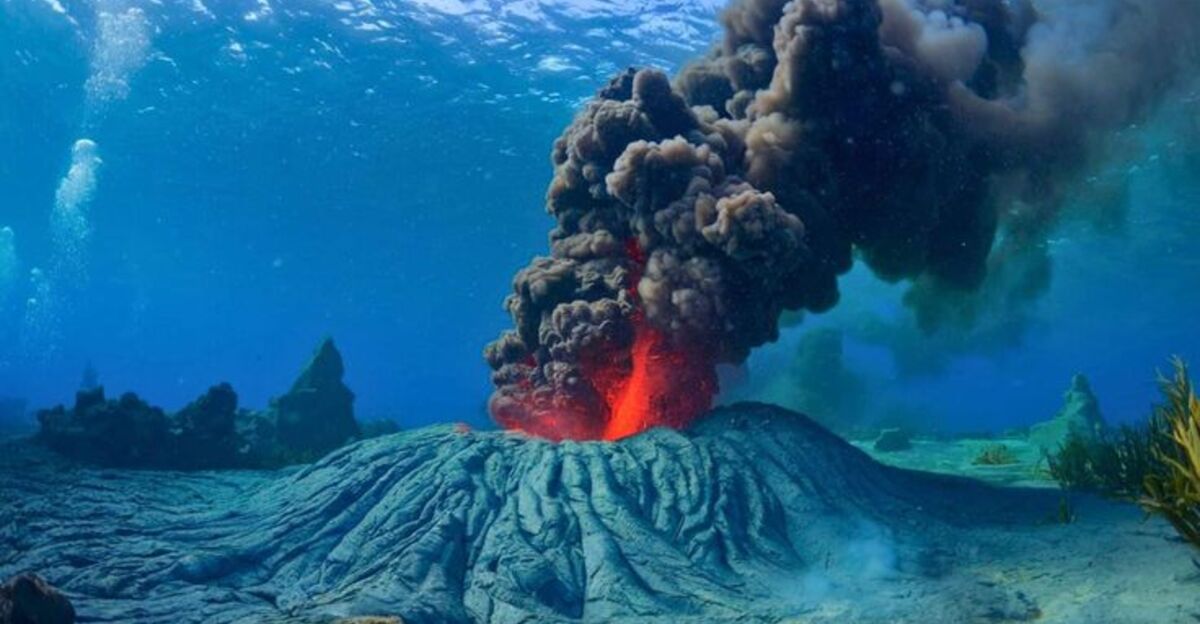
When exactly will Axial erupt? Scientists estimate the likely window as the next few years, with forecasts evolving from late 2024–2025 to a broader window possibly extending into mid-to-late 2026.
The volcano could erupt tomorrow or months from now. This uncertainty reflects fundamental limits of volcanic forecasting—even with 150 monitoring instruments and real-time data, nature retains unpredictability.
When an eruption occurs, it will provide invaluable scientific data, reshaping our understanding of mid-ocean ridge volcanism and deep-sea resilience.
Sources:
University of Washington College of the Environment
Ocean Observatories Initiative Regional Cabled Array 2024–2025
OPB May 2025 coverage
Oregon State University geophysics department
American Geophysical Union December 2024 conference
USGS Juan de Fuca Ridge overview