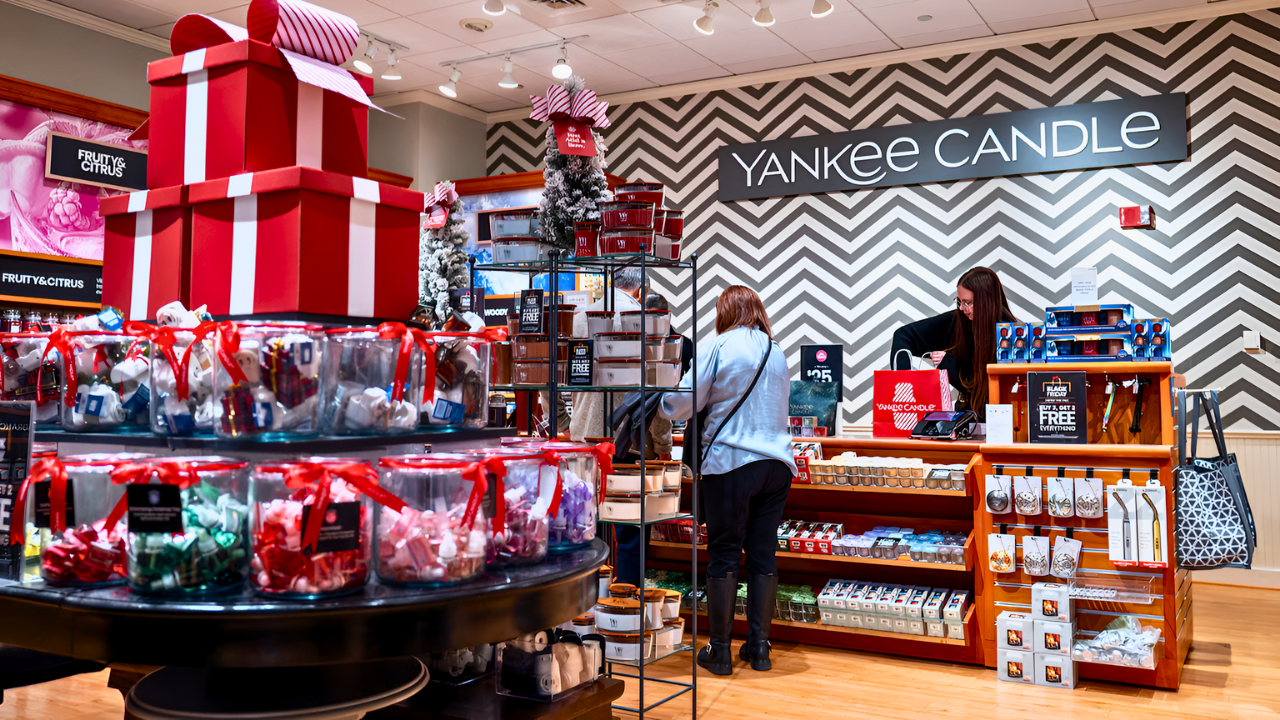
Newell Brands, the parent company of iconic names like Yankee Candle and Sharpie, has plunged into an unexpected financial crisis. With a 62% drop in its stock price this year, the company is facing an unprecedented challenge.
Trade tariffs have escalated, pushing costs to more than $180 million, nearly double previous estimates. As its financial outlook grows more dire, Newell must act quickly to survive in a turbulent retail environment.
Job Cuts Loom
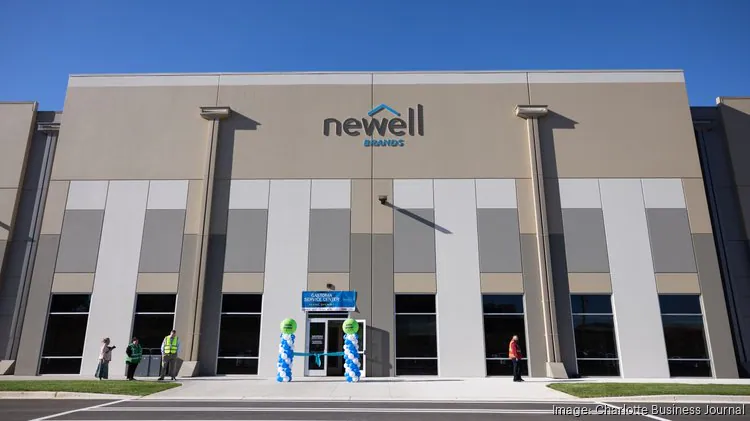
Newell Brands is bracing for a massive reduction in its workforce. The company is set to eliminate 900 jobs across the U.S. and Canada, representing 10% of its professional and clerical workforce.
This decision is part of a broader effort to cut costs and increase operational efficiency. For Newell, this is a pivotal moment—deciding the future of a legacy brand that has weathered many storms.
Yankee Candle’s Legacy at Risk
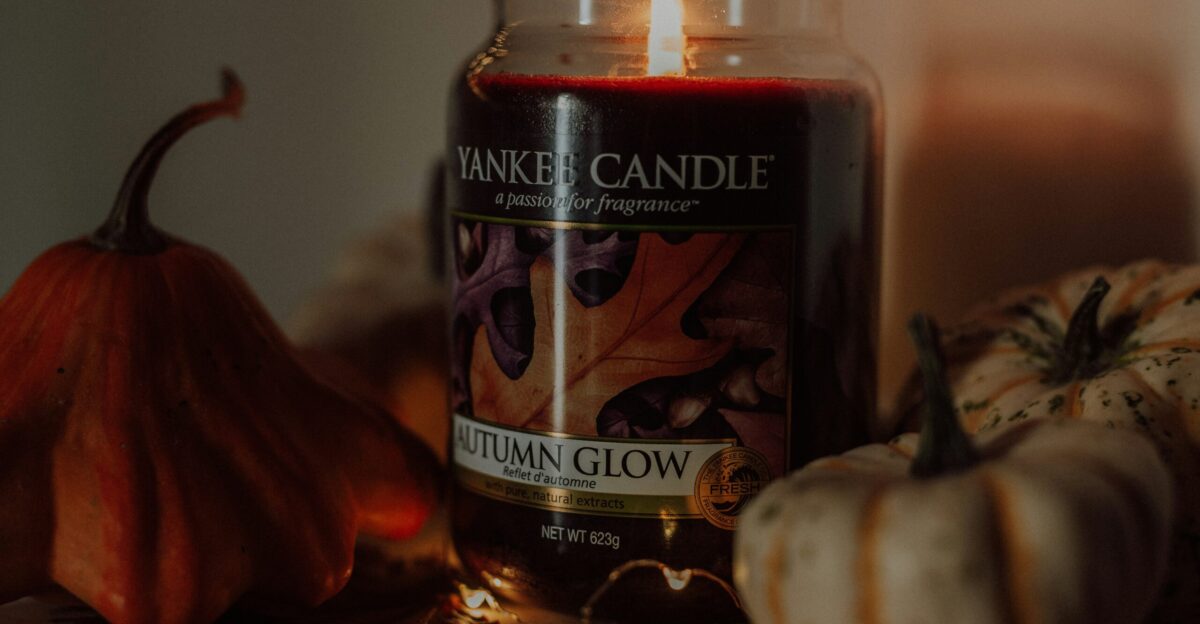
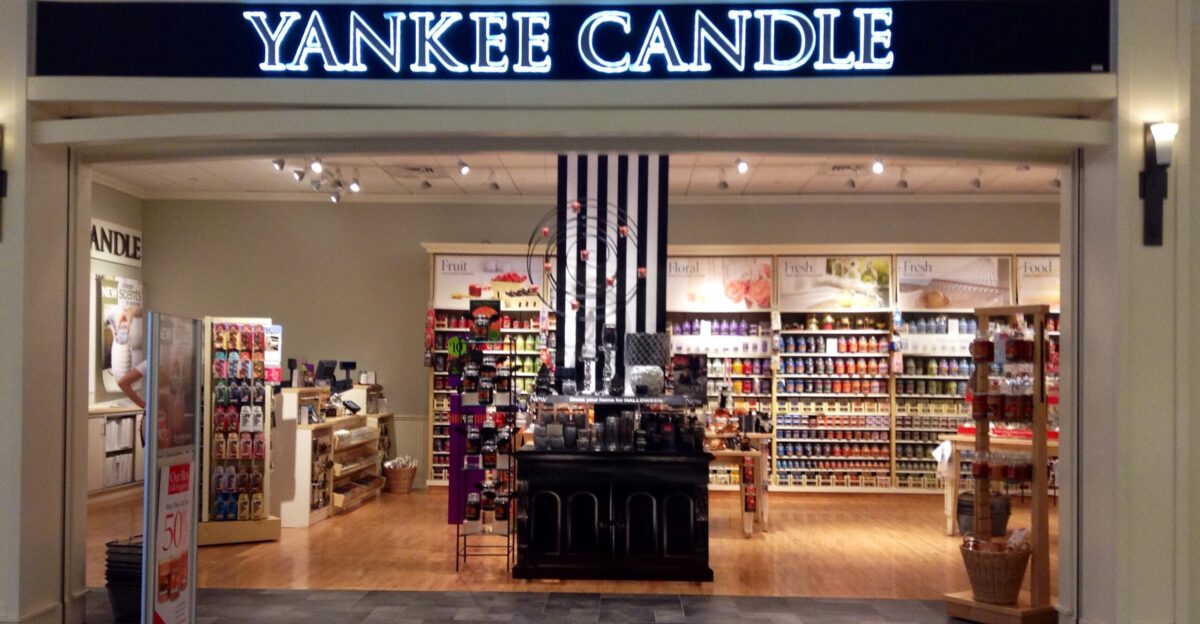
Founded in 1969, Yankee Candle has been a staple in American homes for decades. The company operates approximately 240 stores, with a heavy presence in the U.S.
But now, under the financial pressures of tariffs and declining sales, the brand is at a crossroads. With Newell Brands having acquired Jarden (owner of Yankee Candle) in 2015, the future of this beloved brand is uncertain, as it faces a cutback in operations.
Mounting Pressures Intensify
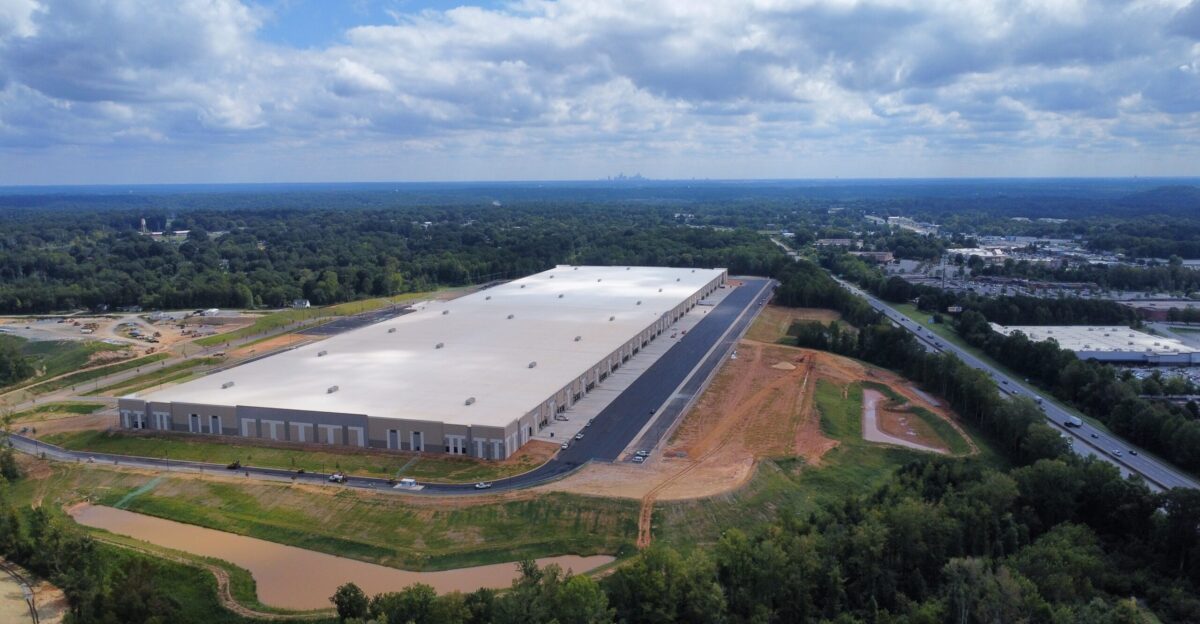
Newell Brands is dealing with a series of escalating challenges. Trade tariffs, coupled with a difficult retail environment, have severely impacted profit margins.
This year alone, the company has witnessed its stock plummet and its ability to keep pace with competitors waning. The latest wave of bad news has accelerated the need for drastic cost-saving measures to remain afloat.
Productivity Plan Announced
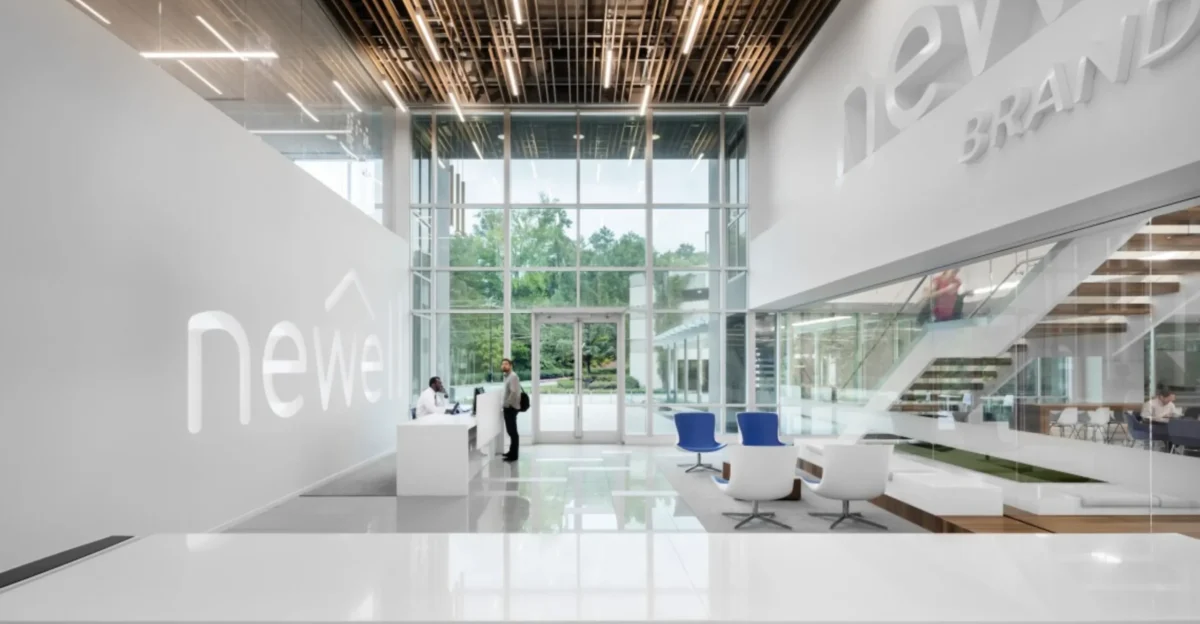
On December 2, 2025, Newell unveiled a global productivity plan aimed at reducing costs and sharpening its strategic focus. The plan includes eliminating 900 jobs and closing 20 Yankee Candle stores.
The move comes as a direct response to the mounting tariff costs, which are now over $180 million—nearly double the earlier estimate, forcing Newell to take these drastic steps to stay viable.
U.S. Job Cuts Hit Hardest
The job cuts will be most heavily felt in the U.S., where the majority of the 900 layoffs will occur. With these cuts starting in December 2024, employees across the country face uncertain futures just as the holiday season approaches.
Alongside the layoffs, 20 Yankee Candle stores will close, impacting communities that have relied on the brand’s presence for years.
Human Cost of Change

These cuts are not just numbers—they represent thousands of families who will feel the strain. Many of these employees have worked for Newell for years, and the layoffs will send shockwaves through their personal lives.
As stores close and employees face unemployment, the economic impact will extend far beyond Newell’s corporate offices.
Competitors Are Feeling the Heat
Newell’s struggles are part of a broader trend in the consumer goods sector. Other major players are also cutting jobs and closing stores as tariffs and the shifting retail landscape take their toll.
The pressure to remain competitive is forcing even the most established brands to rethink their strategies. Newell’s actions are a response to an industry-wide shift in how companies operate.
Macro Trends Shaping Retail
The retail and consumer goods sectors are undergoing profound changes. Inflation, shifting consumer behaviors, and the impact of tariffs are reshaping the landscape.
In addition to these factors, the trend toward e-commerce over physical stores continues to accelerate. To remain competitive, companies like Newell must not only cut costs but also find innovative ways to serve their customers.
20 Yankee Candle Store Closures
The closure of 20 Yankee Candle stores represents 1% of the brand’s total sales. While it may seem like a small percentage, this move is part of Newell’s strategy to reduce its retail footprint.
Focusing on more profitable channels, the company is streamlining operations to remain competitive in a world that is increasingly digital.
Internal Struggles and Uncertainty
The announcement of these layoffs and store closures has sparked tension within Newell. Employees are uncertain about their futures, and some view the drastic cuts as a necessary evil.
Leadership, however, faces growing pressure to balance the needs of the workforce with the company’s need for survival.
Leadership Under Fire
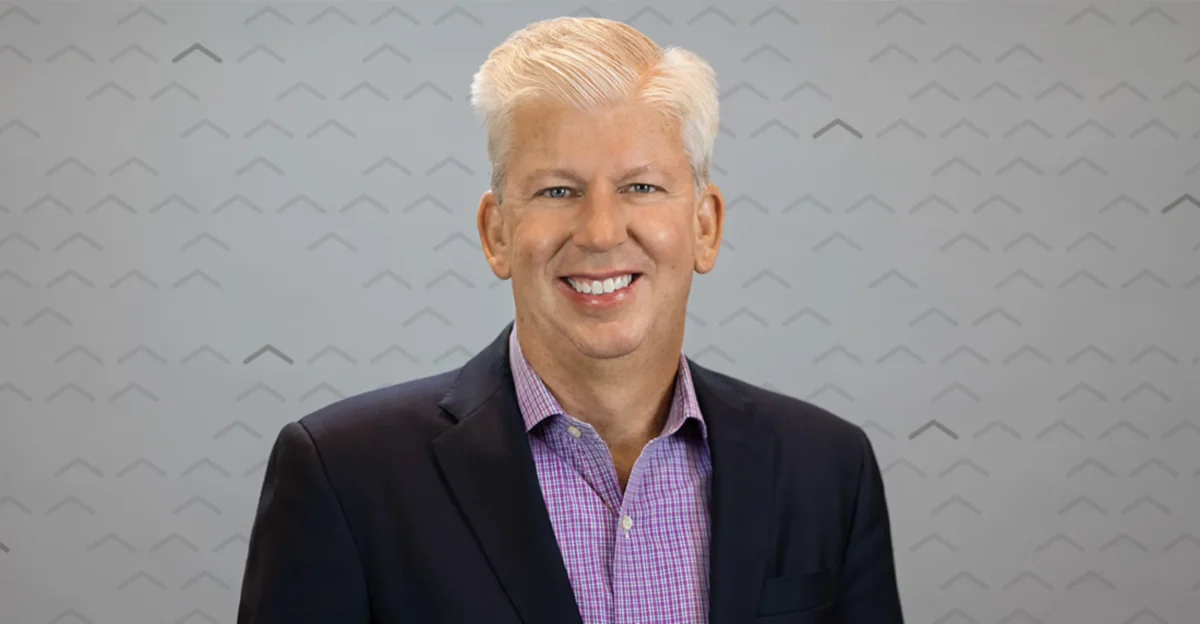
Chris Peterson, the CEO of Newell Brands, is at the helm during these tumultuous times. He has emphasized the need for discipline and efficiency as the company navigates its restructuring efforts.
Peterson’s leadership will play a critical role in whether Newell can stabilize and return to profitability in the years to come.
Strategic Restructuring Plan
Newell’s productivity plan includes significant operational changes, with the goal of saving $110–130 million annually. The restructuring involves layoffs, store closures, and a strategic focus on more profitable channels.
The plan is designed to help Newell recover from its current crisis and position the company for future growth.
Expert Views on the Restructuring

Analysts are divided on the effectiveness of Newell’s restructuring plan. Some believe the cuts will provide the company with the financial relief it desperately needs, while others worry about the long-term impacts of losing a significant portion of its workforce.
Newell’s ability to innovate will be a key factor in determining its success.
Future Outlook

Newell’s path forward is uncertain, but the company’s future will depend on its ability to balance cost-cutting measures with innovation. While the productivity plan is a start, Newell will need to continue adapting to the shifting retail environment.
The next few years will be crucial for the company as it works to redefine itself and regain investor confidence.
Policy Implications of Tariffs

The trade tariffs have highlighted the far-reaching impacts of U.S. trade policy on domestic industries. Policymakers must consider how tariffs affect jobs, prices, and the stability of major consumer goods brands like Newell.
The company’s struggles underscore the unintended consequences of trade wars on American workers.
Global Ripples from Newell’s Struggles

Newell Brands is not alone in facing these challenges. Companies worldwide are feeling the effects of tariffs and shifting trade relations. Newell’s plight serves as a microcosm of the broader struggles facing global consumer goods companies.
The ripple effects from these challenges will reshape the industry for years to come.
Legal and Regulatory Concerns

As Newell moves forward with its restructuring, the company must navigate a complex web of legal and regulatory requirements. The layoffs, store closures, and restructuring will need to comply with labor laws in both the U.S. and Canada.
Newell’s actions could set important precedents for other companies facing similar pressures.
Shifting Retail Culture
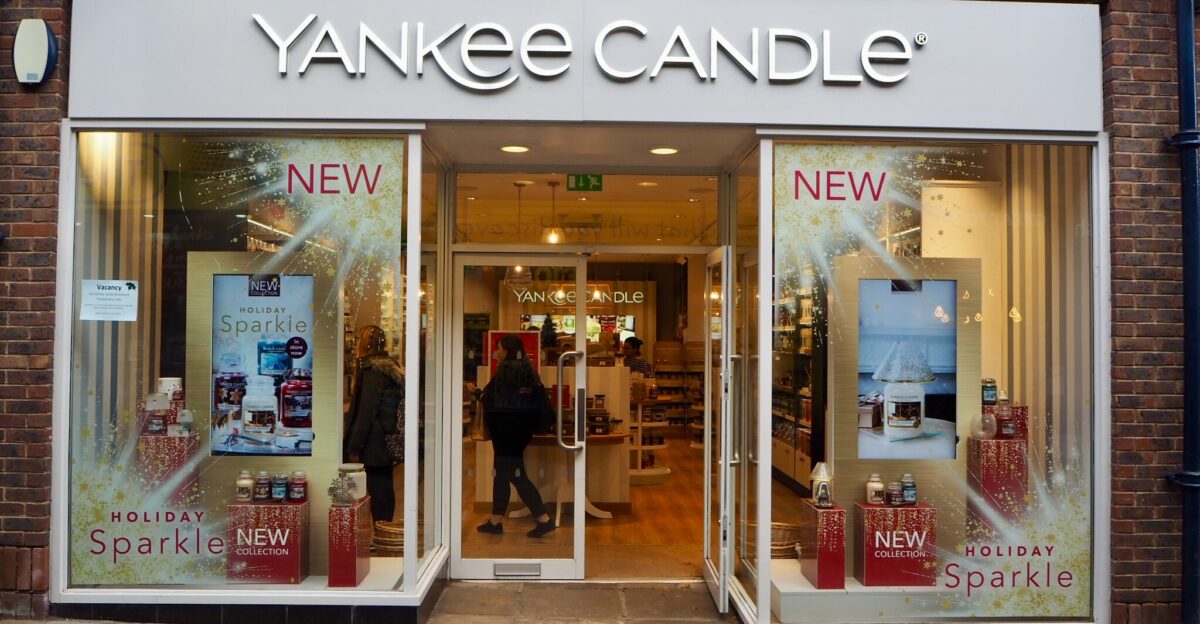
The closures and layoffs reflect the larger shift in consumer behavior. As more people turn to online shopping, physical retail spaces are becoming less viable.
Newell Brands’ actions align with the broader trend in which legacy retail brands are increasingly closing brick-and-mortar stores to focus on e-commerce.
A Broader Reflection on Retail Evolution

Newell Brands’ struggle is a cautionary tale for other legacy consumer goods companies. Tariffs, shifting consumer preferences, and financial pressures are forcing tough decisions.
As Newell navigates this challenging period, its future success will depend on its ability to adapt to an evolving and increasingly digital world.
Sources:
CBS News – “Yankee Candle maker Newell Brands to close stores and lay off workers” (December 1, 2025)
Yahoo Finance – “Newell Brands Announces Global Productivity Plan to Increase Profitability” (December 1, 2025)
USA Today – “Newell Brands announces 900 layoffs, 20 Yankee Candle store closures” (December 1, 2025)
The Street – “55-year-old iconic candle company closing stores, layoffs pending” (December 2, 2025)
MarketWatch – “Newell Brands Cuts Outlook As Tariffs Raise Costs” (October 31, 2025)
Boston Globe – “Newell Rubbermaid buying Yankee Candle parent Jarden Corp for $13.2 billion” (December 14, 2015)