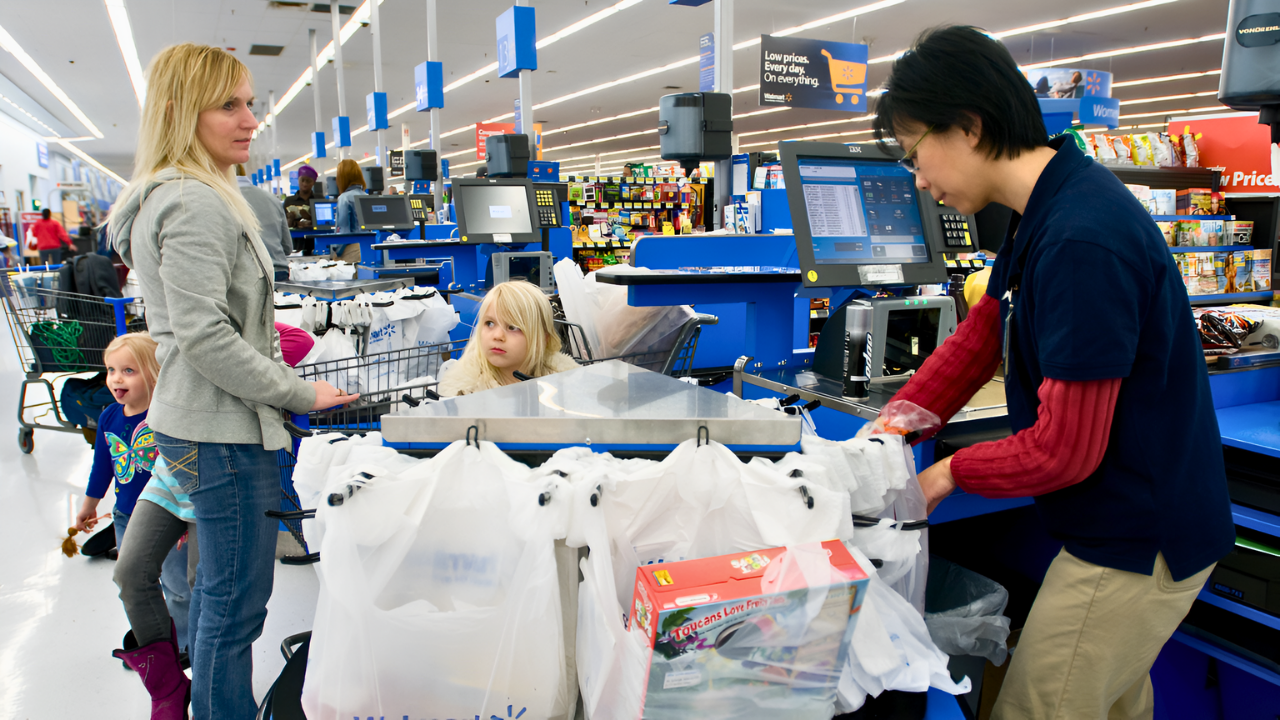
In the heart of Iowa, Matt Chapman’s grocery bill has become a source of significant strain. Prices for red meat, once a staple of his meals, had climbed so high that he hadn’t eaten beef in months. What started as a gradual increase in food prices evolved into a financial challenge, prompting residents like Chapman to rely on credit cards for everyday essentials. This reality is unfolding across the state as tariffs drive up the cost of living, pushing residents into food insecurity and uncertainty.
But what does this tariff-driven crisis mean for Iowans who rely on agriculture and global supply chains to survive?
The Tariff Tidal Wave: A Closer Look
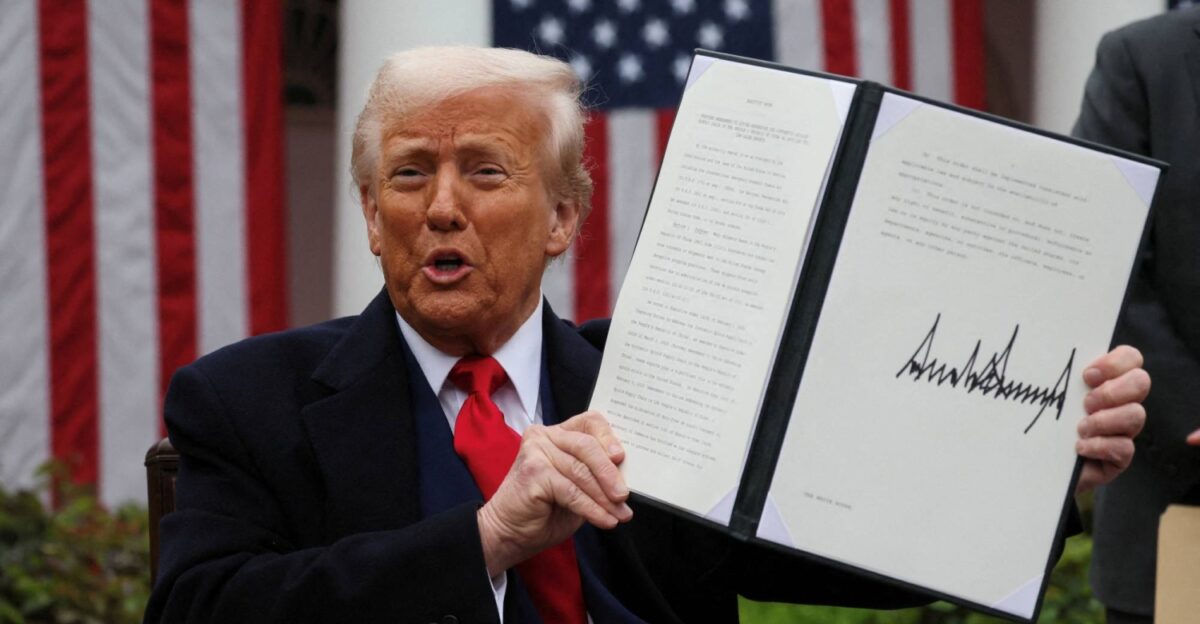
The tariffs introduced by the Trump administration aimed to protect American jobs and industries by imposing taxes on imports. Iowa, a state deeply tied to agriculture and manufacturing, became an unintended casualty of this strategy.
By 2025, over 70% of U.S. imports faced tariffs, drastically changing the economic landscape for both consumers and farmers. Governor Kim Reynolds supported the tariff strategy, expressing the expectation that it would benefit American farmers, but the short-term fallout hit the heartland hard.
Grocery Aisles in Crisis: A Rising Cost of Living
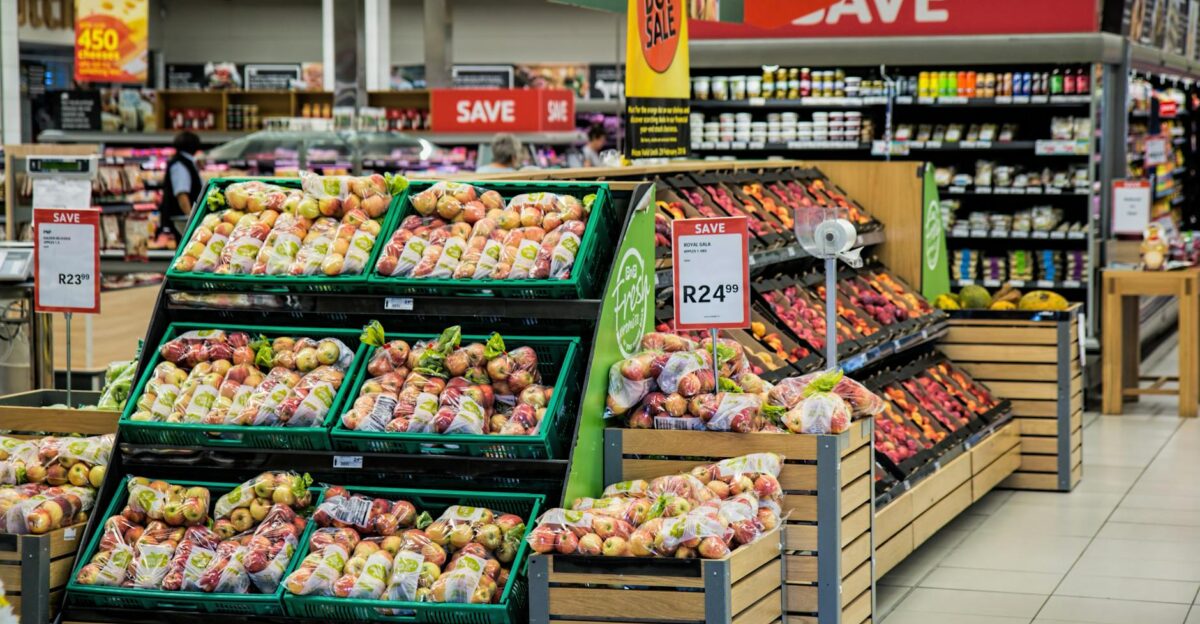
For Iowa families, the impacts are undeniable. Matt Chapman, for instance, hasn’t had red meat in months because of skyrocketing prices. With groceries becoming unaffordable, some Iowans are forced to reduce spending on essentials like fresh produce or meat.
Even staples such as fruits and vegetables are seeing price hikes, partially due to tariffs on imported goods. As families grapple with the financial strain, reliance on credit is rising as a means to cover the gap for some households.
A Crisis of Hunger: Food Pantry Demand Surges
Food pantries across Iowa are reporting an unprecedented rise in demand. Usage at major networks has more than doubled over the past five years as rising food costs push families deeper into food insecurity. For many, the decision to rely on food pantries is no longer a choice but a necessity.
Pantry directors are working to keep up with the demand, which has now reached alarming levels. The tariff-induced price hikes have accelerated food insecurity, turning struggling families to charity for survival.
Farmers Caught in a Double Bind
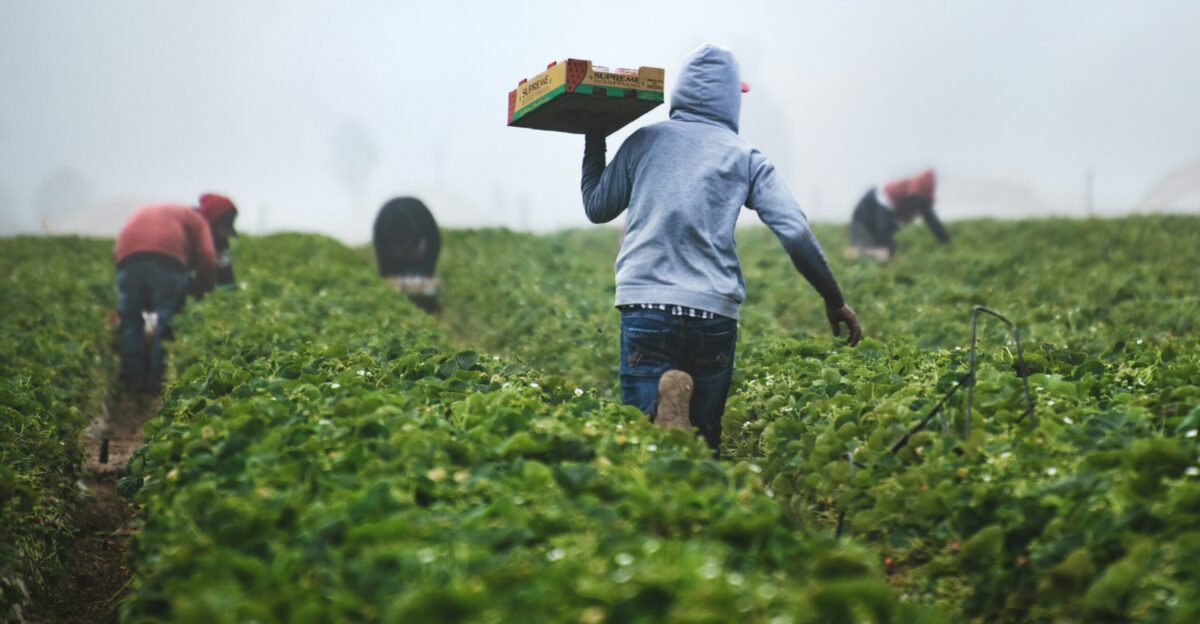
Iowa farmers are facing a harsh reality, as tariffs are driving up the cost of imported fertilizers and chemicals they need to operate. At the same time, retaliatory tariffs from countries like China have made Iowa’s agricultural products more expensive on the global market.
As a result, farmers like Matthew Willimack are squeezed on both sides, forced to absorb costs they can’t control. This pressure is eroding profit margins, leaving little room for growth.
Manufacturers and the Price Dilemma

Iowa’s manufacturing sector is caught in a precarious position. Companies like Kinze Manufacturing face a difficult choice: absorb the costs of tariffs and shrink their profit margins or pass the increased costs on to consumers. For some, raising prices has been the only option, but this comes with risks.
Customers are postponing purchases, waiting for clarity on future tariffs, leading to delays in business investment. This uncertainty has a chilling effect on Iowa’s industrial base.
Export Market Losses: Tariffs Drive Away Business
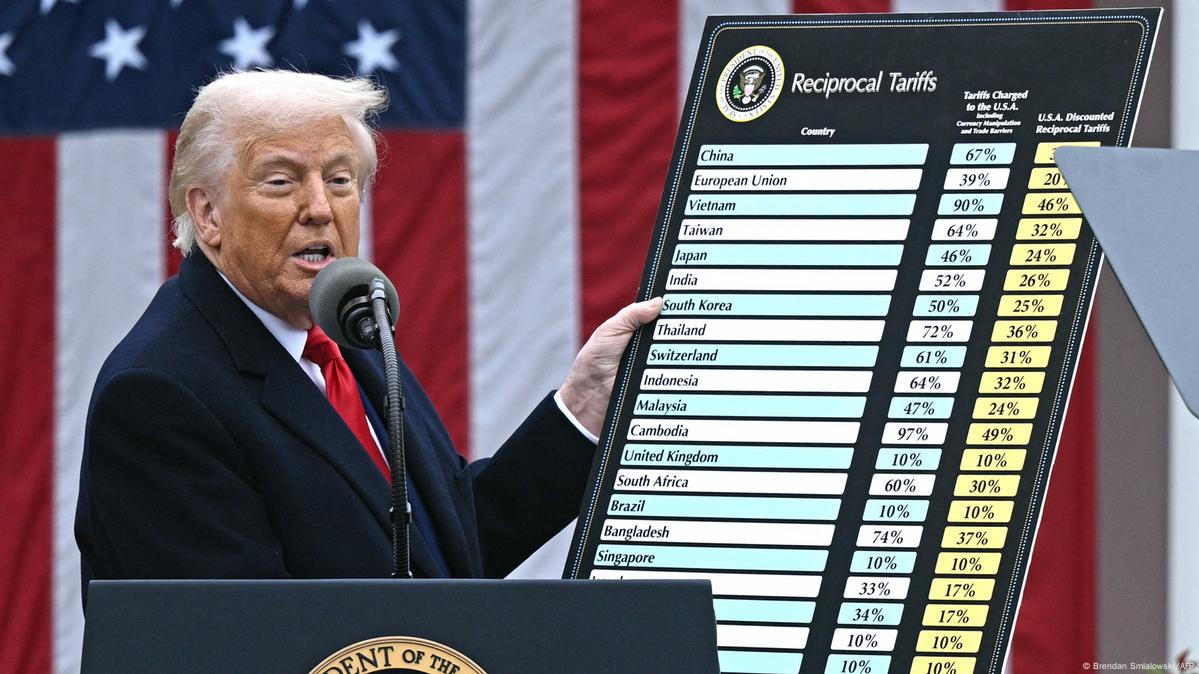
Iowa’s agricultural sector is bearing the brunt of retaliatory tariffs. Countries like China have re-imposed tariffs on U.S. products such as soybeans and pork, leaving Iowa farmers facing significant financial losses.
Projections show that soybean farmers could lose up to $1.5 billion due to these tariff actions, while hog producers stand to lose hundreds of millions more. These losses aren’t just numbers; they represent real-world consequences, including financial instability and job cuts in rural Iowa.
Investment Freeze: Economic Stagnation in Iowa
The shifting landscape of tariff rates is leaving Iowa businesses uncertain about their future. With tariffs changing frequently, many companies have put investment plans on hold.
According to economists, this unpredictability has caused a freeze on capital expenditures, hiring, and expansion efforts across the state. Without stability in trade policy, Iowa’s economy is struggling to maintain its momentum, leaving businesses and communities in limbo.
Niche Exports: Iowa’s Ethanol and Spirits Industries Struggle

Iowa’s ethanol and spirits industries have also faced severe disruptions. Cedar Ridge Distillery, a local bourbon producer, had to pull shipments from Canada after the Canadian government removed American whiskey from shelves.
Meanwhile, Iowa’s ethanol industry faces losses in the millions, as retaliatory tariffs devastate niche markets. These industries, which take years to build, are suffering severe setbacks, undermining the long-term viability of Iowa’s agricultural exports.
State and Local Budgets Suffer as Revenue Declines
The impacts of tariffs aren’t confined to the farming and business sectors. Iowa’s state and local governments are also feeling the pinch, with tax revenue declining due to the economic slowdown.
State revenue is projected to drop by tens of millions of dollars, leading to potential reductions in funding for schools, infrastructure, and emergency services. For Iowans, this could mean cuts to essential services and a deteriorating quality of life, all due to a policy that was intended to protect American jobs.
Iowa’s GDP Takes a Hit
As tariffs continue to affect Iowa’s industries, the state’s GDP is taking a significant hit. With value-added output projected to decline by billions of dollars, Iowa’s economy is in trouble.
The loss of wealth generation across sectors—especially in agriculture and manufacturing—has caused consumer spending to weaken, and wage growth has stagnated. This economic drag will be felt for years to come unless policy shifts provide a much-needed resolution.
Dietary Shifts: Health Consequences of Rising Costs
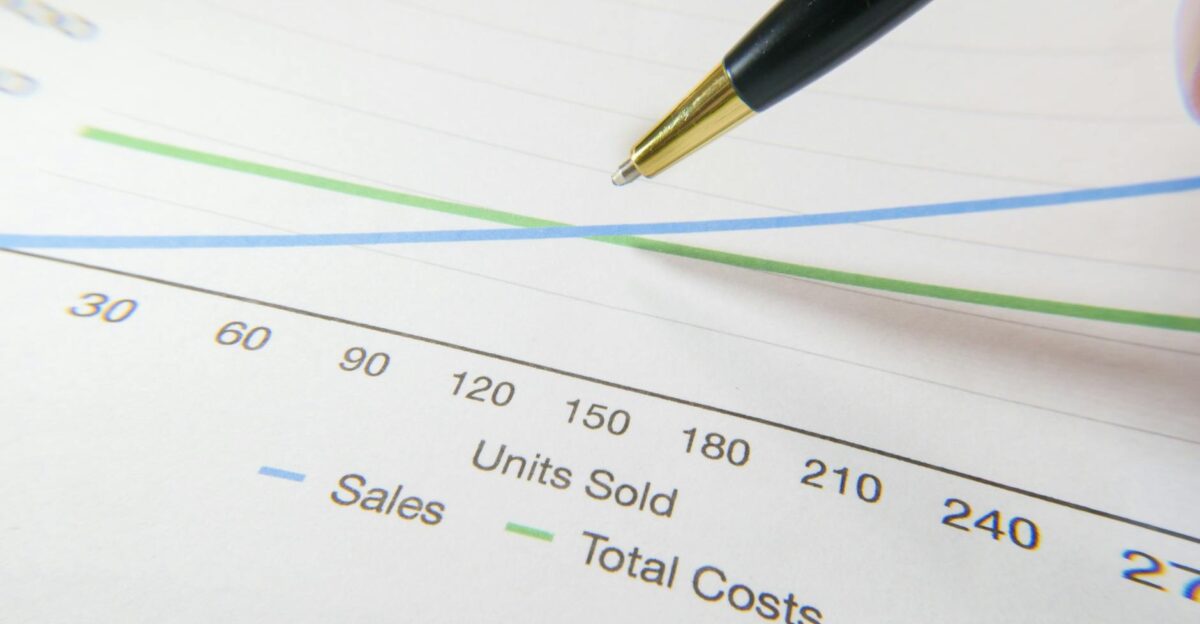
As food costs climb, many Iowans are being forced to adjust their diets. For lower-income families, research on food insecurity documents a shift away from fresh vegetables and beef toward cheaper, processed foods.
The nutritional consequences are concerning, raising fears about the long-term health implications for vulnerable populations. These dietary shifts are not just about taste; they represent a serious challenge for public health.
Winners and Losers: The Mixed Impact of Tariffs
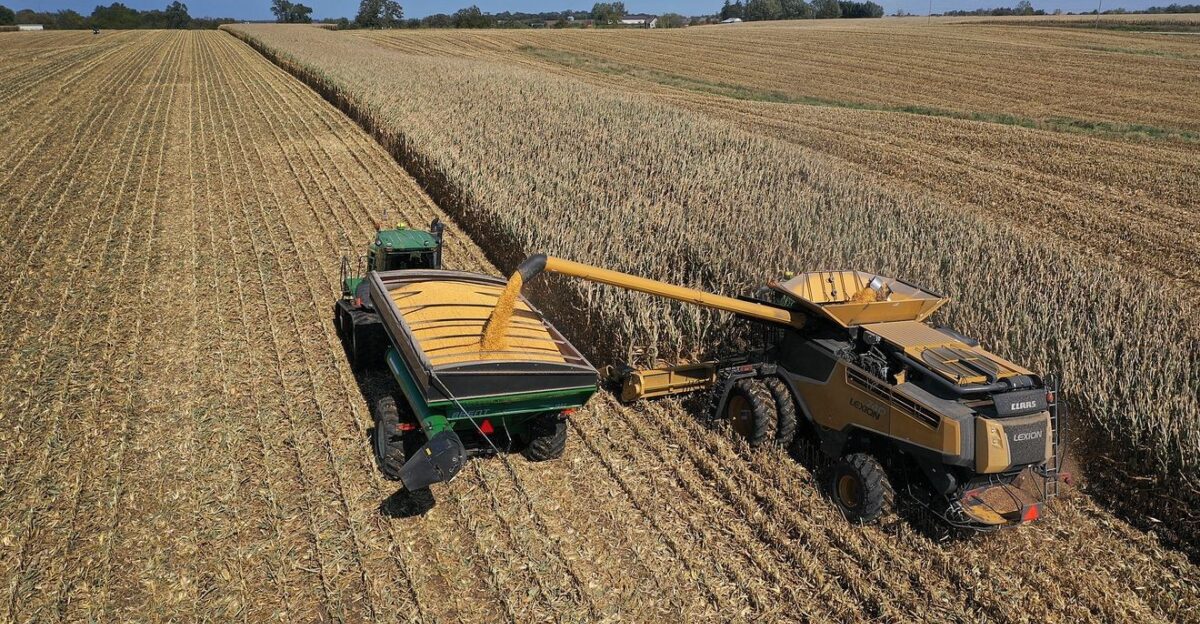
While many Iowa farmers are struggling, some domestic producers are seeing gains. U.S. beef and pork producers benefit from reduced competition from imports, and certain manufacturing sectors are gaining pricing power.
However, these gains are limited by higher input costs and reduced export demand. As a result, Iowa is experiencing a stark divide between sectors, with some thriving while others face ruin.
Coping Strategies: Financial Advice for Iowa Households

To manage the rising costs, financial advisors are suggesting practical coping strategies for Iowa households. These include locking in prices for essential goods, shifting to generic brands, and boosting emergency savings.
Farmers are also exploring crop insurance and forward contracts to shield themselves from tariff risks. While these strategies can provide some relief, they are costly and may only be accessible to larger businesses and wealthier households, further deepening the inequality gap.
Moving Forward: Iowa Faces a Structural Shift

Iowa’s experience with tariffs highlights a critical truth: trade policy is not a distant, abstract concept—it’s something that directly impacts people’s lives.
As the tariff debate continues, Iowa’s economy is left in a state of uncertainty, with families, businesses, and farmers all feeling the effects. The ripples from these policies will continue to shape the state’s future until there is clarity in trade policy or structural alternatives emerge.
Sources:
Iowa State University Center for Agricultural and Rural Development (CARD) “Modeling the Impacts of Reciprocal Tariffs on the 2025 Iowa Economy” Policy Brief 25-PB 48
Feeding America “Map the Meal Gap” 2025 Study; Food Bank of Iowa
Des Moines Area Religious Council (DMARC) Food Pantry Network Records and Reports