
HP Inc. announced a major workforce overhaul affecting 58,000 employees across 59 countries. The company plans to eliminate 4,000–6,000 positions, primarily engineers and support staff, while investing $1 billion in AI to streamline operations.
CEO Enrique Lores said, “It’s something we have to do to make sure the company stays competitive” on 25 November 2025. This bold move signals a new era for HP, blending cost-cutting with AI transformation. Here’s what’s unfolding.
What’s Driving This Workforce Shift?

HP’s restructuring aligns with broader industry trends, where AI adoption is accelerating. CFO Karen Parkhill noted during the 25 November 2025 earnings call that the company is “taking decisive actions to mitigate recent cost headwinds and is investing in AI-enabled initiatives.”
The plan is not only about efficiency but also about future-proofing. However, understanding the timing and scale of these reductions offers insight into potential ripple effects across HP’s global operations.
Scope of Job Cuts Revealed
HP announced plans to eliminate between 4,000 and 6,000 jobs by fiscal 2028, representing 6.9%–10.3% of its workforce. Restructuring charges total $650 million, with $250 million expected in fiscal 2026.
The cost-saving goal is $1 billion by 2028. While labor cuts drive much of this, platform simplification and operational efficiencies are key contributors. But who will be most affected?
Roles Targeted Across the Company

The affected positions include product development engineers, customer support specialists, internal operations staff, sales coordinators, and manufacturing personnel. These roles touch multiple business-critical functions worldwide.
CEO Enrique Lores explained, “Two years ago, we started to do some pilots on how AI could help us to drive these things” on 25 November 2025. The aim is to automate workflows through agentic AI. This reveals which departments face the steepest transformation.
AI as a Strategic Tool
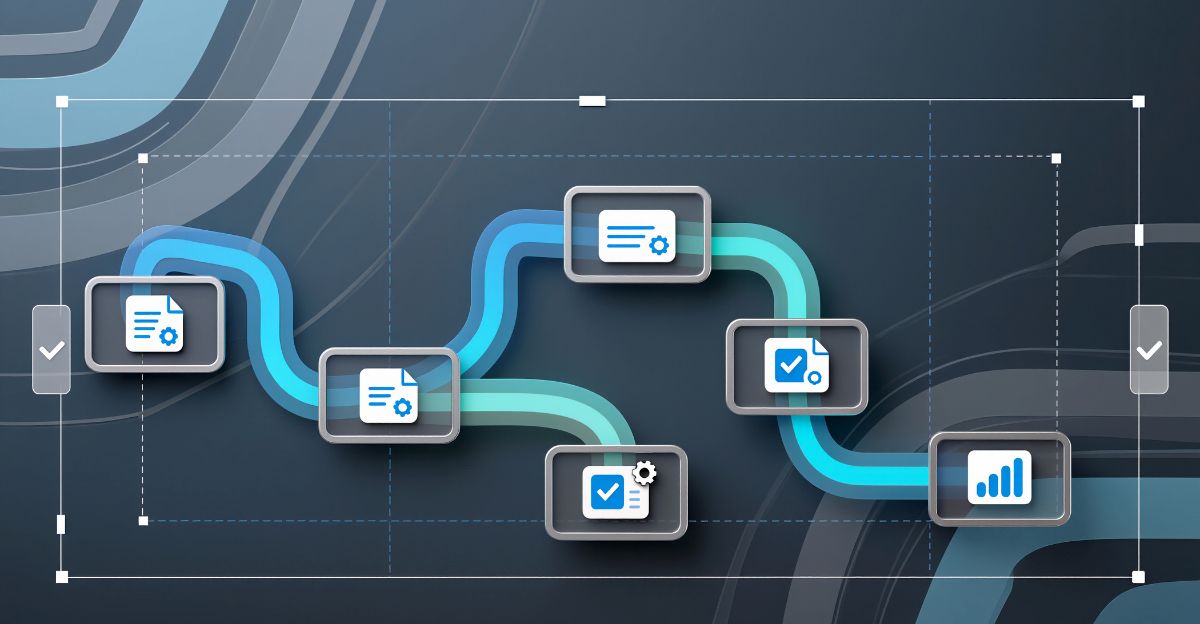
HP frames AI deployment as a process redesign rather than simply laying off employees. Autonomous systems will handle tasks that once required human coordination and technical expertise.
CFO Parkhill emphasized AI’s proven revenue impact, noting AI-enabled PCs doubled revenue year-over-year in Q4 fiscal 2025. Yet early AI failures at HP hint at the challenges ahead.
Financial Pressure and Timing

Rising memory chip costs, now 15%–18% of PC production, contributed to a profit guidance shortfall for fiscal 2026. HP projected EPS of $2.90–$3.20 versus the analyst consensus of $3.32.
Despite Q4 revenue growth to $14.6 billion, HP stock fell 5.5% after-hours on 25 November 2025. These pressures help explain why layoffs coincide with AI investment. But how will the cuts be phased?
Phased Rollout Through 2028

HP’s three-year plan, which begins in fiscal 2026, includes $250 million in restructuring costs, continuing through fiscal 2027, and concluding in fiscal 2028. Savings accumulate gradually, reaching $1 billion by the time the plan is completed.
This phased approach allows for compliance with local labor laws, but it prolongs uncertainty. Employees and investors must navigate a drawn-out transition period that varies across 59 countries.
Global Reach of Job Reductions

Though the article title mentions “nationwide,” the cuts are global. HP has significant facilities in Palo Alto, Houston, Boise, Vancouver, Rio Rancho, and major centers in Europe, the Asia-Pacific region, and Latin America.
The geographic spread adds complexity. Country-specific severance rules, notice periods, and regulatory requirements will shape the timing and impact of layoffs differently across regions.
Supply Chain and Small Business Impact
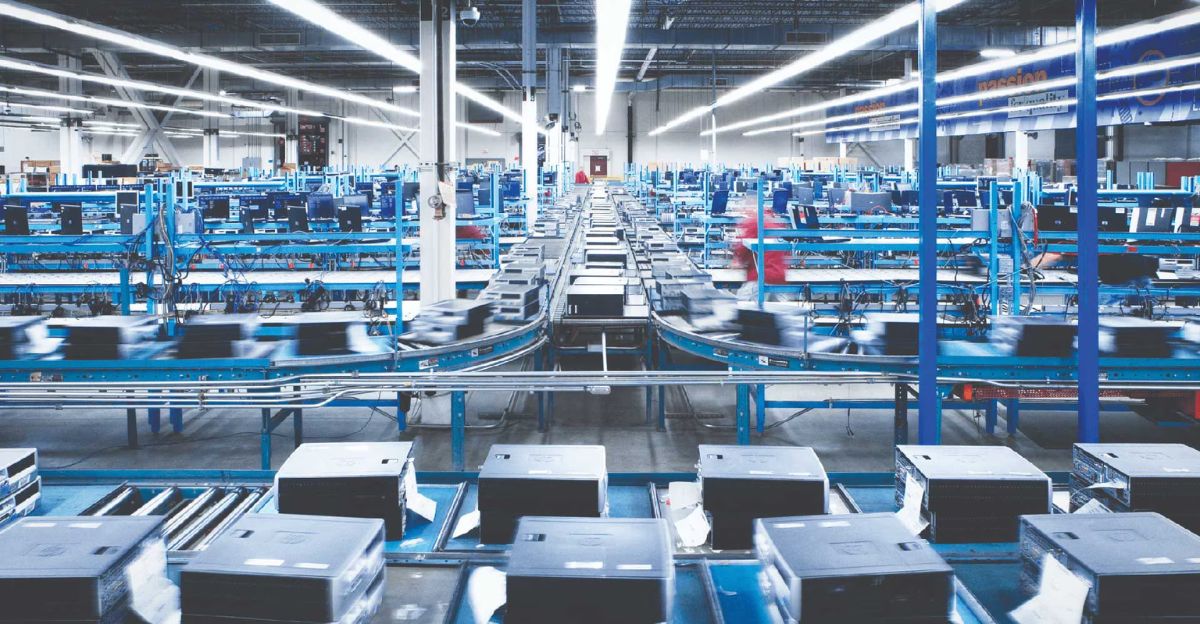
HP’s supplier network generated $202.7 billion in economic output, supporting 828,000 U.S. jobs. Cuts to procurement and operations teams could lead to reduced engagement and delayed vendor payments.
Smaller suppliers may face decreased demand and service disruptions. This highlights that HP’s AI-driven restructuring extends beyond employees, potentially affecting the broader business ecosystem globally.
Historical Context: Not HP’s First Reduction
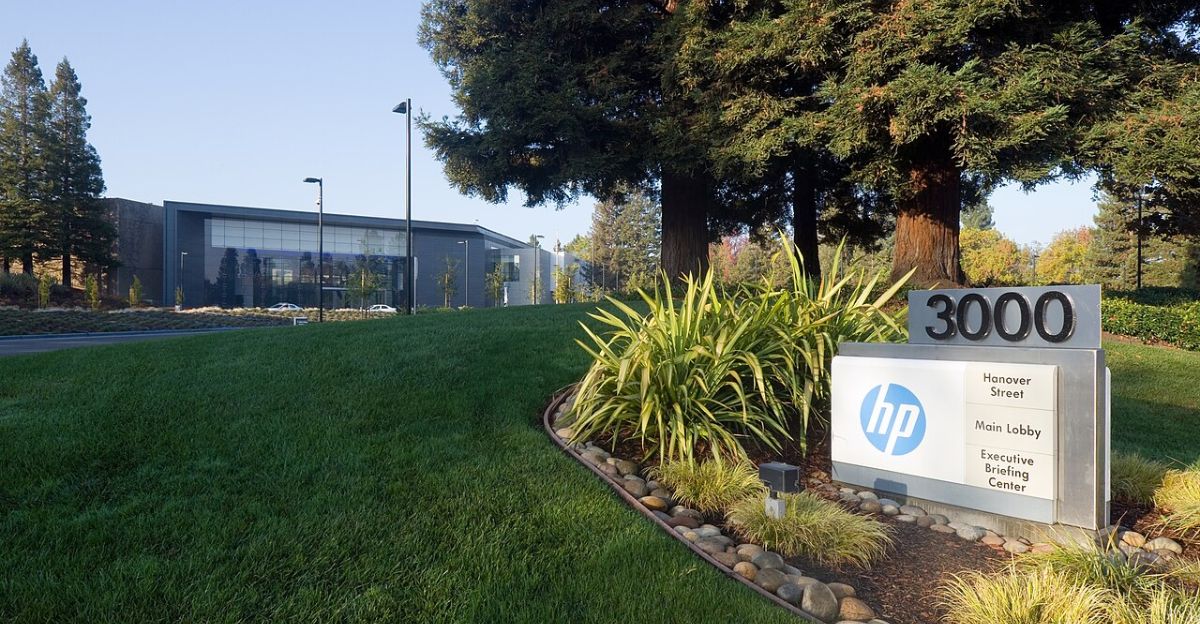
HP’s workforce reductions are recurring. In 2019, 9,000 jobs were cut, followed by 4,000–6,000 in 2022. The February 2025 reduction resulted in the addition of 1,000–2,000 jobs.
The pattern suggests structural pressures rather than isolated transformations. Recognizing this history helps anticipate how employees and markets may react to repeated workforce reductions.
Industry-Wide AI Layoff Trend
In 2025, 218 technology companies cut 112,700+ jobs due to AI adoption. Amazon cut 14,000 employees, Microsoft cut 6,000, Intel reduced its workforce by 15%, and Salesforce reduced its support staff by 44%.
The trend indicates a broader shift toward AI-driven efficiency. HP is part of a systemic change in tech workforce composition. Yet, industry-wide effects raise questions about the retention of skills.
Why Customer Support Faces Cuts
High-volume, repetitive tasks in customer support make roles prime targets for AI. Fullview research shows chatbot interactions cost $0.50 versus $6.00 for human agents, with 80% of routine queries automatable.
HP aims to achieve 95% AI-driven interactions by the beginning of next year. Still, past failed automation attempts, such as the March policy reversals, suggest that potential customer service challenges remain ahead.
Engineering Staff Under Pressure
AI-assisted product development compresses design cycles, automating code generation, testing, and documentation. Fewer engineers are needed for routine tasks, but deep expertise remains critical.
Critics warn that eliminating experienced staff could create a “knowledge vacuum.” The risk: slower innovation in complex areas, which could potentially undermine HP’s competitive edge against AI-native competitors.
Risks of Over-Reliance on AI

HP’s 2025 attempt to force self-service through 15-minute delays sparked backlash, highlighting the limitations of AI. Gartner warns that replacing customer service representatives entirely is risky and complex.
The European Union may legislate the “right to speak to a human” by 2027. Could HP’s reliance on unproven AI backfire on operations and customer satisfaction?
Implementation Mechanisms

HP utilizes voluntary separation programs, targeted layoffs, and attrition management, all of which are supported by $650 million in restructuring costs. CEO Lores promised support, but the terms are undisclosed.
AI integration spans customer support, product development, operations, and sales. AI-enabled PCs now represent 30% of shipments, providing a measurable example of successful deployment despite employee uncertainty.
Effects on Laid-Off Employees

Approximately 4,000–6,000 employees are expected to face job loss, income disruption, and impacts on their health coverage. Retirement contributions and skill relevance may also decline.
The three-year rollout extends uncertainty, potentially creating psychological stress and requiring relocation. Career setbacks may compound as AI signals some roles are no longer valued.
Effects on Remaining Employees

Remaining staff absorb extra responsibilities, increasing burnout and lowering morale. Survivor’s guilt and recurring restructuring patterns exacerbate anxiety.
Some employees gain promotion opportunities and access to AI tools, potentially easing routine tasks. But overwork and talent flight risk remain, affecting overall workforce stability.
Implications for Consumers and Customers

Product development delays and reliance on AI may slow innovation and degrade support. Warranty and repair services could suffer from reduced technical staff.
Successful AI could improve response times and predictive maintenance. Yet HP’s previous AI failures indicate customer skepticism is high. The following years will reveal whether AI truly enhances service quality.
Investor Reactions and Market Implications

HP stock fell 5.5% following the announcement, reflecting shortfalls in profit guidance. The FY2026 EPS forecast has dropped to $2.90–$3.20, below the analyst consensus of $3.32.
Long-term, $1 billion in cost savings could expand margins and validate AI investment. However, innovation risk remains, as losing engineers may weaken HP’s competitive position against Nvidia and other AI-focused firms.
HP’s Vision for AI Transformation
CEO Lores framed layoffs as a transformation, stating, “In 2026, we intend to grow faster than the market. We have a significant opportunity to embed AI in everything we do,” on November 25.
HP positions itself as an AI-first enterprise. Achieving operational efficiency without losing talent and innovation will determine if this restructuring is strategic or shortsighted.
A High-Stakes Gamble
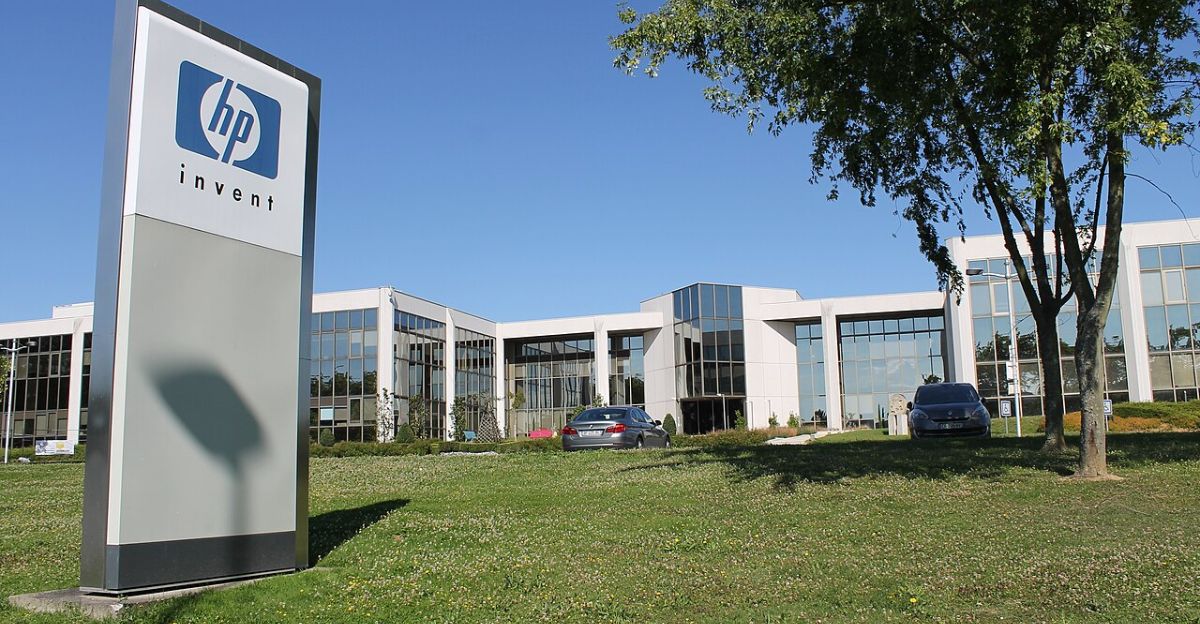
HP’s $1 billion AI overhaul is a sweeping change with global consequences. Employees, suppliers, and customers face disruption, while AI offers cost savings and potential efficiency gains.
The outcome hinges on implementation success. Can AI replace human expertise without creating knowledge gaps? Future innovation and market competitiveness will reveal if HP’s bold strategy pays off.
Sources:
Reuters, 25 November 2025, “HP to cut about 6000 jobs by 2028, ramps up AI efforts”
Yahoo Finance, 26 November 2025, “HP is betting $1 billion on AI — even if it means cutting thousands of jobs”
Los Angeles Times, 26 November 2025, “HP announces job cuts as profit outlook misses estimates”
CFO Dive, 25 November 2025, “HP cites AI in push to slash up to 6000 jobs by 2028”
TechInformed, 26 November 2025, “HP to cut 4000–6000 jobs by fiscal 2028 under AI-focused restructuring”