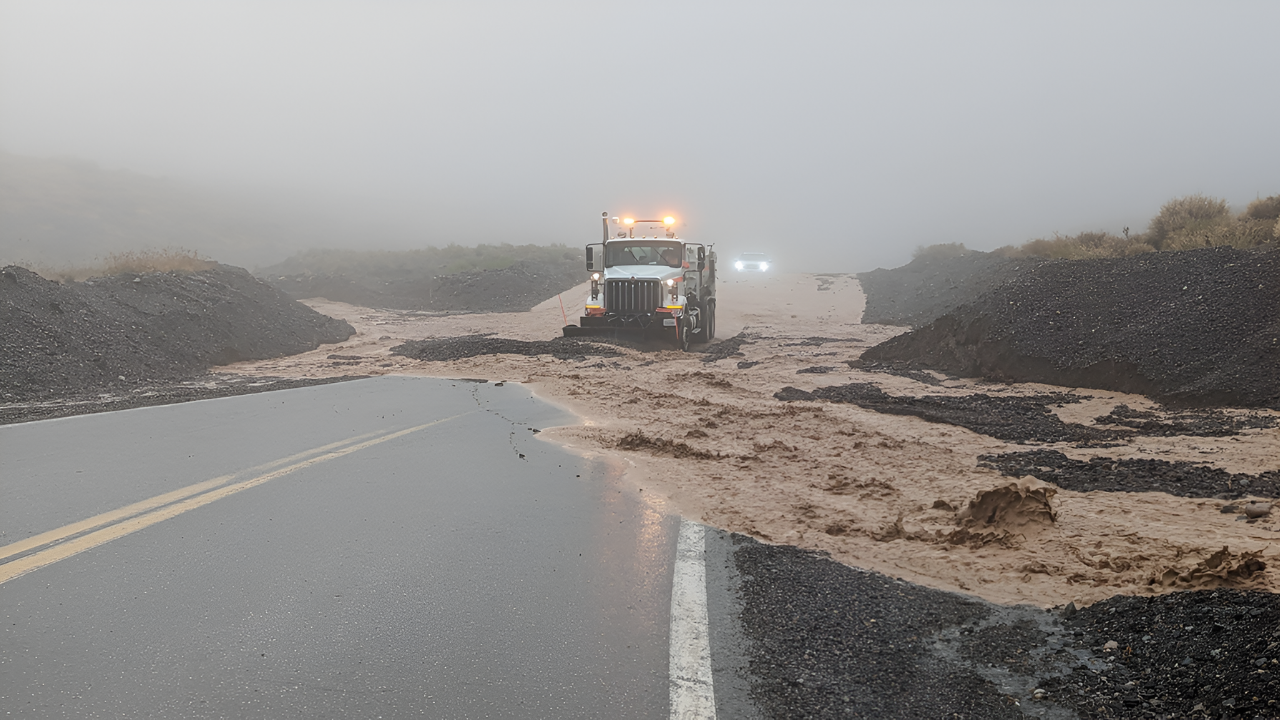
November 2025: Torrential rain fell in Death Valley, one of the driest places on Earth, setting a shocking new record. At Furnace Creek, a place that typically sees only 2.36 inches of rain annually, the desert transformed in unprecedented ways as water poured down and rangers witnessed the landscape change dramatically.
This flood was more than a rare event—it exposed how even the most unforgiving landscapes are vulnerable to unpredictable forces. The event starkly contrasted with Death Valley’s typical desolation, turning a barren environment into one defined by water.
Breaking Barriers
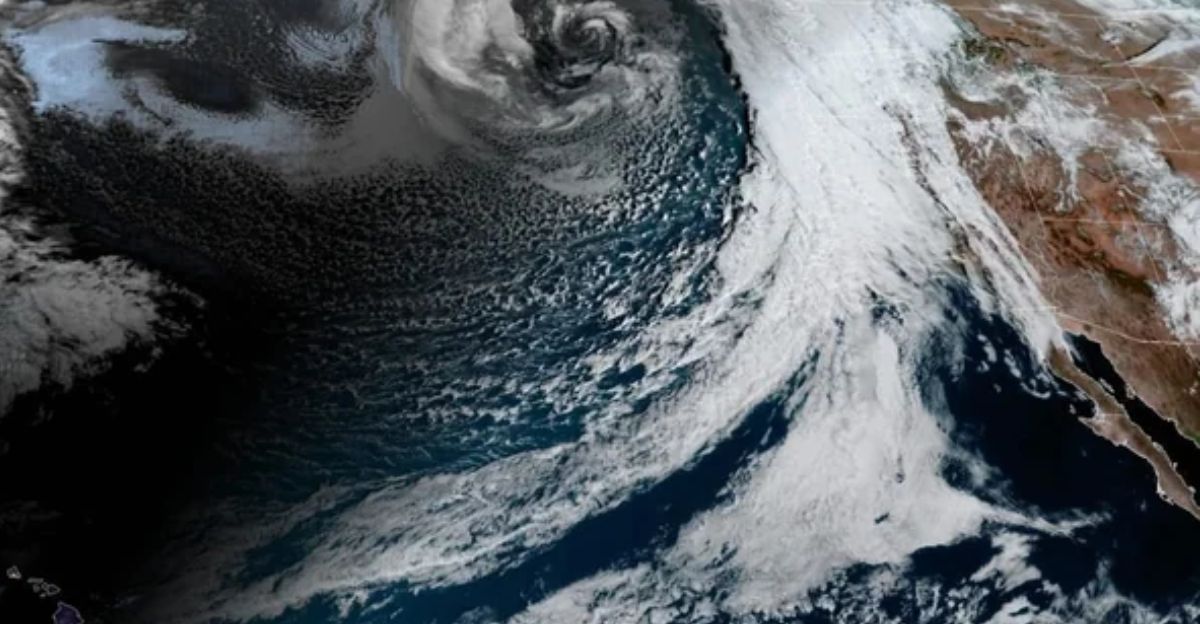
In mid-November, an atmospheric river storm began to unfold, initially predicted as significant but not exceptional. However, by November 18, the event’s extraordinary nature became clear. Rain fell in historic volumes, overwhelming drainage systems designed for minimal rainfall. Roads became impassable as the once-dry desert landscape was overwhelmed.
What initially seemed like another heavy storm evolved into a phenomenon that reshaped scientific understanding of how deserts interact with extreme weather patterns.
A Century of Measurement
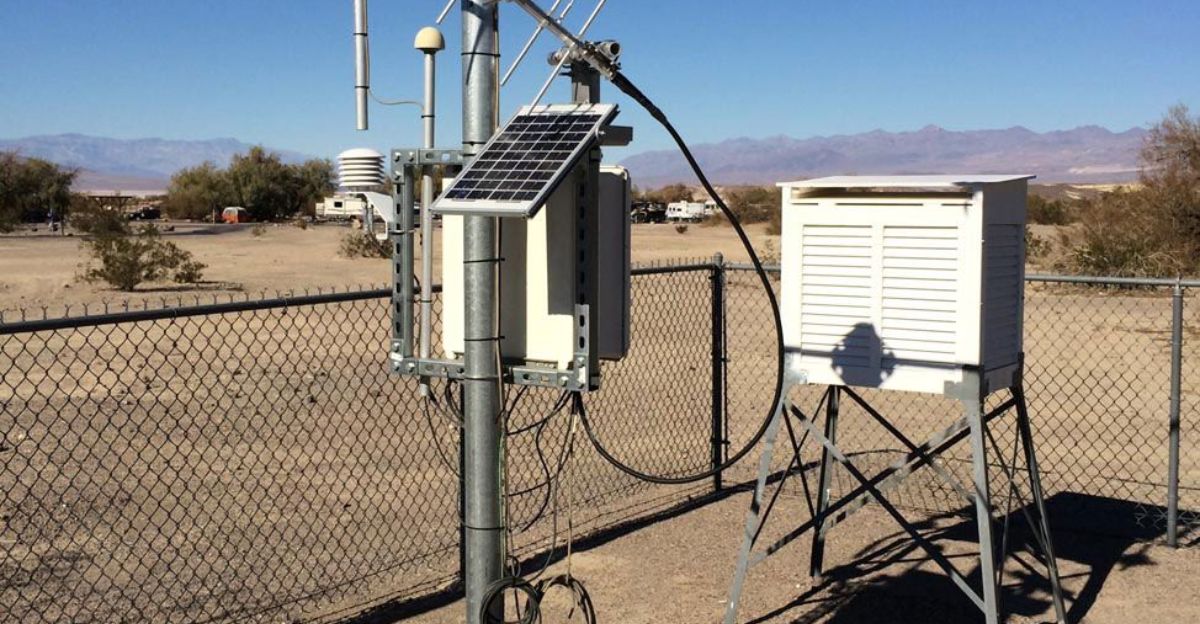
Since 1911, Furnace Creek’s weather station has tracked precipitation in Death Valley, holding a unique place in climate history. For over a century, patterns remained consistent: minimal rain and long stretches of dryness. But this November was different, breaking a 102-year-old November rainfall record.
The weather station’s historical data paints a stark picture of how this recent storm deviated from over a century of meteorological records in one of Earth’s harshest climates.
Breaking the Record
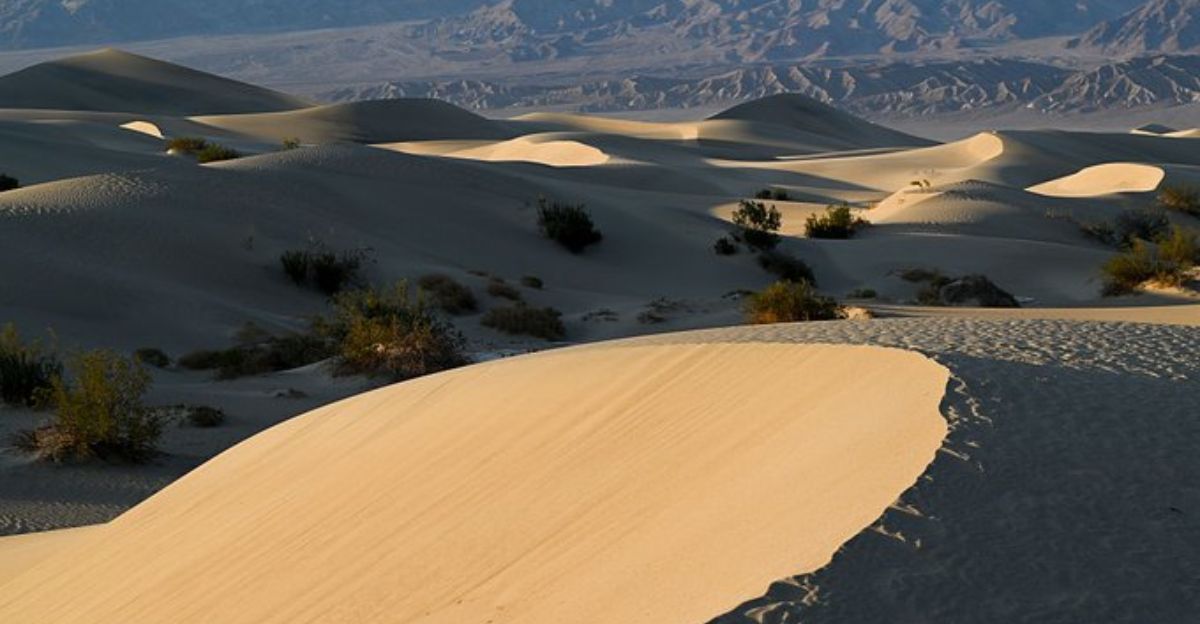
With 1.76 inches of rain, November 2025 became the wettest November in the station’s 115-year operational history. The previous November record—1.70 inches in November 1923—had stood for 102 years. This represented 74% of Death Valley’s annual rainfall, delivered in just a single month.
This dramatic shift signals a deeper environmental transformation. The storm sparked widespread conversation about changing climate and its unpredictable effects on arid regions.
Record Rainfall Detail
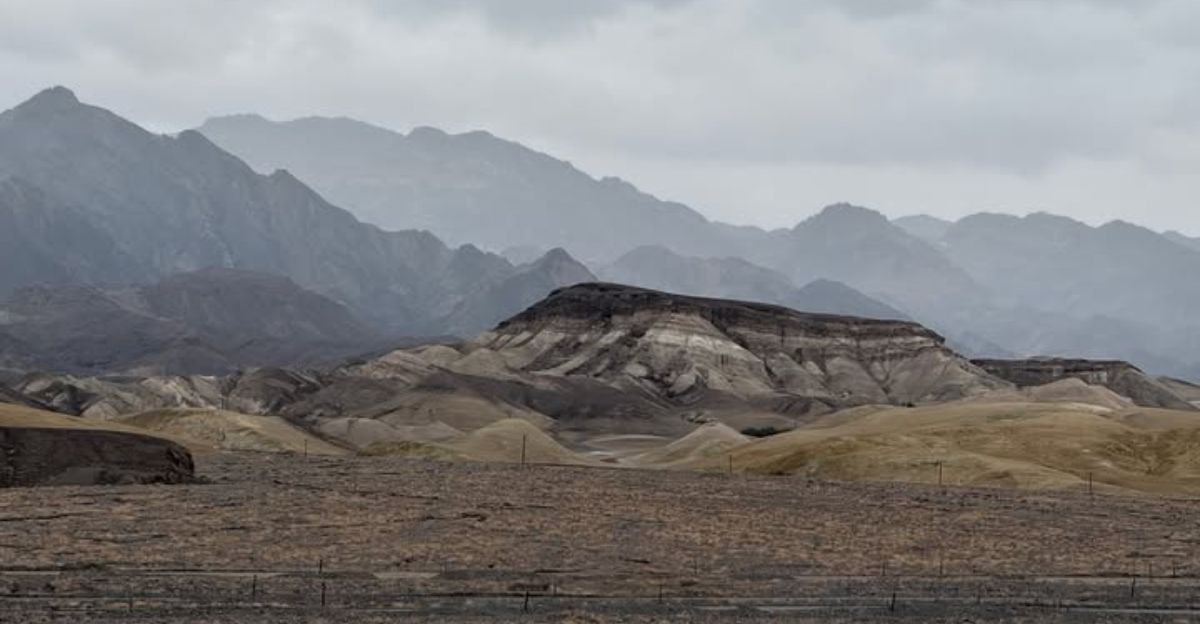
On November 15, Furnace Creek recorded 0.6 inches of rain in one day—unheard of for a desert known for its droughts. By month’s end, 1.76 inches had accumulated, breaking the century-old record. For a place where moisture is scarce, this shift signals global environmental change occurring at an accelerating pace.
The storm demonstrated the vulnerability of infrastructure and ecosystems designed for consistent aridity.
Climate Context
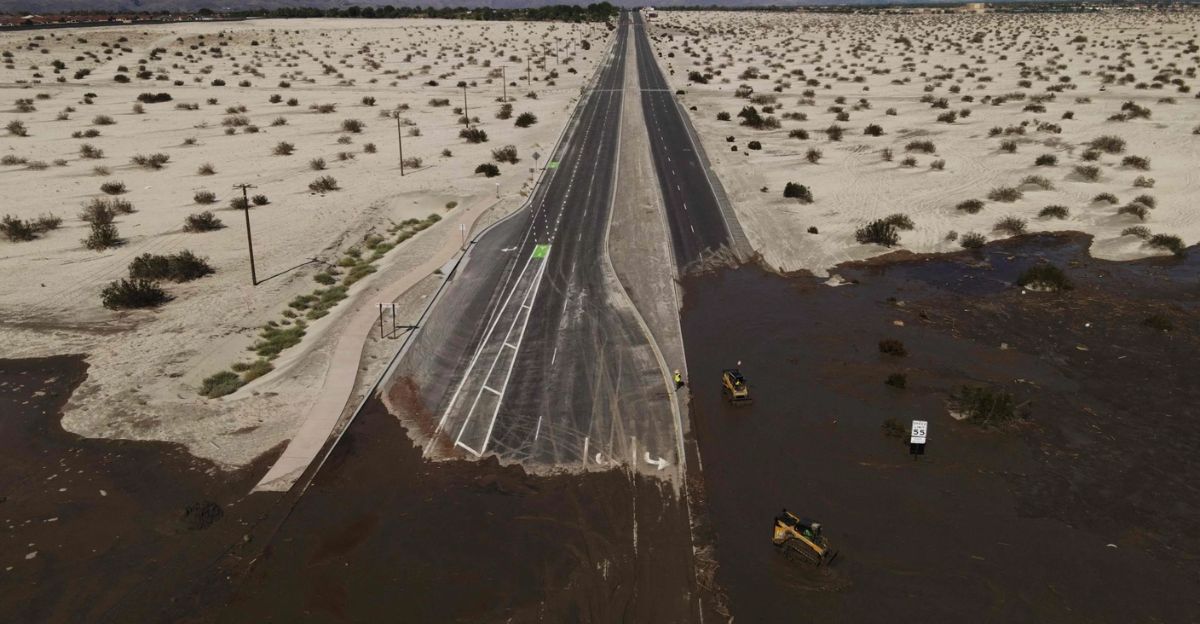
Death Valley has experienced unusual weather events in recent years, including Tropical Storm Hilary in 2023, which left temporary flooding. However, changes in atmospheric circulation by 2025 hinted at more extreme shifts. As global temperatures rise, moisture delivery to arid regions becomes increasingly unpredictable, creating volatile futures for historically dry areas.
The storm’s intensity underscores how shifting weather patterns make arid regions more susceptible to extreme events.
Atmospheric Rivers and Climate Change
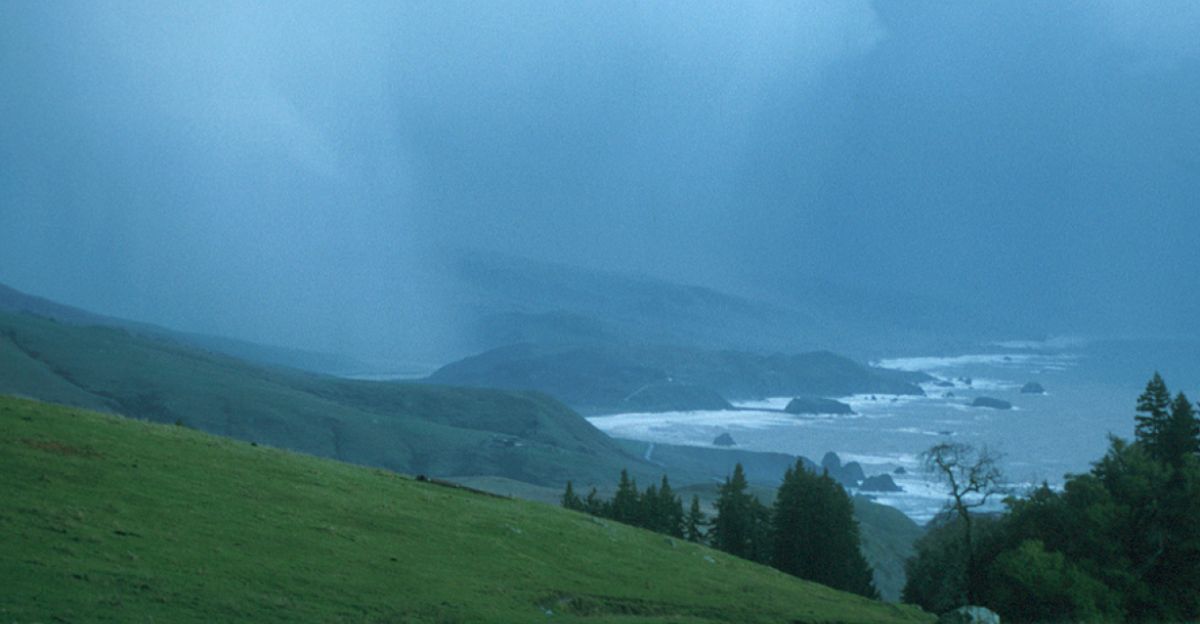
Atmospheric rivers—a result of rising ocean temperatures—are becoming more frequent and intense. The 2025 floods in Death Valley mirror other extreme weather events in California, including 2017’s rain-on-snow events and 2023’s aftermath of Tropical Storm Hilary. This shift is altering the fabric of desert ecosystems, once finely tuned to seasonal dryness.
Scientists are beginning to reassess their understanding of desert climates and how these environments will respond to future climate shifts.
Expert Assessment
Despite the storm’s extreme nature, climatologists urge caution in assuming it signals permanent shifts in desert climates. Dr. Michael Wehner from Lawrence Berkeley National Laboratory noted that while such events may become more frequent, one event alone doesn’t alter climate trajectory. However, the storm remains a stark reminder of changing extreme weather patterns.
Scientists are now asking when and how often such events will occur, emphasizing long-term probabilistic thinking in climate science.
Landscape Transformation
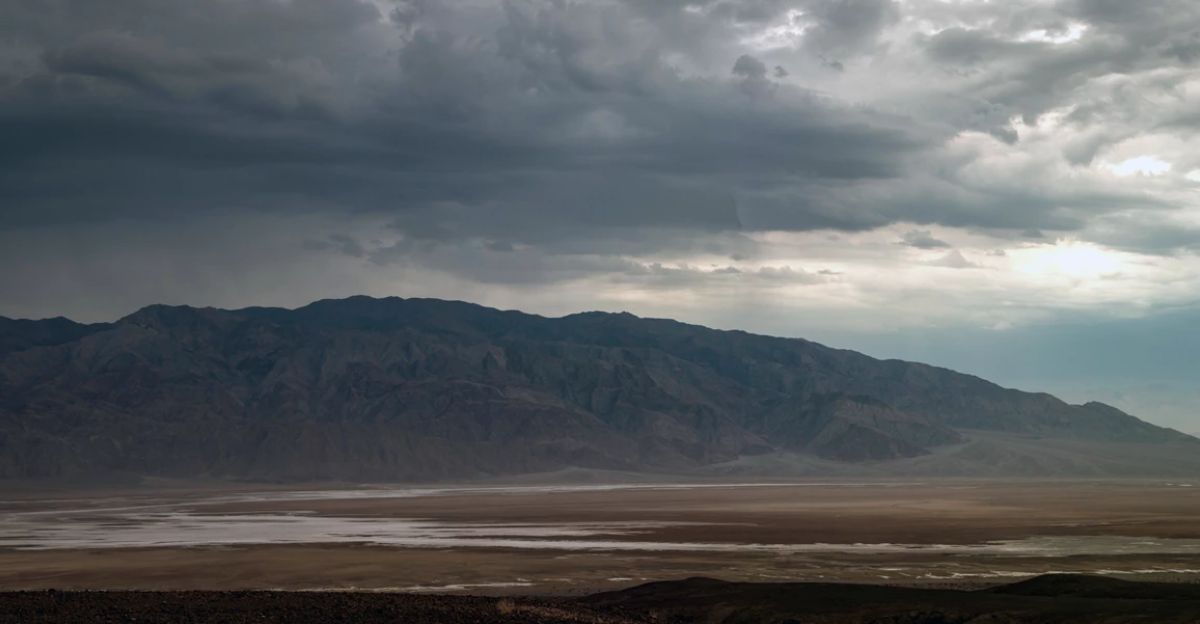
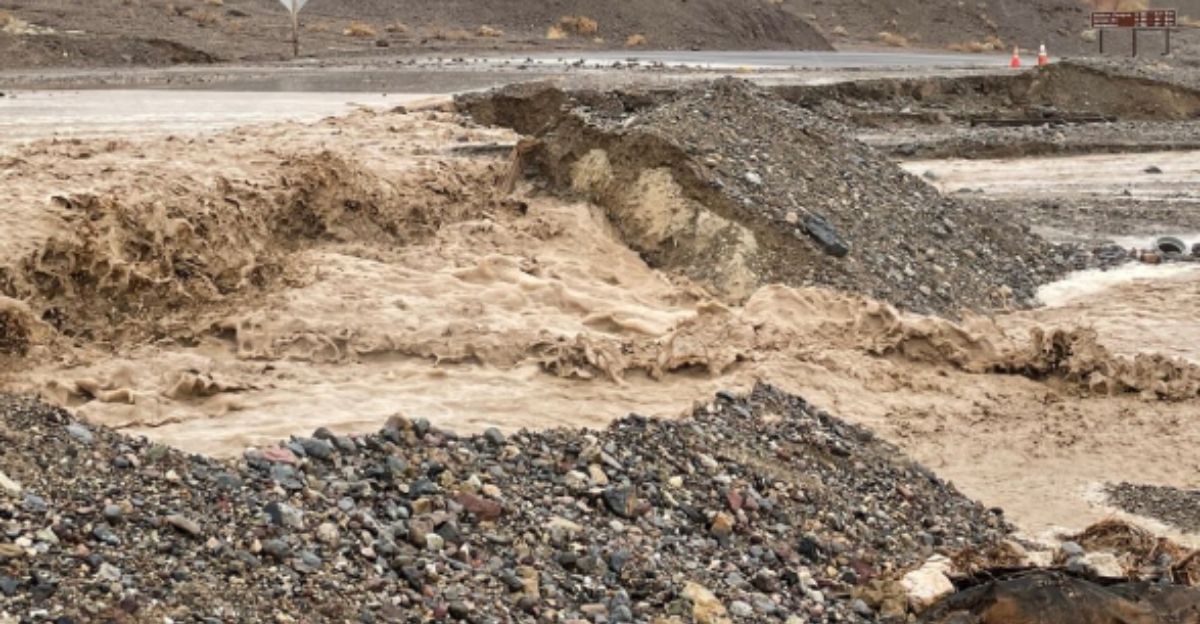
Flash floods carved new channels while temporary lakes formed where dry basins once existed. Roads were submerged, debris fields grew, and the iconic landscape was altered overnight. Asphalt disappeared, embankments collapsed, and infrastructure faced dramatic challenges. The desert’s permanent appearance was disrupted by water’s reshaping force.
This transformation highlighted nature’s power to reshape even ancient, stable environments.
Visitor Impact and Shelter
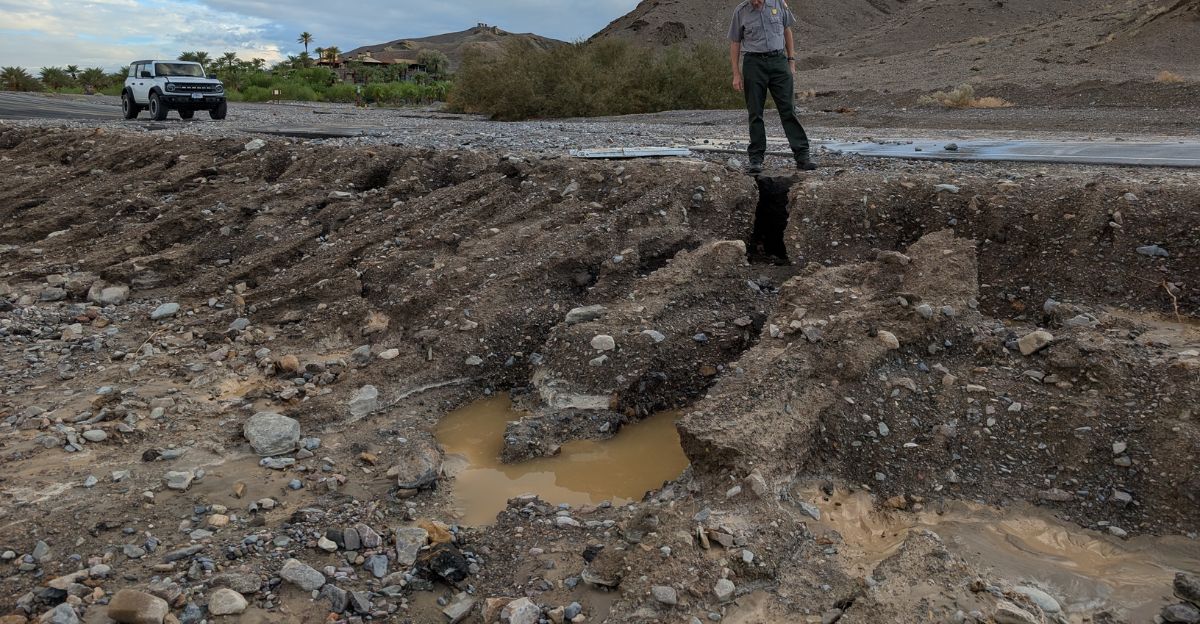
The flooding caused significant disruption to park access and visitor movements during the peak of the storm. Some visitors found themselves unable to leave immediately due to closed roads. Rangers worked around the clock to provide shelter and supplies, ensuring safety in remote conditions.
The event highlighted both the fragile balance of life in such environments and the dedication of park staff.
Infrastructure Under Siege
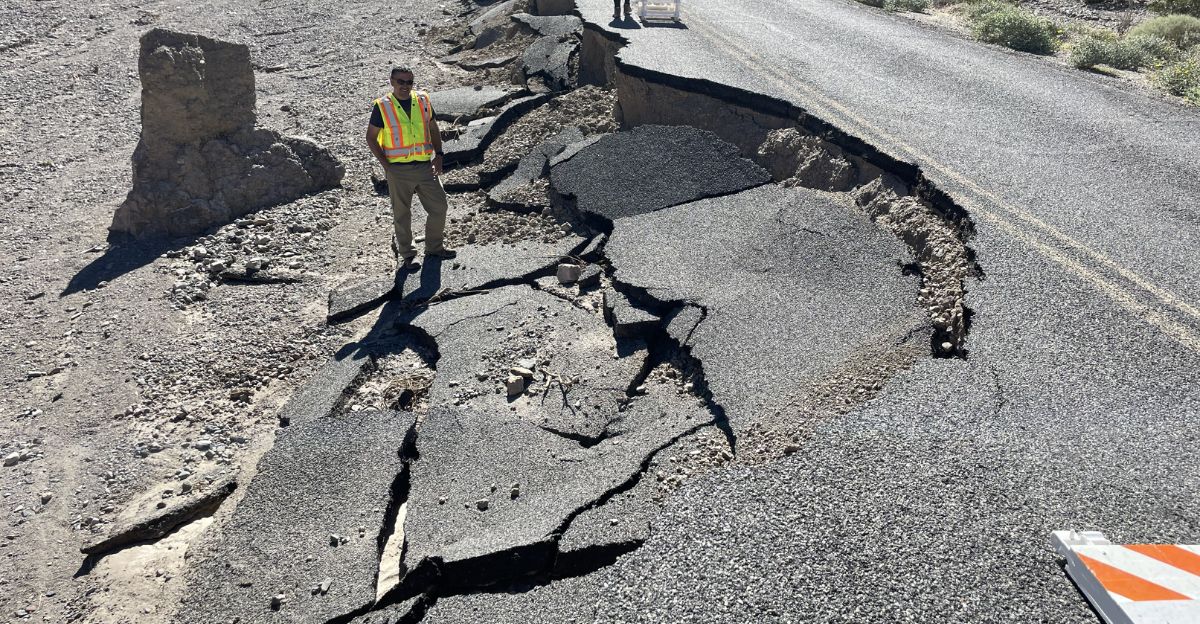
Death Valley’s infrastructure proved ill-prepared for such an extreme event. Iconic roads like Badwater Road and Artist Drive were left impassable. West Side Road and Salt Creek Road, essential access routes, were similarly affected. Park officials now face a significant challenge to rebuild and restore road access while adapting to an increasingly unpredictable environment.
The event raised critical questions about infrastructure resilience in national parks historically designed to withstand harsh conditions.
Road Reconstruction
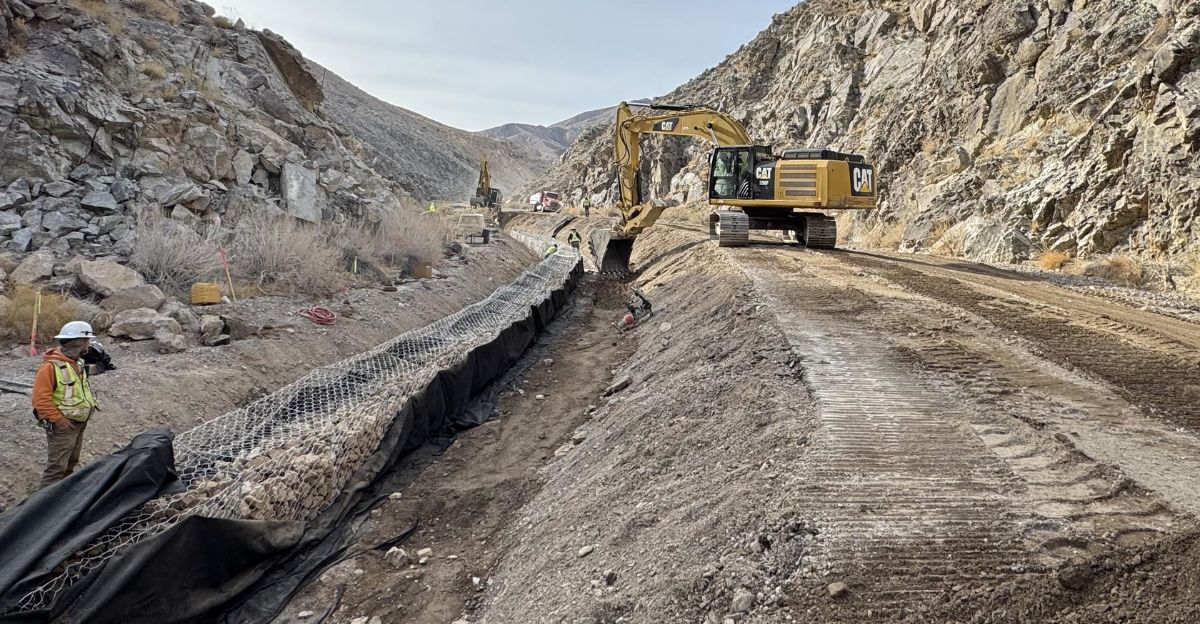
Engineering teams began assessing damage and planning repairs. Badwater Road, a vital artery in the park, is set to undergo extensive hydrological modeling to ensure future resilience. The U.S. Geological Survey is mapping flood flow patterns to identify areas requiring design changes. Park officials are working on comprehensive repair and restoration plans with timelines still being determined.
The challenge now is deciding whether to rebuild with traditional designs or adapt roads to climate reality.
Preparedness and Response
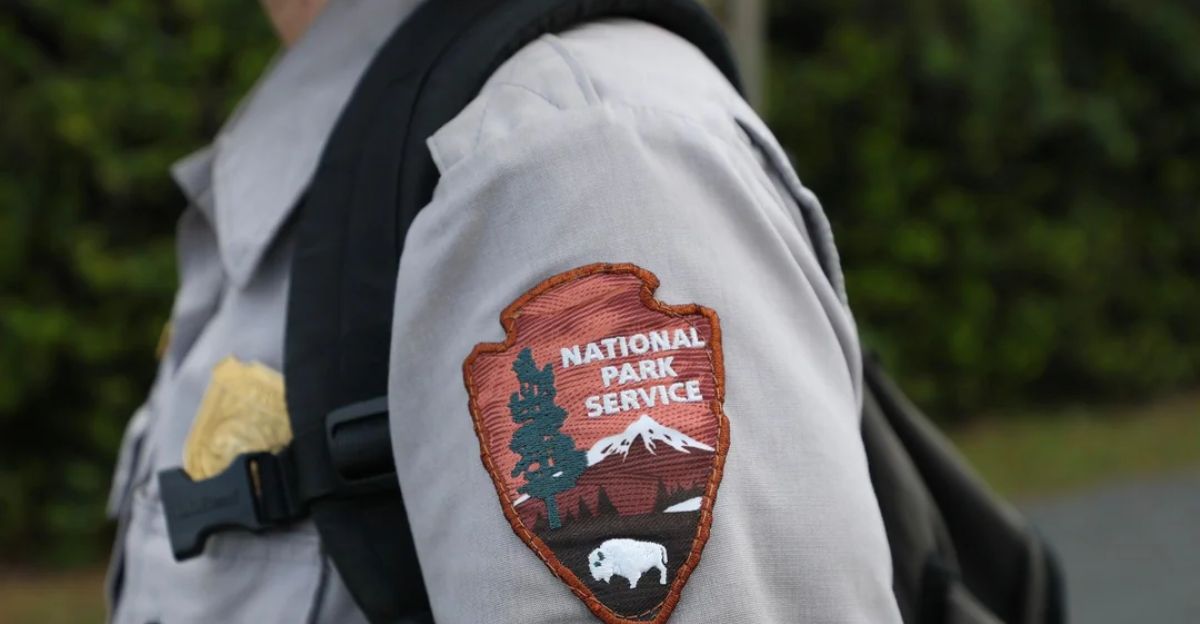
The storm’s aftermath highlighted tensions in communication and preparedness. Local officials argued they had insufficient time to mobilize resources, while the National Park Service defended its emergency response, stating all protocols were followed. This tension revealed the difficulty of managing disasters in remote, underfunded areas where federal and local coordination faces practical limits.
The incident prompted broader discussions about infrastructure funding and climate preparedness at all governance levels.
Ecological Recovery
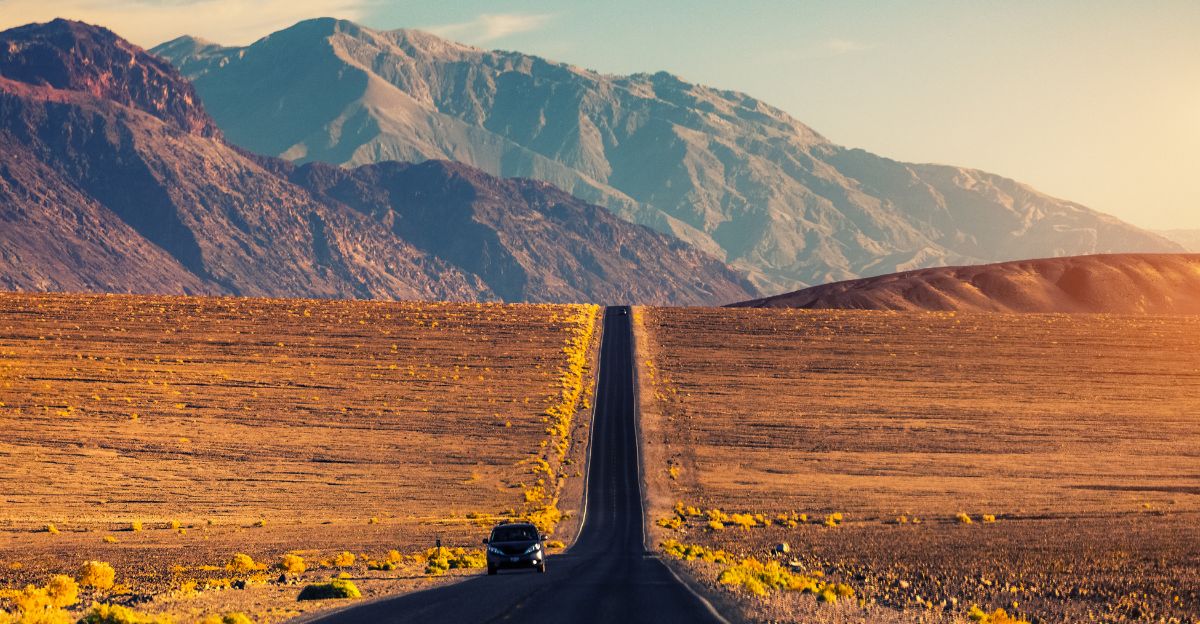
In the storm’s wake, seeds long dormant in Death Valley’s soil began to germinate, and life returned to the desert. Wildflowers, roadrunners, and bighorn sheep emerged, capitalizing on temporary water abundance. The possibility of a “superbloom” in 2026 is being discussed by ecologists and photographers as a potential consequence of the unprecedented moisture.
However, this revival carries risks—if rain doesn’t return, the desert may revert to its harsh state, leaving life vulnerable once again.
Environmental Concerns
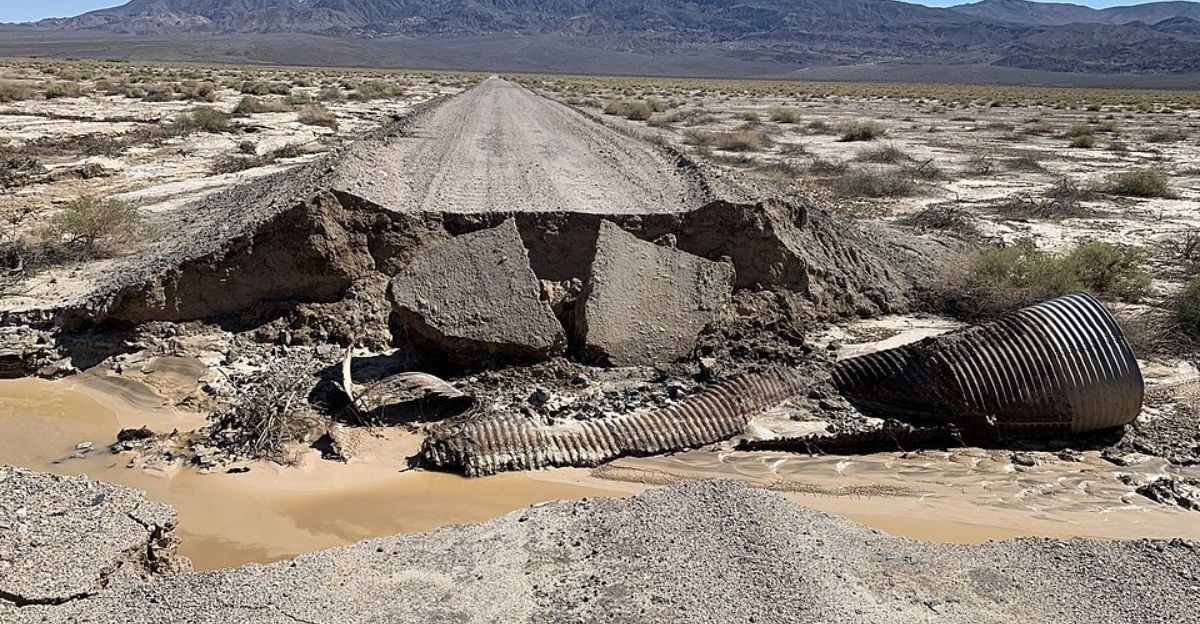
As floodwaters receded, environmental agencies investigated potential contamination. Abandoned mining operations around Death Valley raised concerns about heavy metal leaching affecting newly flowing water systems. Early samples showed elevated trace metals, but experts are confident the impact remains minimal due to rapid evaporation. Questions linger about invasive species spread and long-term ecological challenges.
The flooding has opened dialogue about how natural and human forces interact with these delicate environments.
Policy Implications
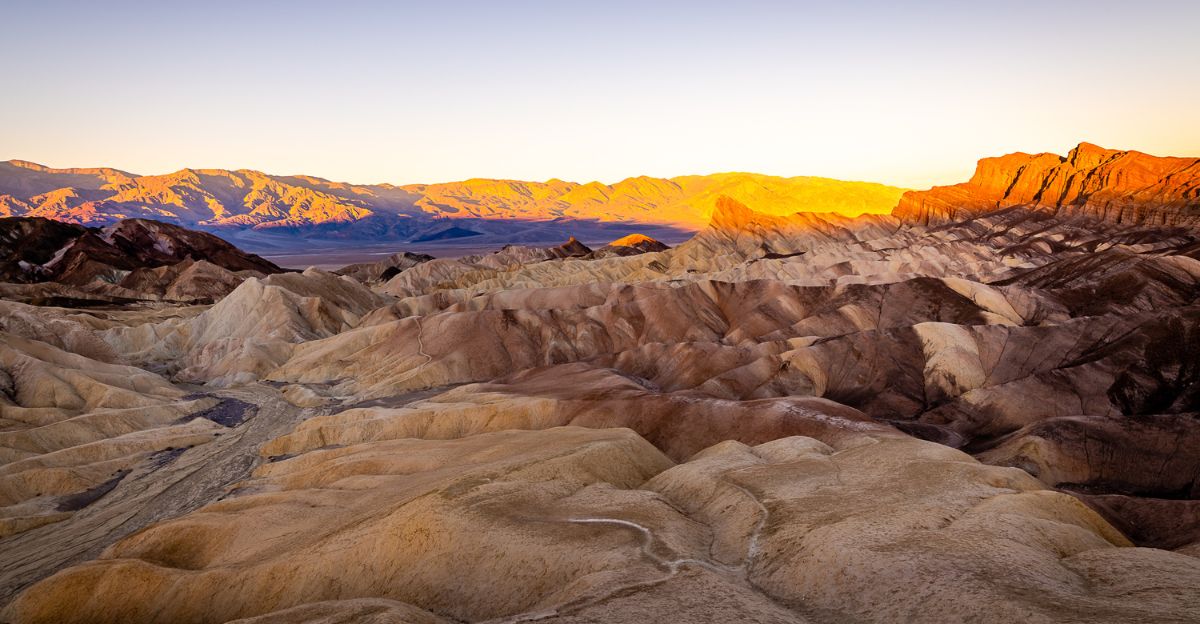
The flooding raised larger questions about climate adaptation policy. Environmental advocates argue for more funding to prepare national parks for extreme weather, while other voices question whether single events justify sweeping policy changes. Both sides have pointed to this flooding as evidence relevant to broader discussions about infrastructure resilience and climate preparedness in federal parks.
The storm underscored the need for adaptable approaches to climate change and infrastructure planning.
Global Context
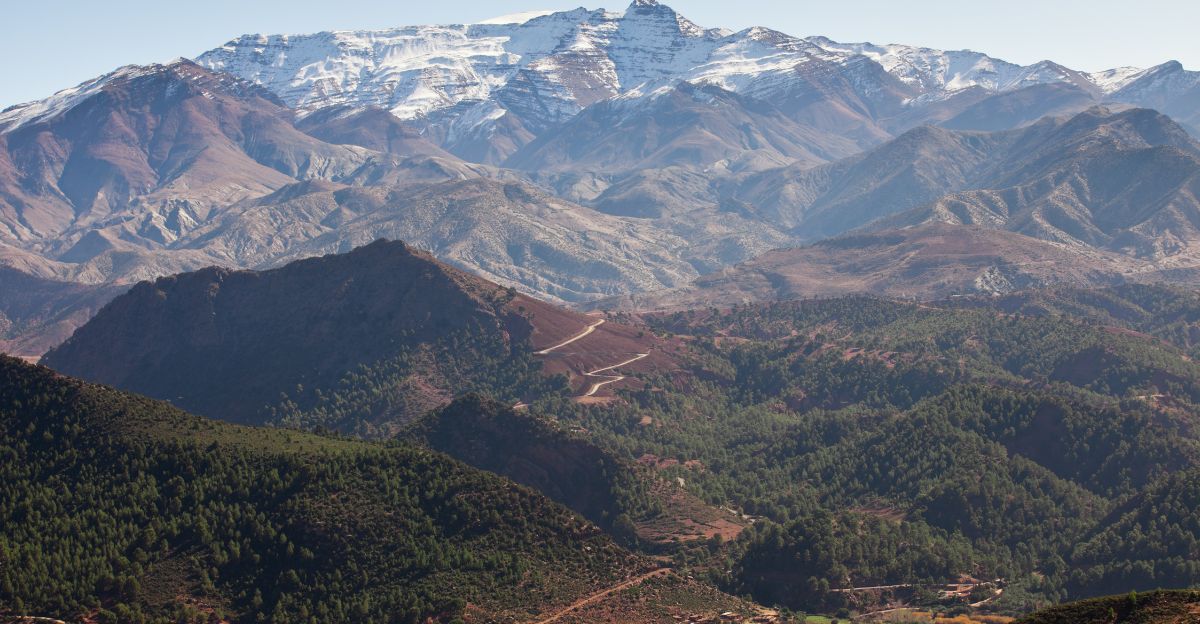
Death Valley’s experience is not unique. Desert regions worldwide from Morocco’s Atlas Mountains to Australia’s Outback are witnessing similar extreme weather events. For scientists studying global desert ecosystems, the 2025 storm serves as a critical data point, offering insights into how deserts cope with intensified precipitation. The event has become a case study in climate adaptation for international researchers.
Desert management faces crucial questions about how arid ecosystems will handle future weather extremes.
Perceptual Shift
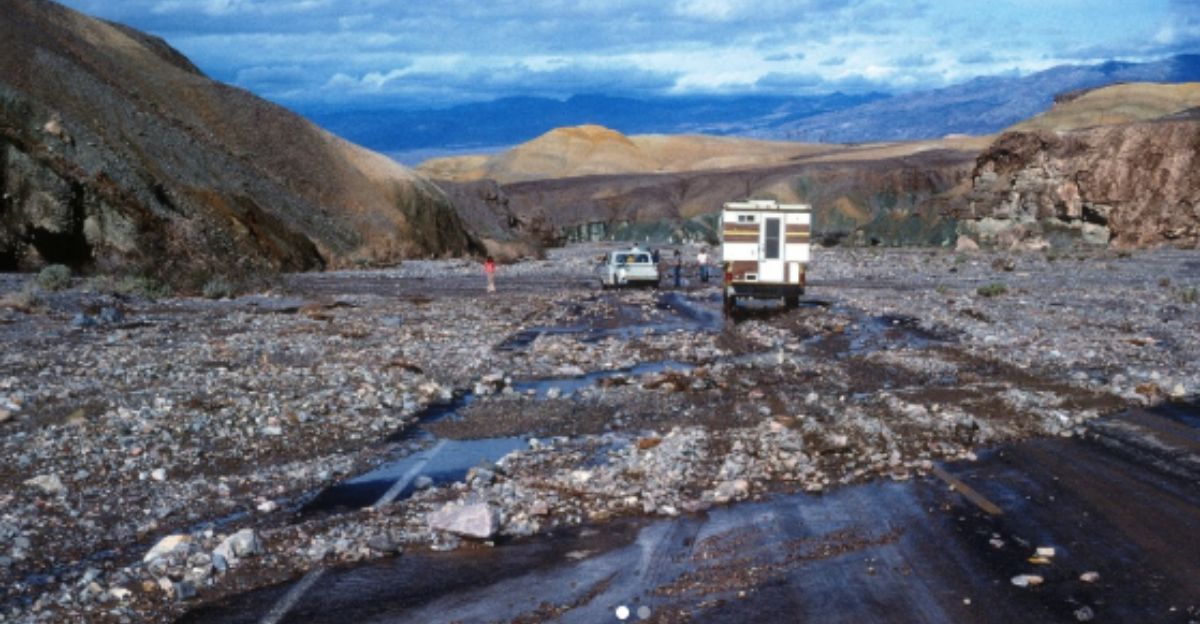
For locals and visitors alike, November 2025 reshaped perceptions of Death Valley. What was once a symbol of desolation became a testament to the desert’s resilience and adaptability. Social media images of lakes and wildflowers transformed Death Valley’s collective image from an empty wasteland to a dynamic ecosystem. The event sparked conversations about the desert as a constantly changing rather than immutable landscape.
For some, the storm highlighted fragility; for others, it emphasized the desert’s evolving nature.
Economic Uncertainty
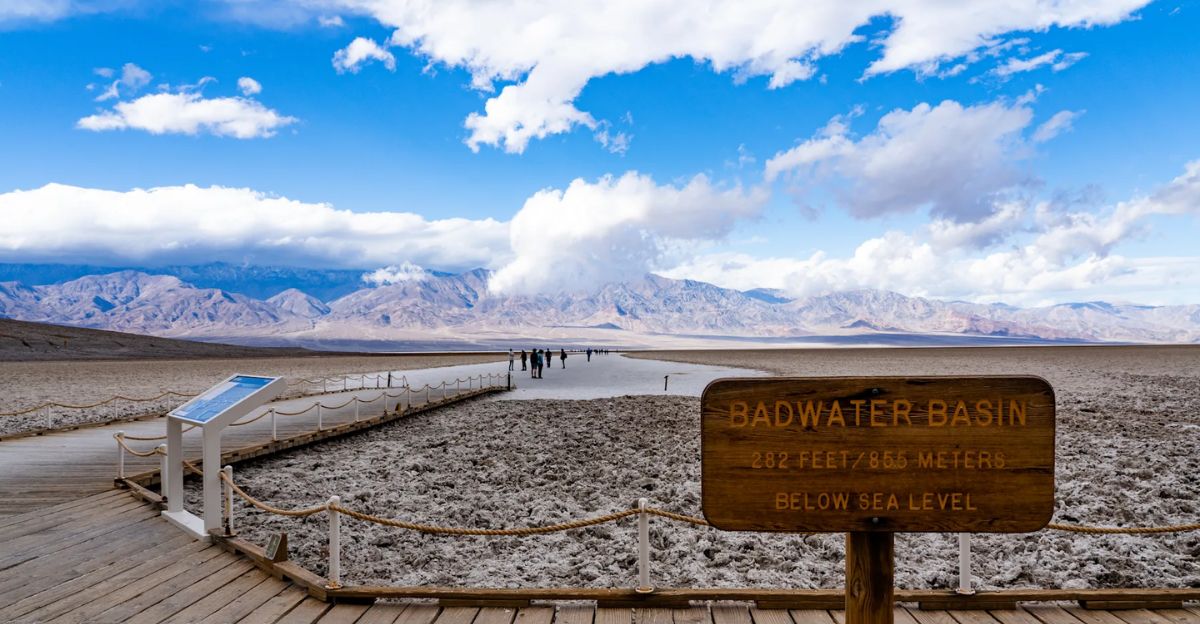
Death Valley’s tourism-dependent economy faces uncertainty after widespread damage. With roads closed, visitor numbers have plummeted and local businesses felt the impact. However, some entrepreneurs seized opportunities to offer tours of newly exposed geological features, and photographers prepared for a potential 2026 superbloom. Recovery will depend on infrastructure repair speed and tourism industry resilience.
The question remains whether the event will hurt visitation long-term or draw curious visitors to witness transformation.
Lasting Implications
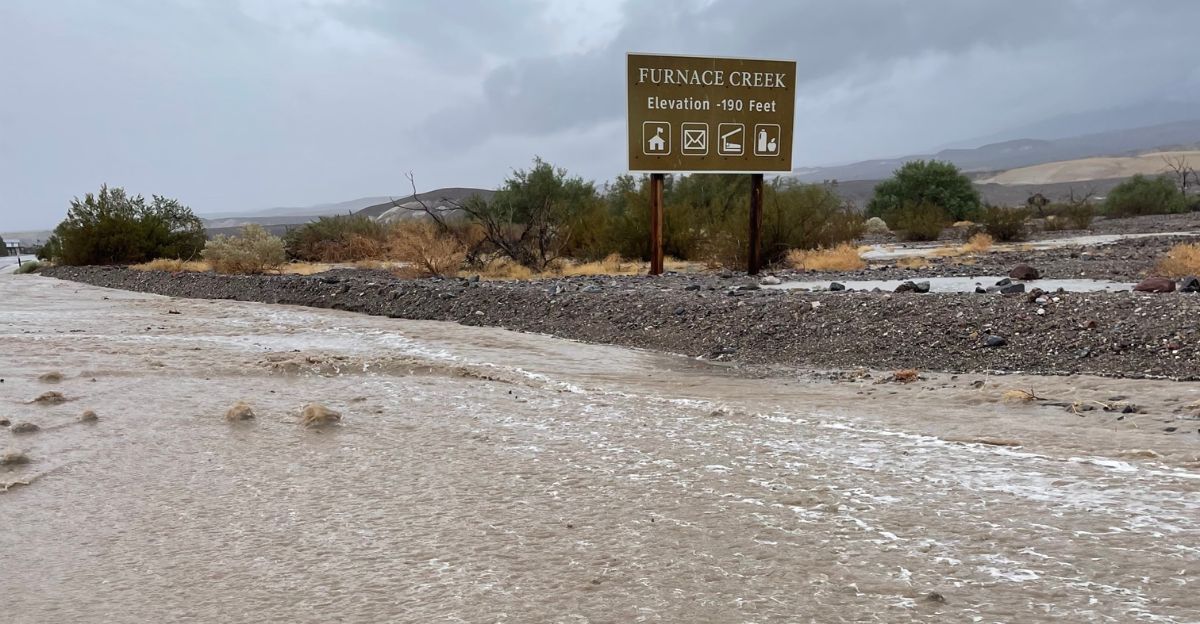
The November 2025 deluge stands as both a cautionary tale and data point in climate change study. The flooding exposed vulnerabilities in Death Valley’s infrastructure, triggered debates over climate adaptation policies, and challenged perspectives on iconic landscapes. As the region recovers, the event will be remembered for its broader implications about global climate adaptation.
The storm has acted as a wake-up call for policymakers, scientists, and the public about our changing world.
Sources:
Newsweek – California’s Death Valley breaks 115-year-old rainfall record
Published: December 1, 2025
Climate Judiciary Project – Michael F. Wehner profile
Published: January 31, 2025
Yahoo News – Death Valley National Park breaks century-old weather record
Published: December 2, 2025
IFlScience – Death Valley Sees 25 Percent Of Its Yearly Rainfall In A Single Day
Published: November 19, 2025
National Park Service – Alerts & Conditions, Death Valley National Park
Current information
NOAA/NWS – Weather and Climate of Death Valley National Park
Official documentation