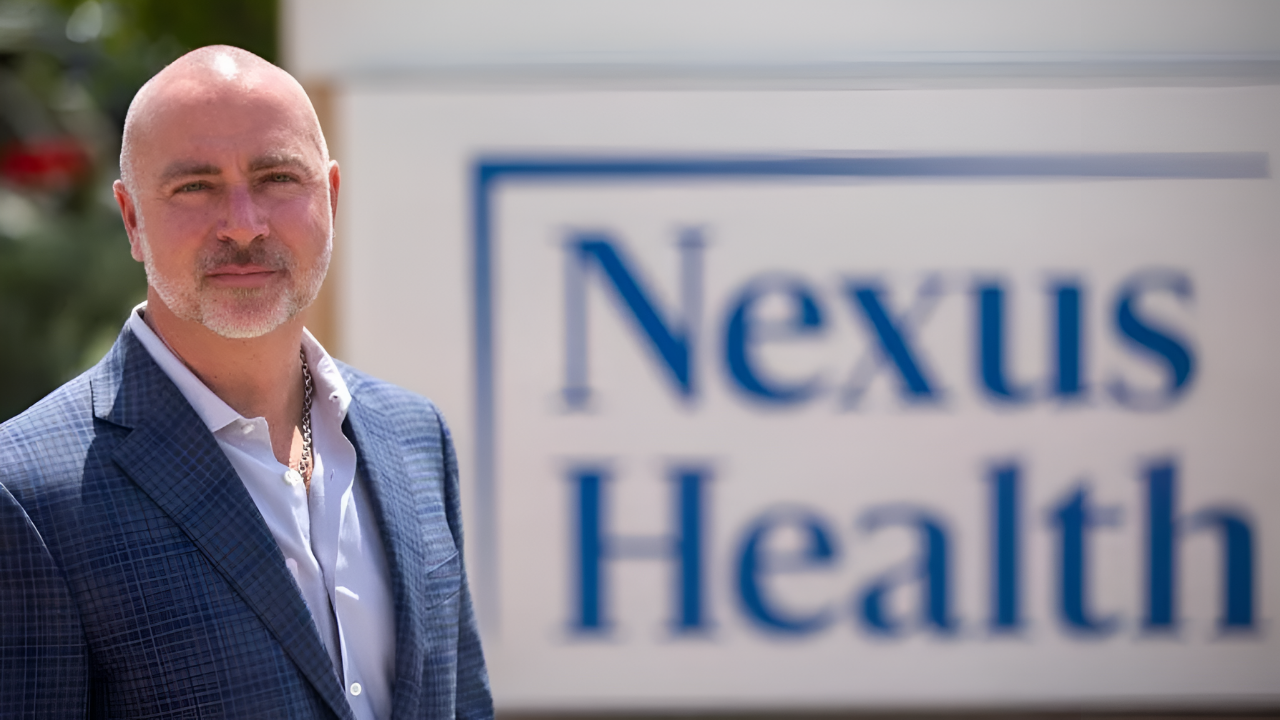
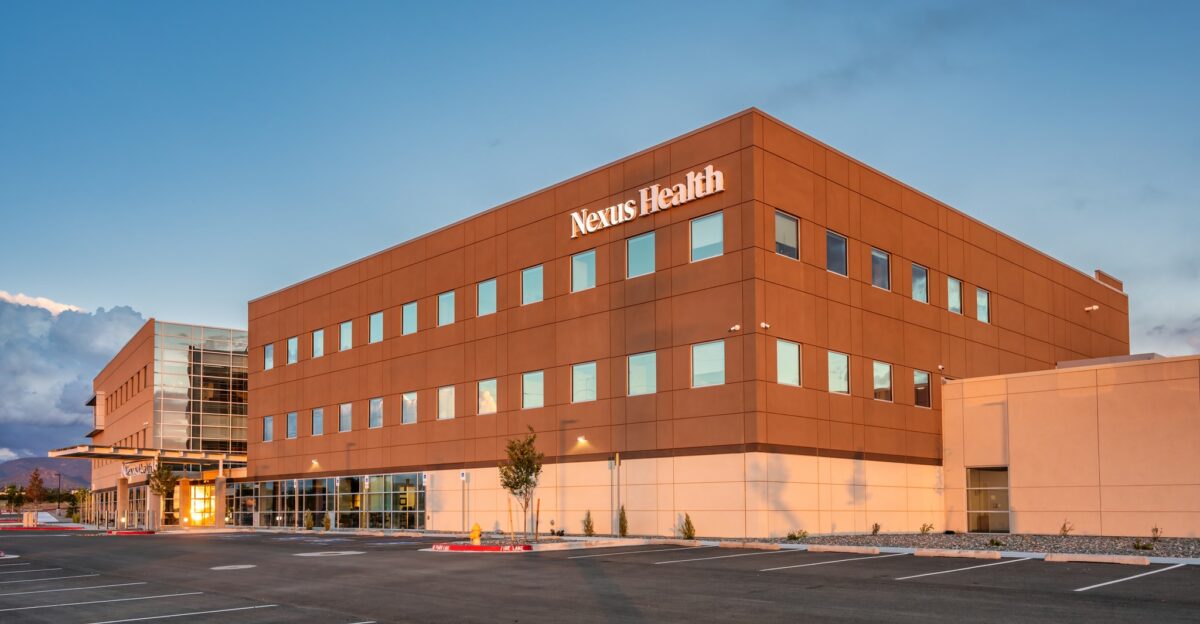
A $116 million state-of-the-art healthcare facility in Santa Fe, just 14 months old, abruptly shut its doors on November 25, 2025. Patients who had relied on the facility for life-saving treatments, including cancer care, were left stranded, scrambling for alternatives.
Surgeries were canceled, and emergency calls flooded the region’s largest hospital. In the span of hours, what was supposed to be a cutting-edge healthcare hub turned into a ghost clinic. But what went wrong, and why did it all end so soon? The answers reveal a deeper crisis brewing in New Mexico’s healthcare system.
The Investment Deal Collapse

On November 24, 2025, negotiations between Nexus Health and Rubicon Founders, a Nashville-based healthcare investment firm, collapsed after Rubicon declined to pursue a partnership. According to Dr. Scott Herbert, Nexus Health’s president, Rubicon’s decision stemmed from concerns that the New Mexico market was insufficiently large to yield a satisfactory return on investment.
Nexus Health and McKesson, the company that funded the facility, had mutually agreed that if a deal with Rubicon was not finalized by November 25, both parties would begin winding down operations. Within hours, surgeries were canceled, and patients scrambled for new care options. This swift move has left the region’s healthcare landscape uncertain, signaling potential investment risks for smaller markets.
The Impact on Cancer Patients
Cancer patients at the facility were hit hardest. Chemotherapy treatments, radiation sessions, and vital surgeries were abruptly canceled, leaving many in critical condition without care. For these patients, treatment delays could be life-threatening.
Tom Quaid, a patient with a scheduled knee surgery, described the disruption as profound, illustrating the devastating effect on those in urgent need of medical services.
Christus St. Vincent Overwhelmed
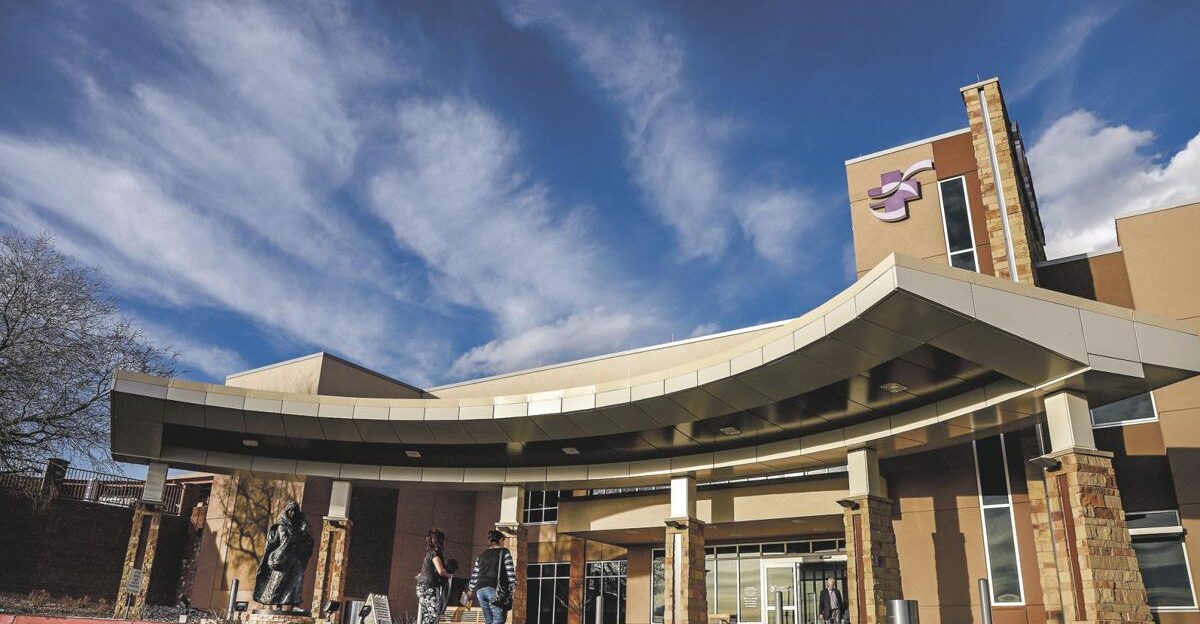
The closure left Christus St. Vincent Regional Medical Center scrambling to handle the overflow of patients. Over 400 additional calls were received as displaced patients sought emergency care.
This surge in demand could overwhelm the already stretched hospital system, forcing them into difficult triage decisions while facing staff shortages. Local healthcare providers are grappling with how to handle the sudden influx of new patients.
Jobs at Risk Before the Holidays
Nexus Health clinic’s approximately 175 employees face uncertainty just before Christmas, with layoffs imminent. The timing could not be worse, as many workers relocated to Santa Fe specifically for Nexus Health’s opportunities.
Severance packages and benefits information have yet to be disclosed, leaving employees in limbo as the closure countdown begins. The holidays only add to the emotional and financial strain of an unexpected job loss.
Economic and Development Impact
Dr. Herbert is involved in a planned mixed-use development adjacent to the clinic location, situated in the Los Soleras area just west of the Beckner Road facility. The project is set to include a 330-unit apartment complex, retail spaces, one or two restaurants, and potentially a bank.
Herbert emphasized that a portion of the apartment units would be offered at affordable rates to assist with housing costs, particularly for Nexus employees, one-third of whom commute to Santa Fe due to the region’s high cost of living. The clinic’s closure now jeopardizes this planned development.
Provider Rivalries Contribute to the Collapse
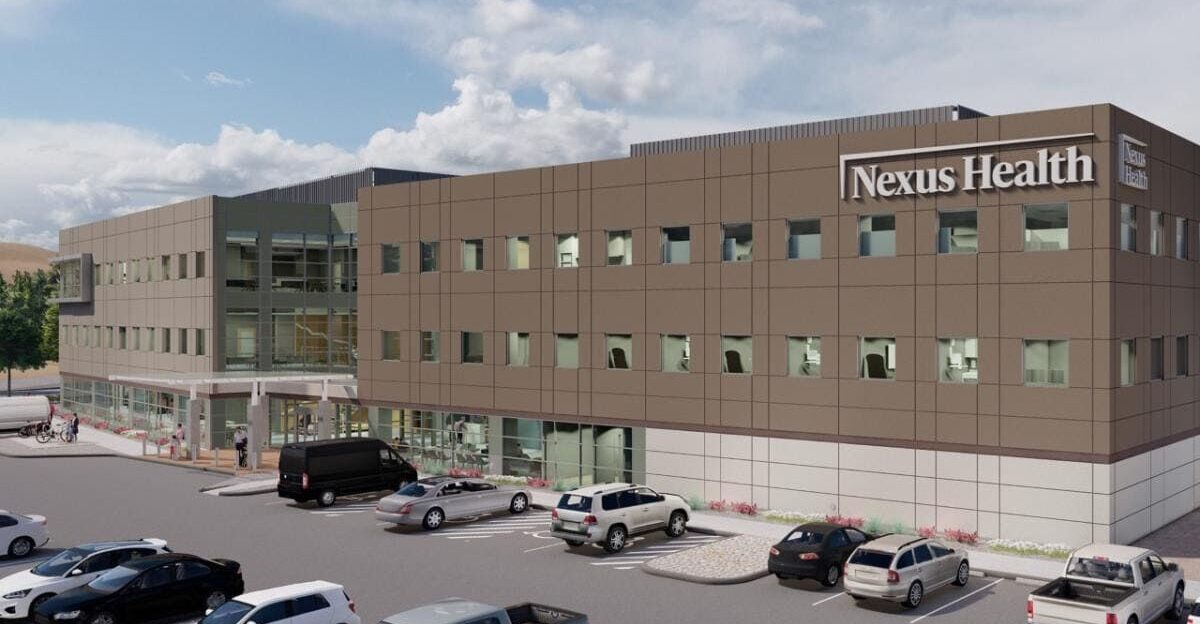
Long-standing tensions between Nexus Health and Christus St. Vincent played a significant role in the clinic’s downfall. Disputes over hospital privileges and accusations of competitive practices from both sides led to a hostile healthcare environment.
In 2024, Christus St. Vincent revoked hospital privileges for two orthopedic surgeons and three pain management specialists affiliated with Nexus. An infectious disease specialist aligned with Nexus was denied privileges in June. These provider wars undermined Nexus’s credibility and operational viability.
McKesson’s Role Remains Unclear
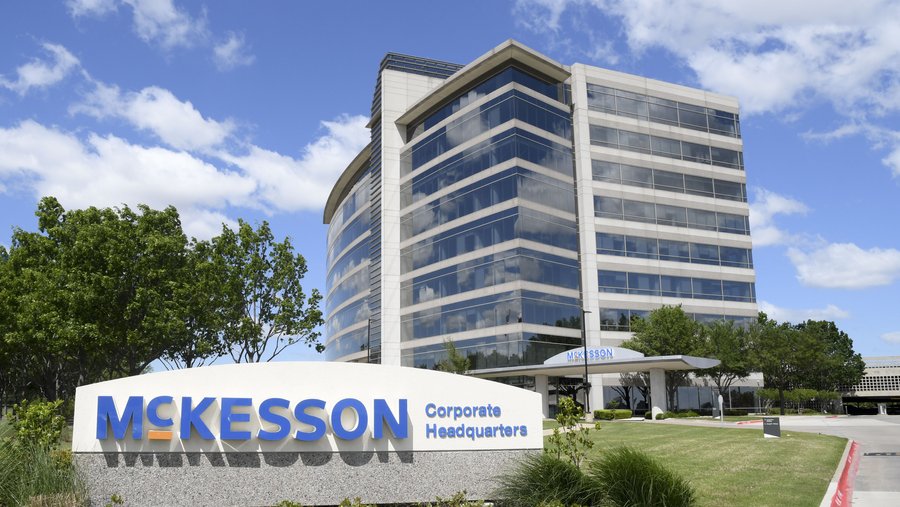
While McKesson provided the $116 million in funding for Nexus Health’s facility, its exact role in the closure process is complex. McKesson characterized Nexus Health as an independently owned practice and directed inquiries back to Nexus.
The company’s involvement in the “mutual agreement” to shut down the clinic raises questions about its liabilities and responsibilities. As the facility’s future remains uncertain, the financial and real estate outcomes are still to be determined.
Private Equity’s Dominance in New Mexico

New Mexico’s healthcare system is heavily influenced by private equity, with 36% of hospitals under investment firm control.
The collapse of Nexus Health, backed by Rubicon Founders, highlights how quickly these firms reassess when financial expectations shift. The closure serves as a stark reminder of the volatility and risks involved in private equity-driven healthcare ventures.
Healthcare Access Crisis Deepens
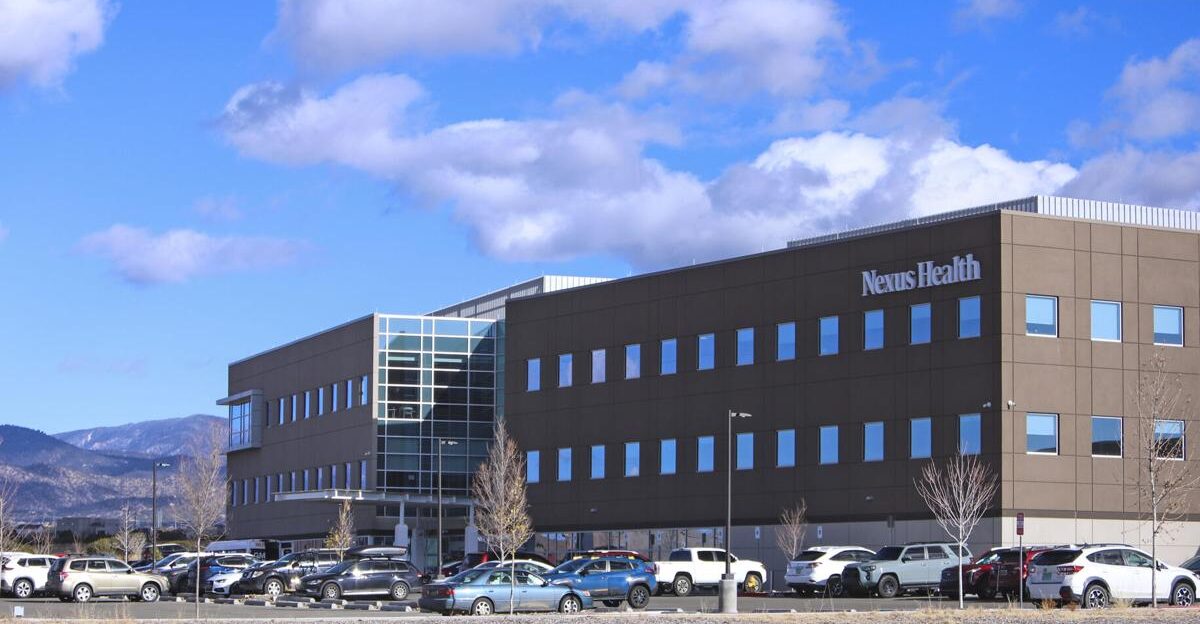
The Nexus closure exacerbates an already struggling healthcare system in Northern New Mexico. Facilities in nearby areas, like Alta Vista Hospital, have also closed critical units, worsening access to essential services like maternity care and intensive care.
With Nexus Health now gone, the region faces even greater gaps in healthcare services, making it harder for residents to access the care they need.
Loss of Clinical Trials Access

Nexus Health had established a vital partnership with the Sarah Cannon Research Institute to provide local cancer patients with access to cutting-edge clinical trials.
With the clinic’s closure, these patients now face the difficult choice of traveling to larger cities or out-of-state for potentially life-saving treatments. The loss of local trial access is a devastating blow for those with advanced cancer diagnoses.
Physician Brain Drain Accelerates

The closure of Nexus Health triggers a physician brain drain as specialists—many recruited specifically for the clinic—are now forced to relocate or find positions elsewhere.
This outflow of talented professionals deepens the healthcare worker shortage in the region. With more medical professionals leaving, New Mexico faces even greater challenges in rebuilding its healthcare infrastructure.
Legislative Response Arrives Too Late

Despite recent legislative efforts in New Mexico to oversee healthcare consolidation, the closure of Nexus Health highlights the lag in protective regulations.
State laws intended to prevent such disasters, like the Health Care Consolidation Oversight Act, couldn’t prevent the facility’s closure because Nexus Health opened just before the laws were strengthened. More proactive measures are needed to safeguard healthcare facilities in the state.
Final Wrap-Up

Nexus Health’s $116 million flagship clinic, just 14 months old, closes after Rubicon Founders declined to finalize an investment deal. With thousands of patients displaced and approximately 175 employees facing layoffs, the collapse sends shockwaves through Santa Fe’s healthcare system.
From cancer patients losing critical treatment access to the loss of planned affordable housing development, the fallout from this closure will be felt for years to come.
Sources:
Santa Fe New Mexican Investigative Reporting (November 26 – December 1, 2025)
Georgetown Center for Health Insurance Reforms Legislative Analysis (September 9, 2025)
Progress Now New Mexico and Private Equity Stakeholder Project Analysis (July-August 2025)