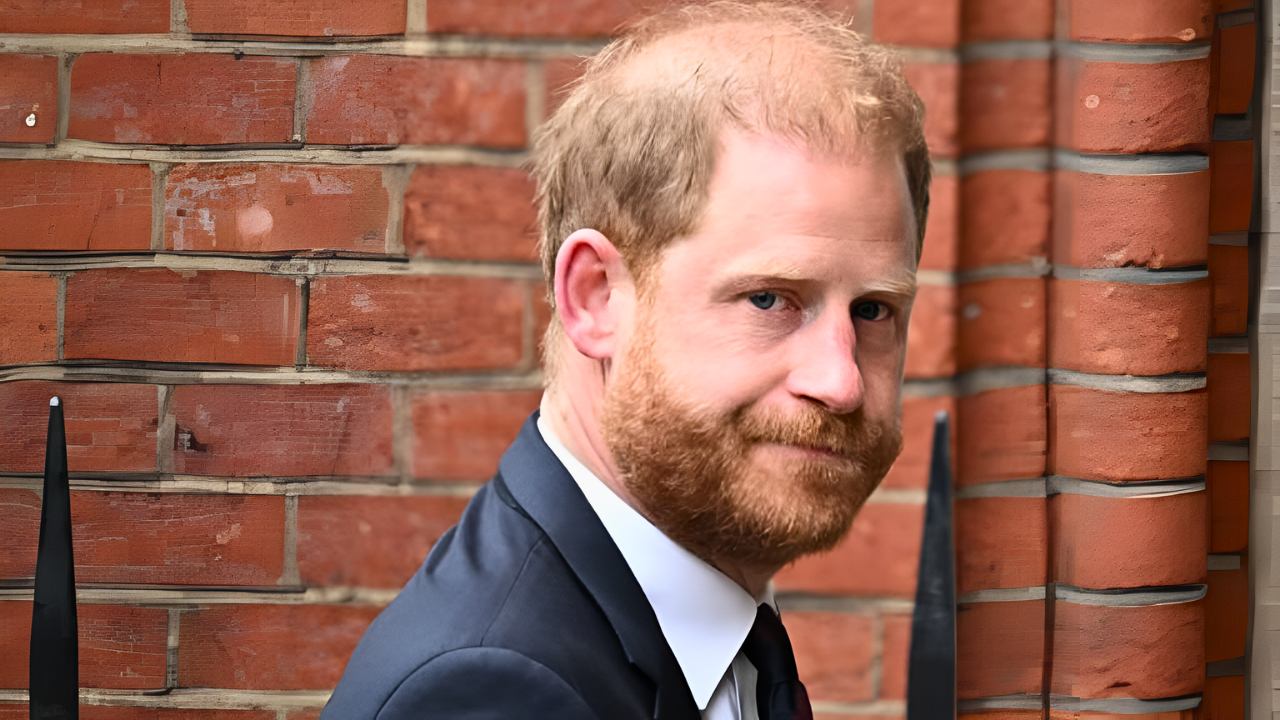
When UK attorney Mark Stephens sized up the courtroom scorecards, he delivered an unexpected verdict: Donald Trump has dethroned Prince Harry as litigation’s heavyweight champion. “Prince Harry may have flirted with the courts,” Stephens told Newsweek, “but Donald Trump has moved in, redecorated, and claimed squatters’ rights.”
The comparison shocked royal observers and media law experts alike. What started as a quiet legal observation became the year’s most striking power-player comparison.
Two Titans, Different Wars
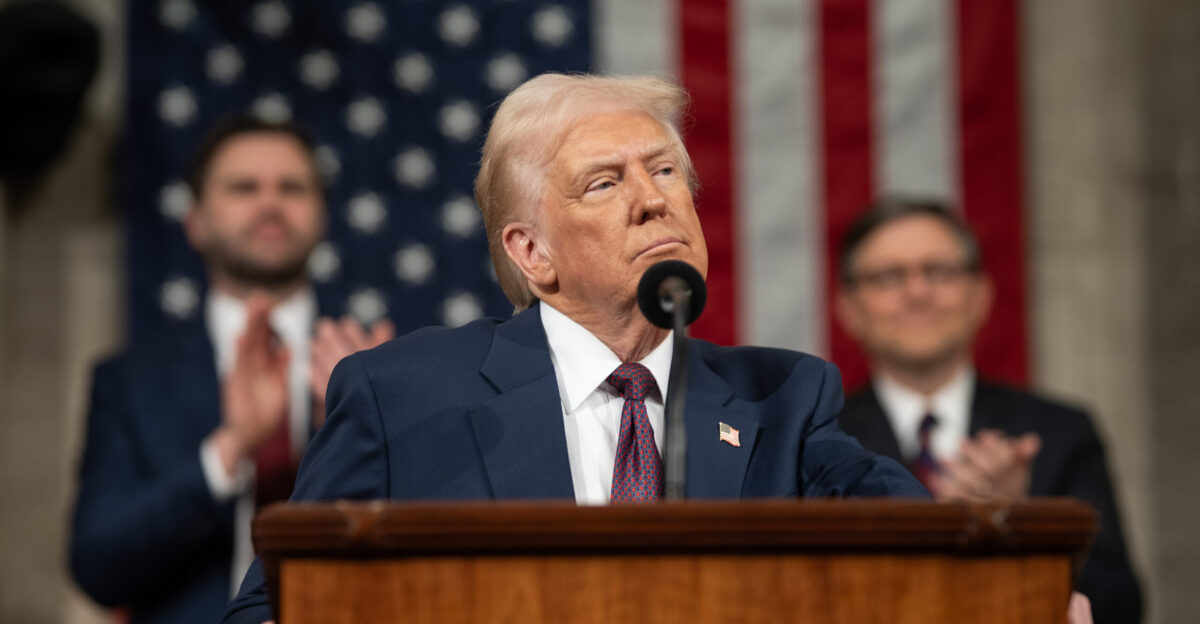
Both men have weaponized the courts, but their battlefields differ dramatically. Harry fights for privacy protection and personal safety, targeting publishers accused of decades of illegal surveillance spanning three decades. Trump sues media outlets he perceives as hostile, seeking to punish unfavorable coverage and extract massive financial settlements.
Their objectives couldn’t be more different; yet, both have reshaped how influential figures utilize the legal system.
Harry’s Privacy Crusade Begins
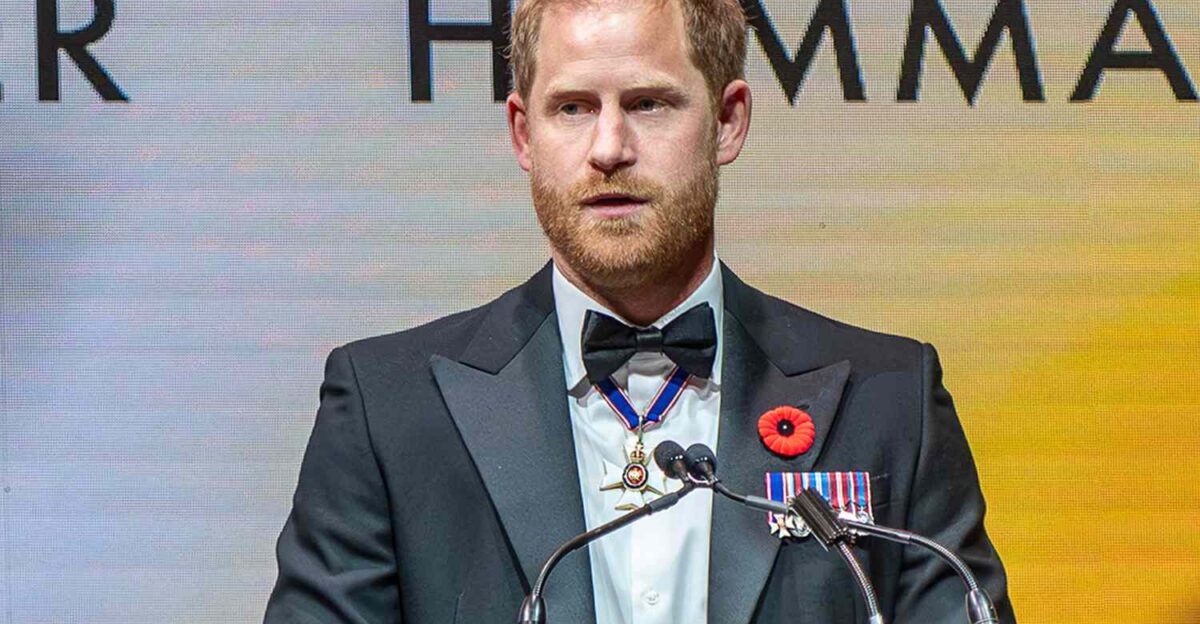
When Prince Harry and Meghan Markle moved to California in 2020, they lost their taxpayer-funded police protection—a decision that launched Harry into multi-year battles. He argued the withdrawal singled him out unfairly and endangered his family.
The UK Court of Appeal rejected his case in May 2025, a devastating loss. But his fight wasn’t over; it was just shifting focus to the British tabloids he blamed for his trauma.
The Daily Mail Showdown

Harry joined six household names—Sir Elton John, actress Liz Hurley, Sadie Frost, and others—in suing Associated Newspapers Limited, publishers of the Daily Mail. The allegations are explosive: private investigators allegedly planted listening devices in homes and cars, wiretapped phones, bribed police officers, and illegally accessed medical records dating back decades.
The claimants describe themselves as “victims of abhorrent criminal activity and gross breaches of privacy.” A pre-trial hearing in late November addressed procedural matters ahead of the early 2026 trial.
Daily Mail Fights Back

Associated Newspapers “vehemently denies” all allegations, calling them “preposterous smears” with no credible evidence. The publisher’s lawyers describe the claims as “unsubstantiated” and have applied to have portions struck from the record.
However, complications are emerging—a private investigator’s confession of hacking may have been fabricated, potentially undermining key evidence. The case is shaping up to be one of Britain’s most complex privacy trials.
Trump’s Media Assault Begins
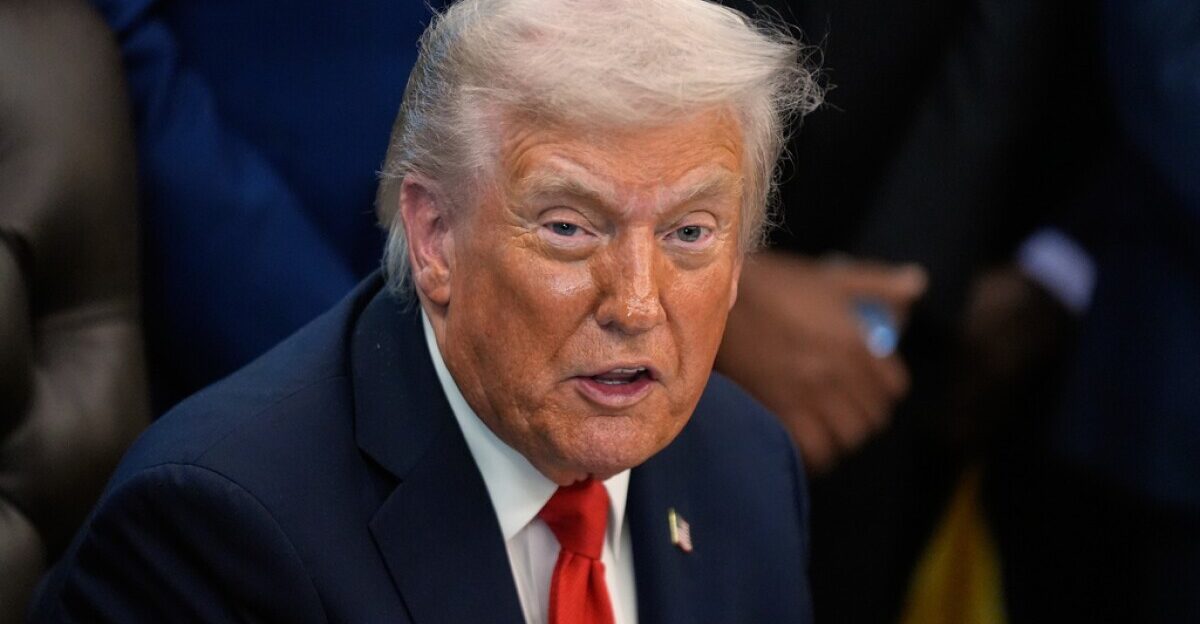
Since 2024, President Trump has launched an aggressive legal campaign against major American media outlets, including ABC, CBS, The New York Times, and The Wall Street Journal, among others. The lawsuits seek billions in damages, alleging defamation and biased coverage.
Media-law experts describe it as the most sustained legal offensive against the press by any sitting president in modern history. His strategy is simple: sue big, settle bigger, and reshape press freedom itself.
ABC’s Quiet Capitulation
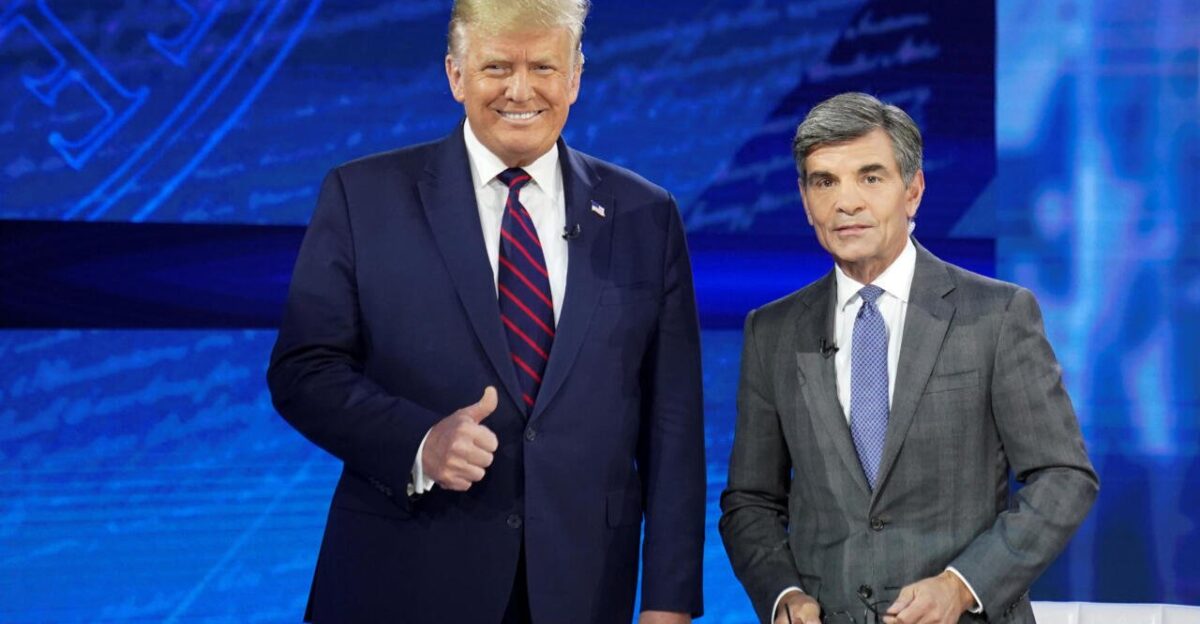
In December 2024, ABC News settled Trump’s defamation lawsuit for $15 million. The dispute stemmed from anchor George Stephanopoulos incorrectly stating Trump had been found “liable for rape” in an E. Jean Carroll case—a factual error during broadcast.
ABC issued a statement of regret and covered $1 million in Trump’s legal fees. The quiet settlement sent shockwaves through newsrooms, signaling that major networks might be forced to fold under legal pressure.
CBS’s Stunning $16 Million Capitulation
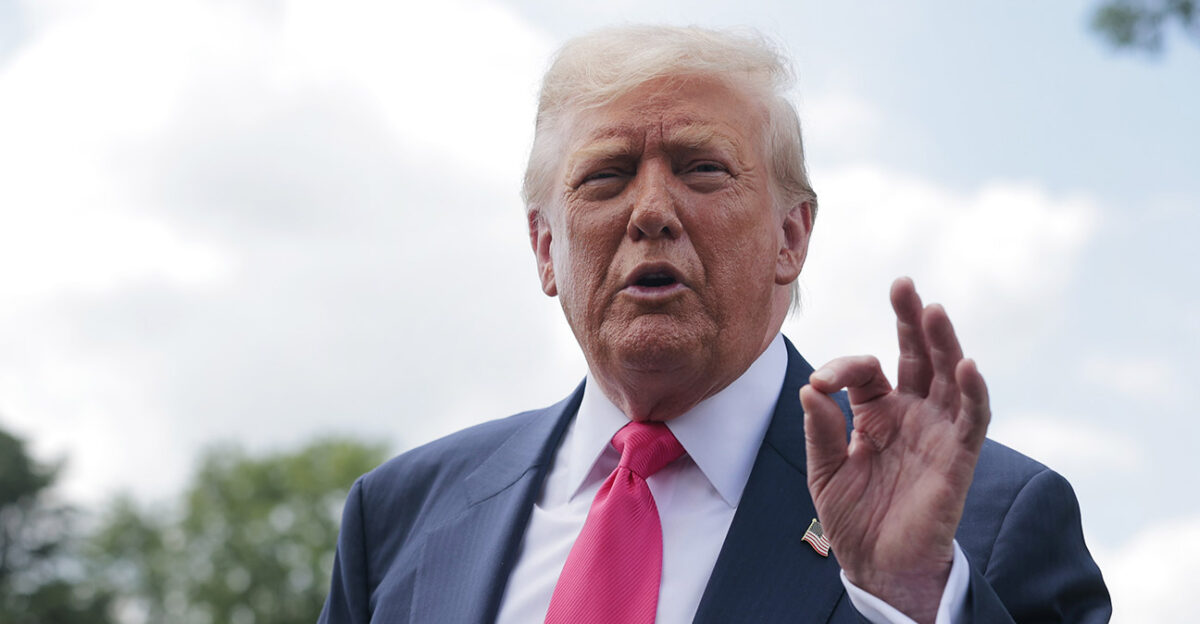
Months later, in July 2025, Paramount Global settled Trump’s lawsuit over a “60 Minutes” interview with then-Vice President Kamala Harris for $16 million. Trump accused CBS of deceptive editing—claims the network disputed.
The settlement included no apology, but the timing raised red flags: Paramount was seeking FCC approval for an $8.4 billion merger with Skydance, a deal that required the Trump administration’s sign-off. Journalists referred to it as coercion through legal pressure.
The $15 Billion New York Times Bombshell
In September 2025, Trump filed a $15 billion lawsuit against The New York Times, alleging the paper acted as a “mouthpiece” for the Democratic Party. He accused The Times and several reporters of decades of defamatory coverage aimed at undermining him.
A federal judge initially dismissed the complaint for procedural errors, but Trump’s legal team refiled an amended version in October 2025. The case remains active and threatens decades of precedent.
Wall Street Journal in the Crosshairs
Trump filed a $10 billion lawsuit against The Wall Street Journal in July 2025, claiming the paper defamed him by reporting on a birthday letter allegedly sent to convicted sex offender Jeffrey Epstein. Trump calls the letter “fake” and accuses The Journal and its owner, Rupert Murdoch, of ethical failures.
The Journal defended its reporting and vowed to fight vigorously. The lawsuit represents an escalation of legal warfare against major news institutions.
The Scorecard: $31 Million and Counting
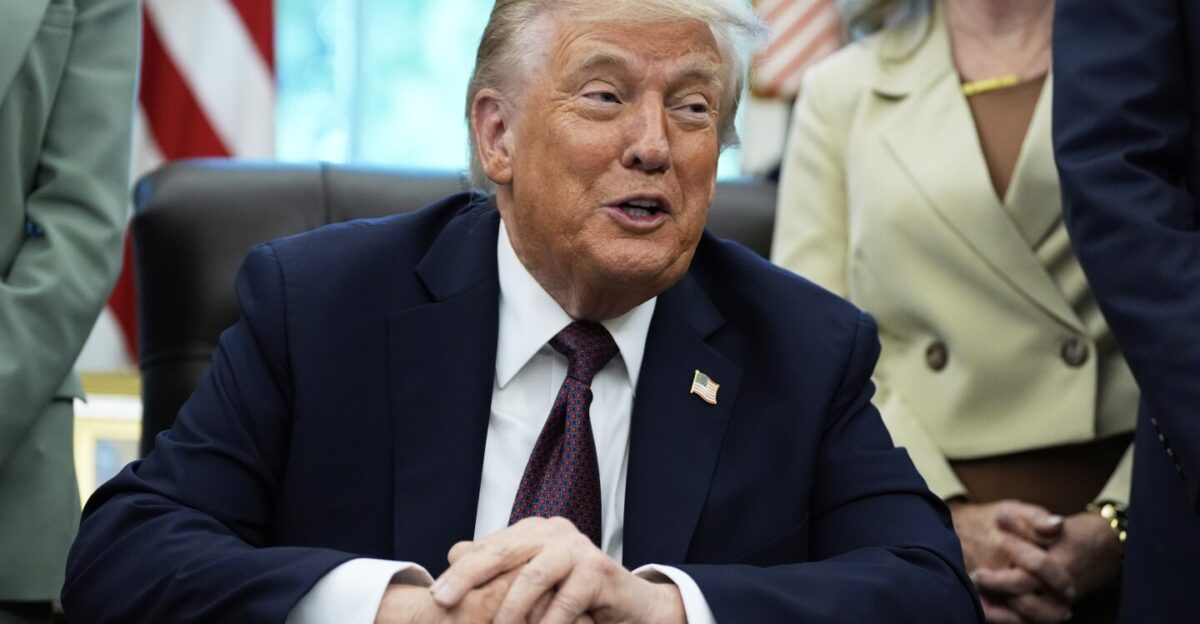
Trump’s media lawsuits have already yielded $31 million in settlements—$15 million from ABC, $16 million from CBS. But his ambitions stretch far higher: $15 billion from The New York Times and $10 billion from The Wall Street Journal.
If even a fraction of these cases succeed, Trump will have fundamentally altered how influential figures use litigation against the media. His strategy: weaponize the courts to silence criticism and extract unprecedented payouts.
Harry’s “Amateur League” Approach
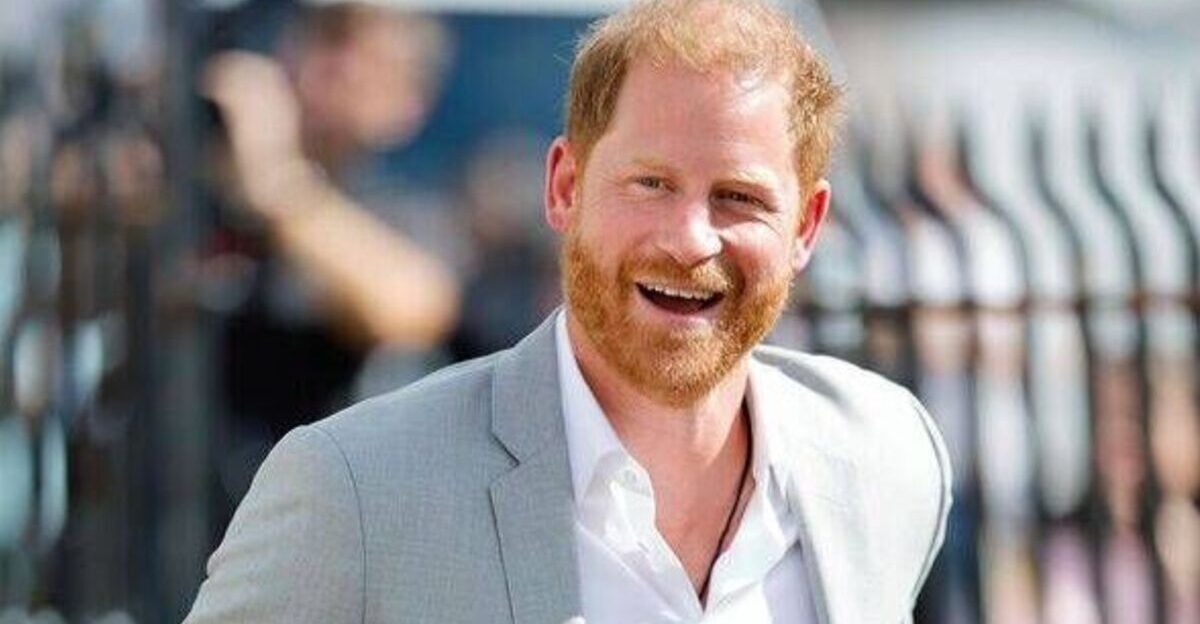
According to Stephens, Harry’s lawsuits are “a bit like a royal garden party—occasional and well-mannered, with cucumber sandwiches.” His fight centers on principle: privacy, safety, and accountability for alleged illegal surveillance.
He’s won before—a £140,600 settlement against Mirror Group Newspapers in December 2023, and a settlement with News Group Newspapers in January 2025. But compared to Trump’s relentless legal machine, Harry remains in a different league entirely.
Trump’s “Premiership” Playbook
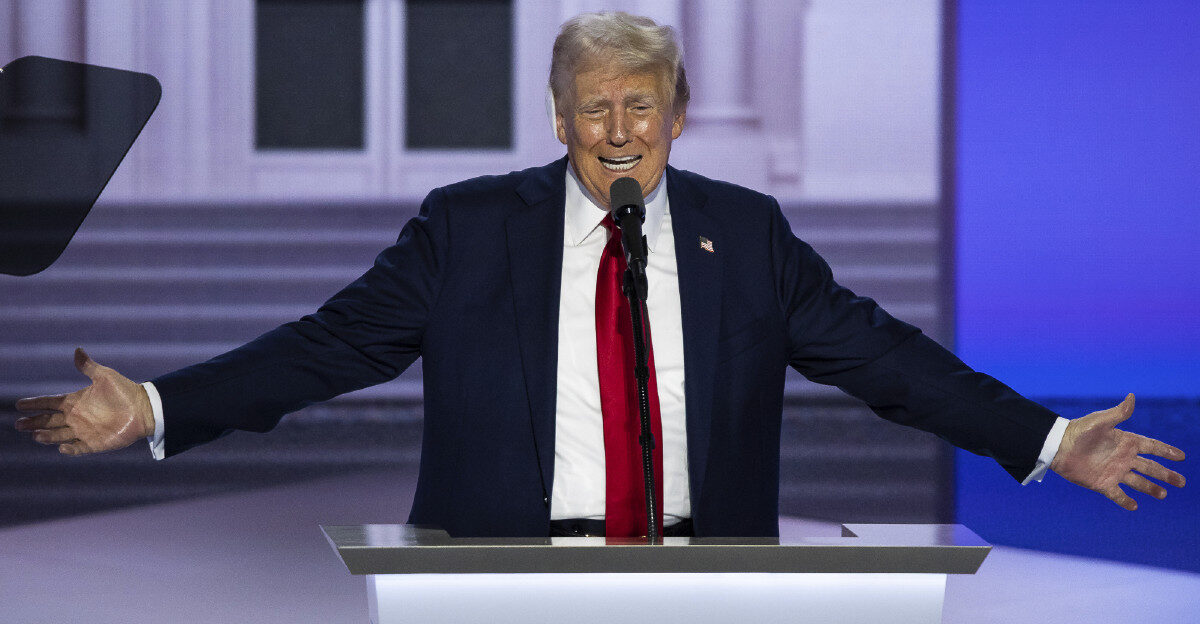
Trump’s approach resembles “a baker’s buffet—endless, messy, burger-ridden, and everyone leaves feeling a little worse for wear,” Stephens notes. He doesn’t fight for privacy or principle; he fights for dominance, using lawsuits as leverage to punish media outlets, extract settlements, and reshape the relationship between influential figures and the press.
His strategy has prompted warnings that he could fundamentally alter press freedom in America for years to come.
The Chilling Effect on Journalism
The ABC and CBS settlements have sent tremors through newsrooms worldwide. Journalism advocates warn of a “chilling effect” on press freedom—when influential figures extract eight-figure payouts from major networks, editorial decisions may start prioritizing legal risk over newsworthiness.
The implications are profound: will news organizations report aggressively on influential leaders, or will fear of bankrupting lawsuits force self-censorship? The answer could reshape American journalism for generations.
What Comes Next
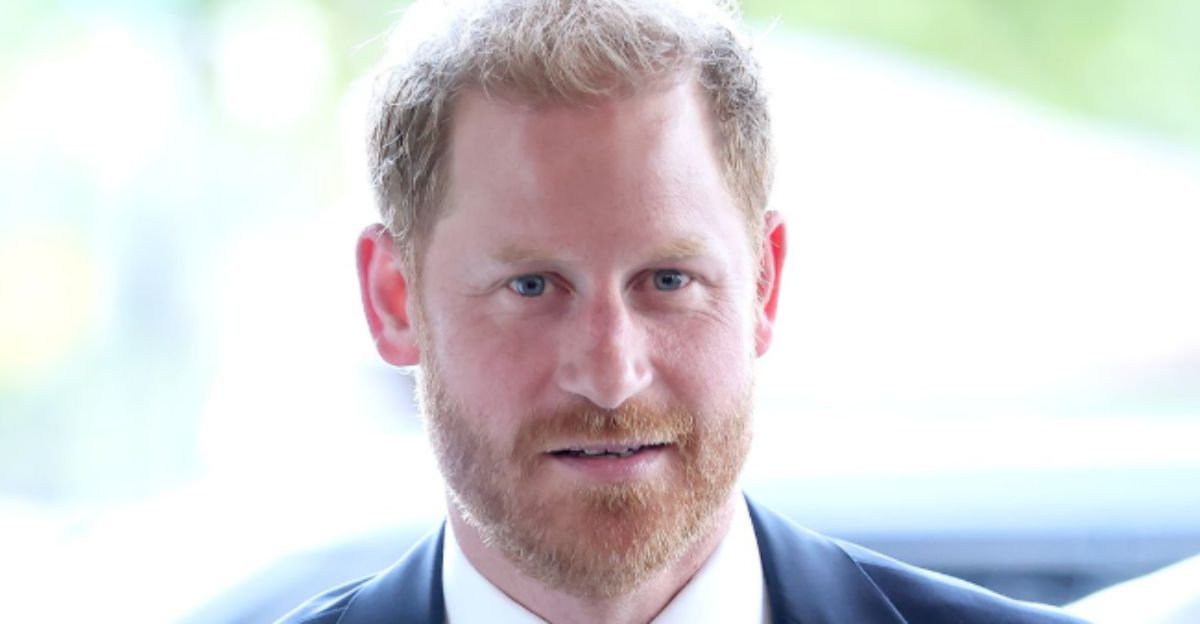
For Harry, the Daily Mail trial in early 2026 represents his last major British newspaper lawsuit—a final showdown in a years-long war. For Trump, pending cases against The New York Times and Wall Street Journal could define his second term’s relationship with the media.
Both men have proven willing to fight in court. Both have reshaped how power operates in the legal system. But only one has truly “claimed squatters’ rights” in litigation itself.
Sources
- ABC News settlement court filing and docket references confirming $15 million payment and $1 million in legal fees coverage.
- Paramount Global/CBS settlement announcement and court dismissal filing confirming $16 million payment directed to Trump’s presidential library, with no apology.
- Federal court docket for Trump v. New York Times Company (8:25-cv-02487, M.D. Fla.), including initial filing date and subsequent amended refiling entries.
- Reuters filing on Trump’s $10 billion lawsuit against The Wall Street Journal over the Epstein letter report, confirming filing details and claimed damages.