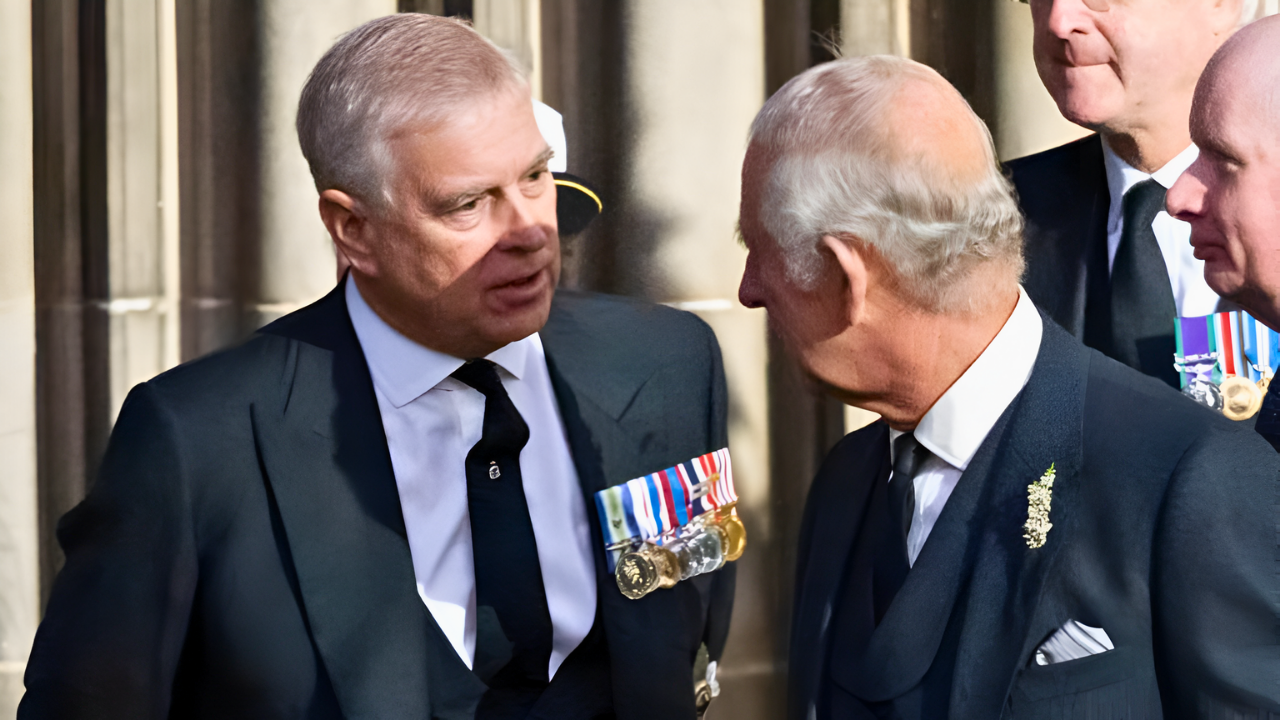
On October 30, 2025, King Charles III issued an extraordinary decree that would trigger the most dramatic family dispute in modern royal history: he officially stripped Andrew Mountbatten-Windsor of his remaining royal titles, instantly transforming Britain’s third-in-line-to-the-throne into a man of no formal rank.
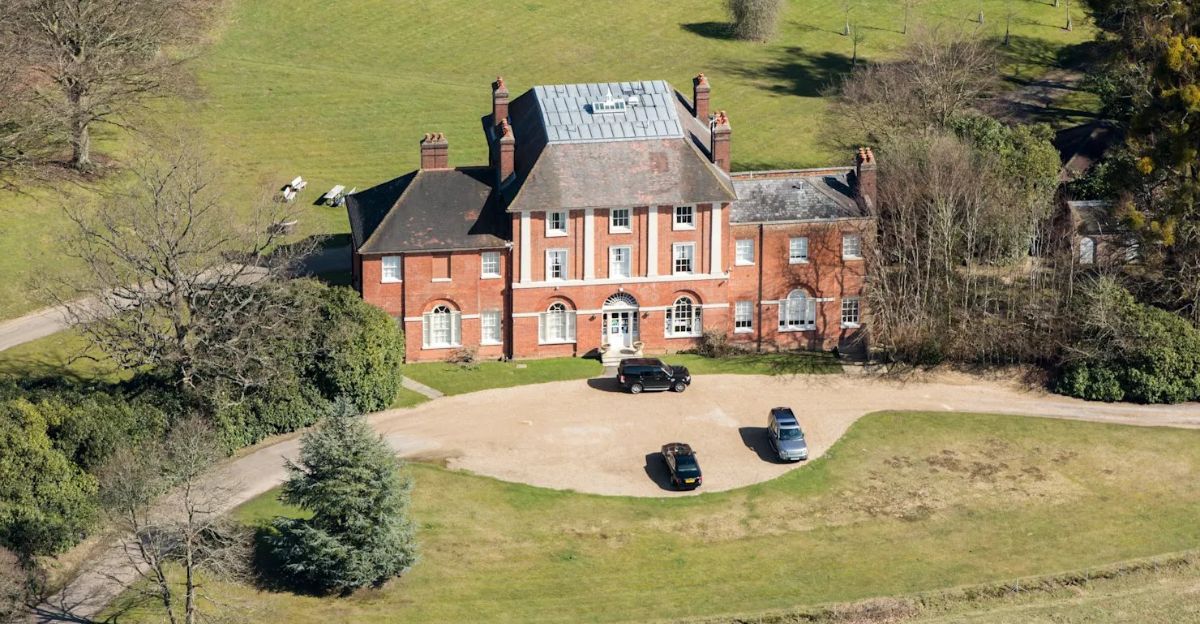
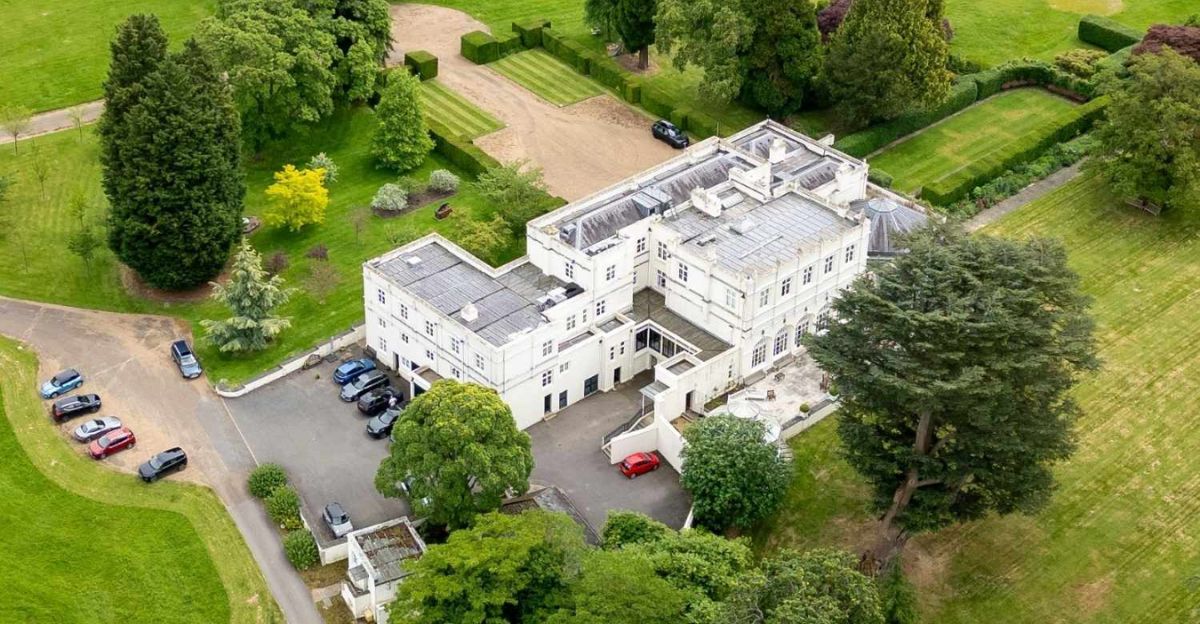
Yet despite losing his princely status, his royal patronages, and his place in the ceremonial hierarchy, Andrew refused to budge from Royal Lodge, the sprawling 30-room white mansion nestled within 98 acres of Windsor Great Park—and he armed himself with an eye-watering demand: £75 million (approximately $99 million) simply to contemplate leaving.
The Defiant Stand Begins
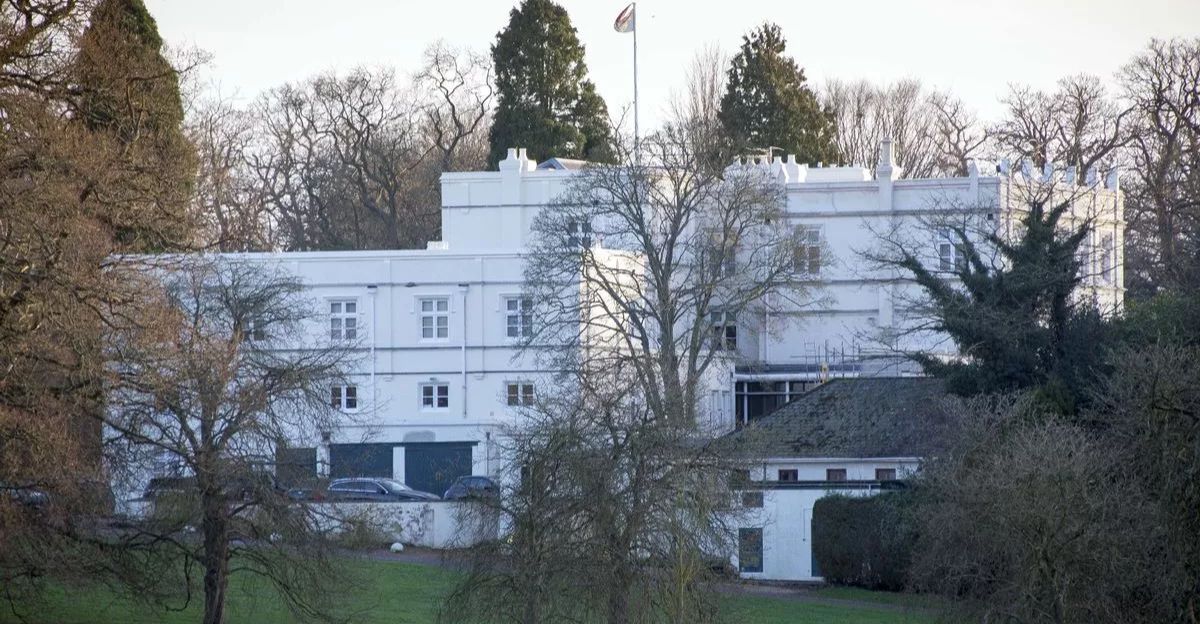
Across nearly a decade, Andrew had inhabited this Grade II-listed property after the death of his grandmother, the Queen Mother, in 2002. In 2003, he secured a 75-year lease, prepaying £8.5 million in upfront costs to cover renovations and effectively eliminating any future rent obligations through a clause stipulating annual rent of merely “one peppercorn” if demanded.
This iron-clad lease agreement—running until 2078—transformed Andrew’s residency from a privilege into a legally protected right, granting him negotiating leverage that King Charles simply could not overcome through standard eviction procedures.
A Property of Extraordinary Proportions
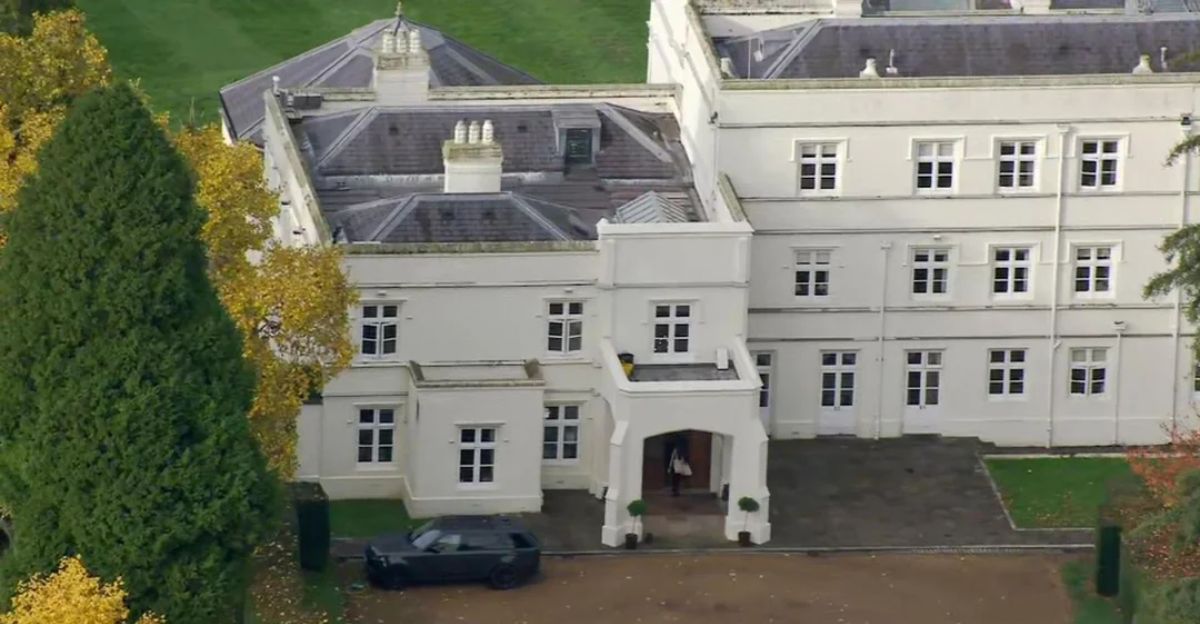
Royal Lodge commands attention through sheer architectural splendor and strategic positioning. The central section rises three stories, flanked by two-story wings, creating approximately 30 rooms including seven bedrooms, multiple reception areas, and historically significant chambers dating to George IV’s era.
The surrounding grounds encompass 98 acres of manicured parkland, featuring a swimming pool, aviary, six lodge cottages, a separate gardener’s cottage, and dedicated police officer accommodations.
The Epstein Shadow Looms Large

The title-stripping decision didn’t emerge from financial disputes or administrative restructuring—it stemmed directly from mounting public outrage regarding Andrew’s decades-long association with Jeffrey Epstein, the convicted sex offender who died by suicide in federal custody in 2019.
Following renewed investigations and intensified scrutiny of Andrew’s connections to Epstein’s criminal enterprise, palace officials determined that maintaining his royal status created untenable reputational damage.
The Audacious Financial Demands
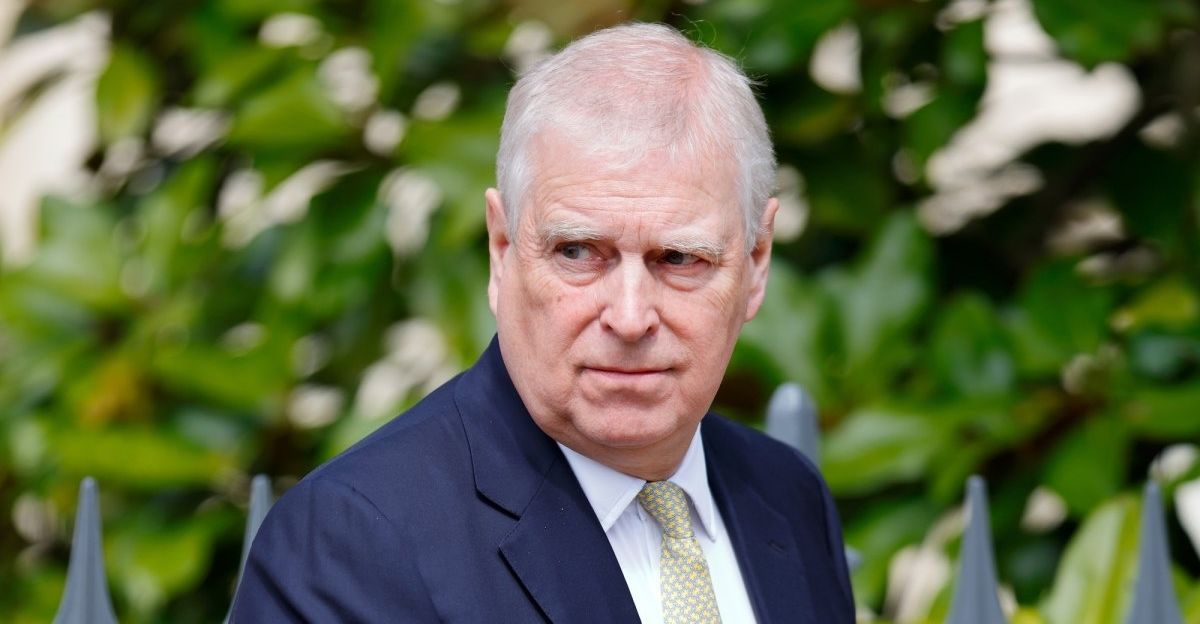
According to multiple palace sources and royal journalist Rob Shuter, Andrew’s negotiating position reveals stunning intransigence regarding his displacement. He’s not merely refusing to depart—palace insiders describe him as “practically super-gluing himself to the furniture”.
His comprehensive list of demands includes the £75 million buyout, as well as relocation to a six- or seven-bedroom property on the Sandringham Estate, the King’s private Norfolk retreat.
Lifestyle Requirements Compound the Complexity
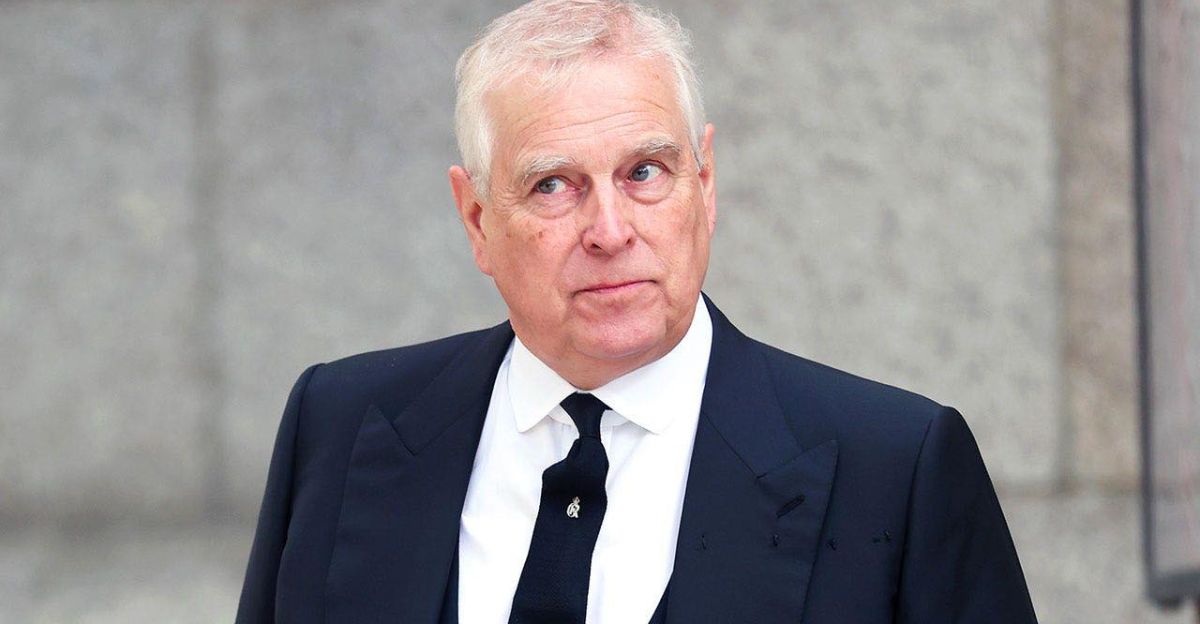
Andrew’s transition demands extend far beyond simple property specifications. He insists upon maintaining his current lifestyle through continued access to a personal cook, gardener, housekeeper, and full-time driver at his new residence.
Additionally, he refuses to accept anything less than continued police protection, citing security concerns that King Charles finds operationally unjustifiable for a private citizen with no official title.
The Lease That Became a Legal Fortress
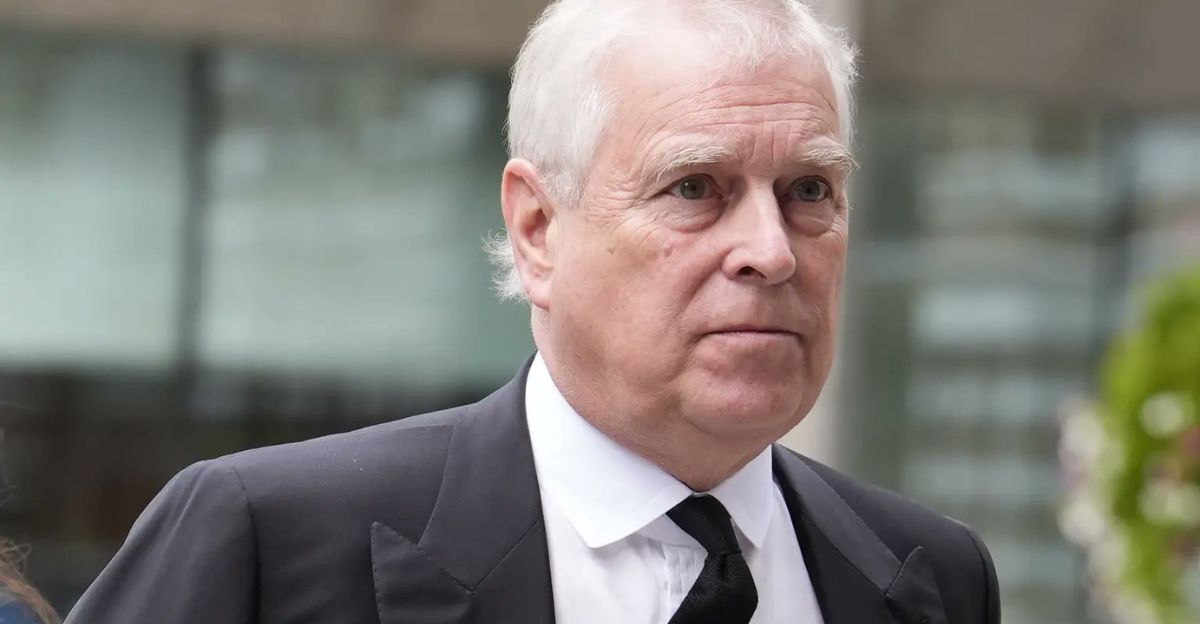
The document signed in 2003 established terms so favorable to Andrew that constitutional experts and royal advisors recognized the King possessed no simple eviction pathway. The 75-year lease, combined with Andrew’s substantial prepayment of £8.5 million, provided him with genuine legal protections, regardless of his current royal status or public reputation.
No provisions existed for rent reviews, no clauses permitted modification based on changed circumstances, and no legal mechanism enabled forced termination without substantial financial negotiation.
A Comparison That Fuels the Controversy
Recent investigations by the Parliament’s Public Accounts Committee have revealed a stark contrast in property arrangements among royal family members.
While Andrew occupied Royal Lodge under extraordinarily generous terms—essentially rent-free with only theoretical “one peppercorn” annual rent—Prince William and Princess Catherine recently relocated to Forest Lodge in Windsor and immediately began paying “open market rent” determined by independent commercial appraisers.
No Financial Compensation Likely
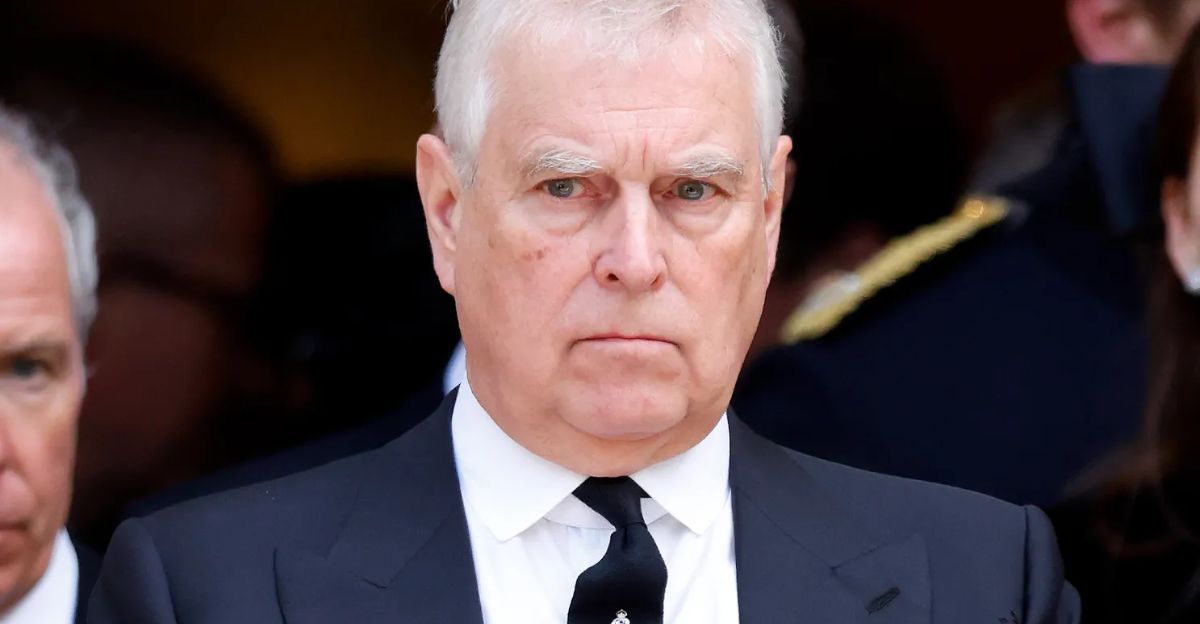
On December 2, 2025, the Crown Estate delivered crushing news to Andrew’s legal representatives: he would receive no compensation whatsoever for early lease termination because the property’s deteriorated condition required extensive repairs exceeding any buyout amount owed.
Under standard lease terms, Andrew could have expected £488,000 in compensation for early termination; however, assessments indicated that decades of occupation had created substantial dilapidations—structural issues, wear patterns, and necessary renovations—that would consume this potential payment entirely.
Parliamentary Inquiry Launched
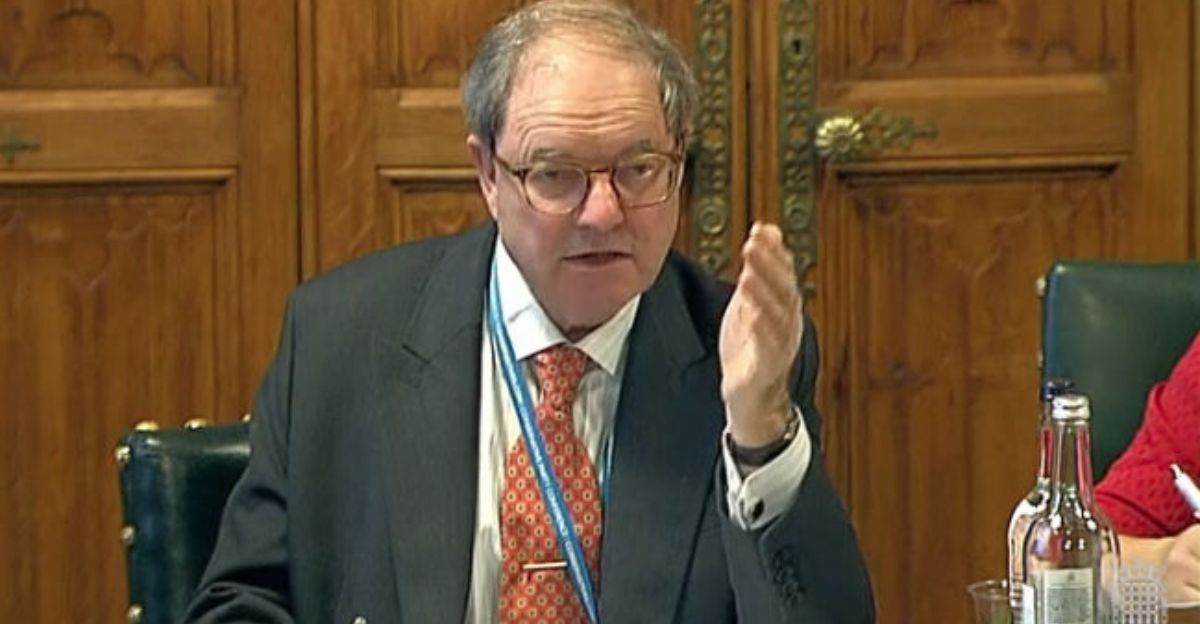
The controversy triggered formal parliamentary action. On 2 December 2025, the UK Public Accounts Committee announced a comprehensive inquiry into the Crown Estate’s property leasing arrangements with the Royal Family, scheduled to commence in 2026.
Sir Geoffrey Clifton-Brown, the committee chair, stated that Crown Estate data “clearly establishes the foundation for an inquiry,” indicating that MPs would examine whether taxpayer interests were adequately protected through the leasing of royal properties.
The Negotiations Move at a Glacial Pace
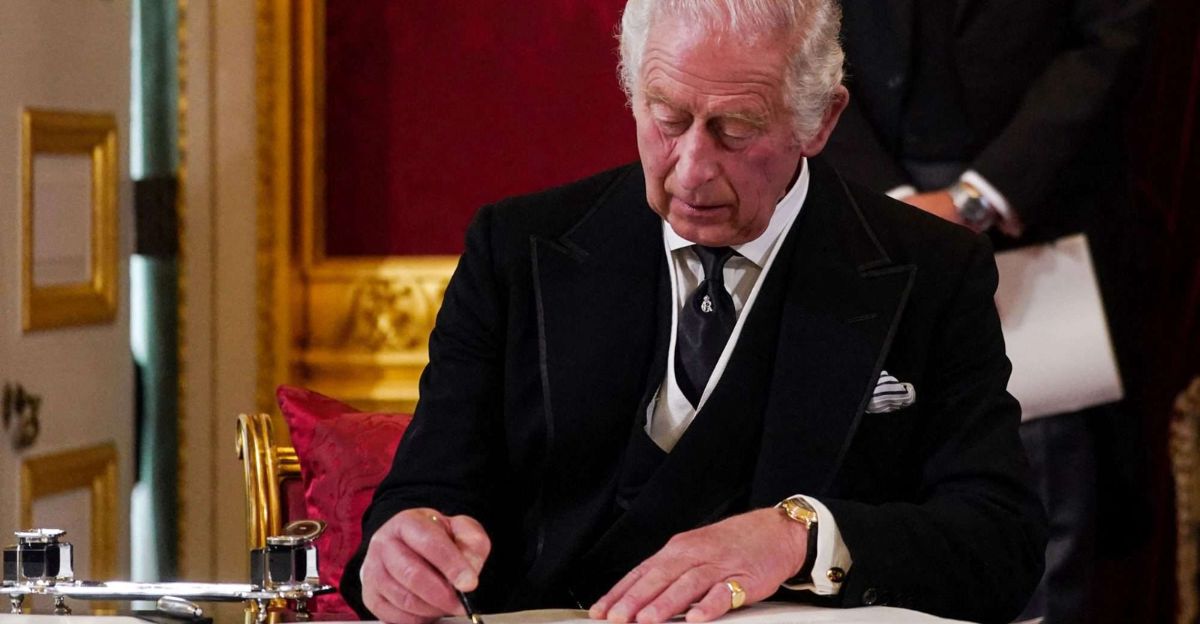
Despite King Charles’s formal title-stripping order on October 30, 2025, and the subsequent 12-month notice period, which permitted Andrew to remain until October 30, 2026, palace insiders report that actual negotiations remain gridlocked. Sources describe the discussions as “crawling”—advancing at barely perceptible speed, with Andrew employing delay tactics and hardball negotiating strategies.
One palace source told royal journalist Rob Shuter that Andrew “might hang on for months—maybe longer,” suggesting the standoff could extend well beyond the formal deadline.
A Deeply Uncomfortable Christmas Consideration
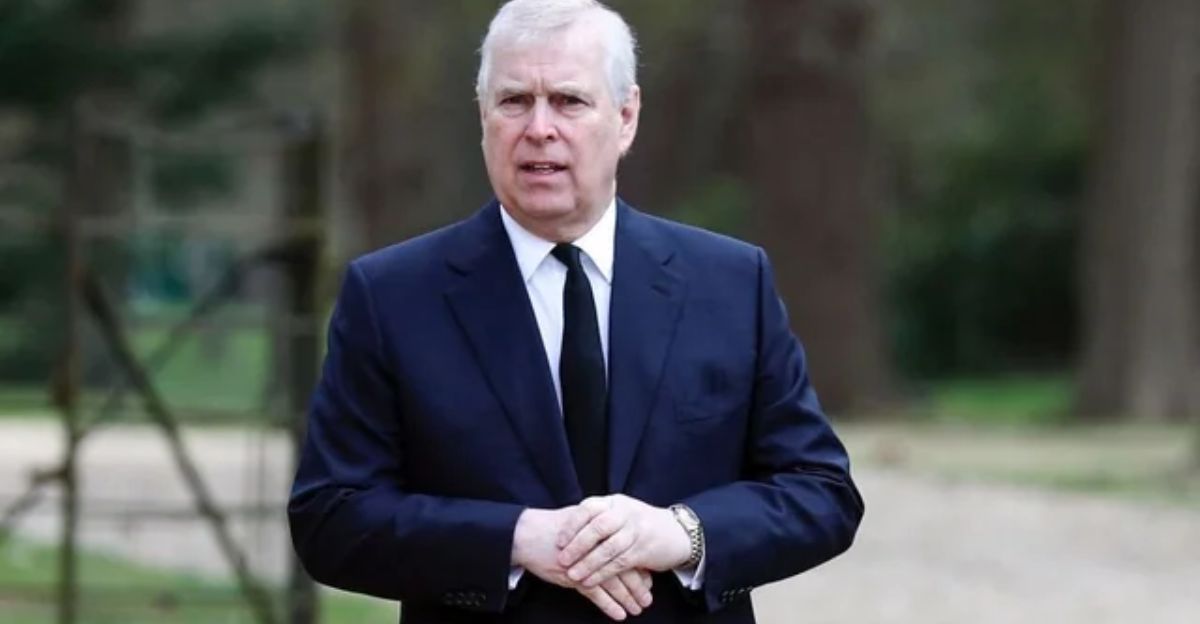
Initially, palace officials indicated Andrew’s relocation would occur in December 2025, permitting a relatively clean transition before the Christmas period. However, this timing created an additional embarrassment: the prospect of Andrew remaining visibly present at Sandringham during the traditional royal Christmas gathering—an event from which he would necessarily be excluded despite living on the same estate.
This visual awkwardness prompted a strategic postponement, with new timelines suggesting early 2026 relocation, thereby eliminating the uncomfortable imagery of his Christmas-period presence.
Sarah Ferguson’s Complicated Displacement
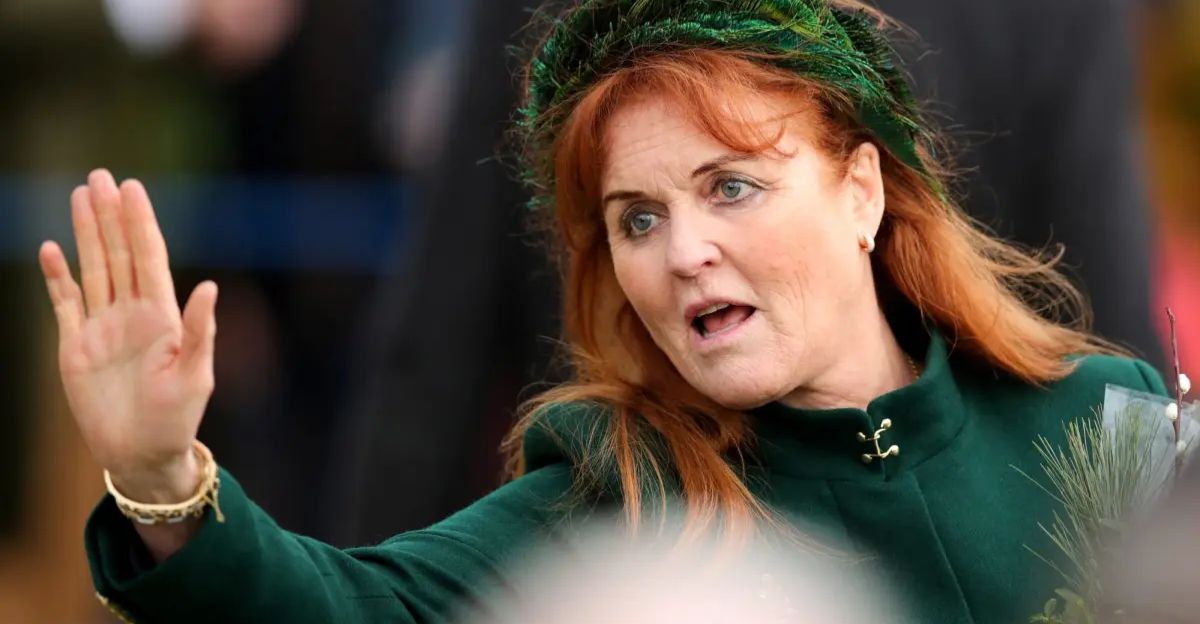
Andrew’s ex-wife, Sarah Ferguson—from whom he divorced in 1996—faces her own displacement challenge. Despite the dissolution of their marriage nearly three decades ago, Ferguson continued to reside with Andrew at Royal Lodge, a living arrangement that became increasingly unusual as their romantic relationship ended.
Reports indicate Ferguson is now exploring accommodation options in the Windsor vicinity, having abandoned previous plans to relocate to Portugal in favor of remaining closer to her daughters.
The Question of Andrew’s Delusional Status
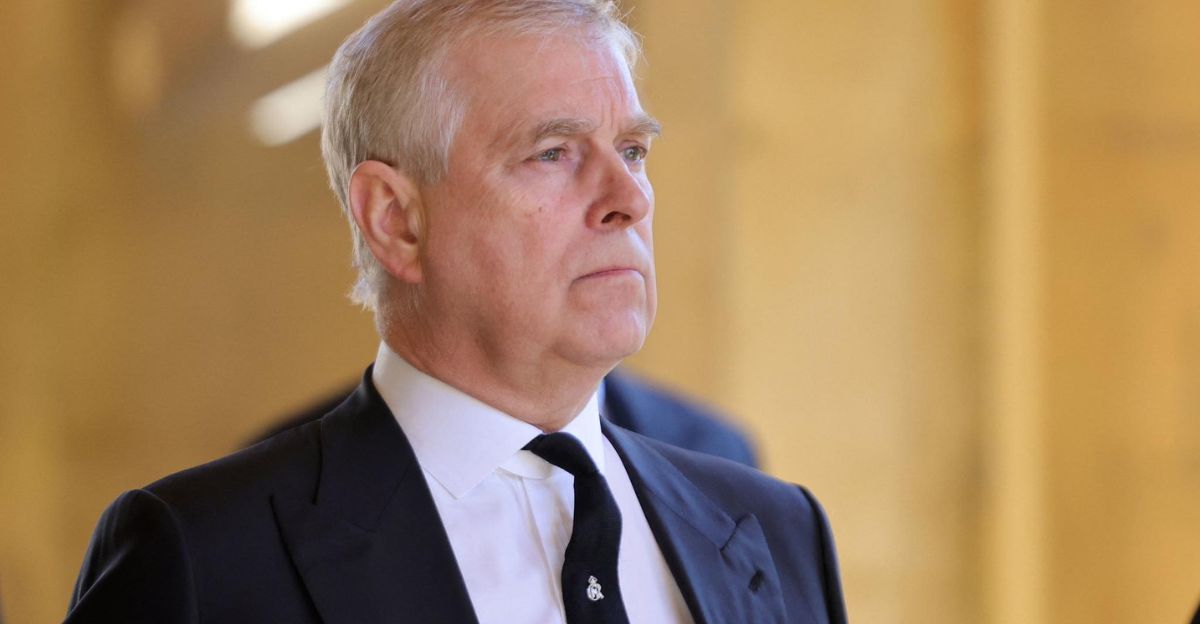
Remarkably, despite losing all formal titles through King Charles’s October 30 directive, Andrew reportedly insists that staff at Royal Lodge continue addressing him as “Your Royal Highness”. Palace sources describe him as “living in a bubble” and “utterly deluded about his status,” suggesting that he has created a psychological reality that bears minimal resemblance to his actual legal position.
This psychological disconnect—where Andrew maintains internal rituals of royal address despite external stripping of all titles—highlights the bizarre nature of this standoff.
A Courtier’s Assessment: Follow the Money
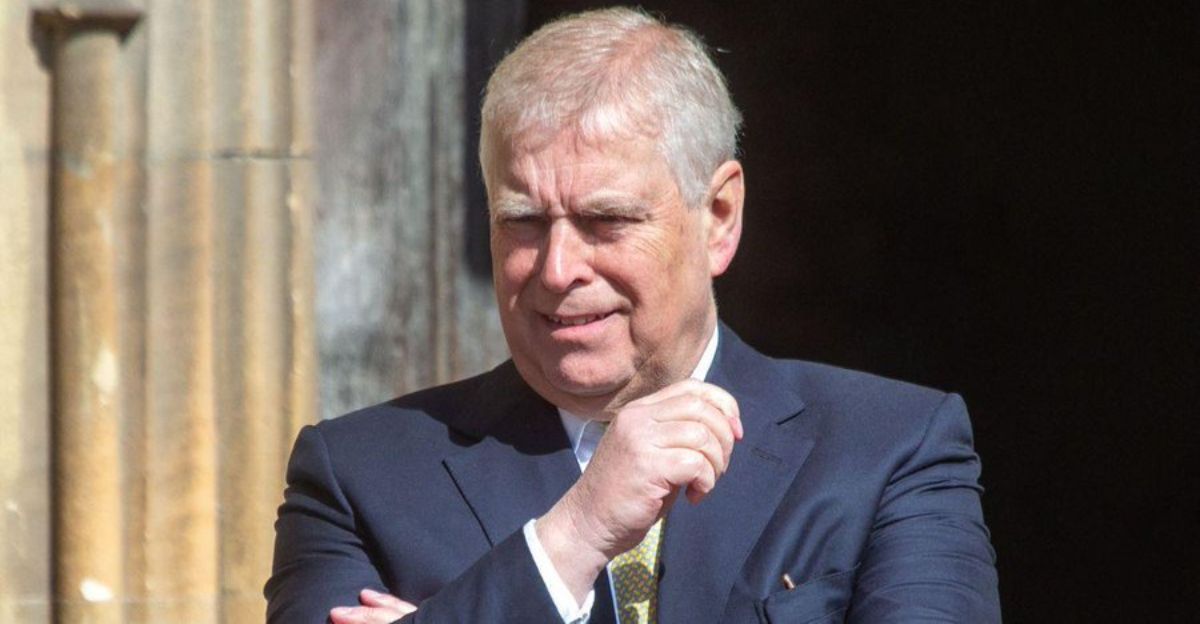
A former senior courtier, speaking to Cosmopolitan under conditions of anonymity, offered an incisive analysis of Andrew’s negotiating strategy: “Knowing Andrew, this was always going to be about money. Andrew is essentially being bought out of the lease, so he will haggle over every last detail of the deal”.
This characterization aligns with observed behavior patterns throughout the standoff—every refinement of Andrew’s demands includes specific financial specifications, property dimensions, or staffing provisions capable of precise monetary valuation.
His Camp’s Contradictory Narrative
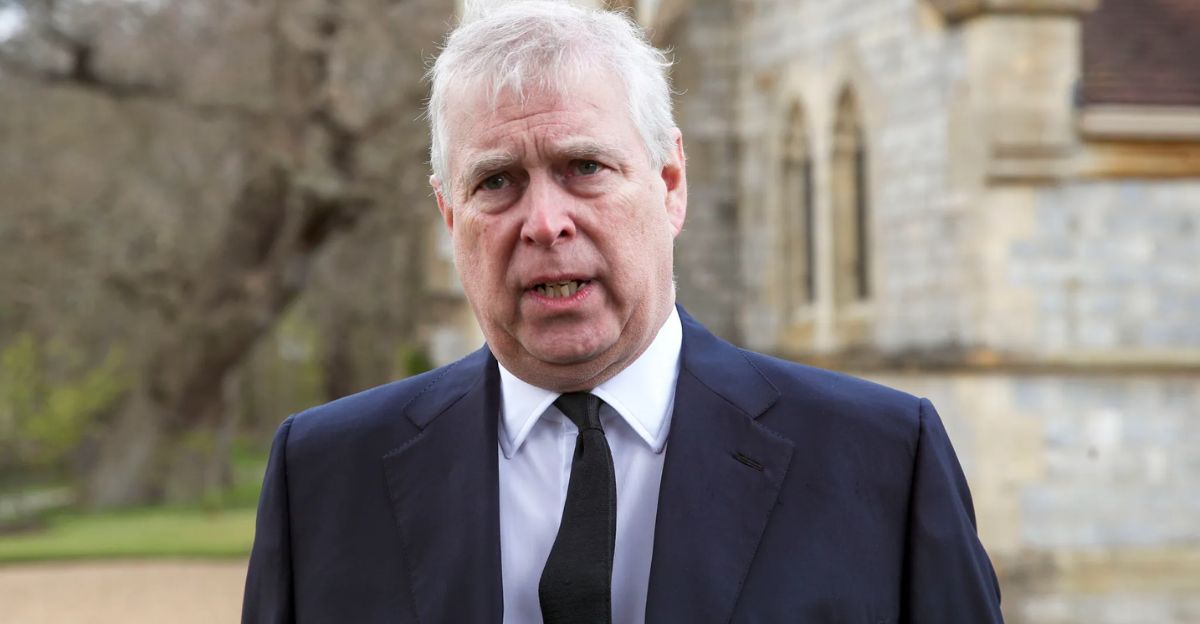
Countering palace descriptions of obstinacy and delusion, sources close to Andrew present an alternative narrative emphasizing his cooperation and reasonableness. A friend quoted by The Daily Beast stated, “Andrew has done exactly what has been asked of him, and he just wants to be left alone. He is giving up the lease on one of England’s finest houses and expects to be treated fairly.”
This characterization portrays Andrew not as an unreasonable holdout, but as a man defending his legitimate interests against his brother’s aggressive displacement effort.
The Modernization Agenda Stalled
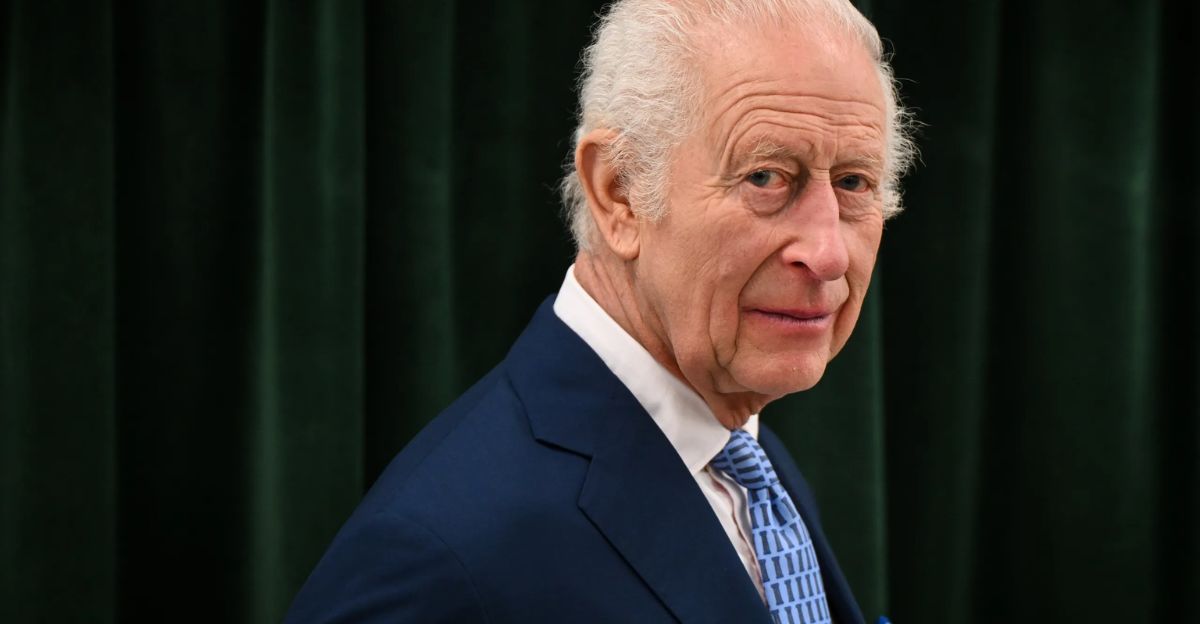
King Charles has articulated a comprehensive vision for modernizing the British monarchy, streamlining operations, and reducing the royal footprint on government resources.
The Royal Lodge standoff directly contradicts these objectives, consuming executive attention and creating precisely the kind of messy, expensive complication that Charles hoped to eliminate. Palace insiders describe the situation as “one very expensive royal roadblock” blocking broader reformation efforts.
The Rent Disparity Scandal
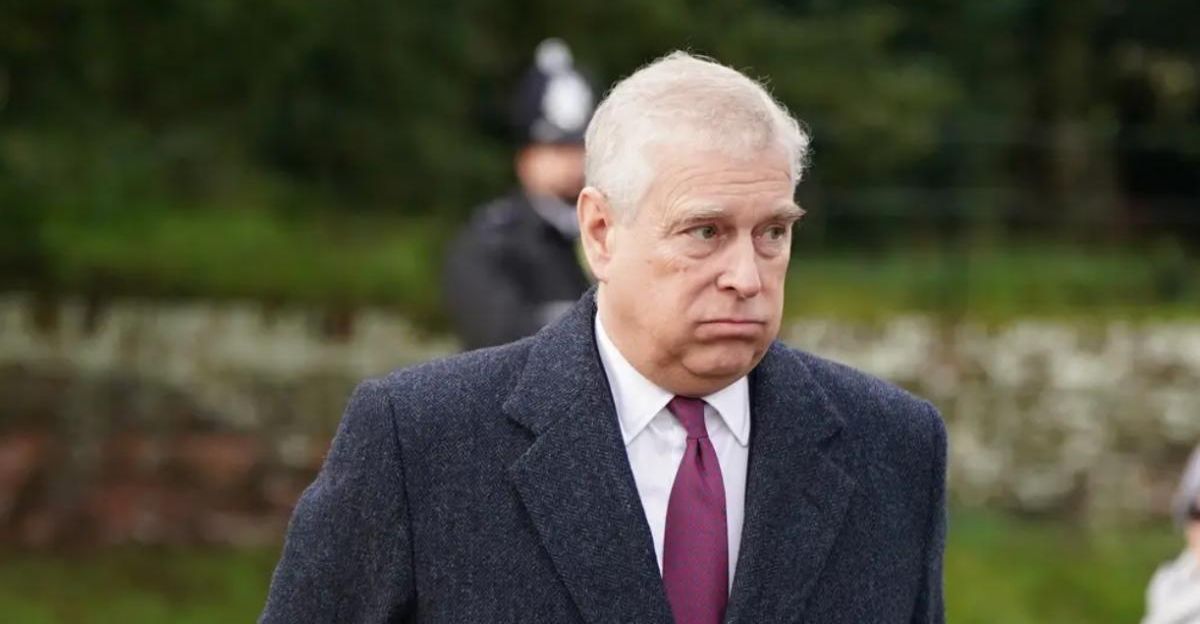
Complicating the palace’s negotiating position is the revelation that Andrew was far from uniquely privileged in receiving favorable rental arrangements. Prince Edward, the King’s youngest brother, occupies Bagshot Park under terms specifying annual rent of literally “one peppercorn”—identical to Andrew’s Royal Lodge arrangement.
This discovery undermines palace arguments that Andrew received extraordinary treatment, instead suggesting systemic patterns of favorable property arrangements for royal family members.
What’s Next: The Inevitable Resolution
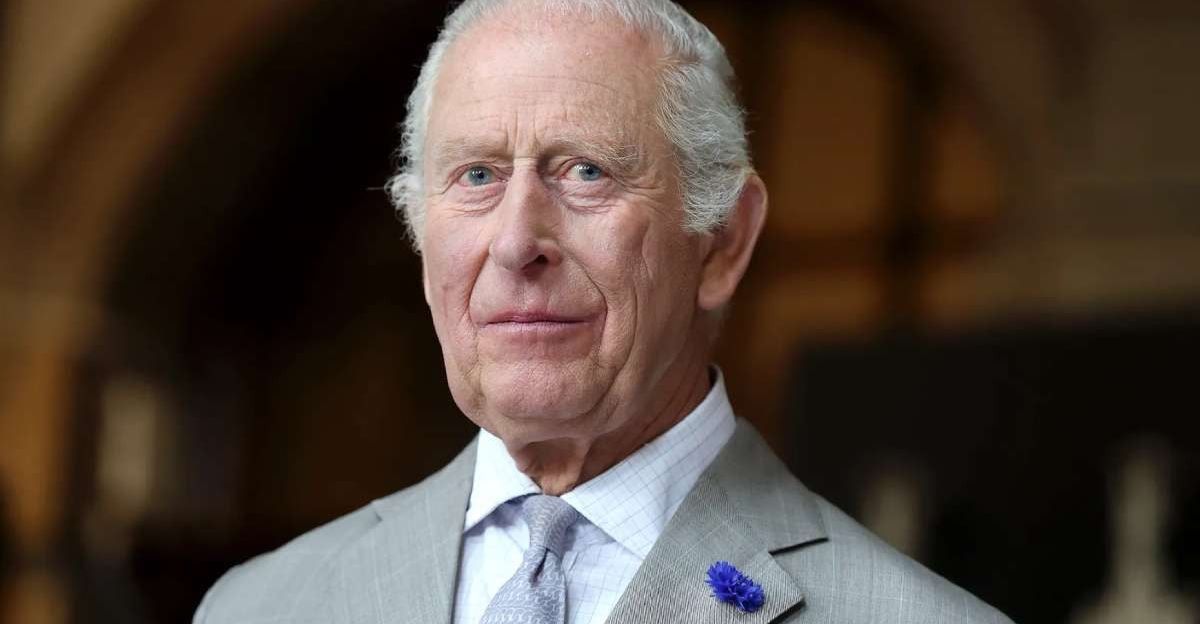
Despite current gridlock, multiple factors suggest an eventual resolution by mid-2026. King Charles possesses both patience and financial resources—the monarch lacks nothing, permitting him to ultimately accept substantial settlement terms rather than endure continued national embarrassment.
The parliamentary inquiry will create additional pressure on both parties to resolve the dispute cleanly before formal governmental examination commences.
The Broader Implications for the Monarchy
The Royal Lodge standoff extends beyond one brother’s displacement, instead highlighting fundamental tensions within modern monarchy. First, the incident reveals how contractual obligations can constrain even sovereign power—the King cannot simply override legal agreements regardless of his authority.
Second, it demonstrates the reputational damage that aging scandals—in this case, the association with Epstein—continue to inflict on the institution decades after the initial events.
Sources:
Rob Shuter royal correspondent reporting (November 30, 2025)
BBC News Royal Lodge property assessment (December 2, 2025)
Crown Estate dilapidations determination (December 2, 2025)
UK Public Accounts Committee Royal Family property inquiry announcement (December 2, 2025)
Buckingham Palace official statement on title stripping (October 30, 2025)
Royal Lodge lease documentation and Crown Estate records (2003)