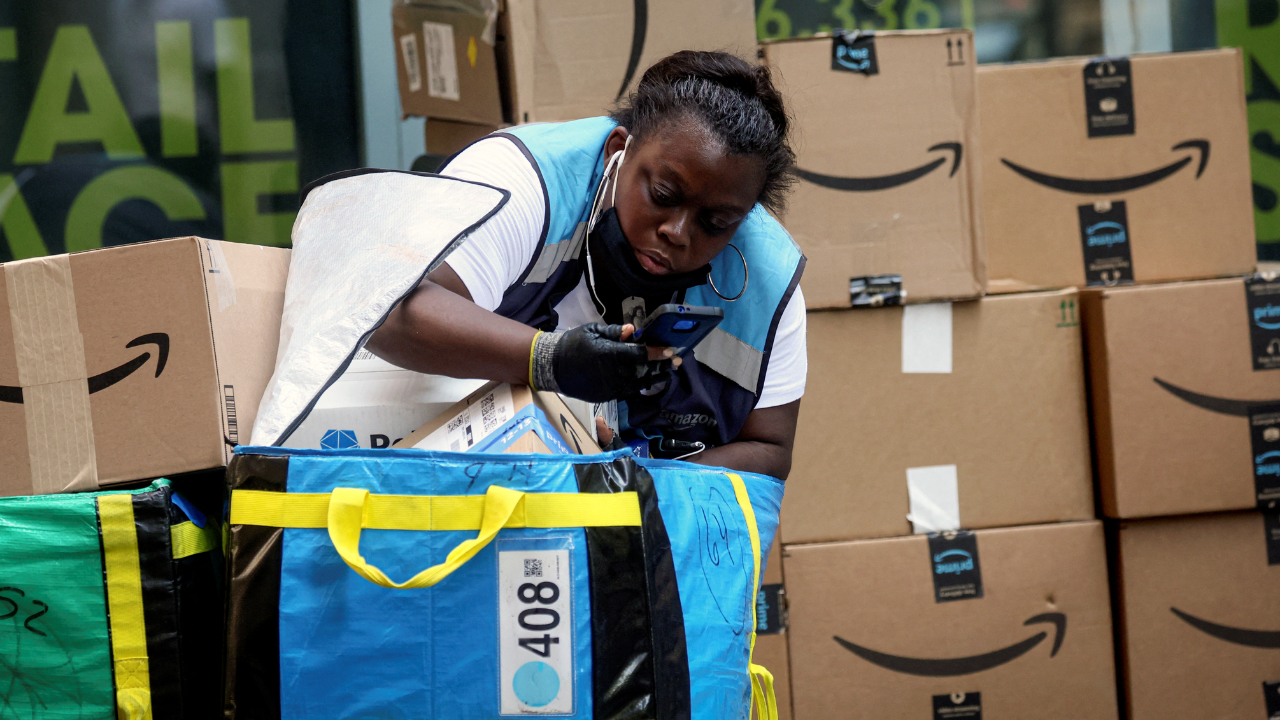
On December 1, 2025, Amazon officially launched its ultra-fast 30-minute delivery service, “Amazon Now,” in select areas of Seattle and Philadelphia. The move marks the company’s entry into the highly competitive rapid-commerce market, aiming to redefine grocery and household essentials shopping. Prime members enjoy delivery for only $3.99 per order, but non-Prime customers face a steep $13.99 fee.
This move accelerates the e-commerce giant’s efforts to conquer the last-mile delivery frontier. The service’s quick delivery times could drastically change consumer expectations, prompting competitors to follow suit or risk falling behind in a market that increasingly prioritizes speed over selection.
The $50 Billion Question
The quick-commerce market, defined by 15-to-30-minute delivery windows, has exploded to a $50 billion global industry. North America leads the charge, as consumers demand faster service for everything from groceries to household items. Retail giants are responding by building dedicated micro-fulfillment centers, with rapid delivery becoming a key metric for success.
Industry insiders view this shift as a permanent reshaping of consumer behavior and the infrastructure that supports it. As the demand for speed grows, businesses are racing to develop more efficient and cost-effective models to keep up with changing consumer preferences.
Amazon’s Long Game
Amazon’s entry into rapid delivery isn’t new. Over the years, the company tested different models like Amazon Fresh, leveraging its vast warehouse network and customer data. However, earlier attempts in grocery delivery faltered due to profitability issues. Now, Amazon is doubling down with micro-fulfillment hubs, a strategy designed to tackle the logistical hurdles while offering even faster service to meet the growing demand for speed.
With its infrastructure already in place, Amazon is looking to scale the service efficiently. This new model focuses on speed, reducing operational complexity and ensuring that Amazon can stay ahead in the battle for rapid delivery dominance.
Pressure From Rivals
DoorDash, Uber, and Instacart are already building their rapid-delivery empires across the U.S., each deploying thousands of dark stores optimized for quick pickups. Walmart, Target, and other traditional retailers are also expanding their own services, further fragmenting the market. Amazon’s delay in diving headfirst into the 30-minute delivery game has raised concerns among investors about its position in the growing $100 billion sector.
As Amazon begins to ramp up its efforts, it faces pressure to keep pace with these established players. The competition is fierce, and the rapid-commerce market is becoming more fragmented by the day.
Amazon Now Launches
Amazon Now promises delivery in as little as 30 minutes for thousands of essential items, including groceries and over-the-counter medicines. Initially available in Seattle and Philadelphia, this service charges Prime members $3.99 per order. Non-Prime customers face a hefty $13.99 fee, with a $1.99 surcharge on orders under $15. Amazon hopes this strategy will drive Prime membership and secure market dominance in the fast-growing quick-commerce sector.
By offering faster and more convenient delivery options, Amazon aims to not only meet but exceed consumer expectations. The service is positioned as an exclusive perk for Prime members, strengthening the appeal of the membership while enticing non-Prime customers to subscribe.
Seattle & Philadelphia: The Proving Ground
Amazon strategically selected Seattle and Philadelphia as the launch markets for Amazon Now. Seattle’s established logistics network and brand loyalty provide a solid foundation, while Philadelphia offers high urban density and growth potential. Amazon has placed specialized micro-fulfillment hubs in these cities, reducing delivery distances and improving speed.
Success in these cities could be a significant indicator of the service’s viability on a national scale. Amazon’s focus on urban areas with dense populations is a calculated move to maximize efficiency and meet the rising demand for fast delivery services.
The Prime Incentive Play
Amazon’s pricing strategy for Amazon Now heavily favors Prime members, offering a 71% discount for a $3.99 delivery fee compared to the $13.99 fee for non-Prime customers. This pricing structure is designed to drive more consumers to subscribe to Prime, capitalizing on its existing 200 million global members.
By positioning Amazon Now as a premium service for Prime subscribers, Amazon seeks to strengthen loyalty and expand the use of its ecosystem. The company is leveraging its pricing power to further cement Prime’s role in its long-term strategy for growth.
Micro-Fulfillment Logistics
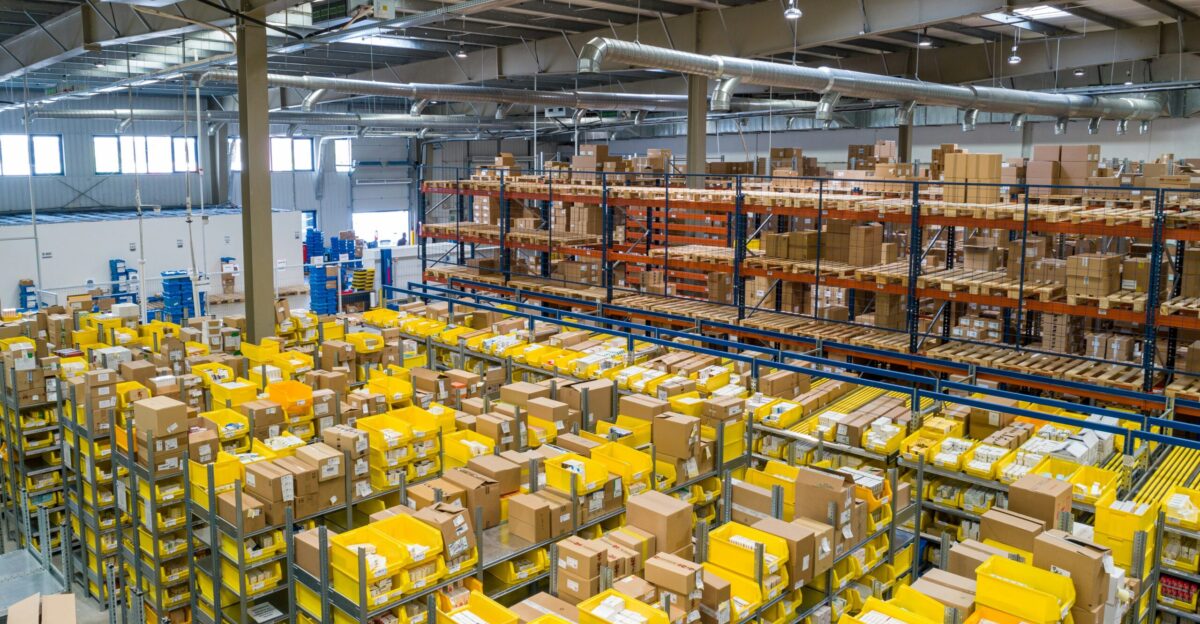
To make 30-minute deliveries possible, Amazon is deploying specialized, smaller fulfillment hubs near residential and commercial areas, cutting delivery times and operational costs. These micro-hubs allow for faster order picking, packing, and shipping compared to traditional large-scale warehouses.
By minimizing employee crowding and reducing delivery distances, Amazon optimizes its operations, keeping service costs manageable. The company is aiming to streamline its processes to offer faster, more cost-effective solutions that its competitors can’t easily replicate.
Competitor Response & Market Consolidation
As Amazon enters the rapid-commerce field, competitors like DoorDash and Instacart are ramping up their efforts. Analysts anticipate price wars and margin pressure, particularly for smaller companies that cannot compete with Amazon’s scale and capital. With micro-fulfillment centers becoming a key battleground, consolidation could follow as some players struggle to maintain profitability in a highly competitive space.
The next 12 to 24 months will be crucial for determining which companies can sustain their operations in the rapidly evolving landscape. The industry is witnessing a major shift, and not all players will survive the fierce competition.
Labor & Safety
The push for rapid delivery comes at a hidden cost—worker safety. The quick-paced environment of micro-fulfillment centers often leads to higher injury rates compared to traditional warehouses. While Amazon has promised to prioritize employee safety in its new service, labor advocates are closely monitoring the sector.
If rapid delivery scales, workplace safety regulations will likely become a key issue for the industry. The pressure to meet delivery targets could exacerbate the risks workers face, making it essential to address these concerns as the sector grows.
Profitability Pressure

Despite Amazon’s push to dominate rapid commerce, analysts question whether 30-minute delivery can be profitable at scale. The high costs associated with labor, real estate, and last-mile logistics could outstrip the revenue generated from low-margin grocery and essential items.
Amazon’s pilot pricing structure suggests that the company may operate at a loss initially to capture market share, raising concerns about long-term profitability. The company will need to balance service costs with the demands of its rapidly expanding customer base.
Amazon’s Broader Retail Ambitions
Amazon Now represents a larger strategy to capture a greater share of daily shopping trips for essentials like groceries, not just books and electronics. The company has already made significant investments in grocery retail, including acquisitions like Whole Foods.
By focusing on speed rather than selection, Amazon aims to expand the appeal of its Prime membership, further solidifying its dominance in the e-commerce space. This approach could allow Amazon to establish itself as a key player in the essential goods market.
Tech Stack & Infrastructure Innovation
Amazon’s success in rapid delivery is powered by its advanced logistics network, AI-powered demand forecasting, and real-time delivery route optimization. These technologies allow Amazon to scale quickly and efficiently, integrating Amazon Now seamlessly into its app and existing infrastructure.
The company’s ability to use data to predict demand and adjust pricing gives it a significant edge over competitors. Amazon is using its tech stack to stay ahead of the curve and provide a seamless experience for customers.
Skeptics’ Questions
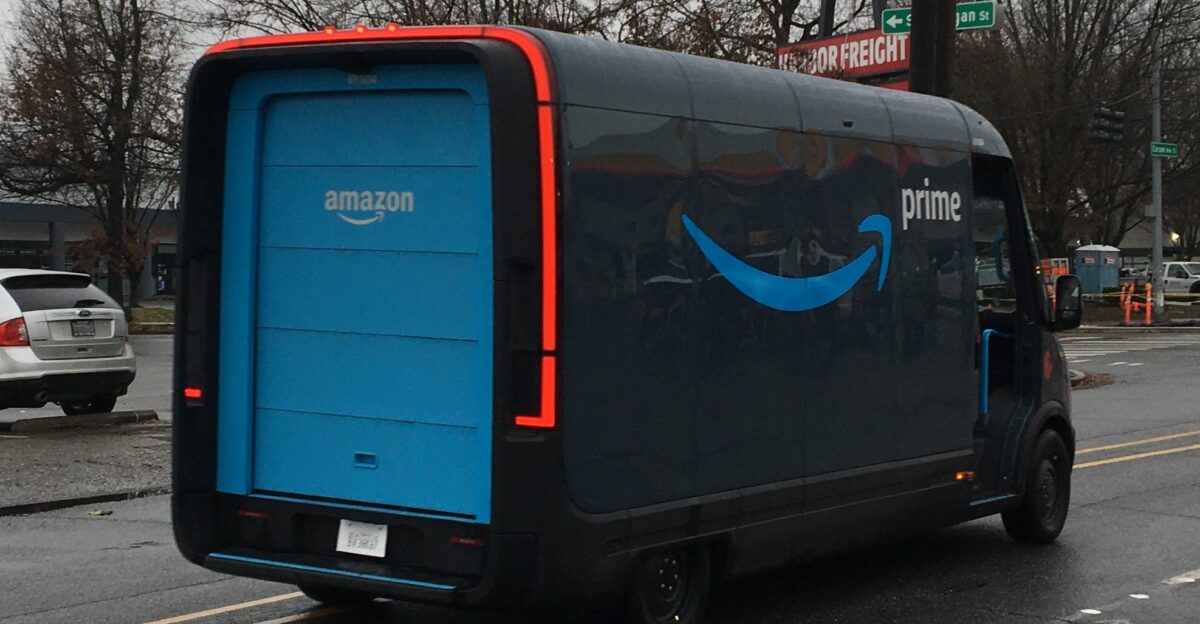
While Amazon Now shows promise, skeptics question its long-term viability. Can Amazon consistently meet 30-minute delivery windows while maintaining profitability? Will customers adopt the service as a regular part of their shopping routine, or is it just a luxury for occasional needs?
The next 12 to 24 months will be crucial in determining whether Amazon Now can scale beyond its current test markets. The company faces significant challenges in making the service sustainable at scale.
What’s Next: National Expansion?
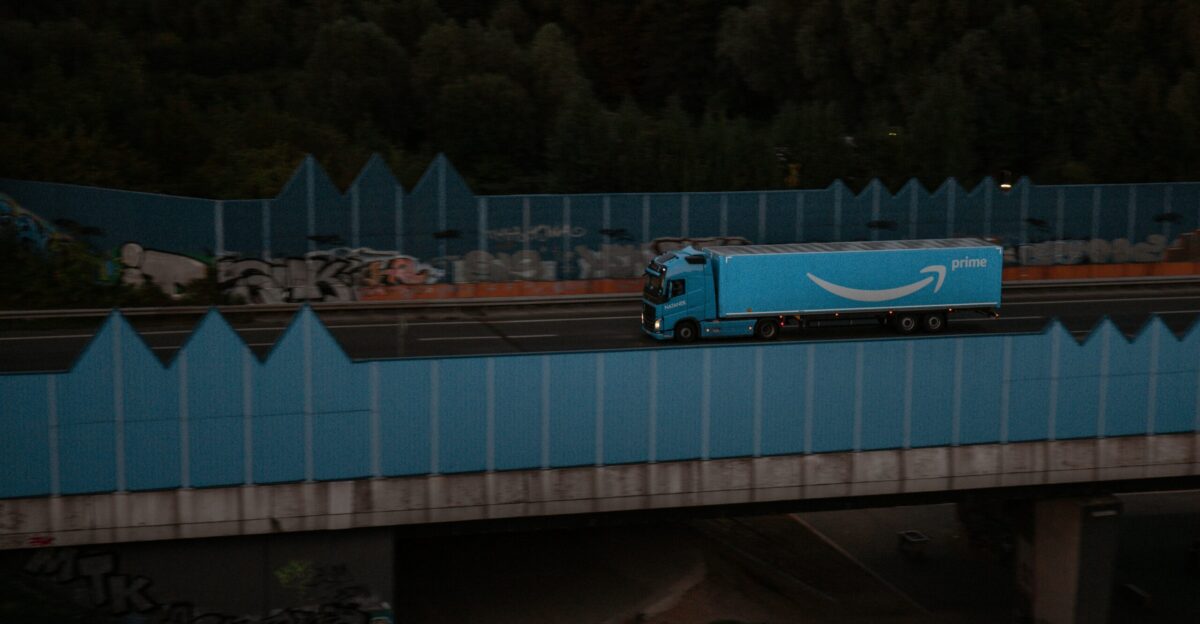
Amazon has not announced a definitive timeline for expanding Amazon Now, but its track record suggests rapid rollout is likely. San Francisco, New York, Los Angeles, and Chicago are prime candidates for expansion, given their high population density and existing Amazon infrastructure.
The real question is not if Amazon Now will expand, but how quickly and at what cost. The company has set its sights on national dominance, but the logistics and operational hurdles will test its ability to scale.
Regulatory and Urban Planning Angles
As Amazon Now grows, questions surrounding city planning and regulatory concerns are inevitable. Local governments will need to assess whether existing infrastructure can handle the influx of micro-fulfillment centers. Zoning laws and environmental standards will also need to be addressed, while labor regulators scrutinize Amazon’s working conditions.
As the service scales, these issues will likely become key points of contention. Amazon will need to navigate these challenges carefully to ensure smooth expansion into new markets.
International Implications
Amazon Now’s rapid success in the U.S. could lead to expansion in international markets, including India, Southeast Asia, and parts of Europe, where Amazon already operates. In these regions, rapid-commerce models are already being tested, and Amazon’s infrastructure advantage could allow it to dominate.
This global strategy suggests that Amazon Now is part of a broader plan to redefine e-commerce on a worldwide scale. The company’s efforts in the U.S. may be a stepping stone for a global expansion of the service.
Environmental & Sustainability Concerns
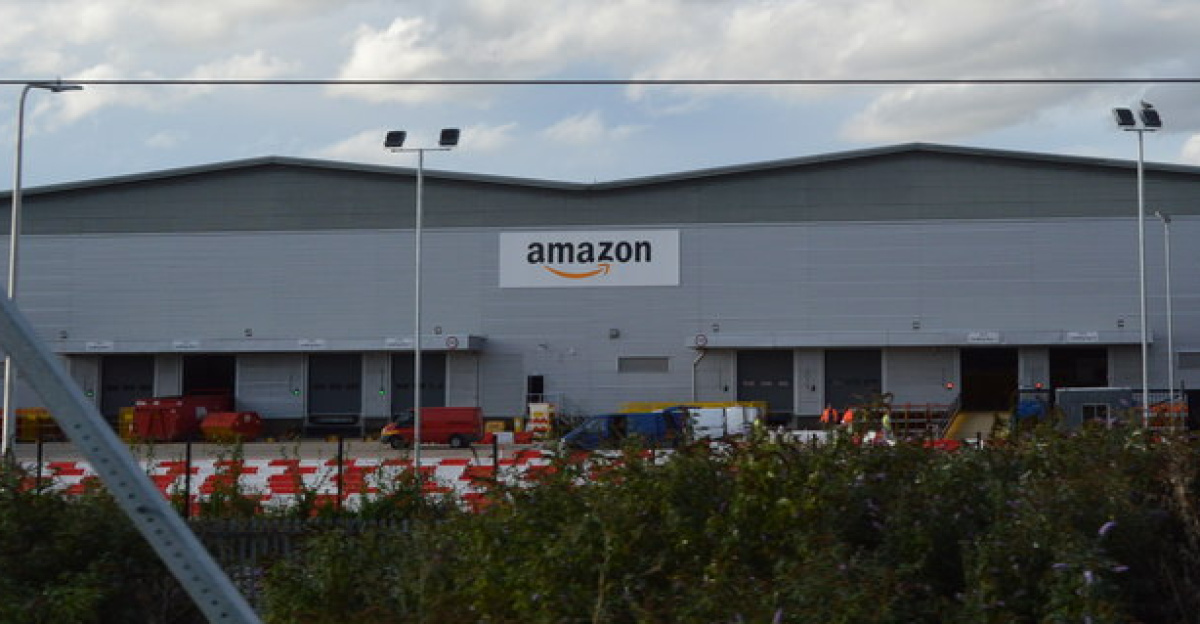
Rapid delivery models are under scrutiny for their environmental impact. By fragmenting shipments into smaller packages, the carbon footprint of each delivery could increase. Moreover, micro-fulfillment centers require more real estate and energy than traditional warehouses.
As rapid-commerce scales, the sustainability of such models will need to be carefully addressed, with carbon-offset programs and energy-efficient solutions becoming vital considerations. The debate over the environmental costs of ultra-fast delivery is expected to grow as the sector expands.
Consumer Expectations & Cultural Shift
Amazon Now’s success may set new expectations for consumers, who could start expecting 30-minute delivery as the standard for essentials. This shift would force other retailers to adapt quickly, potentially reshaping the entire retail industry. Furthermore, younger consumers, in particular, may come to value speed and convenience over cost.
This cultural shift could redefine the way people approach shopping in the future. The rapid pace of change in consumer expectations will have lasting effects on how retailers operate and interact with their customers.
Retail’s Future
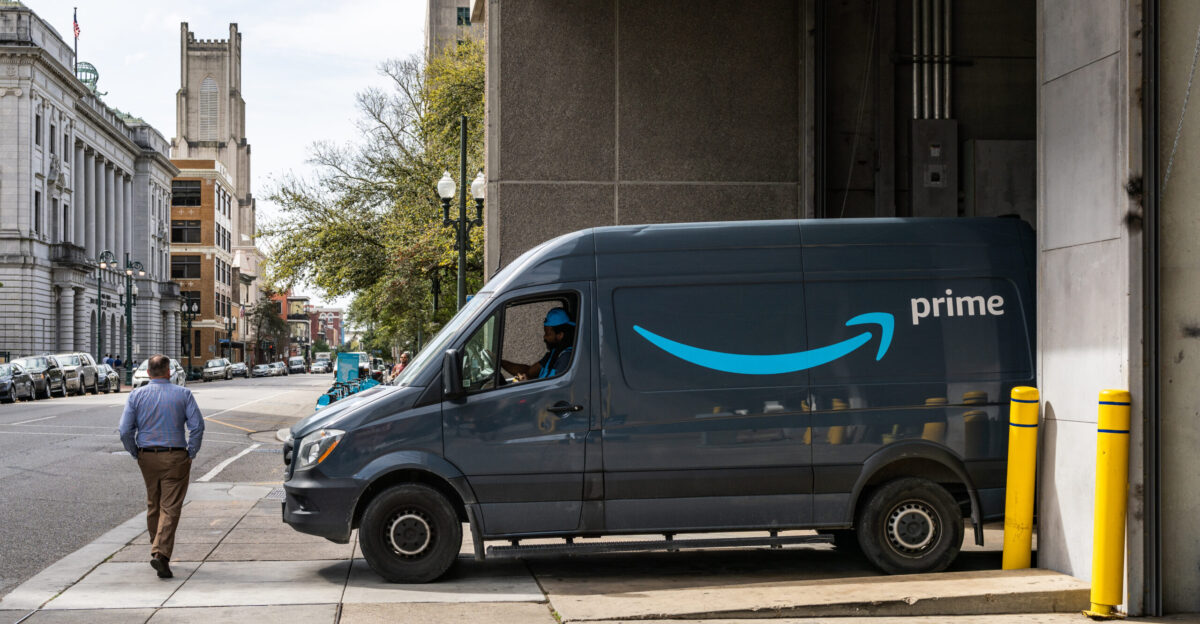
Amazon Now is more than just a new service—it’s a glimpse into the future of retail. Whether it succeeds or fails, one thing is clear: speed and convenience are becoming the new benchmarks for e-commerce success.
As Amazon leads the charge in redefining last-mile logistics, the next chapter in retail will be driven not just by price or product selection, but by the ability to deliver faster than ever before. The future of shopping is set to be shaped by rapid delivery and seamless customer experiences.
Sources:
About Amazon — “Amazon Now is testing 30-minute delivery in Seattle and Philadelphia” — December 1, 2025
TechCrunch — “Amazon starts testing ‘ultra-fast’ 30-minute deliveries” — December 2, 2025
ABC News (Good Morning America) — “Amazon debuts Amazon Now, a new ‘ultra-fast’ 30-minute delivery option for groceries, household essentials” — December 2, 2025
Supermarket News — “Amazon tests ultra-fast grocery delivery in Seattle and Philadelphia” — December 2, 2025
USA Today — “Amazon debuts 30-minute deliveries in these 2 cities. See what it costs” — December 2, 2025