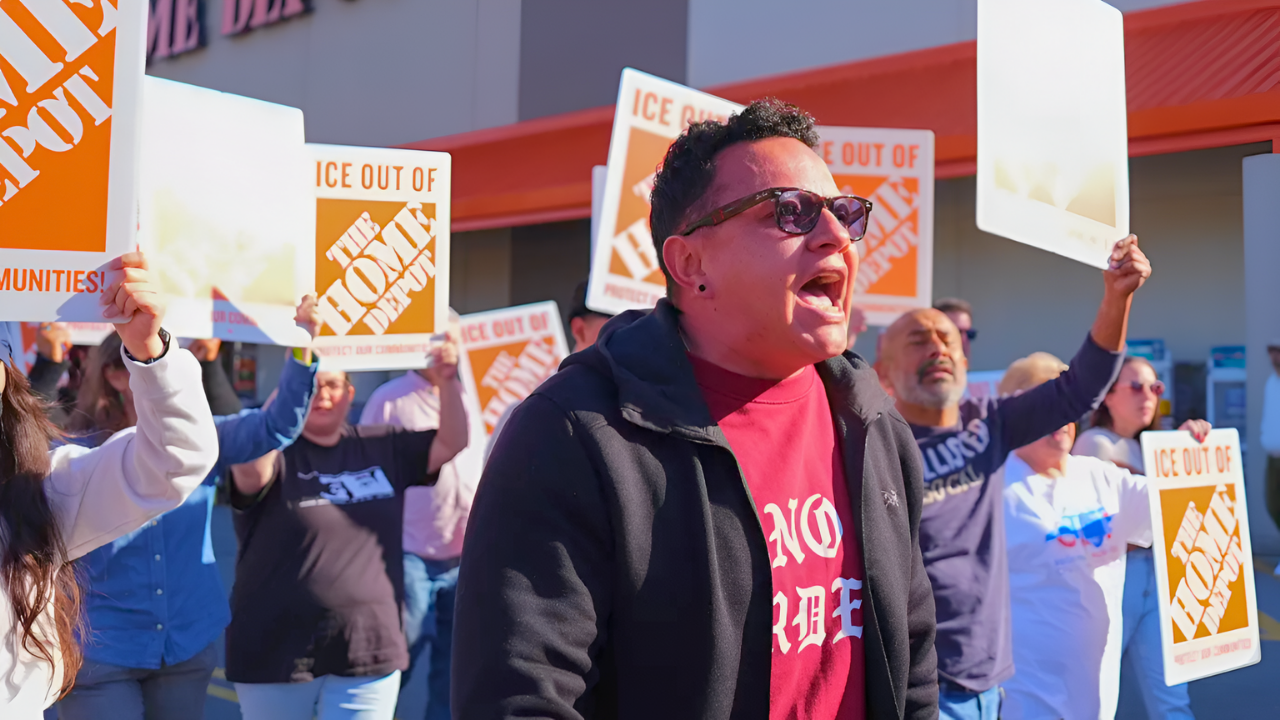
This December, Americans are taking a stand, boycotting some of the nation’s biggest companies. From Amazon’s role in ICE deportations to Target’s sudden halt of its $2 billion diversity program, consumers are signaling that profits shouldn’t come at the expense of workers, communities, or ethics. Millions are redirecting their spending, sparking real financial and reputational consequences. Here’s a closer look at which companies are under fire and why their holiday season could be unlike any other.
Primary Boycott Targets Dominate Headlines
This December, a handful of corporations face intense scrutiny. Primary campaigns focus on companies accused of labor exploitation, union suppression, and controversial political or environmental practices. Organizers highlight abuses affecting millions of workers and push for systemic changes. These companies are under the spotlight for violations spanning wages, DEI rollbacks, and ICE-related collaborations.
Next, let’s look at the companies most prominently affected by these campaigns.
#1 Amazon
Amazon faces boycott for donating $1 million to Trump’s 2025 inauguration, unsafe warehouse conditions, union-busting, and AWS support for ICE deportations. The “Make Amazon Pay” campaign spans 30+ countries, demanding worker safety, renewable energy for data centers, and a say in AI deployment. Workers report extreme pressure and inadequate breaks.
However, Amazon is only the beginning of primary campaign scrutiny targeting major U.S. retailers.
#2 Target
Target’s abrupt termination of its $2 billion REACH program in January 2025 prompted a boycott lasting over 200 days. CEO Brian Cornell resigned amid investor lawsuits. Organizers demand $250 million reinvested in Black-owned banks, partnerships with HBCUs, and honoring diversity commitments. The stock plunged 61% from its 2021 highs, highlighting investor and public concern.
But retail isn’t the only sector facing backlash this season.
#3 Home Depot
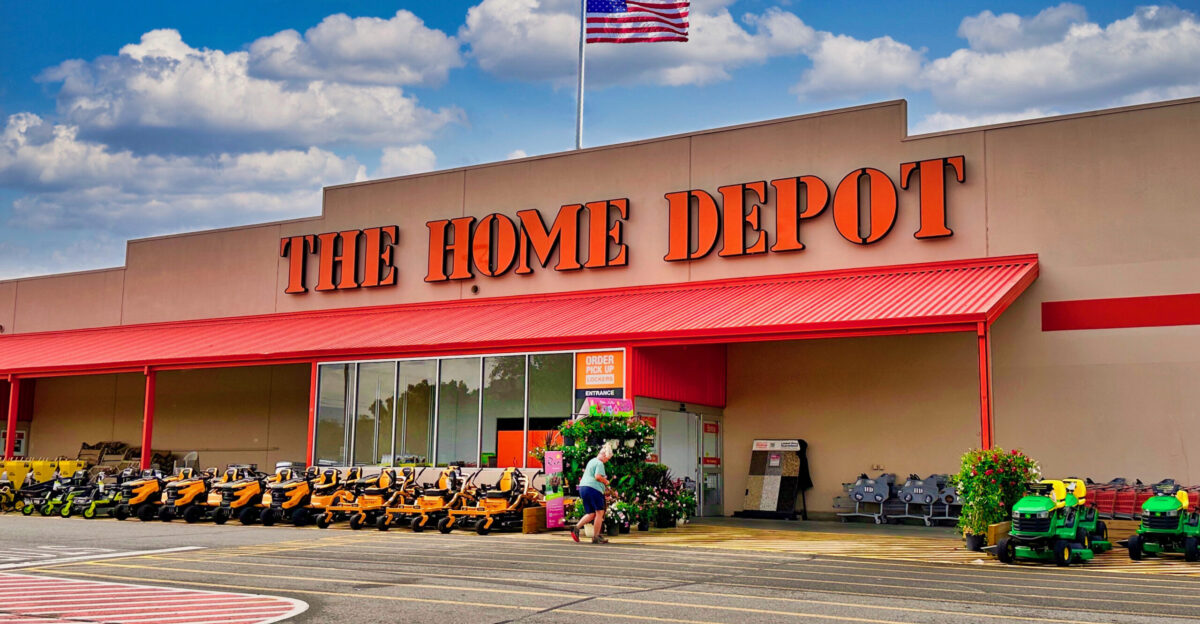
Home Depot is boycotted for allowing ICE agents to patrol stores, detaining workers and day laborers often without warrants. Community activists documented repeated incidents, while organizers demand “ICE Out of Home Depot.” The boycott redirects support to local labor-focused retailers protecting vulnerable workers from immigration enforcement and unsafe conditions.
#4 Walmart
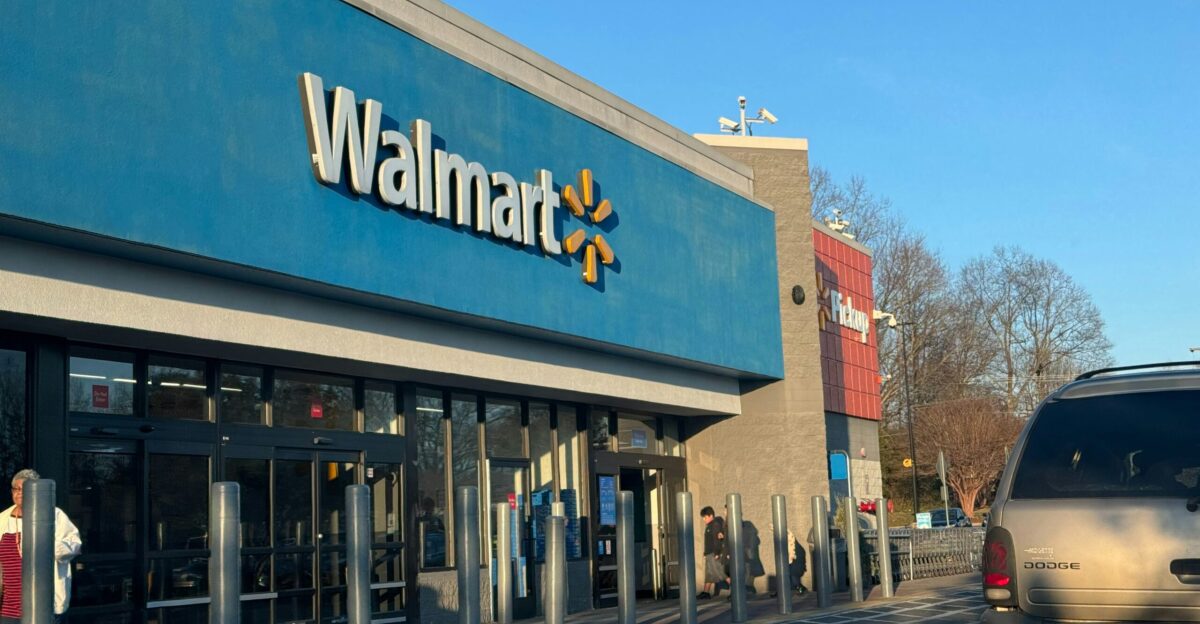
Walmart faces boycotts over low wages, limited benefits, and the rollback of DEI initiatives. Organizers argue that corporate profits fund policies harming workers and communities. Campaigns encourage redirecting spending to cooperatives and locally owned stores, prioritizing employee well-being over shareholder returns. Critics highlight systemic exploitation despite record holiday profits and nationwide influence.
Secondary Targets Join Mass Boycotts
Beyond primary campaigns, secondary targets face widespread Mass Blackout campaigns and social media-driven boycotts. These include food, retail, and entertainment companies whose labor, political, or environmental practices have sparked public outrage. Activists leverage the holiday season to redirect consumer spending to independent and cooperative alternatives, amplifying the impact.
#5 Starbucks Workers Fight Back
Starbucks faces boycotts for union-busting and labor exploitation. The “No Contract, No Coffee” campaign expanded to 120+ stores across 85 cities on November 28, 2025. Workers demand fair wages, better staffing, and resolution of unfair labor practices. Since 2022, the NLRB issued 80+ complaints against Starbucks.
The protests set the stage for similar actions at fast-food chains.
#6 McDonald’s Targeted Over DEI Rollback
McDonald’s faces boycott over ending diversity goals, price gouging, and resisting unionization. Senators Warren, Casey, and Wyden documented 79% net income growth (2020-2023) while prices outpaced inflation. Organizers frame the campaign as resistance to corporate greed, prioritizing shareholder wealth over fair wages and worker dignity.
Food industry activism continues with other mass boycott participants.
#7 Costco in Broader Blackout Campaign
Costco’s inclusion in the Mass Blackout targets retailers from November 25-December 2.+
. While resisting DEI rollback pressures, it remains part of campaigns redirecting consumer spending toward local grocers, farmers markets, and cooperatives. Organizers emphasize the impact of large corporations on wages and working conditions, in contrast to community-focused alternatives.
Next up, fast-casual chains also face growing scrutiny.
#8 Dunkin’ Boycott Focuses on Wages
Dunkin’ faces boycott as part of the November 25-December 2, 2025 Mass Blackout. Campaigners criticize wage practices, worker exploitation, and refusal to support living wages. Organizers encourage supporting independent coffee shops and worker-owned beverage cooperatives, promoting fair labor standards and employee dignity.
The movement then moves from food to entertainment and media.
#9 Disney

Disney is boycotted by The People’s Union USA and Mass Blackout campaigns for workforce exploitation, anti-union positions, and corporate consolidation. Organizers push for spending on independent entertainment and cultural venues. Critics argue that Disney’s massive influence over culture and politics necessitates accountability beyond traditional consumer concerns.
Meanwhile, home improvement chains continue to face economic pressure.
#10 Lowe’s
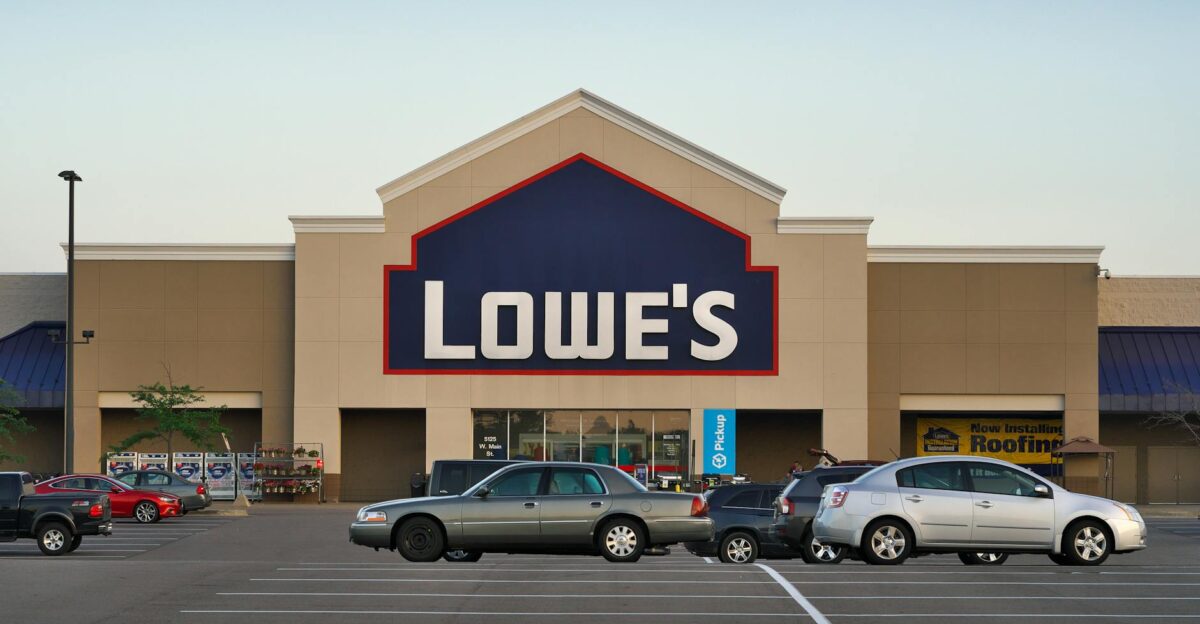
Lowe’s joins Home Depot on the 50501 Movement boycott lists, November 25-December 2, 2025. Critics highlight similar labor issues, wages, and corporate consolidation. Campaigns encourage support of independent hardware stores and worker-owned cooperatives. The combined targeting amplifies economic pressure, aiming to force corporate accountability through redirected consumer spending and community-based alternatives.
Groceries tied to Amazon also remain a key focus.
#11 Whole Foods
Whole Foods is boycotted as an Amazon subsidiary, funding ICE deportation infrastructure via AWS. Campaigners highlight wage concerns and demand Amazon end ICE contracts. Consumers are urged to shift spending to local groceries, co-ops, and farmers markets supporting community food sovereignty and worker rights.
Moving on, these viral social media lists highlight other consumer targets.
Additional Companies Draw Social Media Attention
Viral and extended networks target corporations for labor, political, or environmental issues. These campaigns encourage consumers to move spending from exploitative corporations to independent, cooperative, and local alternatives. Social media amplifies awareness and participation, especially during peak shopping periods, creating nationwide pressure on major brands and their supply chains.
Here’s a look at notable companies under these campaigns.
#12 Macy
Macy’s appears on the 50501 Movement lists from November 25-December 2, 2025. Department stores face criticism for their treatment of seasonal workers, corporate consolidation, and labor exploitation. Organizers encourage redirecting purchases to local artisans and Black-owned brands, emphasizing equitable holiday shopping practices and supporting small businesses rather than corporate concentration.
Other department stores face similar scrutiny.
#13 Nordstrom
Nordstrom is boycotted for its high profit concentration and low wages for retail workers. Campaigns highlight the contrast between wealthy consumer experiences and employee exploitation. Organizers suggest supporting independent boutiques, emerging Black designers, and cooperatively-owned retail models. The boycott aligns with broader economic redistribution initiatives, encouraging mindful consumer spending.
Food brands also remain key targets on social media.
#14 Goya
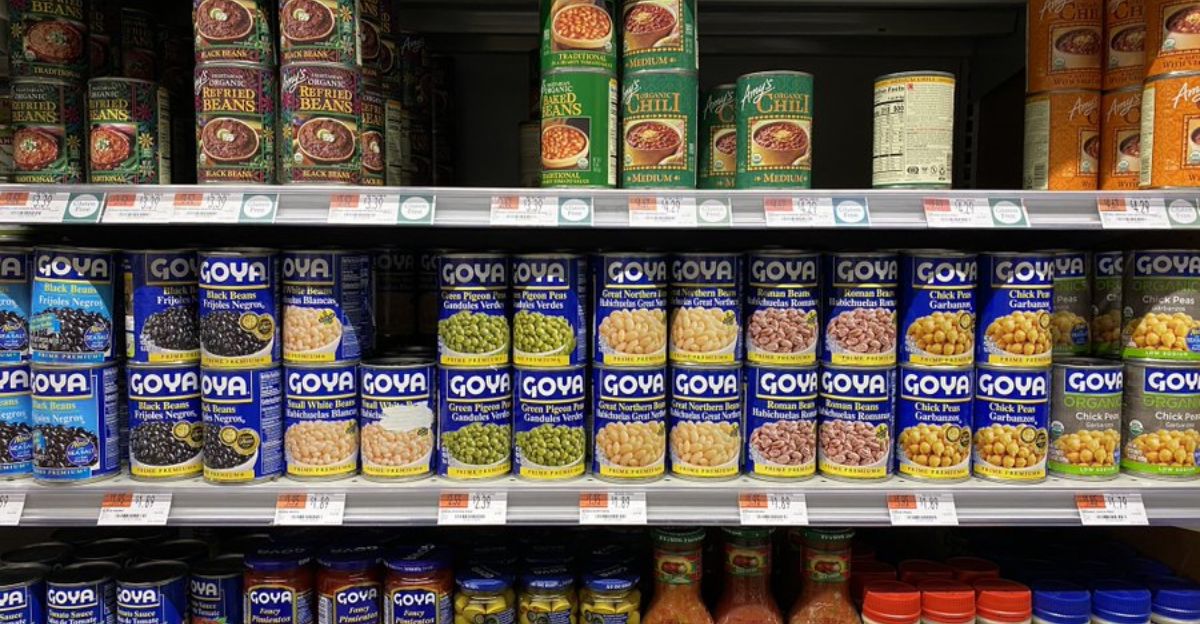
Goya faces social media boycotts due to political associations and corporate consolidation. Organizers encourage supporting independent Hispanic-owned food brands and local producers, prioritizing fair farmworker wages and environmental stewardship. Campaigns highlight corporate influence on agricultural practices and supply chain control, encouraging consumers to adopt ethical alternatives.
Other beverage brands are next in line for scrutiny.
#15 Minute Maid
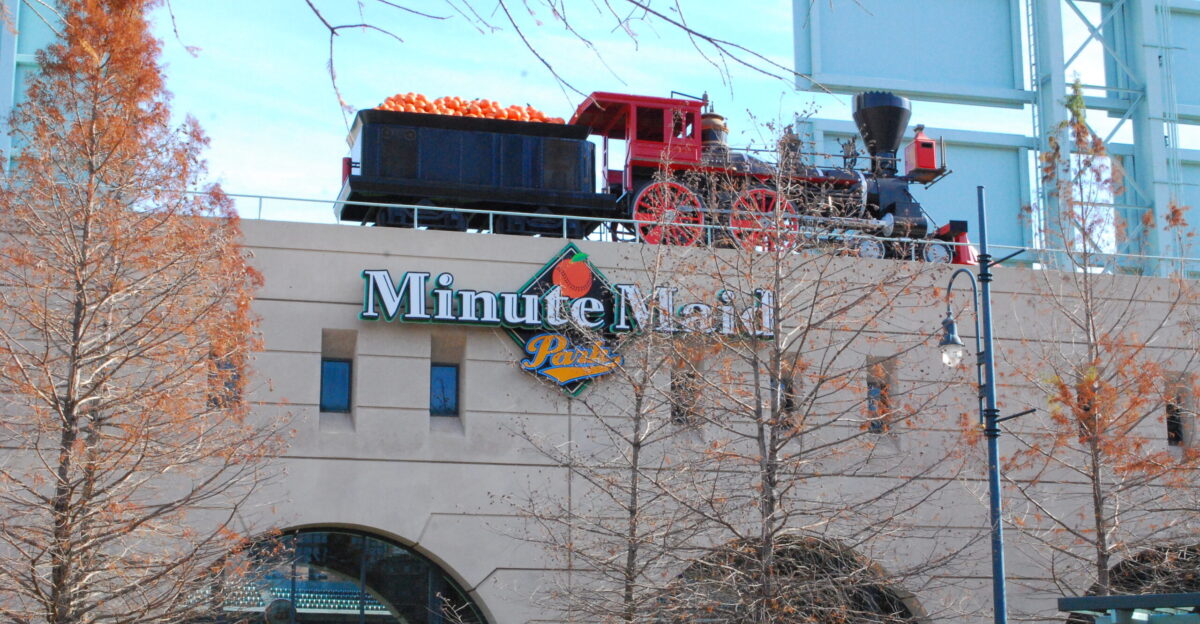
Minute Maid, a Coca-Cola subsidiary, is boycotted for water exploitation, labor issues, and environmental impact in juice sourcing. Organizers recommend fresh-squeezed juice from local farmers and water-conscious alternatives. The boycott reflects broader resistance to corporate supply chain exploitation and a redirection toward sustainable, locally sourced options that support both workers and environmental conservation.
#16 Dasani
Dasani faces boycott targeting bottled water corporations for privatizing public resources and environmental harm. Campaigners encourage tap water, refillable bottles, and water system investments. The boycott emphasizes resistance to corporate extraction—labor, resources, or cultural products—prioritizing shareholder profit over human and environmental wellbeing, reinforcing broader environmental justice concerns.
Restaurant chains follow with labor-related criticisms.
#17 Buffalo Wild Wings
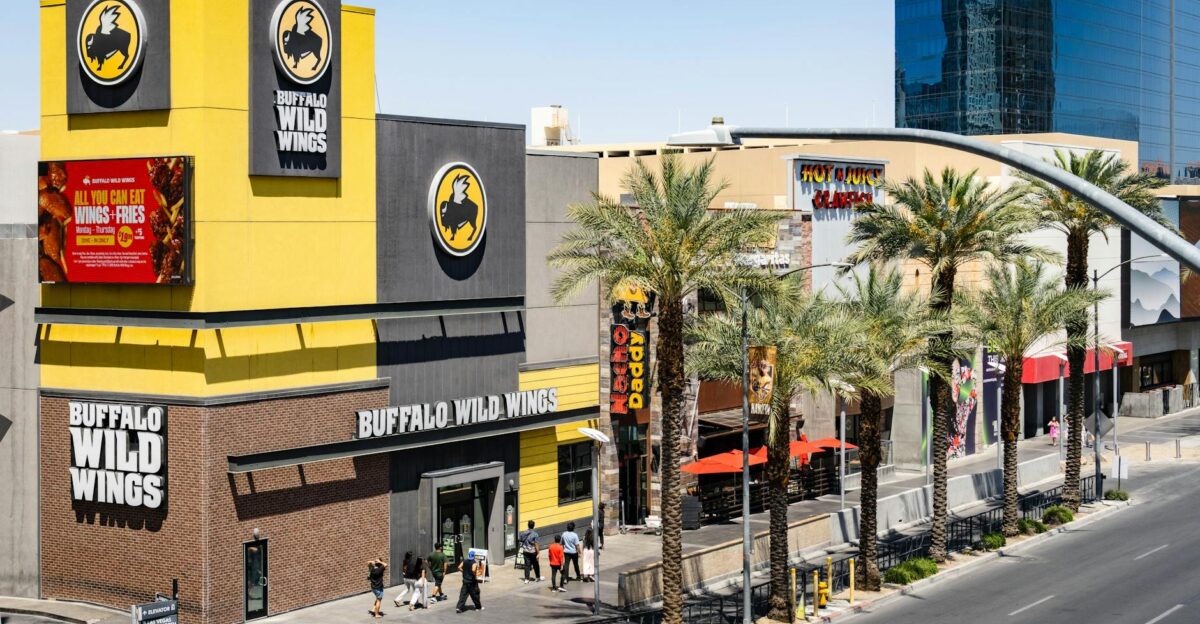
Buffalo Wild Wings appears on viral boycott lists due to labor practices and corporate consolidation. Campaigners encourage support of independent sports bars and worker-owned hospitality venues. The boycott shifts spending to establishments promoting community-based wages, worker voices, and equitable profit distribution, contrasting with low-wage corporate chains.
Frozen dessert brands are not exempt from campaigns.
#18 Ben & Jerry’s

Ben & Jerry’s is boycotted despite a social justice reputation. Now under Unilever, the brand faces claims of performative activism. Organizers suggest supporting independent ice cream makers and cooperative dessert businesses that maintain authentic labor and environmental practices. The boycott reflects consumer skepticism over corporate co-opting of social justice messaging.
Next, we examine cereal and chocolate brands.
#19 Kellogg’s

Kellogg’s faces boycott for corporate practices and Nestlé ties. Campaigners focus on worker wages, agricultural sustainability, and reducing consumer choice. Alternative purchases from independent snack producers, local bakeries, and cooperatives are encouraged. The boycott represents broader food justice initiatives that demand transparent, ethical supply chains, prioritizing the welfare of producers and the environment over corporate profits.
Nestlé is next with multiple labor and environmental issues.
#20 Nestlé
Nestlé is boycotted for water exploitation, child labor in cocoa sourcing, and aggressive marketing in developing nations. Campaigns demand accountability in supply chains, fair farmworker wages, and water rights protection. Consumers are encouraged to purchase fair-trade chocolate, direct-trade coffee, and cooperative agricultural products, prioritizing ethical sourcing over the concentration of multinational profits.
Tech companies are also on boycott lists.
#21 AT&T

AT&T faces a boycott for data-sharing with ICE, enabling deportation enforcement. The “Not With My Dollars” campaign urges termination of ICE contracts and adoption of human rights policies. Organizers promote cooperatively owned internet providers and ethical tech firms, highlighting corporate complicity in surveillance and immigration enforcement, and reinforcing broader digital justice campaigns.
Palantir’s technology practices are next for examination.
#22 Palantir

Palantir is boycotted for providing AI and data services to ICE, enabling deportations. Activists highlight risks to human rights and state surveillance. The boycott emphasizes ethical technology adoption, advocating open-source, privacy-focused alternatives that refuse contracts contributing to violence. Consumer pressure aims to reshape tech accountability in government partnerships.
Entertainment platforms also face coordinated action.
#23 Spotify
Spotify is boycotted from November 25-December 2, for ICE-related collaborations and poor artist compensation. Organizers encourage supporting independent artists, community radio, and ethical music platforms. Campaigns highlight corporate dominance in the streaming industry, questioning whether consumer spending supports companies that resist worker protections while profiting from creative labor.
Other streaming services are included next.
#24 Pandora

Pandora appears on ICE-focused and economic blackout lists from November 25 to December 2. Campaigners criticize artist pay and corporate consolidation, urging subscription cancellations and support of local, independent platforms. Activists advocate attending live performances and purchasing directly from artists, highlighting the growing consumer awareness of corporate exploitation in the entertainment industry.
Major media conglomerates face similar campaigns.
#25 HBO/Max

HBO/Max, a Warner Bros. Discovery subsidiary, is being boycotted for its collaboration with ICE, consolidation, layoffs, and prioritizing profit over creativity. Organizers encourage spending on independent filmmakers, community media centers, and cooperative platforms. The boycott reflects a shift toward supporting creators directly while challenging corporate monopolies in the entertainment industry.
Holiday Spending Sends A Powerful Message

The December boycotts show the growing power of consumers demanding accountability. From retail giants to food, entertainment, and tech companies, spending choices are becoming a tool for change, highlighting labor practices, corporate consolidation, and ethical concerns.
While the holiday season often focuses on shopping, this year it reflects a broader cultural shift: people are choosing to support businesses that align with their values. As campaigns continue, the question remains—how far will consumer influence reshape corporate behavior in the months ahead?
Sources:
Reuters – “US holiday spending set for steepest drop since pandemic, PwC survey shows” (September 2025) – PricewaterhouseCoopers consumer spending forecast data
National Retail Federation (NRF) – “NRF Expects Holiday Sales to Surpass $1 Trillion for the First Time in 2025” (November 2025) – Official holiday sales projections and retail data
CNN Business – “Target rolled back DEI efforts. A boycott ensued” (April 2025) – Documentation of Target’s REACH program discontinuation and DEI rollback timeline
The Guardian – Coverage of Target DEI rollback and boycott impact analysis (2025) – Third-party verification of corporate policy changes
The People’s Union USA – Official boycott announcement and statement (December 2025) – Direct organizational source for boycott campaign details, targets, and messaging