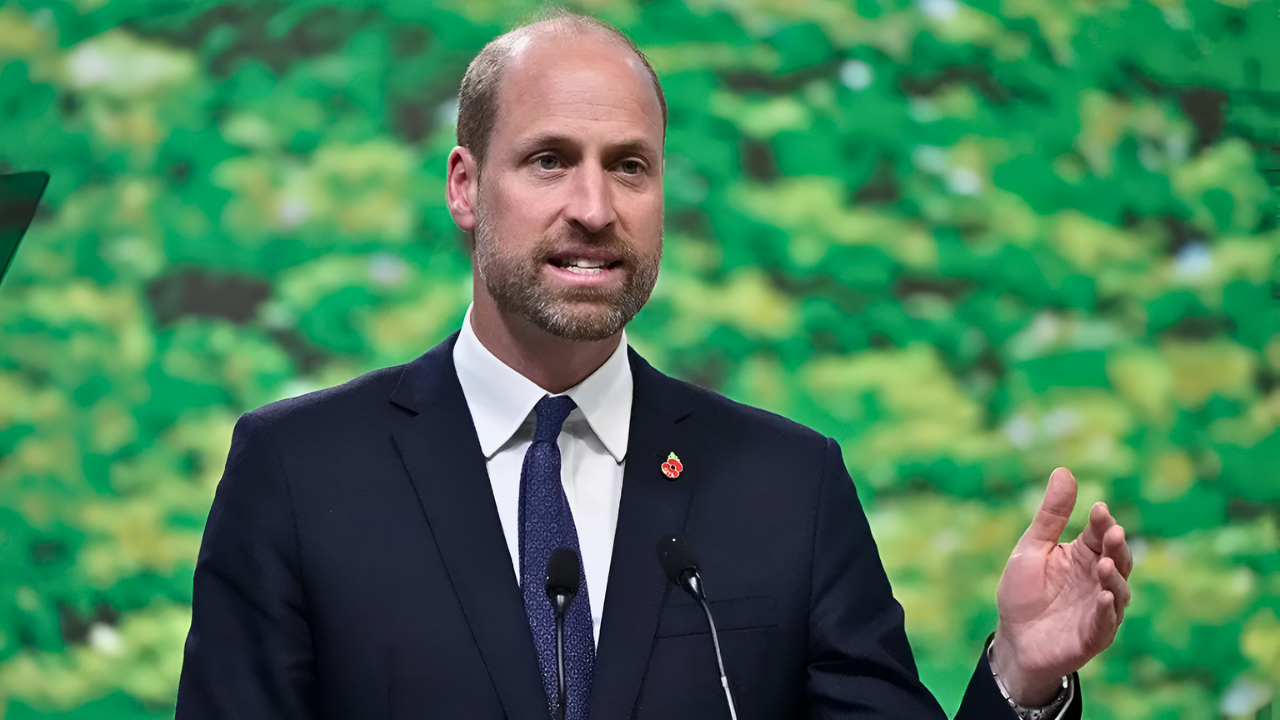
Prince William and Princess Catherine are redefining royal child-rearing, moving away from centuries of emotional distance and secrecy. Their model emphasizes open communication, vulnerability, and hands-on involvement. Historically, royal children were raised largely by nannies, kept apart from family challenges, and trained to maintain strict emotional restraint.
The Wales family demonstrates that empathy and duty can coexist. By embracing honesty and emotional transparency, they show that children can learn resilience without secrecy. This approach marks a dramatic departure from tradition and signals a modernizing influence within the monarchy. Let’s look into this deeper…
Breaking From Institutional Distance
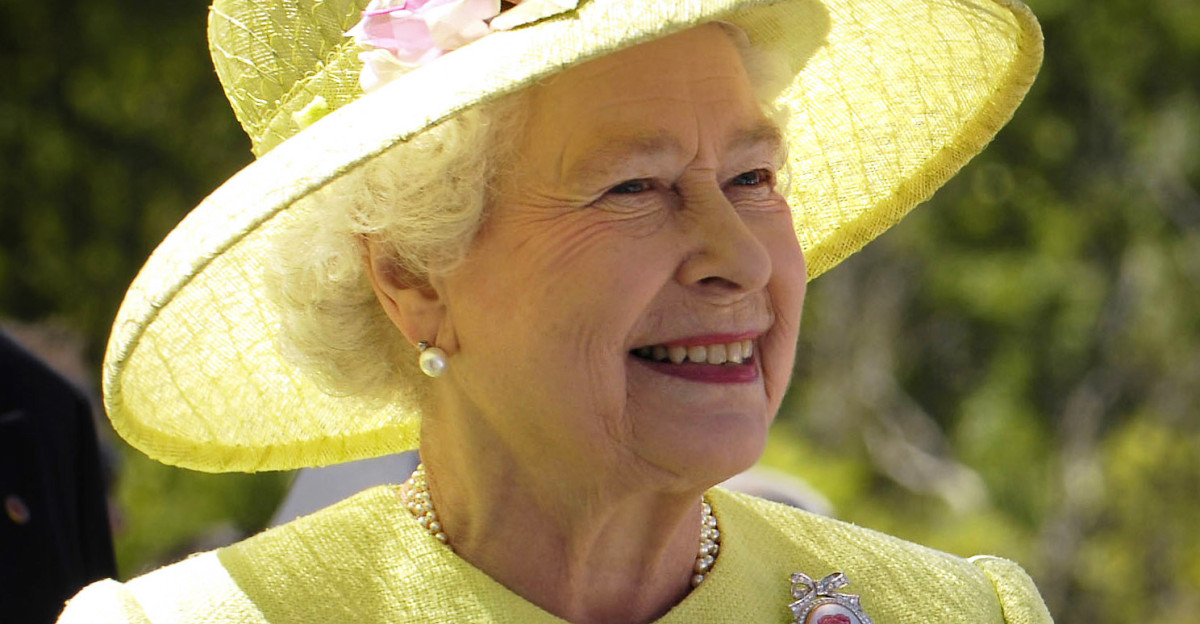
For generations, royal children experienced limited parental engagement, shaped instead by layers of staff and formal protocol. Queen Elizabeth II and Prince Philip relied heavily on nannies and boarding schools, creating emotional distance. King Charles III’s upbringing followed a similar pattern, marked by minimal parental affection and strict routines.
William’s childhood experiences profoundly shaped his approach. He was thirteen when the public breakdown of his parents’ marriage culminated in the Panorama interview—a period he cites as motivating his commitment to a more transparent parenting style. Rather than shielding their children, William and Catherine embrace open, age-appropriate communication even during family health crises.
Communication Over Tradition
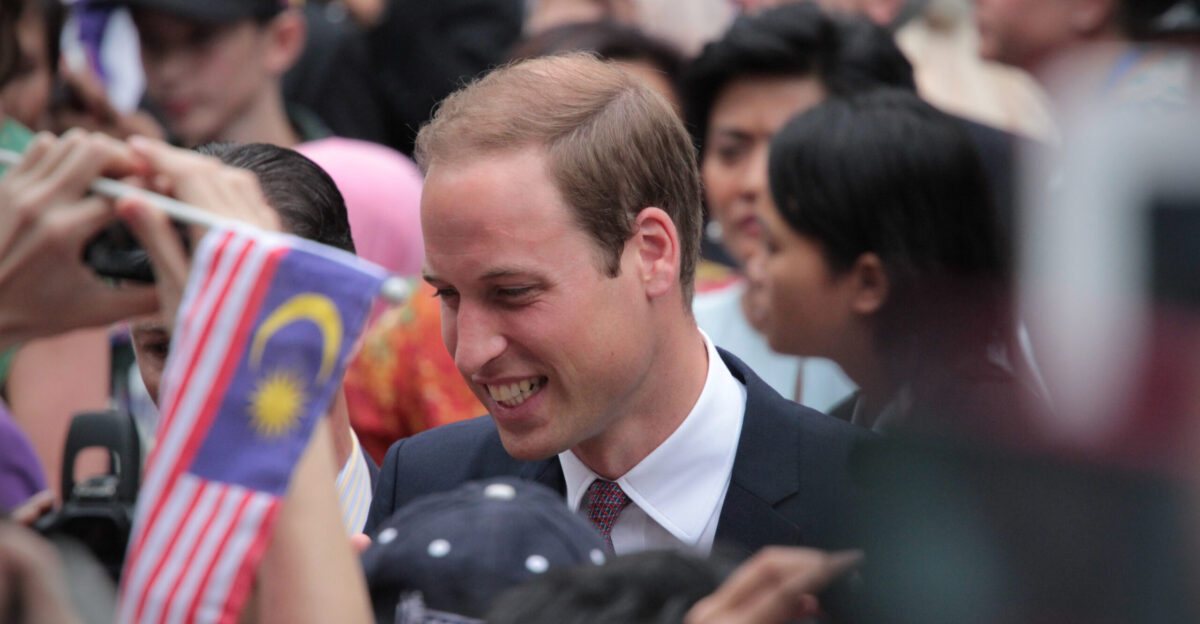
William has made his philosophy clear, stating that “hiding stuff” from children does not work. He prioritizes instinct and family dialogue over rigid royal protocols. The Wales children are encouraged to ask questions, express themselves, and understand that life includes challenges—lessons meant to build genuine resilience.
This approach contrasts sharply with traditional royal norms, where emotional restraint and formal etiquette were paramount. By emphasizing dialogue and openness, William and Catherine teach their children to balance personal vulnerability with responsibility, offering a practical template for emotional intelligence within a historically rigid institution.
Practical Changes in Daily Life

The family’s move to Forest Lodge in Windsor Great Park reflects their philosophy in action. The eight-bedroom Georgian residence provides space and privacy, reducing reliance on live-in staff. William and Catherine manage school routines personally and involve the children in household responsibilities, from chores to earning pocket money, instilling accountability and practical life skills.
Digital boundaries are also central to their strategy. The children currently have no smartphones—a “strict” rule Catherine deems necessary to shield them from inappropriate content. While future limited device access may be allowed, the current structure balances safety with the development of eventual digital literacy.
Institutional Modernization and Public Impact
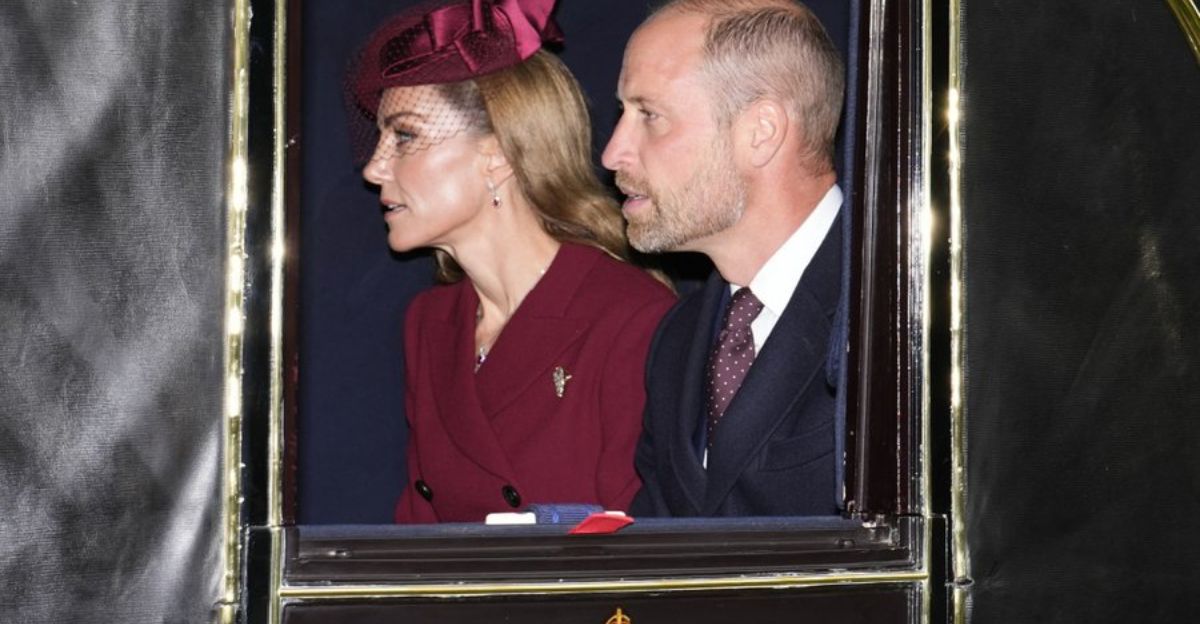
Beyond the household, this parenting model modernizes the monarchy itself. By nurturing empathy, resilience, and emotional intelligence, William is creating a generation of royals capable of balancing public responsibility with humanity. Public interviews and displays of vulnerability strengthen trust and relevance for an institution historically perceived as distant.
The relocation to Windsor also anchors the monarchy’s presence in the local community. Securing Forest Lodge through a 20-year lease demonstrates long-term planning and reinforces Windsor as a central hub for royal operations and tourism, reflecting a blend of tradition and strategic modernization.
A Template for Modern Royalty
Prince William and Catherine are constructing a new model for royal parenting. Emotional honesty, direct involvement, and age-appropriate transparency now take precedence over strict formality and distance. Their children are the first generation to experience this approach, which may influence broader royal culture in the future.
The Wales family demonstrates that tradition and humanity can coexist. By fostering resilience, emotional intelligence, and accountability, William and Catherine provide a blueprint for balancing royal duty with modern parenting. This shift not only shapes their children’s upbringing but also signals a new, relatable era for the monarchy.
Sources
Kensington Palace (Official Statements 2024–2025: Surgery, Cancer Diagnosis, Remission)
BBC News (Forest Lodge relocation; 1995 Panorama Interview context)
People Magazine (Lease terms; “No Live-In Staff” confirmation)
Town & Country (Historical analysis of Queen Elizabeth II/King Charles parenting)
ABC News (Prince William interviews on parenting philosophy)