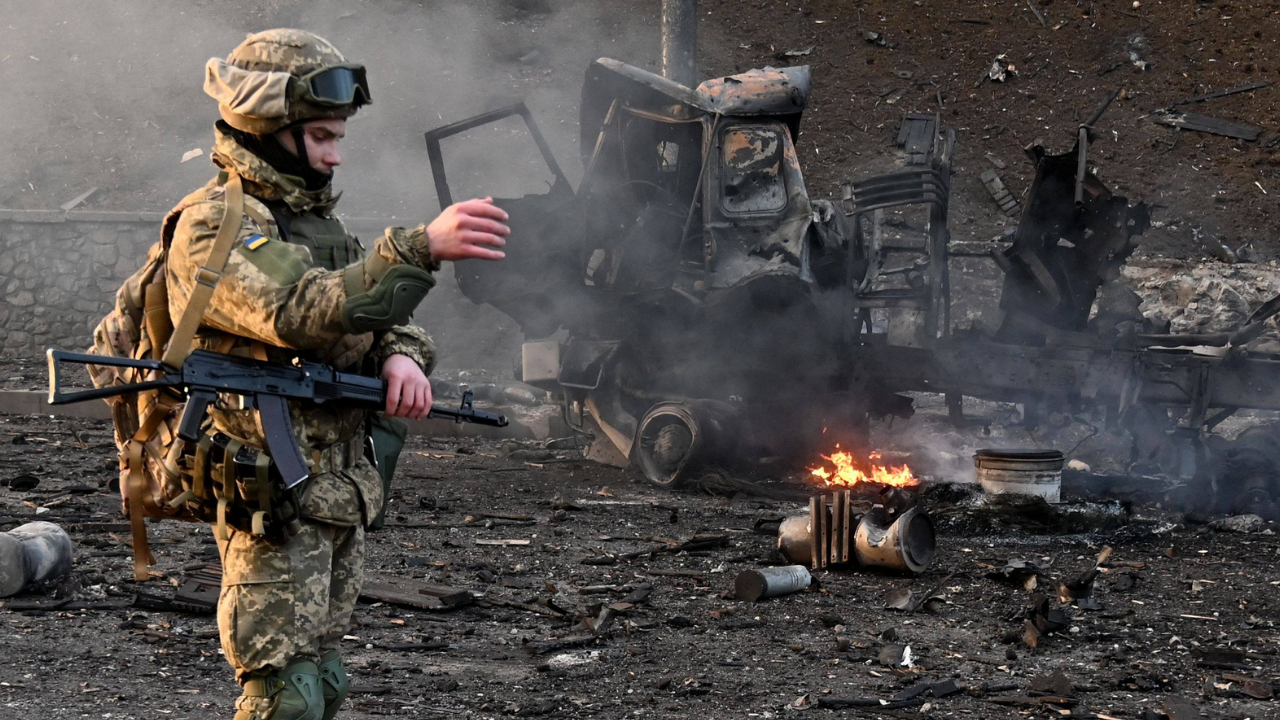
The Russian infantry group probably thought the night sky over Sumy would hide them. Instead, they were spotted almost immediately. Ukrainian Air Assault Forces used thermal-equipped drones to track the movement, lock on, and destroy roughly 15 troops and their vehicles before they reached Ukrainian lines.
The entire encounter lasted seconds—another reminder that darkness no longer offers the protection Russian units once relied on.
Russia’s New Ride of Choice
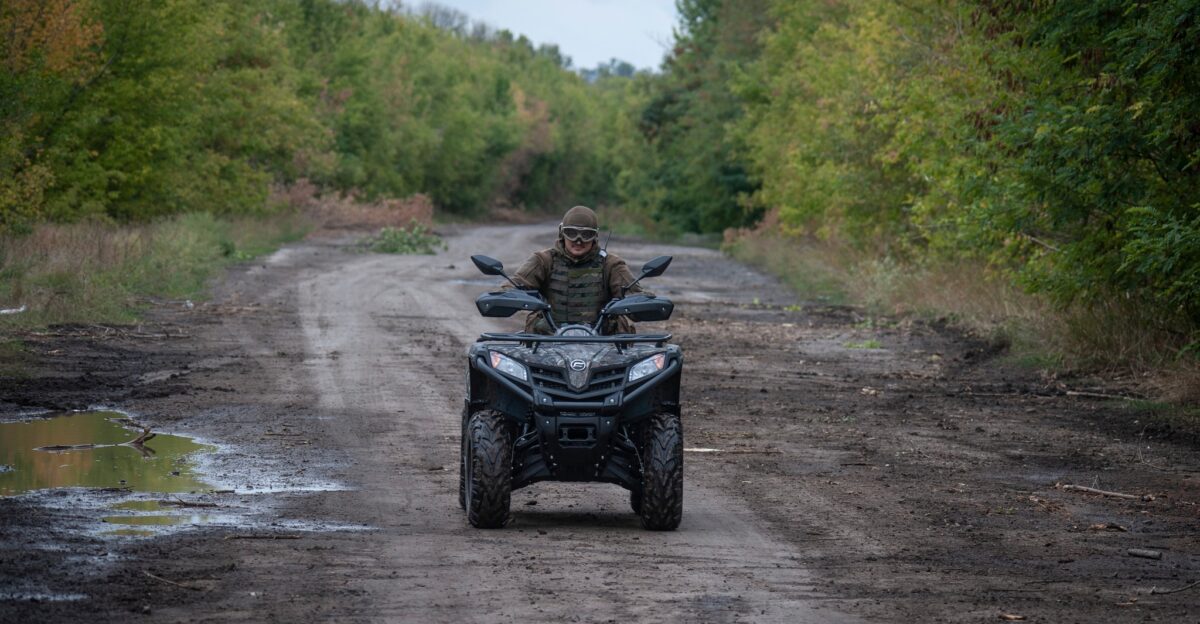
It might seem strange to see a modern army leaning on quad bikes and buggies, but it’s become part of Russia’s frontline improvisation. Heavy armor draws immediate drone fire; lighter vehicles blend in better and sprint across terrain quickly. That’s the theory.
In reality, Ukrainian operators have adapted just as fast, catching these smaller targets in their thermal scopes just as easily as tanks. Agility only goes so far.
A Line That Says Everything
“The enemy thought that at night it would not be noticed, but it was wrong and was destroyed.” The 80th Halychyna Brigade didn’t mince words. Their statement captures the new reality of this war: the side that controls the night holds the advantage.
With drones equipped with thermal and night-vision systems, Ukrainian forces can monitor the border as if it were lit by daylight, detecting movement long before it becomes a concern.
A War Reshaping Modern Casualty Records

Numbers alone rarely capture a war’s weight, but they still tell a story. Ukraine’s General Staff reports Russian losses have reached 1,172,860 since February 2022. Just before the Sumy encounter, another 1,160 were added.
Western intelligence, including UK Defence Intelligence and CSIS, estimates near one million total casualties with roughly 250,000 killed. However you measure it, these are losses on a scale not seen in decades.
A Single Day, a Mountain of Equipment Lost
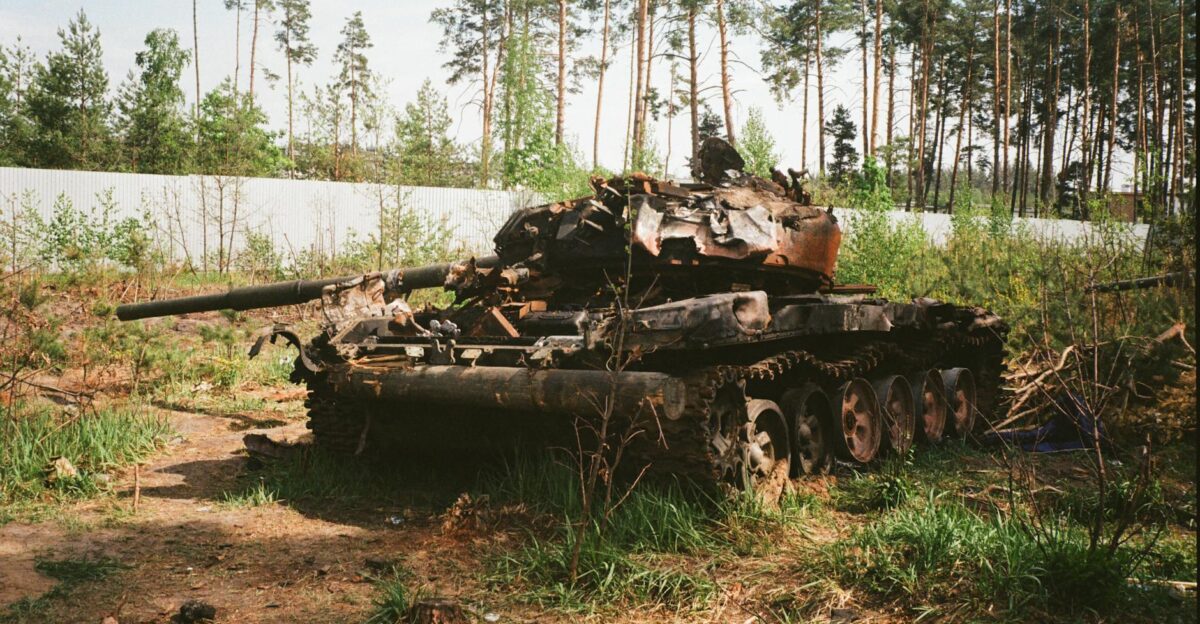
In the 24 hours preceding the Sumy strike, Russian forces lost hardware across every major category: five tanks, 14 armored combat vehicles, seven artillery systems, two rocket-launch systems, 508 drones, 29 missiles, and 49 vehicles.
These numbers aren’t just statistics—they reflect how quickly equipment is destroyed compared to how slowly it can be replaced. Every day like this stretches Russia’s logistics another inch thinner.
When Night Operations Flip the Script
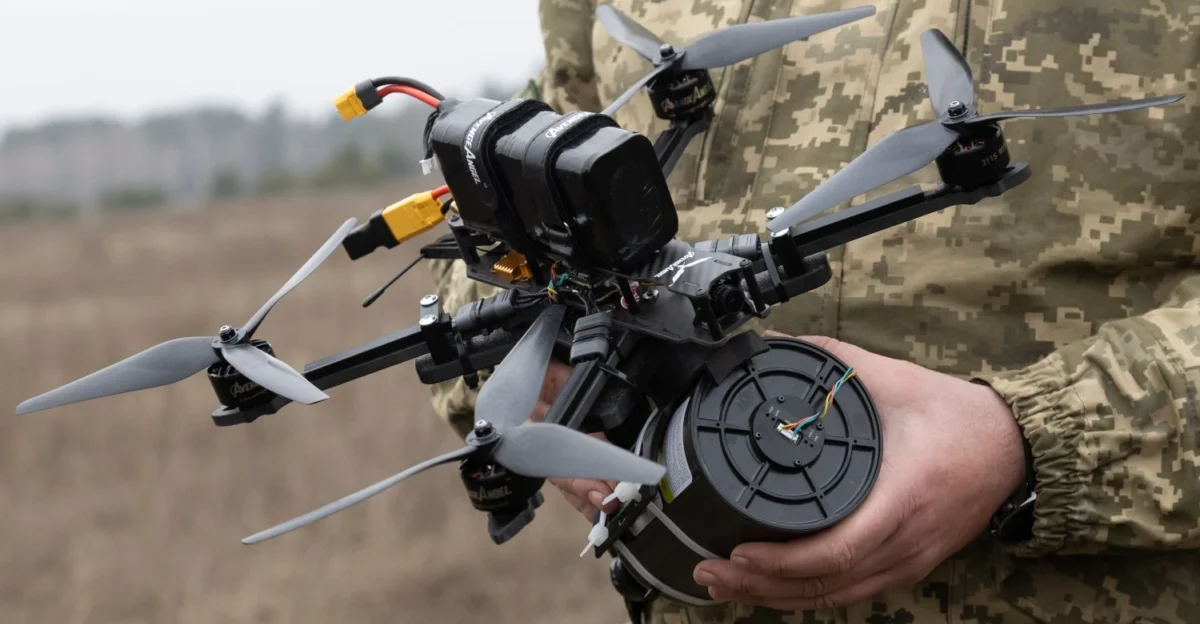
For most of history, night favored attackers. In 2025, Ukraine has turned that equation around. Thermal drones now instantly spot heat signatures, giving Ukrainian units a precision edge when the sun sets.
Russian forces continue to push nighttime operations, hoping that darkness will help—but the data keeps pointing in the same direction: Ukrainian operators are detecting more, striking faster, and hitting harder in these after-midnight engagements.
Why the Sumy Region Never Stays Quiet
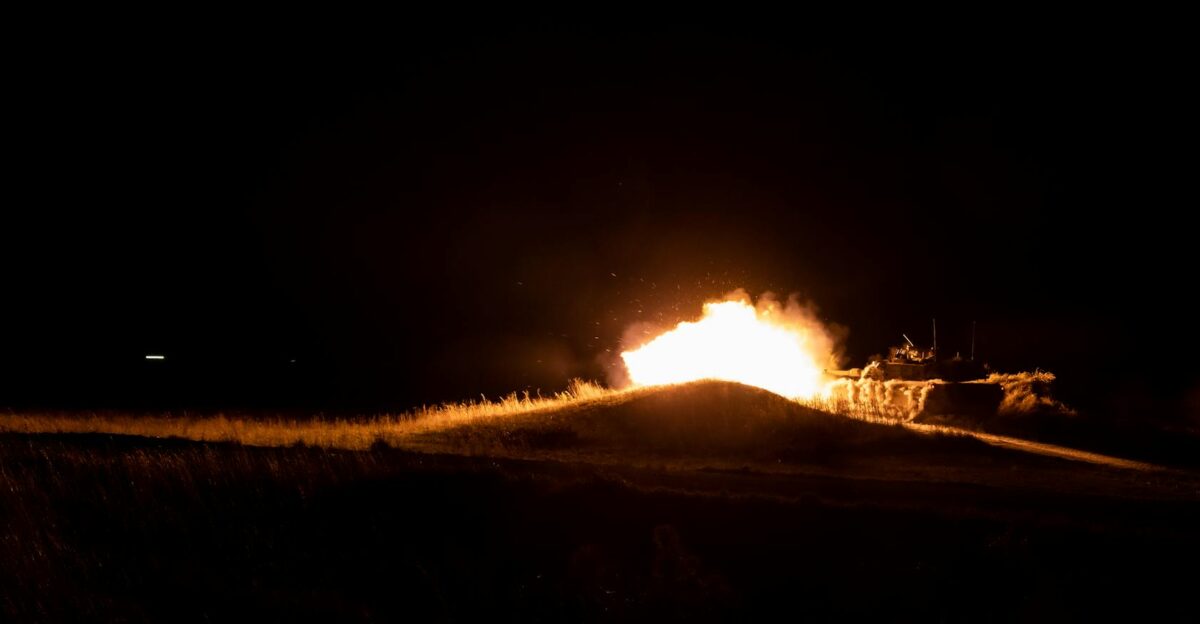
The Sumy border sits opposite Russia’s Kursk and Bryansk oblasts—territory that feeds constant pressure along the northern line. Russian forces regularly test these points, searching for gaps or weak spots.
Ukrainian defenders respond in real-time, adjusting their positions and patrol patterns nightly. The result is a region where silence is temporary and movement is always monitored. The latest drone strike is simply one chapter in a nonstop border contest.
The Drone Teams Behind Ukraine’s Defensive Edge
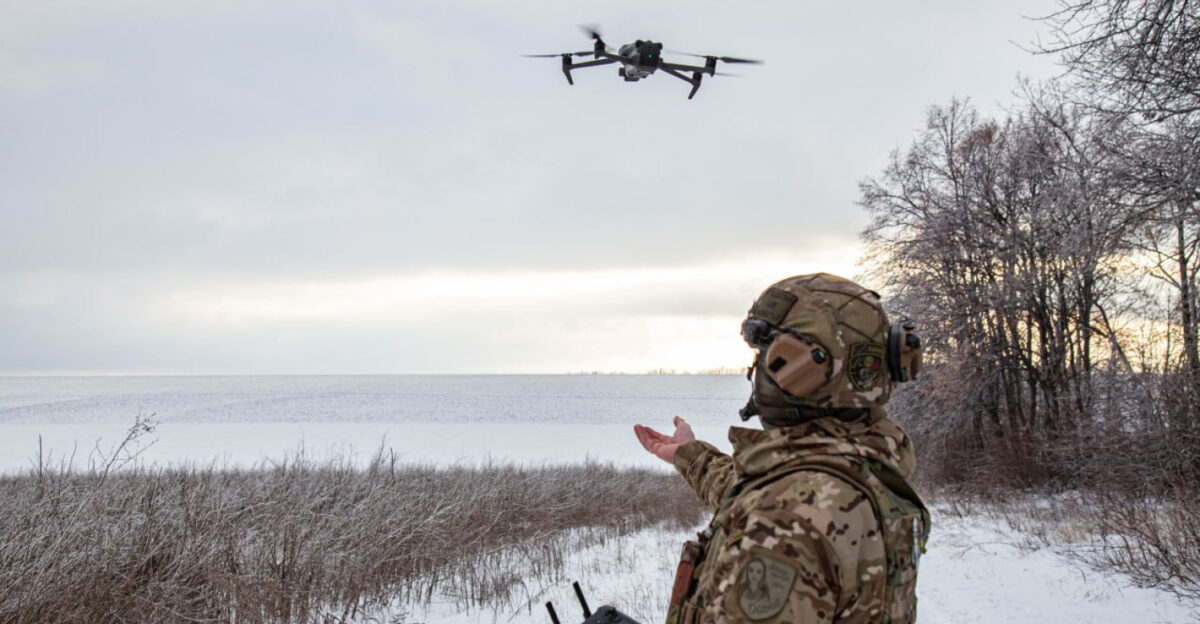
The 80th Halychyna Brigade’s drone operators are part of a newer class of frontline specialists—soldiers who fight battles while watching screens instead of trench lines. They read thermal patterns, analyze movement rhythms, and make split-second targeting decisions that change the outcome of an entire night.
Their precision turns small teams into force multipliers, extending Ukraine’s reach far beyond traditional defensive barriers.
The Era of Heavy Armor Is Cracking
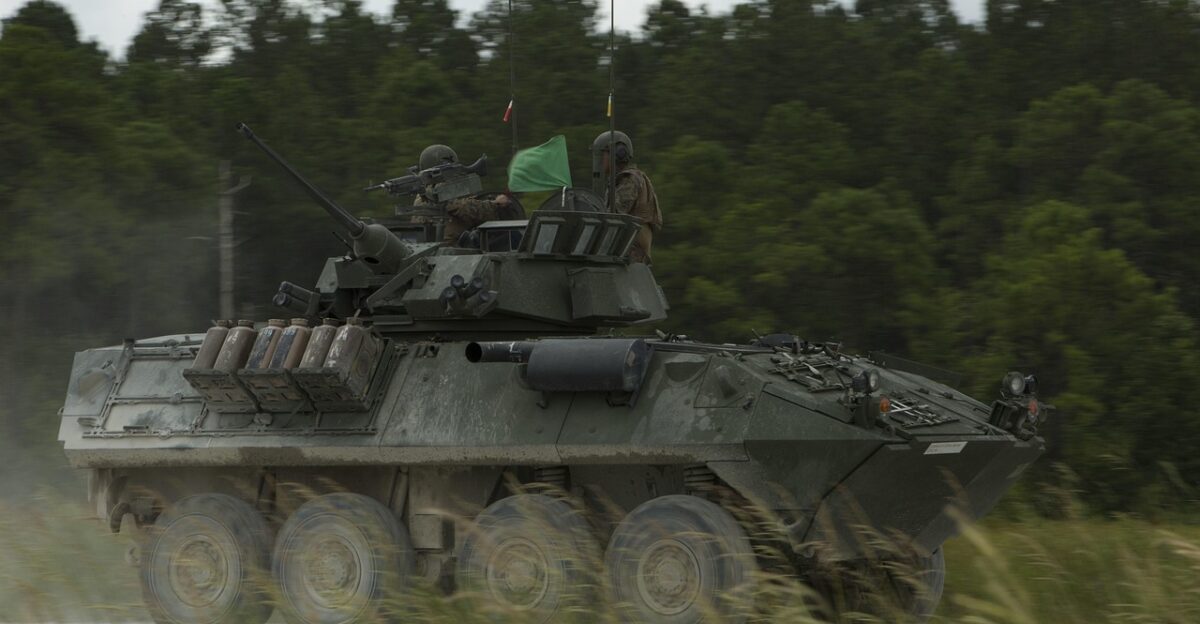
Tanks and armored carriers once symbolized unstoppable force. Now they represent large, slow-moving targets that drones can track from miles away. Russia’s shift to quad bikes and buggies is an attempt to escape this vulnerability.
Lighter vehicles come with their own problems—most of all, exposing troops to open fire if they’re spotted. In Sumy, that gamble failed quickly and decisively.
Smaller Russian Units, Same Big Risks
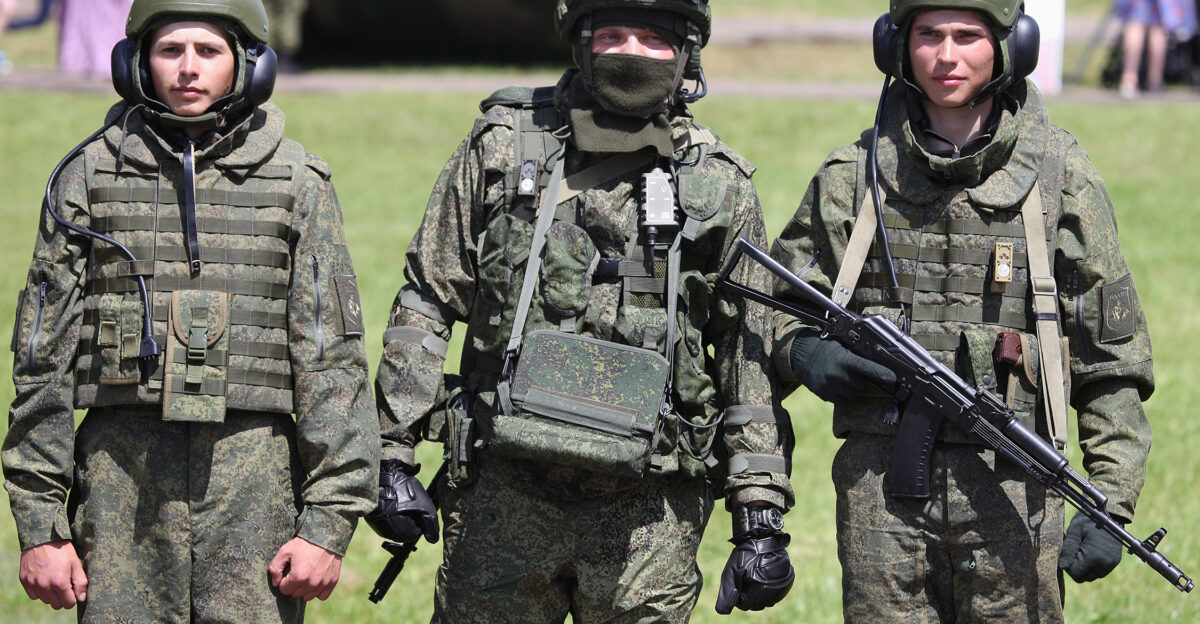
To counter Ukrainian drones, Russia has broken many of its infiltration groups into small teams using compact vehicles and dispersed routes. On paper, that lowers visibility. In practice, Ukrainian operators have become adept at noticing subtle thermal traces, tire heat, and movement patterns. Even the smallest units leave signatures.
The Sumy strike is proof: downsizing doesn’t guarantee survival when drones watch every patch of ground.
The Human Weight Behind Daily Casualty Reports
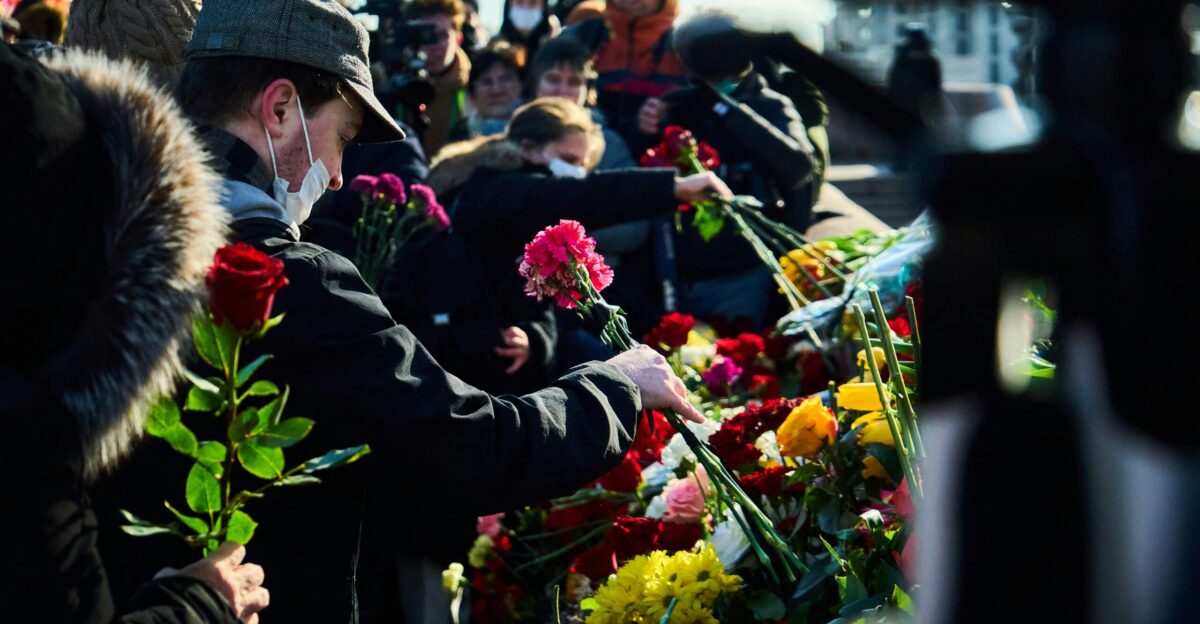
When Ukraine reports 1,160 Russian losses in a single day, it’s easy to see it as just another number. But each figure represents a soldier removed from Russia’s force structure, training system, and long-term demographic health.
After three years of war and nearly one million casualties, Russia’s replacement system faces growing strain. The impact won’t fade quickly—no matter how the battlefield evolves.
Western Analysts Confirm What Ukraine Reports
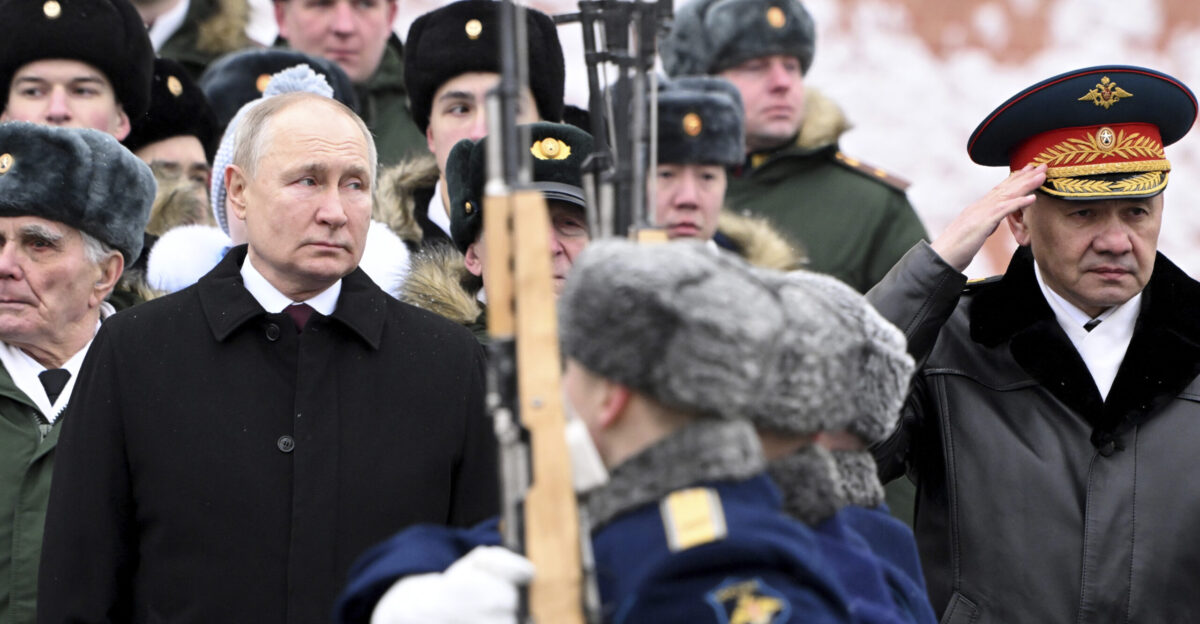
British intelligence assessments and CSIS analyses echo Ukraine’s casualty estimates almost point-for-point. Both sources place Russian losses at around one million, reinforcing the fact that separate intelligence channels are reporting the same trend.
The consistency matters. Wartime numbers are often debated, but when multiple independent assessments align, they form a clearer picture of a military paying a steep, sustained cost.
A Growing Technology Divide
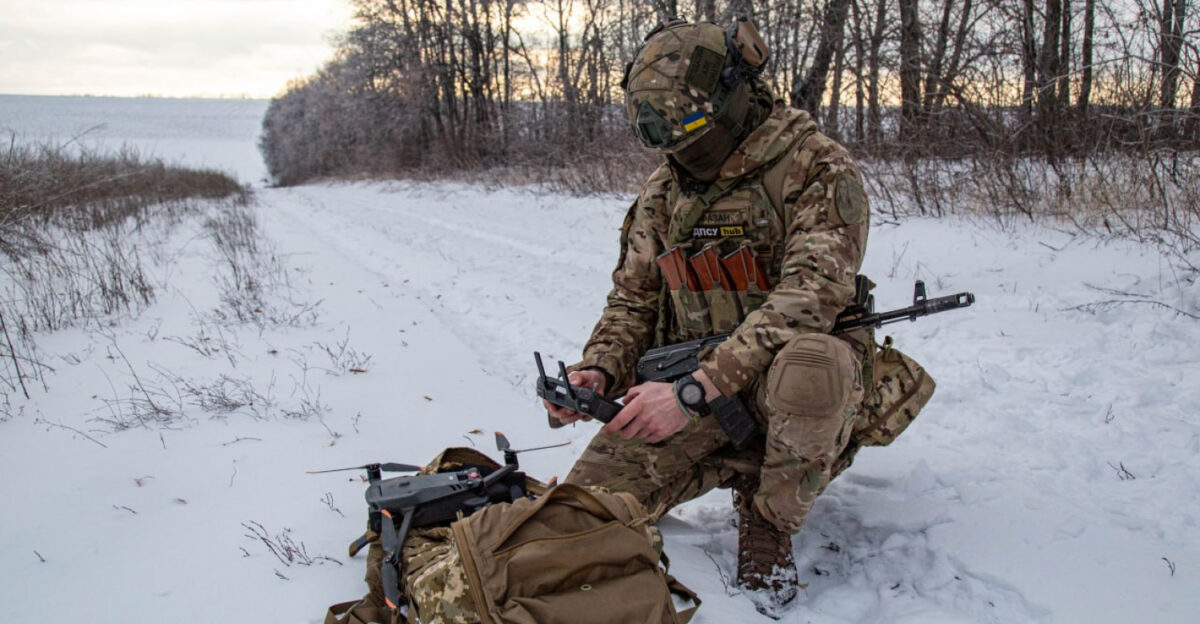
Ukraine’s mastery of thermal and night-vision drone platforms continues to widen the technological gap. Russia still fields more armored hardware and artillery pieces, but many of those advantages are blunted when Ukrainian operators can strike before vehicles even reach the frontline.
The asymmetry is playing out thousands of times a day in small engagements that add up to meaningful shifts in battlefield momentum.
What the Sumy Strike Signals for Winter
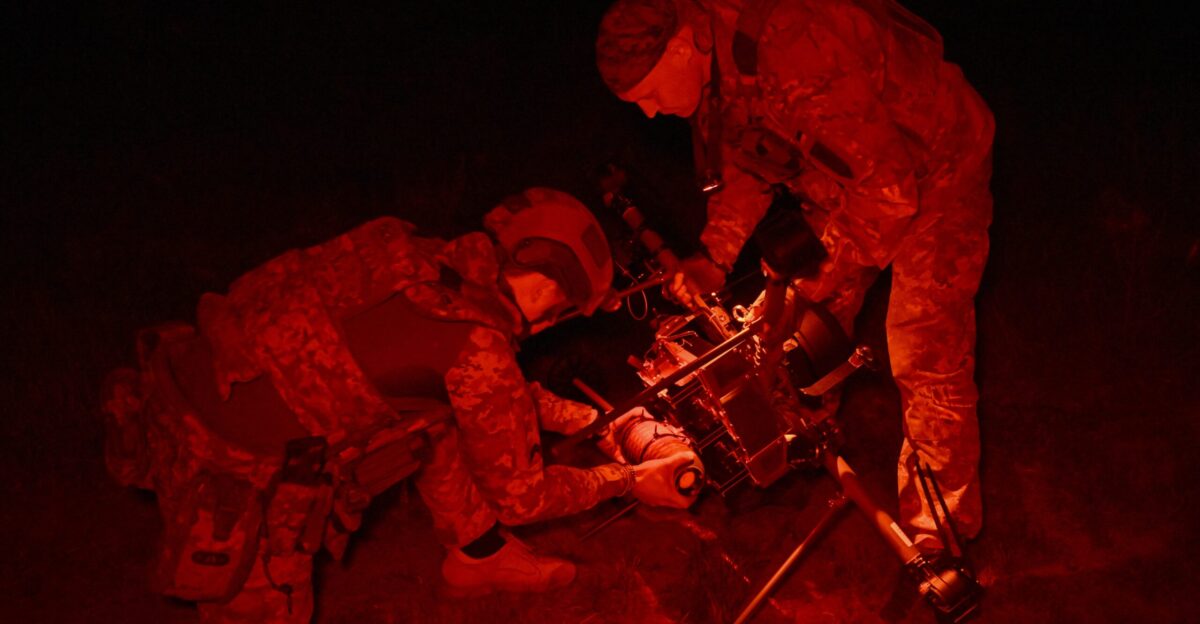
Winter historically favored Russian offensives, but that pattern is eroding—snow, fog, and early sunsets no longer obscure movement from drones. The Sumy interception shows Ukraine can apply pressure at any hour, in any weather, across any border point.
For Russian units planning winter pushes, this means higher risks, fewer safe routes, and a frontline where darkness provides no cover.
The Pattern No One Can Miss Anymore
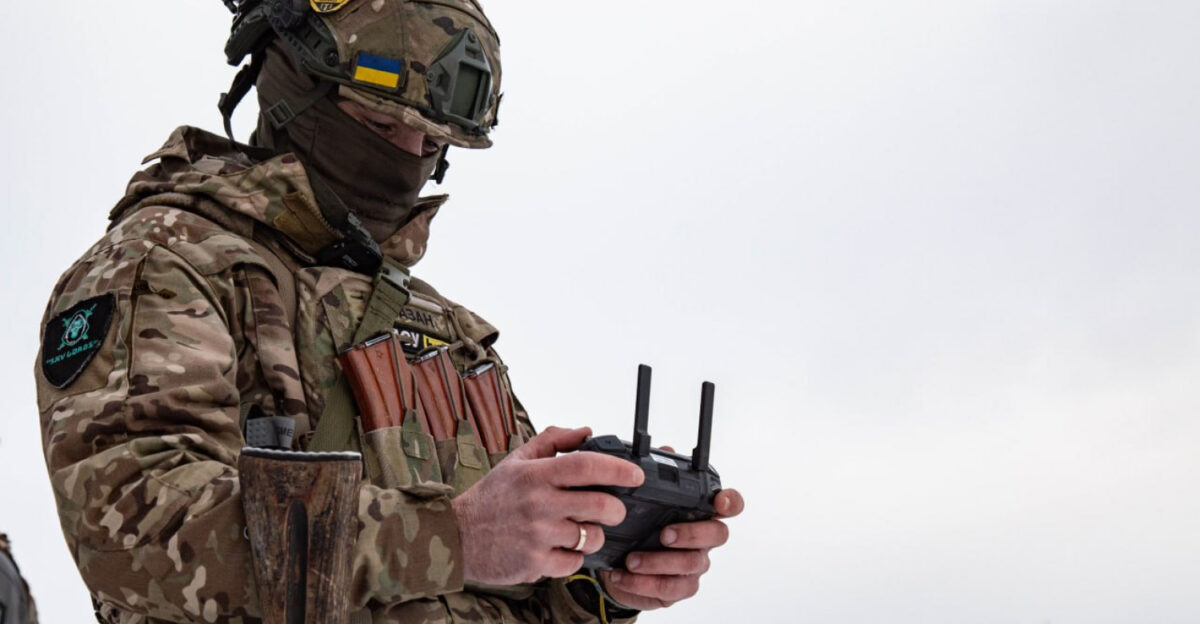
Taken alone, the Sumy strike is a brief nighttime encounter. However, it mirrors a much larger trend: Russia attempting to adapt with lighter vehicles and smaller units, while Ukraine counters with faster technology and disciplined drone teams.
Every one of these micro-engagements shapes the broader war. The quad-bike raid captures all of it—speed, adaptation, vulnerability, and the decisive advantage of those who control the night.
Sources:
- Ukrinform – Ukrainian forces eliminate several groups of invaders on quad bikes and buggy in Sumy region
- General Staff of the Armed Forces of Ukraine daily casualty and equipment loss update via UNN
- General Staff of the Armed Forces of Ukraine daily casualty and equipment loss update via Ukrainska Pravda
- British and Western estimates of total Russian casualties in Ukraine (Mediazona/BBC, British intelligence, CSIS)