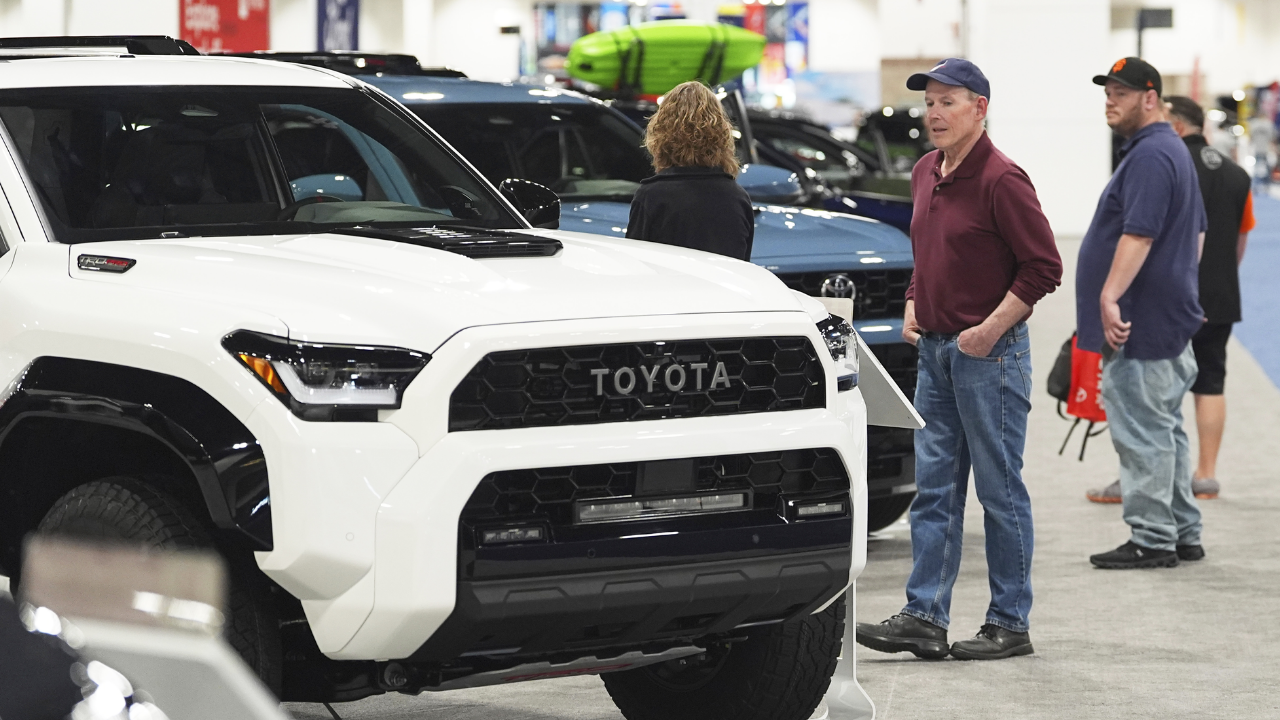
The first sign was a sharp, high‑pitched whine under throttle, coming from deep inside the transmission of a five‑year‑old Toyota Highlander that was supposed to “run forever.”
Minutes later, at a California dealership, the owner wasn’t handed a warranty claim number, but a $7,451 repair estimate and a reminder he was thousands of miles past powertrain coverage.
That Owner: Neil Pallaya’s December 2020 Purchase
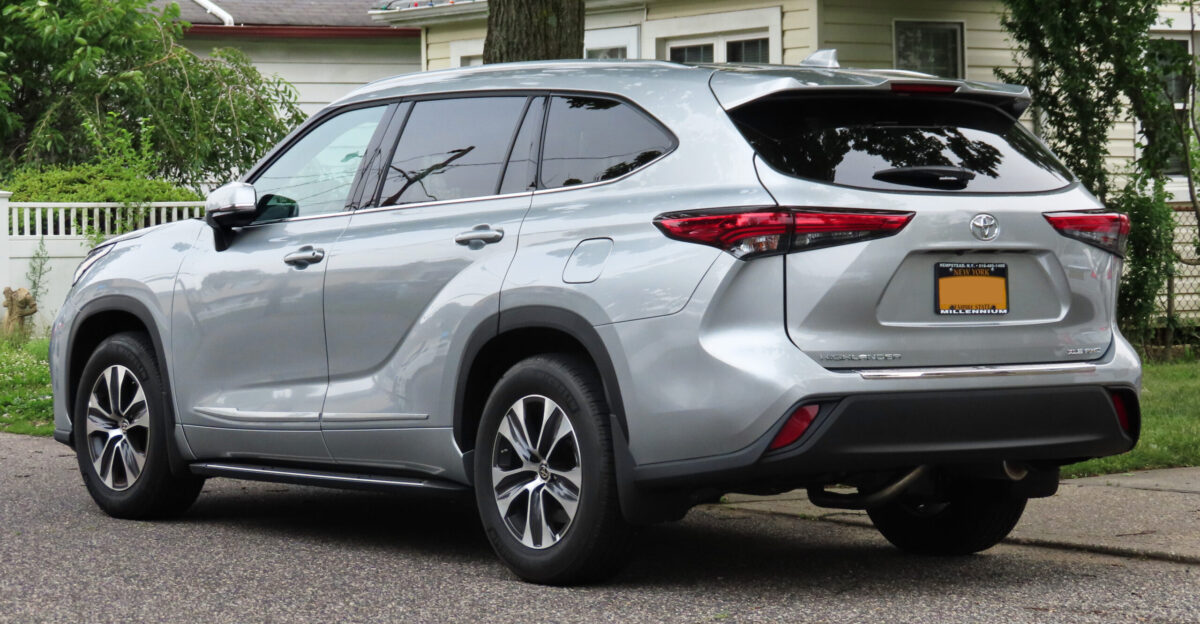
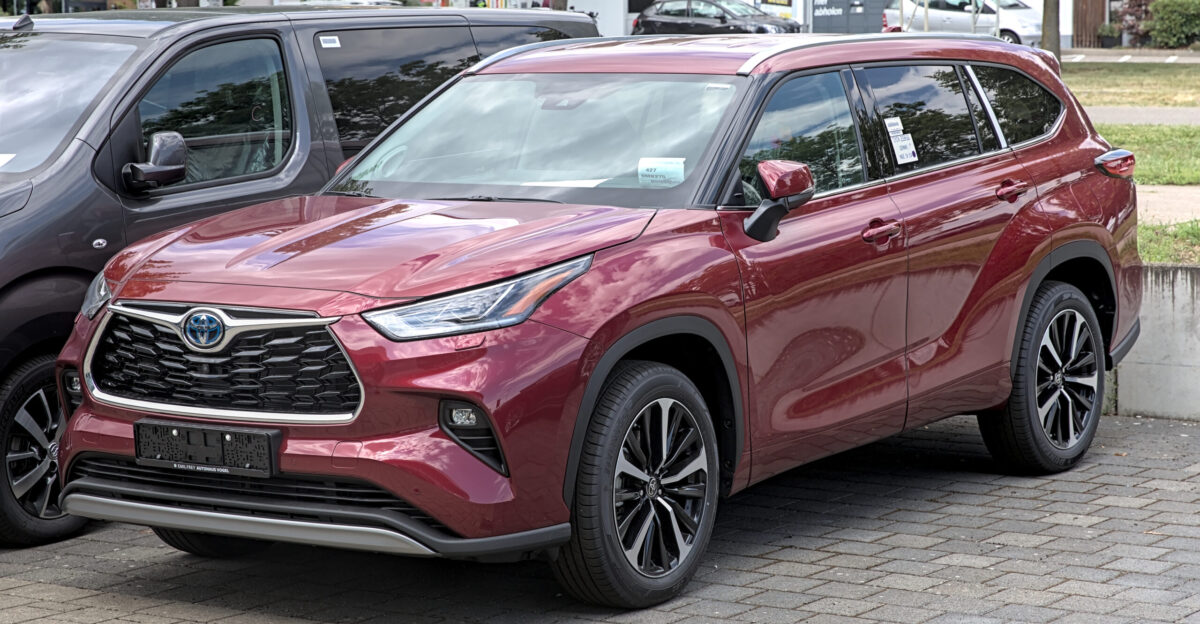
That owner, Neil Pallaya, had purchased his new 2020 Toyota Highlander in December 2020, equipped with a 3.5-liter V6 and an Aisin-built eight-speed automatic transmission.
By September 2025, the odometer read approximately 67,200 miles when the whining noise began to appear consistently whenever he pressed the accelerator. A dealer inspection concluded that the entire transmission needed replacement rather than a minor internal repair.
Out-of-Warranty Repair Bill: Full Cost Falls on Owner

Pallaya says Toyota refused to pay because the Highlander’s five‑year/60,000‑mile powertrain warranty had already expired. Instead of authorizing goodwill assistance, the automaker left him facing the full $7,451.33 bill.
Believing the replacement unit carried the same underlying defect, he filed a federal class-action lawsuit seeking more than $5 million in damages and broader relief for similarly situated owners across the United States.
Federal Court Filing: Pallaya v. Toyota Motor Sales

The lawsuit was filed in the U.S. District Court for the Central District of California under the caption Neil Pallaya v. Toyota Motor Sales U.S.A., Inc., et al. and is being handled by law firm Blood Hurst & O’Reardon LLP.
It targets Toyota’s UA80‑series eight‑speed automatic transmissions, manufactured by longtime supplier Aisin, in which Toyota has held a substantial ownership stake for years.
The Alleged Defect: Excessive Heat and Component Degradation
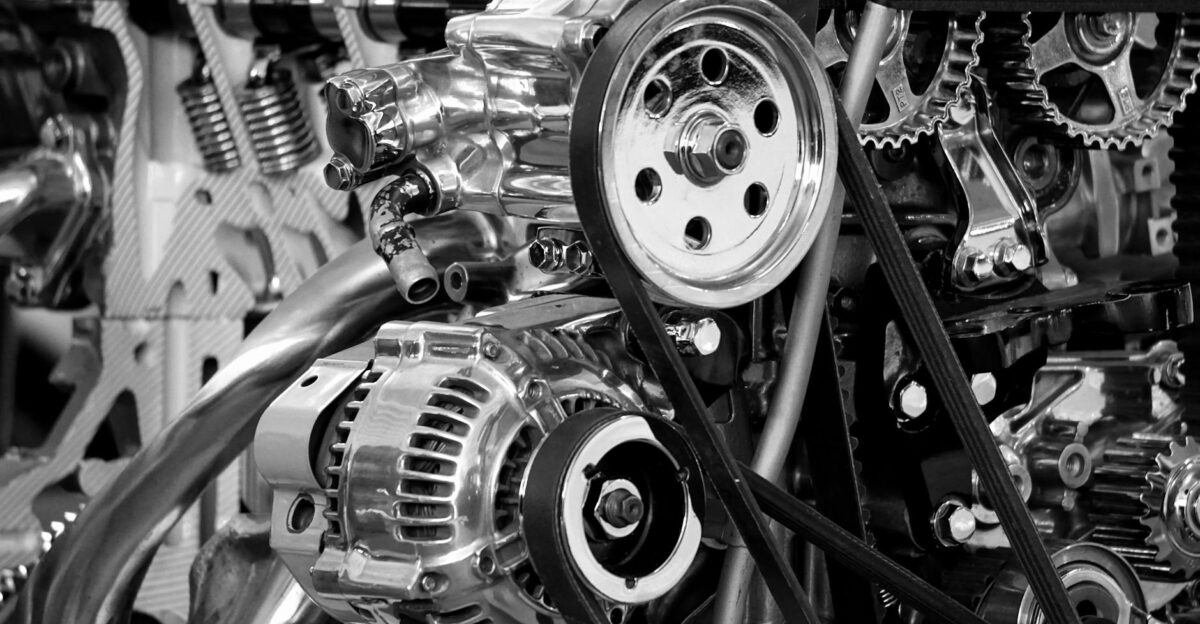
According to the complaint, excessive heat allegedly builds up inside the torque converter, burning transmission fluid and prematurely degrading internal components.
Over time, that process reportedly damages the clutch system and other hardware, leading to noisy operation, harsh or delayed shifts, shuddering, and ultimately complete transmission failure—often well before the roughly 200,000‑mile service life many consumers expect from a modern Toyota drivetrain.
Affected Models: Highlander, Sienna, Camry, Avalon, RAV4, Lexus RX 350

The allegedly defective UA80‑family transmissions appear in several high‑volume models, according to the filing and supporting materials.
These include the 2017–2022 Toyota Highlander, 2017–2020 Sienna, 2018–2020 Camry, and 2019–2022 Avalon, as well as later RAV4 crossovers and certain Lexus models such as the RX 350 that rely on similar eight‑speed hardware for front‑wheel‑drive or all‑wheel‑drive configurations.
Owner Complaints: Consistent Pattern of Transmission Issues
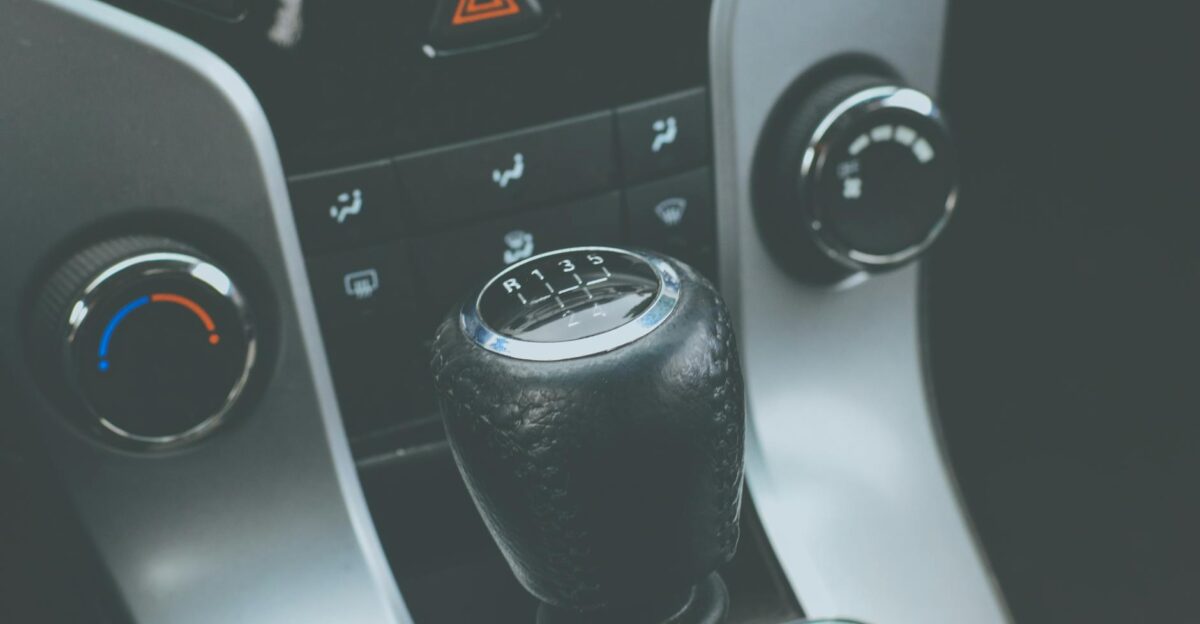
Owners of these vehicles report a strikingly consistent pattern of issues: high‑pitched whining, clunks, hesitation when pulling away, erratic or harsh shifts, sudden loss of drive, and repeated dealer visits without lasting fixes.
Many complaints describe failures occurring just outside warranty coverage, turning what families believed would be long‑lasting, low‑maintenance vehicles into unexpected multi‑thousand‑dollar repair liabilities.
Internal Warnings Since 2017: High-Priority Flag Ignored
The lawsuit says internal Toyota warranty analytics had already flagged the UA80 transmission as a “high‑priority” powertrain concern as early as February 2017.
Despite this, Toyota allegedly continued to install the units across popular models while issuing a series of Technical Service Bulletins aimed at addressing symptoms such as harsh shifting, hesitation, abnormal transmission noise, and torque converter behavior, rather than replacing or redesigning the affected hardware.
430+ NHTSA Complaints: Widespread Documentation of Failures

At the same time, public data show hundreds of complaints to the National Highway Traffic Safety Administration (NHTSA) tied to UA80‑equipped vehicles, with a Change.org petition citing more than 430 cases.
Many families reported being told to “wait for complete failure” before dealers would authorize a replacement transmission, leaving them to drive with persistent whining, shuddering, slipping, or unpredictable gear changes in daily use.
CSP ZJC Program: Limited Coverage for Select Vehicles Only

Toyota did launch a narrow Customer Support Program for certain Highlander and Sienna models, known as CSP ZJC. The internal policy quietly extended coverage to a restricted group of Vehicle Identification Numbers, acknowledging specific wear-and-tear issues in the torque-converter area of the UA80F transmission.
Eligible owners could receive repairs or replacements beyond standard warranty limits, but only if their vehicles fell within the program’s tightly defined VIN range.
The Coverage Gap: Thousands of Owners Excluded from Relief

However, thousands of other owners with the same basic transmission and nearly identical symptoms were excluded because their VINs did not match the limited eligibility list.
That mismatch between the technical footprint of the problem and the narrow scope of Toyota’s remedy helped fuel mounting frustration—and ultimately, organized consumer action that would push the controversy far beyond a single California lawsuit.
Change.org Petition: 1,700 Signatures Demand Expanded Coverage

In May 2025, a Change.org petition titled “Toyota: the UA80F/E Transmission Defect” urged the company to expand CSP ZJC to cover all affected UA80‑series vehicles.
The petition, which has garnered more than 1,700 signatures, describes high-pitched whining, erratic shifting, hesitation, and premature failures across 2017–2022 Highlanders, 2017–2020 Siennas, and 2018–2020 Camrys, often necessitating complete transmission replacement.
Owner Burden: $5,000–$8,000 Bills for Recent Vehicles

The petition warns, “This is a safety issue, a financial burden, and a matter of corporate accountability.” One update highlights owners facing $5,000–$8,000 repair bills on vehicles less than ten years old, sometimes while still making monthly payments.
These real‑world stories support the lawsuit’s core claim: that Toyota’s limited support programs do not reflect the full real‑world scope of the alleged defect.
Technical Root Cause: Assembly Process Defect in Counter-Drive Gear

Technical analysis cited in the petition and industry coverage from Gears Magazine attribute the UA80’s problems to a flawed factory assembly process involving the counter-drive gear support.
A locking tab intended to secure a critical retaining nut was allegedly not always bent correctly during assembly, allowing gear movement, internal wear, and the characteristic whining noise that owners report as an early warning sign of trouble.
Gradual Failure Mechanism: Silent Degradation Before Breakdown
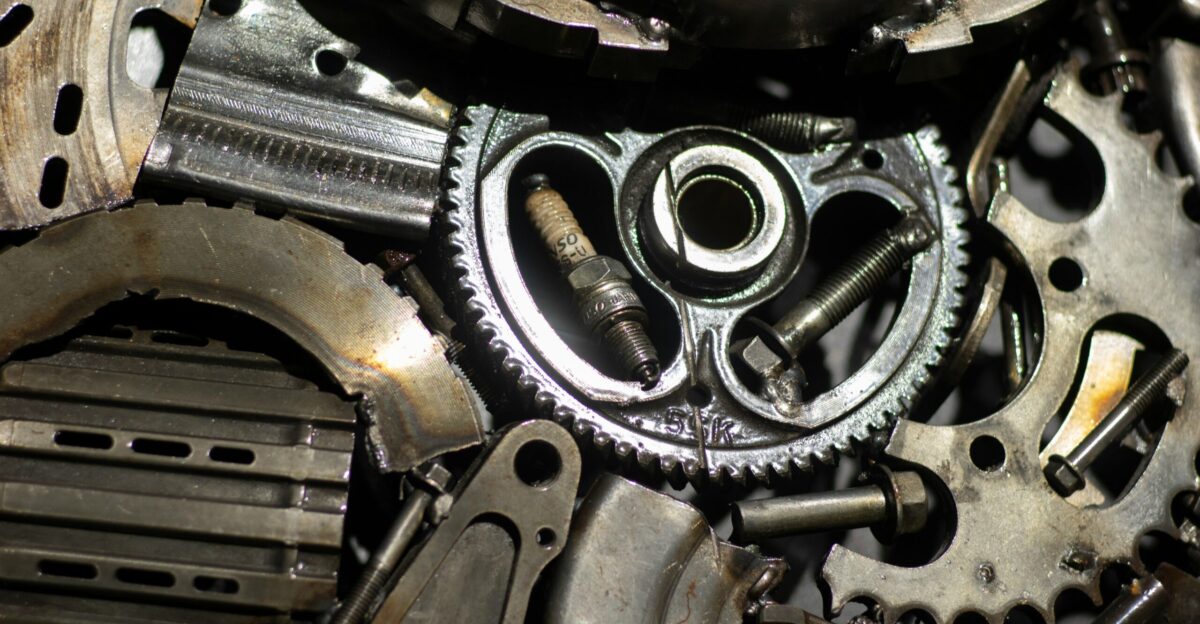
Over time, that unwanted movement can accelerate wear on internal components, contaminate transmission fluid with metal particles, and contribute to catastrophic failures. Because gradual mechanical degradation may not trigger early diagnostic trouble codes, it can erode reliability for years before an obvious breakdown.
Technicians and owners hear symptoms long before software registers a fault, complicating early detection and timely intervention.
Toyota’s Durability Promise Under Threat: Brand Reputation at Risk
For decades, Toyota’s core brand promise has centered on long‑term durability and low ownership costs. The Pallaya lawsuit and similar complaints threaten that perception precisely where it matters most: in mainstream family crossovers and minivans marketed for peace of mind.
Expensive out‑of‑warranty transmission repairs are particularly damaging in an era of high interest rates, longer loan terms, and elevated used‑vehicle prices.
Systemic Issue vs. Isolated Failure: Advocates Demand Accountability

Legal and consumer advocates behind the UA80 petition argue that limiting coverage to narrow VIN ranges, while acknowledging the underlying defect in internal bulletins and support programs, effectively shifts the financial burden onto unsuspecting owners.
They contend Toyota should treat UA80 failures as a systemic design or assembly issue rather than isolated wear‑and‑tear, especially given the volume of documented complaints and recurring symptom patterns.
Tacoma Transmission Lawsuit: Toyota Faces Multiple Driveline Cases
The Highlander transmission case is not Toyota’s only driveline headache. A separate class action filed in 2024 targets 2024‑model‑year Tacoma pickups, alleging harsh engagement, difficulty shifting, sudden “Limp Mode” entry, and outright transmission failures, sometimes within the first 100 miles.
Legal teams claim Toyota failed to recall or fully repair affected trucks despite early internal warnings.
Safety Concerns: Delayed Power and Unpredictable Shifting Hazards

While many owner accounts focus on financial strain, safety sits at the heart of regulatory concern. Delayed acceleration, sudden power loss, or unpredictable shifting create hazardous situations when merging, turning across traffic, or navigating busy intersections.
The petition urges affected owners to file NHTSA reports, arguing that consistent documentation could prompt a federal defect investigation and potentially lead to mandatory recalls or broader remedies.
Next Steps: Court Battles and Federal Investigation Looming

Going forward, the Pallaya case will proceed through the early procedural stages in federal court, including motions to dismiss, discovery, and potential class-certification battles.
If it survives, internal warranty analytics, engineering documents, and Aisin communications could face scrutiny. In parallel, NHTSA could open a formal investigation if complaints suggest a systemic safety defect rather than scattered mechanical failures.
Sources:
Yahoo News, “$5 Million Lawsuit Alleges Toyota Ignored Transmission Problems for a Decade” (December 1, 2025)
Change.org petition, “Toyota: the UA80F/E Transmission Defect” (filed May 29, 2025)
Justia Federal Dockets, Neil Pallaya v. Toyota Motor Sales U.S.A., Inc., et al., U.S. District Court for the Central District of California (Case No. 2:2025cv10613)
National Highway Traffic Safety Administration (NHTSA) Customer Support Program Bulletins (MC-10159730-9999, MC-10236191-9999)
Gears Magazine, transmission industry analysis of UA80 assembly defects