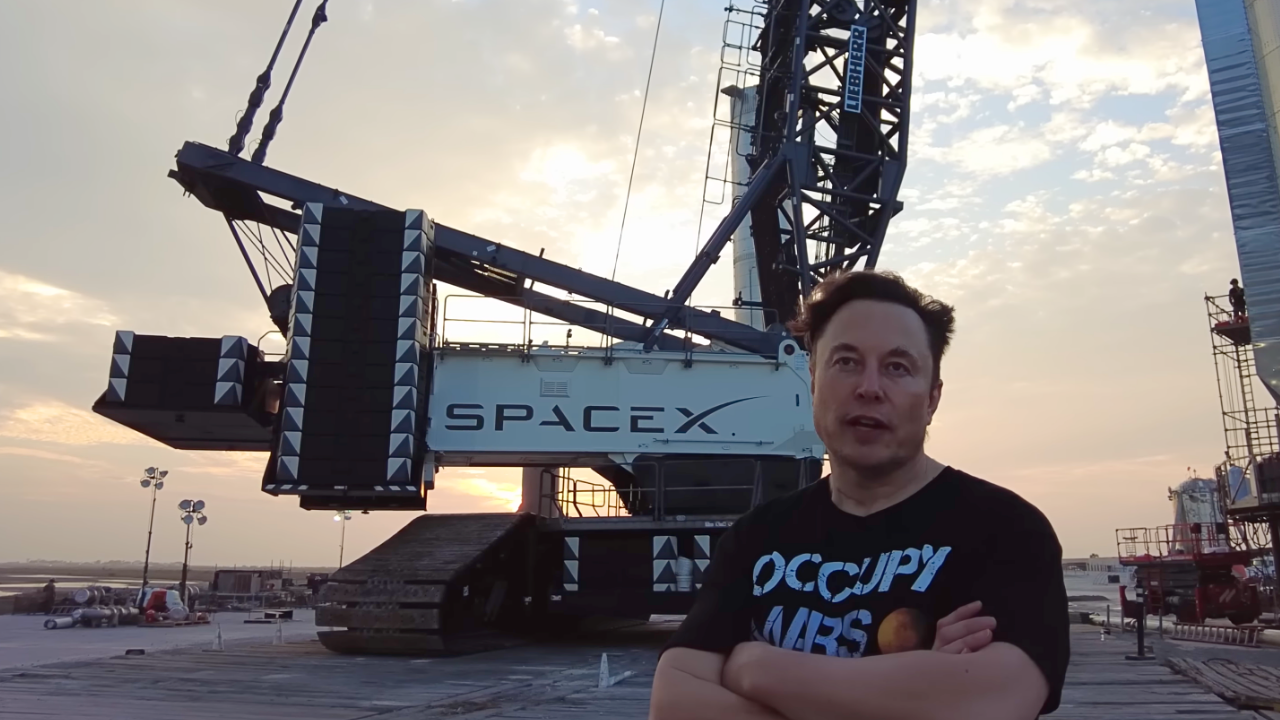
A viral headline recently claimed that Elon Musk wants to “block the sun” using space technology, framing it as humanity’s biggest energy transformation in thousands of years. The underlying idea, however, is more limited: Musk suggested a constellation of solar‑powered AI satellites that could slightly reduce the amount of sunlight reaching Earth to curb global warming, a concept related to space‑based solar radiation modification rather than literal sun‑blocking.
What Musk Actually Floated
On November 3, 2025, Musk posted on X that a large solar‑powered AI satellite network could help prevent global warming by making tiny adjustments to incoming solar energy. Coverage of the post drew global attention and, in some cases, exaggerated the idea into a dramatic “sun‑blocking” scheme that Musk himself did not fully detail as a concrete plan with budgets, engineering designs, or timelines.
Musk’s comment aligns with long‑discussed proposals for space‑based solar radiation management, which would partially reflect sunlight—often envisioned at or near the Sun–Earth L1 point—to cool the planet. Scientific work suggests that a small reduction in incoming solar radiation could theoretically offset warming from high carbon dioxide levels, but these schemes remain at a speculative stage and would require enormous orbital structures and complex control systems.
Timelines and Technical Hurdles
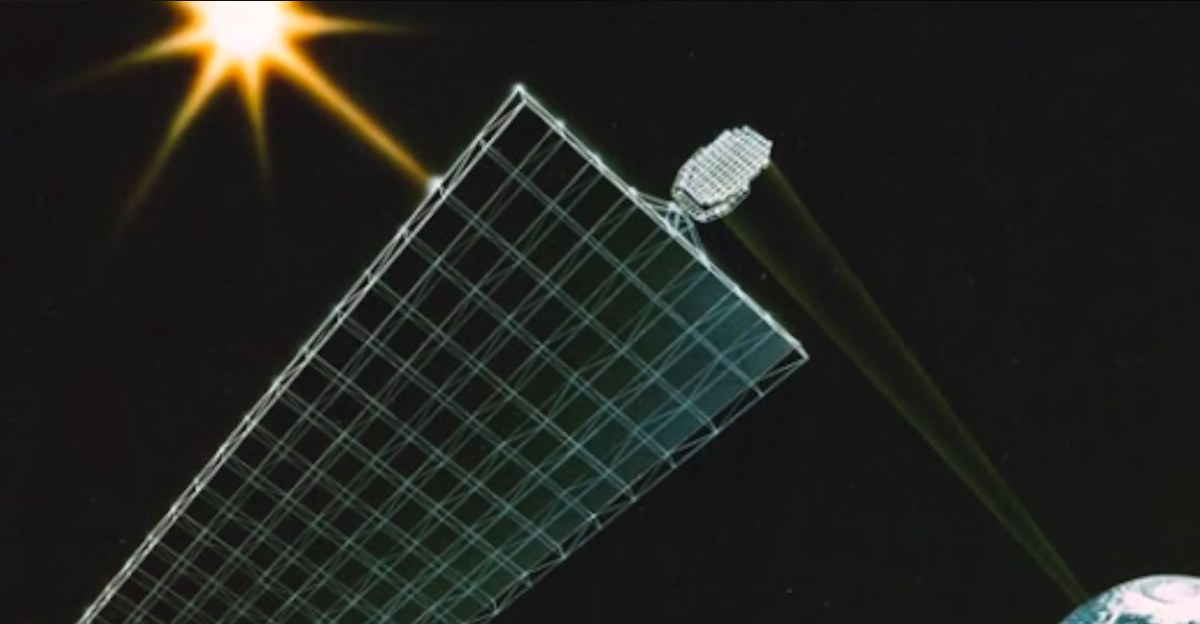
Recent scientific and policy reviews describe solar radiation modification as having very low technological readiness and warn that development and deployment would take many years, especially for ambitious space‑based systems. Analyses highlight that space‑based shading concepts demand extremely large areas of hardware in space and sustained launches over long periods, far beyond the scale of current satellite programs.
Historical experience with major energy and infrastructure transitions—such as the rise of coal and oil—shows that large‑scale shifts typically unfold over decades or longer, not within a few years. Experts therefore view space‑based geoengineering as a distant, uncertain possibility compared with proven measures like renewable deployment and efficiency improvements that are already underway.
Costs and Hardware Constraints

Studies of space‑based solar interventions generally find that they would cost at least tens to hundreds of billions of dollars, depending on design, with some scenarios far higher. By contrast, estimates for atmospheric solar radiation modification using stratospheric aerosols are in the low billions of dollars annually, reinforcing the view that space‑based approaches are among the most expensive options on the table.
Operating powerful computing hardware in high orbits faces additional challenges because radiation can degrade electronics and affect reliability, requiring shielding, radiation‑hardened components, or other mitigation strategies that add mass and complexity. These constraints make the idea of dense AI data centers in space more difficult than operating similar systems on the ground, even if not physically impossible.
Governance and Risk

Global reports on solar radiation modification emphasize that no comprehensive international governance framework currently exists for deploying climate‑altering interventions, especially those with unequal regional impacts. Questions remain about who would decide target temperature levels, how to include vulnerable countries in decision‑making, and how to manage long‑term oversight.
A major concern is “termination shock”: if a large‑scale SRM system were turned off after years of use, temperatures could rise rapidly as the masking effect disappears, potentially stressing ecosystems and societies. This lock‑in risk means any deployment would require long‑term global commitment, increasing the stakes of governance failures.
Proven Options Available Now

Meanwhile, the costs of wind and solar have fallen to the point where they are often cheaper than new fossil fuel generation, supporting rapid deployment in many markets. Energy efficiency upgrades, electrification of transport and heating, and grid‑scale storage are already reducing emissions and reliance on fossil fuels today.
These existing tools deliver co‑benefits such as cleaner air, public‑health gains, and energy security, without the poorly understood planetary risks of geoengineering. Against that backdrop, sensational headlines about “blocking the sun” overstate both what Musk proposed and the near‑term prospects of space‑based climate control, which remains a speculative idea rather than an actionable plan.
Sources:
National Academies of Sciences, Engineering, and Medicine — Solar Geoengineering Research and Development Assessment
United Nations Environment Programme (UNEP) — Geoengineering and Climate Interventions Report 2025
Harvard Salata Institute for Climate and Sustainability — Solar Geoengineering Scoping Study
Council on Foreign Relations — Anticipatory Governance of Solar Radiation Management
University of Chicago — Comparing the Benefits and Risks of Solar Geoengineering
NOAA Climate Science Division — Space-Based Solar Radiation Management Feasibility Studies
Vaclav Smil — World History and Energy (energy transition analysis)