
It’s the kind of news that stops parents mid-scroll: a top FDA official claiming COVID-19 vaccines are linked to the deaths of children. According to reports from the Washington Post and NBC News, Dr. Vinay Prasad, the agency’s vaccine chief, sent a memo on Friday asserting that an internal review connected ten fatalities to the shots.
For millions of families who trusted the agency’s safety assurances, it’s a confusing, terrifying moment that demands immediate answers.
“Likely, Probable, Possible”

What makes this memo so unusual isn’t just the claim, but how it was made. Instead of a definitive medical ruling, Dr. Prasad used hedging language, describing the deaths as having a “likely/probable/possible attribution,” as reported by STAT News.
It’s a gray area that rarely appears in high-stakes public health warnings. Without the black-and-white evidence usually required for such a bombshell, the agency has sparked a firestorm of debate over what these words actually mean for child safety.
The Missing Evidence

Here is where the story gets murky. The 3,000-word document was released without the supporting medical data. There are no patient ages, medical histories, or details regarding the vaccine maker involved.
Dr. Amesh Adalja from the Johns Hopkins Center for Health Security told reporters the memo is “bereft of any actual medical data” that could justify linking the deaths to the vaccine, leaving outside experts unable to check the FDA’s math.
Science by Press Release?

Typically, a claim of this magnitude would be published in a peer-reviewed journal, where scientists would scrutinize it before being made public. That didn’t happen here. Dr. Paul Offit, a vaccine expert at Children’s Hospital of Philadelphia, described the move to the New York Times as “science by press release.”
By bypassing the standard scientific process, the FDA has left pediatricians scrambling to explain a conclusion for which they haven’t seen the evidence, deepening the confusion for their patients.
How the Memo Went Public

The timing felt deliberate to many observers. The memo surfaced late Friday—a classic “news dump” tactic often used to minimize coverage, but the story gained momentum over the weekend. First reported by a PBS Newshour correspondent and later posted online by the Washington Post, the document quickly circulated across social media.
Dr. Michael Osterholm, a prominent infectious disease expert, told the New York Times the release strategy seemed irresponsible for such a critical public health issue.
A Tale of Two Vaccines
FDA Commissioner Marty Makary took to Fox News over the weekend to address the controversy, offering a striking split in his message. He emphasized the value of the vaccine for older adults, calling it “amazing for people at risk.”
Yet, in the same breath, he defended the scrutiny of pediatric shots, arguing that approving boosters for kids without better data “makes a mockery of science,” according to ABC News. It’s a rare, public distinction from an FDA leader.
The Political Blame Game Explodes
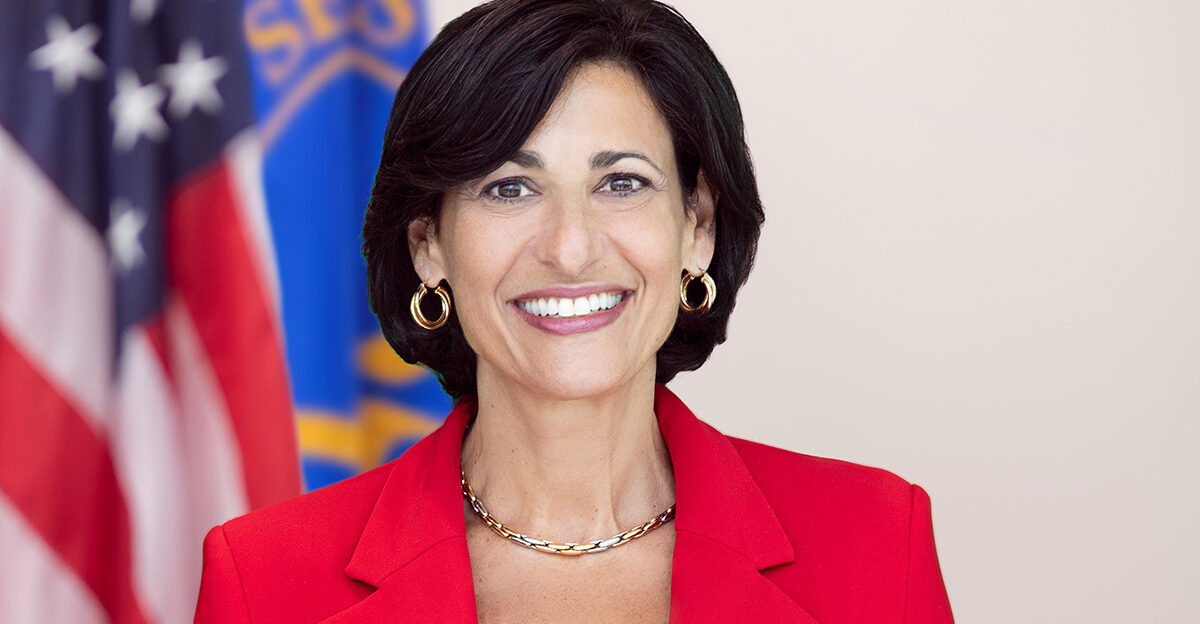
This isn’t just about medicine; it’s also a political issue. The memo explicitly targets the previous administration, accusing former officials of ignoring early warning signs. NBC News reports that Dr. Prasad’s writing described former CDC Director Rochelle Walensky’s statements as “dishonest and manipulative.”
Dr. Peter Marks, the former vaccine chief, pushed back in The New York Times, calling the memo’s tone “clearly political” and suggesting that the attributions might turn out to be debatable once the facts are actually verified.
Ten Deaths in a Sea of Millions

To understand the scale, you have to look at the numbers. Pediatric vaccination uptake has varied significantly by age, with approximately 42% of children ages 5-11 and 75% of adolescents ages 12-17 having received at least one COVID-19 dose by early 2022.
If these ten deaths are indeed linked—a big “if” that remains unproven—it would represent a rate of roughly one in several million. While every child’s death is a tragedy, STAT News highlighted that COVID itself was the eighth leading cause of death for young people in a recent year, a context the memo largely omitted.
The Myocarditis Mystery Remains Unsolved

Dr. Prasad’s memo suggests that myocarditis—heart inflammation—is a potential culprit, but the details end there. We know vaccine-related myocarditis exists, but experts like Dr. Offit note that most cases are mild and resolve quickly, unlike the severe damage caused by the virus itself.
Without knowing if these children had underlying heart conditions or other infections, it is impossible to know if the vaccine was the actual cause or just a tragic coincidence.
FDA Staff Given an Ultimatum: Agree or Resign

The tension inside the FDA is reportedly reaching a boiling point. According to NBC News, Dr. Prasad’s memo didn’t just present data; it issued a challenge, suggesting that staff who disagreed with his new, stricter safety philosophy should consider resigning.
It’s a dramatic cultural shift for an agency that has traditionally been built on consensus and debate.
Parents Are Asking: “Did We Do the Right Thing?”

For parents reading the headlines, the nuances of peer review don’t matter as much as the fear. This memo strikes at the heart of every parent’s nightmare: the idea that a choice made to protect their child might have caused harm. With “likely” and “probable” thrown around without proof, families are left second-guessing their decisions.
Dr. Dorit Reiss, a law professor at UC Law San Francisco specializing in vaccine regulation, criticized the FDA’s approach, warning that releasing conclusions without transparent supporting data could erode public trust in vaccines.
The Industry Scrambles for Clarity
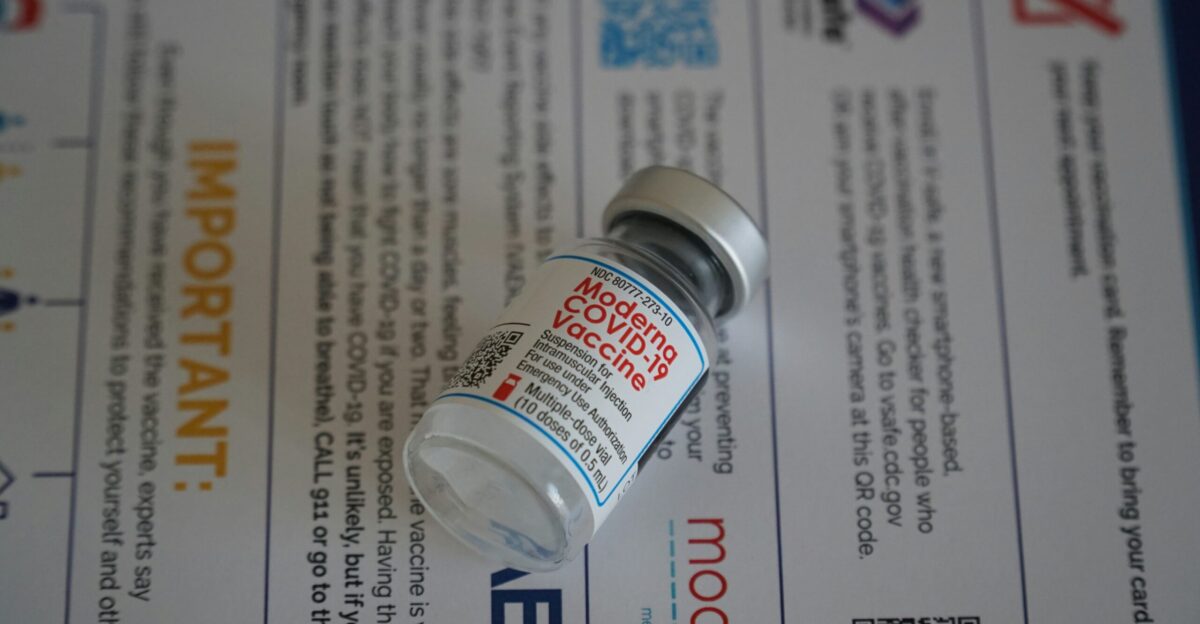
It’s not just parents who are confused; pharmaceutical companies are racing to figure out what this means for the future. Politico reports that the industry is scrambling to understand Dr. Prasad’s proposed overhaul of vaccine trials.
Moderna, whose shot is authorized for young children, stated it has seen no new safety signals that would support these claims.
A New Era of “Impossible” Standards?

The implications go far beyond COVID. The memo proposes stricter approval protocols for all vaccines, including annual flu shots and those for pregnant women. Critics warn this could grind progress to a halt. By demanding larger, longer trials for updated shots, the FDA might unintentionally delay access to critical boosters.
As Dr. Reiss pointed out, raising the bar too high based on unpublished data could leave the population vulnerable to the next wave of viral infections.
Interpreting Raw Reports
The review relied heavily on reports from VAERS, a database where anyone can submit a suspected side effect. It’s a valuable early-warning system, but it was never designed to prove causation. As NBC News notes, the database itself warns that reports can be incomplete or coincidental.
By treating these raw reports as “likely” proof of death without releasing the investigation details, the FDA is flipping the standard operating procedure of epidemiology on its head.
Trust Is the First Casualty

Public health relies entirely on trust, and experts fear this episode is shattering it. Dr. Adalja warned that releasing conclusions without the supporting evidence “breeds distrust.” If the data eventually shows the vaccine didn’t cause these deaths, the damage will already be done.
It’s a “boy who cried wolf” scenario: if the FDA gets this wrong, will anyone listen when a real emergency strikes next time?
Booster Season in Limbo
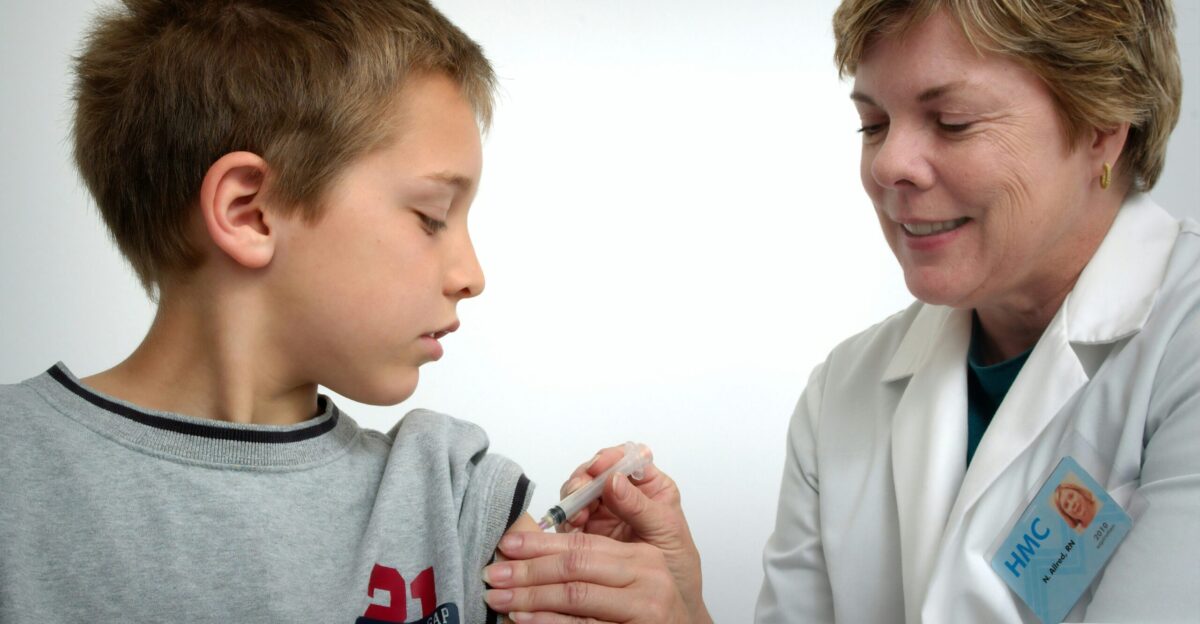
The timing couldn’t be trickier. With a CDC advisory committee set to meet and respiratory virus season ramping up, this memo throws a wrench into the machinery of public health. Pediatricians, who typically advocate for boosters, are now operating without clear guidance.
Without the underlying data, they cannot look a parent in the eye and explain the risk-benefit ratio, leaving families to navigate the winter surge with more questions than answers.
The “Coercive” Label
Perhaps the most striking language in the memo is the branding of vaccine mandates as “coercive.” Dr. Prasad suggested these policies may have done more harm than good—a direct contradiction of the FDA’s stance just a year ago.
This philosophical pivot signals that the new leadership views public health mandates through a fundamentally different lens, one that prioritizes individual skepticism over collective immunity, a shift that could redefine how America handles future pandemics.
The Wait for Proof
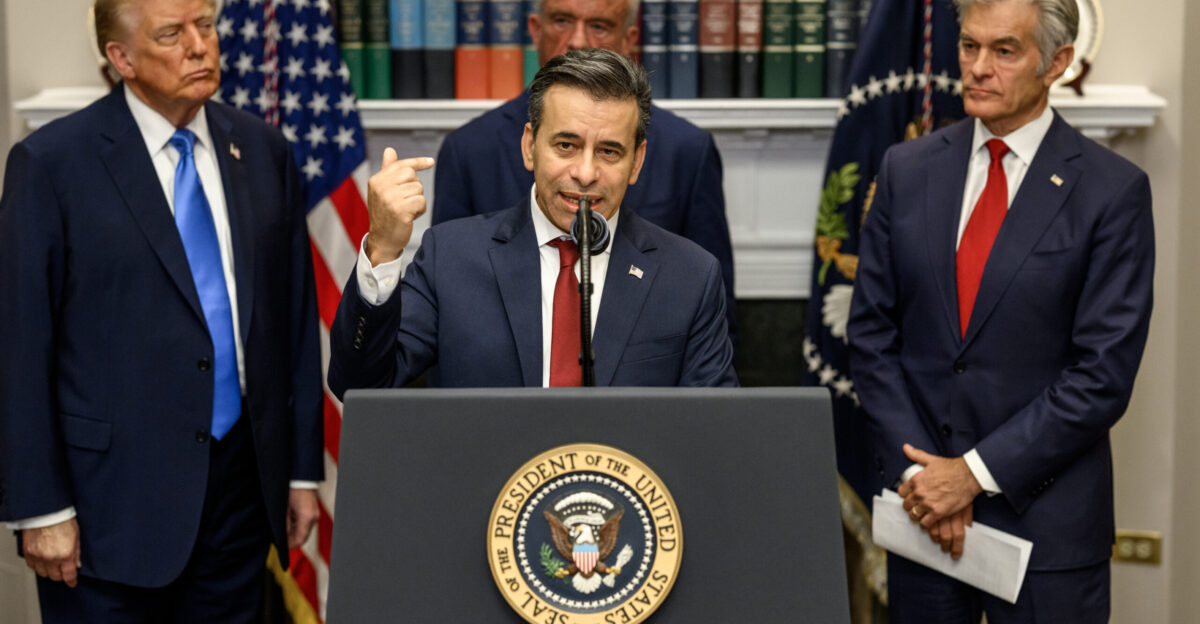
The ball is now firmly in the FDA’s court. Commissioner Makary has promised transparency, but days after the bombshell, the public is still waiting for the release of the files. The Department of Health and Human Services has yet to confirm when—or if—the complete data will be released.
Until then, the “10 deaths” headline hangs over the agency like a cloud, fueling speculation and fear in the absence of hard facts.
The Credibility Test for New Leadership
This is the first major test for the FDA’s new administration. They have staked their reputation on being the “truth-tellers” who reveal what was hidden, but transparency works both ways. If they fail to produce convincing evidence linking these deaths to the vaccine, they risk looking like they are prioritizing politics over science.
As Dr. Offit told the New York Times, if these attributions turn out to be flimsy, the agency’s credibility may not recover.
The Bottom Line for Families
For now, the advice from major medical organizations remains unchanged, but the conversation has certainly evolved. The American Academy of Pediatrics and other groups continue to recommend vaccination based on verified data showing that the shots save lives. But this memo has introduced a seed of doubt that won’t be easily removed.
Until the FDA reveals its findings, parents are caught in the middle of a high-stakes scientific feud, waiting for the full story to emerge.